Center for Land-Based Learning Gets Big Grant

Center for Land-based Learning Awarded $25,000 Bank of America Grant

Grant will support General Operating Funds for the Growing Non-profit


Bank of America has awarded $25,000 to the Center for Land-Based Learning, based in Woodland, to support General Operating Funds for the growing non-profit.

Bank of America has long been a supporter of the Center’s work, with previous grants funding its Green Corps program and a multi-year Neighborhood Builder project. The current funding undergirds the Center’s mission to inspire, educate, and cultivate future generations of farmers, agricultural leaders, and natural resource stewards, through educational programming, job creation, and workforce development efforts.

Lori A. Rianda, Senior Vice President and Local Market Executive for Bank of America Greater Sacramento, remarked of the partnership, “The work that Center for Land-Based Learning does in our community around workforce development within the ag industry and environmental stewardship is truly impactful. We are pleased to partner with CLBL, a true model for what an effective, sustainable community-based organization should be.”

This grant, in providing General Operating Support to the Center, would directly support Workforce Development, specifically through the FARMS Program and California Farm Academy. The Center directly engages in job creation through the internship portion of the FARMS Program, aimed at helping youth ages 16 through 24 to enter the fields of agriculture and natural resource stewardship. The Center also partners with local partners to create and manage paid internships for youth interested in entering these fields professionally.

Mary Kimball, CEO of the Center for Land-Based Learning, expressed her appreciation for the support: “We are thrilled to be funded by the Bank of America Foundation again through this grant. We value our long-term partnership and the investment that the foundation makes in the economic and social well-being of our region through its philanthropic giving.”

2021-07-21T16:59:44-07:00July 21st, 2021|

Converting Food Waste Into Energy

Food Power per Hour

Food Waste Now Generating Power in Many US Cities


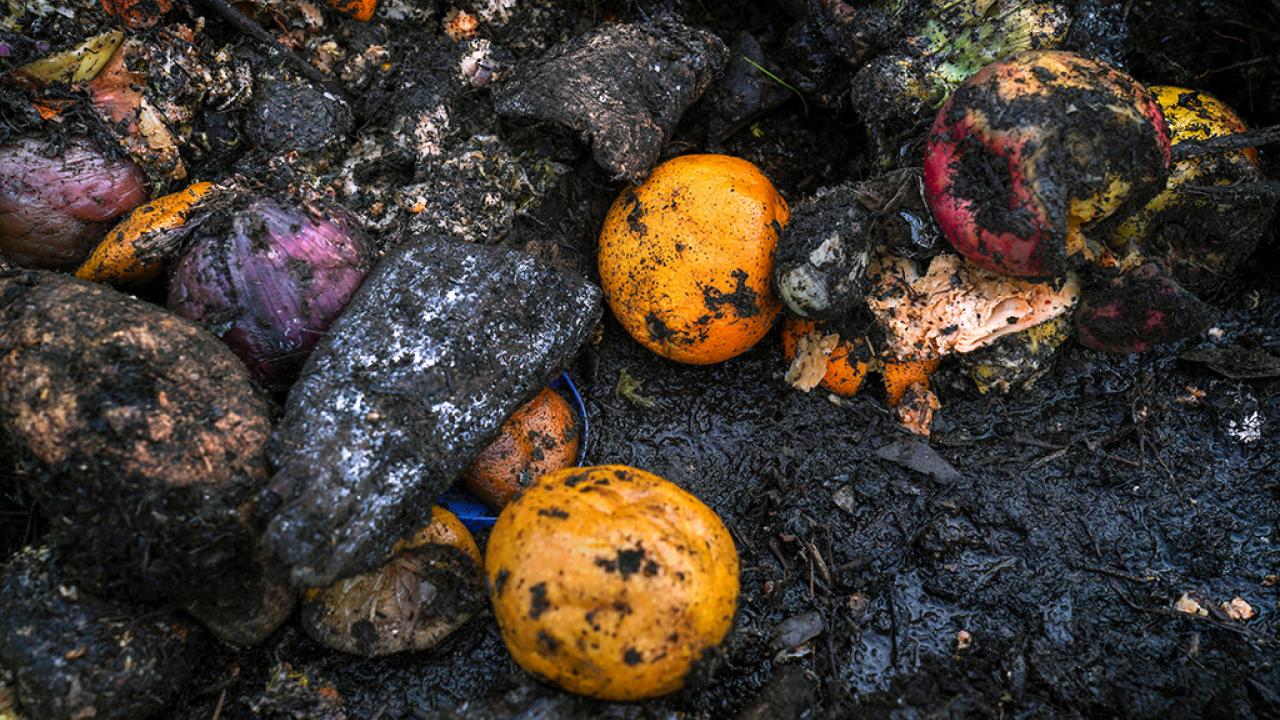
Considering that 795 million people around the world go hungry on any given day, it is shocking that many of us throw away food on a daily basis. In fact, one-third of all food produced globally goes to waste each year, amounting to 1.3 billion tons of wasted food with a value exceeding $1 trillion. According to a recently published report by the Food and Agriculture Organization of the United Nations (FAO), global hunger could be alleviated if just 25 percent of the food wasted each year was saved instead.


While food loss along the production line is a large contributor to waste in developing countries, in developed countries, food wastage tends to occur after it reaches the supermarket. This wastage is driven by affluent consumers who stock up their refrigerators with far more food than they can possibly eat before the recommended “best-by” dates. As a result, a large portion of uneaten food is discarded and simply replaced with even more food (which may later go uneaten).

The amount of food wasted varies from city to city, and with only nine of the top 25 most populated cities mandating food waste legislation, there is a lot of room for improvement. The good news: We do have cities leading the effort to reduce food waste across the country.

California has recently introduced a Mandatory Commercial Organics Recycling law that requires all businesses to recycle their organic waste. CalRecycle has online resources that help consumers manage food waste, and it has been conducting workshops in support of a newly proposed Food Waste Prevention Grant Program.

As part of its Zero Waste Initiative, the City of Austin, Texas, recently voted unanimously for a city ordinance that requires all large restaurants (over 5,000 square feet) to separate compostable waste from other waste material.The Home Composting Rebate Program offers consumers a $75 rebate on a home composting system after attending a free composting class.

Businesses in New York City have also heeded the call of a Zero Waste Challenge. Restaurants composted organic waste, trained chefs to improve meal planning, reduced the amount of food produced after peak periods, and donated surplus food to an NGO that provides meals to the city’s homeless shelters. The 31 businesses that participated in the challenge collectively diverted 37,000 tons of waste by increasing recycling efforts, composting over 24,500 tons of organic material, and donating 322 tons of food. Additionally, in July 2016 the city mandated Business Organic Waste program, where qualified business are required to separate their organic waste for composting.

Every year the average person in North America may waste around 231 pounds of food, which if converted to energy, could power a 100 watt light bulb for two weeks. If you extrapolate that for the entire U.S. population, it represents a lot of energy that could be saved right there.

A country with a population of 319 million could waste as much as 74 billion pounds of food a year, which if saved could result in tremendous energy savings that could be put to much better use. But to reduce food waste, these savings need to be implemented from the bottom up rather than the top down, starting in individual homes and businesses in towns, cities, and states across the country. If each and every household and business made a concerted effort to reduce food waste, the collective savings regarding energy would be huge.


For more information visit https://www.saveonenergy.com/food-power-per-hour/


2021-07-20T11:00:30-07:00July 15th, 2021|

Chef Finalists Announced for CADairy2Go!

Real California Milk Foodservice Announces Chef Finalist For CADairy2Go

Finalists compete for over $22,000 in prizes for innovative use of California dairy

The California Milk Advisory Board (CMAB) today announced chef finalists in the inaugural CADairy2Go foodservice competition – a spotlight on “to-go” meal innovation. The competition, which will award prize money totaling $22,500 for creative use of California cheese and dairy in off premise dishes, will culminate with a live cook off event July 28th at the Culinary Institute of America in Napa, Calif.

Inspired by chefs and foodservice operators who made quick, creative pivots to adjust menus for the takeout and delivery model during the pandemic, the Real California Milk Foodservice Team invited 12 culinary professionals to compete in the CADairy2Go preliminary round. This list was winnowed to six finalist chefs and their creations to compete in a live cook-off event July 28th at the Culinary Institute of America’s Copia location in Napa, Calif.

During the live event, emceed by “Check, Please! Bay Area” host, Leslie Sbrocco, dishes will be evaluated by a panel of three leading culinary professionals: Barbara Alexander, Certified Executive Chef and Certified Culinary Educator from the American Culinary Association; Neil Doherty, Corporate Executive Chef – Sr. Director of Culinary Development at Sysco; and Duskie Estes, Culinary Personality, Chef and Co-owner of Black Pig Meat Co. and MacBryde Farm.

The 2021 CADairy2Go finalists are:

In the “Cheese+Mac” category, Carrie Baird of Rose’s Classic Americana in Boulder, Colo., preparing Skipjack & Cheesy Mac, a dish inspired by what she cooks for herself with a variety of tastes and textures including four California cheeses, skipjack tuna, charred broccoli, peas and corn along with togarashi, sriracha and furikake seasoning. She will compete against Alex Sadowsky of Twin Peaks in Dallas, Texas, who will showcase California Cacio e Pepe Cheese and Mac, a twist on the classic “cheese and pepper” dish using triple cream California brie and a California manchego.

Under “Cal-Mex”, Gina Galvan of Mood for Food Consulting in San Juan Capistrano, Calif. brings inspiration from family travels to Ensenada to her Surf & Turf Torta entry made with California panela cheese and lobster grilled in adobo butter, skirt steak, chorizo and California cotija cheese fries. Her competitor, Mary Grace Viado of Village Tavern in Birmingham, Ala., will showcase Mexi-Cali Shrimp Scampi, featuring cubes of blackened California panela and served with homemade arepas.

In the “Innovate to Go” category, Marti Lieberman of Mac Mart in Philadelphia, Pa. will be presenting her Rangoon-inspired entry, Mac’n Snax, which brings portability to her five-cheese, ranch mac and cheese made ready for easy snacking or entertaining. She will face off against Brian Mullins of Ms. Cheezious® in Miami, Fla. who marries grilled cheese with fresh California mozzarella, cheesy pesto and a California Dry Jack cheese frico coating in his Frico Pesto Melt, a partnership of cheesy, gooey and crunchy.

The cook off, hosted July 28th at the CIA’s Copia facility in Napa, will be streamed on Facebook live at 10:30 a.m. PT (Cheese+Mac), 12:30 p.m. PT (Cal-Mex), and 2:30 p.m. PT (Innovate To-Go) at facebook.com/realcamilkfoodservice. Additional details on the competition and the chef competitors is available at CADairy2Go.

“We were inspired by the creations of the CADairy2Go chefs who really pushed themselves to create recipes that not only spotlight the best of California dairy but also hold up to the rigors of takeout and delivery to ensure a positive consumer experience,” said Nancy Campbell, Business Development consultant for CMAB Foodservice. “This is where dairy shines, bringing flavor and functionality to foodservice operators in an affordable package.”

As the nation’s largest dairy state, California boasts a long list of cheesemakers and dairy processors that are further driving to-go dining innovation. California leads the nation in milk production and is responsible for producing more butter, ice cream and nonfat dry milk than any other state. The state is the second-largest producer of cheese and yogurt. California milk and dairy foods can be identified by the Real California Milk seal, which certifies they are made exclusively with sustainably sourced milk from the state’s dairy farm families.

California is a reliable, consistent source of sustainable dairy products used by chefs throughout the world. Check out the CMAB’s REAL Makers chefs who rely on California dairy for their dishes.

2021-07-15T10:18:19-07:00July 15th, 2021|

Breeding Drought Resistant Crops Part Two

Drought-Resilient Tomatoes – Part Two

By Tim Hammerich with the Ag Information Network

As thousands of acres of California cropland are going fallow due to lack of water availability this year, researchers at UC Davis are trying to understand how to breed more drought-resilient crops. Some of that work is being done on tomatoes by Siobhan Brady and her colleagues, who are focused on cells within the plant’s roots.

“For the first time, we actually looked at what’s happening in those individual cells both in a lab, but also in a field environment. And that’s the first time that’s really been done at this resolution, which is really, really exciting. The second really high level of finding is that we’re able to integrate some genetic information from wild populations that are drought tolerant. And to be able to look at how xylem cells are formed,” said Brady.


“So the xylem are basically these long hollow pipes. They’re the ones that are responsible for transporting the water from below ground to above ground. Or transporting the nitrogen, the phosphate, etc. And so we now understand some of the genes that control that. And some of them were the ones that we expected from other species, and some of them were new and really unexpected.”


Brady hopes this work can be applied not only to tomatoes, but to other crops as well.

2021-06-30T20:06:20-07:00June 30th, 2021|

Congressional Leaders Learn About Almond Pollination

Almond Board Briefs Congressional Caucus About Pollinator Coalition


Chief Scientific Officer Josette Lewis highlights coordinated efforts of state’s farm and conservation communities.


Lewis was one of four speakers, and the only representative from agriculture, at the virtual congressional briefing on the status of pollinators convened by Reps. Rodney Davis (R-IL) and Jimmy Panetta (D-CA) during National Pollinator Week. They are co-chairs of the Congressional Pollinator Protection Caucus.

“This hearing, and this week, were extremely valuable because they helped raise awareness about the need to protect all pollinators and their habitats,” Lewis said. “For the California almond industry, every week is pollinator week. This is something we work hard at every day.”

During the briefing, Lewis detailed the steps being taken by the California Pollinator Coalition and why its brand of collaborative conservation is a strong model to both bolster the health of pollinators and to set an example for a range of effective environmental alliances among independent groups.

The pollinator coalition includes more than 20 California organizations and was spearheaded by the Almond Board of California (ABC) along with the Pollinator Partnership and the state Department of Food and Agriculture. It represents the large majority of agricultural acreage in the state and its goal is to expand pollinator health and habitats on working ag lands.

bee protection

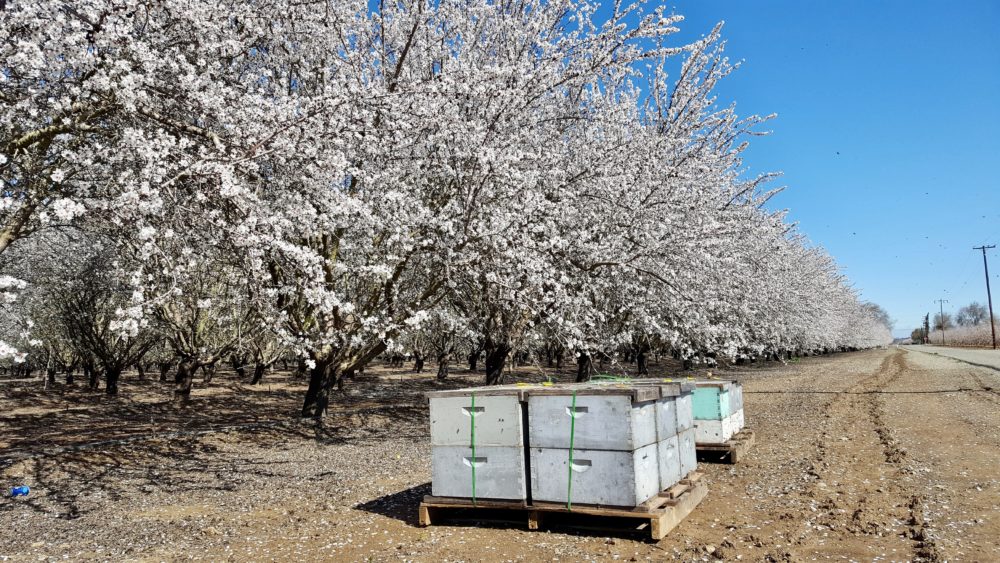
Bees pollenating almonds.

“The representatives heard how the coalition represents agriculture putting its best foot forward,” Lewis said. “Given the crucial importance of pollinators to food production and to ecosystems, it’s essential that agriculture be part of the solution. That’s one reason ABC partnered with the Pollinator Partnership to help build this coalition. We know the almond industry and the ag community can continue to help.”

A key subject the congressional leaders wanted Lewis to address was the value of collaborations like the Pollinator Coalition, how they can be built and how they can help in areas ranging from research to shared incentive programs.

One incentive example is ABC’s Bee+ Scholarship program, which pays up to $2,000 of the cost of seeds for pollinator-friendly cover crops and has added 15,000 acres of pollinator habitat in almond orchards in its first year. It will also cover the fees to register as a Bee Friendly Farm.

“The goal is to reduce the risks to growers to try new practices that can benefit pollinators and growers alike. One size does not fit all growers, so this offers a chance to try something new,” Lewis said. “Collaborations are effective because everyone has a stake in healthy ecosystems and healthy food, and together we can help each other take actions and make a difference.”


2021-06-30T12:52:43-07:00June 30th, 2021|

Tomato Roots Studied for Drought Resilient

Drought-Resilient Tomatoes – Part One

By Tim Hammerich with the Ag Information Network

The key to drought resilience in crops like tomatoes most likely lies in the roots, which are hard to study because they are of course underground. Siobhan Brady and a team of researchers at UC Davis have been working on creating a molecular atlas of tomato roots, where plants first detect the effects of drought and other environmental threats.

“We wanted to be able to first try to understand what is happening in the individual cells within those roots underground. And then to use that as a platform to try to understand similarities and differences in other root cells of other species,” said Brady.

Among many discoveries in this research, Brady and his team have been able to better understand how the exodermis helps make plants more drought resilient.

“It hadn’t really been molecularly characterized before, but it produces this barrier. And that barrier is thought to be really important for protecting the root when there isn’t enough water. In the ground. So it kind of forms a barrier to keep that water in. And so now we have the genes that we think are controlling that, and so we can study that process more and hopefully be able to breed more drought-resilient tomatoes,” noted Brady.


2021-06-28T18:33:53-07:00June 28th, 2021|

Managing Wildland Weeds

UC Launches WeedCUT,  To Manage Invasive Weeds in Wildlands 

California has abundant wildlands — forests, rangeland, open areas, wildlife refuges and national, state, and local parks — that need protection from invasive plants. Invasive plants affect all Californians by increasing wildfire potential; reducing water resources; accelerating erosion and flooding; threatening wildlife; degrading range, crop and timberland; and diminishing outdoor recreation opportunities. According to the California Invasive Plant Council (Cal-IPC), more than 200 identified plant species harm California’s wildlands.

Cal-IPC and the University of California Statewide Integrated Pest Management Program (UC IPM), with funding from the California Department of Pesticide Regulation (DPR) Alliance Grants Program, developed two resources that provide land managers access to the latest information on non-herbicide practices for managing weeds in wildlands. Best Management Practices for Non-Chemical Weed Control is a free downloadable manual. The same information has been incorporated into an interactive online tool called WeedCUT (Weed Control User Tool: weedcut.ipm.ucanr.edu).

“We anticipate WeedCUT will increase the use of more mechanical, physical, or biological practices, and potentially result in the reduction of herbicides used to manage wildland invasive weeds,” said area IPM advisor emeritus Cheryl Wilen. “Best Management Practices for Non-Chemical Weed Control and WeedCUT were developed so land managers can become more knowledgeable and skilled in the use of non-herbicide methods as part of an IPM program.”

Best Management Practices for Non-Chemical Weed Control provides comprehensive descriptions of 21 commonly used non-herbicide weed control techniques and biological control agents for 18 invasive plants. Each chapter is the synthesis of research and on-the-ground knowledge from practitioners about non-herbicide methods. The chapters describe how a technique is best applied, the types of invasive plants and environmental conditions where it is most effective, and what its shortfalls might be. Environmental, cultural, and human safety risks are highlighted to help support the safe and effective use of these methods.

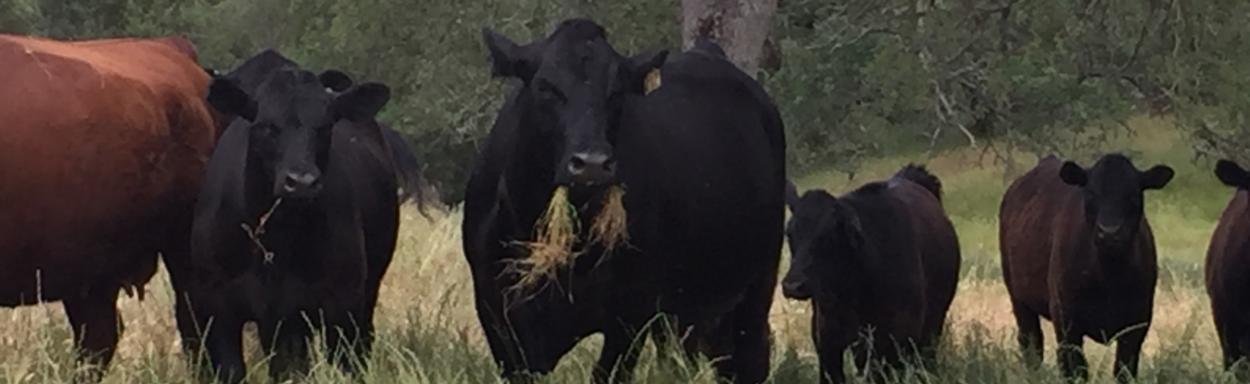
Wildland Weeds Harm Cattle

WeedCUT is the online version and can be used to learn about the different non-herbicide management methods, including the section on biological control. To filter through the database and learn which management practice to consider for a particular site and invasive plant type, a simple interface allows users to pick characteristics that describe their site and invasive plant problem. The tool then filters through the database to display the practices ranked by efficacy (excellent, good, fair, poor or ineffective). As in the manual, use of the technique and potential hazards are covered.

Best Management Practices for Non-Chemical Weed Control and WeedCUT are designed to be the go-to resources for practitioners that complement their conventional weed management work with non-herbicide techniques or are restricted in their use of herbicides. Both resources will help practitioners manage weeds more effectively.

“Many experts in the field have contributed to create the manual and WeedCUT. It has been exciting to see these techniques described and reviewed so carefully. We’re looking forward to seeing land managers, as well as all folks fighting weeds, incorporating the information from the manual and WeedCUT into their work,” said Jutta Burger, science program director and project lead with Cal-IPC.

While the manual and tool focus on non-herbicide methods, the hope is future funding can be found to continue the work and integrate herbicide options online.

“Land managers typically use both herbicide and non-herbicide methods, alone and in combination, to manage invasive plants in wildlands,” said UC Cooperative Extension advisor and UC IPM-affiliated advisor Tom Getts. “A tool that combined both herbicide and non-herbicide methods would guide land managers to determine the most effective overall management program for their particular site.”

2021-06-25T19:08:48-07:00June 25th, 2021|

Slowing Development Over Farmland

California Farmland Trust to Host Event to Slow Pace of Farmland Loss to Development


 California Farmland Trust (CFT) will be hosting the inaugural Race to Slow the Pace run at Bokisch Vineyards on Sunday, Sept. 19, 2021. This live (virtual optional) 5K fundraiser aims to connect people with nature, the environment and the family farms that feed them. The run will foster a connection to the land and the importance of slowing the pace of development to protect valuable farmland.

“We believe in connecting people with the land that feeds our families and the Race to Slow the Pace is a fun, healthy opportunity to take in the climate resilient environment that farmland provides,” shared Charlotte Mitchell, executive director at California Farmland Trust. “When we were brainstorming locations, Bokisch Vineyards was an obvious fit. Markus and Liz have a true appreciation for the land and have championed our mission. Not to mention, the course offers breath-taking views and opportunities to learn what makes Bokisch Vineyards unique.”

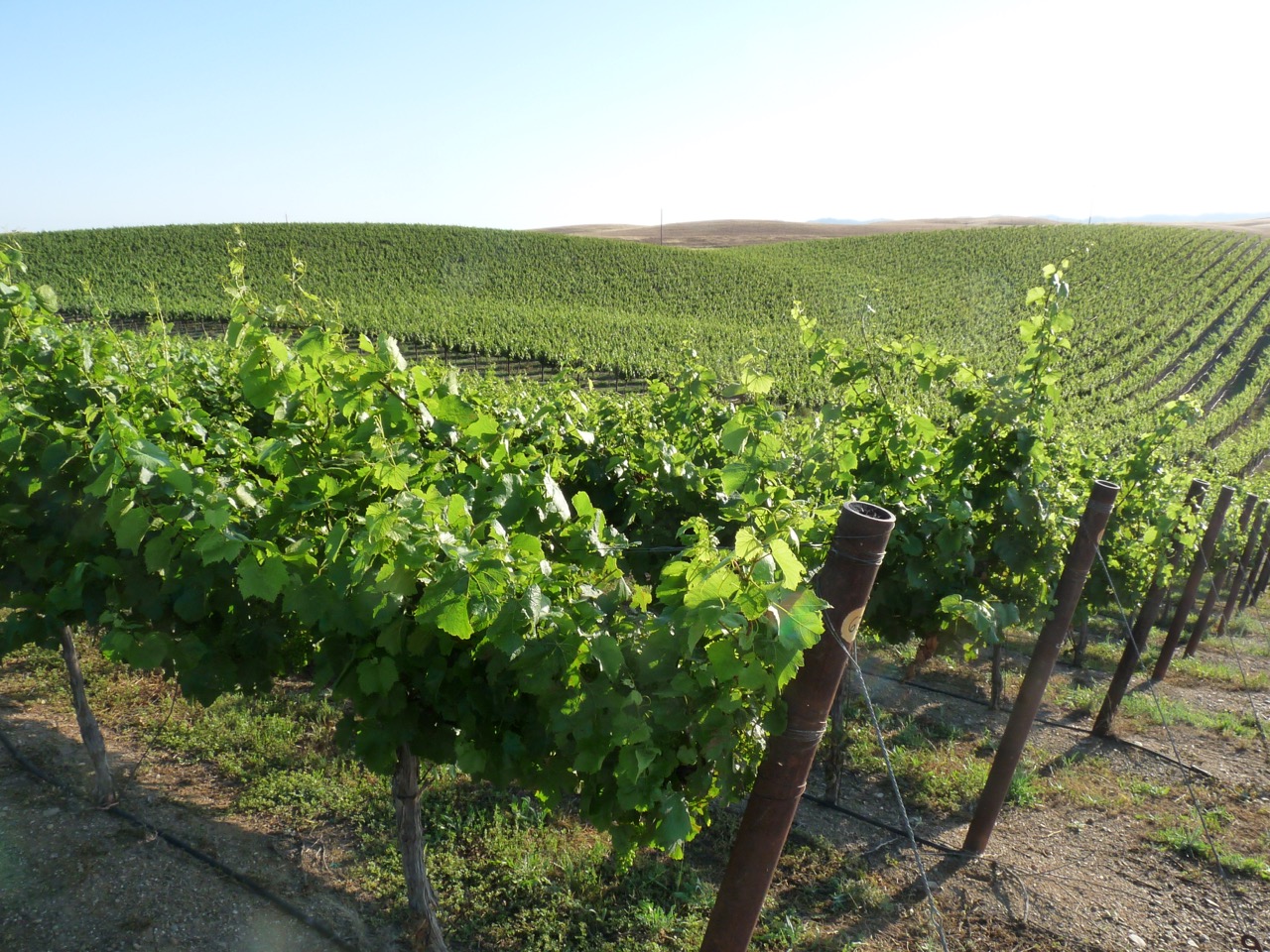
California Winegrape Vineyard

California Winegrape Vineyard

Race to Slow the Pace runners will weave through the scenic Bokisch Vineyards, kicking-off where the winery meets the vineyard, continuing through the property on a maintained terrain, taking in the vines and the habitat, and eventually crossing the finish line at Bokisch’s infamous oak tree picnic area. Runners and registered guests will be served a paella lunch and celebrate with awards and Bokisch wine.

“We’re honored to host the inaugural Race to Slow the Pace benefitting California Farmland Trust,” shared Markus and Liz Bokisch. “It’s been our mission to leave the land better than we found it, for our children and our children’s children, while also teaching and inspiring others towards that cause. We look forward to having trained runners, casual joggers, wine enthusiasts, and those that simply love the land, visit our vineyard.”


For event information visit www.cafarmtrust.org/racetoslowthepace. To learn more about Bokisch Vineyards visit www.bokischvineyards.com/.

2021-06-24T21:35:08-07:00June 24th, 2021|

Climate Change Affecting Water Availability

Climate Impact on Water Management

By Tim Hammerich, with the Ag Information Network

Unfortunately, California has had a lot of experience in dealing with drought. While that is not new to the state, what has changed are temperatures, which have a big impact on how we manage our water resources. Dr. Safeeq Khan is a water and watershed sciences extension specialist with the University of California Ag and Natural Resources.

“With a warmer climate, what is happening is actually the precipitation phase itself is shifting from snow to rain. So we’re getting a lot more rain. All the precipitation is falling as rain. So what is happening is, you know, all the water is actually hitting the creek and the stream and, you know, flowing down the stream. So it’s not being held, um, in any type of storage. So that’s one thing that has changed, right? So our capacity to store water has shifted drastically,” said Khan.

Dr. Khan adds that not only do these changing temperatures affect how much water we can capture, but it also increases the amount of water that we lose even if it is captured due to evaporation.

Khan… “Because of the warmer temperature of the atmosphere itself, you know, it’s warmer, right? So the hot air can boil a lot more water. So, the natural vegetation and evaporation from the water surfaces, be it a lake, or reservoirs, whatever. All of those things are increasing.”

2021-06-22T21:16:01-07:00June 22nd, 2021|

Mask Rule Dropped for Ag Employees

Cal/OSHA Votes To Drop Workplace Mask Rule For Fully Vaccinated Workers

On Thursday, June 17th, California regulators approved revised worksite pandemic rules that allow fully vaccinated employees the same freedoms as when they are off the job. The revised regulations adopted come after weeks of confusion. They conform with general state guidelines by ending most mask rules for people who are vaccinated against the coronavirus.

Governor Gavin Newsom issued an executive order enabling the revisions to take effect without the normal 10-day approval period by the state Office of Administrative Law. See the COVID Prevention Emergency Readoption Standard here.

The key change in the revisions is abandoning a controversial provision where all employees would have had to wear masks indoors if there were unvaccinated employees in the workplace. Physical distancing and barriers are removed from the ETS, regardless of vaccination status. Physical distancing rules in employer-provided housing and transportation also are eliminated, if all employees are vaccinated.

Watch for additional details of the revised standard in Monday’s edition of the Update and register for the “Impacts of New COVID Rules on Ag Labor” webinar (see below).

2021-06-18T08:28:35-07:00June 18th, 2021|
Go to Top