Associations, Organizations, Educational and Research Institutions

Strawberry Commission Oversees Valuable Crop

Strawberries in California

By Jessica Theisman, Associate Editor

Strawberries are California’s sixth most valuable crop which makes strawberry research a valuable tool for California farmers.  Mercy Olmsted is senior manager of production research and education at the California Strawberry Commission. Growers in the California Strawberry Commission have invested over $28 million into research. These include areas such as diseases, insects, and weeds—all in an effort to help solve production challenges and boost economic gains.

“We are a commission that’s funded by the growers, and so we do research that meets their research priorities,” Olmsted said.

So far, $13 million has been invested in research to explore alternatives to methyl bromide. The commission says that strawberry farmers continue to invest in researching fumigant alternatives.

“We also work with researchers. We have a robust grant program, and we work with those researchers in order to assist them in their field trials,” Olmsted explained.

Some of their researchers are in house, and others are from the USDA and university researchers.

“We develop training programs for our growers because we work for the growers. We can contact them as often as we need to, and we are able to see how things and research priorities might change in the industry,” Olmsted said. “There are a number of facilities and a board that helps direct research priorities and any necessary changes.”

For more information on strawberry research being done by the California Strawberry Commission visit calstrawberry.com.

2021-05-12T11:05:07-07:00January 2nd, 2019|

Hershey’s Chocolate Loves California Almonds

Almonds and Chocolate: The Perfect Duo

By Mikenzi Meyers, Associate Editor

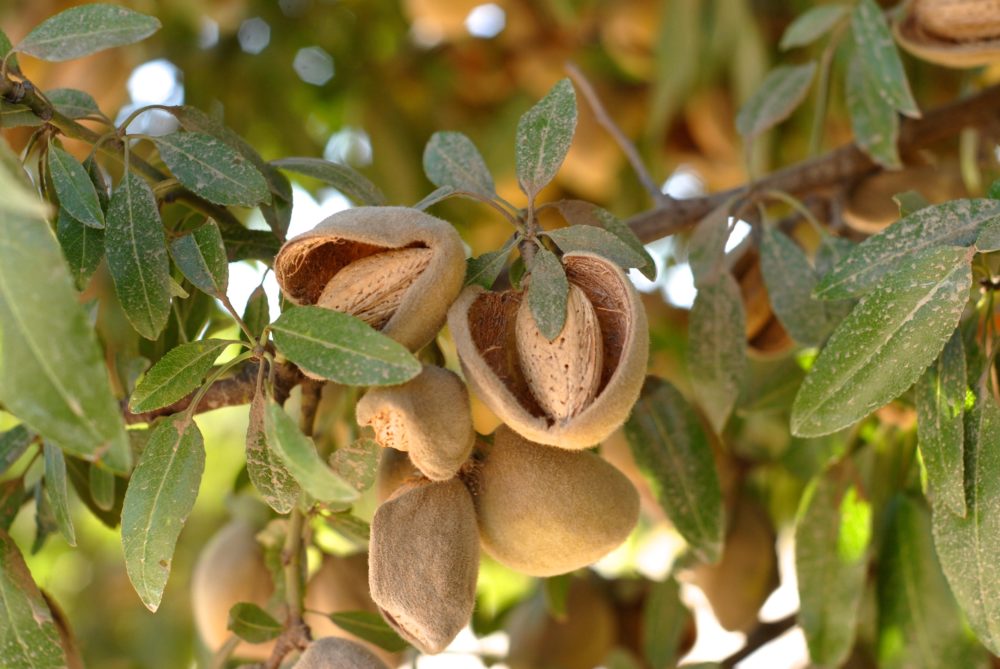
You can find a piece of Hershey’s Chocolate with almonds almost anywhere. The delicious pairing makes for the perfect treat! Karen Ocamb, a supply quality auditor for Hershey’s, is working to make sure the relationship between the almond industry and her company remains sustainable and beneficial.

After visiting the Almond Board Conference in Sacramento, Ocamb reported the good things the board is doing to make the partnership a success.

“My perspective of the Almond Board is a really good, beneficial kind of facility that takes the almonds and gives us a better perspective of what should be done out there,” she explained.

Ocamb also knows the importance of maintaining a healthy relationship between Hershey’s and the almond industry, particularly on the consumer’s behalf. Her goal is to ensure that the communication between the two stay open, in order to keep improving the quality of product for the customer.

“Almonds are a great source of protein, so for the company, blending the chocolate and the almonds together is an essential piece of giving something to the consumer that is beneficial to them, but also sweet,” she said.

2018-12-21T16:40:09-08:00December 21st, 2018|

Table Grape Shipments Soar

California Table Grape Industry Continues Record-Breaking Shipping Season

News Release

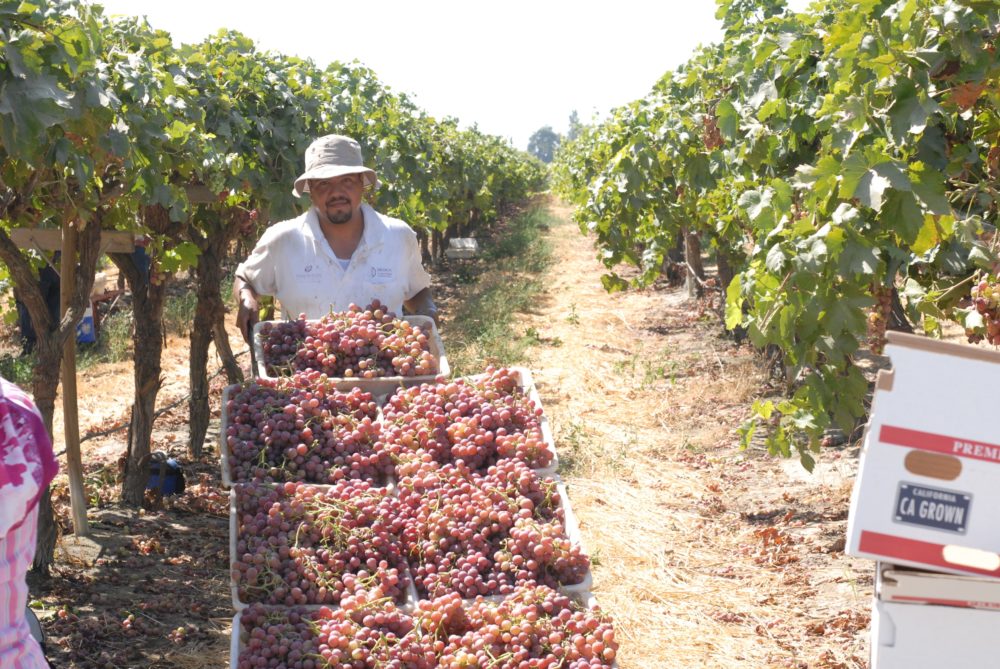
California table grape growers shipped more than 27.7 million boxes into the worldwide marketplace from October 13 to November 30, the highest amount ever for the time period, according to the United States Department of Agriculture (USDA).

The previous seven-week shipment record during the same time period was set in 2013. Earlier this season, the five-week shipping record for the time period between September 8 through October 12 was broken.

The three-month period of September 1 to November 30 set another record with over 55 million boxes of grapes shipped—an all-time high, according to USDA, beating the previous record set in 2013 for this time period.

According to Kathleen Nave, president of the California Table Grape Commission, an aggressive fall and winter promotion program continues, with shipments expected to continue through the end of January.

2018-12-14T15:40:18-08:00December 14th, 2018|

Citrus Mutual Encouraged by Farm Bill

California Citrus Mutual Commends Congress for Action on 2018 Farm Bill

News Release

This week, the U.S. Senate and the House passed the Agriculture Improvement Act of 2018, commonly known as the 2018 Farm Bill, with overwhelming bipartisan support. This legislation will direct agricultural policy and authorize funding for key agricultural programs in the federal government for the next 5 years.

President Trump has the opportunity to enact the 2018 Farm Bill before the end of the year.

CCM President Joel Nelsen offers the following statement:

“California Citrus Mutual applauds the Farm Bill conferees and House and Senate Ag Committees for moving forward a bill that includes priority programs for specialty crop producers. Jeff Denham, Jim Costa, and Jimmy Panetta were crucial voices for California farmers on the House Ag Committee. Along with Representatives Julia Brownley, Ken Calvert, and David Valadao, the California Members were instrumental to securing funding for research, trade and market enhancement, and pest and disease prevention that will directly benefit California specialty crop producers.

“With support from Congressmen Kevin McCarthy and Devin Nunes and Senators Feinstein and Harris, key programs and funding for the U.S. citrus industry will continue in the next Farm Bill.

“The U.S. citrus industry will receive funding to continue priority research to identify a solution to Huanglongbing, a devastating plant disease that is threatening the sustainability of our domestic citrus industry. This is a significant win for U.S. citrus growers.

“On behalf of the California citrus industry, I thank the Congressmen and Congresswoman, our U.S. Senators, and our colleagues in the specialty crop industry who worked diligently over the past several months to create a bipartisan Farm Bill that provides crucial resources to ensure our farmers can continue providing nutritious produce to Americans and people around the world.”

The 2018 Farm Bill includes $25 million per year for 5 years starting in 2019 for research specific to the invasive insect Asian citrus psyllid and deadly plant disease Huanglongbing (HLB). This Emergency Citrus Disease Research and Development Trust Fund will build upon the program created in the Specialty Crop Research Initiative (SCRI) title in the 2014 Farm Bill and complements the $40 million per year program funded by California citrus growers to stop the spread of HLB.

The legislation also includes funding for the USDA Animal and Plant Health Inspection Service’s (APHIS) Plant Pest and Disease Management and Disaster Prevention Program and the National Clean Plant Network (NCPN). Additionally, funding will continue for the Technical Assistance for Specialty Crops (TASC) program, which helps growers overcome artificial trade barriers. TASC has been in operation for over fifteen years and was created to address sanitary and phytosanitary issues and technical barriers to trade that prohibit or threaten exports of U.S. specialty crops.

2021-05-12T11:00:39-07:00December 13th, 2018|

Almond Alliance Fights for Growers

Almond Alliance Shares Grower Interest with Almond Board

By Jessica Theisman, Associate Editor

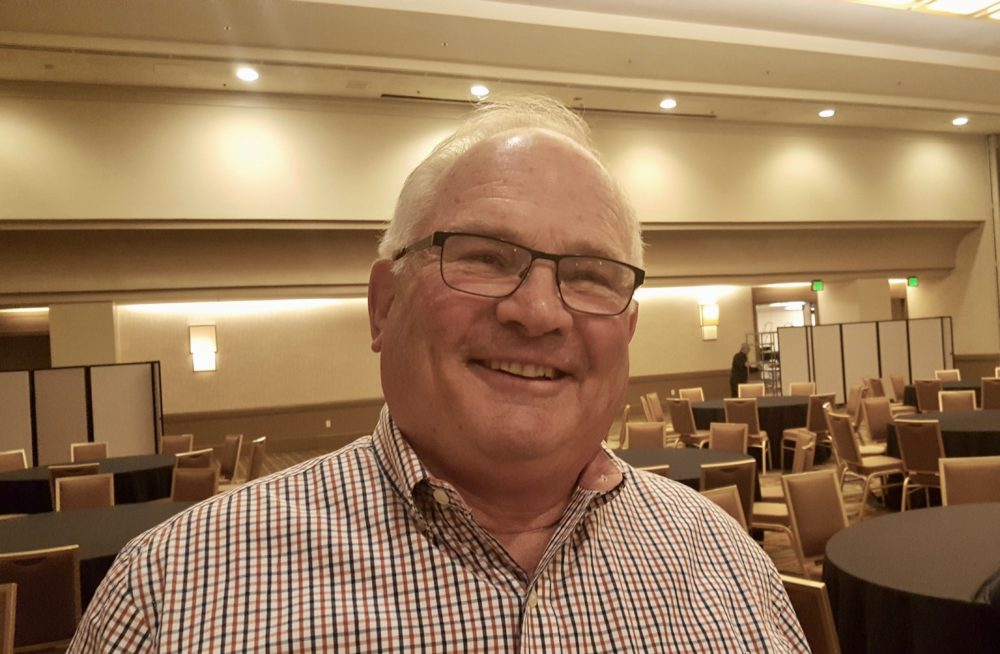
California almond growers are well represented by the Almond Alliance. Elaine Trevino, president of the Modesto-based Almond Alliance, explained the difference between the Almond Alliance and the Almond Board to California Ag Today recently.

“We have a very different structure,” she said. Almond Board’s budget is based on a mandatory assessment. They cannot do use their dollars for advocacy or political involvement. And so the Almond Alliance was created to help fill that void.”

The Almond Alliance is a membership-based organization. One big issue that California almond growers are facing is water allocation. It is very important to understand federal and state in terms of oversight.

Elaine Trevino

“Water is so complex, and right when you think you understand it, you realize that you don’t,” Trevino said.

She thinks their congressional delegation has worked very hard to fight for the agriculture industry. They call it a water fix.

The water infrastructure in California was designed when the population was one-third of what it is today.

“Until some of those hard discussions of growth and development and storage happen, it’s just going to be continual band-aids and fixes, and it definitely needs to be something much more,” Trevino said.

This is going to take some real leadership and a lot of people have been working very hard at this.

“I’m a big supporter of DeeDee D’Adamo, a member of the California State Water Resources Control Board, because she continues to fight for ag. She is very knowledgeable, especially when there is a water shortage,” Trevino said.

“Until we can start having some of those discussions about above ground water storage and general water use for the state of California, we’re gonna just be putting band-aids on really big problems,” she explained.

2018-12-12T15:15:38-08:00December 12th, 2018|

Jeff Mitchell: Conservation No-Till Is One Option For Water Conservation

Jeff Mitchell Has Devoted Career to Conservation No-Till

By Patrick Cavanaugh, Editor

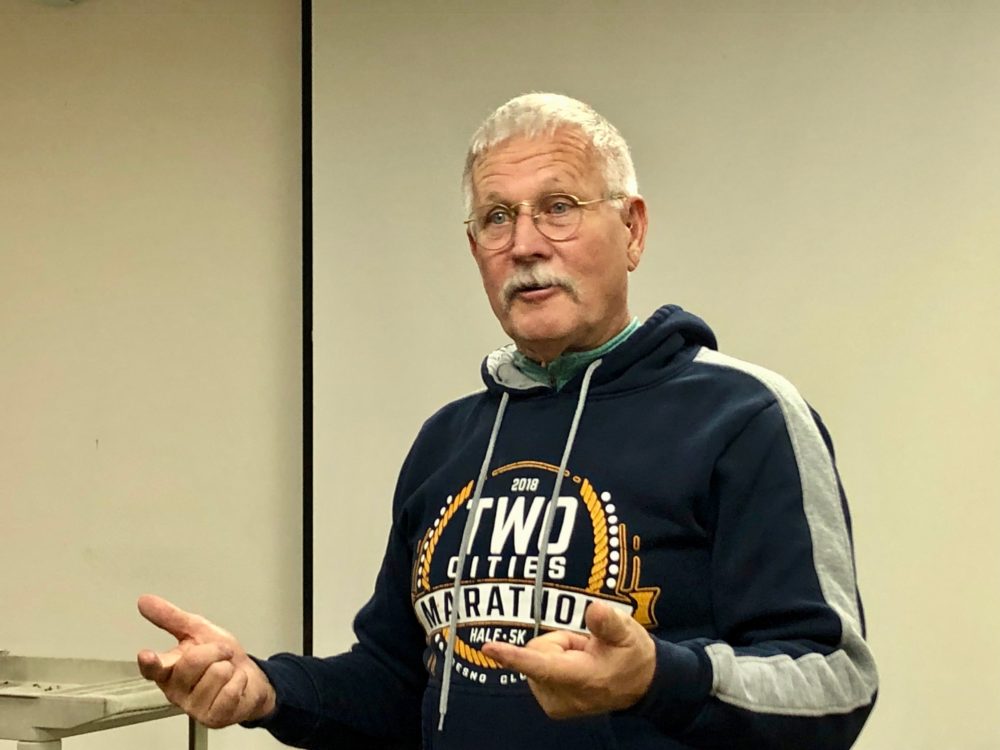
Jeff Mitchell is a Cropping Systems Specialist at UC Davis, based at the Kearney Agricultural Research and Extension Center in Parlier. He has devoted 19 years to improving nitrogen and water use efficiencies in food, feed, fuel and fiber in no-till cropping systems.

Mitchell’s passion helped found Conservation Agriculture Systems Innovation Center (CASI) in 1998. CASI operates under the auspices of the University of California Division of Agriculture & Natural Resources.

His no-till research focuses on soil quality management and potential roles of cover crops and compost in intensive row crop production systems, and the use of cover crop mulches as a means of conserving soil water, suppressing weeds and increasing organic matter in no-till production systems.

He often cites a book called Plowman’s Folly by Edward H. Faulkner, published following the ruinous Dust Bowl. Faulkner dropped an agricultural bombshell when he blamed the then universally used moldboard plow for disastrous pillage of the soil.

This book is the 11th all-time cited, read, or acknowledged a piece of work related to the soil in the history of scientific literature.

“When it was written in 1943, it caused great arguments. The government got involved with the USDA trying to defend the science of the day,” Mitchell said.

The reason the book was so controversial is that it proved that there had been no scientific reason for plowing.

“He was getting in people’s faces by saying, ‘This might not be the way to do it,’ ” Mitchell said. “Faulkner’s stance was embroiling people.”

Mitchell’s work centers on conservation, no-till production of vegetable and cotton crops. The idea is to plant in the crops’ residue, which builds up a rather thick layer of mulch on the bed—leading to reduced water and nitrogen, as well as minimizing weeds.

Mitchell cited several growers in the Midwest and in California that are successfully practicing conservation no-till agriculture. And there is much more recent attention on soils with the Healthy Soils Program (HSP)—stemming from the California Healthy Soils Initiative, a collaboration of state agencies and departments to promote the development of healthy soils on California’s farmlands and ranch lands.

Jeff Mitchell describing the no-till soil that he has been working with for 19 years.

The HSP has two components: the HSP Incentives Program and the HSP Demonstration Projects. The HSP Incentives Program provides financial assistance for the implementation of conservation management that improves soil health, sequester carbon and reduce greenhouse gas (GHG) emissions. The HSP Demonstration Projects showcase California farmers’ and ranchers’ implementation of HSP practices.

“The principles that we are pursuing are allowing growers to keep excellent yields and maybe increase sometimes, cut out some inputs like fertilizers to save money, and to do it with less—less disturbance and fewer operations,” Mitchell explained. “None of this is new. It was 90 years ago when the Natural Resources Conservation Service established the principles of good soil management

  1. Healthy soil holds more water (by binding it to organic matter), and loses less water to runoff and evaporation.
  2.  Organic matter builds as tillage declines and plants and residue cover the soil. Organic matter holds 18 to 20 times its weight in water and recycles nutrients for plants to use.
  3. One percent of organic matter in the top six inches of soil would hold approximately 27,000 gallons of water per acre!
  4. Most farmers can increase their soil organic matter in three to 10 years if they are motivated about adopting conservation practices to achieve this goal.

“In 2013, a group of 30 farmers came up with a similar kind of a list,” Mitchell said. “They brainstormed on what would be good soil management, and they came up [with] feed the soil organic matter, reduced disturbance, increased diversity—the same as the NRCS list.”

Mitchell cited a newspaper article published in 1931. “People were finding benefits of cover crops in San Joaquin Valley farming systems. Now with the Healthy Soils Initiative, farmers are trying these techniques and evaluating it. There’s a lot of activity that is going on at many different sites in the state.”

Mitchell’s work at the West Side Research and Extension Center in Five Points on the conservation no-till approach has been with scientific protocol and replicated over 19 years.

“Initially, we would have several systems. In the no-till system, rotations of cotton, transplanted tomato, and a forage crops would grow back to back in a no-till system,” he explained. “Each crop would be planted in the residue of the previous crop. Over the years, the no-till plots have grey residue from last year plantings.”

A cover crop has been planted in a no-till field of cotton that followed tomatoes.

“Cover crops can also be part of the no-till system, which over the last 18 years have added 34 tons of biomass, which includes 13 tons of carbon per acre to the system, which is a good thing,” Mitchell said. “It adds fuel to the soil biology, but it’s not perfect.”

“My supposition would be that growing cover crops is more completed than people think. I have been at meetings where growers say: ‘are you kidding, I’m not going to grow cover crops because I do not have the water,’” Mitchell noted.

He said he understands the situation in not having enough water. But he explained, “In the winter time, yes there will be evaporation from the soil service every day. Radiation is beating down, and there will be evaporation.”

Evaporation in the cover crop field could be more nuanced. Maybe because the soil surface is shaded out, which would cool the soil, there may not be that much evaporation. The cover crops may increase infiltration of water in the ground, instead of it ponding on the soil surface.

“Yes, there will be some inevitable use of water by growing vegetation in the field in the winter, but it could be less than we think,” Mitchell said.

Mitchell then showed two large aluminum pans of soil. One showed soil dug up in an open field that has been tilled. The other container is soil with crop residue from the non-tilled plots.

He takes a handful of each and drops them into two individual gallon jars within an open metal grid with a few inches of water. This what Mitchell sees every time he does this. The large jar with tilled soil breaks up rapidly with soil particles dropping to the bottom. Within the no-tilled soil jar, the chunk of soil is very stable, with no soil particles breaking off.

“One thing that we are not doing now is looking at the potential benefits of these no-till systems and practices for conserving water and making better use of water that has been achieved in other areas of the world such as South America and the Great Plains and other regions of the United States. They do not have irrigation systems that California has; they have to wait for rainfall.”

“When we do the no-tilled system with lots of residue from back-to-back crops, with cover crops and with no disturbances, you may be able to keep 4 to 5 inches of water in the soil each year compared to a tilled crop.

More information on the Conservation No-Till system can be found here.

2021-05-12T11:05:07-07:00December 10th, 2018|

USDA Purchases More Than $10 Million in California Table Grapes

Food Banks, Other Food Programs to Get Grapes as Part of Tariff Mitigation Program

New Release Edited By Patrick Cavanaugh

The United States Department of Agriculture (USDA) recently completed a purchase of more than 450,000 boxes of California table grapes as part of its tariff mitigation program.

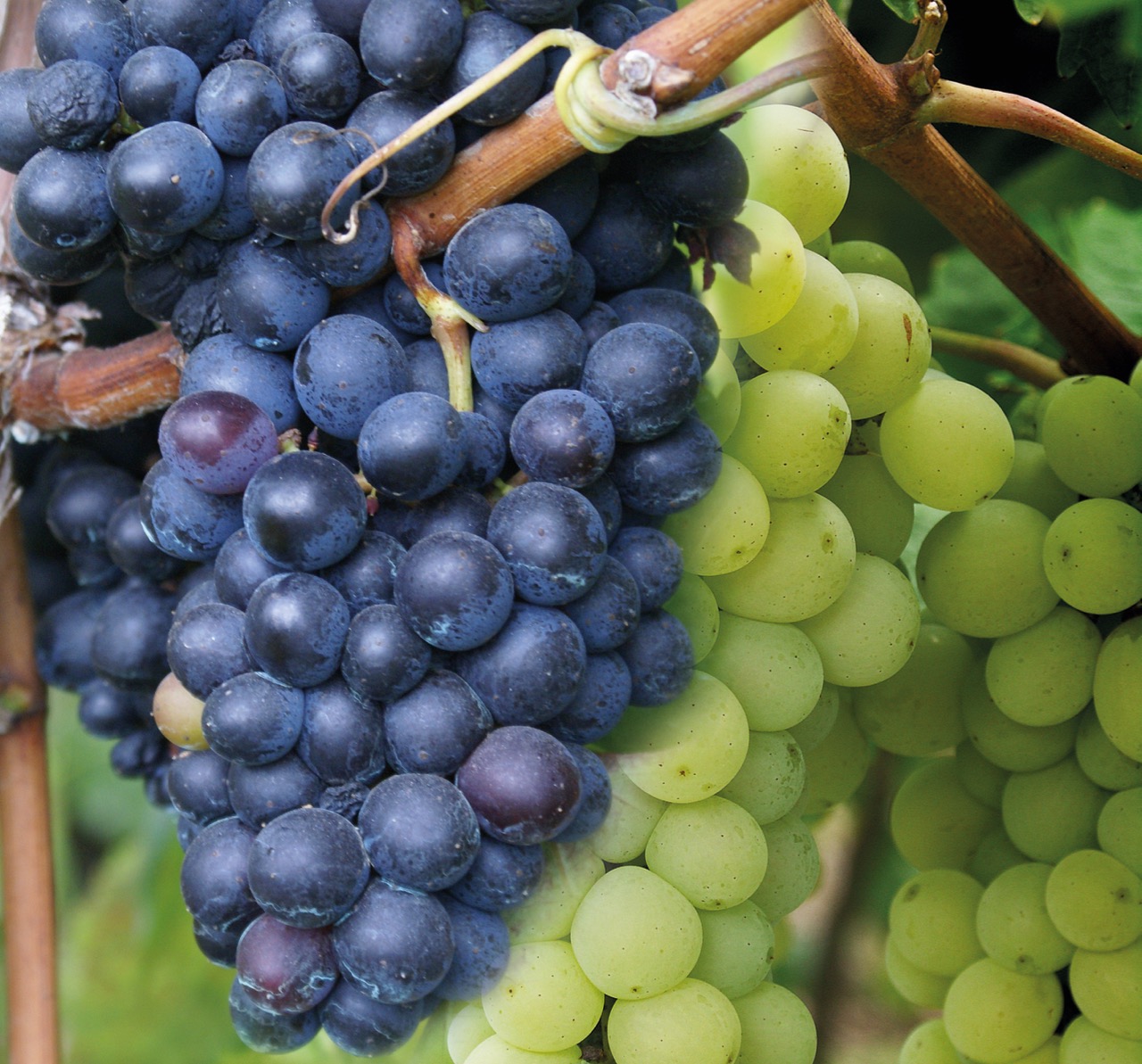
California table grapes were included in the USDA Food Purchasing Program for the first time as part of the mitigation program because of the 53 percent tariff imposed on U.S. grapes by China.CA Table Grapes

According to the most recent USDA data, shipments of California grapes to China are down 42.2 percent in volume and 41.2 percent in value in 2018 compared to 2017.

“The 2018 season has been a tough one for table grape growers,” said Kathleen Nave, president of the California Table Grape Commission. “The tariffs on table grapes have been painful, but the real harm has been caused by the fact that tariffs on multiple competing commodities, such as cherries, stone fruits, and apples, caused more fruit of all kinds to be sold in the domestic market. The USDA purchasing program comes at a good time for table grape growers and is appreciated.”

Table grape suppliers interested in participating in the food purchasing program had to go through a rigorous process to become a USDA vendor and then if approved, submit bids in a competitive process. Multiple Valley companies were awarded the opportunity to supply California grapes to customers across the country.

The grapes will be distributed to food banks and other food programs around the country, starting in December.

2018-12-07T15:46:23-08:00December 7th, 2018|

California Farm Bureau Federation Honors Paul Wenger

Former CFBF President Paul Wenger Gets Distinguished Service Award

News Release From California Farm Bureau Federation

Citing his passion for agriculture, his tenacity, and his decades of service to Farm Bureau, the California Farm Bureau Federation presented its Distinguished Service Award to former CFBF President Paul Wenger. Wenger accepted the award during the organization’s 100th Annual Meeting last night in San Diego.

A third-generation farmer who grows almonds and walnuts on a family farm in Modesto, Wenger served as CFBF president from 2009 to 2017, ending his term after serving the maximum eight years in office. He has been a Stanislaus County Farm Bureau member since 1980, serving as county farm bureau president before being elected to the CFBF board and then as a statewide officer beginning in 1997, when he was elected the organization’s second vice president. Wenger also served on the American Farm Bureau Federation Board of Directors.

Current CFBF President Jamie Johansson described his predecessor as “tireless” in his work on behalf of the farm bureau and California agriculture.

“In his speech to our Annual Meeting last year, Paul reminded us that those who work the hardest, the longest, and invest the most are probably going to be successful. Although he was referring to Farm Bureau, the words certainly apply to Paul himself. He has remained actively involved in Farm Bureau and agriculture, and we look forward to his continued contributions,” Johansson said.

In nominating Wenger for the award, the Stanislaus County Farm Bureau pointed to his “lifetime in leadership roles in agriculture,” starting as a state Future Farmers of America officer in 1973, and cited “his passion for the industry and his tenacity to resolve problems and get things done.”

The Distinguished Service Award has been presented annually since 1953 to dedicated Farm Bureau volunteers from California. In addition to the award to Wenger, CFBF presented the Distinguished Service Award to longtime Yuba-Sutter Farm Bureau leader James Marler.

The California Farm Bureau Federation works to protect family farms and ranches on behalf of nearly 36,000 members statewide and as part of a nationwide network of nearly 5.6 million Farm Bureau members.

2018-12-06T16:04:58-08:00December 6th, 2018|

Many Questions Around SGMA Law

SGMA Law is Poorly Written

By Patrick Cavanaugh, Editor

A recent meeting brought farmers and other stakeholders to California State University, Fresno to discuss the possible impacts of the Sustainable Groundwater Management Act (SGMA).

SGMA requires governments and water agencies of high and medium priority groundwater basins to halt overdraft pumping and to bring those basins in equal levels between pumping and recharge. Under SGMA, these basins should reach sustainability within 20 years of implementing their sustainability plans. For critically over drafted basins, that will be 2040. For the remaining high and medium priority basins, 2042 is the deadline.

Don Wright,the publisher of WaterWrights.net, which is the only agriculture water reporting service in the Valley, spoke om the topic.

“SGMA is an overwhelming concept for most people because it’s an overwhelmingly poorly written law,” Wright said. “However, you show me anybody more creative than a farmer trying to get water. Hopefully, people left [the meeting] with the hope that others are looking out for solutions.”

Farmers and other stakeholders attended a recent SGMA meeting at California State University, Fresno.

Wright explained that the meeting helps blunt the impacts, the intended consequences, and the unintended consequences that come from legislation like this.

On the panel were farmers, agronomist, soil engineers, farmers, and a water attorney.

“All of these people are intimately involved in how the junction between water being delivered to the plants and harvest taken place. A lot of questions were answered, more importantly, we started defining the issues that need to be asked. And often that’s often the most critical step,” Wright said.

Lauren Layne, a water law attorney with Baker Manock and Jensen, suggested that farmers take action and put meters on their wells to start collecting data that could be of use to them.

“That’s a double edge sword,” Wright said. “For one it’s, it’s like putting a GPS on your vehicle for the government to follow you around. You don’t want that. You don’t want the government necessarily know how much water you’re using. But on the other side, if you keep that information private, once SGMA starts being implemented, and you can prove that you’ve used X amount of water, you can report your average cost per acre. Also, if a farmer is in an area with surface deliveries, how much does the surface deliveries impact your pumping? That’s a great combination to have.”

Wright said if the industry can get enough information, then they can report that the reason the farming industry needs to repair aquifers is due to cut offs from the deliveries to farmers.

Service providers, product manufacturers, and designers are looking at solutions to SGMA. These products can be seen at Fresno State’s Water Energy and Technology (WET) Center.

“It’s all about how can we keep farmers farming,” Wright said. “I know when a farmer is by himself and your back is against the wall, people are looking out for you.”

Wright also explained that the people that are populating the Groundwater Sustainability Agency (GSA) boards are not the enemy.

“They are men and women like you and I, with a stake in it. They are not the ones trying to cut off the water; they are the ones with boots on the ground dealing with a poorly written law.”

2018-12-05T15:26:30-08:00December 5th, 2018|

Tea: A Potential High-Value Specialty Crop in California

California: The State That Really Grows It All—Even Tea

By Mikenzi Meyers, Associate Editor

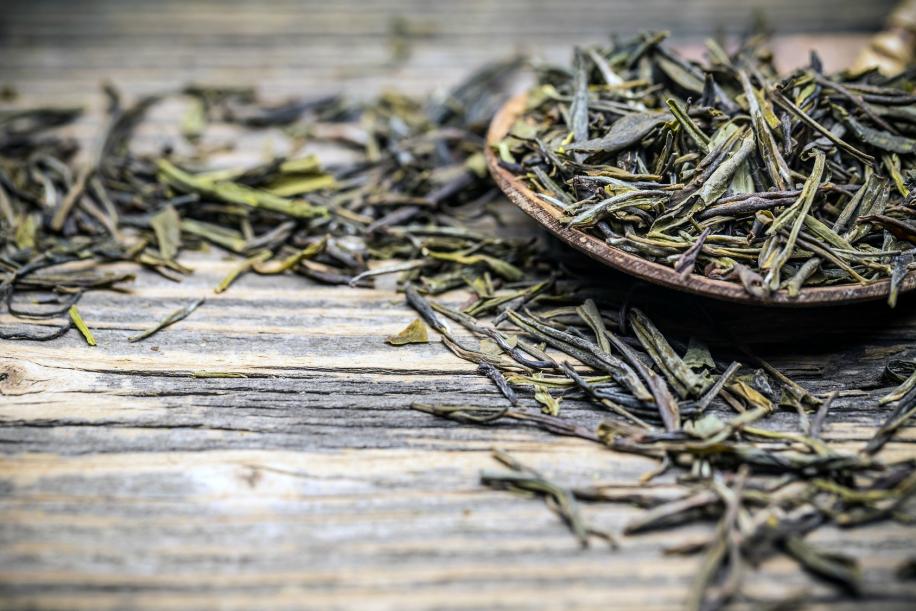
New opportunities for California Farmers are on the rise. Jeff Dahlberg, director of the Kearney Ag Research and Extension Center in Parlier, recently gave California Ag Today insight into a new project on growing tea in the state.

“The folks up at Davis have been able to propagate enough tea to get us at least half an acre or a bit more planted, so we’re trying to get that planted this fall,” he explained.

However, this isn’t the first time the idea of growing tea has been introduced to California. In fact, Dahlberg noted that Richard Nixon actually traveled to China to look into bringing it back to the states. Although the idea didn’t progress much further, plants were saved, and the project is being brought back to life.

Dahlberg said that tea has a lot of potential as a high-value specialty crop for those looking to grow it.

“There are a lot of really, really interesting things coming down,” he promised.

For more information on the Global Tea Initiative, visit GlobalTea.UCDavis.Edu.

For more information on the Kearney Ag Research and Extension Center, visit their website at: kare.ucanr.edu

2018-12-04T15:45:20-08:00December 4th, 2018|
Go to Top