About California Ag Today

This author has not yet filled in any details.
So far California Ag Today has created 2014 blog entries.

Want Better Health—Consume More Produce!

Eating More Produce Is Always Good Advice

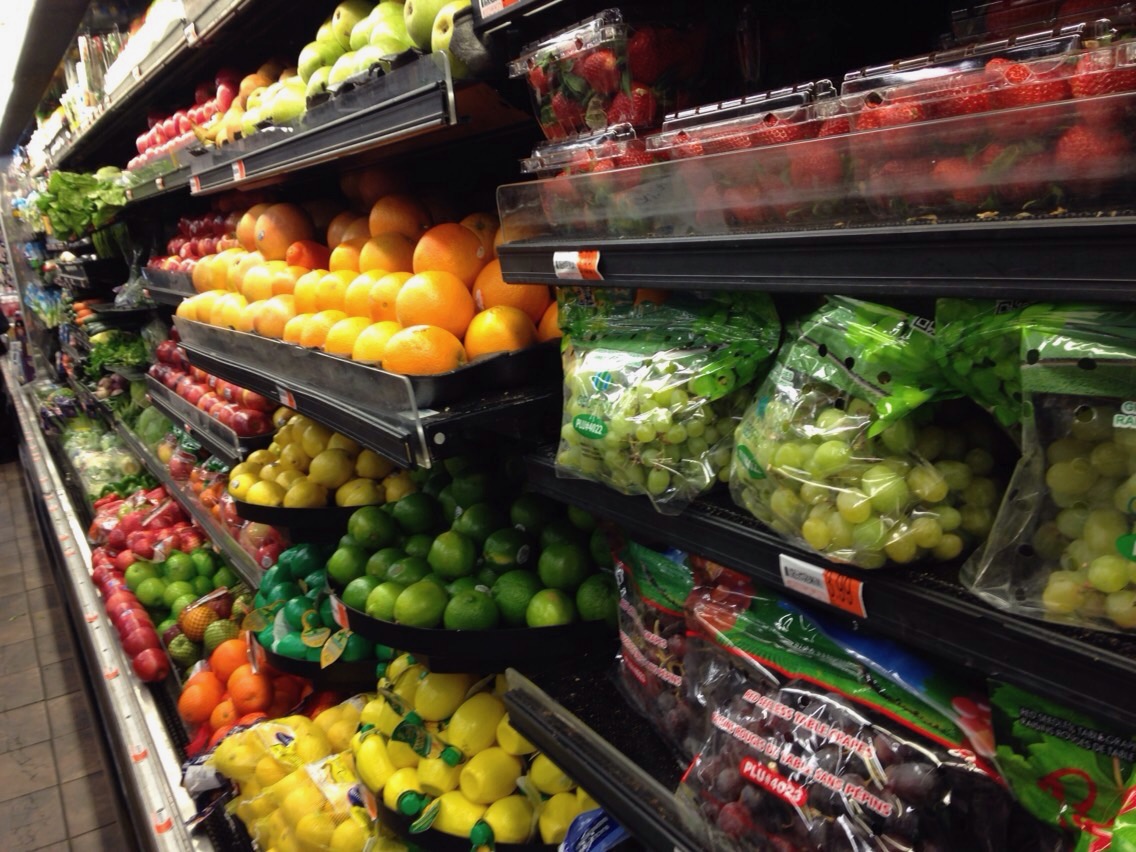
The advice to eat more fruits and vegetables for better health is always welcome and appropriate.  Registered dietitians and nutritionists as well as other medical professionals universally recommend eating more to help prevent illness and disease, especially since only 1 in 10 Americans consume the recommended amount of fruits and veggies each day

But in today’s environment, there is even more emphasis on maintaining a healthy immune system. Dietitians and nutritionists are regularly being asked for their input on staying healthy and most are reiterating the need for appropriate hydration, adequate sleep and a diet that is rich in fruits and veggies.  This video featuring Maya Feller, MS, RD, CDN, Maya Feller Nutrition, provides some simple advice for consumers on what foods and practices contribute to healthy immune function.

And, here are just a few quick reminders of the health-promoting attributes of fruits and veggies.

Apples:  In addition to the many disease-fighting nutrients in an apple, red apples contain an antioxidant called quercetin, which can help fortify your immune system, especially when you’re under stress.  And remember to eat the peel, which is rich in fiber and antioxidants.
Berries:  Blueberries, strawberries and raspberries are rich in vitamins and antioxidants.  Eat them together for a powerful nutrient-rich punch.
Broccoli:  A multi-vitamin approach in every bite, broccoli provides Vitamin A and C, and the antioxidant glutathione as well.
Citrus:  During cold and flu season, everyone knows to reach for some citrus fruit because it is high in Vitamin C.  Studies have shown that Vitamin C is thought to increase the production of white blood cells, which help defend the body against viruses and diseases.
Red Bell Peppers:  Most people don’t realize that red bell peppers are an amazing source of Vitamin C as well as beta carotene, which are both important in boosting your immune system.
Spinach: Often referred to as a superfood, spinach is not only high in vitamin C but it is also rich in antioxidants and beta carotene, which positively impacts the infection-fighting ability of our immune systems.
Watermelon:  Like broccoli, watermelon contains the antioxidant glutathione, which has been shown to strengthen immunity.

While these are just some examples, reaching for any fruit and veggie will provide a nutrient-dense snack or meal component.  Plus, peer reviewed studies have also shown that people who eat more fruits and veggies each day are happier and their mood is enhanced.  And, we can all benefit from a little mood improvement about now.

2020-03-12T09:35:33-07:00March 13th, 2020|

Plant-Based–A New Consumer Buzzword

Animal Ag Wants to Share the Plant-Based Plate

By David Sparks, with AgInfo.net
The now-often used terms that you hear at such places as Whole Foods, Burger King and even McDonald’s “plant-based” seems to exclude meat, poultry, milk and eggs – but that’s not the whole story.
Registered dietitians Cara Harbstreet, Street Smart Nutrition; Nicole Rodriguez, Enjoy Food, Enjoy Life and Alison Webster, International Food Information Council, at the Animal Agriculture Alliance’s 2020 Stakeholders Summit for a candid conversation about the latest consumer buzzwords.

Connecting with consumers can start with conversations that are more inclusive and less divisive. This panel will highlight best practices from producers in the field and strategies to partner with registered dietitians and other influencers in the food space. Summit attendees will leave this panel empowered to share their story of positively impacting consumer health and invite those who are hungry to learn more into the conversation.

The Alliance’s annual Summit brings together thought leaders in the industry to discuss hot-button issues and out-of-the-box ideas to connect everyone along the food chain, engage influencers and protect the future of animal agriculture. The 2020 event, themed “Primed & Prepared,” is set for May 7-8 at the Renaissance Arlington Capital View Hotel in Arlington, Va.

Harbstreet, Rodriguez and Webster will each bring a unique perspective to this panel, titled “Conversations that Cultivate: Staking Your Claim on the Plant-Based Plate.” The panel will be moderated by National Chicken Council’s Tom Super.

With sessions covering sustainability, animal welfare, influencer engagement, preparing for animal rights activist campaigns and other hot topics, attendees will leave the 2020 Summit primed and prepared with the tools they need to take action and be part of any and all conversations that could impact the future of animal agriculture and their business. Early registration discounts are available through April 3. To register, visit summit.animalagalliance.org.

“The animal agriculture community already understands the importance of delivering facts that are true to the science and safety of food production – now it’s time to elevate our messages to effectively showcase our products as an integral part of a ‘plant-based’ diet,” said Kay Johnson Smith, Alliance president and CEO. “This panel of rock star dietitians will leave 2020 Summit attendees primed and prepared to have conversations that cultivate trust with consumers, customers and influencers.”

Be sure to check the Summit website for the most up-to-date Summit information and the full agenda. You can also follow the hashtags #AAA20 and #PrimedAndPrepared for periodic updates about the event. For general questions about the Summit please contact summit@animalagalliance.org or call (703) 562-5160.

PREVIOUS REPORTTaxes are coming
2021-05-12T11:17:08-07:00March 12th, 2020|

Harder’s SAVE Water Resources Act Takes Final Step Towards House Passage

 Harder Bill Will Make Massive Investments in Local Storage Projects, Water Infrastructure, Research


WASHINGTON – The first bill introduced by Representative Josh Harder (CA-10), the Securing Access for the Central Valley and Enhancing (SAVE) Water Resources Act passed in the Natural Resources Committee today on a vote of 19-12. The bill provides a wraparound approach to addressing water issues facing the Central Valley by supporting local water storage projects, spurring innovation, and making long-overdue investments in our aging water infrastructure. This is the final step in the legislative process before the bill receives a vote in the full House of Representatives.


“My job is to teach these people in Washington what we need in the Valley – the top of that list is investments to protect our water,” said Rep. Harder. “This is a huge win for our area – it’s got local support from folks on all sides of the issue and it makes the investments we’ve needed for decades. Next stop is the House floor.”

The SAVE Water Resources Act touches on a broad range of water policy areas aimed at increasing water storage opportunities, spurring innovation in water sustainability, and making responsible federal investments in our aging water infrastructure. In brief, the bill:

SUPPORTS LOCAL WATER STORAGE PROJECTS

Improves water storage by requiring the Bureau of Reclamation to expedite feasibility studies for four specific storage projects in the Central Valley, including: Sites Reservoir, Del Puerto Canyon Reservoir, Los Vaqueros, San Luis Reservoir, and Pacheco Reservoir and provides $100 million in storage funding. Last year, Rep. Harder secured $14 million in federal funding for several of these projects – the first funding for a new surface water storage project in his district in 50 years.

Helps farmers prepare for SGMA by leveraging federal resources to identify prime locations for groundwater storage and recharge in California and across the Western United States.

SPURS INNOVATION


Creates the “X-Prize” program to incentivize private sector development of cutting-edge water technology including desalination and water recycling.

Invests in water reuse and recycling by increasing funding for WaterSMART programs from $50 million to $500 million and extending the program’s authorization.

INVESTS MILLIONS IN OUR AGING WATER INFRASTRUCTURE

Establishes a water infrastructure and drought solutions fund to provide $300 million for water surface and groundwater storage, water reclamation and reuse, and WaterSMART program projects.

Creates an innovative financing program which would provide low-interest federal loans to fund local water infrastructure projects.

Reauthorizes the Rural Water Supply Act, which requires the Bureau of Reclamation to work with rural communities to improve access to safe and clean sources of drinking water. 

The SAVE Water Resources Act previously received a hearing in the Water, Oceans, and Wildlife Subcommittee.

2020-03-11T12:19:57-07:00March 11th, 2020|

Barn Owls Consume Loads of Vertebrate Pests

Barn Owls for Integrated Pest Management

By Tim Hammerich with AgInfo.net

Farmers have always turned to integrated pest management to control crop pests in both an economic and environmentally sustainable way. This includes vertebrate pests like gophers, voles, and mice.

Ryan Bourbour is a graduate student at UC Davis who studies what raptors eat in agricultural settings and during migration. One of the projects he is working on involves the use of barn owls for integrated pest management.

“Basically, if you have a pocket gopher problem or meadow vole or even mice. Barn owls are one of the most efficient hunters of those agricultural pests,” said Bourbour.  “So they’re cavity nesters, and they readily use artificial cavities for breeding and even roosting. So if you want to check barn owls to hunt on or near your property or, adjacent to a crop field, you can just install nest boxes, and as soon as they find them, they’ll readily use them.”

Depending on how many are already in your area, it could take a long time for them to find your new nest box. But they’ll stick around as long as they are finding plenty of food.

“A single nest will consume a little over 200 pounds of rodent prey each year. And I think in California vineyards it has been estimated, that a single nest will remove about 800 gophers, 600 voles, and over 1500 mice per year. Even just having barn owl activity on farms has been shown to reduce gopher activity, so less mounds, gophers are more vigilant, they won’t be as active,” he said.

Plus owls are just beautiful creatures to have around.

2020-03-05T21:11:42-08:00March 11th, 2020|

Reaching Listeners on and Off the Farm

The Modern Acre Podcast


By Tim Hammerich with AgInfo.net

Tyler and Tim Nuss are 5th generation from a family farm in Lodi, California. The brothers each left the farm to start their careers, but are making their way back in the form of a podcast they’ve started about agricultural innovation called “The Modern Acre”.

The brothers started the podcast as a side business but say the benefits go far beyond money.

“What was surprising for me is all of the value I got out of doing it that was not financially related. It was about building connections with people and learning from other people, and partnership opportunities, said Tyler.I would have done this a hundred times over with no visibility or roadmap to get money. I think just the network we have developed and relationships we, we’ve built has, has, has been truly valuable.”

Now that network built through the podcast is also coming in handy as the brothers become more active with the family farm.

“One thing we’re looking to kind of further integrate this year into just the overall storyline and narrative of the podcast is Tyler and I’s involvement with the family farm, said Tim.Where we’re not on the farm day to day, but we are involved from a strategic level and getting more involved in looking at kind of the the best practices and companies and people that we’re engaging with. How we can incorporate that into the farm and actually interweave that into The Modern Acre and what we’re doing there.”

Find “The Modern Acre” on any podcast player or at www.themodernacre.com

2020-03-05T20:10:04-08:00March 10th, 2020|

Decision Making Barriers Need to be Overcome

Barriers in Making Decisions in Tree Nut Orchards

By Patrick Cavanaugh, Editor

There’s a lot going on in agriculture throughout the year. There are many cultural practices, and decisions to make. Patrick Brown is a professor in the department of plant scientists at UC Davis. He’s looking at the barriers of that decision making.

“We’ve got an interesting project right now on the barriers to decision making processes and the adaption of new technologies by growers,” said Brown. “So it’s more of a sociological, cultural sort of analysis and it’s very interesting to see where their constraints lie and how you can use that information to focus our research and your extension.”

And we asked Brown what some of those barriers are and how growers in their employees get past them.
“There are some barriers on education that the irrigators, and the fertilizer guys who manage those systems might not necessarily have a full understanding of the needs and the science behind it, and perhaps not the time to make nuance decisions,” noted Brown. “In much of California, you have irrigation delivery systems both from the districts as well as the built engineering in the field that constrain the ability of the grower to make fine tuned decisions because they can’t turn the pumps on only when they wish them to be on.”

And Brown said there are other issues about where the information stream is coming from. Employees are not sure where to get that needed information, which is a definite barrier.


2020-03-04T16:08:34-08:00March 9th, 2020|

New Ag Labor Bill Introduced

Rep. Ted Yoho Introduces Bipartisan Ag Labor Bill to Solve America’s Ag Labor Shortage 

This week, Congressman Ted S. Yoho (R-FL), a member of the House Agriculture Committee, introduced the “Labor Certainty for Food Security Act,”-HR 6083. The commonsense, bipartisan legislation will bring relief to America’s farmers and ranchers who are struggling to find steady, reliable labor.

The following Representatives are original cosponsors of this bill: Glenn ‘GT’ Thompson (R-PA), Andy Barr (R-KY), Neal Dunn (R-FL), David Rouzer (R-NC), Ted Bud (R-NC), Vicky Hartzler (R-MO), Mike McCaul (R-TX), Mike Kelly (R-PA), Ralph Norman (R-SC) and Ed Case (D-HI).

Congressman Yoho released the following statement:

“Today, we introduced a commonsense plan to end the Ag labor shortage in America.  The Labor Certainty for Food Security Act will bring relief to America’s farmers and ranchers who are in dire need of a steady, reliable labor force. Our nation’s Ag producers, seasonal and year-round, deliver the highest quality food in the world. We are fortunate to live with such abundance.

“To maintain this abundance and low food costs, we need individuals to work the fields, ranches, warehouses, and processing plants. Without a steady, reliable workforce, food prices will increase, and Americans will feel the effects at their local checkout line. If congress does not address this need in a bipartisan, meaningful way, we will either import our labor or import our food.

“I am honored to be joined by my colleagues Reps. Glenn ‘GT’ Thompson, Andy Barr, Neal Dunn, David Rouzer, Ted Bud, Vicky Hartzler, Mike McCaul, Mike Kelly, Ralph Norman and Ed Case, who understand the importance of this issue and the needs of America’s Ag community.

“As our efforts gain momentum, it is important to remember that this is not a partisan issue. When Republicans and Democrats come together to provide our Ag producers with the workforce they need to feed America and the world, it benefits everyone.” 

Overview: Ag Reforms for the ‘Labor Certainty for Food Security Act’

2020-03-06T08:57:53-08:00March 6th, 2020|

Almond Pollination is Going Strong Throughout California

Keeping Bees Safe and Healthy During Almond Pollination

By Patrick Cavanaugh, Editor

It’s always good to think about those working bees in almond orchards, said Becky Langer the project manager for the North American Bayer CropScience Bee Health Program.

“Bees continue to face multiple challenges and that’s not necessarily new information. I think what we see though as people are getting a better grasp of awareness that pest and diseases continue to be a huge problem in those beehives,” said Langer. “Beekeepers are working very hard to monitor and control those.”

“We know forage and habitat continue to be a huge challenge. We have climate change, which can affect those wild flowers blooming in California during the drought years and then we know that the beekeepers and growers have to continue to communicate with one another, and use all those products according to label.,” she said.

And for almond growers, it’s a good idea if you can the plant a variety of different forages around the orchard, different species of flowers for instance. “That can be a great idea because we know those bees have to eat, and if we can have something blooming year round, it’s the best way to keep the pollinators healthy,” said Langer


“They also like diversity in different plant species, different colors, different size flowers. You want them to pollinate your crop, but if you’re offering some alternative resources in the area that keeps them better fed and happier pollinators, which will make better pollinators for the crops,” Langer said.

Langer reminds growers to read those product labels. “This again is going to help to provide a much healthier environment for the pollinators and it’s going to keep the grower in the good graces of the beekeepers too,” she noted

2020-02-28T10:45:52-08:00March 4th, 2020|

Pistachio Extracts Found to Have Anti-Viral, and Anti-Biotic Power

Antimicrobial Effects of U.S. Pistachio Extracts Shown to Prevent Growth of Bacteria and Viruses 

Initial findings point to extracts’ potential role in the development of novel medical treatments


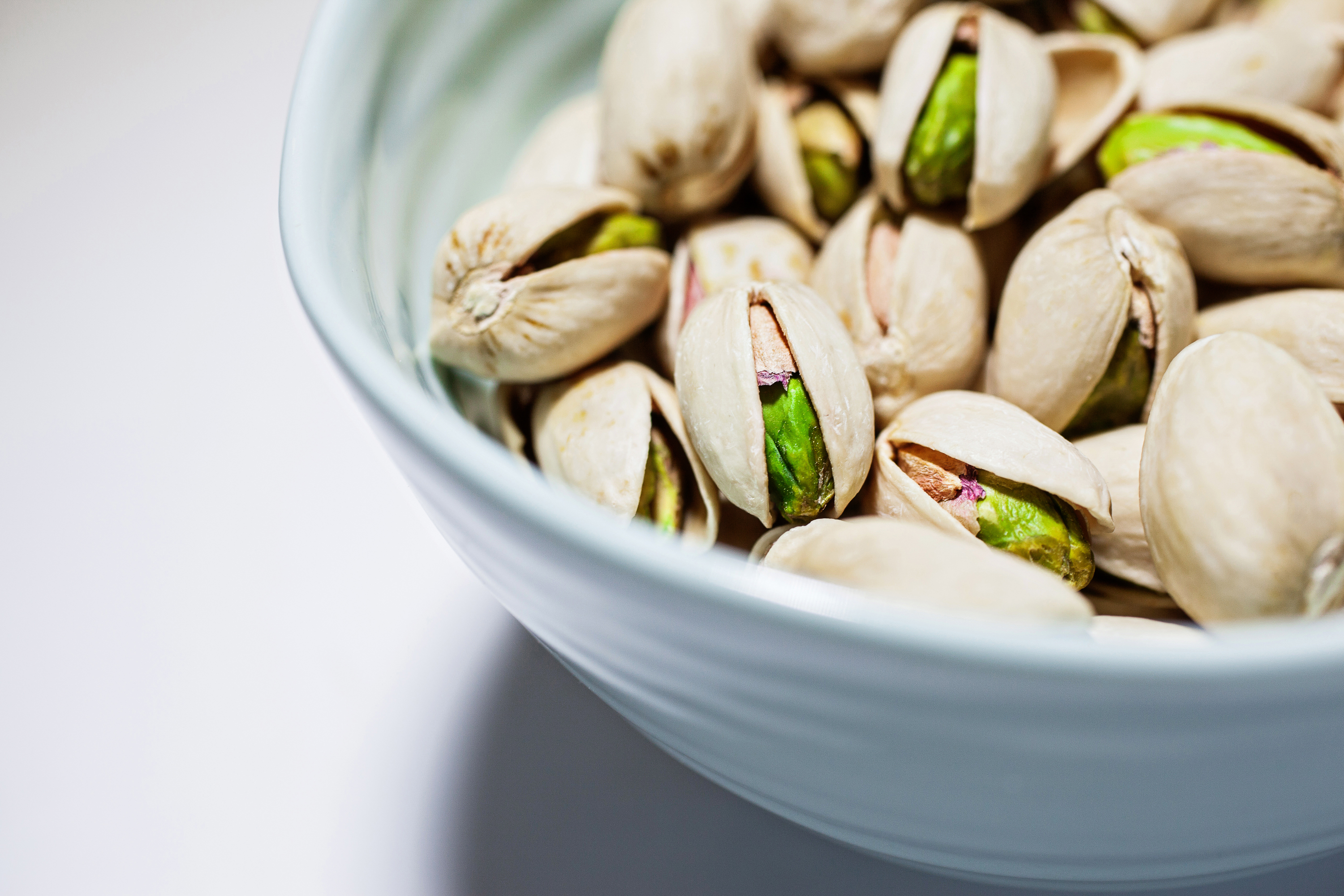
Once just a snack, pistachios possess extracts that have been shown to stop the growth of Staphylococcus aureus, MRSA, Listeria and Herpes simplex virus (HSV-1) — important findings amid growing antibiotics resistance and the increased need for new medical treatments.

In a study published this month in Plants1, researchers at the University of Messina in Italy discovered that polyphenols, health protective compounds found in plant foods, from pistachios grown in the United States have antiviral effects on HSV-1 and can, at their highest concentration, result in the complete reduction of the virus in lab settings.

Given these results, researchers concluded that pistachio extracts could become great candidates for the development of novel topical or oral drug formulations for the treatment of HSV-1 infections either alone or in combination with standard antiviral therapies.

Previously, University of Messina researchers and researchers from the Institute of Food Research in Norwich, UK, also found that polyphenol-rich extracts from pistachios have a strong bactericidal effect against Gram positive bacteria, including many clinical strains of the disease-causing Staphylococcus Aureus, MRSA strains and Listeria monocytogenes2,3, which could prove helpful in food safety applications or as a topical treatment for S. aureus (MRSA).


Both Staphylococcus aureus and methicillin-resistant S. aureus (MRSA) are responsible for a range of skin, respiratory and bone joint infections, endocarditis, bacteremia and toxic shock syndrome. HSV-1 causes oral herpes and is generally responsible for cold sores and fever blisters around the mouth and on the face.


The Plants study highlighted that cultures were infected with the HSV-1 virus and treated with different concentrations of pistachio extract. The highest concentration of the extract resulted in the total reduction of the virus. In earlier studies, researchers prepared polyphenol rich extracts from roasted and raw pistachios. These extracts were tested on a number of bacterial cultures to determine their bactericidal strength. Staphylococcus aureus and L. monocytogenes were the most susceptible strains.

“Pistachio extracts could provide a novel topical or oral treatment against HSV-1 infections (Herpes simplex), as well as a novel strategy to overcome problems related to drug-resistant strains,” said University of Messina’s, Dr. Giuseppina Mandalari. “Researchers are optimistic that the bactericidal activity of pistachio extracts could be used to help control the growth of some microorganisms in foods potentially leading to improved food safety and as an application for the topical treatment of Staph. aureus.”

Further studies are needed to confirm that results from recent studies can be translated in a clinical setting with humans, and while this research continues to explore the potential for concentrated pistachio extracts in pharmaceutical applications, snacking on whole pistachios can make a beneficial contribution to health, since pistachios are high in copper and manganese, and a source of selenium, zinc, riboflavin and vitamin E, which contribute to the protection of cells from oxidative stress. Pistachios are also high in vitamin B6 and a source of folate and iron which contribute to normal function of the immune system.

Traditional medicines based mostly on medicinal plants have been used for the treatment of various diseases by mankind for centuries, but plants can also be rich sources of biologically active compounds. The antibacterial properties of plant-derived compounds continue to be explored, mainly in view of increased antibiotic resistance both in community-acquired infections and those acquired in hospitals and healthcare settings. As more disease-causing bacteria become resistant to usual treatments, researchers will continue to look to new sources for medicines.


2020-03-01T12:47:05-08:00March 2nd, 2020|

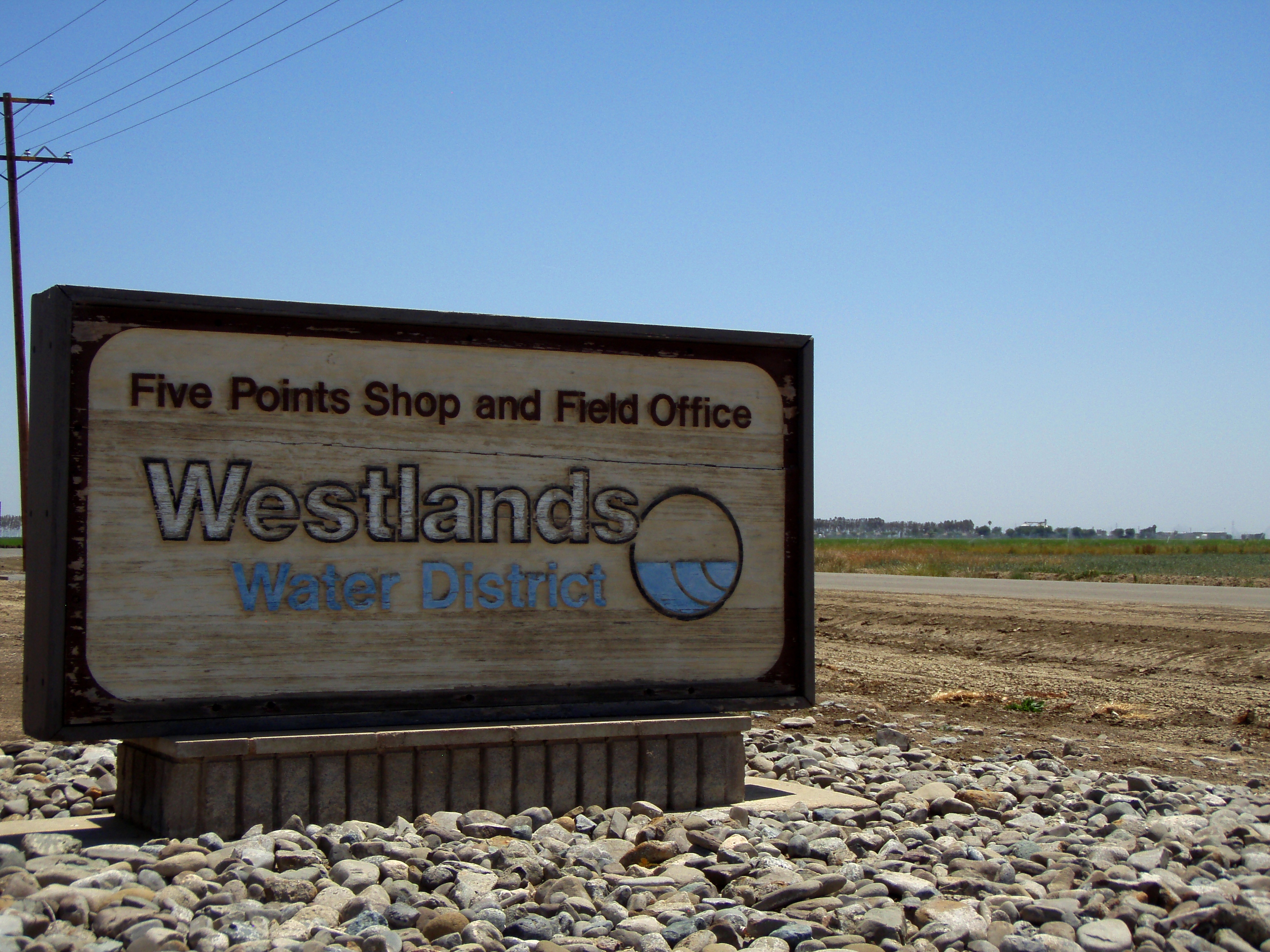
Westlands Water Service Contract To Pay Applicable Charges

Statement from Thomas Birmingham, General Manager of Westlands Water District, on the Execution of the District’s Repayment Contract

Today,  Westlands Water District and the Bureau of Reclamation signed Irrigation and M&I Contract No. 14-06-200-495A-LTR1-P, which converted Westlands’ water service contract to a repayment contract, which will remain in effect so long as the Westlands pays applicable charges, consistent with section 9(d) of the Reclamation Act of August 4, 1939. 
Westlands was one of more than 75 water agencies that contract with the United States for the delivery of water service from the Central Valley Project that elected to convert their water service contract to repayment contracts pursuant to section 4011 of the Water Infrastructure Improvements for the Nation Act. 
The effective date of Westlands repayment contract will be June 1, 2020. Prior to that date, Westlands will continue to receive water under an interim renewal contract.
 
When President Barack Obama signed the WIIN Act in 2016, it was with the express intent of improving the nation’s water infrastructure, especially in the western United States. Section 4011 (a)(1) of Subtitle J of the Act provides that the Secretary of the Interior shall convert water service contracts to repayment contracts at the request of any existing water service contractor.
 
Section 4011 was included in the WIIN Act to create a source of money that the Bureau of Reclamation could use to construct water storage projects around the west. It was intended by the Act’s co-author, Senator Dianne Feinstein, to help California “prepare for [that] future while providing us with access to more water now.” When President Obama signed the bill into law, he stated that, “This important partnership has helped us achieve a careful balance based on existing state and federal law.”
 
Converting “temporary” water service contracts to “permanent” repayment contracts is not uncommon. In fact, an underlying principle of federal Reclamation law — that water users who have repaid the construction costs of a project would have a permanent right to the use of water developed by a project — has been reaffirmed by Congress multiple times since it was first laid out in the Reclamation Act of 1902.
In the Central Valley Project, the San Joaquin River Restoration Settlement Act directed the Secretary of the Interior to convert water service contracts in the Friant Division to repayment contracts to generate revenue for the San Joaquin River restoration program, and those water service contracts were in fact converted to repayment contracts.
According to the Bureau of Reclamation, as of October 2019 more than 75 agencies that had “temporary” water service contracts to receive Central Valley Project water, including the State of California Department of Fish and Wildlife, have exercised the option provided by the WIIN Act to convert their contracts to “permanent” repayment contracts. The contract terms proposed in the repayment contracts for Westlands and other Central Valley Project contractors under the WIIN Act are nearly identical to those in the Friant Division repayment contracts.
 
Further, as President Obama also noted, the provisions of Subtitle J of the WIIN Act were intended to help meet California’s long-term water needs, helping to “assure that California is more resilient in the face of growing water demands and drought-based uncertainty.” In the case of Westlands’ contract conversion, like all contract conversions done before or after, it offers a win-win for all parties.
The Westlands contract conversion will accelerate payment of approximately $200 million to the federal government years before payment otherwise would be due. This money, pursuant to the WIIN Act, will be placed in the Reclamation Water Storage Account to be used for the construction of water storage and supply projects that can benefit all Central Valley Project purposes.
2020-02-28T13:01:13-08:00February 28th, 2020|
Go to Top