About California Ag Today

This author has not yet filled in any details.
So far California Ag Today has created 2014 blog entries.

FFA Holtville Member David Lopez is National Leader

California FFA Member Elected to National Leadership

By Tim Hammerich with the AgInformati0n Network

For the first time in 93 years, the National FFA Organization held their convention, virtually. Formerly known as the Future Farmers of America, the organization elected a new national officer team as part of the virtual activities. That national officer team includes Holtville, California native David Lopez, who says he hopes to encourage others to get involved in agriculture and the FFA, no matter their background.

“I think for me going through this program as a high school student, sometimes it was hard to identify individuals who looked like myself, just because when we saw individuals in leadership positions, it was a lot of your traditional agriculture production kids, which is awesome,” Lopez said.

“However, now that we see how diverse our organizations are becoming, I think it’s important to recognize that not everyone comes from the same background or has the same story. So when you’re able to identify, you know, what makes you, you, and be proud of that? I think it goes a long way,” noted Lopez.

Lopez was elected the National FFA Western Region Vice President. He hopes to connect individually with as many of the organization’s 760,000 members as possible.

“You know, just making it very clear that people are here rooting for you, regardless of who you are, your story, or where you come from. And just finding ways to elevate individuals all across the country, to be the best version of themselves and see others for the best version of themselves as well,” he said.

David along with his five teammates will dedicate a full year to serve in this capacity for the youth agricultural leadership organization.
2020-11-18T11:08:21-08:00November 18th, 2020|

Promoting Pistachio Consumption


Increasing Marketing Efforts Ahead of the Billion Pound Pistachio Crop

By Patrick Cavanaugh, with the AgInformation Network

American Pistachio Growers are mounting a full court press to market the big crop.

And the APG Marketing team is aware that more families are preparing meals at home due to COVID pandemic so they organized five interact webinars with famous chefs for food writers and other influential people. All webinars featured famous chefs.

Rick Kreps is a new pistachio grower in Eastern Madera County, and he was featured in a video with Chef Wolfgang Puck for audiences in Germany and the US.

“I think they got excited about having someone as excited as I am to have the first crop actually come in after all six years of labor and blood, sweat, and tears to get to market, and then have someone like Wolfgang Puck taking your product and turning it into something special that everyone loves to eat,” said Kreps.

“It’s exciting to drum up some excitement and get more people cooking with pistachios,” said Kreps. “You know, pistachios have been used for centuries in Mediterranean cuisine, but for the most part, it was just kind of a luxury snack in the U S and now that we’ve got production this year, hopefully we’re going to get a billion pounds, we want to let the public know that there’s enough nuts to go out and eat. And it’s not just a luxury nut item, but a healthy snack.”

“Pistachios should be not an alternative, but probably your go-to snack and ingredient item. And especially the fact that we know pistachios have the complete proteins, or it is the most complete protein of any nut. I think people feel a lot better about not only eating a snack, that’s delicious, but also very good for you,” Kreps’s said.

2020-11-17T14:15:04-08:00November 17th, 2020|

Full Court Press to Market Big Pistachio Crop

American Pistachio Growers Expands Marketing Efforts Ahead of Expected Record 2020 Crop


Trade organization pulls out stops with virtual harvest event and chef cook-alongs


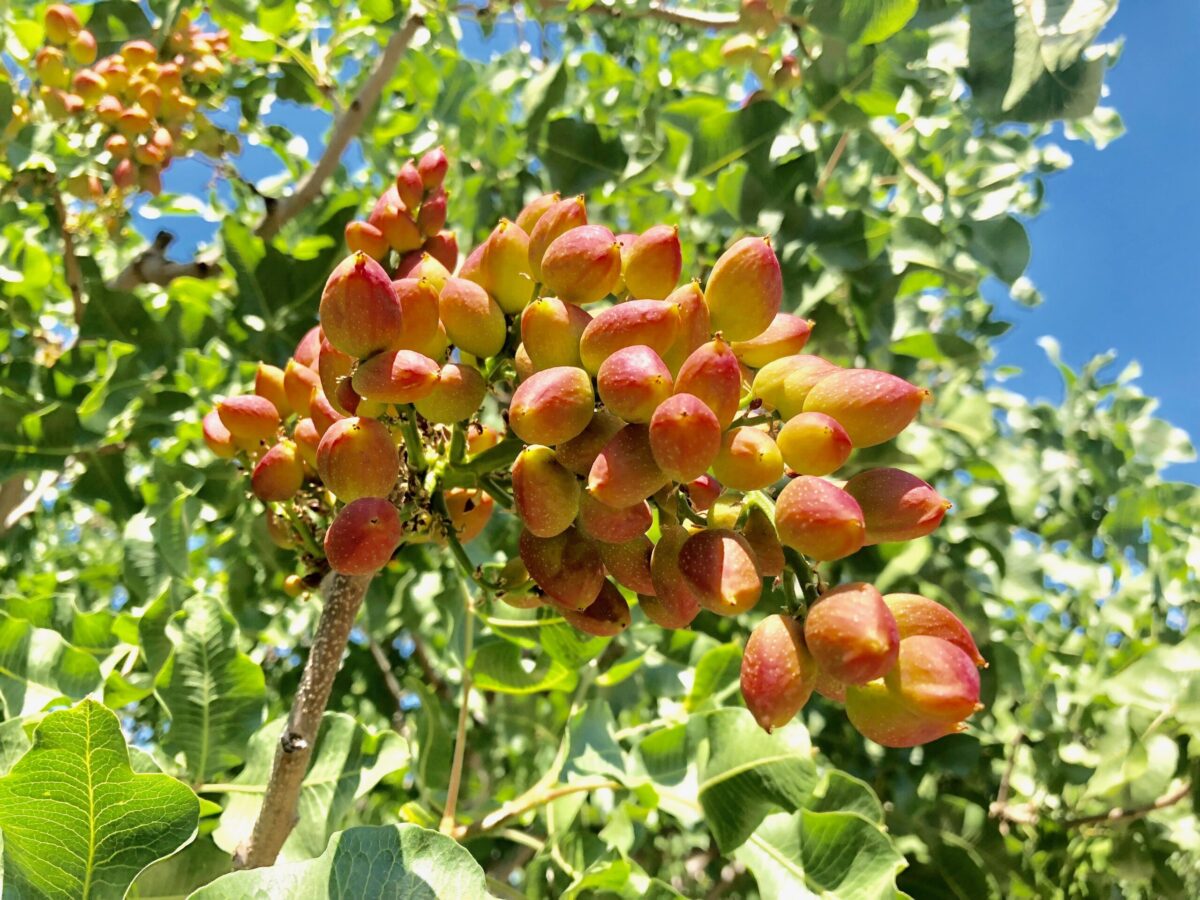
American Pistachio Growers (APG) is mounting a full-court press to market the expected one-billion-pound harvest that is now filling bins in processing facilities. APG’s strategy includes a virtual harvest tour in California’s San Joaquin Valley and a schedule of live, interactive cooking demonstrations with celebrity chefs catering to food writers and industry influencers in the U.S. as well as in six other countries.

This unique agricultural virtual tour will take participants from the pistachio orchards of California’s San Joaquin Valley into the kitchens of some of the most celebrated chefs in the country. The harvest segment features grower Rich Kreps, of LARK Farms in Madera, California, as he witnesses his first-ever harvest.

“Watching those delicious nuts falling out of our trees and into the catch frames was a literal dream finally realized. We were truly elated when it all came together in our first harvest,” said Kreps. “After five years of labor and investment in these pistachio orchards, we are finally seeing our first paycheck.”

APG has assembled an All-Star line-up of celebrity chefs who will make U.S.-grown pistachios the star of their dishes. Wolfgang Puck, Nancy Silverton, Gerald Hirigoyen and Martin Yan will guide journalists in the U.S., China, France, Germany, India, Italy and Spain through live, interactive cook-alongs via Zoom. The Zoom events are limited to journalists only. The schedule of chef events runs from Nov. 12 through Nov. 25.

“Our growers have done their part, producing the world’s largest supply of quality pistachios in history. It’s our job at American Pistachio Growers to generate consumer demand around the world,” said Judy Hirigoyen, APG Vice President, Global Marketing. “Given the large number of confirmed journalists we have for these events, we will likely make this an ongoing series.”

Exports of U.S. pistachios are essential to the economic health of the industry as, on average, about 70 percent of the U.S. crop is sold in overseas markets. While growers in three states of California, Arizona and New Mexico are expected to harvest a record crop in 2020, growers in Iran are expected to harvest about 484 million pounds, less than half of the projected U.S. production, according to the U.S. Department of Agriculture’s Economic Research Service.

“There’s no bigger time of year than now as American pistachio growers bring in their 2020 harvest, so we created this virtual event to give agricultural reporters, food writers, and other food industry professionals the red carpet treatment to follow pistachios from the orchard to the kitchen,” Hirigoyen said.

Hirigoyen said pistachios have become a highly popular food due to their nutrient-dense, high protein content. Home cooks and professional chefs, alike, have embraced pistachios because of their growing reputation as a healthy, nutritious food for active lifestyles. Earlier this year, pistachios earned status as a “complete protein,” joining other plant proteins such as quinoa, chickpeas and soybeans. In July, a university study underscored the importance of pistachios as part of weight loss programs.

“Our marketing team is keenly aware that more and more families are preparing meals at home during the COVID-19 pandemic and attention is now focused on holiday meal planning in the coming weeks,” said Hirigoyen. “We’re excited to add these unique marketing elements to raise consumer awareness to the large U.S. crop and to the fact that in addition to their popularity as a snack food, pistachios are playing a bigger role in home-prepared recipes, on restaurant menus, and in a growing list of consumer food items.”


2020-11-17T14:24:49-08:00November 16th, 2020|

Food Facility Registration Renewal Time

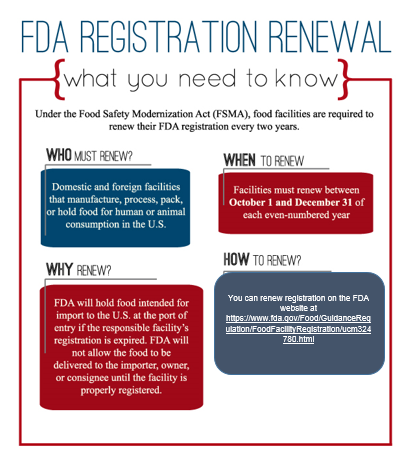
Time for Food Facility Biennial Registration Renewal for Processors


Food facilities required to register with FDA must renew their food facility registrations this year during the period beginning on October 1, 2020 and ending on December 31, 2020.  The FDA Food Safety Modernization Act (FSMA), enacted on January 4, 2011, amended the food facility registration requirements of section 415 of the Federal Food, Drug, and Cosmetic Act (FD&C Act).  The registration requirements apply to domestic and foreign food facilities that manufacture, process, pack, or hold food for human or animal consumption in the United States.  FSMA amended section 415 of the FD&C Act to provide that food facilities required to register with FDA must renew their registrations with FDA every other year, during the period beginning on October 1 and ending on December 31 of each even-numbered year. At this time, the updated renewal form has not been published and renewal is only available online through FDA’s website.

You are not required to register as a food facility with the FDA if you are a farm or huller who falls with the FDA’s definition of a farm. If you are a processor and fall within the definition of a farm, you do not have to register with FDA.


If you have any questions about whether your huller or processor is considered a farm by FDA’s definition and therefore do not need to register, please first reach out to our Director of Regulatory Affairs and Food Safety Priscilla Rodriguez at (559) 455-9272.


2020-11-13T14:13:57-08:00November 13th, 2020|

Kernza Is Recommended for Grain and Forage

UC ANR helps accelerate cultivation, marketing of the perennial grain Kernza

As part of its mission of sustainability in agriculture, the University of California Sustainable Agriculture Research and Education Program (UC SAREP) is interested in crops that hold environmental and economic promise — such as moringa, the drought-tolerant “superfood” grown by Central Valley farmers, or elderberry, offering carbon sequestration and pollinator benefits when planted in hedgerows.

In this vein, UC SAREP is part of a recently awarded $10 million grant from USDA focusing on the adoption of a perennial grain, Kernza®, as a means to shift U.S. agriculture towards reduced tillage and increased carbon sequestration.

The Kernza-CAP project is led by Jacob Jungers of the University of Minnesota. The project team includes researchers, farmers, educators, industry leaders, policy experts and climate scientists at 10 universities and 24 non-profit and farm and food organizations nationwide.

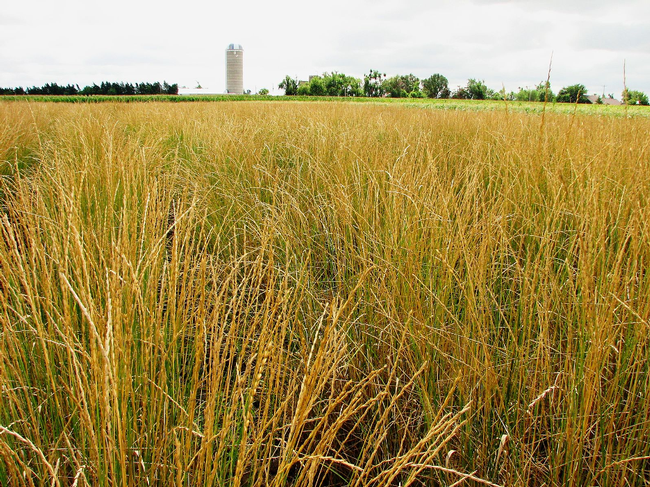
Kernza is the trademark name for the grain bred from intermediate wheatgrass (Thinopyrum intermedium), a non-native perennial forage grass from Eurasia introduced to the U.S. in the early 20th century.

While intermediate wheatgrass has been grown for decades in the U.S. as a forage crop, its use as a commercial grain crop for human consumption is new. Breeding efforts with Kernza have focused on traits to make intermediate wheatgrass a profitable grain crop, including increased seed yield and seed size. (Kernza is traditionally bred and is not a genetically modified crop.)

Kernza has strong potential to benefit the environment and increase farm income by producing both a premium grain and a high volume of quality straw.

As a perennial, Kernza can be harvested for several years in a row, avoiding the cycle of annual tillage resulting in carbon loss, erosion and soil degradation. The deep roots of the crop — up to 10 feet in depth — is naturally occurring, promoting carbon sequestration and increased water infiltration and mimicking native prairie grasses.

Research and early production trials have shown that Kernza can reduce seed, fertilizer and machinery costs for farmers. And, because its grain is high in protein, fat and fiber, it can be used to make flour, crackers, tortillas, bread, pasta, granola, cereal, beer and whiskey.

Kernza is being strongly promoted to early-adopter growers as a dual-use crop for grain and forage. But because it is a new crop, strong relationships with businesses in various agricultural sectors are needed to expand early adoption of processing, transporting and incorporating Kernza into farmers’ operations and food products.

“A big stumbling block for getting emerging crops like Kernza off the ground is the capacity to build a community of growers, processors and sellers who can form that new supply chain,” says Gail Feenstra, UC SAREP director and Kernza-CAP team member.

“SAREP’s role in the Kernza-CAP project is as something of a ‘matchmaker,’ connecting the market potential in California to the nationwide Kernza coalition. We’ll be convening growers, millers, bakers and brewers to figure out practical steps for adoption,” says Gwenaël Engelskirchen of UC SAREP. “In the later years of the project, we’ll be looking for growers who might be interested in trialing Kernza in California.”

The Kernza-CAP project launched on Sept. 1, 2020. Results from the five-year project will include new cultivars that yield more grain and enhance critical ecosystem services, a better understanding of those ecosystem services, best practices for Kernza growers, supportive policy and educational tools, and multiple operating regional supply chains meeting increased national market demand for Kernza.

More information on Kernza, the project partners, updates and reports on research findings, additional press materials, and field day demonstration information can be found on kernza.org/kernzacap.

The Kernza trademark is owned and managed by The Land Institute, a non-profit research organization based in Salina, Kansas that is playing a critical role in developing Kernza and other perennial crops. This work is supported by AFRI Sustainable Agricultural Systems Coordinated Agricultural Program (SAS-CAP) grant no. 2020-68012-31934 from the USDA National Institute of Food and Agriculture.


2020-11-12T13:24:19-08:00November 12th, 2020|

Sacramento Valley Pest Management Seminar Dec. 9

3-Hour Seminar To Focus on Pest Mgnt on Rice, Field Crops and Processing Tomatoes

December 9, 2020


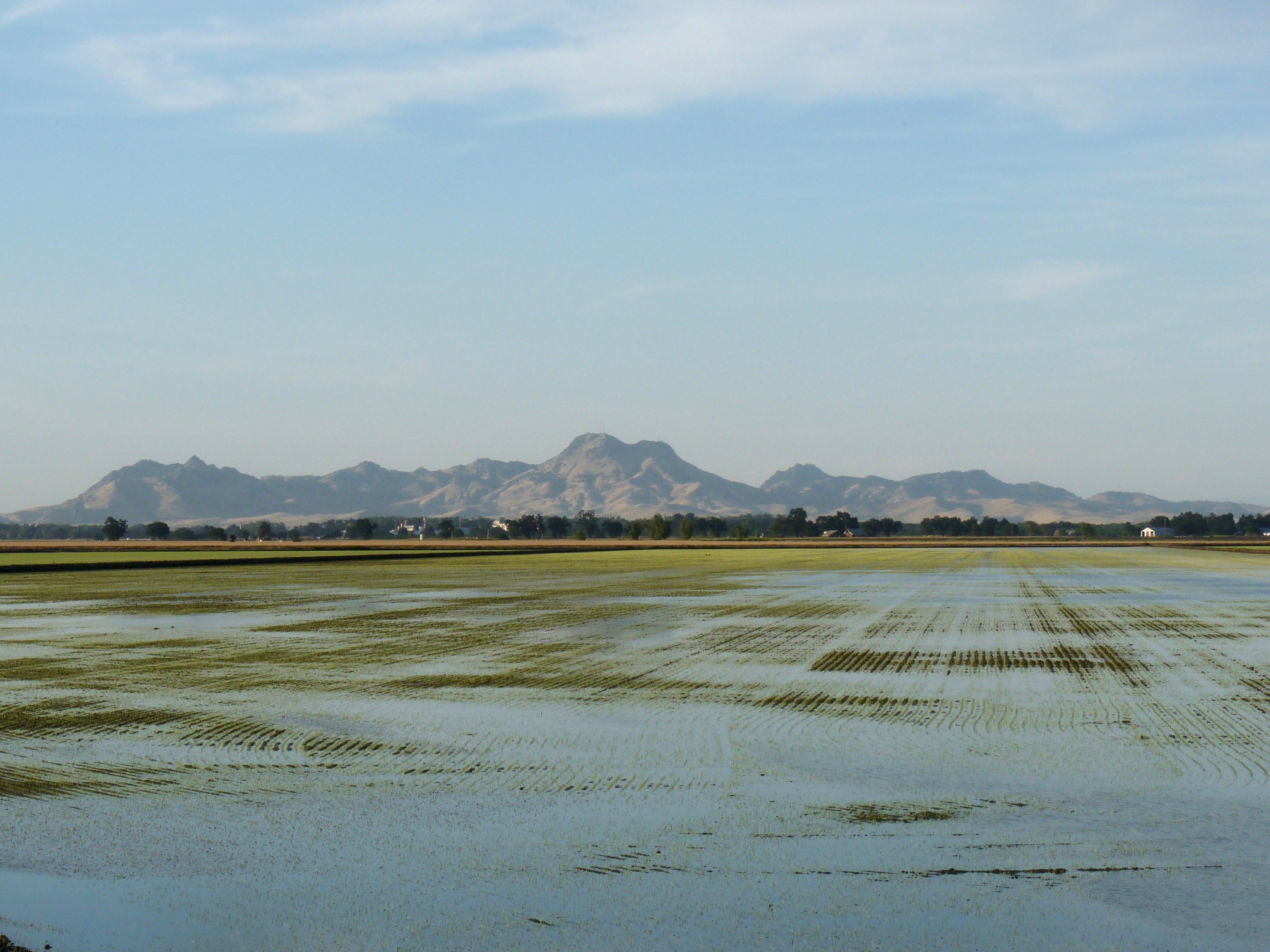
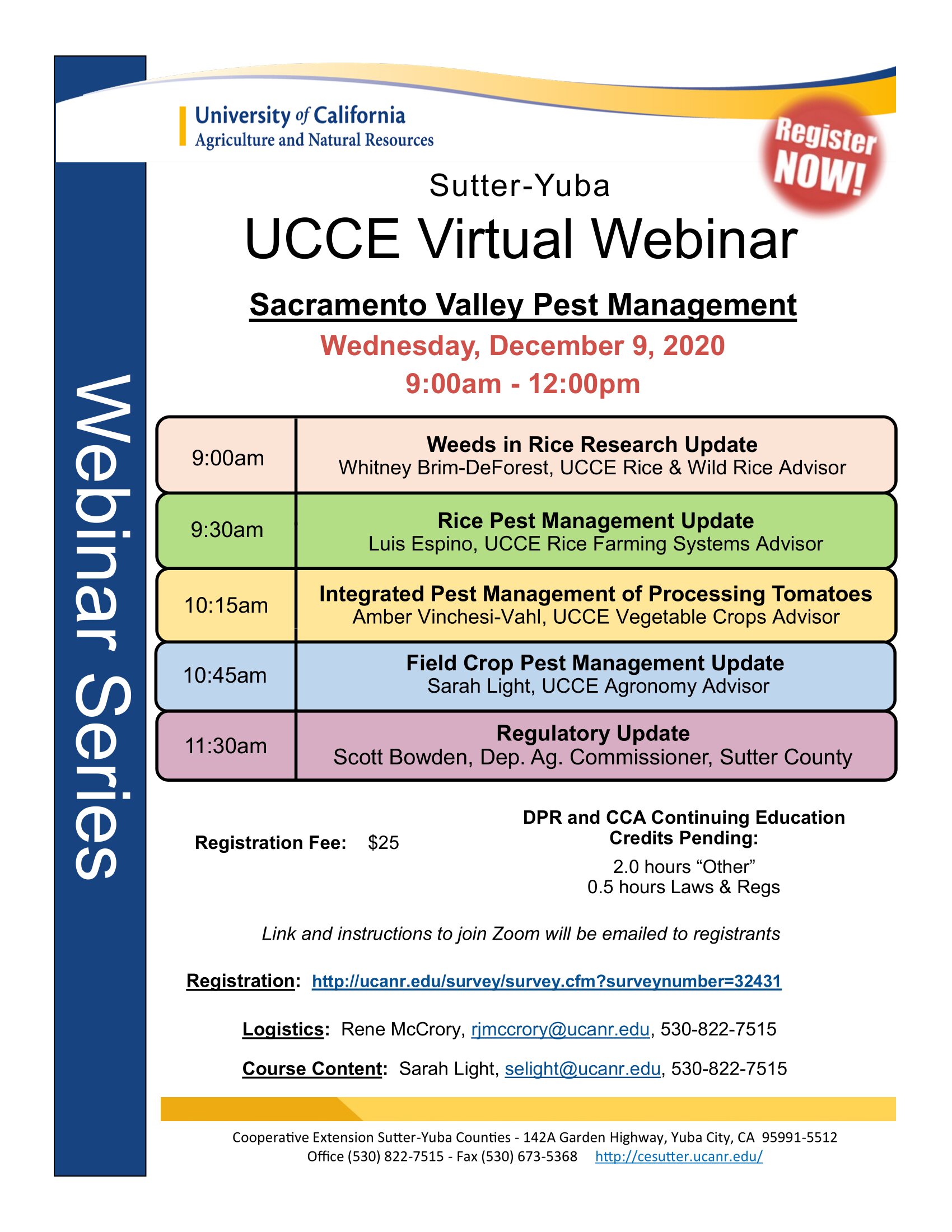
University of California Cooperative Extension SutterYubaColusa is holding a 3-hour pest management webinar on Wednesday, December 9th, 2020 to provide pest management information and research updates on some of the major annual crops in the Sacramento Valley. The presentations are relevant to growers throughout California and are primarily focused on pest management of rice, field crops and processing tomatoes with a portion of the webinar devoted to updates on laws and regulation.

The December 9th webinar will feature an hour of rice presentations given by Luis Espino, Rice Farming Systems Advisor in Butte County and Whitney Brim-DeForest, Rice and Wild Rice Advisor in Sutter-Yuba counties. Espino states, “This was a year with severe rice blast in the northern Sacramento Valley; the presentation will cover blast biology and management information. I will also review arthropod issues such as tadpole shrimp and armyworms.” Brim-DeForest says, “The webinar cover the latest weed research in rice, including weedy rice, watergrass species, and the 2019 weed survey”.

Amber VinchesiVahl, Vegetable Crops Advisor in Colusa and Sutter-Yuba counties, will provide information on pest management of processing tomatoes, the dominant vegetable crop in the Sacramento Valley. She states, “I will be providing information on important pest issues in commercial processing tomatoes and the latest research updates on disease and weed management.”

Sarah Light, Agronomy Advisor for Colusa and Sutter-Yuba counties will present information on area field crops. Light says, “My presentation will cover relevant pest management updates related to field crop production in the region.”

The webinar will also include a regulatory update for Sutter County by Scott Bowden, Deputy Agricultural Commissioner/Sealer. This portion of the program will include information on permitting and updates on chlorpyrifos and paraquat.

Enrollment is limited, so register early. The cost is $25 for the 3-hour webinar. For more details or to register, visit http://ucanr.edu/survey/survey.cfm?surveynumber=32431. DPR CE and CCA credits are pending (2 “other” hours and 0.5 Laws & Regs hours).

If you have questions, contact Sarah Light [selight@ucanr.edu or call the UCCE SutterYuba office at (530) 822-7515].


2020-11-10T16:53:40-08:00November 10th, 2020|

Adversity Affect Farmers and Ranchers


Pandemic, Wildfires, and Thieves


By Tim Hammerich with the AgInformation Network

Farmers have been faced with all sorts of adversity this year. Here’s a roundup of the most recent happenings around the state courtesy of the California Farm Bureau Federation.

Hundreds of thousands of acres of scorched rangeland leave livestock ranchers with limited options for finding more feed for their animals. California wildfires have damaged both private and public rangelands, killed animals and ruined fences, corrals, water systems and other equipment. The president of the California Cattlemen’s Association says the loss of rangeland may force some ranchers to sell off their animals early due to lack of feed.

Walnut farmers say they’re confronting two problems this harvest season: low prices for the crop and thieves who trespass into orchards to steal nuts. A number of counties have enacted ordinances to slow thefts by people who may then sell nuts on roadsides, but farmers report ongoing problems. Because of low prices, farmers say they need to sell as many nuts as they can to recoup their costs, and don’t want to lose more of their harvest to thieves.

Closure of restaurants and bars due to the pandemic brought “major hurt” to the lemon business, marketers say, and improved sales at grocery stores have only partially compensated for the losses. Farmers and marketers say lemon sales to food-service customers have improved somewhat since dropping sharply in the spring, and shoppers have bought more lemons at retail. But people in the lemon business say farmers have seen their incomes drop significantly.

2020-11-10T10:41:18-08:00November 10th, 2020|

Important Cotton Grower Webinars Scheduled

U.S. Cotton Trust Protocol Announces NEW DATES for Regional Grower webinars

Growers should join to learn how they can benefit and how collectively this will help increase demand for U.S. cotton globally.  

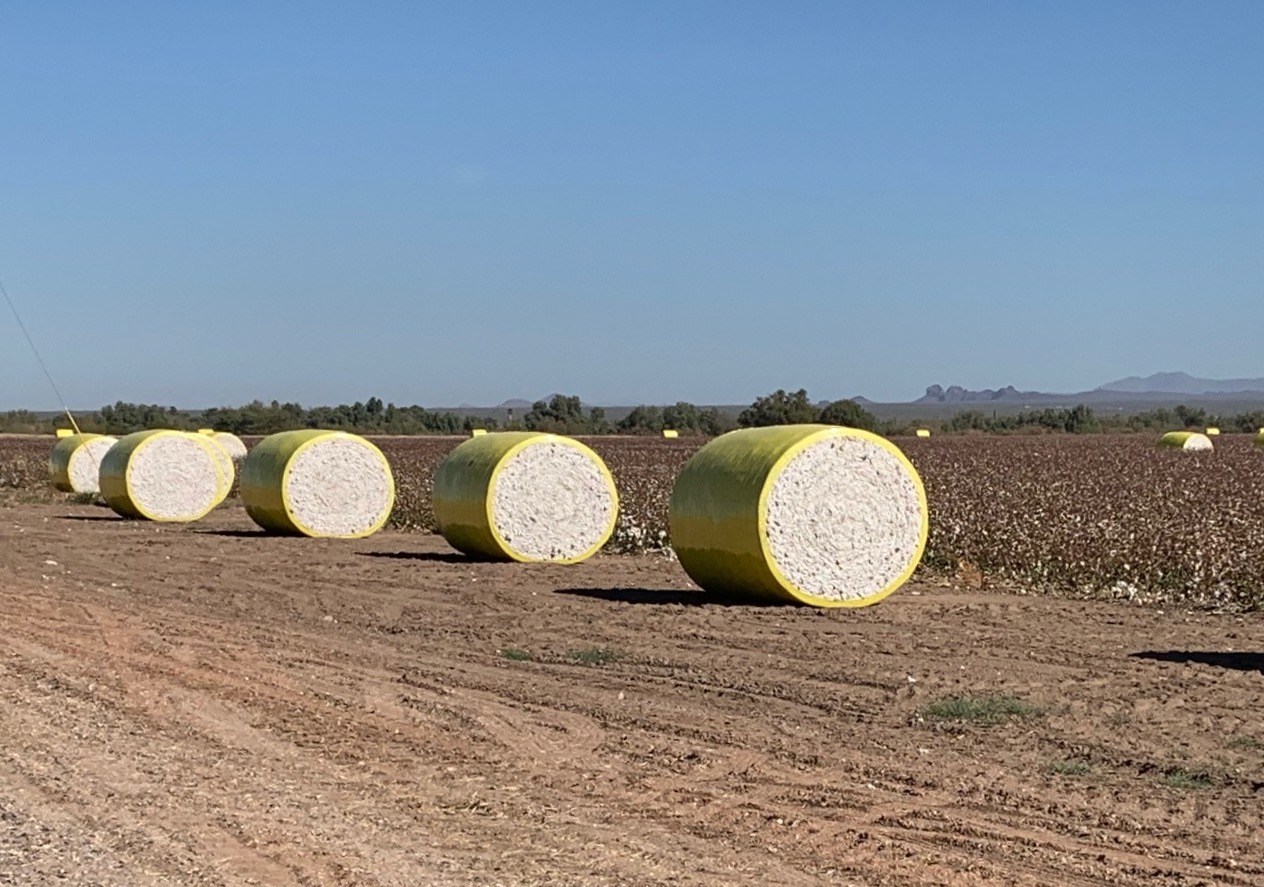
The U.S. Cotton Trust Protocol, which aims to give brands and retails the critical assurances that they need to source U.S. cotton, has announced a new slate of regional-focused webinars from November 9th through the end of 2020. These additional webinars were added following strong demand during the September and October sessions. Grower enrollment is now open to all U.S. cotton growers.

Starting November 5th, growers who have not yet had the opportunity will get to learn about the benefits of the U.S. Cotton Trust Protocol and ask questions with our team. While the sessions are divided by region, interested growers are free to join any session that fits in their schedule. Participants can enroll at https://trustuscotton.org/enrollment-webinar-live-sessions/.

“There’s more scrutiny on the global cotton supply chain than ever before. At the U.S. Cotton Trust Protocol, we aim to raise demand for U.S. cotton as a sustainably-grown fiber and meet the needs of brands and retailers as they work to lower their impact on the environment,” said Gary Adams, President of the U.S. Cotton Trust Protocol. “Joining the Trust Protocol will also provide producers with data that will help them to improve their growing practices.”

A recent study from the U.S. Cotton Trust Protocol and the Economist Intelligence Unit found that 60% of fashion, apparel, and textile business leaders said implementing sustainability measures was a main strategic objective for their organization. The top sustainability measure businesses are implementing is establishing a sustainability strategy with measurable targets, which 58% of respondents said they were doing. In second, 53% said they were working on collecting data from across the business and in the supply chain to measure performance.

The next slate of webinar sessions will begin on November 9th – growers can access the full schedule of webinars here.

For those interested in enrolling, please visit: TrustUSCotton.org


2020-11-09T14:17:43-08:00November 9th, 2020|

Tim York is Cal Leafy Greens New CEO

California Leafy Greens Marketing Agreement Announces Tim York As New CEO

Tim York was named as the new Chief Executive Officer of the California Leafy Greens Marketing Agreement (LGMA) during today’s Board of Directors meeting.   York will replace Scott Horsfall who is retiring in early 2021.

“Tim has been an influential presence when it comes to advancing continuous improvement in  food safety in the produce industry,” says Dan Sutton, Chair of the LGMA. “He is a staunch advocate for protecting consumers and public health and we are fortunate to have Tim to guide LGMA into this new era.”

York was formerly the President of Markon Cooperative, a produce procurement operation with members throughout North America and Canada. Throughout his tenure as a produce industry leader, he has held several prominent positions including serving as chair of the Alliance for Food and Farming, the Produce Marketing Association Board and twice as the chair of the Center for Produce Safety.  He continues to serve on the Board of the Center for Produce Safety as well Co-Chair of the Produce Traceability Initiative.

York also represented the buyer community on the Romaine Task Force in 2019 serving on the Steering Committee as well as Chair of the Traceability Sub-Committee.

York has been honored with numerous awards including The Packer’s Foodservice Achievement Award and Produce Marketer of the Year, the Perishable Pundit’s Single Step Award, and the Produce Marketing Association’s Bryan Silbermann Collaboration Award. He was also the recipient of the LGMA’s Golden Checkmark award in 2009.

“Food safety is both a priority and a passion for me,” says York. “I look forward to focusing on food safety on a full-time basis, to serving the industry and consumers as well as working collaboratively with our industry partners to advance goals and objectives that protect public health.”

The Board of Directors also recognized Scott Horsfall, who has been CEO of the LGMA since it was established in 2007.  “The Board thanks Scott for his foundational leadership and excellent work over the past 13 years,” Sutton says.

“This job has been both rewarding and heartbreaking,” said Horsfall.  “While we have accomplished a great deal, food safety and protecting public health must be a continuing process with a continuing commitment to do better every day,” he says. “I respect this industry immensely and under the leadership of Tim, the farmers that make up the LGMA and our dedicated staff, I’m confident this industry will work diligently to advance continuous improvement.”

York will begin his work with the LGMA on December 1.

2020-11-05T11:48:38-08:00November 5th, 2020|

Mummy Shake Video Contest Announced

Almond Board’s Video Contest Helps Remind Growers of Mummy Nut Sanitation

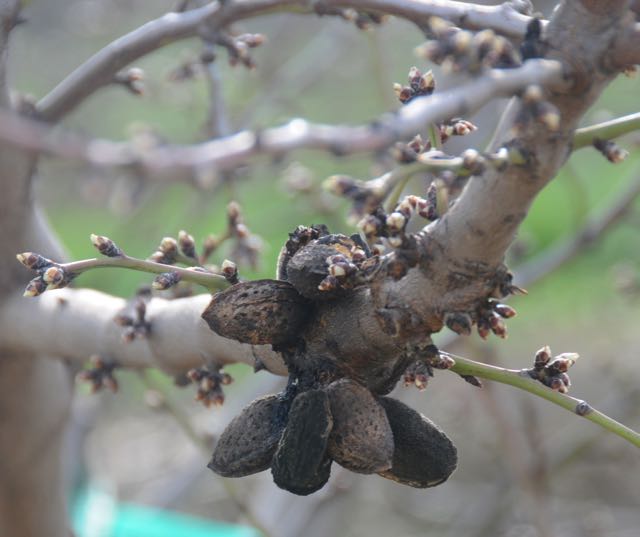
The Almond Board of California is excited to announce its third-annual Mummy Shake Video Contest, and we would deeply appreciate your help in spreading the word about this year’s competition. This contest is aimed at helping remind growers to break the link between mummy nuts (nuts left on the tree after harvest) and overwintering navel orangeworm (NOW).

NOW is the primary insect pest in California almonds, posing a high risk to the crop as the worms bore into the nut and feed on the nutmeat. This not only damages the nut but also opens the door to Aspergillus molds that can produce aflatoxins, a food safety contaminant.

To participate in this contest, almond industry and allied industry members are invited to submit a video of their families dancing – or even singing – along to The Mummy Shake! This year’s contest will run from Monday, Oct. 26, and end at 11:59 p.m. PT on Friday, Nov. 20. The winner of this year’s contest will receive a $500 Amazon gift card. Entries will be judged based on enthusiasm, creativity and composition, and a full list of contest rules may be found at Almonds.com/MummyShakeRules.

If you’re interested in helping us promote this year’s contest, please let me know. Sharing this event with industry stakeholders could include anything from mentioning the contest dates in an online calendar, sharing the contest in an email newsletter or on a social media page, or even giving the contest a shout out during a radio segment. Here’s some quick links to various mummy shake/NOW information that you may use in your promotions:

2020-11-04T12:02:43-08:00November 4th, 2020|