About California Ag Today

This author has not yet filled in any details.
So far California Ag Today has created 2014 blog entries.

Berry Industry Without Methyl Bromide

Berry Industry Must Now Work Smarter in Post Methyl Bromide Era

By Patrick Cavanaugh, Editor

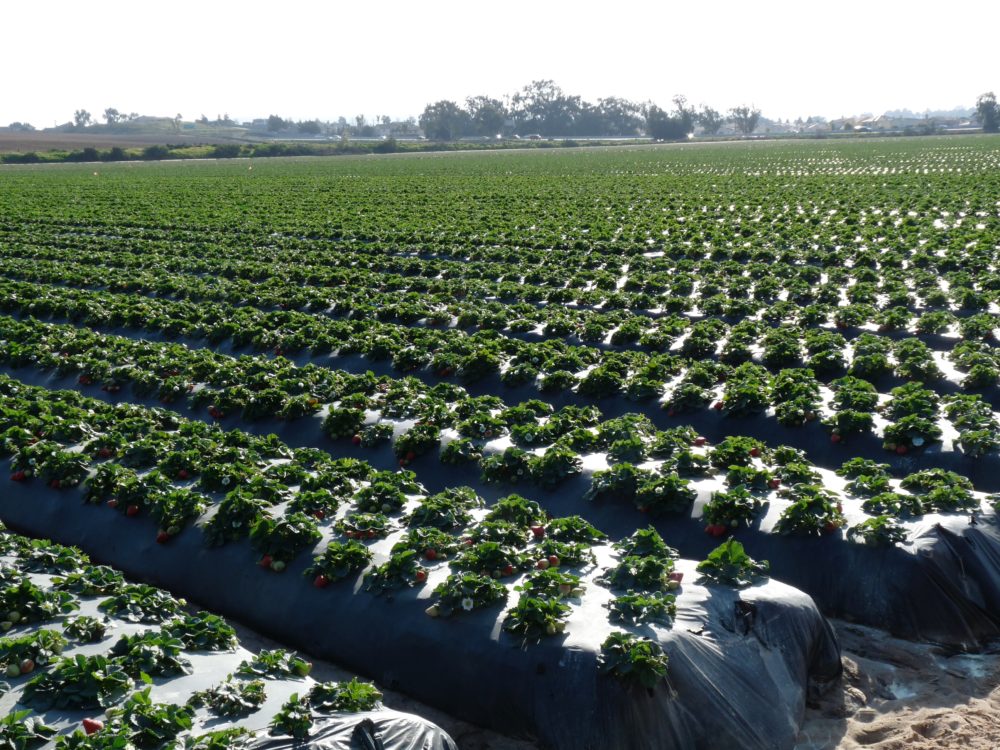
The strawberry fruit production industry, with the exception of plant nurseries, has reached the point where methyl bromide is no longer available under any circumstances, and new alternatives or strategies must be found to protect strawberries from serious diseases.

The University of California is focused on a holistic approach, which includes the tried-and-true method of integrated pest management in this post Methyl Bromide era.

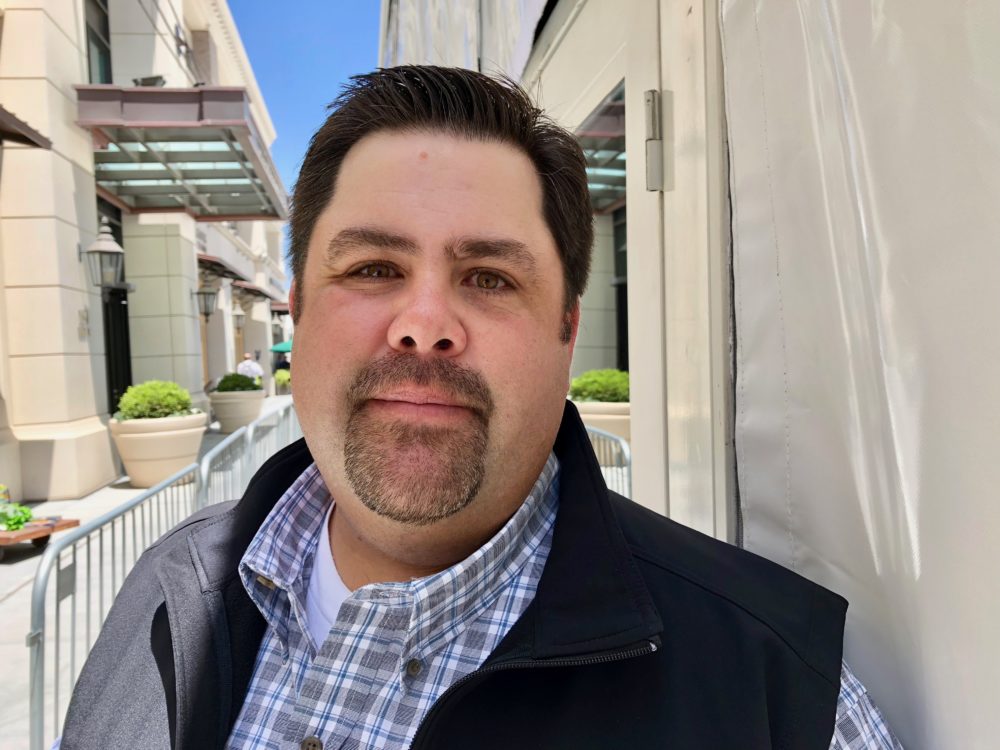
“None of the alternative fumigants are as good as methyl bromide,” said Mark Bolda, UC Cooperative Extension Farm Advisor for Santa Cruz County, who is working closely with growers on alternative methods. “So one area that we could focus on is different strategies at the time of planting. For example, strawberries have different chill times. You must add cold conditioning to give the plant more vigor.”

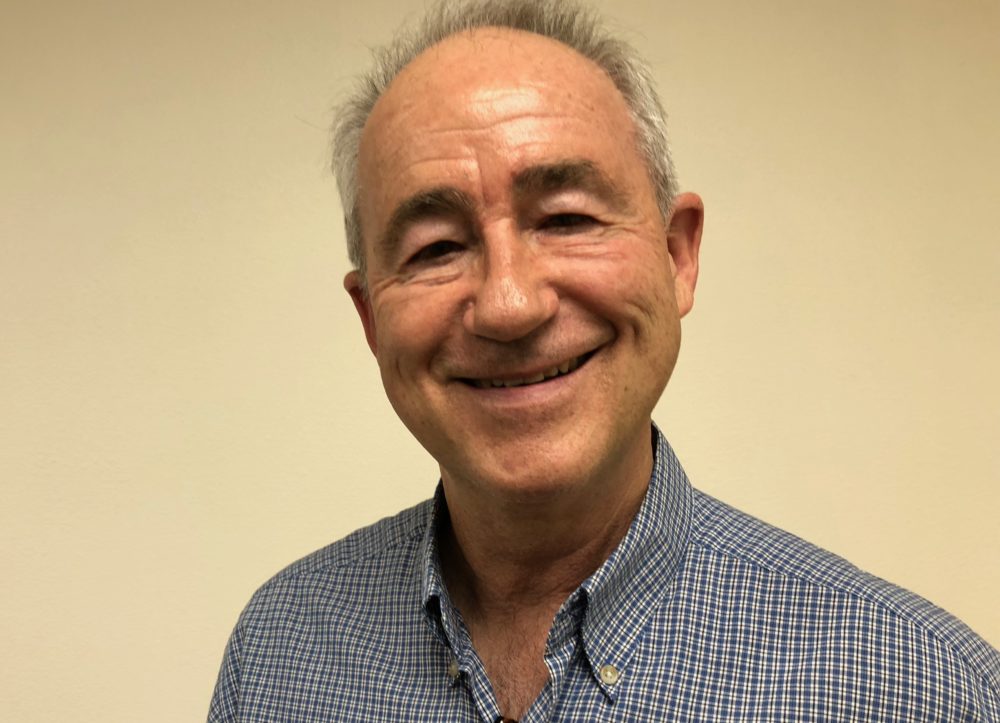
Mark Bolda

There are many questions. Could the colors of the plastic mulch that growers are using manage the temperatures of the soil? How about the amount of fertilizer that is being used?

“We need to start integrating these variables into the way we grow strawberries with the lack of fumigants that are as effective as methyl bromide,” Bolda explained. “We need to integrate all these things and others in order to grow berries with the lack of available fumigants that are as effective as methyl bromide.”

“It’s a little disappointing that here we are at zero-hour and we do not have this worked out,” he continued. “The University of California Cooperative Extension have had a number of meetings in my office, as well as other places where we get many people in the same room to try to figure out what we know and what we don’t know.”

“There’s a lot of smart people in the industry, and I know we can get on this and find solutions,” he said.
2021-05-12T11:05:06-07:00January 8th, 2019|

CDPR: 96% of Produce has No Residue Or Far Below EPA Levels

CDPR Releases New Residue Results

News Release

Recently, the California Department of Pesticide Regulation (CDPR) released its 2017 Pesticide Residues in Fresh Produce report. During its 2017 survey, CDPR found 96 percent of all samples had no detectable pesticide residues or residues were below levels allowed by the Environmental Protection Agency (EPA).

The CDPR report complements the recently released United States Department of Agriculture’s (USDA) Pesticide Data Program results which found 99% percent of the foods sampled had no detectable residues or residues were well below EPA tolerances. The Federal Food and Drug Administration (FDA) also conducts pesticide residue sampling.  FDA results mirrored the USDA’s.

The FDA, USDA and CDPR reports all concluded that these residue results should provide consumers with confidence about the safety of eating fruits and vegetables.

All three government reports garnered very little attention. However, this is reassuring food safety information that consumers should know. Instead, they often receive inaccurate assertions about residues carried by activist groups promoting one production method over another.

The Alliance for Food and Farming supports consumer choice by providing science-based facts to help them make the right shopping decisions for themselves and their families. Whether they choose organic or conventional produce, consumers should know that when it comes to residues, both production methods yield safe produce that can be eaten with confidence.


2021-05-12T11:05:06-07:00January 7th, 2019|

Curly Top Virus Light In 2018

CDFA Surveys Predict Curly Top Vectored by Leafhoppers

By Patrick Cavanaugh, Editor

Curly top virus is a common disease in California. In its worst years, entire fields have been lost to curly top in the foothills of the Central Valley, and it can infect a variety of plants from a total of 44 plant families as well as 300 individual species.

Curly top commonly affects tomatoes, peppers, beets, spinach, potatoes, and beans, as well as a variety of weeds. A common characteristic of curly top is stunting of the plant as well as curling and twisting of the leaves, where it gets its name, curly top. Leafhoppers are the main vector of the virus.

Currently, the CDFA conducts a yearly curly top prediction where they monitor numbers and the leafhopper population as well as the prevalence of the virus to give a scope of what the upcoming year might look like.

“Curly top virus was very low in 2018 as predicted—based on the amount of virus carried by the leafhoppers and the leafhopper population,” said Bob Gilbertson, Plant Pathologist, Department of Plant Pathology at UC Davis.

“We hope that CDFA will continue to carry out the leafhopper screening for the virus and for the population so growers get a prediction of what the curly top incidents will be the coming year,” Gilbertson said. “It’s good that we can tell growers when there’s going to be a bad curly top year so they can implement additional strategies.”

These strategies include changing where they’re going to plant a field or using timed insecticides, particularly systemic insecticides like the new Verimark (From FMC) insecticide to manage curly top.

“We’ve already found that that material can slow down the spread of curly top in a field,” Gilbertson explained. “So in a year where it’s predicted to be bad—high populations of leafhoppers carrying high amounts of the virus—then you as a grower would then want to consider using some of these insecticide approaches.”

2021-05-12T11:01:51-07:00January 4th, 2019|

Mechanically Harvesting Broccoli

Saving Labor Cost in Broccoli Harvest

By Jessica Theisman, Associate Editor

Josh Ruiz and Monsanto Seeds have partnered up to harvest broccoli mechanically. Ruiz is vice president of AG operations with Church Brothers Farms in Salinas.

“They brought us a genetic variety of broccoli where the head does sit up higher. When it comes to broccoli, all varieties have their heads mature at different rates,” Ruiz explained.

That being said, the fields must be harvested multiple times as the crop matures. With these new genetics, you can get it all done in one sweep.

“I want it to be as simple for my people because I want them to be happy. Cutting once and moving on is what makes them happy,” Ruiz said.

There are a bunch of growers around California, Arizona and in Mexico; they want to get that ground back and use it one more time before the season’s over.

“This gives them about a month’s worth of time back in their hands, which, in the world we live in, is huge,” Ruiz said.

Ruiz said he is going to continue to develop mechanical harvesting for other crops.

“Iceberg and Romaine are the next two big projects,” he explained.

Iceberg is known to be the “holy grail.” Ruiz has a prototype in the works, and he’s willing to work with anyone who is willing to partner.

“The Broccoli Project, the last five years, has overwhelmed my team and me, but we are ready for the next challenge,” he said

“My day to day is focused on not only running the AG operations for Church Brothers, but I spend a lot of my day focused on innovation and how can we do things better, quicker, faster, cheaper,” he continued.

Ruiz is passionate about automation and innovation. He is currently working with lettuce, romaine, broccoli, cauliflower, spring mix, spinach, and kale.

He said his interest in mechanical harvesting is mostly based out of labor issues, but it goes further from there.

“I see this as the future. I’m not the computer guy, and I’m not the engineer, but I love that stuff, and I want to go find out how to make it possible for me to learn,” he said.

Approximately five years ago, Ruiz began his relations with Monsanto with the Broccoli Project.

“We just unveiled our brand new version of our machine, and I have no doubt in my mind that it’s going to be out there in the field. You’ll see it going down the Salinas Valley from here on out.”

2021-05-12T11:05:07-07:00January 3rd, 2019|

Strawberry Commission Oversees Valuable Crop

Strawberries in California

By Jessica Theisman, Associate Editor

Strawberries are California’s sixth most valuable crop which makes strawberry research a valuable tool for California farmers.  Mercy Olmsted is senior manager of production research and education at the California Strawberry Commission. Growers in the California Strawberry Commission have invested over $28 million into research. These include areas such as diseases, insects, and weeds—all in an effort to help solve production challenges and boost economic gains.

“We are a commission that’s funded by the growers, and so we do research that meets their research priorities,” Olmsted said.

So far, $13 million has been invested in research to explore alternatives to methyl bromide. The commission says that strawberry farmers continue to invest in researching fumigant alternatives.

“We also work with researchers. We have a robust grant program, and we work with those researchers in order to assist them in their field trials,” Olmsted explained.

Some of their researchers are in house, and others are from the USDA and university researchers.

“We develop training programs for our growers because we work for the growers. We can contact them as often as we need to, and we are able to see how things and research priorities might change in the industry,” Olmsted said. “There are a number of facilities and a board that helps direct research priorities and any necessary changes.”

For more information on strawberry research being done by the California Strawberry Commission visit calstrawberry.com.

2021-05-12T11:05:07-07:00January 2nd, 2019|

2017 Produce Samples Survey Show Safeness For Consumers

Tests Show Low or No Pesticide Levels in Most Fruits and Vegetables in California

By Charlotte Fadipe, California DPR

Once again, tests showed that the vast majority of fresh produce collected by the California Department of Pesticide Regulation (DPR) met national pesticide residue standards. During its 2017 survey, DPR found 96 percent of all samples had no detectable pesticide residues or were below levels allowed by the U.S. EPA.

The findings are included in DPR’s just released 2017 Pesticide Residues in Fresh Produce report.

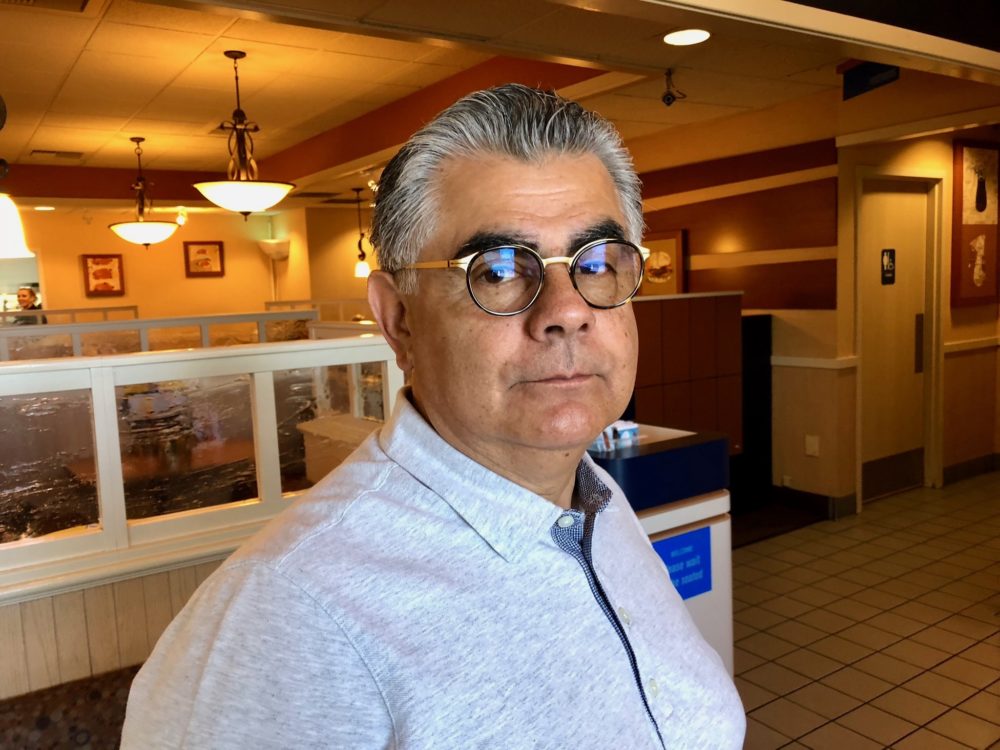
“DPR carries out an extensive sampling of pesticides on fresh produce, and once again it shows that California consumers can be confident about eating fresh fruits and vegetables,” said Brian Leahy, Director of DPR. “California growers and farmers are adept at following our comprehensive rules to ensure produce is grown to the highest pesticide standards.”

Brian Leahy

The 2017 report is based on a year-round collection of 3,695 samples of produce from 28 different countries, including those labeled as “organic.” DPR scientists sampled produce from various grocery stores, farmers’ markets, food distribution centers, and other outlets throughout California. The produce is tested for more than 400 types of pesticides using state-of-the-art equipment operated by the California Department of Food and Agriculture.

The U.S. Environmental Protection Agency (U.S. EPA) sets levels for the maximum amounts of pesticide residue that can be present on fruits and vegetables, called a “tolerance.” It is a violation if any residue exceeds the tolerance for the specific fruit or vegetable, or if a pesticide is detected for which no tolerance has been established.

California Specific Results

More than a third of the country’s fruits and vegetables are grown in California, according to the California Department of Food and Agriculture (CDFA). In 2017 DPR found:

-About 25 percent of all produce samples tested were labeled as Californian-grown,

-About 95 percent of these samples had no residues on them or were within the legal levels,

-About 5 percent of California samples had illegal residues, including kale and snow peas. These are pesticide residues in excess of the established tolerance or had illegal traces of pesticides that were not approved for that commodity. However, none of those residues were at a level that would pose a health risk to consumers.

Other highlights from the 2017 report include:

-41 percent of all produce samples had no detectable residues at all,

-55 percent had residues detected within the legal level.

-4 percent of all the samples had pesticide residues in excess of the established tolerance or had illegal traces of pesticides that were not approved for that commodity.

2021-05-12T11:01:51-07:00January 1st, 2019|

Reducing Food Waste Should Be Top of Mind

“No Taste for Waste” Initiative Starts a Big Conversation

By Mikenzi Meyers, Associate Editor

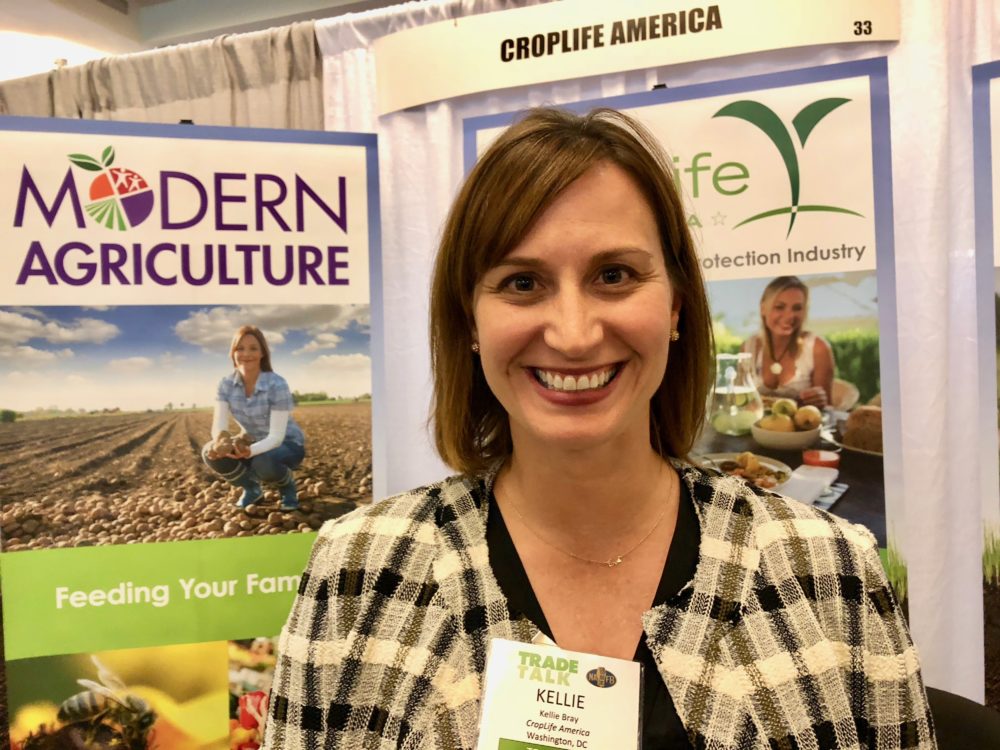
As we end 2018 and head to 2019, it’s a good idea to think about reducing food waste. CropLife America, a national trade organization that represents manufacturers, formulators, and distributors of pesticides, is working to minimize the amount of food Americans throw away every day. Kellie Bray, Senior Director of Government Affairs for CropLife, encourages Americans to start the conversation of food waste.

“This is a conversation that is so important not only to growers and producers but to consumers and the people who are really cognizant of food issues. Not only making sure that they save money and food in their own homes but making sure too that people who need food have it,” Bray urged.

In order to set this conversation into motion, CropLife, along with the American Farm Bureau and Meredith Corporation, have partnered on an initiative called, “No Taste for Waste.” The initiative has worked to create a “bookazine” that was available in grocery stores and even your local Target.

“It’s a combination of recipes, farmer’s stories, and tips and tricks on how to maximize the food you have now, so nothing goes to waste,” Bray explained.

Get the Facts on Food Waste

  1. The amount of food wasted in the United States equates to more than 1,250 calories per day, per person, annually.
  2. Food waste is responsible for at least 2.6 percent of all U.S. greenhouse gas emissions.
  3. The number one contributor to all landfill content is food waste, contributing around 21 percent each year.
  4. Each year, between 125 and 160 billion pounds of food are left uneaten in the United States.
  5. Between 21 to 33 percent of agricultural water use is accounted for by food waste.
  6. Cropland of uneaten food accounts for between 18 to 28 percent of U.S. total cropland, which is more than the entire state of New Mexico.
  7. Households are responsible for the largest portion of all food waste. At 238 pounds of food per person, that equals 76 billion pounds!
  8. Many farmers cut back on food waste by using unsold produce as feed for livestock or compost in the soil.

For more information on how to prevent food waste, visit: notasteforwaste.org

2018-12-31T14:46:10-08:00December 31st, 2018|

Pest Management is Essential

The Positives of Pest Management

By Mikenzi Meyers, Associate Editor

There’s a case to be made for both organic and conventional farming, but make no mistake that they both have the same intention: safe food for human consumption. Few people know this better than Brian Leahy, chief of the Department of Pesticide Regulation in California, one of the 16 agencies under the umbrella of the California Environmental Protection Agency.

There are certain precautions that all farmers need to take to ensure our produce is of the highest quality, one of which is the use of pesticides. Leahy explained that yes, even organic growers require pesticides to protect their crop.

“They’re very different, and they go through a process,” he further added.

“When your food leaves the farm, it goes through a lot of pest management,” Leahy continued, “We’re doing it every day, so let’s acknowledge that it’s there.”

The fact is, everyone uses pesticides, whether it be in the grocery store or our very own homes, and if they are not properly managed it can lead to trouble.

“We’re all in this pest management together. Let’s start putting the resources into it so that we do it in a way we think we want,” Leahy concluded.

To find out how DPR regulates pesticide use, go here.

2021-05-12T11:01:51-07:00December 27th, 2018|

Arnoldo Torres: Latino Leaders Must Do Better!

Op-Ed To California Ag Today

Latinos Need a Bigger Voice

By Arnold Torres

In this last round of elections, Democrats ignored the ugly and nationalistic demagoguery of immigrants from Central America that the 45th President pursued relentlessly before Election Day. They allowed the President to continue building a false narrative around immigration. In spite of many Republicans supporting some of the most offensive and verbal racial profiling by a sitting President, our Democratic response was, “vote for me, I am not Republican.”

This President was not only focused on mid-term elections but laying the foundation for his 2020 re-election. He spared no lie to whip up his base.

We heard no substance from Democrats except outrage and sharp criticism of Republicans. Liberal groups like the Center for American Progress and the Third Way noted that running on immigration would not be helpful in securing votes in states and Congressional districts won by the President in 2016. Democrats seemed paralyzed with political fear that they could not capitalize on the anger and growing rejection of Trumpism if they addressed the immigration issue.latinos

Democrats aggressively postured when Republicans followed their script of scapegoating and demagoguing immigrants. They hid behind their words of outrage, old proposals about legalizing Dreamers and no border wall and “abolishing” ICE. They offered no new vision for re-calibrating the policies and discussions that were needed to effectively and honestly deal with the pressures of desperate mass movements of people.

Democrats allowed this President to continue reinforcing a false, ignorant, and racist nationalism about Latino immigrants. The so-called “caravan of invaders” is being “pushed” from sending countries for the same reasons that pushed the ships that sailed with many European refugees/migrants that arrived on U.S. shores in the 1800s and early 1900s.

Latino “leaders” in the national immigration struggle and Latino elected officials in Congress have contributed mightily to the behavior of both parties. It really makes more sense if these Latino “leaders” would stop demanding specific action that has not come about even under President Obama. We must offer viable and balanced policies. The mass movement of people is originating in this hemisphere, and so it MUST fall to us to develop solutions, not ideology.

Due to the inaction of both parties, our community must develop the political agenda for immigration reform that will benefit our nation. Our vision must be specific and comprehensive. The narrative must be honest, factual, balanced and practical and we must begin working with various members of the California Congressional delegation from agricultural producing districts, such as ours. The Trump narrative does nothing more than to pollute the disposition of the U.S. public to push for effective and balanced immigration reform.

There is public support for reasonable reform; the Trump narrative has created a caustic image of immigrants that has become the default position of his base, which is infecting others. The time to act is now. We must realistically address the labor shortages in the agricultural and service industries in California and their dependency on unauthorized labor. We have to frame the issue in economic terms since humanitarian concerns clearly have not been enough.

Our policy outline must offer a constructive and practical new vision. It must include smart enforcement at ports of entry, increased resources for the Coast Guard, increased resources for detection of opioid trafficking from China and India via the internet, and increased resources for local law enforcement in cities located along drug corridors in the U.S. only for enforcement activities related to drug interdiction. Our immigration reform package must include enforcement of existing immigration laws. The GOP narrative is that Democrats are for open borders. Our new agenda must address the issue that drugs from Mexico significantly enter through ports of entry and via the internet from countries outside the hemisphere.

Our agenda must utilize evaluation analyses and propose no private sector detention centers—a vigorous oversight—and accountability mechanism outside of the Department of Homeland Security of these centers and ICE, Border Patrol agents, and the U.S. Citizenship and Immigration Service.

Enforcement must be balanced with permanent legal status for all “Dreamers” who meet the original criteria, temporary legal status for the parents of “Dreamers” who have a history of employment, especially in states that had labor shortages in agriculture, construction, and service sectors. We have to include a pilot temporary worker program with Mexico in U.S. states that have documented labor shortages in the above industries to begin to test new ideas. All federal and state labor laws would apply to these workers along with an increase in funding to monitor their treatment, working and living conditions, and employer compliance.

A critical component that we must explore is the creation of working groups between the U.S. and essential sending countries such as Mexico and those in Central America to discuss how to create a stable economic and security environment in their countries and specific regions that are the source of population movements to the U.S. We must not repeat the mistakes our economic and political policies have committed in these countries that are the foundation of the “push” factors, while not losing sight of the “pull” factors that exist within the U.S. serving as magnets for undocumented workers.

Lastly, we must evaluate and provide for a phased-in mechanism of these policy initiatives and include a legalization process, for the undocumented persons currently in the U.S., in the last phase of this process.

We know that Congressman Panetta and his colleagues from the Central Valley have acknowledged the ugly narrative but have taken no decisive action to date. It is important to note that two of his colleagues lost re-election. Was their loss due in part to the failure to move concretely on immigration, especially in the agricultural sector? It is essential that there be transparency around what Mr. Panetta and the Democrat majority in the House of Representatives will do to begin resolving the growing complexities around immigration. Let’s begin our discussion with a town hall meeting to take place in Salinas that allows an open dialogue concerning our proposal and what our new Congress intends to do.

Arnoldo S. Torres is a journalist, consultant, partner in the Sacramento, California based public policy consulting firm Torres & Torres, and the executive director for the California Hispanic Health Care Association.

2018-12-26T16:22:53-08:00December 26th, 2018|

Hershey’s Chocolate Loves California Almonds

Almonds and Chocolate: The Perfect Duo

By Mikenzi Meyers, Associate Editor

You can find a piece of Hershey’s Chocolate with almonds almost anywhere. The delicious pairing makes for the perfect treat! Karen Ocamb, a supply quality auditor for Hershey’s, is working to make sure the relationship between the almond industry and her company remains sustainable and beneficial.

After visiting the Almond Board Conference in Sacramento, Ocamb reported the good things the board is doing to make the partnership a success.

“My perspective of the Almond Board is a really good, beneficial kind of facility that takes the almonds and gives us a better perspective of what should be done out there,” she explained.

Ocamb also knows the importance of maintaining a healthy relationship between Hershey’s and the almond industry, particularly on the consumer’s behalf. Her goal is to ensure that the communication between the two stay open, in order to keep improving the quality of product for the customer.

“Almonds are a great source of protein, so for the company, blending the chocolate and the almonds together is an essential piece of giving something to the consumer that is beneficial to them, but also sweet,” she said.

2018-12-21T16:40:09-08:00December 21st, 2018|
Go to Top