
About California Ag Today

This author has not yet filled in any details.
So far California Ag Today has created 2014 blog entries.

CA FFA Leadership Conference April 24-28

91st FFA Annual Conference is in Anaheim

By Patrick Cavanaugh, Editor

The FFA is a leadership and career development organization found in many California high schools. It represents more than 91,000 members from 320 chapters across the state.

About 7,000 of those FFA students will converge on Anaheim from April 24 to 26 for the 91st Annual Conference.

“There’s going to be some public speaking contests, and the students will participate in workshops by the agricultural colleges and universities throughout the state,” said Matt Patton, Executive Director of California FFA. “They’re also going to conduct the business of the FFA association. It is a true student-run organization.”

All 320 chapters from California will send two delegates to do the organization’s business. There are a couple of items that they’re going to debate on and vote on what will be a change in the bylaws of the FFA. Additionally, they are going to elect their new state officers that will represent the state of California for the upcoming year.

Patton noted the diversity of the California FFA.

“Of the more than 91,000 members, 48 percent are female, and 51 percent are male. Hispanic and Latino members represent 41 percent, 43 percent are Caucasian, with three percent African American. We are very diverse in a large demographic of areas.”

For more information on the upcoming convention: https://www.calaged.org/stateconvention

2019-04-12T16:46:45-07:00April 12th, 2019|

College Scholarships Available from Westlands Water District

Westlands Water District Announces 2019 Scholarship Application with May 1oth Deadline

Westlands Water District is pleased to announce it is accepting applications for the District’s annual scholarship program. This is the thirteenth consecutive year the District will provide scholarships to recognize and reward exceptional academic achievement and leadership by graduating seniors.

Scholarships are awarded to students from the following west side high schools: Coalinga, Firebaugh, Lemoore, Mendota, Riverdale, and Tranquility.

“These scholarships represent a small gesture of thanks and support to the communities on the west side of the San Joaquin Valley that contribute to making our region productive and vibrant,” said Tom Birmingham, Westlands’ general manager. “We hope the recipients of these scholarships will continue to contribute to their communities and make them even better for future generations.”

Each scholarship recipient will receive $1,000 to be used for college expenses. Applicants are judged on their academic performance, school activities, and community leadership.

Past scholarship recipients have enrolled into California State University, Fresno; University of California, Berkeley; California Polytechnic State University; University of California, Los Angeles; West Hills Community College; and more.

Applications and all supporting documents are due by May 10 and may be submitted by mail to P.O. Box 6056, Fresno, CA 93703 or in person to 3130 N. Fresno Street, Fresno, between 8 a.m. to 5 p.m., Monday through Friday. For an application and list of instructions, please contact the public affairs office at (559) 241-6233 or visit https://wwd.ca.gov/wp-content/uploads/2019/02/scholarship-application.pdf.

2019-04-11T17:00:35-07:00April 11th, 2019|

Heat Illness Prevention Event April 12 In Easton

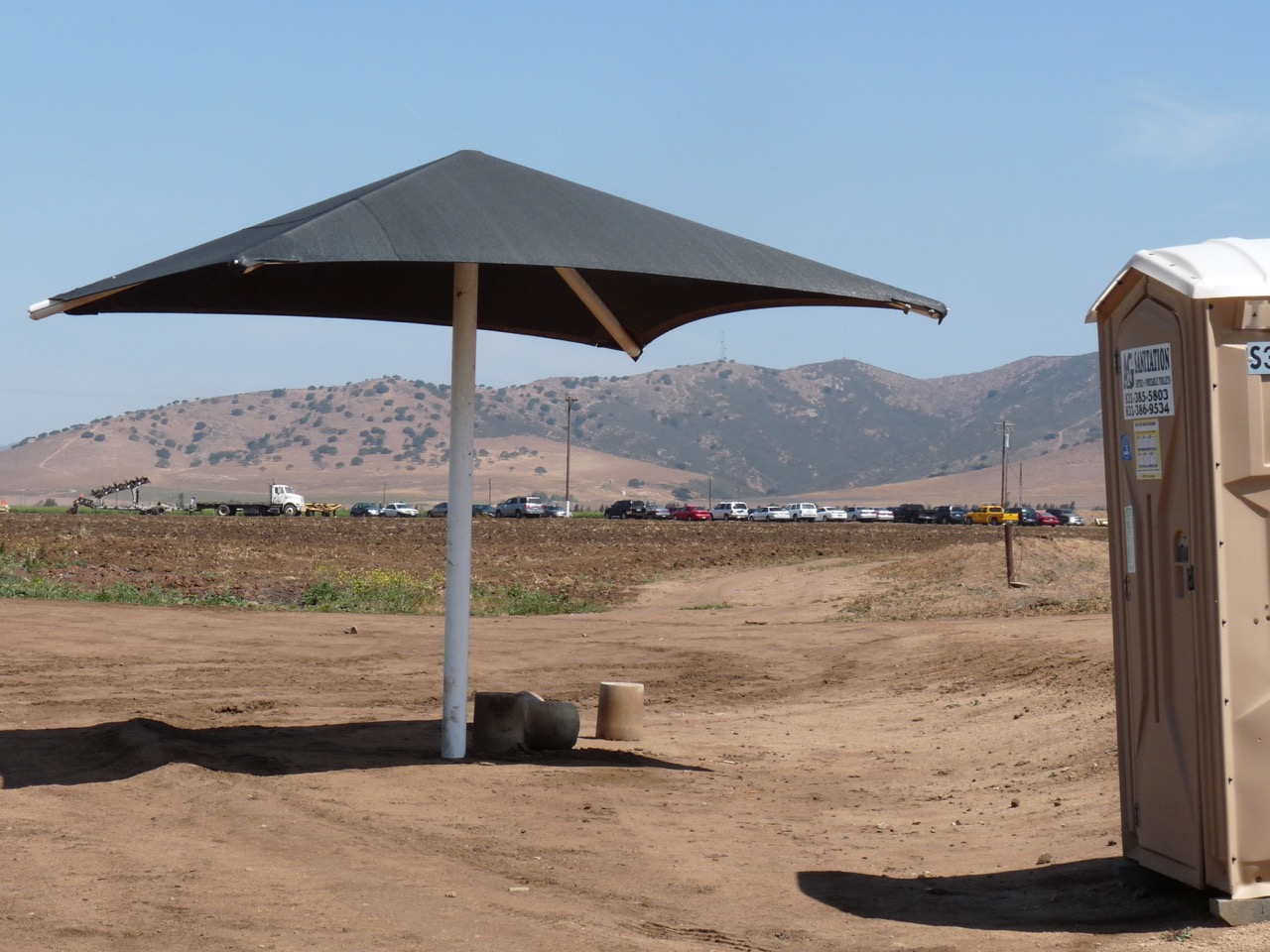
Water, Rest and Shade for Heat Illness Prevention

News Release Edited By Patrick Cavanaugh

On April 12, a coalition of agricultural organizations will hold two Heat Illness Prevention Sessions in Easton.

Manuel Cunha, Jr., President of Nisei Farmers League, said, “We appreciate the staff and the efforts of the Department of Industrial Relations, Cal/OSHA Consultation with their presentation of the safety message: WATER, REST, SHADE.”

Cunha continued, “the efforts by all our agricultural partners, as well as Cal/OSHA is to educate employers and supervisors about the dangers of working in the heat. We have held many educational sessions, sent out publications, had media events and continue to have ongoing outreach efforts throughout the state. Education is the key to reducing the number of heat illnesses that we see in our fields.”

Attend one of the sessions on April 12 for the latest documents outlining high heat procedures, including additional steps to be taken to ensure our employees’ safety.

Date: Friday, April 12, 2019

Time: Session One in Spanish 10:00 a.m. to noon. Session Two in English 1:30 p.m. to 3:30 p.m.

Place: C.P.D.E.S. Portuguese Hall, 172 W Jefferson Avenue, Easton.

There is no cost for attending these training sessions.

We want to thank our agricultural partners listed below: Nisei Farmers League, Fresno County Farm Bureau, Allied Grape Growers, California Fresh Fruit Association,  African America Farmers of Calif., American Pistachio Growers, California Apple Commission, California Blueberry Commission California Olive Growers Council and Sun-Maid Growers of California.

2019-04-10T16:38:37-07:00April 10th, 2019|

Lettuce Aphids Showing Up on Late Produce

Lettuce Aphid Pressure Has Been Steady

By John Palumbo, University of Arizona Professor/Extension Specialist, Department of Entomology

This season has been a banner year for aphids in the desert.  Aphid pressure has been steady on most crops throughout the spring.  Consistent with the warm weather we have been experiencing lately, Lettuce aphids, Nasonovia ribisnigri, (aka., Red aphid) have shown up in desert lettuce again.

The last time lettuce aphid was this abundant on desert produce was the spring of 2012.  However, in the past couple of weeks, I’ve identified lettuce aphid appearing on both head lettuce and romaine in Roll and Wellton. I’ve also had reports of the aphid showing up in the Imperial Valley.

At the Yuma Ag Center, we began seeing lettuce aphid a couple of weeks ago on untreated lettuce, and they have recently built up to high numbers. Previous experience has taught us that daytime high temperatures in the 80’s are ideal for population growth.  A few things to remember about lettuce aphids relative to the other aphids we commonly see.

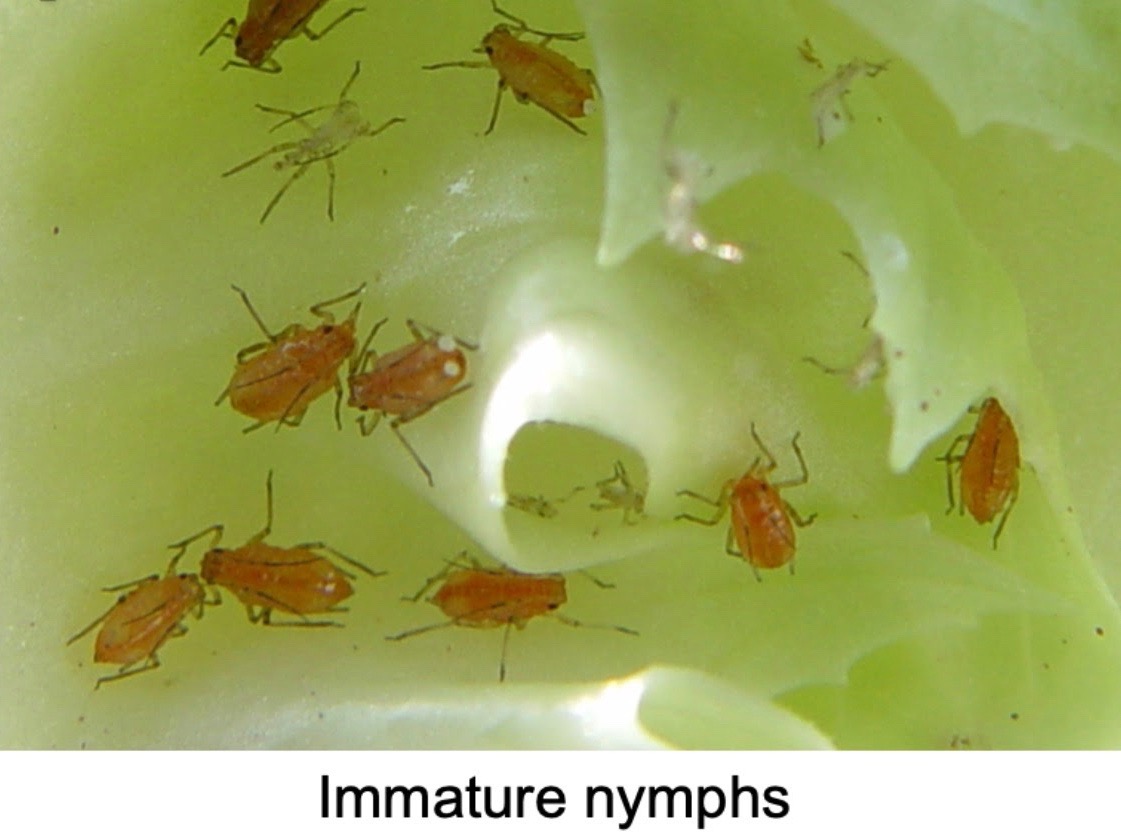
First, the immature nymphs are small and have a red appearance, whereas the apterous adults are typically a large brown colored aphid with dark bands running across the abdomen.  Second, among the crops we grow locally, lettuce aphids are only found on the lettuce types(Lactuca spp.)

Lettuce aphids prefer to colonize the terminal growth, and can often be found in heads or hearts, whereas green peach aphids are often found on the frame leaves in high numbers before moving into the heads. Sampling should be focused on the terminal growth of young plants and in the heads and hearts of older plants. Third, they can reproduce prolifically, producing many more winged alates than other species, which can quickly lead to widespread abundance throughout a field or a growing area.  Finally, as the saying goes “he who hesitates is lost”.

If lettuce aphids are found on your lettuce, it is recommended that you respond quickly with an insecticide treatment. The product of choice is Movento at 5 oz/ac. Because of its systemic activity, Movento will reach aphids in the protected terminal growth.

Be sure to include a penetrating adjuvant for best results at a rate of at least 0.25% v/v. It normally requires 7-10 days of activity before a significant reduction in the infestation is observed. For more information on lettuce aphid please refer to Lettuce Aphid on Late Season Produce.   If you’re finding lettuce aphid on organic lettuce, you’re out of luck; none of the registered biopesticides will control this aphid.

2021-05-12T11:01:49-07:00April 9th, 2019|

Winning on Reducing Food Waste Month

In U.S., One-Third of all Available Food Goes Uneaten Through Loss or Waste. 

News Release Edited By Patrick Cavanaugh

Recently, the U.S. Environmental Protection Agency (EPA), the U.S. Department of Agriculture (USDA), and the Food and Drug Administration (FDA) kick off Winning on Reducing Food Waste Month by calling for greater collaboration with public, private, and nonprofit partners as well as state and local officials to educate and engage consumers and stakeholders throughout the supply chain on the need to reduce food loss and waste.

In the U.S., more than one-third of all available food goes uneaten through loss or waste. Food is the single largest type of waste in our daily trash. In recent years, great strides have been made to highlight and mitigate food loss and waste, but the work has just begun. When food is tossed aside, so too are opportunities for economic growth, healthier communities, and environmental prosperity—but that can change through partnership, leadership, and action. Further elevating the importance of this issue, the recent announcement follows a Presidential Message from President Trump acknowledging the month of April as Winning on Reducing Food Waste Month and encouraging public action and participation from all sectors.

“Reducing food waste and redirecting excess food to people, animals, or energy production provide immediate benefits to public health and the environment. I am proud to join President Trump and my federal partners in recognizing April as Winning on Reducing Food Waste Month,” EPA Administrator Andrew Wheeler said. “We are working closely with our federal partners and stakeholders across the nation to reduce the amount of food going to landfills and maximize the value of our food resources.”

“USDA alone cannot end food waste, it will require partners from across the supply chain working together on innovative solutions and consumer education. We need to feed our hungry world, and by reducing food waste, we can more wisely use the resources we have. I am pleased President Trump identified this issue as one of importance, and I look forward to USDA’s continued work with our agency partners at EPA and FDA to change behavior in the long term on food waste,” U.S. Secretary of Agriculture Sonny Perdue said.

“With 1 in 6 people getting a foodborne illness every year in the U.S. and up to 40 percent of food left uneaten, it’s understandable why food safety and food waste are major societal concerns,” FDA Deputy Commissioner Frank Yiannas said. “The FDA is working to strengthen its collaboration and coordination with the EPA and USDA to strategically align our federal efforts between the two issues to better educate Americans on how to reduce food waste and how it can be done safely.”

As part of the month’s observances, on April 9, EPA will host a live-streamed event with USDA and FDA. Additional joint agency actions will be announced at the event regarding the Winning on Reducing Food Waste Initiative. At the event, a panel of food waste stakeholders will share how state and local communities can join the federal government in reducing food waste and loss.

USDA, EPA, and FDA invite public and private partners to participate in Winning on Reducing Food Waste Month through the following:

  • Join the conversation: Share your efforts with the #NoWastedFood hashtag in your social media posts throughout the month.
  • Educate your community: Learn about USDA, EPA, and FDA programs and resources to reduce food loss and waste.
  • Be a U.S. Food Loss and Waste 2030 Champion: Join other corporate and business leaders who have made a public commitment to reducing food loss and waste in their U.S. operations by 50 percent by the year 2030.

The Winning on Reducing Food Waste Initiative is a collaborative effort among USDA, EPA, and FDA to reduce food loss and waste through combined and agency-specific action. Individually and collectively, these agencies contribute to the initiative, encourage long-term reductions, and work toward the goal of reducing food loss and waste in the United States. These actions include research, community investments, education and outreach, voluntary programs, public-private partnerships, tool development, technical assistance, event participation, and policy discussion.

2019-04-08T16:37:18-07:00April 8th, 2019|

Quarantines in Place to Prevent ACP Spread

Quarantines Painful For Some Growers

By Mikenzi Meyers, Associate Editor

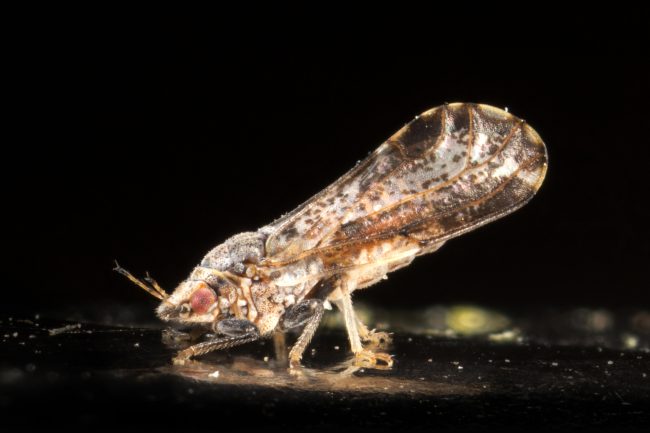
It’s been a tough road for citrus growers since the discovery of the Asian Citrus Psyllid (ACP) back in 2012. Those affected have been forced to quarantine their crops, a task that Beth Grafton-Cardwell, director of Lindcove Research Extension Center in Tulare and research entomologist with UC Riverdale, said can be difficult.

“There’s been a lot of discussion about the quarantines because they’ve been painful for some growers who have low psyllid numbers to have to treat them and move their fruit to other zones,” Cardwell explained.

Beth Grafton-Cardwell

The growing concerns have led to continuous research regarding whether or not the zones should be changed.

There have been more than 1,100 citrus trees that have tested positive for HLB. There have been more than 230 positive finds of the psyllid, and although this sounds like a big number, Cardwell said its actually normal due to how difficult the disease is to detect.

“We can’t tell that the tree is infected early on because a localized infection might be on one stem of the entire tree, and it might take a year before it moves throughout the tree,” she said.

Right now, quadrant sampling is being done, where four quadrants of the tree are sampled for the disease. Current samples are showing that one in four quadrants are coming back positive.

“It’s finding the trees that are infected that’s really difficult, and meanwhile, the psyllid is spreading, spreading, spreading the disease,” Cardwell said.


More information can be found at this link:

https://maps.cdfa.ca.gov/WeeklyACPMaps/HLBWeb/HLB_Treatments.pdf

2021-05-12T11:01:49-07:00April 5th, 2019|

Attorney Suggests That Meters Go on Pumps Now for SGMA

Meters Could Help From a Legal Standpoint

By Mikenzi Meyers, Associate Editor

There are different options available to make the implementation of the Sustainable Groundwater Management Act (SGMA) a bit easier on farmers. Lauren Layne of Baker, Manock & Jensen is helping her clients in the Central Valley carry out the SGMA Act in the most beneficial way possible.

“We want to see the Central Valley thrive. So we represent irrigation and water districts who are the local agencies that are forming these groundwater sustainability agencies, and I serve as a council to a number of those groundwater sustainability agencies as well,” explained Layne.

According to Layne, a lot of farmers are considering fallowing certain land to put in recharge projects that will allow them to regulate irrigation, while simultaneously being beneficial to the groundwater basin as a whole.

Layne also highly encourages growers to install meters or transducers to monitor how much water is being used, and what the groundwater table looks like.

“Data is very, very, important from a legal standpoint. It’s important to have the information as a backup for any argument we’re going to make,” she said.

If the cost of installing a meter is an issue, Layne is working on an incentive program that will grant funding to farmers and incentivize them to put meters on.

2019-04-04T16:37:04-07:00April 4th, 2019|

Americans Need to Eat More Fruits and Vegetables

After Nearly 25 Years, It’s time to Advocate for Consumption

News Release From SafeFruitsAndVeggies.com

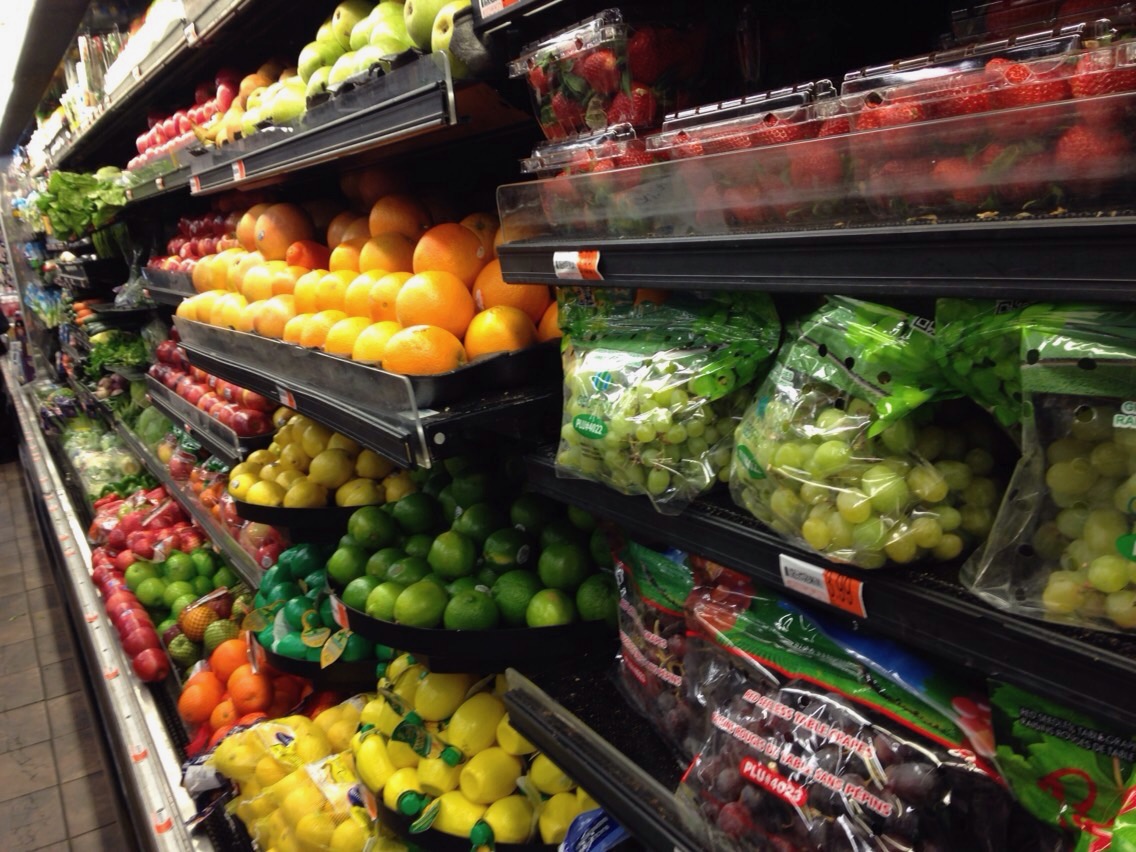
There is so much good stuff to say about organic and conventional produce, from studies which clearly show the safety of both to decades of research that illustrate the disease-prevention aspects of these nutrient-dense foods.  Plus, farms and farming companies continue to develop innovative, convenient fruits and vegetables, which are helping to increase consumption.

But while we are making some headway, only one in 10 Americans eat enough produce according to the Centers for Disease Control.  Why?  Because barriers to consumption still exist. One of those barriers is safety fears generated by certain groups who inaccurately disparage the more affordable and accessible forms of produce.

Among the longest and biggest offenders comes from an activist group that annually releases its so-called “dirty dozen” list.  Since 1995, this group’s fear-based ‘marketing against’ tactic disparaging the most popular produce items has been used in an attempt to promote purchasing of organic products.

Look, we completely understand advocating for your members when the information is credible and the science is strong.  The AFF advocates on behalf of organic and conventional farmers of fruits and vegetables and the safety of their products every day.  But when you raise unfounded fears based upon unsupportable science about the only food group health experts universally agree we should eat more of, it is time to revisit your approach.  Especially when peer reviewed research is showing this tactic may result in low income consumers stating they are less likely to purchase any produce—organic or conventional—after learning about the “dirty dozen” list.

Put another way, according to these research findings, this activist group may actually be marketing against their own constituents’ organic products by releasing this list.

To summarize, the “dirty dozen” list is scientifically unsupportable, it may negatively impact consumers’ purchasing decisions, and it’s possibly even detrimental to the very products the list authors are trying to promote.   After almost 25 years, it is time to retire this tactic in favor of more creative “marketing for” strategies that encourage consumption and doesn’t scare consumers.

2021-05-12T11:05:04-07:00April 3rd, 2019|

Bill Lyons is New Agricultural Liaison

Lyons Has Been An Ambassador for California Ag

By Jessica Theisman, Associate Editor

Bill Lyons of Modesto has been appointed the Agricultural Liaison by Gavin Newsom, governor of California. Lyons has been the chief executive officer of Lyons Investment Management LLC since 1976. He previously served as the Secretary of the California Department of Food and Agriculture from 1999 to 2004.

Lyons was selected as the Western Regional Finalist for the National Fish and Wildlife Foundation. He won the 2010 Conservationist of the Year Award and received the United States Department of Agriculture National Environmentalist Award. He has an extensive background in agriculture and water policy. He will be working with the governor’s office on a multitude of projects.

“I have been appointed to be the governor’s Ag Liaison to work with agriculture, senior staff and the governor on a multitude of different policy issues and opportunities,” he said.

The governor has shown some interest in the San Joaquin Valley.

“As everyone has noticed, the governor is committed to the Central Valley,” Lyons said.

The governor is interested in clean drinking water, the success of agriculture, and affordable housing.

Lyons’s family has worked in the valley for over 90 years.

“We started out as a cattle operation and have transformed into a more diversified farming operation with almonds, walnuts, grapes, and diversity of row crops,” he said. “We’ve been here since 1923.”

2019-04-02T16:18:36-07:00April 2nd, 2019|

Study: Remote Sensing of Weeds on Vineyards Has Merit

Aerial Sensing Of Weeds Saves Time and Labor

By Jessica Theisman, Associate Editor

There is a potential use of remote sensing with drones and vineyard weed management. Working on that research is Cody Drake, a senior at California State University, Fresno. He’s working with Luca Brillante, an assistant professor in the Department of Viticulture and Enology. Anil Shrestha is chair and professor, also in the Department of Viticulture and Enology at Fresno State. Drake’s research is at a vineyard in Napa County.

“The goal of my research is to make weed management practices in vineyards a little more efficient,” Drake said.

Currently, there is a lot of manpower, money, and time going into scouting for weeds and spraying.

“What we did with the drone is we wanted to map high-pressure weed zones to target spray in the field instead of spraying the entire field,” Drake explained.

This aerial scouting is hoping to become more efficient for time and labor.

“It’s all based on imagery. The drone gives us waypoints as to the areas where we need to spray. We have a company that’s called Drone Deploy, and they go through, and they stitch all the photos together,” Drake said.

Drake’s research has only been on vineyards so far, and his research has been proven to work.

“We did a 30-meter flight and a 10-meter flight, and that just shows the difference in how close you can get to identifying weeds species on the ground at a 30 meter height,” he said.

At 30 meters, it was very hard to tell which species was which. At 10 meters, the weeds were more identifiable.

“We would prefer to do another trial with a higher resolution camera. That way we can see the species, identify them a little easier and a little more efficiently,” Drake said.

By doing this, Drake and his team can pinpoint where the heavyweights are and just go spray that one area. For future research, they are going to try a camera with higher resolution to see if it can see through a denser vineyard.

2021-05-12T11:05:04-07:00April 1st, 2019|
Go to Top