USDA Launches New Website for New Farmers and Ranchers

Source: Logan Britton, 2014 National FFA Organization Communications Intern

Farmers work hard. They work to produce food that will eventually be on our dinner plate, while dealing with unpredictable weather, long hours and countless risks. New farmers face more obstacles with starting their operations with acquiring land, equipment and capital as well as learning about regulations and insurance policies.

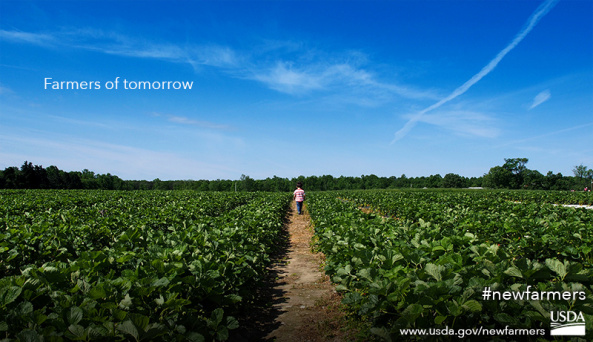
With these new challenges, the U.S. Department of Agriculture hopes to guide the next generation of farmers for their future careers. As FFA members are also preparing to be future leaders in the industry, USDA’s New Farmers website could be used as a valuable resource.

The website takes users through a step-by-step process in creating an operation. These steps include education and technical assistance, acquiring land and capital, managing risk and financial management.

FFA members trying to start their supervised agriculture experience programs can find youth loans useful. The Farm Service Agency provides up to $5,000 to be used to buy livestock, seed, equipment and other operational items. If an FFA member wanted to expand their SAE, they could check out value-added producer grants and the USDA National Farmers Market Directory. These resources could help a member find different ways to sell their products in new markets.

Krysta Harden, agriculture deputy secretary, said the age of farmers is increasing, with the average age currently standing at 58 years old.

“New and beginning farmers are the future of American agriculture,” Harden said. “For agriculture to continue prospering in this country, we need to offer products and policies that address the unique challenges and issues facing new and beginning farmers. This website aims to address some of those challenges and make getting started just a little bit easier for the next generation.”

The website also provides information for creating a business plan as well as blogs and videos of topics that pertain to new farmers and ranchers.
2016-05-31T19:34:11-07:00August 6th, 2014|

CA Table Grape Growers Award Nine Scholarships to Local Students

Nine high school graduates from the table grape growing regions in the San Joaquin and Coachella Valleys of California were recently awarded scholarships on behalf of California’s table grape growers, the California Table Grape Commission announced TODAY.

Five of the scholarships were awarded to children of table grape field workers: three $20,000 scholarships to four-year universities and two $3,500 scholarships to two-year colleges. Four $20,000 scholarships to four-year universities were awarded to students majoring in agriculture-related fields.

For 30 years, California’s table grape growers have funded the nation’s first worker- focused scholarship program. The program has awarded over 100 scholarships to field workers and their children from the table grape growing regions in California. A few years ago scholarships were added for students living in the table grape growing regions who plan to pursue careers in agriculture.

“The 2014 scholarship recipients are all very talented and motivated individuals, with a variety of career interests,” said Kathleen Nave, commission president. “These scholarships are one of the ways that California’s table grape growers encourage and support education in their local communities.”


The California Table Grape Commission is pleased to announce the 2014 scholarship winners:


Vanessa Serrato Meza

Vanessa Serrato Meza

$20,000 Four-year Field Worker Scholarship Recipients

Ms. Vanessa Serrato Meza is a graduate of Desert Mirage High School in Coachella Valley, and will be attending University of California, San Diego in the fall to study human biology. Vanessa, having immigrated to the U.S. at eight years old, was interactive with others in her community by tutoring and assisting in their studies while taking numerous Advanced Placement and honor courses at her high school. She plans to use the scholarship to continue her education and someday return to her community to help those in need.


Ms. Diana Valenzuela, graduate of McFarland HS

Ms. Diana Valenzuela, graduate of McFarland HS

Ms. Diana Valenzuela is a graduate of McFarland High School, where she ranked at the top of her graduating class with a weighted GPA of 4.39. Diana was a team co-captain on varsity softball, the senior class secretary and a recreation leader in an after school program where she led activities for hundreds of elementary school students. Crediting her parents who came to the U.S. from Mexico and their diligence as her main motivation, Diana plans to study civil engineering at University of Southern California with the goal of giving back to her community by building safe public utilities, such as roads, buildings and bridges. Diana will be a first-generation college student from her family.


Lissette Garcia

Lissette Garcia

Ms. Lissette Garcia is a graduate of McFarland High School, and plans to attend University of California, Los Angeles to study biochemistry. As a member of Advancement Via Individual Determination (AVID), Movimiento Estudiantil Chicano de Aztlán (MEChA), Associated Student Body (ASB) and the Roaring Leos, Lissete has participated in canned food drives, served as a math tutor, volunteered at the migrant program and elementary school function, and completed various fundraising activities. Lissette, whose parents she says embedded hard work into her, will be a first-generation college student.


$3,500 Two-year Field Worker Scholarship Recipients

Estefani Hernandez Dominguez

Estefani Hernandez Dominguez

Ms. Estefani Hernandez Dominguez is a graduate of Highland High School, and plans to attend Bakersfield College to study culinary arts. Estefani, who says her parents are the biggest influence in her life, is a deaf student who has not allowed her deafness to prevent her from succeeding. In high school she was the vice president of the deaf club and was an honor student her sophomore year. Estefani’s goal is to become a chef. She loves cooking food for family and friends, and dreams of some day owning a restaurant in Fresno and being the first deaf person with a Food Network television show.

Maria Lozano

Maria Lozano


Ms. Maria Lozano is a graduate from Reedley High School, and plans to study for an Associate of Applied Science (AAS) degree in medical assisting at Heald College. Maria was very involved in high school, being active with the Spanish Club, Advancement Via Individual Determination (AVID), California Scholarship Federation, Generation Green and was secretary of the Migrant Club, while volunteering in school and community activities. Maria came from Mexico to the U.S. when she was a baby, and refers to her parents as her heroes. She has dreamed of becoming a registered nurse for years. Maria will be a first- generation college student in her family.


John Taylor Ball

John Taylor Ball

$20,000 Four-year Agriculture Scholarship Recipients

Mr. John Taylor Ball is a graduate from Clovis West High School, and plans to attend California State University, Fresno to study agricultural business. During high school, Taylor was recognized as a Scholar of Academic Distinction, a high academic honor, while being involved in volleyball and basketball and serving the community through organizations such as Assisteens. Taylor’s family has a history in agriculture. His grandfather was a farmer in the San Joaquin Valley for many years. The combination of life experience and his family’s strong ties to agriculture have solidified his career direction and passion for agriculture, specifically the produce industry. Taylor has the goal of some day owning a thriving produce sales and marketing company in the Central Valley.


Adilene Gonzalez

Adilene Gonzalez

Ms. Adilene Gonzalez is a graduate from Hanford High School, and plans to double major in business administration and dairy science at California State University, Fresno. Adilene is known as a student who excels in academics and someone who demonstrates a concern for others through community service activities. Graduating with a 4.09 weighted GPA, Adilene was involved in the California Scholarship Federation and HHS Drama Club, and she devoted volunteer time to the local public library and a farm care program taking care of neglected animals. Her life-long goal is to some day administer her own dairy, continuing to keep the roots of agriculture in her family.


Julia Reese

Julia Reese

Ms. Julia Reese is a graduate from Clovis North High School, and plans to attend University of California, Davis to study plant science. Julia’s interest in agriculture comes from living in a farming region, her parents’ close ties to agriculture, and projects with 4-H and science fair during high school. Julia was a scholar athlete, graduating as a valedictorian while undertaking a number of co-curricular activities such as water polo, track and field and participating in youth court and key club, co-founding the French club and serving the community through a number of different organizations. Julia envisions her future working in a rural setting in a role that will help improve the production and efficiency of farming. She would like to work with grapes at the production level some day as a pest control advisor or fertility consultant.


Cristiano Alves

Cristiano Alves

Mr. Cristiano Alves is a graduate from Kingsburg High School, and plans to study agricultural and environmental plant sciences at California Polytechnic State University, San Luis Obispo. Cristiano balanced a rigorous course schedule with many activities such as water polo, involvement with Future Farmers of America (FFA), being his senior class president and a youth group leader and altar server for his church, and volunteering with Kingsburg Choir Crab Feed and Fresno Rescue Mission. His interest in agriculture comes from growing up on a farm and a unique opportunity he had through a vineyard maintenance project with FFA in which he was responsible for harvesting grapes, assessing crop fertility, weed management and pest control. Cristiano says some day he would like to become an agricultural pest control advisor.


Scholarships will be offered again next year, with applications for 2015 available in the fall of 2014 at www.grapesfromcalifornia.com.

2016-05-31T19:34:11-07:00August 6th, 2014|

China is Open For Business Again for California Citrus

China Opens For Fruit Imports Following 14 Months of Blocking

This past week the industry received verbal notice, which was confirmed in writing on Monday; that the Chinese market is now open for California citrus. “It has been over 14 months since we had official access to one our larger export markets,” reports Joel Nelsen, President of California Citrus Mutual. The industry must adhere to strict cultural practices, document the activity and fruit must be inspected prior to leaving shipping point.

“The credit for this final agreement must go to USDA/APHIS and their continued efforts to reach a mutually satisfactory goal,” Nelsen continues. “Obviously industry members urged a strong response after the apparent agreement last November fell through buy actually USAD and the APHIS team needed little nudging. They recognized the importance of the market and they were steadfast in support of our industry.”

The Chinese market is one of the industry’s largest export markets and is growing. Annually 4-5 million cartons are shipped and the number has been increasing with demand growing. Korea and Canada continue to lead in terms of cartons received but China is gaining on both as an export destination. The primary varieties shipped are navel oranges, lemons and Valencia oranges.

2016-05-31T19:34:11-07:00August 5th, 2014|

Earthworms Help Cleanse Dairy Wastewater

Source: ; ABC 30

Fresno State has turned to a group of very efficient workers to help clean up wastewater on the campus dairy.

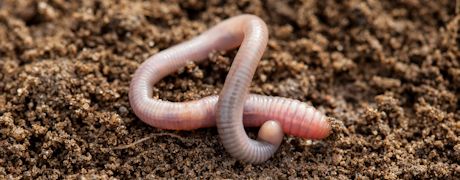
Red earthworms now play a big role in the effort to solve water quality challenges. They squirm when you interrupt their meal. 

The worms dig in and feast on wood shavings soaked in wastewater from cow manure.

Sanjar Taromi is the chief marketing officer for BioFiltro. He explained, “The wood shavings absorb a lot of the organic contaminants within the wastewater. The worms then eat that material depositing their castings.”

The Chilean-based company relies on worms to do their dirty work for the pilot project at Fresno State. 

Taromi said, “We’re also taking analysis of wastewater to show to reductions in key indicators like nitrates and nitrogen, phosphates.”

Taromi added the campus dairy uses over 25,000 gallons of water each day. This system filters about 15 percent of the wastewater. “Water is turned on and it comes and flushes the lanes down and carries the manure down to the solid separation basins.”

The water which came out of the cow stalls was a murky dark brown. After the bio-filtration process the water was a lighter brown color but Taroma says that was due to the wood shavings. As the worms turn they produce a cleaner, recycled product.

Taroma said, “You have irrigation water that now you can use with drip irrigation, with center pivots.”

Dairy wastewater is normally only used for flood irrigation on crops used for feed.

2016-05-31T19:34:11-07:00August 5th, 2014|

Zero Water for West Side Districts

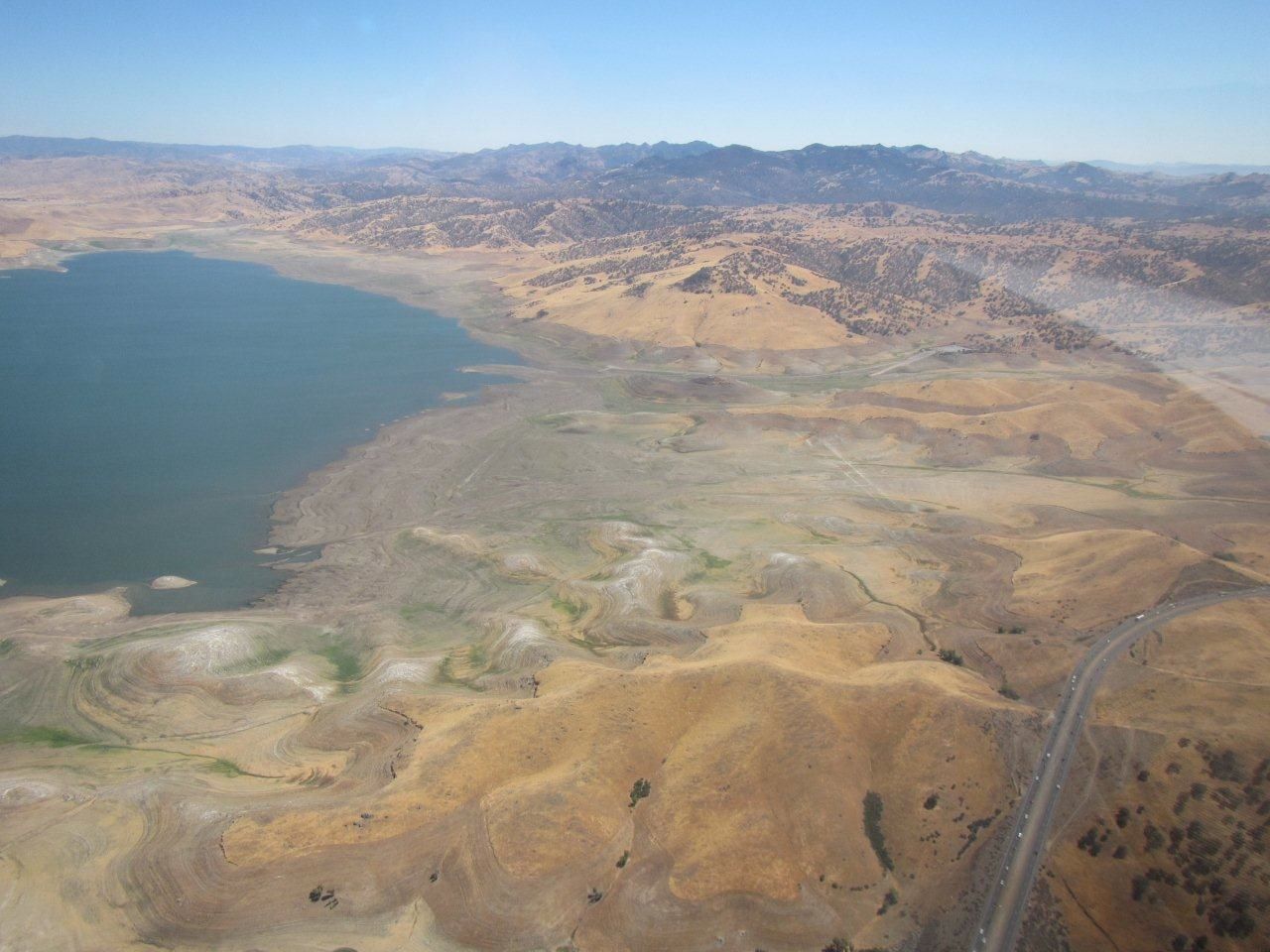
The unprecedented zero water deliveries this year are extremely hard for managers of West Side Water Districts.

Martin McIntyre, General Manager of the San Luis Water District based in Los Banos, is very frustrated about keeping farming operations and employment viable with zero percent water allocation.

Martin McIntyre,

Martin McIntyre, General Manager of the San Luis Water District.

“The biggest frustration for us has been the regulations that interfere with water supply deliveries intended to protect a couple of endangered fish species. From our perspective, they are rather misguided,” said McIntyre.

A recent study by the UC Davis Center for Watershed Sciences found that the current drought is responsible for the greatest water loss ever seen in California agriculture. This, in conjunction with federal environmental restrictions on the state, have create some difficult situations.

“There are many causes in the decline of species, and the regulators have seized water flow as the principle cause. There is ample evidence that it’s the declining food supply and the toxic releases into the delta; but the popular, publicized notion remains that water deliveries are endangering the species, and its simply isn’t the case,” said McIntyre.

While the preservation of fish species is an admirable goal, the environmental restrictions that have been put into effect are not the most appropriate solution. Especially during a severe drought when farmers are already struggling.

“We’re allowed to take, depending on the year, approximately 300 smelt, little Minnows, at the major pumping stations that serve the lower two-thirds of the state. That’s a snack for a Striped Bass! It’s estimated that, in some reaches of the delta, 90 percent of salmon smelt are eaten by Striped Bass; and yet, regulations are putting the state’s water supply in jeopardy in a misguided effort to try to recover the species–without addressing the more fundamental problems,” said McIntyre.

2016-05-31T19:34:11-07:00August 5th, 2014|

Local California Table Grapes are Going Global

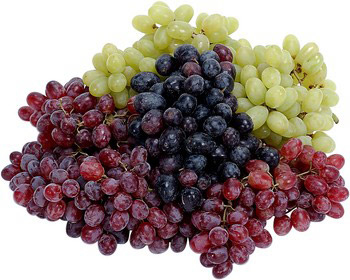
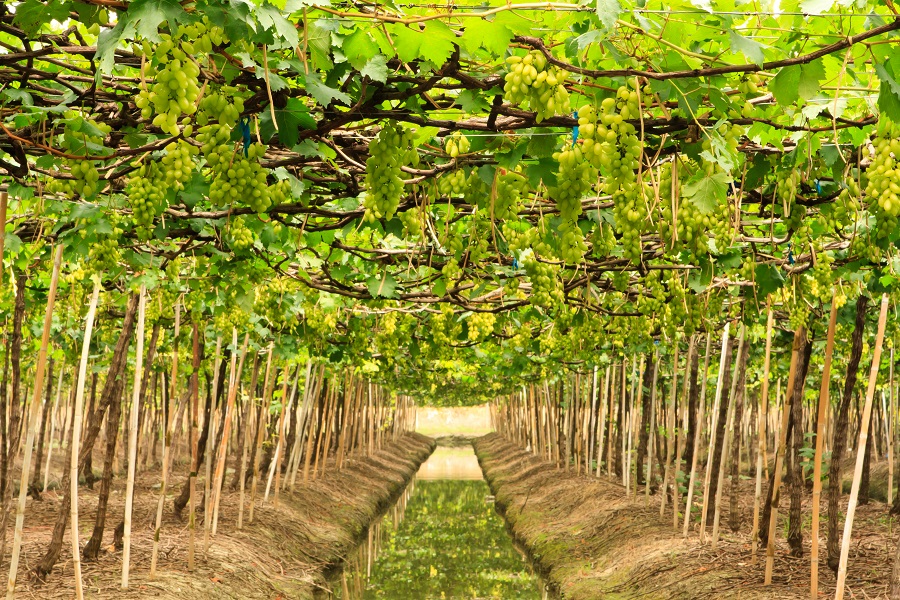
Harvesting California table grapes is going strong. Many different varieties are being picked, and boxed in the vineyard and sent to the cooler for market.CATableGrapes

“We’re harvesting in the San Joaquin Valley now, and just finishing up in the Coachella Valley,” said Kathleen Nave, President of the Fresno-based California Table Grape Commission. “The grapes are moving quickly into the marketplace in the US, Canada and around the world.”

“Mother nature has been kind so far with respect to the quality and the weather.” said Nave.

California Table Grape Commission is implementing a Grapes From California marketing campaign to connect with consumers around the world, as well in the U.S., focusing on usage, or ways in which grapes are consumed, and health benefits.

“We have brand new television commercials airing on the Food Network,” said Nave, “and we have Food Network magazine ads in the U.S. and similar ads in other parts of the world,” she added.

Nave said that the state’s grape growers have been amazing, producing two record crops, back-to-back, and now maybe a third. “So in 2012, we crossed the 100 million-box mark for the first time, and in 2013 ,we took a very big, unexpected jump, to 117 million. Our estimate for 2014 is just slightly higher than last year’s estimate,” said Nave.

2016-05-31T19:34:11-07:00August 5th, 2014|

EIR Approved to Clear Brush From Salinas River


By Patrick Cavanaugh, Editor

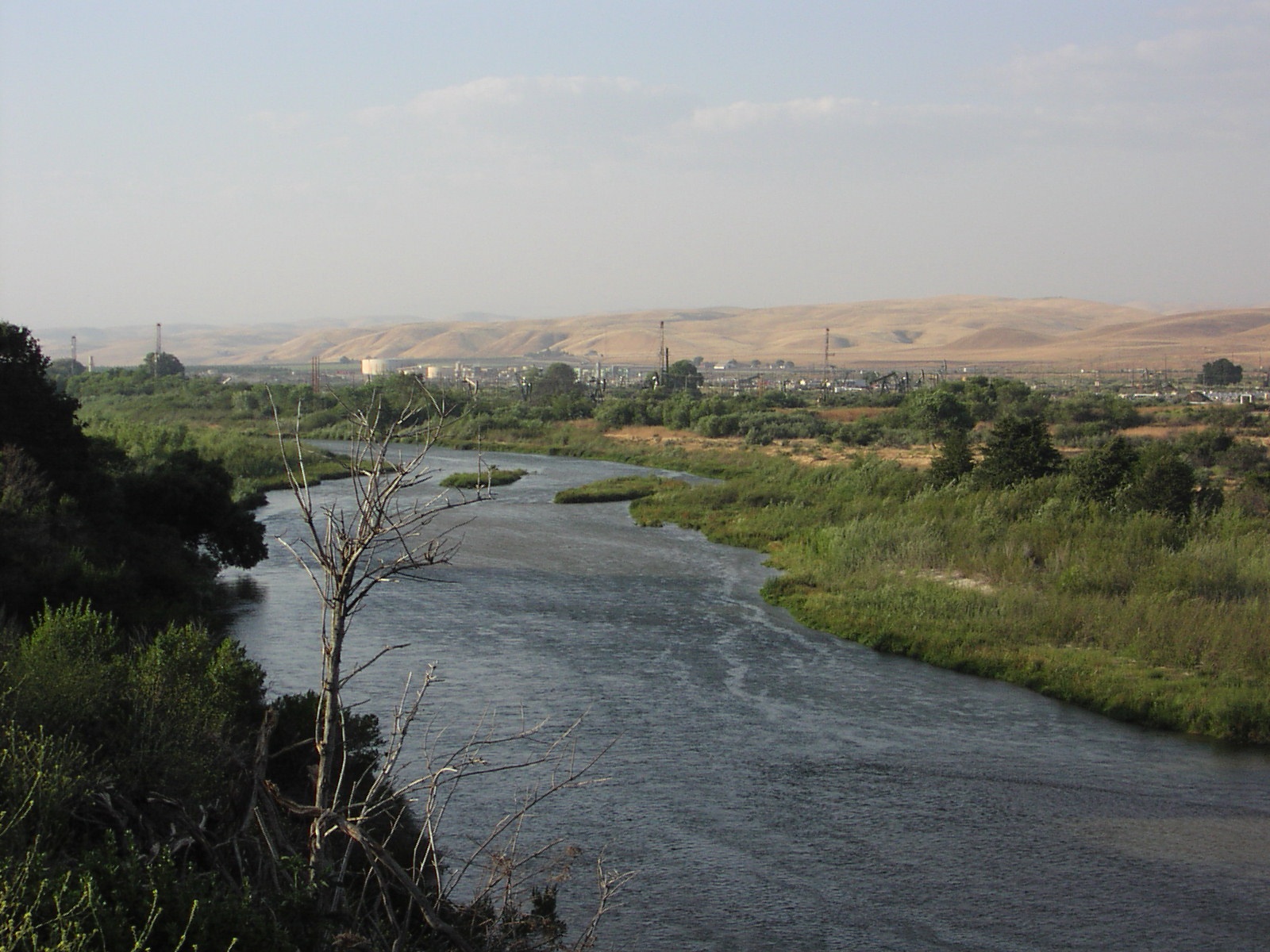
Norm Groot, Monterey County Farm Bureau Executive Director, commented recently on the completion of the Environmental Impact Report (EIR) that allows the Salinas River to be unclogged of brush and other plant material. “It’s been a over a three-year process to get the environmental impact report completed and certified, and the Board of Supervisors took action to certify it, so that is the first big step in moving forward to getting the resource agencies to issue permits.

Norm Groot

Monterey County Farm Bureau Executive Director, Norm Groot.

“It’s not perfect at this point, but we feel it’s a good start, and maybe as a short-term project moving into some sort of long-term river management project. Ultimately, this could be a first good step,” said Groot.

“We’re hoping that now that we have this certified EIR, the permits for the Nature Conservancy projects will go forward, and they will be able to hopefully start their maintenance work in October of this fall and complete that work before it starts raining—and we are hoping for rain. It also clears the way for other landowners, or as we’re calling them, River Management Units, to start working on filing for applications and moving their individual projects forward, hopefully, for next year.”

Groot said, This is all in case of flooding that could result from winter rains and cause a lot of damage to the adjacent fields.”

“It’s due to concerns about food safety  and flooded fields being out of production for a lot longer than they were during the last floods in 1995 and 1998,” said Groot. “Things have changed considerably since then, and we do have the potential for having a pretty epic flood here.

“So we’re a little concerned that if we don’t get something done in the riverbed this year and next year, some much larger problems could impact the economy as well as the industry,” said Groot.


Featured Photo credit: Salinas River, San Ardo Oilfield View, Wikipedia.

2016-05-31T19:34:11-07:00August 4th, 2014|

National Farmers Market Week highlights connections between consumers, farmers

Source: Rick Jensen, Director of Inspection Services; CDFA 

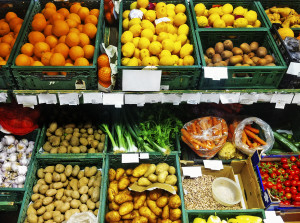
The annual National Farmers Market Week is being observed this week (August 3-9).  It’s a time worth celebrating because of the key role farmers markets play in connecting consumers to the people who produce their fresh fruits and vegetables.

At a time when there is more interest than ever about the origins of food, these markets have the answers, thanks to producers with plenty of information for their customers. Additionally, many of the markets do outreach on nutrition, provide help with food access, where needed, and offer a great way for people to buy California Grown!

California leads the nation with more than 800 certified farmers markets, serving as venues for an estimated 2,200 certified agricultural producers selling high-quality produce directly to consumers. CDFA created the Certified Farmers Market Program in 1977—the first in the nation—to provide consumers with the assurance that they are buying directly from producers.

In California, many of the markets operate year-round due to the availability of local produce.

Please join us in celebrating National Farmers Market Week by visiting a certified farmers market near you.

2016-05-31T19:34:12-07:00August 4th, 2014|

Chairwoman Stabenow Applauds Appointment of Members to New Ag Research Foundation Board

Source: United States Senate Committee on Agriculture Nutrition & Forestry

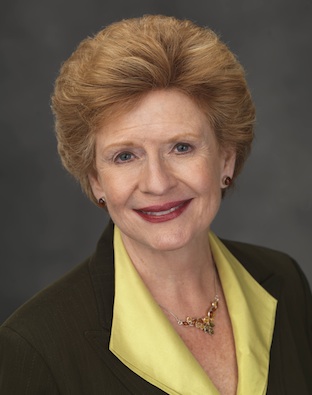
Senator Debbie Stabenow, Chairwoman of the U.S. Senate Committee on Agriculture, Nutrition and Forestry, today issued the below statement regarding the appointment of board members to the Foundation for Food and Agricultural Research – a new non-profit foundation created by the 2014 Farm Bill, which will leverage private and public funding to advance agricultural research.

The 15-member board of directors was officially announced today and is meant to represent the many diverse agricultural perspectives and voices and areas of expertise.

“This new Research Foundation is one of the most important victories in the Farm Bill,” Stabenow said. “We designed this foundation to leverage public-private dollars to continue making America the most productive and efficient agricultural producer in the world. America sets the gold standard for safe, abundant food production across the globe, and that’s largely because of a commitment to research and decades of investment in agricultural innovation and cutting edge practices. The appointment of board members is the first step in getting the new Foundation for Food and Agricultural Research up and running.”

Debby-Delmer1

Dr. Deborah Delmer

“Agricultural research today is a critical component in American–and global–health and security,” said Michigan State University President Lou Anna K. Simon. “Senator Stabenow deserves great credit for her leadership in establishing the foundation in the Farm Bill, and the USDA’s choice of MSU’s Dr. Douglas Buhler for the foundation board adds a highly knowledgeable and experienced scientist and administrator.”

“We’re delighted to see the foundation up and running and proud that NCGA Chairwoman Pam Johnson will serve on the board of directors,” said National Corn Growers Association President Martin Barbre. “The new Foundation for Food and Ag Research promises to be an important tool for greater innovation in agriculture, especially as we face the challenge of feeding a growing population, and we are grateful for the leadership of Sens. Stabenow and Cochran for making this a priority in the 2014 Farm Bill.”

Under the leadership of Chairwoman Stabenow and Ranking Member Cochran, Section 7601 of the Farm Bill created the Foundation for Food and Agriculture Research, a non-profit foundation that will raise private funds to match $200 million in public funds that will be  directed toward agricultural research.

The Farm Bill directed the Department of Agriculture to appoint board members who will guide the foundation’s research activities. The foundation will fund research collaborations between agricultural researchers from the federal government, institutions of higher education, land-grant universities and non-profit organizations.


The 15 members appointed to the Foundation board include:

  • Dr. Kathryn Boor – the Ronald P. Lynch Dean of the College of Agriculture and Life Sciences, Cornell University
  •  Dr. Douglas Buhler – Director of AgBioResearch and Senior Associate Dean for Research for the College of Agriculture and Natural Resources, Michigan State University
  •  Dr. Nancy Creamer – Distinguished Professor of Sustainable Agriculture and Community Based Food Systems, North Carolina State University
  •  Dr. Deborah Delmer – Professor Emeritus of Biology, University of California-Davis
  • The Honorable Dan Glickman – former U.S. Secretary of Agriculture, current Executive Director of the Aspen  Institute’s Congressional Program
  • Dr. Robert Horsch – Deputy Director, Bill & Melinda Gates Foundation
  • Pamela Johnson – Chairwoman, National Corn Growers Association
  • Dr. Mark E. Keenum – President, Mississippi State University
  • Dr. Michael Ladisch – Director of the Laboratory of Renewable Resources Engineering and Distinguished Professor of Agricultural and Biological Engineering, Purdue University
  • Dr. Christopher Mallett – Vice President of Research & Development, Cargill, Inc.
  • Dr. Pamela Matson – Chester Naramore Dean of the School of Earth Sciences, the Richard
    and Rhoda Goldman Professor of Environmental Studies and Senior Fellow at the Woods Institute for
    the Environment, Stanford University
  • Dr. Terry McElwain – Associate Director and Professor, Paul G. Allen School for Global Animal Health, and Executive Director, Washington Animal Disease Diagnostic Laboratory, Washington State University
  • Dr. Stanley Prusiner – Director of the Institute for Neurodegenerative Diseases and Professor of Neurology, University of California-San Francisco and 1997 Nobel laureate in physiology or medicine
  • Dr. Yehia “Mo” Saif – Professor Emeritus, The Ohio State University
  • Dr. Barbara Schaal – Professor of Biology at the College of Arts and Sciences, and Professor of Genetics at  the Medical School, Washington University at St. Louis

The five ex-officio board members, all of whom were designated by Congress, are USDA Secretary Tom Vilsack; Dr. Catherine Woteki, USDA’s Under Secretary for Research, Education, and Economics and
Chief Scientist; Dr. Chavonda Jacobs-Young, Administrator of the USDA’s Agricultural Research Service; Dr. Sonny Ramaswamy, Director of the USDA’s National Institute of Food and Agriculture; and Dr. France A. Córdova, Director of the National Science Foundation.

More information about the 2014 Farm Bill can be found here.

2016-05-31T19:34:12-07:00August 4th, 2014|

Harlan Ranch Bulldozes Citrus Trees Due to No Water


Harlan Ranch Loses More than Just Trees

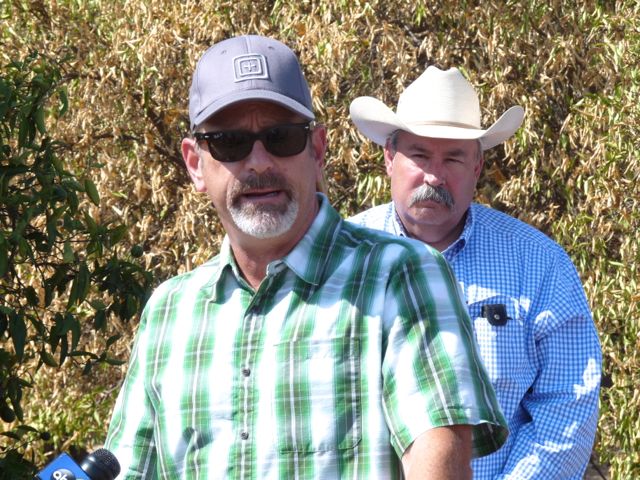
Shawn Stevenson is the Vice President of Harlan Ranch, a third-generation family-owned and operated farm located in Fresno County. He says this is the toughest time the ranch has experienced in its history.

Stevenson spoke as a bulldozer uprooted productive trees last week.  “Once we finished pushing these trees, we’re going to be out about 400 acres of the 1200 acres that’s pushed. In addition, we have another 140 acres we’re just giving enough water to barely keep alive,” said Stevenson. “The balance of our crops are receiving 66 percent of their normal water. So no matter what kind of crop that is out here on Harlan Ranch this year, it’s a very tough year as far as water goes,” he added.

Stevenson explained that the lack of water isn’t just about crops, but the people involved as well.

“There’s not enough water. It impacts the trees. It impacts our employees. Earlier this year I had my first layoffs I ever done because of lack of work, and that’s because we are pushing out so many trees. About 30 percent of our employees were let go. That was the probably the most devastating time that I’ve faced here,” said Stevenson.

He added that this reaches far more than just his farm, that the drought permeates all aspects of the industry, not just growers.

Stevenson predicted that this coming season, he’ll produce and deliver to the packing house about 25 percent of the volume of citrus produced in the past year. “That impacts not only our employees but the packers at the packing house, the people who sell the fruit, and the people we buy pesticides and fertilizers from,” Stevenson added.

With drought reaching the majority of the state, with 58 percent of California at the highest drought-level, according to a U.S. Drought Monitor reportsome farmers are thinking about the future of the industry in California.

“Now, I understand not all of Fresno and not all of California looks this bad, but imagine that we’re like the “canary in the coal mine”. This is what the future of California looks like. This kind of devastation that you see here is what our future looks like. If we continue to have no or little surface water deliveries, and as the groundwater situation continues to deteriorate. Without more surface water, without more water supplies, this is the future of the Central Valley,” said Stevenson.

“Several months ago, I looked back at what the worst case scenario would be and started making plans for that worst case scenario. And, the worst case scenario is about right on track. I don’t think a lot of people realize that is like a natural disaster, like Hurricane Katrina, or a wildfire or an earthquake, it’s just going to take a lot longer time to happen. It’s going to happen slowly—the devastation to our economy, to peoples’ lives, to whole communities,” he said.

Stevenson also mentioned communities such as Mendota and Orange Cove, which rely completely on the agriculture industry for employment, and added, “without work, this can leave entire cities in dire situations.”

“Our water infrastructure has been far out-stripped by the people in this state, so it’s time we update it and figure out how to get more water to more people in the state and try to preserve agriculture for our state, our country, and our world,” Stevenson said.

2016-05-31T19:34:12-07:00August 3rd, 2014|
Go to Top