Food Safety Constantly Improves

LGMA Taking Steps to Improve Food Safety


By Tim Hammerich with the Ag Information Network

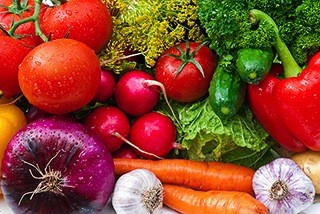
The California Leafy Greens Marketing Agreement Board continues its efforts to assure safe leafy greens and confidence in food safety programs. Yesterday we reported on their endorsement of new pre-harvest testing guidance. CEO Tim York says this is just one step to continue improving overall food safety and avoiding future outbreaks.

“You know, this is just the first step in what we’re tackling that is the risk mitigation. Evaluating risks on their farm, whether it’s the adjacent land that we’ve talked about with cattle, whether it’s water, whether it’s soil, whether it’s the environment, harvest practices,” said York. “All those things we’re providing industry guidance on and working on metrics to help ensure and tighten up food safety requirements. Because we don’t want any more outbreaks. We don’t want any more sick consumers.”

“We don’t want any more impact on the industry. And so we have to accelerate what it is we’re doing address broader issues than just cattle, but starting somewhere, again because of FDA report started with cattle. But a number of different areas are under our purview that we’re working very quickly on within our technical committees to accelerate the guidance and accelerate the adoption of practices that would mitigate pathogen presence,” noted York

Learn more about these continued efforts on their website: https://lgma.ca.gov/.
2021-05-28T11:58:35-07:00May 28th, 2021|

Organic Alfalfa Cost Study Available

Organic Alfalfa Hay Cost Study Released

By Pam Kan-Rice, UCANR Assistant Director, News and Information Outreach


A new study that outlines costs and returns of establishing and producing organic alfalfa hay has been released by UC Cooperative Extension, the UC Agricultural Issues Center, and the UC Davis Department of Agricultural and Resource Economics.

High-quality organic alfalfa hay is an important ingredient in milk-cow feed rations for organic dairies. Organic dairy farms are required to use organic feed and allow cows to graze for part of their forage. Organic alfalfa hay comprises a major source of forage for the industry.

In 2019, organic dairy farms in California produced about 900 million pounds of milk — just over 2% of California milk output production, according to co-author Daniel Sumner, director of the UC Agricultural Issues Center and professor in the UC Davis Department of Agricultural and Resource Economics.

“Demand for organic alfalfa production has grown, including demand from dairy, horse, sheep, goat, and beef producers, but is still a small share of total alfalfa production,” said Daniel Putnam, UC Cooperative Extension forage specialist in the Department of Plant Sciences at UC Davis and co-author of the study. “However, understanding organic production methods and costs is very important for California’s organic hay farmers.”

The new study estimates the costs and returns of establishing and producing organic alfalfa using flood irrigation in the Sacramento Valley, north and south San Joaquin Valley, and the Intermountain Region. The 100 acres of organic alfalfa is rented for $345 per acre annually and the alfalfa stand life is four years after the establishment year.

Input and reviews were provided by UCCE farm advisors and specialists and growers. The authors describe the assumptions used to identify current costs for organic alfalfa establishment and production, material inputs, cash and non-cash overhead and a ranging analysis table, which shows profits over a range of prices and yields.

“This cost study provides information on how to grow alfalfa hay organically,” said Rachael Long, study co-author and UC Cooperative Extension farm advisor in Yolo County. “The research that went into developing these practices represents a significant investment by UCCE farm advisors and specialists and California alfalfa farmer collaborators. We are pleased to team up with economics and cost study experts to provide this study, which indicates potential profits in growing this crop for the organic dairy market.”

The new study, “Sample Costs to Establish and Produce Organic Alfalfa Hay, California – 2020” can be downloaded for free from the UC Davis Department of Agricultural and Resource Economics website: http://coststudies.ucdavis.edu. Sample cost of production studies for many other commodities are also available on the websites.

For an explanation of calculations used in the study, refer to the section titled Assumptions. For more information, contact Jeremy Murdock, UC Agriculture and Natural Resources, Agricultural Issues Center, Department of Agricultural and Resource Economics, at (530) 752-4651 or jmmurdock@ucdavis.edu. To discuss this study with a local extension advisor, contact the UC Cooperative Extension office in your county: ucanr.edu/CountyOffices.

2021-05-03T17:50:21-07:00May 3rd, 2021|

Republicans Unhappy with Gov. Newsom on Drought Designations

California Republicans Issue Statement on Governor Newsom’s Inadequate Drought Emergency Announcement


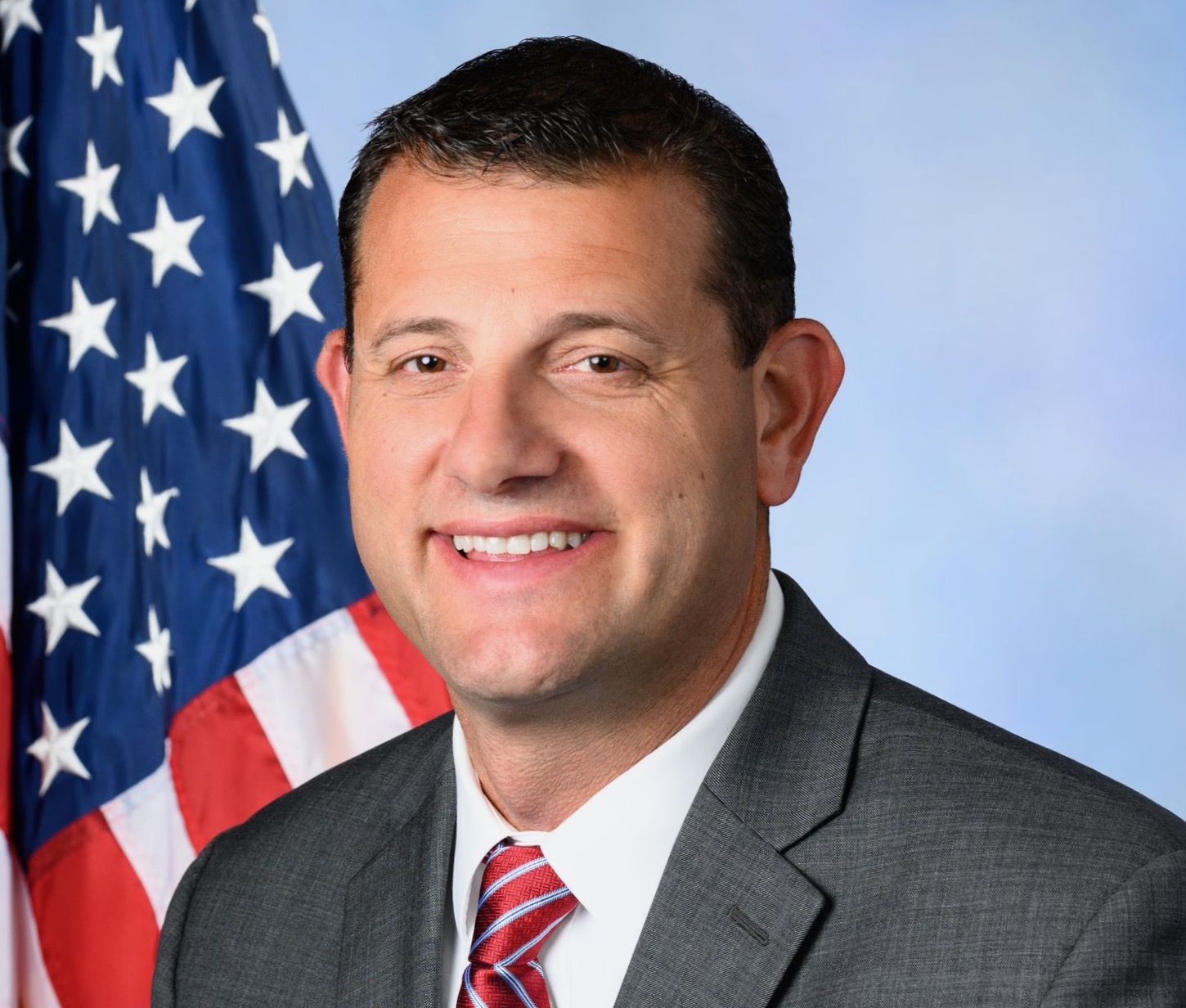
Today, Congressman David G. Valadao along with House Republican Leader Kevin McCarthy and Representatives Ken Calvert, Mike Garcia, Darrell Issa, Young Kim, Doug LaMalfa, Devin Nunes, and Michelle Steel released the following statement in response to Governor Newsom’s decision to declare a drought state of emergency for only two counties – Mendocino and Sonoma – while counties in the rest of the state are also experiencing severe drought conditions:

“Governor Newsom’s irresponsible decision to declare a state of emergency in only two counties is an absolute outrage. Mendocino and Sonoma face drought conditions that warrant State action. But far more than two counties in California are in desperate need of water. The Central Valley is responsible for putting food on the table for the rest of the nation, and farmers and ranchers simply cannot grow the food we need without reliable access to water. Our local economies are crippled by water scarcity, and by ignoring the needs of the Central Valley, the lack of action by Governor Newsom in addressing this crisis is a failure to lead.

“Agriculture groups, farmers, elected officials, and community leaders at every level on both sides of the aisle have repeatedly requested Governor Newsom issued a statewide declaration of emergency due to the dire drought conditions, and he has made it clear that he is not listening.”

Background

As of April 13, the National Drought Mitigation Center reported in the Central Valley, 38.97% of Fresno County, 40.94% of Kern County, and 68.53% of Tulare County are currently experiencing Extreme Drought conditions. By comparison, 0% of Mendocino County and 3% of Sonoma County were designated as currently experiencing Extreme Drought conditions.

The entire California Republican delegation has requested Governor Newsom issued a statewide declaration of emergency due to severe drought conditions, with every county experiencing at least Moderate Drought conditions and the majority of California experiencing Severe Drought conditions or worse.

2021-04-21T17:38:30-07:00April 21st, 2021|

Citrus Market Update

Citrus Harvest Progressing Well

By Tim Hammerich with the Ag Information Network

Citrus harvest has progressed well, and many markets have remained strong despite the pandemic. Casey Creamer is the President and CEO of California Citrus Mutual, a voluntary non-profit trade association advocating for commercial citrus growers on matters that affect their economic livelihood.

“We’re in a much better position than we were a couple of years ago. Prices are a little bit better. I think the pandemic has unfortunately been a good thing for the citrus market,” said Creamer.  “We’ve seen it improve pricing as consumers have shifted buying habits to more retail and cooking at home. And that’s been a positive factor for many of our commodities, but not all of our commodities. Lemons specifically, a lot of lemons are destined for food service. And so that has been the low spot of the citrus market.”

Creamer said the catastrophic freeze that occurred in Texas last month, did not have a major impact on California markets, with the exception of maybe grapefruit. But with the exception of lemons, the market has been positive for California citrus growers.

“Overall pricing and movement have been improved since the start of the pandemic. It’s cooled off a little bit as of late, but, we’re also ramping up into production. So we’re optimistic about continuing for the rest of the season, but overall we’re in a better position than we were just a couple of years ago. And finally getting to a place where growers can make a little bit of money,” said Creamer.


2021-04-01T21:18:28-07:00April 1st, 2021|

CWA: A Big Advocate For California Farming

CWA Group Effectively Speaks on Behalf of the Busy Farmer

Since 1975, California Women for Agriculture (CWA) has educated and advocated about the importance of farming. Farm Credit continues to support their efforts.

In 1975, a group of women concerned about challenges to California agriculture got together to “speak on behalf of the busy farmer” and educate consumers and legislators about farming issues. Today, the CWA has become one of the largest all-volunteer advocacy groups in the nation, consisting of a diverse group of bankers, lawyers, accountants, marketing professionals, and consumers – along with farmers and ranchers.

Rose Tryon, a fifth-generation rancher beginning her second year as CWA president, said it is critically important that the ag industry continues to mount education and advocacy efforts, and last year added a digital campaign to its usual lobbying efforts.

“Last year we ran a digital campaign titled Faces of Ag, where our communications team highlighted members who work in different facets of the industry,” she said. “We wanted to point out (to lawmakers) how important agriculture is to the state’s economy, how many jobs are involved, and how many women and minorities are involved in ag and make a connection about how their decisions affect women and minority populations and ag in general. Our membership is as diverse as the crops we grow.”

Because of the importance of educating policymakers about the many issues affecting farming and ranching in California, Farm Credit associations serving California have sponsored CWA for more than 20 years. Supporting Farm Credit institutions are American AgCredit, CoBank, Colusa-Glenn Farm Credit, Farm Credit West, and Fresno Madera Farm Credit – all of which are part of the nationwide Farm Credit System, the largest provider of credit to American agriculture.

“About half of the million dollars Farm Credit donates to nonprofits each year goes to preserving agriculture and raising awareness of the importance of agriculture in California,” said Timothy Elrod, president, and CEO of Colusa-Glenn Farm Credit. “CWA’s 1,300 members do a great job educating decision-makers and advocating for policies that keep our state’s agriculture industry competitive and viable. We believe our contribution of $10,000 a year to support this great organization is an investment in the future of farming.”

Tryon said Farm Credit’s support over the years has been essential in helping the organization grow

“We can’t continue to advocate without our sponsors, and we are so appreciative of Farm Credit’s support. They’ve been an absolutely wonderful sponsor, and we couldn’t continue without them,” she said.

The organization consists of 21 local chapters that focus on promoting agriculture locally and providing scholarships to students majoring in farming-related majors. Tryon said her local chapter in the Chico area, for example, raises money to loan to students who can’t afford to buy an animal for FFA or 4H competitions. A student then raises the animal, shows it, and repays the loan when she sells it after the competition.

That kind of commitment to the future of agriculture is another reason why Farm Credit continues to sponsor CWA, noted Keith Hesterberg, president and CEO of Fresno Madera Farm Credit.

“In our area, CWA partners with Ag One to put on the Ag Boosters BBQ each year, which raises funds to support ag students and programs at Fresno State,” Hesterberg said. “Farm Credit is proud to directly sponsor that program, which helps ensure we will have well-educated ag leaders in the future.”

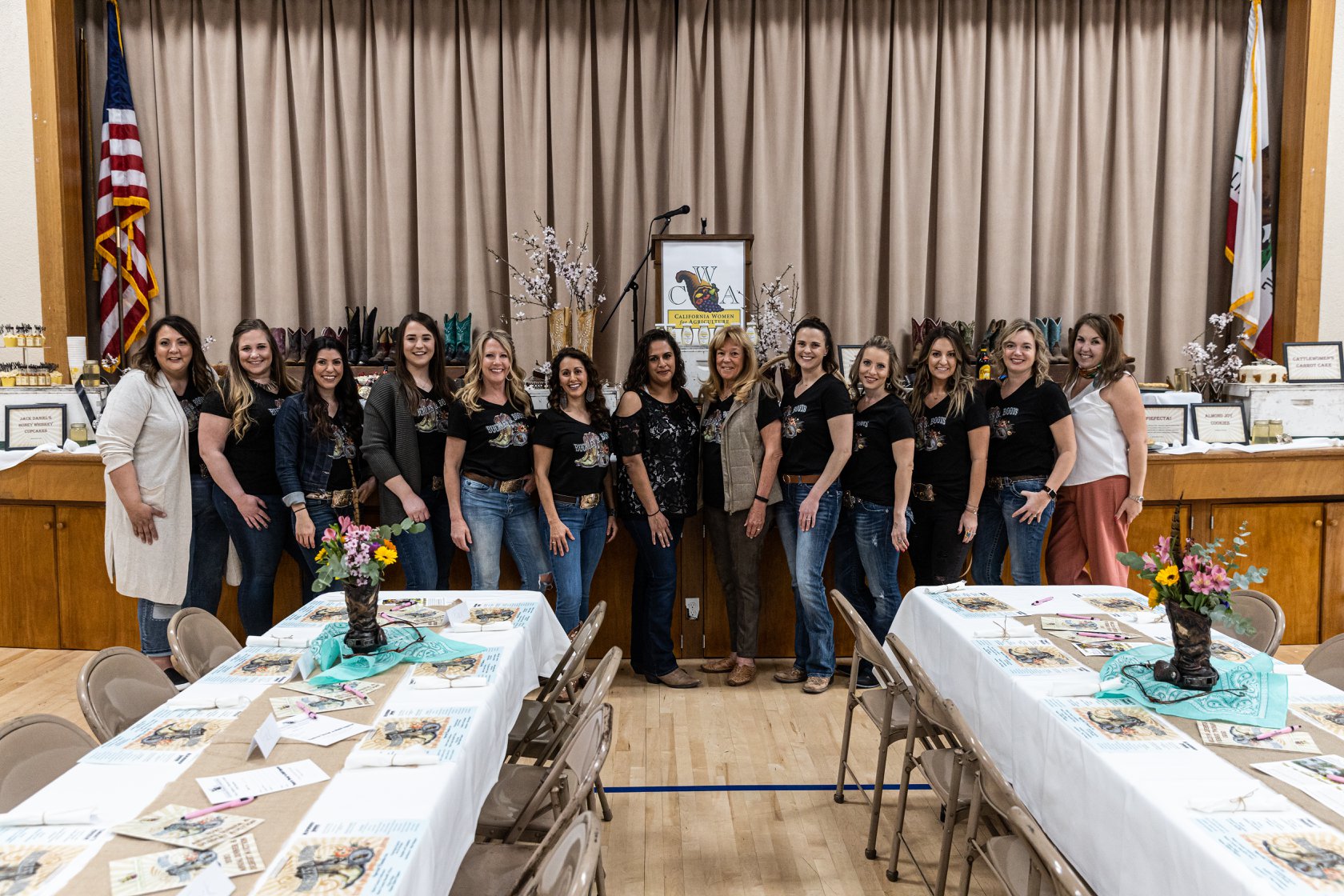
Photo: California Women for Agriculture members gathered at their annual convention in 2020, just before the COVID-19 pandemic hit.

2021-03-24T10:37:09-07:00March 24th, 2021|

E-Commerce is Big for Blue Diamond


Blue Diamond Does Big E-Commerce on Amazon


By Patrick Cavanaugh, AgInformation Network

Mark Jansen is CEO of Blue Diamond Growers. “Three years ago, we were in strategic planning and seeing what was happening and realize that we had to get dramatically better at e-commerce,” he said.

“So, I think if we do this right, Amazon can become one of our top five largest customers within five years. And at the time I believe we were, it was w it was still had a nice business, but it was like our 87th largest customer at that time,” Jansen said.

“So what we did is we over-invested to develop our muscle around e-commerce. We hired away a director of e-commerce from ConAgra, which is a much, much bigger food company,” Jansen said. “I think most people don’t realize that being on a scale basis, working in e-commerce requires many changes within your supply chain and customer service and your web presence. It’s not as easy as just hopping on Amazon and selling something,” he noted.

Jansen said Blue Diamond Growers has worked hard over the last couple of years to fully develop its e-commerce offering. Jansen said they were doubling and tripling their business over the year.

“In this past year, we did that. We more than doubled it again, and certainly, the COVID pandemic accelerated those efforts for us and so Amazon—well it didn’t take five years it was just over three years, became a

2021-03-11T18:01:02-08:00March 11th, 2021|

Walnut Board To Credit For Market Promotion Expenses

USDA Announces Results of Walnut Marketing Order Referendum

The U.S. Department of Agriculture (USDA) recently announced amendments to the federal marketing order regulating the handling of walnuts grown in California. These amendments authorize the California Walnut Board to provide credit for market promotion expenses paid by handlers against their annual assessments due under the program.

The amendments were approved in a referendum conducted Nov. 30 through Dec. 11, 2020. They were favored by 80.57% of the growers voting, representing 82.81% of the total volume of walnuts. To gain approval, the amendments needed the support of at least two-thirds of the growers voting in the referendum or at least two-thirds of the volume of walnuts grown by those voting in the referendum. A final rule amending the marketing order will be published in the Federal Register.

USDA’s process for considering this change included an administrative hearing conducted April 20-21, 2020.

The board locally administers the marketing order that maintains minimum grade and size regulations for walnuts grown in California. The marketing order also authorizes promotion, and research and development projects. More information about the marketing order is available on the Agricultural Marketing Service (AMS) 984 California Walnut webpage, the AMS Marketing Orders and Agreements webpage, or by contacting the Marketing Order and Agreement Division at (202) 720-2491.

Authorized by the Agricultural Marketing Agreement Act of 1937, marketing orders are industry-driven programs that help producers and handlers achieve marketing success by leveraging their own funds to design and execute programs that they would not be able to do individually. AMS provides oversight to 29 fruit, vegetable, and specialty crop marketing orders and agreements, which helps ensure fiscal accountability and program integrity.

2021-03-10T16:48:25-08:00March 9th, 2021|

Yes, Ants Are Amazing!

Why Ants Are Amazing: UC Davis Programs

“Ants are amazing because they’re way more diverse than most people realize,” says UC Davis entomology doctoral candidate Jill Oberski. “Some are huge, some are tiny, some are blue or green, and a lot of them have crazy spines. There are ants that run farms with crops and livestock, and ants that can build bridges and survive floods, and ants that live in the highest treetops and never touch the ground.”

That’s just some of the information showcased at the UC Davis Biodiversity Museum Month program on Saturday, Feb. 13 when three doctoral students in the Phil Ward lab, UC Davis Department of Entomology and Nematology, took the helm.  Oberski, a fourth-year doctoral student, and Ziv Lieberman, a first-year doctoral student, spoke about the diversity of ants and field questions, followed by doctoral candidate Zach Griebenow’s presentation on his research.

Then on Saturday, Feb. 20, from 11 a.m. to noon, Professor Phil Ward will host “All About Ants,” billed as a “fun and lively question and answer session.” The programs are free and family-friendly. See http://biodiversitymuseumday.ucdavis.edu/live-programs.html for the Zoom links.

Zach Griebenow
Griebenow grew up in rural Kentucky and received his bachelor’s degree in entomology in 2017 from The Ohio State University, undertaking undergraduate research with distinction on species boundaries in the Puerto Rican fauna of the subterranean termite Heterotermes.

“As so everyone in the Ward lab, I study how different groups of ants are related to one another, and why they look and behave the way that they do,” he said. “Specifically I study an obscure group called the Leptanillinae, which have no common name. As ants go, they are strange, and we know very little about them. So far, I have confidently teased out the major evolutionary relationships among leptanilline ants, but there is a lot more work to be done, particularly in comprehending the often bizarre structural modifications seen in the male Leptanillinae (legs that look like toothbrushes, etc.).”

Ziv Lieberman
Lieberman, born and raised in California, studied at the College of Marin before transferring to UC Davis to major in evolution, ecology and biodiversity, with a minor in insect evolution and ecology. “Prior to UC Davis, I spent several years working abroad for the California Academy of Science documenting historical ant specimens,” Lieberman said. “At the end of my undergrad, I published my first paper, a revision of the poorly-understood (and very cute) African species of the ant genus Discothyrea.”

In the Ward lab, Lieberman studies “ant evolution, specifically focusing on connecting evolutionary relationships (the ant ‘family tree’) with anatomy, using a combination of next-generation imaging techniques and large-scale genetic analyses. In particular, I am interested in describing and comparing internal anatomical features which are usually ignored, and understanding how these traits contribute to biodiversity.”

Jill Oberski
Oberski grew up in Minnesota. “I was fascinated by insects from a very young age,” she said. “I attended Macalester College, spent a few confused years on a pre-med track, and ultimately discovered a career in entomology was feasible and worth pursuing. This has led me to Phil Ward’s ant systematics lab at UC Davis, where I’m now a PhD candidate.”

“My research centers on the ant genus Dorymyrmex, which is commonly found all over the Americas,” Oberski said. “Even though they’re extremely common (Davis itself is home to two species!), we have no idea how many species there really are. In addition to discovering and naming these species, I’m really interested in biogeography and ancient history: Where did Dorymyrmex originate? How are the North American species related to the South American species? And how did they disperse before the isthmus of Panama was connected?”

Professor Phil Ward
Professor Ward teaches California insect diversity, insect taxonomy and field ecology, and introductory biology (the tree of life). His research interests include systematics, biogeography and evolution of ants; ant-plant mutualisms; phylogeny and speciation. He holds a bachelor of science degree in biology from Queens University, Canada (1973) and a doctorate in zoology from the University of Sydney, Australia (1979).

Due to the COVID-19 pandemic, the 10th annual UC Davis Biodiversity Museum program is all virtual this year via webinars and pre-recorded presentations and takes place throughout the month of February. The science-based event traditionally occurs on only one day–the Saturday of Presidents’ Weekend, when families and friends gather on campus to learn first-hand about the UC Davis museums and collections.

This year’s biodiversity event is showcasing 12 museums or collections:

  • Anthropology Museum
  • Arboretum and Public Garden
  • Bohart Museum of Entomology
  • Botanical Conservatory
  • California Raptor Center
  • Center for Plant Diversity
  • Häagen-Dazs Honey Bee Haven
  • Nematode Collection
  • Marine Invertebrate Collection
  • Museum of Wildlife and Fish Biology
  • Paleontology Collection
  • Phaff Yeast Culture Collection

For more information and the schedule, access these two formats on the UC Davis Biodiversity program website: (1) live talks and demonstrations at https://bit.ly/3d2p1rI and (2) pre-recorded talks and activities at https://bit.ly/3a4Q2Zw.

To help support the Biodiversity Museum event, contributions are being accepted through a month-long crowdfunding campaign program at https://crowdfund.ucdavis.edu/project/24310.

2021-02-23T18:10:14-08:00February 23rd, 2021|

Congressman Valadao Urges SJV Vaccination Sites


Congressman David G. Valadao Pens Letter to Governor Newsom and FEMA Urging the Establishment of Vaccination Sites

Recently,  Congressman David G. Valadao, Leader Kevin McCarthy, Congressman Jim Costa, Congressman Devin Nunes, and Congressman Josh Harder sent a letter to Governor Gavin Newsom and Acting FEMA Administrator Robert Fenton strongly urging the establishment of multiple COVID-19 vaccination sites in California’s Central Valley.

Governor Newsom recently announced two community vaccination sites in Alameda and Los Angeles Counties, though those two counties already have far higher vaccination rates than Central Valley counties. While Governor Newsom later indicated the intent to establish a vaccination site in the Valley, low vaccination rates demonstrate the need for multiple sites throughout the region.

“I am encouraged that the state has indicated intent to establish a COVID-19 vaccination site in the Central Valley, but one is not enough to meet the needs of our communities,” said Congressman David G. Valadao. “The Valley was leading the state in cases per 100,000 residents over the summer, yet most Valley counties’ vaccination rates lag behind those of Los Angeles and Bay Area Counties. The area’s rural communities are home to thousands of farmworkers who risk COVID-19 exposure every day to feed America. The unacceptably low vaccination rate in the Central Valley indicates that we desperately need multiple vaccination sites throughout the region. I ask Governor Newsom to prioritize vaccination for the areas that need it the most.”

“Though the announcement of a new vaccination site in the Central Valley is welcome news, this is just the beginning of fixing a subpar vaccine distribution plan,” said Leader Kevin McCarthy. “The State must not forget Californians in the region as it continues to work with FEMA to identify locations and secure federal resources to enhance vaccine administration. The Central Valley is unique, and any expanded efforts must support the diverse socioeconomic and rural communities we are proud to represent.”

“I am hopeful the San Joaquin Valley will be next on the list in California to get a FEMA vaccination site,” said Congressman Jim Costa. “I’ve been working diligently with the Valley delegation, along with the White House and Governor’s office, to reiterate the extreme need in the Valley for one of these sites. As one of the hardest-hit areas in the Nation, vaccinating our Valley communities is key to overcoming this health crisis. Keeping my constituents safe is my number one priority and I will keep fighting alongside my colleagues to ensure that a vaccine will be made available to everyone that wants one.”

“As Governor Newsom attempts to reverse California’s abysmal vaccine rollout, it is imperative that the state work with FEMA to provide swift vaccine distribution to the Central Valley families and workers who risk their health to feed the nation,” said Congressman Devin Nunes.

“When disasters happen, the Central Valley is always the first to get hit and the last to recover. It’s time our community gets the resources we need,” said Congressman Josh Harder. “As some of the hardest-hit areas in the state, Stanislaus and San Joaquin Counties deserve a mass vaccine site close to home. Every farmer, teacher, and working mom and dad need to know they can get vaccinated without spending hours on the road away from their job and family.”


2021-02-18T21:03:29-08:00February 18th, 2021|

Grape Consumption May Protect Against UV Damage to Skin

Study: Grapes Increase Resistance to Sunburn and Reduced Markers of UV damage


A recent human study published in the Journal of the Academy of Dermatology found that consuming grapes protected against ultraviolet (UV) skin damage.1 Study subjects showed increased resistance to sunburn and a reduction in markers of UV damage at the cellular level.2 Natural components found in grapes known as polyphenols are thought to be responsible for these beneficial effects.

The study, conducted at the University of Alabama, Birmingham and led by principal investigator Craig Elmets, M.D., investigated the impact of consuming whole grape powder – equivalent to 2.25 cups of grapes per day – for 14 days against photodamage from UV light. Subjects’ skin response to UV light was measured before and after consuming grapes for two weeks by determining the threshold dose of UV radiation that induced visible reddening after 24 hours – the Minimal Erythema Dose (MED). Grape consumption was protective; more UV exposure was required to cause sunburn following grape consumption, with MED increasing on average by

74.8%. 3 Analysis of skin biopsies showed that the grape diet was associated with decreased DNA damage, fewer deaths of skin cells, and a reduction in inflammatory markers that if left unchecked, together can impair skin function and can potentially lead to skin cancer.4

It is estimated that 1 in 5 Americans will develop skin cancer by the age of 70.5 Most skin cancer cases are associated with exposure to UV radiation from the sun: about 90% of nonmelanoma skin cancers and 86% of melanomas, respectively. Additionally, an estimated 90% of skin aging is caused by the sun.

“We saw a significant photoprotective effect with grape consumption and we were able to identify molecular pathways by which that benefit occurs – through the repair of DNA damage and downregulation of proinflammatory pathways,” said Dr. Elmets. “Grapes may act as an edible sunscreen, offering an additional layer of protection in addition to topical sunscreen products.”

2021-02-10T19:49:04-08:00February 10th, 2021|
Go to Top