Dry Weather Affecting Cattle Ranchers

Cattle Ranchers Hit Hard in the South Valley, Move to Greener Pastures

by Emily McKay Johnson, Associate Editor


Josh Davy, a University of California, Division of Agriculture and Natural Resources, Cooperative Extension livestock, range and natural resources advisor in Tehama County reported good news for the cattle industry despite dry weather conditions around the state.

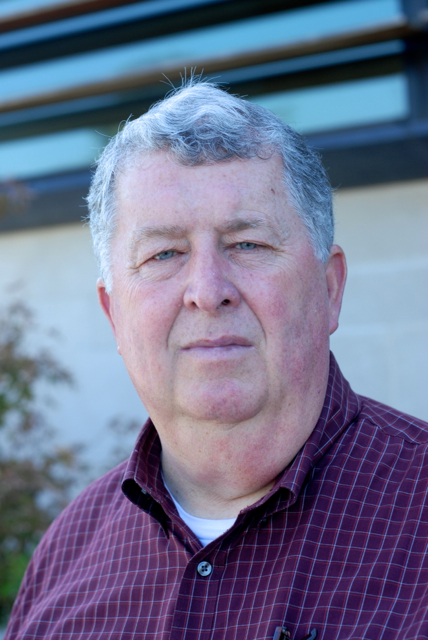
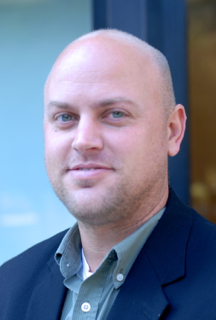
Josh Davy, UCCE Tehama County

Josh Davy, UCCE Tehama County livestock, range and natural resources advisor (Source: UCCE Tehama)

Heading into last fall, the feed year started off relatively dry, according to Davy; however the end-of-season crops produced a better forage than the year before. Though prices slid for the cattle farmer, Davy said optimisticly, “We’re happier on our range conditions—as compared to the previous years that we’ve had—by a long shot.” he said.  

The drought that plagues California still directly impacts cattle ranges, and ranchers are not quite out of trouble. Davy had to resort to feed supplementation through the month of December. “We didn’t have to supplement as much as in the previous few years,” he said, “but we definitely did this fall.” Fortunately the winter months were short and the spring rainfall produced good growth—good assurances that will help Davy and his team make it through next year.

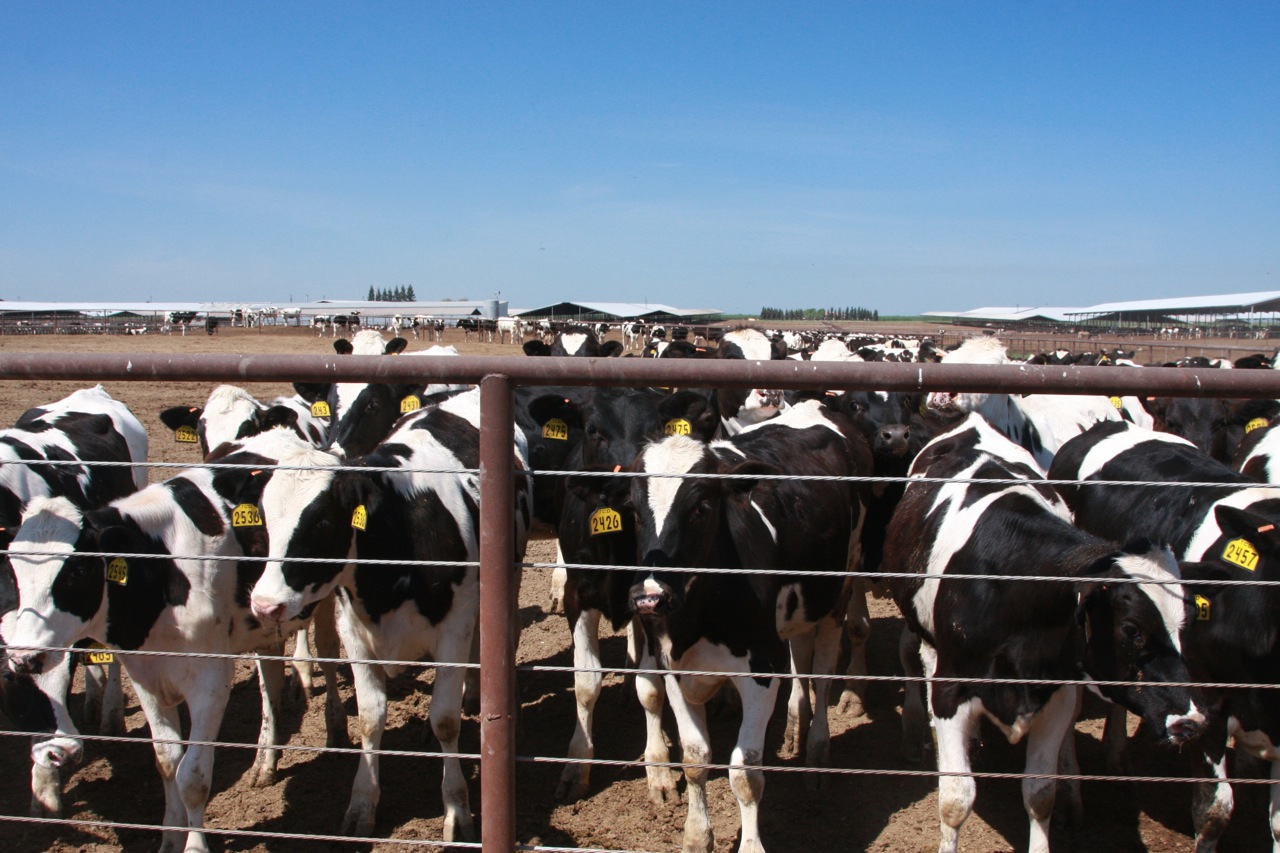
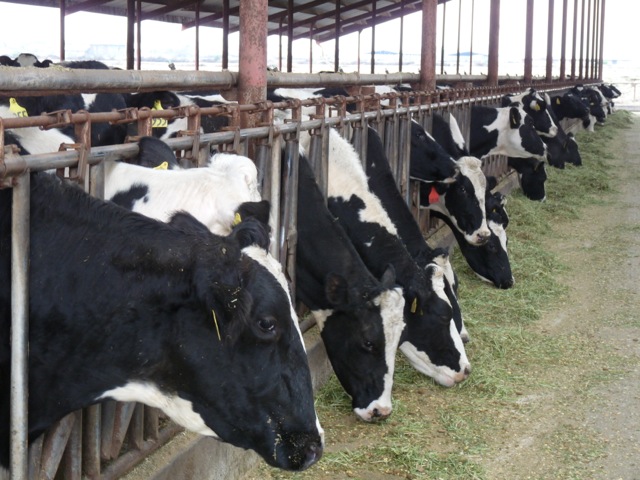
Cattle-on-I5Davy has fortunately sidestepped hardship with a tinge of luck, but it hasn’t been as easy for ranchers in the south of the state. When cattle lack enough sustenance, a domino effect is felt all across the state of California; a lactating cow may not produce enough milk to feed her calves.

The cows like lush grass, a rarity in the Central and South Valley summer months. Winter options for cattle are either winter range ground or mountain meadow ground where greenery is still prevalent. Some ranchers haul their cattle to summer pasture feedlots to graze, while some prefer Oregon instead.

“We’re dried off here to where you might find a swell with a little rye grass in it that’s still green,”Davy said regarding the disappearance of lush land, “but pretty much everything else, the oats and all that stuff, they’re done here.”

Looking forward, Josh Davy is hoping irrigation water will sustain not only the beef cattle, but the pastures as well, to keep the herds stationary and munching on green grass.
 

2021-05-12T11:17:13-07:00June 8th, 2016|

California Depends on National Dairy Month

National Dairy Month Encourages Americans to Eat More Cheese

By Patrick Cavanaugh, Farm News Director

Across the country, National Dairy Month will be celebrated during the month of June to promote the consumption of dairy products. Though California is the number one dairy state, California dairy farmers have been experiencing a decline in dairy production amidst high labor costs, competition from other states and declining profit.

Founded in 1937 as National Milk Month with the goal of increasing milk consumption to stabilize the dairy surplusthe holiday was renamed National Dairy Month to encompass all dairy products.

Anja Raudabaugh, CEO of Western United Dairymen

Anja Raudabaugh, CEO of Western United Dairymen

Anja Raudabaugh, CEO of Western United Dairymen in Modesto, Calif., is hopeful that celebrating National Milk Month will educate more consumers about the health benefits of diary products, increase dairy consumption opportunities, open more markets and enable the lagging dairy industry in California to better compete with other states.

States such as South Dakota and Wisconsin have ramped up their milk production significantly, which has stressed California producers to even the gap. According to Raudabaugh, the term oversupply doesn’t necessarily apply to the dairy conditions in this state. She remarked, “We’re actually in a 17-month decline at the moment, which is the longest decline [in milk production] we have ever been in.”

The dairy industry has managed to be very competitive with wages, another stressor, but the high labor costs are hurting production companies. “As things get more and more competitive globally,” said Raudaubaugh, “we are going to continue to struggle to figure out how those margins play out.”

“The margin is going to continue to shrink, especially as wages get more and more competitive,” Raudaubaugh observed. “Being a worker on a dairy farm is certainly very wage-competitive throughout the agricultural industry. We cannot keep workers at anything less than about $16 or $15 an hour as it is, so it’s a good time to be a worker in the dairy industry. It’s a good craft and skill to have if you become a milker.”Real California Cheese Logo

Given Western United Dairymen’s mission to promote and administer programs and policies aimed at maintaining the longevity of the dairy industry on the West Coast, and as the milk industry struggles and continues to face tough times, Raudabaugh has a solution: “Eat more cheese.”

Enter: National Cheese Day every June 4! According to the California Milk Advisory Board website and California Department of Food and Agriculture (CDFA) 2014 data, California is the #2 cheese producing state—right behind Wisconsin—and the #1 producer of Monterey Jack cheese. An amazing 43% of California’s cow’s milk is used to make California cheese, which is produced by more than 50 California cheesemakers.

Even beyond cheese, Raudabaugh said, “There is a tremendous amount of diversity in the way people have exposure to dairy products they don’t even know about. There are yogurts and sour creams, ice creams, and whey products.”  She believes market sectors should understand more about the dairy products consumers are exposed to every day to increase not only more milk consumption, but higher-value dairy as well.

“The diversification of the product line is really what has kept us in business,” reflects Raudabaugh, “It’s what keeps us looking to the horizon and looking to the future optimistically, even in the face of some pretty bad milk prices right now.”

Remember California dairy producers, particularly, this monthNational Dairy Month, and try a new dairy product. And discover a new cheese tomorrow, June 4, National Cheese Day!

2021-05-12T11:17:13-07:00June 3rd, 2016|

Connecting with Consumers

AgChat Reaches Out to Consumers


By Laurie Greene, Editor


Jenny Schwiegert, AgChat Foundation chief executive director, spoke to Laurie Greene, California Ag Today editor, at the recent Bayer AgVocacy Forum about one of the biggest challenges to agricultural advocacy. “We’ve got excellent bloggers out there,” Schwiegert said, “however, the audience they [reach] tends to be other growers and ranchers. We do not want to be singing to the choir. We need to find other ways to connect with non-ag consumers.”

Schwiegert elaborated on some of the resources for non-ag readers posted on the AgChat website, “There’s a page under “Resources” that talks about different non-agricultural hashtags people can use when they tweet or use Instagram or Snapchat. We also have a post about people with whom we need to connect on Twitter who are not necessarily in the agricultural industry.”

Jenny Schiegert, AgChat executive director

Jenny Schiegert, AgChat chief executive director (Photo Source: LinkedIn)

To [farmers and Ag bloggers] who are trying to determine who their audience might be, Schwiegert advised, “There is more to you than just farming and ranching. You know, I like to do renovations at my home; I like photography; and I’m a baseball mom. When I began blogging, which I don’t do as much recently, my strategy was always to be incognito and not say, ‘Hey, this is what I do.’ I would only talk about farming.”

However, Schwiegert discovered that when she talked about those other topics that are not necessarily related to farming, her posts attracted a lot more of a mom-based or photographer-based audience. She suggested, “Find that spark, the other part of your life that is not related to farming and ranching, and explore and talk about it. Connect with other people [consumers] who have that same desire to have a hobby or whose kids are also in baseball, or whatever it might be.”

While connecting with people via a distinctly different interest can be constructive, Schwiegert held that consumers do trust and want to hear about agriculture from farmers and ranchers. She referred to a recent finding that while the majority of people do not know how to get in contact with a farmer, farmers are the people they want to talk to and get their information from.

“We have also experienced this on a personal basis,” Schwiegert shared. “While our operation is very small, we like to take people, and not necessarily adults. Sometimes we will bring our children’s friends out, show them the sheep, and take them to my in-laws’ dairy. My younger two sons have an egg business, so we’ll show them that too.”

“Ninety-nine percent of the time,” Schwiegert said, “someone will say, ‘Oh these are so much better than the store-bought, and the store-bought has been sitting on the shelves for months.’ That’s where I stop and say, ‘that is not necessarily true. Let me connect you with Katy who is in Iowa or let me connect you with Greg in Oregon, whose egg farm is producing 1.5M eggs a day.’”

“I like to connect people,” she explained, “to help them understand what modern agriculture is all about because we tend to have a [rustic] romantic, idealistic view of what a farm is, and that is what people want.” But, she contends, that may not match what farming really is in today’s world. “I think people really do want to talk to the farmers and ranchers,” said Schwiegert. “They just don’t know how to go about connecting with them.”

Schwiegert does not know if there is a definite ‘disconnect’ between this romantic view of the rustic farm scene with antiquated tools, and consumers who use the latest devices and apps. She said, “I am not sure how to re-connect that. For instance, why is it ok to use an antibiotic if you have pneumonia, but it is not ok to use it in chicken? And I’m not sure how we mend that because consumers are not trustworthy of statistics and science, so I guess that it is one of the million-dollar questions out there. You know, how is it OK for them to have a Fitbit, but our farmers can’t use GPS or auto-steer in their tractors or precision Ag drones?

“That is a huge disconnect, and we need to address it as an industry,” Schwiegert reflected. “I think a lot of people in agriculture are intimidated and scared to share their stories because there are folks out there who are ready to pounce. And especially if you have small children, you do not want to have those types of people on your property. So people are hesitant to share their stories.

“I have the same fears,” Schwiegert stated. “I don’t want people like that on my farm. But the more that we can share our stories out in public, using different methods—whether through social media or a farm-to-table type of event with a commodity group at a public location—the more likely we are to mend that disconnect.”

2021-05-12T11:00:54-07:00May 3rd, 2016|

California Groups Join National Effort to Reject TPP

California Farm and Rural Groups Join 160+ Organizations to Ask Congress to Reject TPP, Stand Up for Independent Farmers and Ranchers

The Trans-Pacific Partnership (TPP) has become a divisive issue in the nation’s capital, and criticism intensified after 161 food, farm, faith and rural organizations, including 9 from California, sent a letter to Capitol Hill yesterday, April 27, 2016–urging lawmakers to reject the trade pact.

“The main beneficiaries of the TPP are the companies that buy, process and ship raw agricultural commodities, not the farmers who face real risks from rising import competition. TPP imports will compete against U.S. farmers who are facing declining farm prices that are projected to stay low for years,” the organizations wrote. California groups including Belcampo, California Dairy Campaign, California Farmers Union, Community Alliance with Family Farmers, Ecological Farming Association, Food & Water Watch, Rooted in Community, Rooted in Community Youth Food Justice Leadership Network and Roots of Change signed the letter.TPP madeInAmerica

The White House has promoted the TPP as an export-boon for farmers to generate support for the agreement, but past trade agreements have not always delivered on export promises, the letter noted. For example, the United States’ total combined exports of corn, soybeans and wheat have remained steady at about 100 million metric tons for the last 30 years despite a raft of free trade agreements since the mid-1990s.

“Trade deals do not just add new export markets – the flow of trade goes both ways – and the U.S. has committed to allowing significantly greater market access to imports under the TPP,” the groups explained. Especially “alarming” to the organizations is the agreement’s complete lack of enforceable provisions against currency manipulation, a substantial cause of America’s debilitating $531 billion trade imbalance.

California Dairy Campaign President Joe Augusto stated, “The Trans-Pacific Partnership will mean that imports from New Zealand and other countries will greatly increase, especially imports of concentrated dairy products. As more and more dairies in California go out of business, passage of the TPP will lead to a further decline in milk production across our state.”

The TPP poses particular risks for dairy farmers and cattle producers. The TPP dairy export opportunities were more modest than promised, but the TPP will likely increase imports of milk and whey protein concentrates from global dairy powerhouse New Zealand during a period of declining farmgate milk prices in the U.S. The United States imported nearly 2.3 billion pounds of beef from TPP partners but only exported about 1.2 billion pounds in 2015. The TPP will also increase beef and cattle imports while domestic cattle prices are plummeting.

California Farmers Union President Joaquin Contente stated, “Farmers in California are some of the most highly regulated in the world, and under the Trans-Pacific Partnership, they will have to compete against a flood of imports that do not meet the same high standards that farmers here are required to follow. Any potential export gains can be erased at any point when our competitors devalue their currency because currency manipulation is not addressed in the TPP. The TPP also does not crack down on the value-added taxes (VAT) that our competitors can impose which make our exports uncompetitive in other markets.”

The TPP also covers important agricultural policy areas such as investment, procurement, labeling, food safety, animal health and crop disease. The stringent rules and dispute system under the TPP make it easier to successfully challenge and overturn domestic laws, as happened last year to country of origin meat labels.

“The TPP will bring a wave of fruit and vegetable imports that will inundate farmers, consumers and inspectors,” said Food & Water Watch California Director Adam Scow. “The TPP benefits the biggest agribusiness and food companies at the expense of California communities that are trying to strengthen and rebuild local, sustainable food systems.”

The letter and complete list of signers can be read here.
http://www.foodandwaterwatch.org/sites/default/files/farm-food_tpp_coalition_letter_4-27-16.pdf

California Farmers Union contact: Lynne McBride, 925-385-0217, lmcb44@comcast.net
California Dairy Campaign contact: Lynne McBride, 925-385-0217, lmcb44@comcast.net
Food & Water Watch contact: Adam Scow, ascow@fwwatch.org
_______________________________
See the California TPP website for the government’s perspective.
2021-05-12T11:17:13-07:00April 28th, 2016|

National Dairy Crisis Continues—Part 2

National Dairy Crisis—A Way Forward, Part 2

By Laurie Greene, Editor

In our continuing coverage of the national dairy crisis marked by high inventories and below-production costs-prices, industry proponents are considering ‘market responsive’ ways to help with inventories, such as donating to the Feeding America organization or to other food banks. Tom Van Nortwick, owner and publisher of Fresno-based Agribusiness Publications, which has published a dairy magazine for 35 years, has been closely involved with hundreds of dairy producers from 2009 through June 2014 in the organization and establishment of the National Dairy Producers Organization. This nationwide organization focuses on keeping dairies profitable especially when market conditions squash dairy pricing.

Van Nortwick, who believes donating excess milk would be relatively easy and painless for the dairy industry, commented, “We are not going to specially package it; it is going to be what it is and where it is. It is then their responsibility to deal with it after that. The milk has already been processed and stored, and it’s waiting to be sold.”

In picking up all these excess dairy products, food banks such as Feeding America would dramatically reduce inventories. Van Nortwick explained, “We have found in studying these inventory levels, that when inventory gets to a certain level, it starts to impact the value of what someone is willing to pay me—a dairy producer—for the milk that I am pulling out of our cow today. And so we are recommending to our dairy producers that it might take literally 15 cents to impact the price of milk today which is currently $5 under the price of production and $7-$10 away from profitability.”

“The idea,” he continued, “is to have producers put up 15 cents per hundredweight into a savings account, which, when needed, would buy up excess inventory on the finished product side—the milk, cheese, milk powder and butter markets. Producers would then donate the purchased product to churches, food banks and Feeding America.

Tom Van Nortwick further expounded, “What if you invest $1 and get a $10 return? What if you invested 15 cents and got a $10 return? Is that a great plan? That is a great plan. The ‘investment’ is actually buying up [excess] inventory from the inventory [of processors and manufacturers] so it is no longer there. Because all of that is tracked, everybody knows how much there is and where it is. So if you are watching the market, you know if you should be buying more cheese, or making more cheese, or more powder. GM doesn’t make more cars than the dealers can sell; otherwise GM shuts the plant down. Everybody screams and hollers, but guess what? They know if they are going to survive, they have got to back off and not make more cars until the dealers, the selling organizations, pick up the slack.”

Van Nortwick says the dairy industry needs to focus more on the milk after it leaves the farm, “It is vitally important that we in the dairy producers sector start paying attention to what is going on with the milk, and the products being manufactured from milk after it leaves the farm. We are doing a wonderful job in how we produce it, the care and keeping of the animals, the sustainability of the environment, the recycling of the waste material; all of that we do better than anybody else in the world.”

“Do we need to be ever watchful?” he asked. “We have a new program called, ‘Picture Perfect’ in the industry, especially agriculture. All of agriculture needs to be ‘Picture Perfect.’ Do you know why? ‘Because everyone has a camera. Everyone’s got their own video recorder and anything can be seen anytime and filmed anytime. And a picture taken can go viral tomorrow, or tonight—even while we are asleep. So, we have to be picture perfect. We already do that.

He implored, “I want to say to dairy producers across the country, ‘You win. You make the most. You make the best. But that is not what we need right now in order to be sustainable. We need you to pay attention to your milk and what happens with your milk after it leaves the farm.”

______________________________

Links:

National Dairy Producers Organization

Feeding America


2021-05-12T11:17:14-07:00February 25th, 2016|

Dairy Prices Still Low

UC Davis’ Bees Butler on Low Dairy Prices


By Laurie Greene, Editor


As previously reported, the dismal below-production-costs dairy prices in California—the #1 dairy state—as well as in the rest of the nation, emanate from excessive inventory and slumping sales, particularly in the export market.

Leslie (Bees) Butler, a UC Davis Cooperative Extension specialist and lecturer in the Department of Agricultural and Resource Economics, explained why dairy producers don’t cut back on milk production. “It is easier said than done,” he said, “and for many producers, it comes down to an income problem. Most production units are set up on a certain sort of ‘scale,’ if you like. So if I am all set up ready to milk, let’s say, 800 cows, or 1000 cows, and then you come along and tell me, ‘Well, you ought to reduce it a bit.’”

“Quickly, I, the dairyman, have to think of what I can do,” said Butler. “There may be a couple of things I can do. First, I can get rid of some cows, my lowest producing cows. You can do that, but it would be a temporary solution to the problem. The second is don’t add those high-producing heifers back into the herd, but they are the most efficient cows. So as you do add them in, you have to cull more lower-producing cows. Many heifers are much better producers than their mothers, so it just reduces the lifecycle of the poor mom.”

“And of course, cash flow in the dairy business is so important,” emphasized Butler. “You know there is a limit to how much a dairy farmer can reduce his income without impacting too seriously his ability to pay off loans, etc.”

2021-05-12T11:17:14-07:00February 17th, 2016|

National Dairy Crisis—A Way Forward, Part 1

A Way Forward Out of National Dairy Crisis

First in a Series

By Patrick Cavanaugh, Deputy Editor

The national dairy industry is in crisis right now. Milk Prices are at an all-time low due to oversupply and drastically lowered exports. The seesaw scenario has inventories up and prices down below production costs.

Tom Van Nortwick, owner and publisher of Agribusiness Publications based in Fresno, has published a dairy magazine for 35 years. He was closely involved with hundreds of dairy producers from 2009 through June 2014 in the organization and establishment of the National Dairy Producers Organization nationwide. The organization focuses on keeping dairies profitable especially when market conditions force down dairy pricing.

Tom Van Nortwick

Tom Van Nortwick

Van Nortwick told California Ag Today, “The biggest problem our dairymen are facing today in California and across the country is that the price of milk, as set by the market and by supply and demand, is actually below the cost of production. So they are making a hundredweight of milk; it is on the market for sale; but the price that they are receiving for every hundredweight of milk is actually lower than what it costs them to make it. And that has been going on for most of 2015 and now we are heading into ’16 towards ’17, and there doesn’t seem to be a solution in play from anyone, anywhere.”

“The big question is how can this be sustainable for dairies, which, over the last 10 years, on average, have had milk prices below production costs?” Van Nortwick asked. “We are not sure,” he explained. “In fact, what we have seen is huge attrition in the dairy industry.”

“In September 2011, there were 110,00 dairy producers in America,” said Van Nortwick. “Today, there are 45,000-60,000 milk producers at some level in the country. We have had huge attrition as we have gone through nearly a decade of really high volatility and low prices. For the majority of the time, especially the last 7 years, it has been extremely difficult.”

“We had a wonderful 2014 when supply and demand were more in balance and there were no excesses,” Van Nortwick stated. “Our global milk sales were high, and yet that has now changed, driving the price of milk throughout 2015 to unsustainable [low] levels.”

Van Nortwick observed that survivors in the dairy industry, particularly in California, have been able to diversify into other crops for positive cash flow. “Whether it is nuts or almonds, of course we are going pillar to post with almonds in California anyways,” he remarked. “Someone the other day said, ‘Hey Tom, you might have to get used to the fact that California is more suited to produce these specialty crops than it is to produce feed for cows to turn into milk.’”

Van Nortwick contends there is a way for the dairy industry, not only in California, but nationally, to do something about these low prices. “The proposal we make is all about a way forward. Dairy producers in this country who have been in their barns over many years and have seen these conditions, have asked, ‘What if we did it this way?’”

090“So when we formed the National Dairy Producer’s Organization nearly five years ago,” he elaborated, “incorporated in the contract with producers was a long list of recommendations that needed to be implemented. We have not yet been able to implement very many of these and there are good men who are continuing that effort,” he noted.
“But one of the things we wanted to talk about most,” Van Nortwick said, “was the Dairy Pricing Organization originating from Robin Berg, a dairy producer in Wisconsin, that gave specific ideas to what dairy producers could do. We proposed that price volatility could be removed from the marketplace by dairy producers being market-responsive with their milk production on the farm, relative to profitable demand in the marketplace. If you make too much milk, and it cannot be sold, the price for—not just that excess milk—but all milk, goes down.”

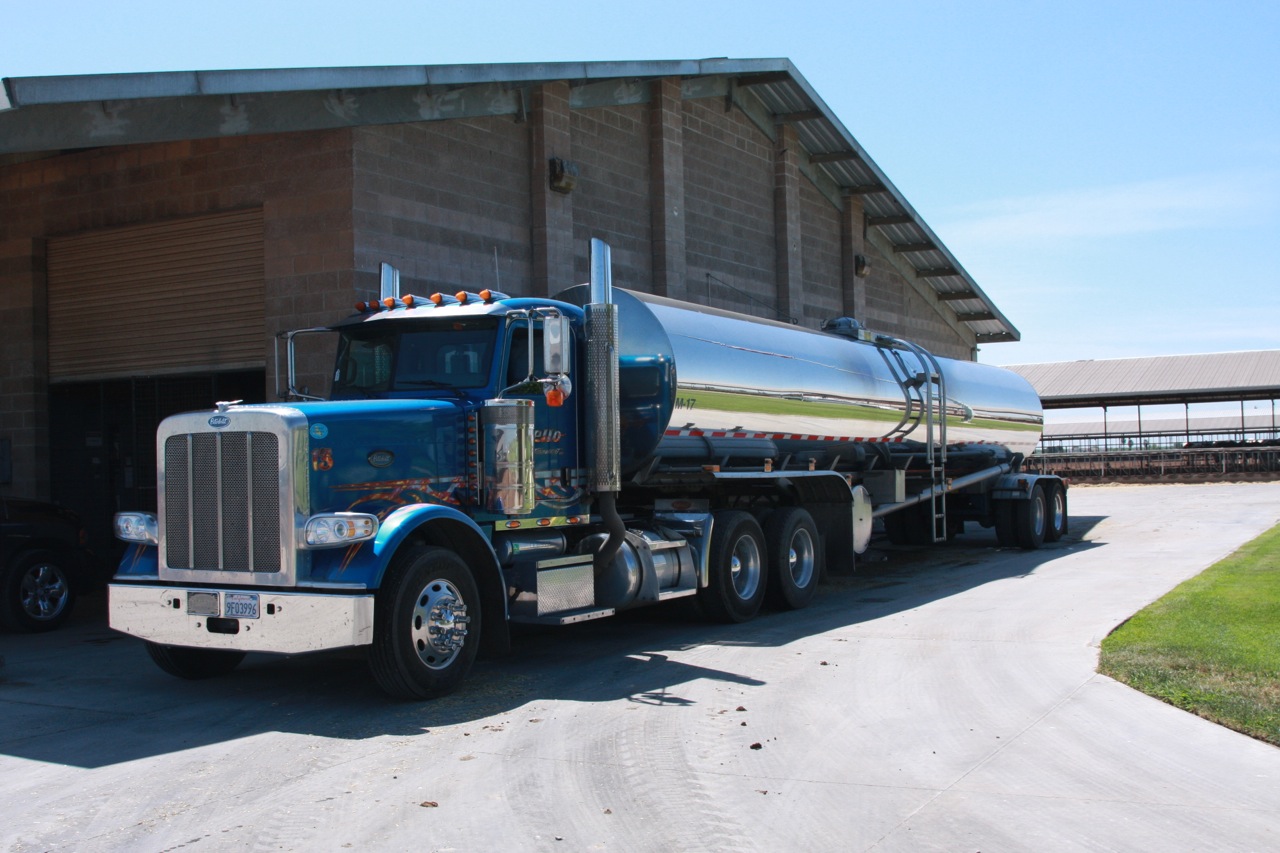
Nortwick further explained, “So picture a great big tank that we fill up every day, and everyday it goes down. But if we [over pour and] push milk out of the top of that tank and any of it spills over the side and onto the ground, then every bit of milk in the whole tank becomes less valuable.”

“So, we have to be market responsive,” he continued, “How much milk can we use at any given time? The big dilemma that has come about today, is that the high global demand we were enjoying in 2011, 2012, 2013, and even as far back as 2010, was double digit growth in every one of those four years. When the producers finally mitigated their excess milk production in 2013, dramatic price increases in 2014 resulted. Milk was at record levels during that nearly twelve month period of time.”

Van Nortwick cautioned, “Unfortunately what was ignored were warnings—ample signs available to us in the first quarter of 2014, even in the fourth quarter of 2013—that should have warned dairy producers, ‘We are losing; demand is falling. Don’t keep increasing the amount of milk you make every month.’”

Van Nortwick clarified this loss in demand was mostly due to global exports. “We have sustained, for the most part, all of our domestic demand,” he stated, “Those numbers have not changed at all.”

“But here is that tank of milk overflowing,” he illuminated, “and because our tank overflowed, the price of all of that domestic milk went down too! So even though we did not lose domestic consumption, we lost price because of excess milk production on the farm. The global market didn’t take it.”

“At the height of that boom, 17.5% of our total production was going global,” said Van Nortwick. “How much did global fall? It plummeted at least 50% when that bubble burst.”milk

“Since then, about half as much of our milk production in the United States is going global. What were the consequences? We had a 31-35% reduction in milk price nationwide for all milk—not just the excess milk that was going global—but all milk in America,” Van Nortwick noted.

Van Nortwick explained the dairy industry needs a sure approach to manage increased prices at a viable profit level. There must be a dramatic decrease of milk in the tank.

Van Nortwick offered several ways to tackle it, including a buyback program that donates milk products to churches and food banks across America. “Robin Berg, a dairy producer, came forward and said, ‘There are two ways to attack this: We can be market-responsive with milk production on the farm or we can go to the other end after it has been manufactured and sitting in storage, and the inventory is rising to the point where it is beginning to depress the price of milk paid to me (the producer). We could go in with dollars that we have set aside and saved, and we can remove that inventory, to help maintain a viable, profitable price for producers.”

Further describing the scenario, Van Nortwick said, “We have prevented milk from spilling on the floor because dumping is not a solution, it is a lose-lose plan. Get it manufactured and be ready on the other end.”

“Food insecurity is kind of the new insecurity,” he declared. “There are 49 million people in America who are underserved and have food deficiencies in their lives all the time.”

“What are we doing about it?” asked Van Nortwick. Feeding America, food banks and churches across this country have the infrastructure not only to take it in and house it, but also to immediately distribute it. Feeding America, a network of food banks, is leading the fight against hunger in communities nationwide and serves 46.5 million Americans in need.

Van Nortwick went on, “There is a sign on a little church in our neck of the woods, ‘Free Food-Saturday.’ So apparently, they are going to have a free distribution of food. That infrastructure is already in place! Give them the commodities they need to feed the 49 million people. Have it removed [from the market supply]. We will pay for it and donate it to them. They pick it up. They’ll even transport it. They will pay to move the products where they need to be distributed to the people who need the food.”

Feeding America is onboard and wants to do it, according to Van Nortwick. “Our people have met with their people who said they can take all that we can provide.”

Readers can learn more about Dairy Pricing and the goal of becoming more Market Responsive with their milk production on the farm by visiting www.dairypricing.org or www.my-dairyman.com.

2021-05-12T11:17:14-07:00February 1st, 2016|

New Dietary Guidelines for Healthy Eating

HHS and USDA Release New Dietary Guidelines to Encourage Healthy Eating Patterns to Prevent Chronic Diseases


Secretary of Health and Human Services Sylvia M. Burwell and Secretary of Agriculture Tom Vilsack TODAY released updated nutritional guidelines that encourage Americans to adopt a series of science-based recommendations to improve how they eat to reduce obesity and prevent chronic diseases like Type 2 diabetes, hypertension, and heart disease. The 2015-2020 Dietary Guidelines for Americans is the nation’s trusted resource for evidence-based nutrition recommendations and serves to provide the general public, as well as policy makers and health professionals with the information they need to help the public make informed choices about their diets at home, school, work and in their communities.

The newly released 8th edition of the Dietary Guidelines reflects advancements in scientific understanding about healthy eating choices and health outcomes over a lifetime. This edition recognizes the importance of focusing not on individual nutrients or foods in isolation, but on the variety of what people eat and drink—healthy eating patterns as a whole—to bring about lasting improvements in individual and population health.

“The Dietary Guidelines for Americans is one of many important tools that help to support a healthier next generation of Americans,” said Secretary Vilsack. “The latest edition of the Dietary Guidelines provides individuals with the flexibility to make healthy food choices that are right for them and their families and take advantage of the diversity of products available, thanks to America’s farmers and ranchers.”

The specific recommendations fit into five overarching guidelines in the new edition:

1. Follow a healthy eating pattern across the lifespan. Eating patterns are the combination of foods and drinks that a person eats over time.

2. Focus on variety, nutrient-dense foods, and amount

3. Limit calories from added sugars and saturated fats, and reduce sodium intake

4. Shift to healthier food and beverage choices

5. Support healthy eating patterns for all

Healthy eating patterns include a variety of nutritious foods like vegetables, fruits, grains, low-fat and fat-free dairy, lean meats and other protein foods and oils, while limiting saturated fats, trans fats, added sugars and sodium. A healthy eating pattern is adaptable to a person’s taste preferences, traditions, culture and budget.

Importantly, the guidelines suggest Americans should consume:

1. A variety of vegetables, including dark green, red and orange, legumes (beans and peas), starchy and other vegetables

2. Fruits, especially whole fruits

3. Grains, at least half of which are whole grains

4. Fat-free or low-fat dairy, including milk, yogurt, cheese, and/or fortified soy beverages

5. A variety of protein foods, including seafood, lean meats and poultry, eggs, legumes (beans and peas), soy products, and nuts and seeds

6. Oils, including those from plants: canola, corn, olive, peanut, safflower, soybean, and sunflower. Oils also are naturally present in nuts, seeds, seafood, olives, and avocados.

Further, Americans should be encouraged to consume:

1. Less than 10 percent of calories per day from added sugars. ChooseMyPlate.gov provides more information about added sugars, which are sugars and syrups that are added to foods or beverages when they are processed or prepared. This does not include naturally occurring sugars such as those consumed as part of milk and fruits.

2. Less than 10 percent of calories per day from saturated fats. The Nutrition Facts label can be used to check for saturated fats. Foods that are high in saturated fat include butter, whole milk, meats that are not labeled as lean, and tropical oils such as coconut and palm oil.

3. Less than 2,300 milligrams (mg) per day of sodium for people over the age of 14 years and less for those younger. The Nutrition Facts label is a helpful tool to check for sodium, especially in processed foods like pizza, pasta dishes, sauces, and soups.

Based on a review of current scientific evidence on nutrition, the 2015 edition includes updated guidance on topics such as added sugars, sodium, and cholesterol and new information on caffeine. For example, the 2015-2020 Dietary Guidelines is the first edition to:

1. Recommend a quantitative limit to consume less than 10 percent of calories from added sugars.

2. Reaffirm guidance about the core building blocks of a healthy lifestyle that have remained consistent over the past several editions

3. Suggest there is still work to be done to encourage more Americans to follow the recommendations outlined in the Dietary Guidelines.

The 2015-2020 Dietary Guidelines continues the nation’s dependence on California agriculture, which includes more than 400 commodities. According to the California Department of Food and Agriculture (CDFA) in 2014, the state produced nearly half of US-grown fruits, nuts and vegetables. Across the nation, US consumers regularly purchase several crops produced solely in California.

California’s top-ten valued commodities (USDA/NASS Crop Year Report 2014):

* Milk — $9.4 billion

* Almonds — $5.9 billion

* Grapes — $5.2 billion

* Cattle, Calves — $3.7 billion

* Strawberries — $2.5 billion

* Lettuce — $2 billion

* Walnuts — $1.8 billion

* Tomatoes — $1.6 billion

* Pistachios — $1.6 billion

* Hay — $1.3 billion

The 2015-2020 Dietary Guidelines for Americans is available at dietaryguidelines.gov.USDA has also released updates for consumers on ChooseMyPlate.gov, and new resources will soon be available on Health.gov from HHS that will help health professionals support their clients and patients in making healthy choices.

The Dietary Guidelines is required under the 1990 National Nutrition Monitoring and Related Research Act, which states that every 5 years, the U.S. Departments of Health and Human Services (HHS) and of Agriculture (USDA) must jointly publish a report containing nutritional and dietary information and guidelines for the general public. The statute requires that the Dietary Guidelines be based on the preponderance of current scientific and medical knowledge.

2021-05-12T11:17:15-07:00January 7th, 2016|

Thanks to California Ag!

Thanks to California Ag for Thanksgiving!

By Patrick Cavanaugh, Deputy Editor


As Americans enjoy Thanksgiving dinner, let us recognize that farmers, especially California farmers, have made our bounty possible.

pumpkin free imageCalifornia is a big turkey producing state, always ranking in the top six nationally.

pumpkin free imageIn 1948, Sophie Cubbison, who was born in San Carlos, California and who graduated from California Polytechnical University in 1912, invented the Mrs. Cubbinson’s melba toast or cornbread stuffing most of us serve. (She even paid her way through college with the money she earned feeding farmworkers. Sourcewww.mrscubbisons.com)

pumpkin free imageWhat would Thanksgiving be without wonderful California wines and Martinelli’s (another great California company) great sparkling apple and grape beverages to celebrate our good fortune?

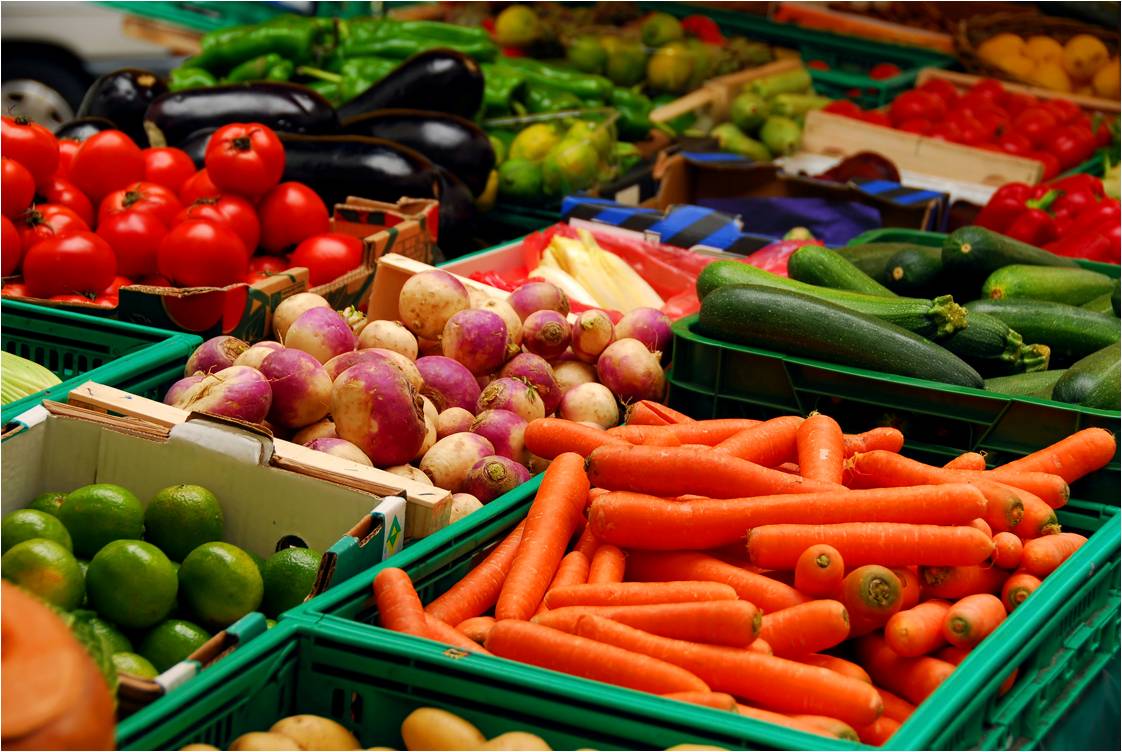
pumpkin free imageAnd all those amazing side dishes . . . the russet and red potatoes from Kern County; the sweet potatoes from Merced County; the many wonderful squash varieties including zucchini, yellow, acorn squash . . . are all produced by farmers and farmworkers in California.

pumpkin free imageGreen beans, lettuce, tomatoes, olives, cucumbers, radishes, and carrots will grace the tables across America, thanks to California producers in ped and other areas of the state.

Don’t forget gapumpkin free imagerlic, onions and mushrooms are all produced primarily in California!

California farmers produce it all, with the exception of cranberries!

Thanks Wisconsin!

(And New Jersey, Massachusetts, Oregon, Washington, and parts of Canada)

pumpkin free imageYou can thank California egg producers for those tasty hardboiled deviled eggs on Grandma’s favorite serving dish.

pumpkin free imagePlus raisins, a great addition to dressings and other dishes, thanks to the raisin producers in Fresno, Madera and Merced Counties.

pumpkin free imageAnd of course walnuts, almonds and pistachios are big part of our savory stuffing recipes and our snacks.

pumpkin free imageApple cider and apple pie? California, among the top five states, produces a wide variety of apples.

pumpkin free imageWait! What about pumpkin pie? California farmers.

pumpkin free imageAnd the wonderful whipped cream? Thanks to the California dairy industry.

pumpkin free imageDid you know the turkey pop-up timer was invented in California? Yes, indeed. Back in the 1950s, the California Turkey Producers Advisory Board brainstormed to figure out how to prevent over-cooked turkeys, according to Leo Pearlstein, a Los Angeles pubic relations pro in the food industry, who was among the five original board members. One board member—a California turkey producer, as Pearlstein tells it—looked up at the ceiling, noticed the sprinklers and had a Eureka moment! He suddenly realized the ceiling sprinklers were triggered when heat melted a material inside the gizmo. For a complete explanation, see How Pop-Up Turkey Timers Work at home.howstuffworks.com/pop-up-timer1.htm.

From all of us here at California Ag Today,

Thanks to California Ag for serving us a delectable nutritious Thanksgiving!

2016-05-31T19:27:03-07:00November 24th, 2015|

Vandenheuvel Justifies FMMO in CA

Vandenheuvel Justifies FMMO in California

By Charmayne Hefley, Associate Editor

This Federal Milk Marketing Order (FMMO) hearing in Clovis, now in its seventh week, still has more ground to cover before it wraps up. Rob Vandenheuvel, general manager of the Milk Producers Council (MPC), reflected on the current California Marketing Order, “We’ve been operating under a separate system for many, many years. And while that may have worked for a good chunk of that time, in recent years, we’ve seen that the California system has not kept up with prices paid for milk in other parts of the country. So we’re trying to get on an even playing field.”

Vandenheuvel said resistance to the FMMO has come mainly from those who currently purchase California milk. “They’re not interested in a system that would require them to pay more for their milk,” he said. “They’ve had a pretty good deal in California, so they’re trying to protect it.”

He said some minor resistance comes from non-California dairymen concerned their prices could decrease should California join the FMMO. “There was talk earlier in this hearing that if dairy farmers in California were put on an even playing field and had more money paid for their milk, would they increase production? What impact might that have on the overall market?”

“When you look at California and the competition for land from pistachios and almonds,” Vandenheuvel said, “dairy is not the only agricultural interest here. So competition for land and competition for water are really going to put a lid on future growth—no matter what the dairymen get paid.”

Significant LossesMilk Producers Council

Vandenheuvel said the state’s current system has caused a significant profit loss for dairymen in California. “Our milk going to cheese plants is the largest class of milk sold in the state, but it’s still 45 percent of the total milk production. So, the state cheese price is less than the Federal price on that 45 percent of milk. The difference is a shortfall of nearly $2 billion since 2010 for the California producer.”

Vandenheuvel said when all dairies in the United States slumped in 2009, those outside of California were better able to recover under the FMMO than those inside under the CSMO. “When you look at the peaks and valleys that the dairy industry has gone through, we’ve had years like 2009, which was the worst ever,” Vandenheuvel said, “and 2012 was probably the second worst ever due to high feed costs. Most of the rest of the country recovered in the months and years following 2009 and then again 2012.

“California is still reeling. If we had sold off assets, we really haven’t recovered to where we were before 2009. So that $2 billion divided by the 2,000 dairymen that existed at that time in California was the difference between catching up and netting a profit. But actually happened, is that the industry has never recovered the losses, even after a few good years,” he noted.

Out-of-State Dairies Object to Federal Order

Vandenheuvel said that many California dairymen are looking to become part of the FMMO to get on a level playing field with the rest of the country’s milk producers. “If you buy into the theory that California dairymen got a fair price for milk will increase milk production and that would have a negative impact on the rest of the country,” Vandenheuvel said. “The best thing to happen to the rest of the country would be for California to go completely broke and shut down our entire dairy industry because they would be better off because we’d have twenty percent less milk in the whole country. That’s why I don’t think that those concerns are really strong. This hearing is more about the sellers of milk getting a fair shake and the buyers of milk not wanting to pay that fair shake.”

Vandenheuvel said that the way the dairy industry works—with milk spoiling each day—the government had to get involved in order to prevent buyers from refusing to buy one dairy’s milk and significantly devaluing the price of milk. “Cows don’t produce Monday through Friday only; there is no on or off spigot,” Vandenheuvel said. “So when you have a product that is being produced and piled up every day and has to be sold every day to a group of buyers who don’t have to buy every day –and they don’t have to buy from you—you’re at a huge disadvantage negotiating a fair price for that product.

“Imagine going to a car dealership where they had to sell a certain amount of cars that day or the vehicles would literally spoil, go bad and be worthless,” he noted. “You would have a great position to buy a car. That’s where we are, and that’s why the government got involved, said milk is important and we know dairymen are at a disadvantage. So we’re going to play referee between the two parties. Our problem in California is that that referee has been much more on the side of the processors keeping a low price in California.”

Two Main Proposals

Vandenheuvel said that two major proposals have been submitted to the USDA—one from the dairy-farmer-owned cooperatives and the other from the manufacturers. He said the USDA would decide upon the final proposal that will be voted on by producers.

“Manufacturers do not vote on Federal orders,” Vandenheuvel said, “It’s a producer vote. So it really comes down to the USDA. We think we’ve put together—as a producer coalition—a very sound, comprehensive approach of going to a FMMO while still respecting some of California’s issues—like our quota program; our transportation program.”

Vandenheuvel explained that it was very difficult to get the USDA to hold a hearing on the Milk Marketing Order. “We had to basically exhaust every alternative option in the state system,” he noted. “We tried a dozen hearings over the last ten years. We’ve tried legislation in California. We’ve tried suing the Secretary of Agriculture in California. We’ve tried protests and rallies on the steps of the capitol in front of CDFA, and at the end of the day last year our milk prices, compared to the rest of the country, had a bigger gap than we’ve seen in the last ten years.”

Vandenheuvel said the CDFA could have easily addressed many of the issues that caused milk producers to fight for a FMMO. Nevertheless, one issue, the CDFA could not have regulated for producers is interstate commerce. “That’s big for a state like California,” Vandenheuvel said. “We’ve got 35-40 million people here who drink milk and we’ve had situations in the past and currently in which milk is moving into California just to take advantage of the fact that California can’t do anything about it. Only a FMMO can regulate interstate commerce because of the way the constitution is drafted.”

Vandenheuvel said he hopes to see a recommended decision on the order by the middle of next year.


2016-05-31T19:27:04-07:00November 9th, 2015|
Go to Top