Farmers Generous to Food Banks

Farmers Generous to Food Banks

By Laurie Greene, Editor

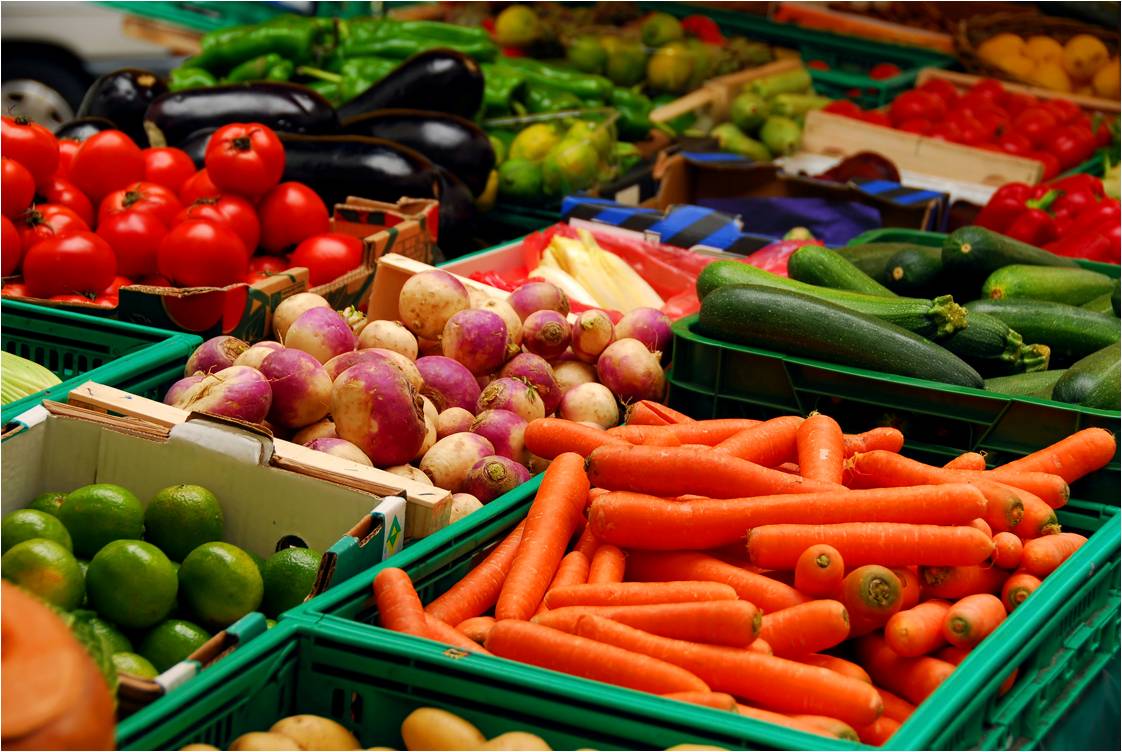
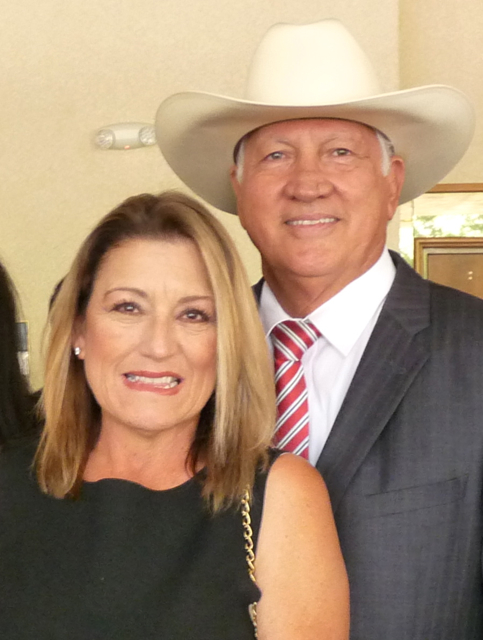
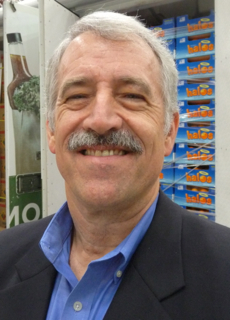
California farmers are stepping up to supply fresh fruits, vegetables and meat products to the state’s network of food banks as part of the Farm to Family program. Jim Bates, chief financial officer of Fowler Packing in Fresno County, said “It’s a program we’ve been supporting for 20 years, starting with donations of peaches, plums and nectarines.”

“Unfortunately, 20 to 50 percent of the product we grow doesn’t make it to the marketplace,” Bates explained, “sometimes because of a very small cosmetic blemish. Bates says farmers like him really want to take advantage of these unmarketable crops and help the working poor in the Valley. “We don’t want to dump this product; we definitely want to donate it. So, we have developed contacts with the food banks and found ways to transport our products in cardboard bins, plastic bins—whatever they can take—and get it to them.”

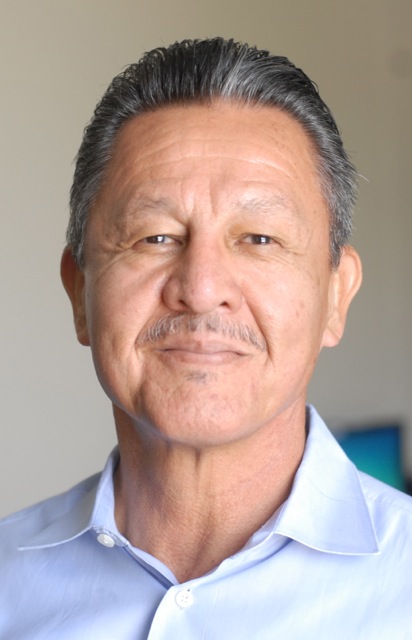
Jim Bates, chief financial officer, Fowler Packing

Bates noted that Fowler Packing, which farms and ships tree fruit, including mandarins, and table grapes, is doing well, and the company would like to pay it back. “We have made big investments over the years; we’ve retooled our packing house, our mandarin and table grape operations are doing well, and we’ve had good times. We want to give back to the local community that has been so good in supporting us year in and year out.”

Andy Souza, president and CEO of the Community Food Bank in Fresno, noted the dramatically increased produce and meat donations from farming companies, “from almost 19 million pounds a year to almost 40 million pounds in the last three years. And yet, in our service area, we are only meeting about two-thirds of the need. We serve all five counties from the southern end of Kern County, including Tulare, Kings, and Fresno Counties, all the way to Madera County, and the need just continues to grow. We have seen the drought; we have seen the effect of changing commodities; and the impact on farm labor is a very natural part of an economy.”

Souza said Community Food Bank’s connection with those in need is critically important. “It is not just doubling the amount of pounds,” he elaborated, “it is the fact that for so many of the families we serve, we are the only source of fresh produce for them. And the result of not getting fresh produce is what we have seen in each of our five counties: childhood obesity rates over 40 percent.”

“It is rewarding for us to be the vehicle that actually touches the lives that these farming families are supporting. Without their support and donations, it would be an empty warehouse. We, in turn, provide the connection to our families in need. Our staff knows, on a very personal basis, the opportunity to hand fresh food, fresh produce, to families knowing it will be on their tables that evening,” Souza noted.

Souza said quite candidly, he has learned over the last five years, all he has to do is ask the farming industry for help. “The farming community, the ranching community—agriculture in general—is very giving if we ask. We have also learned you don’t ask the packing shed in August. By the time August rolls around, first, they are just incredibly busy; and secondly, they made those decisions in February. So we are learning and looking to the industry for great support and great help. We have been able to make an incredible partnership with the agricultural community here in the Valley.”

Souza said cash donations from companies and from the general public also help immensely because “the ability we have to stretch financial donations is incredible. For every dollar that is donated, we can provide seven meals for a family. If folks would love to come alongside us, we can be reached at communityfoodbank.net. There is a “Donate Now” button there, and we would love the opportunity for folks to partner with us. Right now we have just over 8,000 partners each year and we would love to see that number grow to 10-, 12- or even 15,000.”

_____________________
Links

California Association of Food Banks (CAFB)

Community Food Bank

Farm to Family

Fowler Packing

2021-05-12T11:17:15-07:00January 6th, 2016|

USDA Official Talks TPP in CA

USDA Official Talks TPP in California

By Brian German, Associate Editor


United States Department of Agriculture (USDA) Under Secretary for Farm and Foreign Agricultural Services Michael Scuse held a roundtable at the California Farm Bureau Office in Sacramento with California ag leaders in December to discuss the proposed Trans-Pacific Partnership (TPP) trade agreement. “The reason we came out here now is the Trans-Pacific Partnership is finalized and the text has been released. We wanted to meet with the representatives of the different commodity groups to get their take on the agreement,” said Scuse. “It was a very good, interesting meeting,” he noted.

While not all industries are behind the TPP, Scuse said, “Agriculture, as a whole, is very supportive of the TPP. There were a couple of concerns about sanitary and phytosanitary issues and about how other countries may address those going forward.  California ag leaders asked us to put together a fact sheet on these phytosanitary issues, labor, and other topics, so they have some talking points to converse with their constituents as well as their representatives in Congress.”

To make this trade agreement law, Scuse explained, “We are hoping Congress will take this up as soon as they possibly can. Every day we delay getting approval on TPP from Congress puts our producers at a disadvantage. The sooner we get this approved, the better it will be for all our farmers and ranchers across the United States,” he noted.

For California, the leading agricultural state, shipping more than $23 billion worth of food and agricultural products in 2014, time is expensive.

______________________________

Links:

USDA Farm and Foreign Agricultural Services helps to keep America’s farmers and ranchers in business as they face the uncertainties of weather and markets. They deliver commodity, credit, conservation, disaster, and emergency assistance programs that help improve the stability and strength of the agricultural economy.

Trans-Pacific Partnership (TPP) trade agreement, “Economy, Water, Trade and Labor were Big Topics at 32nd Agribusiness Conference.”

California Farm Bureau Federation

2021-05-12T11:05:59-07:00January 4th, 2016|

Henry Gonzales, Ventura County Ag Commissioner

Ventura County Ag Commissioner Henry Gonzales Started as Fieldworker

By Patrick Cavanaugh, Deputy Editor

California Ag Today interviewed Henry Gonzales, Ventura County Ag Commissioner, who has served in that post for 7 years. His unique story begins with his birth in Fresno and his work in the California fields at an early age.

Gonzales: My parents were migrant farmworkers, and back in the day, there was no day care for us, so they took us to the fields with them. I like to think I my career started in agriculture when I was old enough to pick up a plum and put it in their basket. We worked a lot in the Fresno area, but also in the San Jose area and Imperial County, following the crops as most migrant farmers do.

CalAgToday: You started working as a child, and what happened next? Did you and your family continue as a farmworkers?

Gonzales: We continued farm working for many years. We used to live in farm labor camps, whenever they were available. Sometimes we stayed with relatives or anywhere we could find. There were times when the only places we could find were the trees in the orchard, so sometimes we stayed there.

CalAgToday: So, when you were 13, you went off on your own?

Gonzales: Yes, when I was 13, I did what I thought I should do—work under my own social security card. I started working in the fields around Salinas. I was actually in the same lettuce harvesting crew with my grandfather who was 69 at the time.

CalAgToday: Well, Henry, walk me through it. How many years did you work with your grandfather?

Gonzales: I worked every summer and weekends since I was 13 through high school in the fields around Salinas.

This painting was done by Henry Gonzales's mother depicting his early work in the fields

This painting was done by Henry Gonzales’s mother depicting his early work in the fields.


CalAgToday: Tell me about high school.

Gonzales: I felt very strongly about completing high school because I know my parents did not. But you may find it interesting that when I was working in the fields around Salinas, I was a card-carrying member of the United Farm Workers (UFW).

CalAgToday: So the UFW recruited you early, or were you a supporter?

Gonzales: Well, it was a closed-shop situation; if you worked in that company, you were a member. So I believe I am the only ag commissioner who was once a card-carrying member of the UFW.

CalAgToday: And why is that significant to you, Henry?

Gonzales: As you know, in agriculture, farmworkers are, almost literally, the backbone of the industry. They are the ones doing all the heavy lifting. So, having that background really provides me with a broader perspective because I can understand farming from the ground level up. Coupled with my Bachelor of Science degree in agricultural science, my field work experience has given me a well-rounded background for agriculture.

I started working for the Monterey County Ag Commissioner’s office over 30 years ago. All Ag Commissioners start at the bottom of the organization, so I began as an agricultural inspector-biologist and worked my way up to deputy, chief deputy, and then seven years ago, I became Ag Commissioner here in Ventura County.

CalAgToday: So suddenly a job became available in Ventura County?

Gonzales: That was kind of interesting. I was in Monterey County with a great job, a great boss, and I could do pretty much what I wanted. But I got a call from Ventura County inviting me to apply for their ag commissioner position. I checked with my wife, and she said ‘Sure, why not? Try it!’ I did, and as they say, the rest is history.

I applied and got the position. I was reappointed here three years ago, and I am hoping to do at least one more term after my current term is over. I think all my years working for the Monterey County Ag Commissioner’s office, my degree in Ag Science, and my master’s in public administration, coupled with my childhood years working in the field really gives me a broad background in agriculture, especially as it exists in Ventura County and in the state of California.

CalAgToday: How did you have time to get a masters degree in public administration?

Gonzales: Well, while I was working for Monterey County, I spent a lot of sleepless nights and weekends in order to earn that degree from Golden Gate University’s satellite office in Monterey.

CalAgToday: When you look back, you have come so far from your beginnings as a farmworker, and you have seen so much. How do you put all of that together?

Gonzales: My experience has provided me with the broadest perspective, so when I deal with a challenging issue, I can see it from all vantage points, and that is very helpful to me in doing my job.


2021-05-12T11:06:00-07:00December 30th, 2015|

Almond Conference Announces AIM Strategy

Annual Almond Conference Announces AIM Strategy and Improved Leadership

By Patrick Cavanaugh, Deputy Editor

Leadership was the recurring theme for the 3,000+ attendees over the three-day 43rd Annual Almond Conference, hosted by the Almond Board of California last week in Sacramento. “We are focused on the fact that the almond industry is accepting its responsibility to provide leadership for California agriculture and to use our treasure and talent to work on solutions for a lot of the problems that are very daunting,” said Richard Waycott, president and CEO of the Almond Board. “We have talked a lot about what is expected by consumers and by consumer product goods companies, which is our customer base,” Waycott noted.

At the conference, the Almond Board launched Accelerated Innovation Management (AIM), a major strategic effort designed to further increase the almond industry’s efficiency and sustainability, that features four major initiatives described by Waycott:

Water Management and Efficiency – A focus on accelerating almond farmer transition to more efficient irrigation scheduling and management practices to maximize the most crop per drop of water.  This initiative, which builds on the 33 percent reduction in water used per pound of almonds achieved by the industry over the last 20 years, includes working with farmers to fine tune irrigation techniques and adopting more advanced water management technologies.

Sustainable Water Resources – First, an exploration of how to best leverage a unique strength of the California Almond industry—its acreage—to accelerate natural flood-year groundwater recharge of aquifers. Collectively, California’s aquifers are the state’s largest water storage system; water recharged through this program would benefit all Californians, not just farmers. Second, an investigation of opportunities to recycle water from multiple sources, such as municipal wastewater, as a way of increasing overall water availability for farmers and all Californians.

Air Quality – Investigation of various methods the almond industry can help meet the Central Valley’s exacting air quality standards. This initiative will scrutinize all components of almond farming that impact air quality and evaluate opportunities to decrease emissions. This initiative will identify alternatives, such as decreased fossil fuel use, that will result in cleaner air for all those who live in California’s Central Valley—farmers, their families, and surrounding communities.

22nd Century Agronomics  A recognition that we need to better understand and then adopt the technologies that will lead California farming into the 22nd century. The Almond Board of California will lead a comprehensive exploration of almond farming techniques, bringing an exploratory mindset to consider all options as to what innovations and technical “leap frogs” will be needed to sustainably farm in the future. Each component of almond farming will be considered, from land preparation and varietal development, to equipment and processing.

Link: Almond Board of California

2016-05-31T19:27:01-07:00December 14th, 2015|

Positive Outlook for Table Grapes

Barry Bedwell: Positive Outlook for Table Grapes

By Charmayne Hefley, Associate Editor

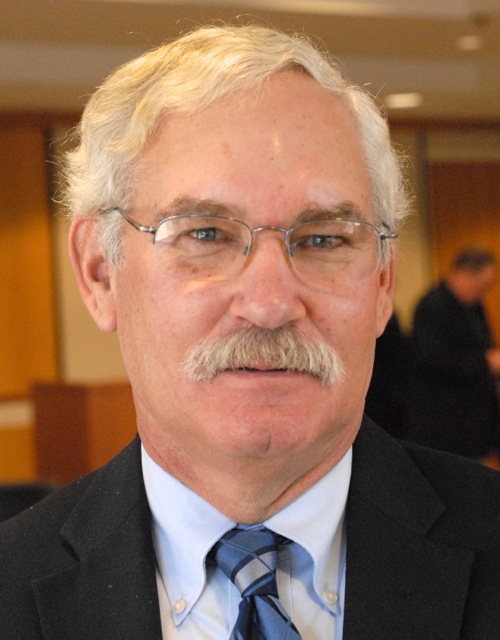
At the November 17 Grape, Nut & Tree Fruit Expo in Fresno, Barry Bedwell, president of the California Fresh Fruit Association, reported a positive outlook for table grapes this year. “Production continues to expand,” said Bedwell, “and consumer acceptance of table grapes continues to expand, particularly for exported California table grapes. That’s a real positive. We’re also seeing the development of newer varieties—more proprietary brands that are very consumer friendly.”

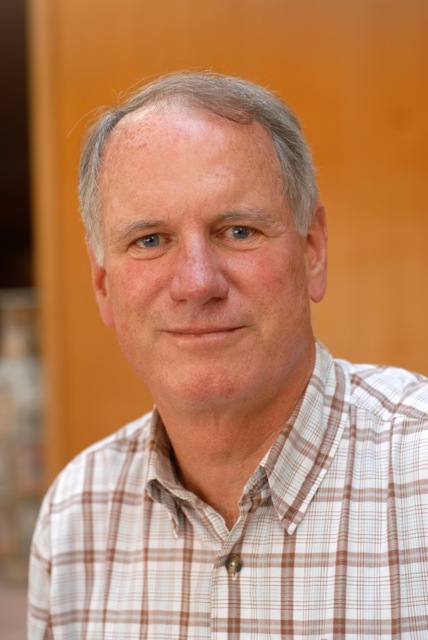
Barry Bedwell, president, California Fresh Fruit Association

Barry Bedwell, president, California Fresh Fruit Association

Bedwell said topping this year’s California Fresh Fruit Association annual Board of Directors Top 10 Issues survey are water concerns, followed by food safety and labor. “These are relatively consistent,” Bedwell said, “but we have seen some changes. Since last year, water, of course, has gone to the top of the list. Our members expressed concerns beyond the drought that encompass what future water system will allow proper conjunctive use of water—both surface water and groundwater.”

“We’ve also seen increased concern over food safety. And even though grapes are permanent crops with, I think, a low risk profile, we always have to be very concerned about food safety.

Then we have to look at the labor situation—not only the cost of labor—but also the availability. So, even though it has been stalled, the need for immigration reform is critically important. We will probably be in a defensive position in the next couple of years, compounded by increasing labor costs due to some well-intended, but I think misguided, efforts to increase wages around the state unnecessarily.”

_____________________

In 2015, the California Fresh Fruit Association survey identified the following issues as top priorities: 

  1. Water Supply/Drought Related Issues (#3 in 2014)
  2. Food Safety (#9 in 2014)
  3. Immigration reform (#1 in 2014)
  4. Health Care Mandates/Affordable Care Act (#4 in 2014)
  5. Labor Laws and Regulations (#2 in 2014)
  6. Labor Costs/Minimum Wage Increase Impacts (#5 in 2014)
  7. Groundwater Management Requirements (N/L in 2014)
  8. Water Quality Regulations (Nitrogen, Salts, etc.) (#7 in 2014)
  9. Invasive Pest Issues (#6 in 2014)
  10. Workers Compensation Issues (#8 in 2014)

(Source: California Fresh Fruit Association)

____________________

Links

Grape, Nut & Tree Fruit Expo

California Fresh Fruit Association

2016-05-31T19:27:02-07:00December 9th, 2015|

New Biodico BioFuel Facility In Fresno County

Biodico Biofuel Facility, World’s First, to Operate Entirely on Renewable Heat and Power

Biodico Inc., a sustainable biofuel and bioenergy company, announced the opening of its Biodico Westside Facility, the world’s first biofuel production facility to operate entirely on on-site power-generated renewable heat. Biodico’s ribbon-cutting ceremony from 11:30 a.m. to 1 p.m. tomorrow, Friday, December 4, 2015, at the at Red Rock Ranch in Five Points, Fresno County, California, is open to the public and will feature the “Sustainable Rhythm” of the Mendota High School Marching Band’s drumline.

Biodico is transforming biofuel production with sustainable solutions to convert diverse feedstocks into environmentally sound renewable sources of fuel and energy. The Westside Facility will produce up to 20 million gallons of biodiesel annually, utilize multi-feedstock functionality, incorporate advanced sensors for real-time and remote monitoring, leading to complete system automation, and provide 45 new jobs to the San Joaquin Valley.

“Our new facility in the Valley will produce economically and environmentally viable biobased* fuel and energy for local farmers and truckers, and create new jobs in the community,” said Biodico president and founder, Russ Teall, an internationally-acknowledged leader in biofuels with more than 20 years of experience in all aspects of the industry including legal and regulatory affairs. “This facility demonstrates Biodico’s commitment to an integrated value chain model that includes accelerated and inexpensive construction and deployment, enhanced throughput with reduced operating costs, and increased monetization of renewable fuel and energy,” said Teall.

Teall successfully evolved patented and proprietary biorefinery* technology in conjunction with the U.S. Navy and the California Energy Commission. The most recent generation of equipment, the MPU (Modular Production Unit) brings automation and remote real-time sensing to biorefineries as part of an integrated self-sustaining system, utilizing anaerobic digestion, gasification, solar, and advanced agricultural and algaculture* [a form of aquaculture involving the farming of species of algae, Wikipedia].

Teall is currently the California Biodiesel Alliance president, California Air Resources Board Panel on the Low Carbon Fuel Standard member, and CIA Afghan Energy Project panelist; and formerly National Biodiesel Board (NBB) vice chair and the NBB Legislative Committee chair. He has provided biorefinery consulting services to private companies, governments and trade associations throughout the world, including the US, Argentina, Australia, Bolivia, Canada, China, Dominican Republic, Ghana, Haiti, Hong Kong and the PRC, India, Israel, Malaysia, Mexico, the Philippines, Singapore, South Africa and Thailand.

_____________

Again, Biodico will host a ribbon-cutting ceremony at the facility on Friday, December 4, 2015, featuring the “Sustainable Rhythm” of the Mendota High School Marching Band’s drumline.  Details follow:

What: Ribbon-cutting ceremony to celebrate the world’s first fully sustainable biofuel facility.

When/Where:  Friday, December 4, 2015, 11:30 a.m. to 1 p.m. at Red Rock Ranch in Five Points, Fresno County, Calif.

Why:  Fossil fuels are finite and the world needs economical alternatives that reduce toxic air emissions and greenhouse gases.

About Biodico: Biodico is a privately held company headquartered in Ventura, Calif. that (1) builds, owns and operates sustainable biofuel and bioenergy facilities, (2) conducts research, development, and validation studies with the U.S. Navy, and (3) collaborates with strategic joint venture partners to commercialize new technology and initiatives.

The company and its management have been pioneers in the industry for the past 23 years, with an emphasis on using advanced, patented and proprietary technologies for the sustainable multi-feedstock modular production of next generation biofuels and bioenergy.

_____________

Lexicon

[Source: Wikipedia]

*algaculture – a form of aquaculture involving the farming of species of algae, Wikipedia].

*biobased = intentionally made from substances derived from living or once-living organisms

Biobased products, designated by the Secretary of Agriculture, are commercial or industrial products that are composed in whole, or in significant part, of biological products or renewable domestic agricultural materials or forestry materials.

*biorefinery is a facility that integrates biomass conversion processes and equipment to produce fuels, power, heat, and value-added chemicals from biomass. The biorefinery concept is analogous to today’s petroleum refinery, which produce multiple fuels and products from petroleum.

The International Energy Agency Bioenergy Task 42 on Biorefineries has defined biorefining as the sustainable processing of biomass into a spectrum of bio-based products (food, feed, chemicals, materials) and bioenergy (biofuels, power and/or heat).

_____________

What is biomass electricity?

[Source: California Energy Commission]

Biomass electricity is drawn from combusting or decomposing organic matter. There are about 132 waste-to-energy plants in California, with a total capacity of almost 1,000 megawatts. These plants power our homes and businesses with electricity from waste matter that would have been released into the atmosphere, added fuel to forest fires, and burdened our landfills.

2016-05-31T19:27:02-07:00December 3rd, 2015|

Renaissance in Agriculture

Ryan Jacobsen on the Renaissance in Agriculture 

By Charmayne Hefley, Associate Editor

In the past, the children of farmers were known to leave the farm to pursue careers that required higher levels of education and not return. Ryan Jacobsen, executive director of the Fresno County Farm Bureau, said those days are behind us. Jacobsen said nowadays, we are experiencing a renaissance in agriculture, as sons and daughters return to the farms and college students study agriculture.

“We’ve been very fortunate,” Jacobsen said. “When you look at the overall agriculture industry over the last decade, it’s been pretty bright.” Despite the recent national and global economic downturn, Jacobsen contends the California agricultural economy remained a shining star. “That shining star created what I consider to be a renaissance in the agriculture industry,” Jacobsen explained, “where we actually saw younger individuals come back to the farm. For so many years we shipped off that talent. We encouraged them not to come back to the farm to be farmers; we encouraged them to go off to other professions.”

“We are truly fortunate to be where we are today,” Jacobsen continued, “because of the renaissance and higher commodities and crop values. We’re seeing sons and daughters able to return to the farms and take their places within their family operations.”

We’re seeing individuals go to college for a career in agriculture,” remarked Jacobsen. “Over at Fresno State, the Jordan College of Agricultural Sciences and Technology is seeing record enrollment—not just a little bit up, but shattering all previous records.” Fresno State’s Jordan College of Agricultural Sciences and Technology lists their current student enrollment as of September 14 at nearly 2,000 undergraduates and 75 graduate students.”

“It’s encouraging that young individuals see an opportunity and a future in agriculture, plus the desire to help our industry,“ Jacobsen said.


2016-05-31T19:27:03-07:00November 27th, 2015|

Thanks to California Ag!

Thanks to California Ag for Thanksgiving!

By Patrick Cavanaugh, Deputy Editor


As Americans enjoy Thanksgiving dinner, let us recognize that farmers, especially California farmers, have made our bounty possible.

pumpkin free imageCalifornia is a big turkey producing state, always ranking in the top six nationally.

pumpkin free imageIn 1948, Sophie Cubbison, who was born in San Carlos, California and who graduated from California Polytechnical University in 1912, invented the Mrs. Cubbinson’s melba toast or cornbread stuffing most of us serve. (She even paid her way through college with the money she earned feeding farmworkers. Sourcewww.mrscubbisons.com)

pumpkin free imageWhat would Thanksgiving be without wonderful California wines and Martinelli’s (another great California company) great sparkling apple and grape beverages to celebrate our good fortune?

pumpkin free imageAnd all those amazing side dishes . . . the russet and red potatoes from Kern County; the sweet potatoes from Merced County; the many wonderful squash varieties including zucchini, yellow, acorn squash . . . are all produced by farmers and farmworkers in California.

pumpkin free imageGreen beans, lettuce, tomatoes, olives, cucumbers, radishes, and carrots will grace the tables across America, thanks to California producers in ped and other areas of the state.

Don’t forget gapumpkin free imagerlic, onions and mushrooms are all produced primarily in California!

California farmers produce it all, with the exception of cranberries!

Thanks Wisconsin!

(And New Jersey, Massachusetts, Oregon, Washington, and parts of Canada)

pumpkin free imageYou can thank California egg producers for those tasty hardboiled deviled eggs on Grandma’s favorite serving dish.

pumpkin free imagePlus raisins, a great addition to dressings and other dishes, thanks to the raisin producers in Fresno, Madera and Merced Counties.

pumpkin free imageAnd of course walnuts, almonds and pistachios are big part of our savory stuffing recipes and our snacks.

pumpkin free imageApple cider and apple pie? California, among the top five states, produces a wide variety of apples.

pumpkin free imageWait! What about pumpkin pie? California farmers.

pumpkin free imageAnd the wonderful whipped cream? Thanks to the California dairy industry.

pumpkin free imageDid you know the turkey pop-up timer was invented in California? Yes, indeed. Back in the 1950s, the California Turkey Producers Advisory Board brainstormed to figure out how to prevent over-cooked turkeys, according to Leo Pearlstein, a Los Angeles pubic relations pro in the food industry, who was among the five original board members. One board member—a California turkey producer, as Pearlstein tells it—looked up at the ceiling, noticed the sprinklers and had a Eureka moment! He suddenly realized the ceiling sprinklers were triggered when heat melted a material inside the gizmo. For a complete explanation, see How Pop-Up Turkey Timers Work at home.howstuffworks.com/pop-up-timer1.htm.

From all of us here at California Ag Today,

Thanks to California Ag for serving us a delectable nutritious Thanksgiving!

2016-05-31T19:27:03-07:00November 24th, 2015|

Trade Agreement Big for State

Trans-Pacific Partnership Trade Agreement Will be Boon for California

By Laurie Greene, Editor

On Friday, Nov. 6, Agriculture Secretary Tom Vilsack told California Ag Today the released full text of the Trans-Pacific Partnership Trade Agreement shows that it will be boon for California Exports. Vilsack said, “You’re close to the market, you have ports that access and serve those markets, and you have the products those markets want—whether they are fruits and vegetables or tree nuts,” Vilsack noted. “In fact, we just released a report on our exports as they exist today. Obviously tree nuts are a big export opportunity. We saw significant growth there as well; it is now an $8.8 billion market and California certainly plays to that,” he said.

Vilsack said the trade deal is all about better access, “The fact that tariffs are going to be eliminated in a number of these countries that we do business with will level the playing field for our fruits, vegetables and tree nuts. It is going to open up enormous opportunities for us.”

Vilsack also said these increased exports will definitely increase jobs in California, “This agreement will add and anticipated $120 to $130 billion in U.S. export opportunities, of which agriculture is roughly 9%, so you do the math; it is billions of dollars in additional trade. California is going to get their fair share. It will impact employment because every billion dollars in ag sales supports 6500 good paying jobs, and these are jobs that currently pay about 18% more in benefits than non-export-related jobs.”

President Obama intends to sign this legislation, but first, Congress is poring over the text to make their concerns or support known. Then they will have an up or down vote, but no amendments can be added to the bill.

Again, California specialty crop growers stand to benefit greatly from this trade bill. Ag leaders are urging Congress to pass it and all California commodity trade groups are solidly behind it as well.

2016-05-31T19:27:04-07:00November 10th, 2015|

Fresno Ag Awards

Joe Del Bosque and Earl Hall Receive Ag Awards in Fresno

By Charmayne Hefley, Associate Editor

At the Fresno Chamber of Commerce’s Annual Ag Awards Luncheon on Oct. 28,  Westside farmer Joe Del Bosque and businessperson Earl Hall, owner of Hall Management Corp., a labor contracting company, received awards for their commitment to agriculture.

Honored as the Chamber’s 2015 Agriculturalist of the Year, Del Bosque, owner of Del Bosque Farms in Firebaugh, said, “It’s an honor to be here, and I’m so surprised to see not only my family here, but a lot of my friends as well as community leaders that I know. I’m just so pleased to have them attending and supporting. It really is an honor and I’m humbled. I mean, I saw the list of the folks who have been given this award; they’re some of the big leaders that I always look up to.”

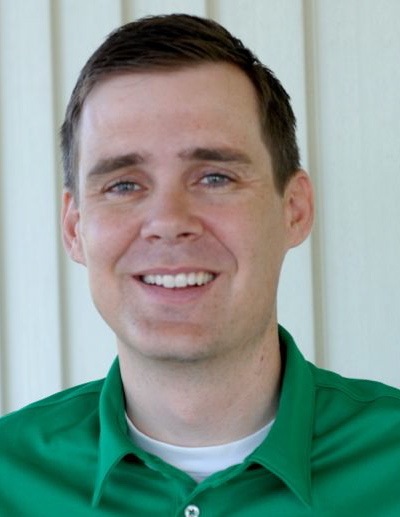
Earl Hall

Earl Hall, owner of Hall Management Corp.

Del Bosque was honored for his open farm policy of allowing bloggers and city folks to visit his operation and observe what farming is all about. He also hosted President Obama on an historic visit on Feb. 14 2014. Del Bosque farms almonds, melons, cherries and asparagus and relies on his farm employees to get the crops harvested. He also is a governor-appointed member of the California Water Commission, a public forum to discuss water issues, advise the Department of Water Resources (DWR) on water policy and decides what storage projects to build with 2014 Water Bond funding.

Hall’s Kerman-based company, Hall Management Corp, received the Baker Peterson Franklin’s Ag Business Award. Hall said his company manages the farm production and all of the labor—all of whom work directly for his company—for several different agricultural companies across 500 thousand acres. “We do business in 26 counties around the state,” said Hall. “I’ve been doing this for 50 years, and it’s quite an honor that our company has been recognized today as the ag business company of the year. I have to give all the credit to my people.

____________________

Founded in 1917, Baker Peterson Franklin, CPA, LLP is a full-service, locally-owned accounting and consulting firm in Fresno, California with a 45+ person staff.

With a membership of more than 1,400 businesses and organizations, the Fresno Chamber of Commerce promotes and supports the success of the regional business community through effective advocacy, education and relationship building.

2016-05-31T19:27:04-07:00November 3rd, 2015|
Go to Top