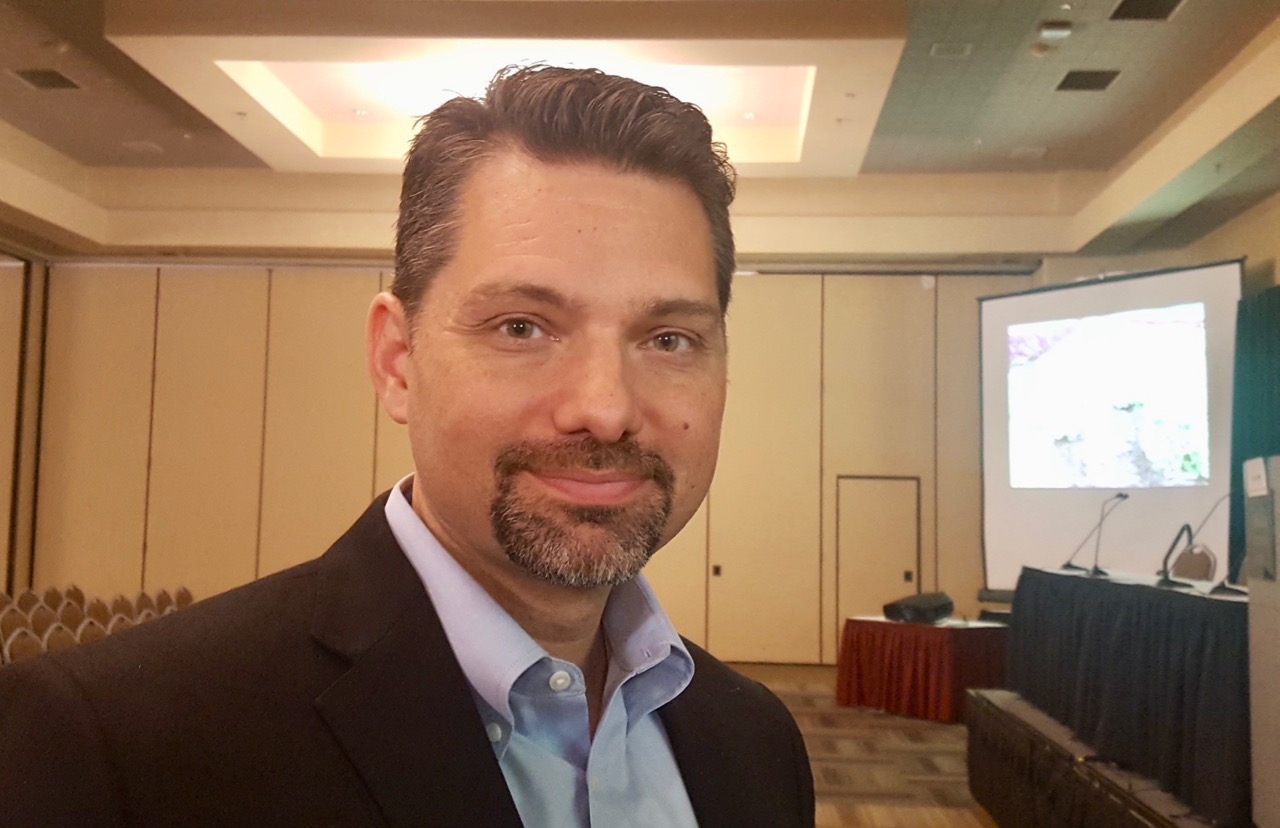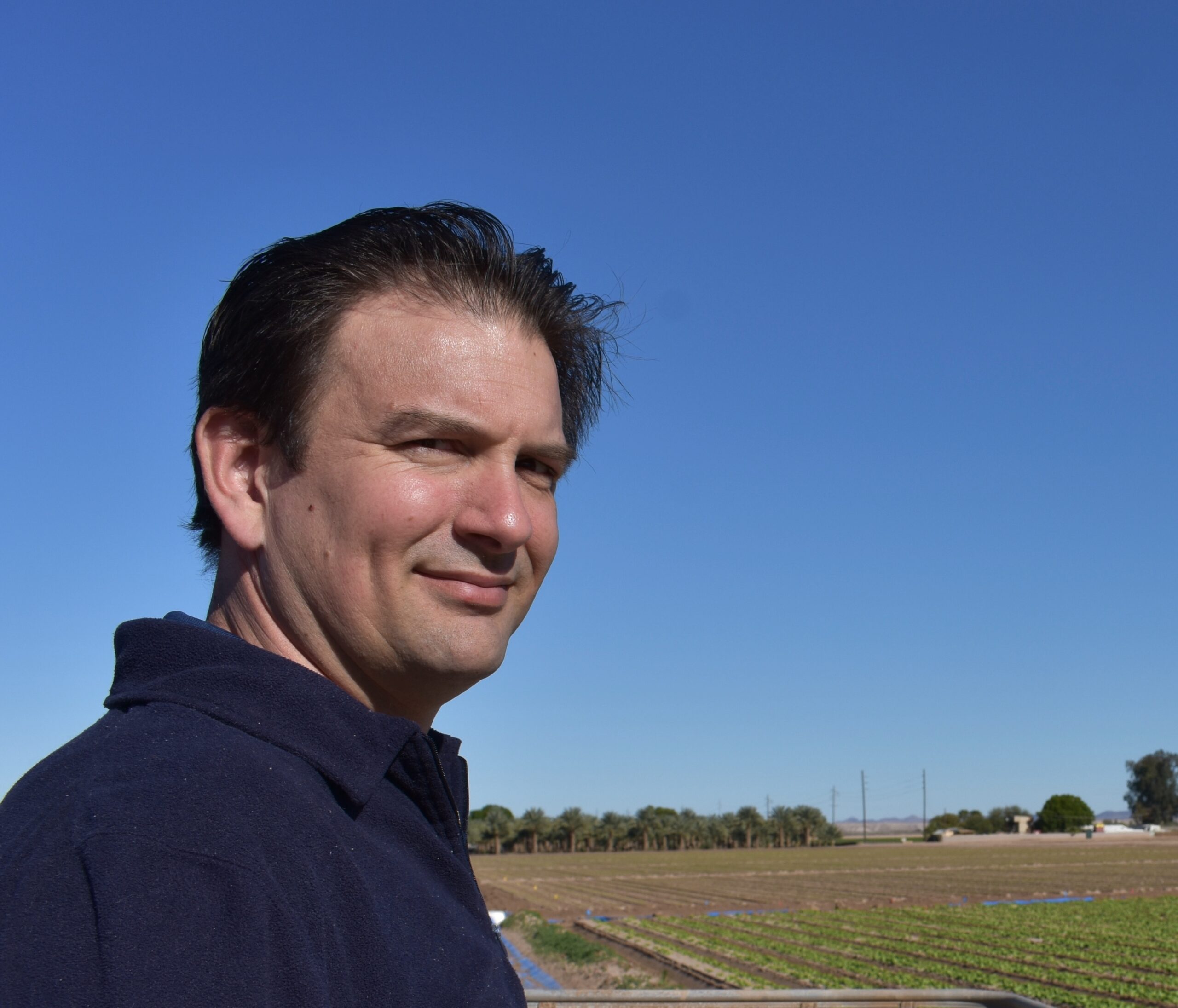
Roger Isom on New Legislation and PG&E

Big Question Marks for New Legislation and California Agriculture

By Mikenzi Meyers, Associate Editor

Californians are still trying to get a feel for new legislation, while agriculturalists wonder what they’ll be up against this year. According to Roger Isom, President and CEO of the Western Agricultural Processors Association and California Cotton Ginners and Growers Association, issues pertaining to water and PG&E are among the top concerns for Valley growers.

Last year, there was potential for a water fee and fertilizer tax combination that ended up not passing, but left growers to question what they will be faced with in the future.

“With the water situation the way it is, from a supply standpoint to the nitrate issue and drinking water, we know there’s going to be legislation on that,” Isom said.

Other than the continued concern of water, Isom added that perhaps one of the biggest question marks in California agriculture is how they will handle a potential PG&E bankruptcy. He explained that the state’s rates are already the highest in the country due to gas laws and renewable energy mandates, and he fears that an increase will only make a difficult situation almost impossible.

“We’re already looking at ratepayers being faced with huge liability from the fires last year. When you throw the Camp Fire on top of it, what does that mean for us?” he concluded

2019-03-06T16:41:30-08:00March 6th, 2019|

Funding for Friant-Kern Canal Repairs May Come

Senator Melissa Hurtado Introduces Bipartisan Bill to Fix Friant-Kern Canal

News Release

State Senator Melissa Hurtado (D-Sanger), representing the 14th Senate District in California, along with principal co-authors Senator Andreas Borgeas (R-Fresno), Assemblymember Devon Mathis (R-Visalia), Assemblymember Dr. Joaquin Arambula (D-Fresno), and Assemblymember Rudy Salas (D-Bakersfield), announced last week the introduction of Senate Bill 559.  The bipartisan-supported legislation will secure California’s water supply by investing $400 million in general funds towards the Friant-Kern Canal, one of the Central Valley’s most critical water delivery facilities.

Currently, the Friant-Kern Canal’s conveyance capacity has degraded due to several factors, including severe land subsidence caused by regional groundwater overdraft. A portion of the canal, roughly 20 miles long, has subsided twelve feet below its original design elevation, including three feet of subsidence from 2014 to 2017. As a result, the canal has suffered the loss of 60 percent of its carrying capacity—constricting the delivery of water to some of California’s most vulnerable communities.

“From 2012 to 2016, California experienced one of the most severe drought conditions. As a result, many of our farmers, families and entire communities within the Central Valley continue to experience limited access to one of their most fundamental rights—clean water,” Hurtado said.

“The Valley’s socioeconomic health depends on the conveyance of clean and safe water. Not only does this canal support nearly 1.2 million acres of family farms in California, but it provides one in every five jobs directly related to agriculture,” Hurtado continued. “For this reason, I am proud to stand with my colleagues to introduce SB 559. This legislation prioritizes our most disadvantage communities by restoring water supply in the Central Valley.”

“The Friant-Kern Canal has lost 60 percent of its carrying capacity in some locations. This problem threatens about 350,000 acres of highly productive farmland below the damaged portion of the canal, and also limit opportunities to maximize groundwater recharge projects that will be very important to helping the Valley comply with the Sustainable Groundwater Management Act,” said Jason Phillips, CEO of the Friant Water Authority. “On behalf of the farmers, businesses, and communities who rely on the Friant-Kern Canal, we very much appreciate Senator Hurtado’s leadership on this legislation.”

“Today, we are fighting for the future of the Central Valley, and I am pleased to join my colleagues in this bipartisan effort and support funding for the Friant-Kern Canal,” Borgeas said. “Valley farmers and our communities depend on this infrastructure to ensure a reliable supply of water. By restoring the canal to its fully operational state, we ensure the delivery of clean and reliable water supply to our communities and farmers. This investment in our water infrastructure is long overdue and critical for our valley.”

“California faces a stark reality when it comes to water,” Arambula said.  “Scarce water supplies, aging infrastructure and a growing population are some of the stressors on our state’s water system.  That is why we need real-time solutions to our long-term water challenges. Restoring the Friant-Kern Water Canal will help us protect our existing water supply while we work on reaching sustainable solutions that will get water out to our communities.”

“SB 559 is crucial to keep the Friant-Kern Canal, the largest artery for water on the east side of the Valley, afloat. This measure is extremely important to keep this economic engine which powers our economy and provides tremendous benefit locally, statewide and even nationally. Failing to fix the Friant-Kern Canal is not an option, simply because having water is never an option. I am proud to coauthor this measure with Senator Hurtado and look forward to bringing this funding to the Valley,” Mathis said.

“Water is the lifeblood of the Valley and the backbone of California’s economy.  Senate Bill 559 is a step towards bringing the Friant-Kern Canal to its full capacity and addressing the State’s critical water needs.  This measure will invest in our future by building water infrastructure projects and helping our local water districts fulfill their sustainable groundwater management plans,” Salas said.

“On behalf of the City of Porterville, I am very appreciative of our leaders’ efforts and support by introducing SB 559,” said Porterville Mayor Martha Flores.

“The Friant-Kern Canal is the lifeblood to the southeastern San Joaquin Valley, and the canal being fully-efficient with the ability to carry surface water to its designed capacity is essential, especially in consideration of the Sustainable Groundwater Management Act,” Flores continued. “The Friant-Kern Canal plays a valuable strategic role in the sustainability of Porterville as the city seeks to enhance its surface water recharge program and reduce its groundwater footprint.”

2019-03-04T17:05:32-08:00March 4th, 2019|

Dense Forest Floors Preventing Absorption

Forests Need Better Management, Despite Extreme Environmentalist Pushback

By Jessica Theisman, Associate Editor

Dense forest growth inhibits water saturation.  David Rogers, Madera county supervisor, explained to California Ag Today how less undergrowth will assist in water runoff in the forests.

“We have so much overgrowth in the forest that the snowpack wasn’t even making it to the ground,” he said.

The snow would sit on top of the vegetation and evaporate, thus never making it to the forest floor.

“Removing the vegetation is going to be an important component of restoring the health to the groundwater situation, because 60 percent of California’s water comes from the Sierra Nevadas,” Rogers said.

A 2013 study showed that 30 percent more water can be collected from the forest. This increase in water has been present in areas that have a healthy level of vegetation and not overcrowded. The overcrowded conditions have led to catastrophic fires, and it is important to manage those areas.

The burn areas of those fires are becoming a hazard.

“Not only does the soil runoff fill our reservoirs and mean dredging and all of those things, but what will return won’t be healthy vegetation,” Rogers said.

The vegetation that does return will be chaparral and absorb more water than the trees. The water would most likely be evaporated rather than absorbed.

“What was happening was there was no room for the snow to even hit the ground. It would sit on top like an ice sheet. It would evaporate from the top down and never get to the bottom,” Rogers explained.

Underground systems benefit from the forests; the runoff goes down through the rocks and crevices that in turn fill the rivers, streams, and wells.

“Our groundwater is dependent on that snowmelt going into the ground,” Rogers said. Filtered underground rivers are a result of the water absorbed into the ground; the forest floors need to be managed.” 

Editor’s Note: The image depicted in this article is exactly how a forest should be managed.

2021-05-12T11:05:05-07:00March 1st, 2019|

Roger Isom: Probable Electric Rate Hikes Raise Concern for Ag

California Agriculture Concerned Over PG&E Increases, Overtime Rules

By Mikenzi Meyers, Associate Editor

Water, labor, and air quality issues in California keep growers’ plates full of challenges, but with probable PG&E rate increases in the future, it seems they can’t catch a break. Roger Isom, President and CEO of the Western Agriculture Processors Association and California Cotton Ginners and Growers Association, is among those wondering how the industry is going to compete.

“We’ve been paying for a lot of those safety upgrades. What happened? I mean, we’ve got to let the investigation take place, but to saddle rate payers with that amount of money, we just can’t do it,” Isom said of the threat of rate increases.

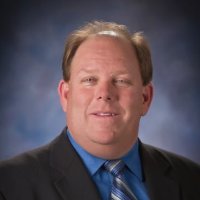
Roger Isom, president and CEO, Western Processors Association

Roger Isom, president and CEO, Western Processors Association (source: LinkedIn)

At the same time, the industry is still battling the effects of the Brown administration’s ruling on overtime.

“There are farm workers in 45 states that could work 20 hours a day, seven days a week, and never trigger overtime. We have to compete with that, and that’s just unacceptable,” Isom said.

Isom is optimistic about new appointments in California administration, though.

“You’ve got Jared Blumenfeld, who’s the new CalEPA Secretary. He was actually extremely helpful over there when we were working on incentives for replacing pumps and tractors,” Isom explained.

Isom also gave credits to Wade Crowfoot, who was on the previous administration and helped with port shutdowns.

“He’s going to hit up resources, which obviously with the water situation is a very critical agency for us. Seeing somebody over there that could be helpful is important,” he said.

2019-02-28T15:59:04-08:00February 28th, 2019|

Optimism Still Alive for Temperance Flat Dam

Hope on the Horizon, but Questions Still Unanswered for California Water Systems

By Mikenzi Meyers, Associate Editor

Funding awarded for the new Temperance Flat Dam may have fallen short, but hopes for construction are still very much alive. Jason Phillips, Director of Friant Water Authority and alumni of the San Joaquin Valley Water Infrastructure Authority, has insight as to why those involved with the project are still optimistic.

According to Phillips, the Temperance Flat project is being moved to a joint power authority (JPA), an action that was previously expected.

“Part of the process is to take the application that the water infrastructure authority submitted and move it to the implementing agency. So this is a really positive step moving forward for implementing the project,” Phillips explained.

He further added, “This is not the result of any kind of conflict. This is exactly what has been envisioned.”

Although progress is being made towards the Temperance Flat JPA, the question as to how existing water structures will be repaired still stands. After Californians failed to pass Prop 3, there has been much anticipation around issues like water supply and infrastructure restoration.

“We’re going to be working with this administration on whether another water bond might make sense or whether there are other mechanisms to help finance the infrastructure to keep farming viable in the valley,” Phillips said.

2019-02-26T15:41:20-08:00February 26th, 2019|

Groundwater Agencies Formulating Plans for SGMA

Groundwater Sustainability Will Be Focus of New Rules

By Jessica Theisman, Associate Editor

Groundwater agencies up and down the state are formulating initial plans for growers in their areas to reduce overdraft pumping of groundwater as they prepare for the Sustainable Groundwater Management Act regulations that will kick in around 2040. Ron Samuelian is a civil engineer with Provost and Pritchard consulting group, with offices around the state. He spoke with California Ag Today about their role as an engineering firm regarding helping growers with SGMA.

Ground Water Pumps

At the moment, a lot of the work is related to a plan. Using hydrogeology, they are figuring out the water budget, its impact, the amount of overdraft occurred, and how to monitor this in the future.

“But maybe most importantly, how are we going to fix it and what are we going to do about it? I think that is where we really come in. We understand not only ag but, urban and all of the other uses,” Samuelian said.

The goal of SGMA is to be in balance in 2040.

“In terms of sustainability over time, we have seen a decline in our water table. At a given well, the water level might bounce up and down, but the general trend has been to decline a 1 to 5 feet a year, depending on location,” Samuelian explained.

In 2040, the trend is supposed to be flat.

2019-02-15T15:54:21-08:00February 15th, 2019|

Jim Patterson on Governor Newsom’s High Speed Rail Project Admissions

Patterson: “They Never Had the Land, They Never Had the Money”

News Release from Assembly Member Jim Patterson

Governor Newsom put the final nail in the coffin of high speed rail recently. His admission that this project will never go from Los Angeles to San Francisco as voters intended echoes what I have been warning about for years. The results of the audit I requested provided indisputable proof that there is no way forward. They never had the land, they never had the money, and now we know that it will never be a reality.

Jim Patterson

Governor Newsom also confirmed today that if California doesn’t finish the Bakersfield to Madera portion of the track, we will be forced to repay $3.5 billion in federal funds.

With this stunning turn of events, Central Valley rail supporters and skeptics, must band together to make sure we are left with a functional track. After tearing up prime Ag land and ripping up the heart of our cities, we must ensure that we aren’t left with the unfinished scraps of a failed project.

“The only way this bureaucracy works is by keeping the pressure on. Today’s turn of events is proof of that.

2019-02-13T16:52:57-08:00February 13th, 2019|

Pests and Diseases Cause Worldwide Damage to Crops

Pests and Pathogens Place Global Burden on Major Food Crops

By Pam Kan-Rice, UC Agriculture & Natural Resources

Scientists survey crop health experts in 67 countries and find large crop losses caused by pests and diseases

Farmers know they lose crops to pests and plant diseases, but scientists have found that on a global scale, pathogens and pests are reducing crop yields for five major food crops by 10 percent to 40 percent, according to a report by a UC Agriculture and Natural Resources scientist and other members of the International Society for Plant Pathology. Wheat, rice, maize, soybean, and potato yields are reduced by pathogens and animal pests, including insects, scientists found in a global survey of crop health experts.

At a global scale, pathogens and pests are causing wheat losses of 10 percent to 28 percent, rice losses of 25 percent to 41 percent, maize losses of 20 percent to 41 percent, potato losses of 8 percent to 21 percent, and soybean losses of 11 percent to 32 percent, according to the study, published in the journal Nature, Ecology & Evolution.

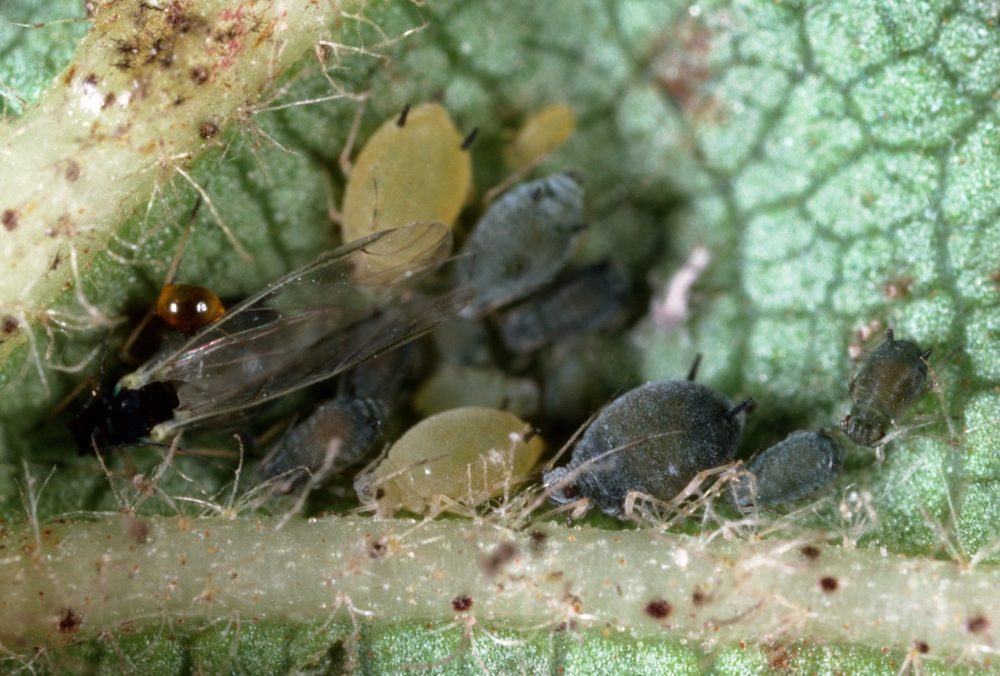
Viruses and viroids, bacteria, fungi and oomycetes, nematodes, arthropods, molluscs, vertebrates, and parasitic plants are among the factors working against farmers.

Food loss

“We are losing a significant amount of food on a global scale to pests and diseases at a time when we must increase food production to feed a growing population,” said co-author Neil McRoberts, co-leader of UC ANR’s Sustainable Food Systems Strategic Initiative and Agricultural Experiment Station researcher and professor in the Department of Plant Pathology at UC Davis.

While plant diseases and pests are widely considered an important cause of crop losses, and sometimes a threat to the food supply, precise figures on these crop losses are difficult to produce.

“One reason is because pathogens and pests have co-evolved with crops over millennia in the human-made agricultural systems,” write the authors on the study’s website, globalcrophealth.org.  “As a result, their effects in agriculture are very hard to disentangle from the complex web of interactions within cropping systems. Also, the sheer number and diversity of plant diseases and pests makes quantification of losses on an individual pathogen or pest basis, for each of the many cultivated crops, a daunting task.”

“We conducted a global survey of crop protection experts on the impacts of pests and plant diseases on the yields of five of the world’s most important carbohydrate staple crops and are reporting the results,” McRoberts said. “This is a major achievement and a real step forward in being able to accurately assess the impact of pests and plant diseases on crop production.”

The researchers surveyed several thousand crop health experts on five major food crops – wheat, rice, maize, soybean, and potato – in 67 countries.

“We chose these five crops since together they provide about 50 percent of the global human calorie intake,” the authors wrote on the website.

The 67 countries grow 84 percent of the global production of wheat, rice, maize, soybean and potato.

Top pests and diseases

The study identified 137 individual pathogens and pests that attack the crops, with very large variation in the amount of crop loss they caused.

For wheat, leaf rust, Fusarium head blight/scab, tritici blotch, stripe rust, spot blotch, tan spot, aphids, and powdery mildew caused losses higher than 1 percent globally.

In rice, sheath blight, stem borers, blast, brown spot, bacterial blight, leaf folder, and brown plant hopper did the most damage.

In maize, Fusarium and Gibberella stalk rots, fall armyworm, northern leaf blight, Fusarium and Gibberella ear rots, anthracnose stalk rot and southern rust caused the most loss globally.

In potatoes, late blight, brown rot, early blight, and cyst nematode did the most harm.

In soybeans, cyst nematode, white mold, soybean rust, Cercospora leaf blight, brown spot, charcoal rot, and root knot nematodes caused global losses higher than 1 percent.

Food-security “hotspots”

The study estimates the losses to individual plant diseases and pests for these crops globally, as well as in several global food-security “hotspots.” These hotspots are critical sources in the global food system: Northwest Europe, the plains of the U.S. Midwest and Southern Canada, Southern Brazil and Argentina, the Indo-Gangetic Plains of South Asia, the plains of China, Southeast Asia, and sub-Saharan Africa.

“Our results highlight differences in impacts among crop pathogens and pests and among food security hotspots,” McRoberts said. “But we also show that the highest losses appear associated with food-deficit regions with fast-growing populations, and frequently with emerging or re-emerging pests and diseases.”

“For chronic pathogens and pests, we need to redouble our efforts to deliver more efficient and sustainable management tools, such as resistant varieties,” McRoberts said. “For emerging or re-emerging pathogens and pests, urgent action is needed to contain them and generate longer term solutions.”

The website globalcrophealth.org features maps showing how many people responded to the survey across different regions of the world.

In addition to McRoberts, the research team included lead author Serge Savary, chair of the ISPP Committee on Crop Loss; epidemiologists Paul Esker at Pennsylvania State University and Sarah Pethybridge at Cornell University; Laetitia Willocquet at the French National Institute for Agricultural Research in Toulouse, France; and Andy Nelson at the University of Twente in The Netherlands. 

UC Agriculture and Natural Resources researchers and educators draw on local expertise to conduct agricultural, environmental, economic, youth development and nutrition research that helps California thrive. Learn more at ucanr.edu.

2021-05-12T11:05:06-07:00February 11th, 2019|

More Effort in Bee Protection

The Current Bee Buzz with CAPCA CEO Ruthann Anderson

By Mikenzi Meyers, Associate Editor

With spring right around the corner, it is crucial that farmers and beekeepers are working together to ensure bee protection. Ruthann Anderson, CEO for the California Association of Pest Control Advisers (CAPCA) is adamant about the communication between the two.

Anderson has been in correspondence with Ag Commissioners to create a reliable system in response to the AB-2468 law signed last year.

“The registry will come through a few different portals, but it will all go into CalAg Permits, into their sensitive site layer,” Anderson said.

She further explained that through this layer, the applicator can access beekeepers within a mile and request information.

CAPCA CONFERENCE 2016 audience

Ruthann Anderson, CAPCA CEO

“That communication in the field is so important for us, especially during almond bloom, but even beyond that, it is just education of beekeepers. Helping them understand what the rules and regulations are and how they are set up to provide them the privacy they are requesting,” Anderson said.

2019-02-06T16:42:52-08:00February 6th, 2019|

Almond Board of California Election Under Way

Almond Industry Is Urged to Vote for Grower Positions on Almond Board of California

News Release

Voting began Jan. 31 to select two independent grower member and alternate positions and one independent handler member and alternate position on the Almond Board of California (ABC) Board of Directors. These positions will serve terms beginning on March 1.

Candidates for the independent grower position are:


Position One, Member (One-year term):

Brad Klump, Escalon (petitioner)


Position One, Alternate:

Mike Mason, Wasco (petitioner)

Position Two, Member (Three-year term):

Brian Wahlbrink, Waterford (incumbent)

Dave DeFrank, Fresno (petitioner)


Position Two, Alternate:

Bill Harp, Bakersfield (incumbent)

Candidates for the independent handler positions are:


Position Three, Member (One-year term):

Micah Zeff, Modesto (incumbent)

Position Three, Alternate:

Jonathan Hoff, Denair (petitioner)

Ballots and instructions have been mailed to all independent growers whose names are on file with ABC. The Almond Board must receive ballots by Feb. 16, for them to be counted. If any independent grower or handler does not receive a ballot, one may be obtained by contacting Bunnie Ibrahim, senior analyst, Government Affairs, ABC, at (209) 343-3228.

As a governing body for the industry, the ABC Board of Directors is composed of five handler and five grower representatives who set policy and recommend budgets in several major areas, including production research, public relations and advertising, nutrition research, statistical reporting, quality control, and food safety.

2019-02-05T16:31:52-08:00February 5th, 2019|
Go to Top