Farmers Devastated by Latest Romaine Lettuce Outbreak
|
||
|

|
||
|

In response to passage of the Farm Workforce Modernization Act by voice vote in the House Judiciary Committee, Nov.20, Western Growers President & CEO Tom Nassif issued the following statement:
“Western Growers applauds today’s passage of the Farm Workforce Modernization Act in the House Judiciary Committee. We thank the lead authors, Congresswoman Zoe Lofgren and Congressman Dan Newhouse, and the bipartisan group of legislators who have negotiated and supported this bill.
“Throughout the U.S., agriculture is experiencing a critical shortage of labor that jeopardizes our ability to continue producing an abundant, safe and affordable domestic food supply. Securing a reliable and skilled workforce is critical to the future viability of America’s family farms,” said Nassif.
This bill does exactly that.
“By protecting existing, experienced farm workers, and streamlining the agricultural guest worker program to provide a more accessible, predictable and flexible future flow of labor, the Farm Workforce Modernization Act contains real solutions to the labor crisis facing the industry.
“This bipartisan bill, which has 29 Democratic and 23 Republican co-sponsors, has been carefully crafted through a series of difficult stakeholder-driven negotiations, and has garnered the widespread support of nearly 300 agricultural organizations across the country, as well as the U.S. Chamber of Commerce and farm worker unions.
“While the Farm Workforce Modernization Act is not perfect, we remain committed to working through the legislative process to address our outstanding concerns, and encourage to Speaker to bring this bill before the House floor for a vote as soon as possible.”

|
|
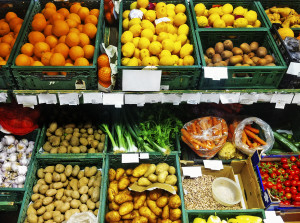
The California Department of Food and Agriculture (CDFA) has been awarded a Gus Schumacher Nutrition Incentive Program (GusNIP) grant of $7,166,877 from the U.S. Department of Agriculture (USDA) to fund nutrition incentives at Certified Farmers Markets and small retailers throughout the state.
The grant will help fund the California Nutrition Incentive Program (CNIP), which offers nutrition incentives to CalFresh shoppers utilizing benefits at participating farmers markets and retail outlets. For every CalFresh benefit dollar spent, CNIP offers CalFresh shoppers an additional dollar to spend on California-grown fruits and vegetables, within set parameters. This incentive is intended to empower CalFresh shoppers to increase their consumption of healthy fruits and vegetables.
“CNIP addresses food insecurity and access to fresh fruits and vegetables among low-income Californians while simultaneously supporting and expanding markets for California farmers,” CDFA Secretary Karen Ross said. “We’re honored to have been awarded a GusNIP grant for the second time to help continue this good work.”
CNIP began in 2017 and is administered by CDFA’s Office of Farm to Fork (CDFA-F2F), which leads CDFA’s food access work. The GusNIP award is matched by state funds to provide funding for incentives, program operations, and marketing and outreach. CDFA will work with seven partner organizations, chosen through a competitive grant process, to implement the program.
“The California Nutrition Incentive Program is a crucial program that I continue to champion because increasing access to farmers markets helps residents improve their health,” said Assemblymember Phil Ting (D-San Francisco), Chair of the Assembly Budget Committee, who authored legislation to create the program. “This $7.1 million federal grant is great news and ensures that those who can’t always afford fresh, locally grown produce can now do so. Nutritious food is the foundation for good health.”
More information about CNIP, its grantees and participating retail outlets can be found at https://cafarmtofork.cdfa.ca.
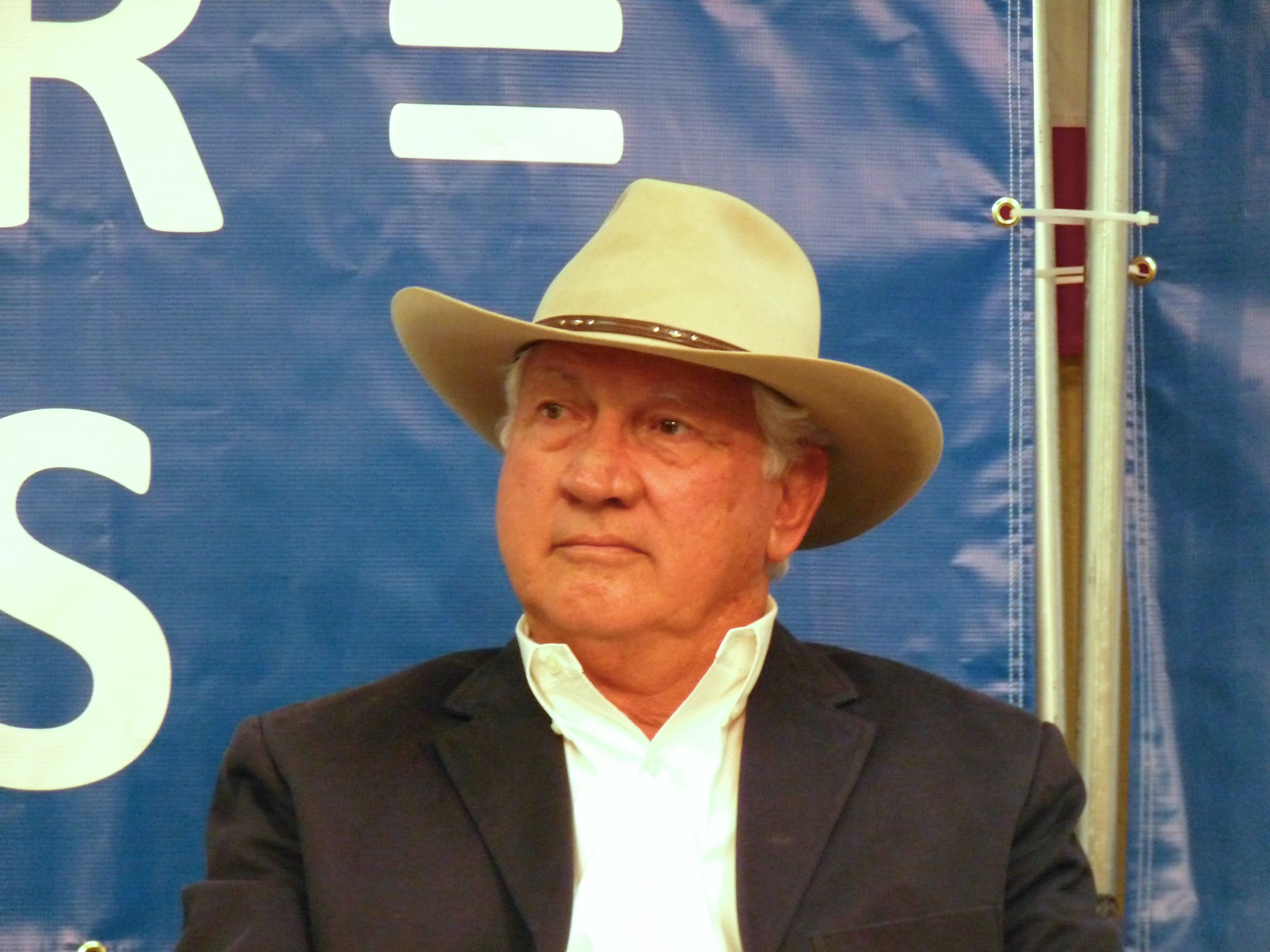
We spoke with Joe Del Bosque, a diversified grower in Western Fresno and Madera Counties. He farms Almonds, Cherries, asparagus and cantaloupes. He is concerned about the lack of rain.
“We started the water year in pretty good shape with the most of our reservoirs above normal and I think they’re probably still in pretty good shape,” said Del Bosque. “But of course right now it’s starting out like a dry year.”
“We typically have some rains up in the north part of the state by this time of year. And the last time I checked the pumps of the Delta were not running for quite some time there and so we were not picking up hardly any water,” he said.
And, any water coming through those pumps ends up in the San Louis Reservoir. “And the San Louis Reservoir water level was dropping, but hopefully we can pick up more water here as we get into the rainy season.
The fear is that it doesn’t look like any storms, even in the short to long-term forecast.
“That’s exactly right. That’s what I’m seeing. There’s nothing in the near future, at least the next couple of weeks. So yeah, it’s starting to concern us. Absolutely,” noted Del Bosque.
The Almond Board of California (ABC) is proud to announce the winner of this year’s Mummy Shake Video Contest – the Scheel family!
The Scheels are third-generation almond growers in the Ripon/Manteca area. In their video, Amber Scheel dances along to the Mummy Shake while donned in typical mummy garb, with interludes of a side-to-side sway with her mother, Karen, and an appearance from her father Dave, who manages the family’s farming operation.
“When we received a flyer in the mail about the contest, we were so excited to make a video,” said Amber. “I dance professionally, and the contest called for singing and dancing, which is right in my wheelhouse.
“I really wanted to be true to the era of music that the Monster Mash, which inspired the Mummy Shake, came from. I watched 1950’s dance videos and old movies with monsters in them to get inspired. But, of course, in some cases the lyrics told me what to do, like doing ‘The Worm’ to represent ‘navel orangeworm spouses.’”
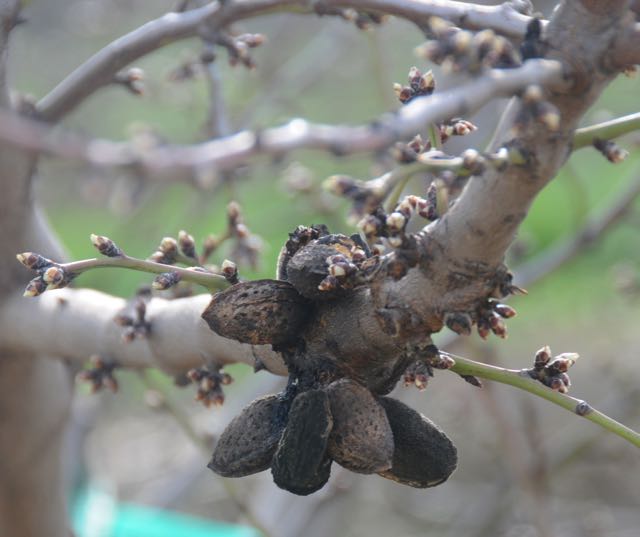
The Almond Board created the parody song “The Mummy Shake” to help remind growers to break the link between Navel Orangeworm (NOW) and mummy nuts. Now finished with its second year, ABC’s Mummy Shake Video Contest encourages industry members to gather up their friends and family, don their Halloween costumes and dance along to the song in the spirit of both Halloween and the need go back into the orchard postharvest to remove mummy nuts. Participants had from Sept. 16 to Nov. 4 to submit their fun video entries.
Winter Sanitation Should Not be Ignored…
Winter is the time to remove and destroy mummy nuts that harbor NOW larvae, which can hatch in the spring and wreak havoc in the orchard. By removing the nuts, growers are eliminating both a shelter and food source for these overwintering pests. This practice falls in line with the Integrated Pest Management (IPM) program for NOW, established by the University of California with support from ABC, which includes different tactics to combat this pest depending on the time of the year.
“Winter sanitation is the core of IPM programs,” said UCCE farm advisor David Haviland, whose family won the contest last year. In their video, Haviland’s sons dressed in super hero costumes and used their super powers to remove mummy nuts from the trees.
…Let’s Follow Tips from the Almond Board!
Growers should keep these key tips in mind when preparing to remove mummy nuts from their orchards and do the “mummy shake”:
Growers should knock all mummies off their trees no later than Jan. 15.
To note: Winter sanitation is most effective when dew has formed or after it’s rained because mummy nuts will have absorbed some moisture, making them heavier and more likely to fall. In addition, a wet orchard floor helps to increase NOW mortality rates.
Both hard- and soft-shell varieties can harbor overwintering NOW, so growers must be sure to remove mummies in both types.
Growers should aim to have fewer than two mummies per tree before bud swell (around Feb. 1). However, growers in the San Joaquin Valley should aim for less than one mummy per tree.
Once on the ground, mummy nuts should be swept into windrows and destroyed either by flail mowing or disking them into the soil, by March. 15.
“We’ve been stressing the importance of winter sanitation for many years, but with increased levels of insect damage in recent crops we decided to shake things up to get growers’ attention,” said Daren Williams, senior director of Global Communications at the Almond Board. “A parody of the Halloween classic ‘Monster Mash’ seemed like a perfect fit given the timing, coinciding with the end of harvest, and the video contest is a fun way to engage growers and their families to spread the word on a serious issue.”
The Scheel family’s winning video, shown below, will be featured at The Almond Conference 2019, held Dec. 10-12 at Cal Expo in Sacramento, among all other submissions in a fun video mash up. There’s still time to register for this premier industry event – visit AlmondConference.com to RSVP for luncheons, book a hotel and check out this year’s agenda.
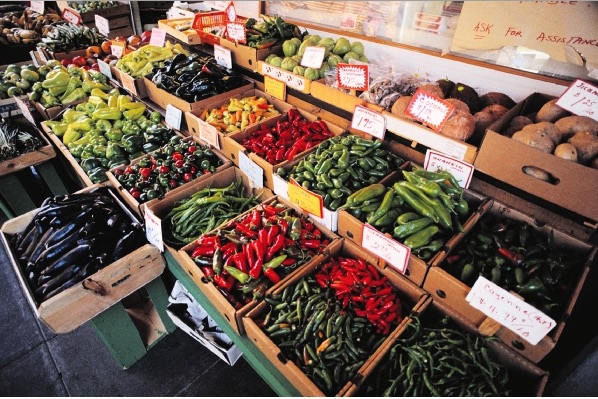
New Report Seeks to Reassure Consumers, Calm Unwarranted Safety Fears re: PesticideThis time of year, food becomes a primary focus of conversation as we turn our thoughts to colder weather, cozy family dinners and the holidays. Food should be a source of fun, healthiness and good flavors – it should not be a source of fear. But, when it comes to fruits and vegetables, some groups actively promote inaccurate messaging designed to evoke fear in an effort to promote one farming method over others. Study after study and government sampling programs repeatedly confirm the safety of produce. Decades of studies also show the significant health benefits of a diet rich in fruits and vegetables, including the prevention of diseases and increased lifespan. Yet these groups continue promoting disparaging messaging and have even increased the veracity of their statements in recent promotional efforts. Even more concerning is this is done in light of peer reviewed research which is showing that when consumers are exposed to inaccurate messaging about “high” residues, they state they are less likely to purchase any produce – organic or conventionally grown. With only one in 10 Americans eating enough produce each day, registered dietitians and nutritionists have a hard enough time working with clients and consumers on overcoming barriers to consumption, now they also have to counter safety fears? Doesn’t seem right. Now a new report seeks to reassure consumers by describing how information from complex risk assessments can be misinterpreted in news stories and by certain groups. “Consumers should feel confident, rather than uncomfortable, when purchasing fruits and vegetables,” says Dr. Carl K. Winter, Cooperative Extension Food Toxicology Specialist Emeritus at the University of California, Davis, and chair author of the Council of Agriculture Science and Technology publication. Continue reading blog post. |
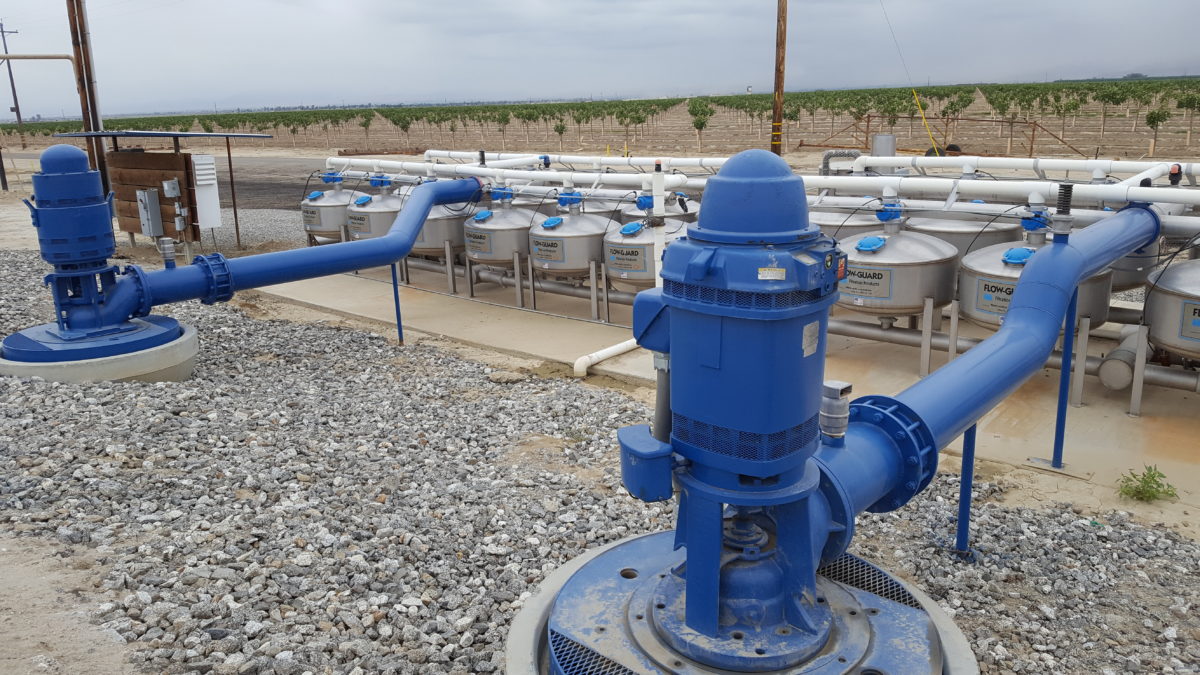
SGMA uses Department of Water Resources Bulletin 118 to define basins and sub basins and assign them numbers. The San Joaquin Valley Basin is number 5-22. Within it are sub basins with their numbers following a decimal. Each sub basin one Groundwater Sustainability Agency or several, but DWR will only recognize one representative GSA per sub basin. Each GSA must develop a Groundwater Sustainability Plan on its own or as a contribution to an overarching GSP as again, DWR will only deal with one GSP per sub basin.

Don Wright
Many of the sub basins with multiple GSAs are combining each of the GSAs’ GSPs into one overarching GSP. Most of the GSAs have released public drafts of their GSPs for review and comment. The following is a list of GSP links. When possible the links go directly to the GSP but many of the links take you to a page that has additional links to the GSPs. Some of them I haven’t found.
Merced Sub Basin 5-22.04
The Merced Sub Basin has formed three Groundwater Sustainability Agencies (GSAs): the Merced Irrigation-Urban Groundwater Sustainability Agency, the Merced Sub Basin Groundwater Sustainability Agency, and the Turner Island Water District Groundwater Sustainability Agency.
Chowchilla Sub Basin 5-22.05
The Chowchilla Sub Basin has four GSAs: Chowchilla WD, Triangle T WD, Madera County and Merced County
GSP https://www.maderacountywater.com/chowchilla-subbasin/
Madera Sub Basin 5-22.06
The Madera Sub Basin has seven GSAs: Madera County GSA, City of Madera GSA, Madera Irrigation District, Root Creek Water District, Madera Water District, Gravelly Ford Water District, New Stone Water District.
GSP https://www.maderacountywater.com/madera-subbasin/
Delta Mendota Sub Basin 5-22.07
The Delta Mendota Sub Basin has 24 GSAs: the Counties of Merced, Madera and Fresno, the Cities of Dos Palos, Firebaugh, Gustine, Los Banos, Mendota, Newman and Patterson, San Joaquin River Exchange Contractors Water Authority, Turner Island WD, Ora Loma WD, DM-II, Northwestern Delta Mendota, Patterson ID, West Stanislaus ID, Widren WD, Central Delta Mendota Regional Multi-Agency, Farmers WD, Aliso WD and Grasslands.
Kings River Sub Basin 5-22.08
The Kings River Sub Basin has seven GSAs: James ID, North Kings, McMullin Area, Kings River East, Central Kings, North Fork Kings and South Kings.
GSP
North Kings https://drive.google.com/file/d/1CgjQ4-oY3AVaKXOexcJnyi3gaVhk5DPM/view
Westside Sub Basin 5-22.09
The Westside Sub Basin has one GSA: Westlands WD
Kaweah River Sub Basin 5-22.11
The Kaweah River Sub Basin has three GSAs: Eastern Kaweah, Mid Kaweah and Greater Kaweah.
GSP East Kaweah
https://ppeng.sharefile.com/share/view/sd08385c0b564a85a/fo4153c4-8351-4fc2-ae23-87be2dbeb1f0
Mid Kaweah https://www.midkaweah.org/documents
Greater Kaweah http://greaterkaweahgsa.org/resources/groundwater-sustainability-plan/
Tulare Lake Sub Basin 5-22.12
The Tulare Lake Sub Basin has seven GSAs; South Fork Kings, Mid Kings, Alpaugh ID, El Rico, Mid Kings River, South Fork Kings and Tri County WA
Tule River Sub Basin 5-22.13
The Tule River Sub Basin has six GSAs: Alpaugh, Delano-Earlimart, Lower Tule River, Pixley, Eastern Tule and Tri-County
https://drive.google.com/drive/folders/1P1M5tayhYI0Jc0-8Tm1o832nQ8WBBibj
Kern Sub Basin 5-022.14
The Kern Sub Basin went from two GSAs to 11 since SGMA began.
Kern River http://www.kernrivergsa.org/?page_id=966
Buena Vista WSD http://bvh2o.com/BVGSA-GSP-DRAFT.pdf
Kern Groundwater Authority http://www.kerngwa.com/gsp.html
Semitropic WSD
Olcese WD https://olcesewaterdistrict.org/sgma/West Kern WD
Arvin Edison WSD http://www.aewsd.org/
Tejon Castaic WD
Wheeler Ridge Maricopa WD

California hemp growth registrations skyrocketed in 2019 due to federal decriminalization and a nationwide demand for hemp-derived products. A full-fledged statewide hemp industry has not quite arrived however, due to new regulations and limitations placed on hemp-based CBD products.
Hemp is defined as cannabis with extremely low concentrations of THC (not more than 0.3 percent on a dry weight basis). The Food and Drug Administration (FDA) prohibits CBD in food, beverages and cosmetics, regardless of whether the CBD is derived from cannabis that includes THC (the psychoactive constituent of cannabis) or from hemp.

California Hemp Field
On Oct. 29, the U.S. Department of Agriculture (USDA) released its long-awaited interim rule for domestic hemp production, which is a key step in implementing the 2018 Farm Bill and allows the USDA to approve hemp production plans developed by individual states. California is in the process of creating such a plan, and once it is approved, the state’s hemp industry is expected to expand.
Federal and State Laws
During the past year, California’s fledgling hemp businesses have waited patiently for the federal interim rule and closely monitored two bills that state legislators introduced to take advantage of a vast new hemp business opportunity. As the legislative session came to a close, results on the bills were mixed.
In mid-October, Governor Gavin Newsom approved SB 153, which modified California hemp regulations so that they would align with the anticipated interim rule. In contrast, state lawmakers failed to decide on AB 228, which would have legalized the statewide manufacture and sale of food, beverages and cosmetics that include hemp-derived CBD. The bill died in the Senate Appropriations Committee without a vote.
Following the lead of a handful of other states, including Colorado and Oregon, California Assemblymember Cecilia Aguiar-Curry (D-Winters) tried to address the federal CBD disconnect through AB 228. AB 228 contradicted the FDA, which deems products with CBD as “adulterated,” and prohibits them from being introduced into interstate commerce.
The FDA’s position is based on its decision to approve CBD as an active ingredient in the pharmaceutical drug Epidiolex, which treats a rare form of epilepsy. In turn, the FDA deems CBD to be like all other active drug ingredients, which may not be added to food and dietary supplements. Aguiar-Curry vowed to bring back AB 228 in early 2020.
Thus far, the California Department of Public Health (CDPH) has followed the FDA’s restrictions on CBD. Meanwhile, one can find hemp-derived CBD wellness products in small health food stores, as well as large chain supermarkets, which has caused confusion among consumers statewide.
The FDA and CDPH prohibition is seen by many as inconsistent with the spirit of the 2018 Farm Bill, which generally approved the production and sale of hemp, as well as the interstate commercial transfers of hemp and hemp products, including hemp-derived CBD. The Farm Bill decriminalized hemp by removing it from the Controlled Substances Act, but the bill did not remove marijuana. The federal government has long described marijuana as cannabis that includes more than trace amounts of THC. California, however, regulates a commercial cannabis industry separate from hemp.
Representatives in Congress are starting to awaken to issues surrounding the FDA’s CBD prohibition. Senate Majority Leader Mitch McConnell has taken baby steps to resolve the problem. In mid-September, McConnell introduced a bill that could result in the FDA adopting a more lenient framework for hemp-derived CBD products. Specifically, the legislation directs the FDA to issue “an enforcement discretion policy” that would give the agency latitude and possibly lead to recognition that CBD products are safe.
Industry Growth
Legislative hiccups and regulatory confusion aside, the California hemp industry is gaining momentum. Q3 statistics from the California Department of Food and Agriculture show that the number of registered hemp growers in California increased from 74 in June 2019 to 292 as of August 26. In addition, there are now at least 629 registered hemp cultivation sites and 17,571 acres associated with growers and seed breeders.
Under the 2018 Farm Bill, counties may only allow limited cultivation pilot programs until the USDA confirms that their state’s hemp plan conforms with federal rules. However, until the USDA’s interim rule issuance on Oct. 29, there was a chicken-and-egg problem. California and other states have struggled to draft federally compliant hemp plans not knowing exactly what to expect in the interim rule. As a result, at least half of California countries have temporary bans or restrictions on hemp cultivation.
The federal interim rule clarifies states’ hemp regulation responsibilities, including practices for record keeping, methods for testing hemp to ensure that it is below the legal THC limit, and plans for the proper disposal of non-compliant hemp. In addition, the interim rule makes it clear that states and Native American tribes may not prohibit the interstate transport of hemp that has been legally grown under federal and state laws.
California is said to now be working on its hemp conformance plan. SB 153 aids that effort by adding testing, enforcement, and other administrative provisions and extending the state’s deadline for completing a federal hemp conformance plan from Jan. 31, 2020 to May 1, 2020.
Despite an evolving legal landscape, the California hemp industry is gearing up for a big 2020. The publication of the interim rule and support for legalizing hemp-derived CBD products should propel the California hemp industry closer to a wide-open market.
Rob Selna an attorney for Wendel Rosen, with offices in Oakland an Modesto. He is an active member of the firm’s Land Use, Real Estate, and Cannabis practices, and represents clients in a wide range of transactional and regulatory matters. He chairs the firm’s Cannabis practice group and frequently writes and speaks on related legal issues.
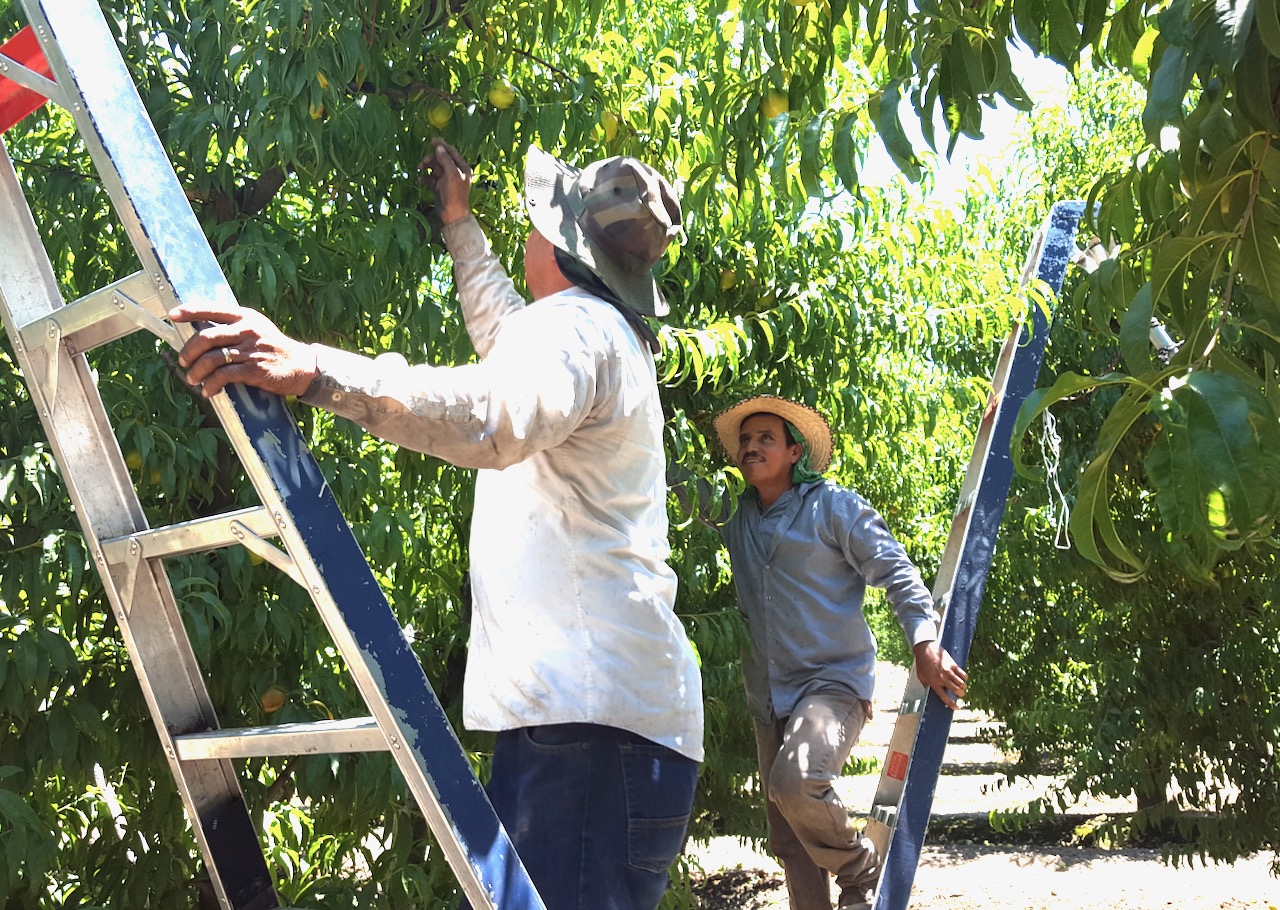
Noting that California farmers and ranchers have long sought reforms and improvements to immigration laws that would enhance the lives of agricultural employees and their families, the California Farm Bureau Federation said it supports a bipartisan bill introduced today.
The Farm Workforce Modernization Act of 2019, introduced by Reps. Zoe Lofgren, D-San Jose, and Dan Newhouse, R-Wash., would improve agricultural visa programs and accommodate immigrant agricultural employees already in the United States, while assuring border security.
“This comprehensive legislation contains key elements that address current and future workforce needs for agricultural employers and employees in California and throughout the nation,” CFBF President Jamie Johansson said. “The reforms in the Farm Workforce Modernization Act of 2019 will provide much-needed solutions for agricultural employers and employees.”
The act would allow immigrant agricultural employees in the United States to earn legal status through continued agricultural employment.
“We need to deal fairly with the existing agricultural workforce and their immediate families,” Johansson said. “The people who work on farms and ranches are valued members of rural communities. Their contributions to our communities and our food system should be recognized by allowing them a chance to gain legal status.”
The bill would also modernize and streamline the existing H-2A agricultural visa program, to provide more flexibility for employers and ensure critical protections for foreign employees.
“Improvements to the H-2A program would make it much more flexible and valuable to California farm employers and employees,” Johansson said. “For example, a pilot program in the bill would allow H-2A employees to move from farm to farm for employment, a portability option California producers have long sought. And, for the first time, the bill would accommodate guestworker visas for year-round operations such as dairies and nurseries.”
The California Farm Bureau Federation works to protect family farms and ranches on behalf of nearly 36,000 members statewide and as part of a nationwide network of nearly 5.6 million Farm Bureau members.
It is with great excitement that California Citrus Mutual announces our support for the “Farm Workforce Modernziation Act” introduced today by Congresswomen Zoe Lofgren, chair of the Judiciary Committee.
“We applaud Congresswoman Zoe Lofgren and members of the California congressional delegation that provided leadership on this critical issue,” states California Citrus Mutual President Casey Creamer. “The Farm Workforce Modernization Act creates a pathway to securing a legal workforce now and in the future while also providing stability and security to our employees and their families.
“This legislation is critical to the sustainability of the fresh produce industry and our continued ability to grow fresh and healthy citrus products in California. The existing system is out-of-date and does not meet the needs of employers or employees. We must put aside political differences and create a reasonable solution. California Citrus Mutual remains committed to working with our partners, Representative Lofgren, and members of Congress to resolve outstanding concerns and reach a deal that can supported in the United States Senate and signed by the President,” continues Creamer.
“On behalf of Western Growers members, farmers across the country who depend on an adequate supply of labor for their livelihoods, and American consumers who prefer a safe and secure domestic food supply, we wish to thank Representatives Zoe Lofgren and Dan Newhouse for approaching the agricultural labor crisis in a thorough, practical and bipartisan manner.
“The Farm Workforce Modernization Act addresses two critical needs for American agriculture – to retain existing, experienced workers and to ensure a reliable future flow of guest workers. Furthermore, after a satisfactory transition period, the bill includes E-Verify for agricultural employers, demonstrating the commitment our industry has made toward a long-term labor solution.
“The introduction of this bill, which is the product of many months of dedicated work and careful negotiation between legislators, staff, and key stakeholders, constitutes an agreement that few thought was possible. However, this is just the beginning. What lies ahead is a very important process that will require the support of both political parties and the President.
“The Farm Workforce Modernization Act has the resounding support of the agriculture community, and contains principles that have historically received backing on both sides of the aisle. We, along with our Congressional champions and partners in the Agriculture Workforce Coalition, commit ourselves to moving the Farm Workforce Modernization Act forward this legislative session.”
California Ag News…
At Your Fingertips!
Copyright 2021 California Ag Today | CaliforniaAgToday.com owned and operated by Californians.
Copyright 2021 California Ag Today | CaliforniaAgToday.com owned and operated by Californians.
