Genomic Testing for Healthier Dairy Herds

By Tim Hammerich with the Ag Information Network

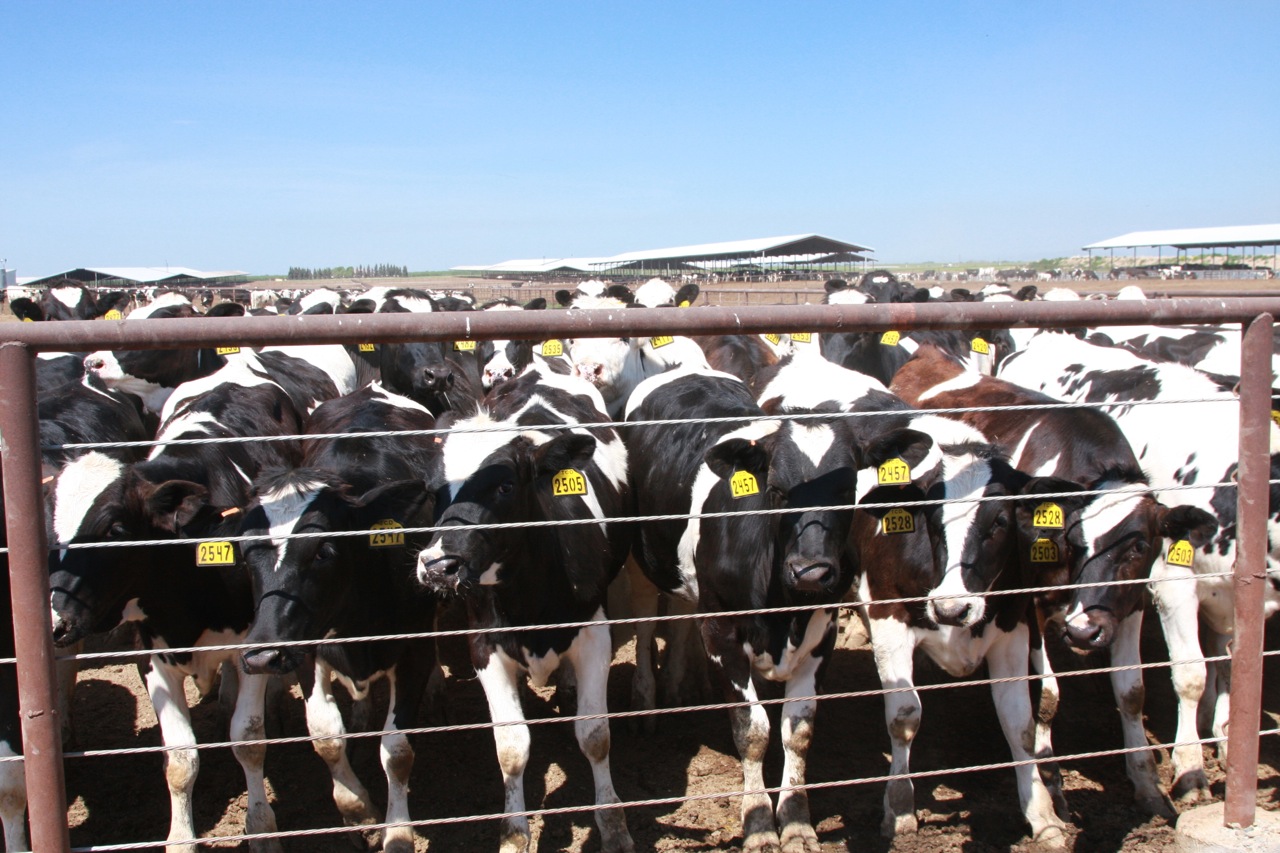
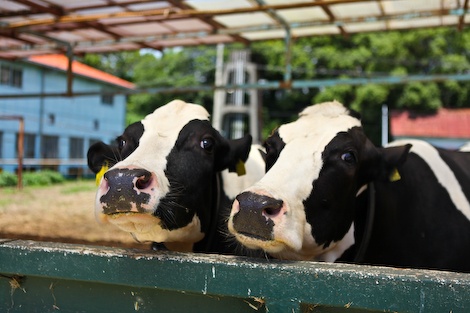
Dairy health is of the utmost importance to the long term profitability of producers like Simon Vander Woude of Vander Woude Dairy in Merced.

Vander Woude… “I’m a huge believer in DWP, I mean, we were one of the early adopters of that.”

The Dairy Wellness Profit Index® (DWP) is based on traits that affect health, performance and profit in both cows and calves to achieve more of their full potential. Vander Woude uses genomic testing to ensure the healthiest herd possible.

Vander Woude… “It makes a big difference in the bottom line. We’re not producing for trophies. I’m not producing to have the highest producing herd. The overall health of the herd is what really feeds into bottom line profitability when the day is over. A healthier herd is going to be more profitable. A low that low somatics, it goes through the entire value of that cow from breeding to conversions to her milking longevity and all those sorts of things. They all kind of tie together.”

Vander Woude and other dairy producers are excited about the future of producing more milk with healthier cows through genomic testing.
2021-05-12T11:17:07-07:00July 10th, 2020|

Promising Research on the Battle Against Huanglongbing in Citrus

From Marcy Martin, President of Citrus Board

We would like to share with you the status of promising preliminary research that possibly could have important ramifications for California citrus growers. Dr. Hailing Jin, a geneticist at the University of California, Riverside (UCR), has conducted greenhouse trials on young citrus plants to investigate the role of citrus-derived peptides in the battle against the deadly disease huanglongbing (HLB).

     Some of Dr. Jin’s research in this area was funded in 2018-19 as Citrus Research Board (CRB) project #5200-195, Develop effective therapies to cure HLB using a novel class of citrus-derived antimicrobial peptides. The study was conducted within the University of California, Davis Contained Research Facility on year-old Madam Vinous, Washington Navel and Lisbon lemon plants that were treated through either foliar sprays or pneumatic injections.

     The initial $100,000 investment by you, the growers, then served as a launching pad for a nearly $4 million grant from the U.S. Department of Agriculture-National Institute of Food and Agriculture (USDA-NIFA) to continue study on the project now titled Develop therapies using a novel class of citrus-derived dual-functional antimicrobial peptides to cure HLB trees and to protect healthy trees from infection. USDA-NIFA funding for this phase went into effect in February of last year and is scheduled to continue through January 2023.

     While the long-term effectiveness of this research has not yet been confirmed or published in a scientific journal and the project is still in its early stages, Dr. Jin’s promising findings have resulted in a commercial licensing agreement between UCR and Invaio Sciences. It is not uncommon for researchers to team with commercial licensing partners during the early phases of their studies. In this case, more work still needs to be done to confirm the robustness and viability of this treatment. Additional greenhouse trials are being initiated by Dr. Jin and her team at the citrus-specific Bio-Safety Level-3 Laboratory in Riverside, California. It also is expected that field trials will be conducted to show the effectiveness of the treatment under commercial grove conditions.

     Earlier this week, UCR issued a news release entitled UCR Discovers First Effective Treatment for Citrus-destroying Diseasewhich shares the news of a licensing agreement being reached with Invaio Sciences. While the release was understandably enthusiastic about potentially promising research and we are heartened by the commercial interest in this peptide, we are looking forward to reviewing complete studies on the effectiveness of this therapy in greenhouse and field studies.

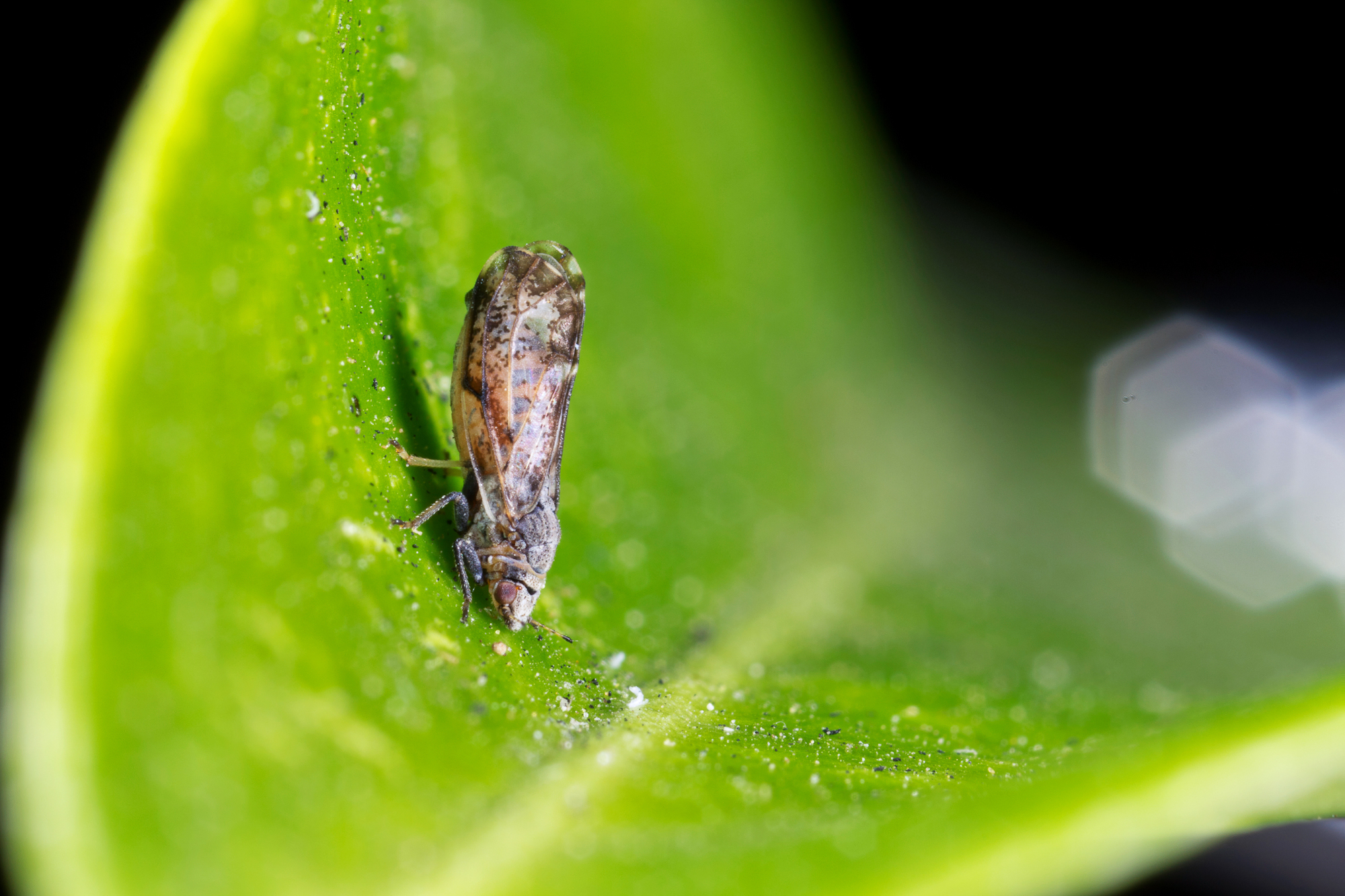
     Importantly, this is not the time to let down our guard.  It continues to be critical for all citrus growers in the state to remain extremely vigilant in protecting their groves against the Asian citrus psyllid and HLB. The psyllid arrived from Mexico in 2008 and is now firmly established in southern California. The first HLB-positive tree was found in residential Los Angeles County in 2012. As of July 3, 2020, 1,926 HLB-affected trees have been identified and removed to slow the spread of the disease in residential areas of Los Angeles, Orange, Riverside and San Bernardino counties. Unlike Florida, where HLB has decimated commercial citrus groves, California growers invested in research early through the CRB and have been diligent in applying best-management practices; therefore, the disease has not yet been detected in any commercial groves. The CRB will continue to focus intensive efforts on a variety of promising research to find a solution to HLB.

     Moving forward, we at the CRB are proud to work on behalf of the 3,300-plus California citrus growers to invest in key studies to find a solution to HLB. Citrus growers always have been resilient and resourceful. Together, we will look toward the horizon for a solution to HLB.

     In the meantime, we continue to monitor and review progress in potential therapies, new HLB-resistant varieties, better psyllid control strategies and more. We are enthusiastic about the commercial interest in HLB therapies and look forward to being able to share a range of potential approaches for California citrus growers as research progresses and matures. If you have any questions or would like additional information about the status of this research, please contact CRB President Marcy Martin at 559.708.3791 or marcy@citrusresearch.org.

2021-05-12T11:01:44-07:00July 10th, 2020|

Virulent Newcastle Disease Eradication

By Tim Hammerich, with the Ag Information Network of The West

Some good news on the topic of viruses, this time Virulent Newcastle Disease. State Veterinarian Dr. Annette Jones says the latest outbreak was successfully eradicated last month.

“Newcastle disease is caused by a virus that’s highly contagious. The bad news is that it’s fairly lethal to poultry. The good news is that it really only affects birds, so it’s not a human health concern, it’s a bird and poultry health concern,” said Jones. “The greater Los Angeles area. So Los Angeles, Riverside, San Bernardino, that basin has actually had three major outbreaks of this virus in the past. One in the seventies, one in the early 2000s, and then the most recent one. Which we just successfully eradicated, just declared eradication and freedom on June 1st of 2020.”

Dr. Jones says the key to eradication was stopping the movement of birds. The exact source of the outbreak is still not known.

“In the previous two outbreaks, most of the evidence pointed to smuggled psittacines, which are parrots and parakeets, hook billed birds. They can be asymptomatic carriers.

Jones says education is key to preventing the next outbreak.

2021-05-12T11:01:44-07:00July 9th, 2020|

Should Farmers Meter Their Pumps Now– in Terms of SGMA?

By Patrick Cavanaugh, Editor

With the Sustainable Groundwater Management Act (SGMA) closing in on growers throughout California, there are many questions. One big one is that should growers go ahead and put a meter on their pumps? Helping the farming industry comply with SGMA is Chris Johnson, who owns Aegis Groundwater Consulting, based in Fresno. He’s recommending that growers put a flow meter on their pumps, but he does understand their hesitation.

“I think they’re concerned about what’s going to happen if they provide a mechanism where someone can come out and actually measure, record and evaluate how much water they’re using, that somehow that’s going to go against them,” said Johnson. “And the reality of it is, is that somebody might very well do that but they’re better off knowing that going in, they’re better off understanding and being able to manage and represent for themselves upfront.”

It may be a good idea to meter pumps now.

Now, currently we have the Groundwater Sustainability Agencies, which have finalized the Groundwater Sustainability Plans.  “The Groundwater Sustainability Plans are the deliverable that the Groundwater Sustainability Agencies are tasked with. But you have to understand the scarcity of data we actually have to work with, to actually be able to make decisions,” said Johnson. “And as a consequence, what so many different GSAs are forced to do is to either accept existing data at face value, or they’re having to interpret what the data might be in the absence of actual functional information. And so, it may very well misrepresent what the basin as a whole is having to go through, and they may put restrictions on farmers and growers based on that. And so, that is where having your own data helps you defend your water use, helps you protect yourself.”

<PATRICK: I believe the online version of this article ended here.  I would support that, in that the preceding text focuses on the importance of having specific data for individual wells.  The following text is more a soliloquy on GSP’s and data gathering and validity.

Johnson explains what will happen when the sustainability plans are in place in 2020. “I think what will happen is once the GSPs are filed with the Department of Water Resources, there’s going to be a period of reflection where people are looking at the adequacy of information supporting the plans. There’s going to be outside parties that question the adequacy of the data and plans, and ultimately out of that will come the next step, which is, ‘Okay, now we have these in place, we know there are a lot of shortcomings.’ Let’s go fill in those gaps. Let’s go get this data together,” said Johnson. I think that most of the regulatory agencies recognize there are data gaps. Let’s just work through the process is there thinking.

“Let’s get ourselves to where we can now start collecting the data. So, in theory, what we’re going to see is over the next 20 years a refinement in all of this, as more information is available, as scientists and engineers get to provide analysis to the policy makers, we end up with a better product in the end,” Johnson noted.

But will that product be good for the growers? “That’s a difficult question to answer because better in the end is leading us towards answering a question with, you’ll have as much water as you want. Well, that’s unlikely to happen,” Johnson said.

“I think there’s going to be significant changes in how we grow things in the Central Valley. The consequence of that may be everything from less food coming out of the Central Valley and/or higher food prices as these businesses attempt to maintain some degree of solubility, so to speak, financially, trying to meet these limited resource. Because that’s essentially what we’re doing,” he said. “We’re coming back and saying : Something bad happened. Now, we’re going to limit this resource.”

The agricultural industry throughout California keeps pushing that it’s too important, we have to provide food for the nation and the world. “I think the more important way to look at this is, is that California can’t afford to have ag fail. And as a consequence, we have to find a means to meet all these different demands and do so in a way that helps keep ag moving forward. It just probably won’t look like what it does today,” he said.

2020-07-07T09:18:53-07:00July 7th, 2020|

CAL-OSHA Dairy Compliance Assistance Visits During Holiday Weekend

Over the holiday weekend, staff at Western United Dairies had been alerted by our members and CMAB that regional Cal-OSHA safety personnel had visited a number of dairies in Merced County given the spike in the number of COVD-19 cases in that county. 

Immediately, WUD staff engaged the senior staff at Cal-OSHA in Sacramento and we felt it was timely to report to you on the scale and scope of these visits, and perhaps most importantly, give you the best information to protect you, your employees and your dairy. 

 It has been reported to us by Cal-OSHA staff in Sacramento that the visits were “compliance assistance” visits only and not part of an enforcement campaign.  We have not received any reports that citations have been issued to any of our members.   Cal-OSHA had coordinated these “compliance assistance” visits to educate and to ensure producers have hand washing stations available, soap, sanitation in lavatories and, a relatively new requirement, face coverings for all employees.   We have also confirmed that official inspections – those associated with potential enforcement – would never occur on the weekends or holidays.   

Through this platform, WUD had reported on new requirements, including masks, and the best available resources for obtaining face coverings for your workforce. If you’re looking to source face coverings please click on the link or forward this to your purchasing staff and have them obtain this safety equipment as soon as possible.  If you have experienced a “compliance assistance” visit from Cal-OSHA and you would like to share with us your experience, please email:  darby@wudairies.com

2020-07-08T08:19:34-07:00July 7th, 2020|

Farmers Need to Serve on Water District Boards


It’s a Good Idea That Farmers Serve on Boards of Water Districts

By Patrick Cavanaugh, with the AgInformation Network

William Bourdeau is executive vice president of Harris Farms in Southwest Fresno County. Harris Farms is a diversified operation, farming, almonds, pistachios and vegetable crops. Bourdeau is very busy, but he does take the time to serve on different water district boards.

“I’m the vice chairman of the board of the San Luis & Delta-Mendota Water Authority, and a director for Westlands Water District,” said Bourdeau.

Bourdeau explains the major water systems in California. “The Central Valley project is federal and in the State Water Project, is a state project. And you know we’re supposed to be working together in coordination,” said Bourdeau. But he said all the water districts and farmers need to do a better job at that.

“There was an effort underway to do just that. It was called the voluntary agreements. I’m fairly certain it’s stalled, but I hope we all come together and make decisions that are in the best interest of everyone,” he said.

“And I do think having a vibrant domestic food supply capability that requires reliable water supply is critically important to our survival,” explained Bourdeau.

And he has something to say about the COVID-19 virus situation. “Well, I hope that the situation we find ourselves in right now, people realize and recognize the importance of having a vibrant domestic food supply capability, particularly during a pandemic, but just in general, it’s a foundational element to any successful society,” noted Bourdeau.

2020-07-07T08:45:47-07:00July 7th, 2020|

McCarthy Applauds Final Feasibility Report on Repairs to the Friant-Kern Canal

On Monday, the U.S. Bureau of Reclamation sent Congress the final Feasibility Report under Section 4007 of the Water Infrastructure Improvements for the Nation (WIIN) Act for the Friant-Kern Canal Middle Reach Capacity Correction Project. This marks a critically important step forward in restoring lost water capacity to the communities served by eight irrigation and water districts along the Friant-Kern Canal. 
 
“Water is the lifeblood that supports our communities and the food we grow on the eastside of the Central Valley,” said McCarthy. “However, subsidence on the Friant-Kern Canal is adversely impacting many communities’ ability to get the water they contract and pay for through the canal, including in Kern and Tulare Counties. 
 
“I want to commend Interior Secretary David Bernhardt and Bureau of Reclamation Commissioner Brenda Burman for their work on finalizing this feasibility report, which under the WIIN Act, now makes this project eligible to receive construction funds from Congress. I also want to thank Friant Water Authority Chairman Chris Tantau, CEO Jason Philips, and other local stakeholders for their support and commitment to advancing this project.  
 
“There is still work to be done, but Reclamation’s actions today represent a significant milestone in supporting the more than one million acres of farmland that provide sustenance to the United States and across the globe.”

The following statements were also issued on the feasibility report:
 
“Thanks to President Trump and Leader McCarthy, today’s resulting action furthers the Trump Administration’s commitment to America’s hardworking farmers who need water to feed our nation. Earlier this year, President Trump and I joined Leader McCarthy and other elected officials in the House in Bakersfield where the President signed the ‘Memorandum on Developing and Delivering More Water Supplies in California,’ directing the Department to invest in western water infrastructure and provide water to California’s communities and farms.” – Interior Secretary David Bernhardt
 
“Addressing reliable water and power delivery in the west is a top priority for the Trump Administration, and the 50-year old Friant-Kern Canal is front and center. Restoring the capacity along the middle stretch of the canal is critical to providing reliable water supplies to one of the most agriculturally-productive regions in the nation. Thank you Leader McCarthy and colleagues for your strong support for the Friant-Kern Canal Middle Reach Capacity Correction Project.” – Reclamation Commissioner Brenda Burman
 
“On behalf of Friant Water Authority and its members, I want to thank Secretary Bernhardt, Commissioner Burman, Leader McCarthy, and our other federal partners and congressional representatives who have helped maintain momentum for reaching this critical milestone. The nearly 15,000 farms and dozens of communities who rely on the Friant-Kern Canal are deeply appreciative of your leadership and support for this project, which is absolutely critical to maintaining jobs and economic prosperity for our agricultural communities in the San Joaquin Valley.” – Friant Water Authority Chairman Chris Tantau
 
“For nearly three years, Friant Water Authority staff and team of consultants have been working in partnership with the Bureau of Reclamation to assess the magnitude of the Friant-Kern Canal’s conveyance challenges, and developing alternatives for addressing it. This final study not only affirms that this project is feasible, but that it provides a high value for investment by local and federal partners.” – Friant Water Authority CEO Jason Philips
 
“As the southernmost district on the Friant-Kern Canal, the cumulative effects of the canal’s constriction land at our doorstep. And, as the single largest Class 2 water contractor, we live and die by our ability to recharge groundwater aquifers using canal supplies. With the feasibility study now complete, we can move forward to repairing the canal and restoring needed water supplies for our farmers and small communities who rely on the recharge water it delivers.” – Arvin-Edison Water Storage District President Edwin Camp
 
“Even if your job doesn’t have anything to do with agriculture, if you live in the San Joaquin Valley, water matters to your quality of life.  Today’s milestone is a critical step in implementing a project that will help our region thrive as we work towards long-term groundwater sustainability.” – Porterville Irrigation District Chairman Eric Borba
 
“The full utilization of our existing water conveyance infrastructure, which includes the Friant-Kern Canal, is paramount to the long-term economic viability of production agriculture in the San Joaquin Valley. The Kern County Farm Bureau, its Board of Directors and members, and the communities it serves depend on accessibility to surface water supplies in order to maintain one of the most productive agricultural regions in the world. Therefore, the Kern County Farm Bureau is in full support of restoring the capacity of the Friant-Kern Canal, and is encouraged by Bureau of Reclamation’s development of the final feasibility report that will help make this into a reality.” – Kern County Farm Bureau President John Moore
 
“This repair is an essential project so that growers serviced by the Friant-Kern Canal can continue the essential service of producing food. As SGMA groundwater restrictions loom, every gallon of surface water provided is one less gallon of groundwater extracted.” – Tulare County Farm Bureau President John Guthrie

2020-07-06T19:39:31-07:00July 6th, 2020|

CDFA Seeks Proposals for Alternatives in Manure Management

The California Department of Food and Agriculture’s Office of Environmental Farming and Innovation is now accepting proposals for new manure management practices for inclusion in its Alternative Manure Management Program  (AMMP).

As part of AMMP development beginning in 2016, CDFA identified specific manure management practices eligible for funding, including solid separation and conversion from flush to scrape systems. In subsequent rounds of funding, CDFA expanded the suite of manure management practices through a public process in coordination with the California Air Resources Board (CARB). In total, four categories of manure management practices  that reduce methane emission from dairy and livestock operations are currently funded through AMMP. In addition to manure collection, proposed practices must identify how the separated or collected manure volatile solids will be treated and/or stored to ensure a permanent reduction in methane emissions.

“CDFA has heard from several stakeholders about innovative manure management technologies that might fit into AMMP and offer more options for dairy and livestock operators to meet California’s aggressive methane reduction goals by 2030,” said CDFA Secretary Karen Ross. “We are committed to collaborating with stakeholders, CARB, academic researchers and sister state and federal agencies for the continued evolution of this Climate Smart Agriculture program.”

There are several important requirements needed to submit a manure management practice for consideration in the AMMP. Proposal requirements, process for consideration and other details on the submission process can be found on the  AMMP webpage.

Proposals are due by 5 p.m. PT on September 4, 2020 and must be submitted via email to CDFA.OEFI_ammp_tech@cdfa.ca.gov.

2020-07-06T18:04:17-07:00July 6th, 2020|

Almond Board Launches Bee+ Scholarship to Promote Bee Friendly Farming

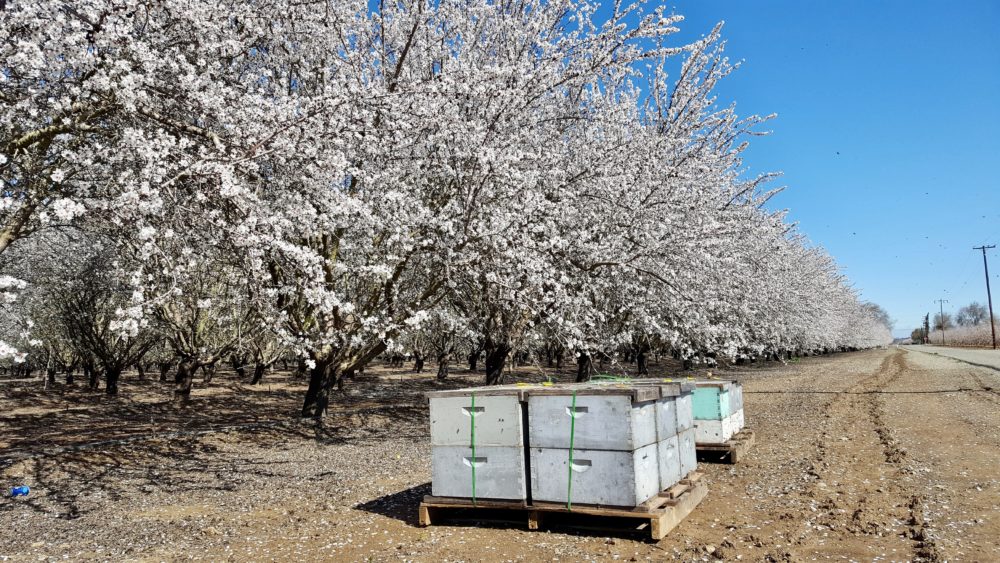
The Almond Board of California (ABC) and Pollinator Partnership are proud to announce the alignment of ABC’s California Almond Sustainability Program (CASP)[1] and Pollinator Partnership’s Bee Friendly Farming (BFF) program to promote the importance of providing pollinators with nutritional forage. To further support almond growers in planting pollinator habitat, the Almond Board is simultaneously launching its Bee+ Scholarship, through which it will provide free cover crop seed to 100 almond growers through Project Apis m.’s Seeds for Bees program. The scholarship will also cover the cost for growers to register for the BFF program.

The CASP and BFF program alignment and Bee+ Scholarship expand on a commitment made in the Pollinator Protection Plan, announced in January, to promote pollinator health and biodiversity by encouraging almond growers to provide habitat for pollinators in or near their orchards. 

“Protecting and improving honey bee health, not only during the short time that bees are in our orchards but year round, is critical to the success of every almond grower. By working with national organizations such as Pollinator Partnership and Project Apis m., we are expanding our focus to all pollinators, viewing working lands as part of biodiverse ecosystems,” said Almond Board Chief Scientific Officer Josette Lewis, Ph.D. “Responsible farming is at the heart of what the California almond community does. ABC’s Bee+ Scholarship and the alignment between CASP and BFF allow us to increase our support to growers as they remain committed to growing almonds in better, safer and healthier ways, adding biodiversity to their farms, and improving outcomes for pollinators.”

Funding provided by ABC’s Bee+ Scholarship will allow growers to plant an estimated 3,500 acres of quality pollinator forage statewide – that’s in addition to the cover crop seed Project Apis m. typically distributes directly to almond growers through their Seeds for Bees program each year.[2] Currently, over half of almond growers participating in ABC’s California Almond Sustainability Program report allowing native cover crops to grow in their orchards.[3] This scholarship will help to convert more of those native cover crops to quality pollinator forage.

Partnerships Work to Best Serve Pollinators, Almond Industry

With the alignment of the CASP and BFF programs, almond growers who complete assessments in CASP specifically focused on bee health and pest management, and who meet certain BFF criteria, will qualify to register for the BFF program and become Bee Friendly certified. This certification will allow growers and their processors to use the Bee Friendly Farming logo on their product, and growers will be publicly recognized on Pollinator Partnership’s website as being a “Bee Friendly Farm” – in addition to receiving a BFF metal sign to display on their property.

The criteria to become Bee Friendly certified[4] are as follows:

  • provide cover crop forage in or near orchards
  • provide bloom of different flowering plants throughout the growing season
  • offer clean water for pollinators
  • provide habitat for nesting via hedgerows, natural brush and more
  • practice integrated pest management


“Pollinator Partnership’s Bee Friendly Farming program is a perfect conduit to increase pollinator benefits and to ensure protection and sustainability within the almond industry. Almond growers are terrific partners in best management practices, and we look forward to a close and growing relationship in support of pollinators and producers,” said Laurie Adams, president and CEO of Pollinator Partnership.

Because the CASP and BFF program alignment focuses on providing nutritional forage to supplement the diets of native pollinators in addition to honey bees, the decision to launch the Bee+ Scholarship and encourage greater forage planting among growers was a natural complement to the industry’s broader pollinator health initiatives.

“With a crop that relies primarily on honey bees for pollination, it is in almond growers’ best interest to ensure their orchards are a safe place for bees each spring,” said Billy Synk, director of Pollination Programs for Project Apis m.

Seeds for Bees aims to provide California farmers with a variety of seed mixes that bloom at critical times of the year when natural forage is scarce, but managed and native bees are active. While the mixes are designed to meet the nutritional needs of honey bees, they also provide habitat and nutrition for other pollinators and beneficial insects. Research supported by Project Apis m. and the Almond Board has shown that pollinator habitat is fully compatible with typical almond production practices and does not interfere with important growing activities like harvest.

“Working together with organizations like the Almond Board of California, Pollinator Partnership and many more, along with many researchers, almond growers and beekeepers, we can achieve far more collectively than we can separately,” said Project Apis m. Executive Director Danielle Downey. “These collaborations, focused on research and data, communication and forage, are a critical component to the long-term sustainability of beekeeping and almonds.”

2020-07-06T16:31:14-07:00July 6th, 2020|

Farmer Equity Act – Part 2


Farmer Equity Act Build’s Diversity


By Tim Hammerich, with the AgInformation Network

The California Department of Food and Agriculture recently released the first annual report on the Farmer Equity Act that was passed back in 2017. CDFA Secretary Karen Ross explains the importance of this initiative.

“So this is going to be a forever program, as far as I know. It’s a requirement now in statute. It’s something that we at CDFA are eager to do. And I think it’s critically important that we are every day thinking about inclusivity and equity throughout our farming community, and that has never been more evident than this past month in particular, Secretary Ross

And so this is work that we’re eager to do, that anything we can do to help the diversity of our ag community thrive at all scales with all different business models will be successful for all of agriculture. That’s our strength. Diversity is our strength. We know that in our biological systems, that diversity helps bring resilience. And I think that’s an important part for our community of farmers as well,” said Secretary Ross.

For more resources for socially disadvantaged farmers, visit the CDFA website.

2020-07-06T08:20:18-07:00July 6th, 2020|
Go to Top