Resources For Farm Mental Health


Mental Health Resources for Farmers and Their Employees

By Tim Hammerich, with the Ag Information Network

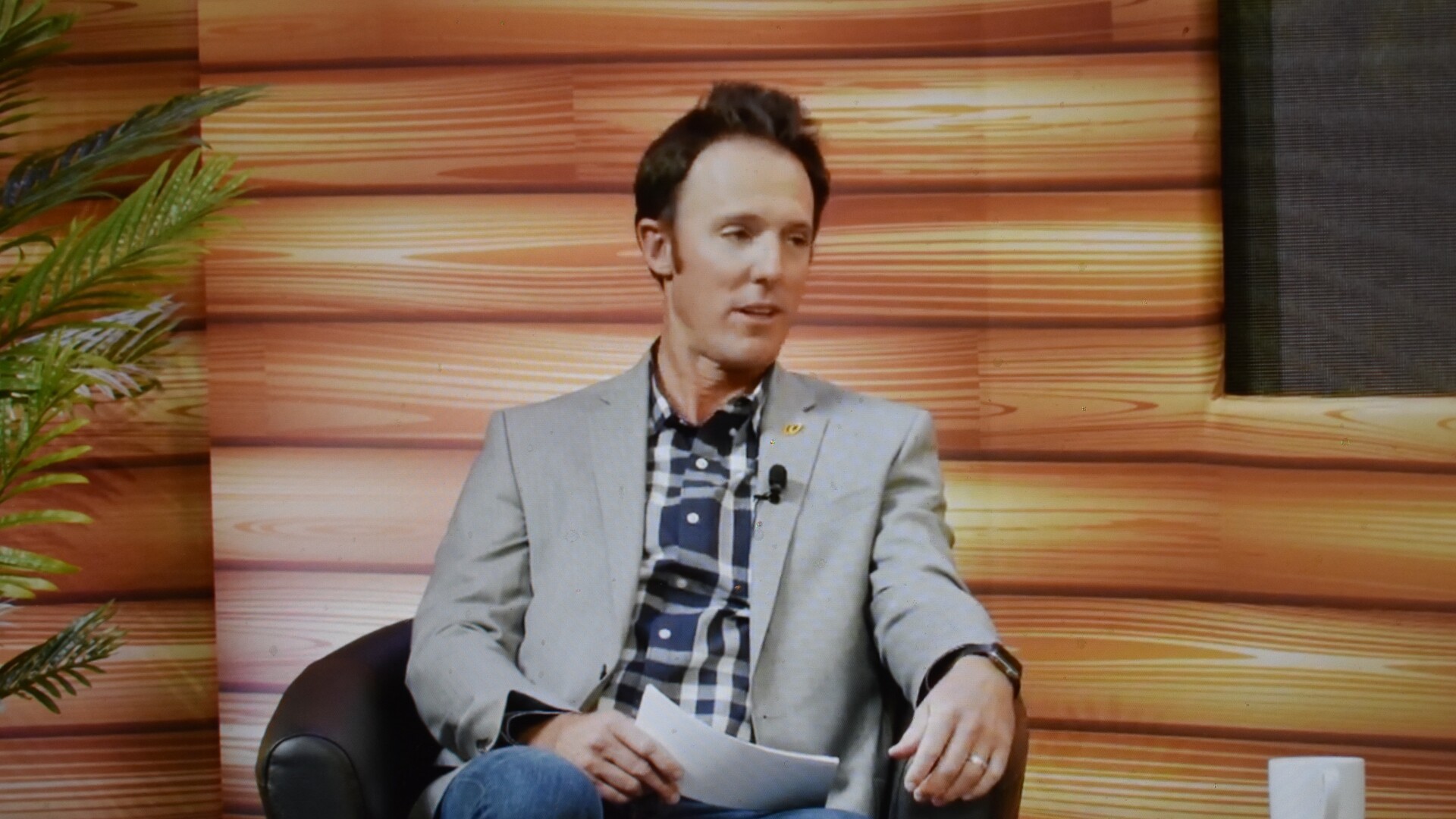
The COVID pandemic has taken a significant role in the mental health of farmers and farmworkers. One challenge unique to rural communities is a lack of local resources and places to go to get help. To address this challenge, the American Farm Bureau has compiled resources on a website, www.FarmStateofMind.org. Here’s the director of communications, Ray Atkinson.

“Anybody that’s having any kind of emotional concerns or feeling a lot of stress, I’d recommend they go to a www.FarmStateOfMind.org. And we have a great website there that has crisis hotlines, treatment locators, tips for helping someone in emotional pain, ways to start conversations, and resources for managing stress, anxiety, or depression,” said Atkinson.

“I think particularly helpful you’ll find there is sort of some of the warning signs for stress. And things like looking at a change in the appearance of somebody’s farm, for instance, or the care of their animals and different things like that. So really good signs you can watch for and your friends and family and neighbors, to see if maybe they may be struggling, and there are resources there to help,” explained Atkinson.

If you or someone you know is feeling stress, anxiety, or similar mental health challenges, please visit www.FarmStateOfMind.org.

2021-02-16T19:05:08-08:00February 16th, 2021|

Kasumin Is Approved For Almonds

EPA Approves Section 18 Emergency Registration Request for Kasugamycin on Almonds

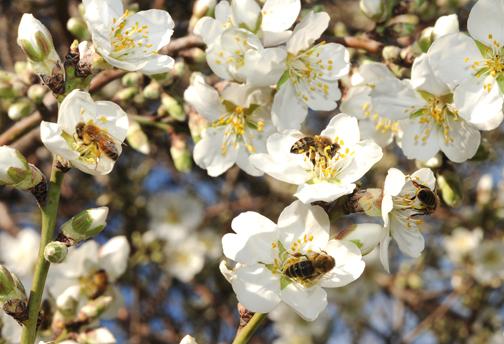
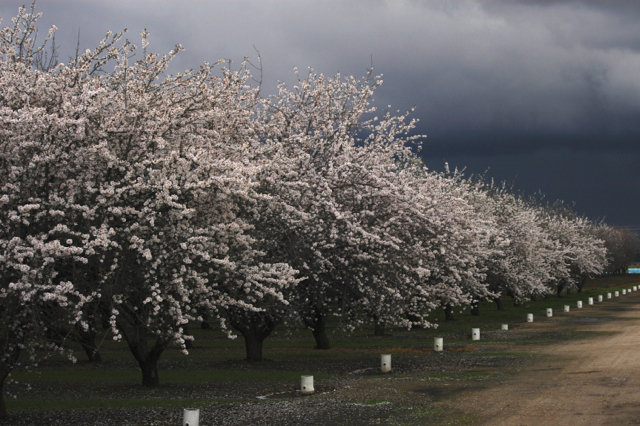
The Environmental Protection Agency (EPA) and California Department of Pesticide Regulation recently accepted a Section 18 petition to allow the use of Kasumin 2L (kasugamycin) to control bacterial blast (Pseudomonas sp) in almonds. The registration allows up to two applications under anticipated cold or freezing conditions on almonds at a use rate of 64 fl. oz. per acre from February 12, 2021 through petal fall. Application after petal fall is prohibited. Kasugamycin may only be used during bloom. 

The approval applies to the counties of Butte, Colusa, Fresno, Glenn, Madera, Merced, San Joaquin, Stanislaus, Sutter, Tehama, Yolo and Yuba.

Growers interested in this application are heavily encouraged to reference the Almond Board of California’s Honey Bee Best Management Practices as well as the Quick Guide for Applicators (in English & Spanish) to ensure pollinator health is maintained. As stated in these practices, growers should only use applications when absolutely necessary and should only make applications in the late afternoon or evening, when bees and pollen are not present.

Please contact your local County Ag Commissioner’s office for further details if interested in using this product. 

Visit the California Department of Food and Agriculture website for a full list of County Ag Commissioners’ offices as well as contact information for each.

2021-02-16T15:40:16-08:00February 16th, 2021|

Grape Consumption May Protect Against UV Damage to Skin

Study: Grapes Increase Resistance to Sunburn and Reduced Markers of UV damage


A recent human study published in the Journal of the Academy of Dermatology found that consuming grapes protected against ultraviolet (UV) skin damage.1 Study subjects showed increased resistance to sunburn and a reduction in markers of UV damage at the cellular level.2 Natural components found in grapes known as polyphenols are thought to be responsible for these beneficial effects.

The study, conducted at the University of Alabama, Birmingham and led by principal investigator Craig Elmets, M.D., investigated the impact of consuming whole grape powder – equivalent to 2.25 cups of grapes per day – for 14 days against photodamage from UV light. Subjects’ skin response to UV light was measured before and after consuming grapes for two weeks by determining the threshold dose of UV radiation that induced visible reddening after 24 hours – the Minimal Erythema Dose (MED). Grape consumption was protective; more UV exposure was required to cause sunburn following grape consumption, with MED increasing on average by

74.8%. 3 Analysis of skin biopsies showed that the grape diet was associated with decreased DNA damage, fewer deaths of skin cells, and a reduction in inflammatory markers that if left unchecked, together can impair skin function and can potentially lead to skin cancer.4

It is estimated that 1 in 5 Americans will develop skin cancer by the age of 70.5 Most skin cancer cases are associated with exposure to UV radiation from the sun: about 90% of nonmelanoma skin cancers and 86% of melanomas, respectively. Additionally, an estimated 90% of skin aging is caused by the sun.

“We saw a significant photoprotective effect with grape consumption and we were able to identify molecular pathways by which that benefit occurs – through the repair of DNA damage and downregulation of proinflammatory pathways,” said Dr. Elmets. “Grapes may act as an edible sunscreen, offering an additional layer of protection in addition to topical sunscreen products.”

2021-02-10T19:49:04-08:00February 10th, 2021|

Critical Water Legislation Introduced by Valadao

2021-05-13T16:17:40-07:00February 5th, 2021|

Building Bee Habitats

Benefits of Bee Habitat Go Beyond Pollination

By Tim Hammerich, with the Ag Information Network

Building bee habitat is a great way to bring in pollinators, but its benefits go way beyond pollination, says Xerces Society senior pollinator conservation specialist Jessa Kay Cruz.

“So in addition to obviously the marketing benefits, a lot of the habitat and the plants that support pollinators also support other beneficial insects. So like natural enemies of crop pests, lady beetles, lacewings, parasitic wasps,” said Cruz.

“You know, if you’re a total bug geek, you could just go down the rabbit hole here. But it’s just seeing, you know, all of those insects are attracted to the same type of habitat, floral resources, all of that. And so farmers really will benefit by the ecosystem services that both pollinators provide, but also all of these other beneficial insects,” noted Cruz.

Cruz sees the construction of bee habitat as good for the environment, good for the crop, and good for the bottom line.

“Having habitat on a farm. Really helps with water infiltration, control erosion, it helps with the process of carbon sequestration. So, there are so many reasons to do this, not just for bees, but just for our health as a planet, as a whole,” said Cruz.

The Xerces Society offers a Bee Better Certification that allows some farmers to differentiate their products based on bee-friendly practices.

2021-02-03T19:22:50-08:00February 3rd, 2021|

BioConsortia Expands Davis Labs

BioConsortia Moves to New, Larger Laboratories and Expands R&D Team

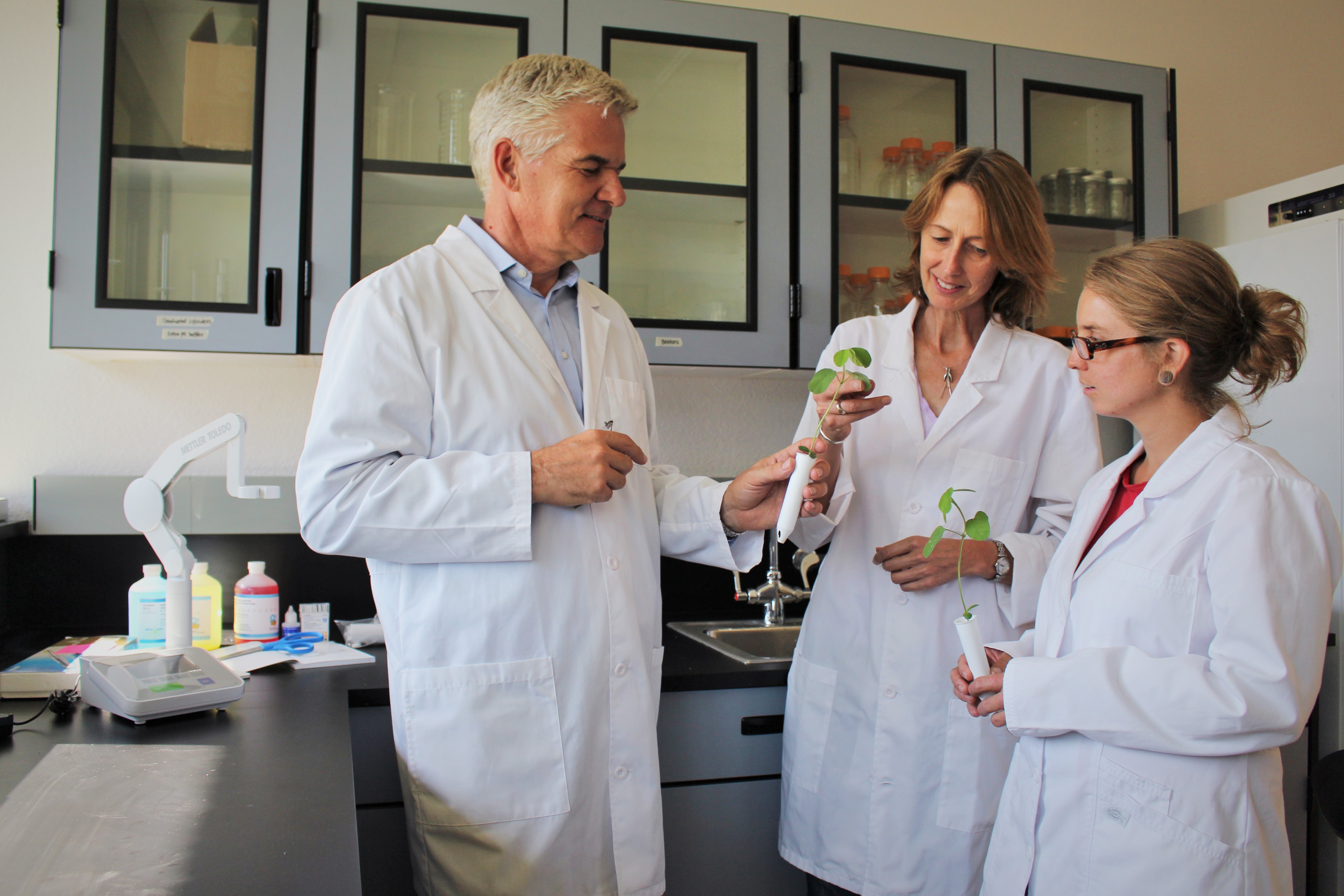
  BioConsortia, a  leader in microbial solutions that improve plant phenotypes and increase crop yields with reduced chemical and fertilizer inputs, is announcing an expansion of its R&D laboratories and team with a new, state-of-the-art facility in Davis, CA.

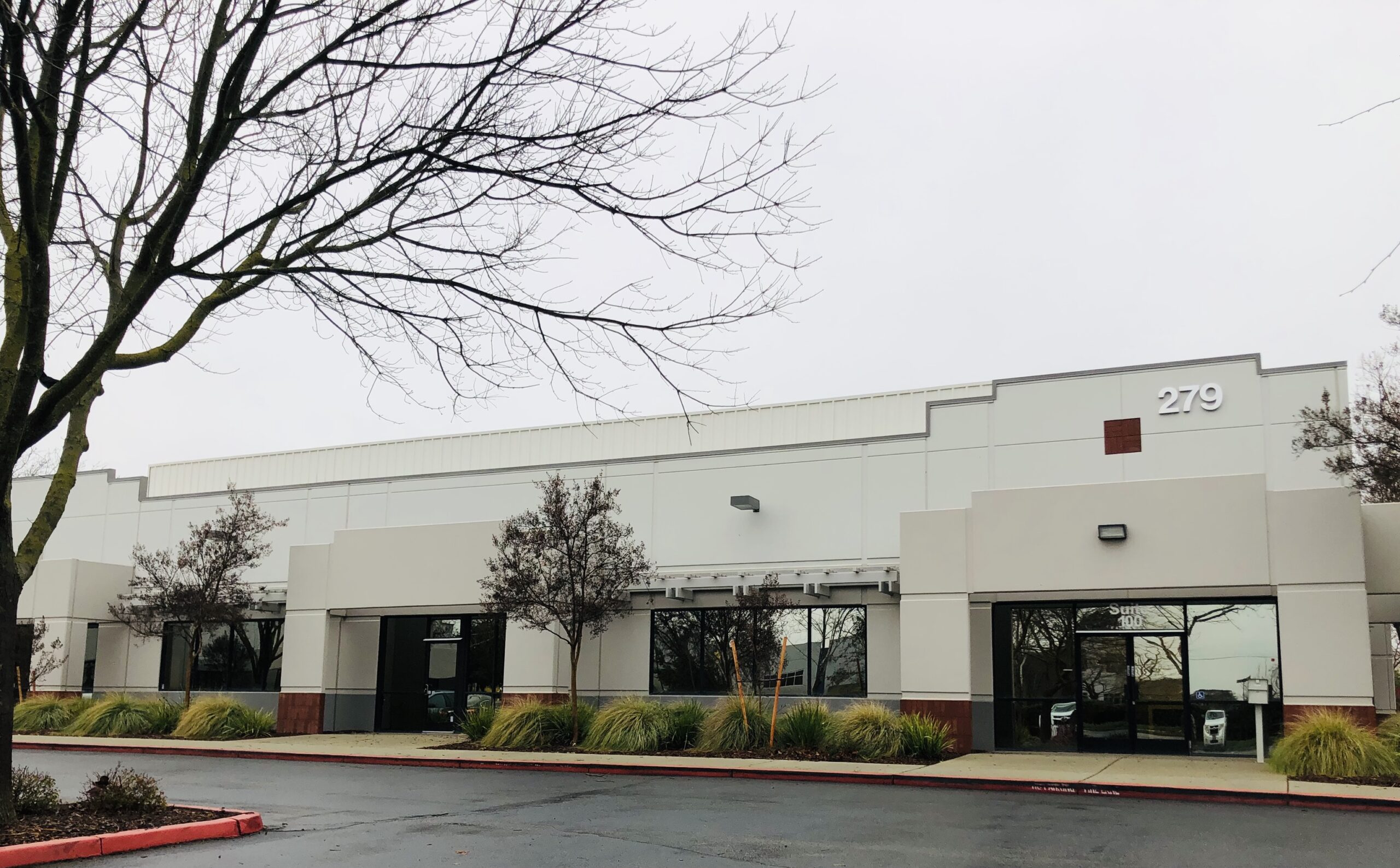
BioConsortia’s new facility is located at Cousteau Place in Davis, CA, encompassing initially 15,000 square feet of laboratories and offices, and an additional 5,000 square feet of yet unfurnished space for further expansion.

BioConsortia Senior VP Operations & Administration, Christina Huben, said, “The new and modern laboratories will provide the needed space and facilities for our growing R & D team and expanded platform, particularly in synthetic biology, microbiology and fermentation. This new facility has more than doubled BioConsortia’s operations space and positioned our Company for future growth.”

Betsy Alford Ph.D. from UC Davis and Andrew Phillips Ph.D., from Bayer CropScience, both join the BioConsortia team that is currently utilizing gene editing to develop the next generation of products for nitrogen fixation, yield enhancement, and crop protection. The power of gene editing unleashes the natural power of microbials by enabling an over-expression of biocontrol metabolites or the continuous fixation of atmospheric nitrogen to help plants grow healthily and higher-yielding with fewer conventional chemical inputs.

BioConsortia CEO Marcus Meadows-Smith concluded, “It is a very exciting time at BioConsortia. The most recent hires to our world-class team of scientists further expand our expertise and will accelerate our work in gene editing and genomics. Our new laboratories provide the space needed to further our endeavors.

In December we announced a major collaboration with Mosaic for the development and commercialization of our nitrogen-fixing products. We have a pipeline of biopesticides and biostimulants in registration and partner evaluation phase.”

Meadows-Smith concluded, “We are delivering on our goal to support growers and sustainable agriculture by developing microbial products with higher consistency and superior efficacy.”


2021-02-02T18:08:30-08:00February 2nd, 2021|

Coalition Sends Pres. Biden Immigration Reform Letter

Immigration Reform  &  Almond Pollination

By Tim Hammerich with the AgInformation Network

Calling for “strong leadership and bipartisanship” from Congress and the incoming Biden administration, more than 180 groups, companies and individuals urge quick action on immigration reform. The coalition, which includes the California Farm Bureau and other agricultural groups, issued a joint statement Tuesday. It described immigration laws as “decades overdue for an overhaul” to create a “modern, humane and effective immigration system.”

A measure passed by California voters last fall could complicate the transfer of family farms from one generation to the next. Proposition 19 affects taxes on homes and inherited property. A California Farm Bureau specialist says the measure could trigger a partial property tax reassessment of an inherited farm or ranch—depending on property value and other factors. Farm Bureau is seeking clarification on the measure’s impact.

During the next few weeks, beekeepers will finish moving some 2.5 million honeybee colonies into California orchards to pollinate almond trees. But beekeepers who lost hives to wildfires last summer say it may take them more than a year to rebuild. A Solano County beekeeper who lost most of her bees, buildings and equipment to wildfire says she will spend this spring making more hives, to be ready for the 2022 pollination season.


2021-02-01T22:47:10-08:00February 1st, 2021|

Farmworkers Need Vaccine Now!

Nisei Farmers League Implores Quick Action For Front Line Workers

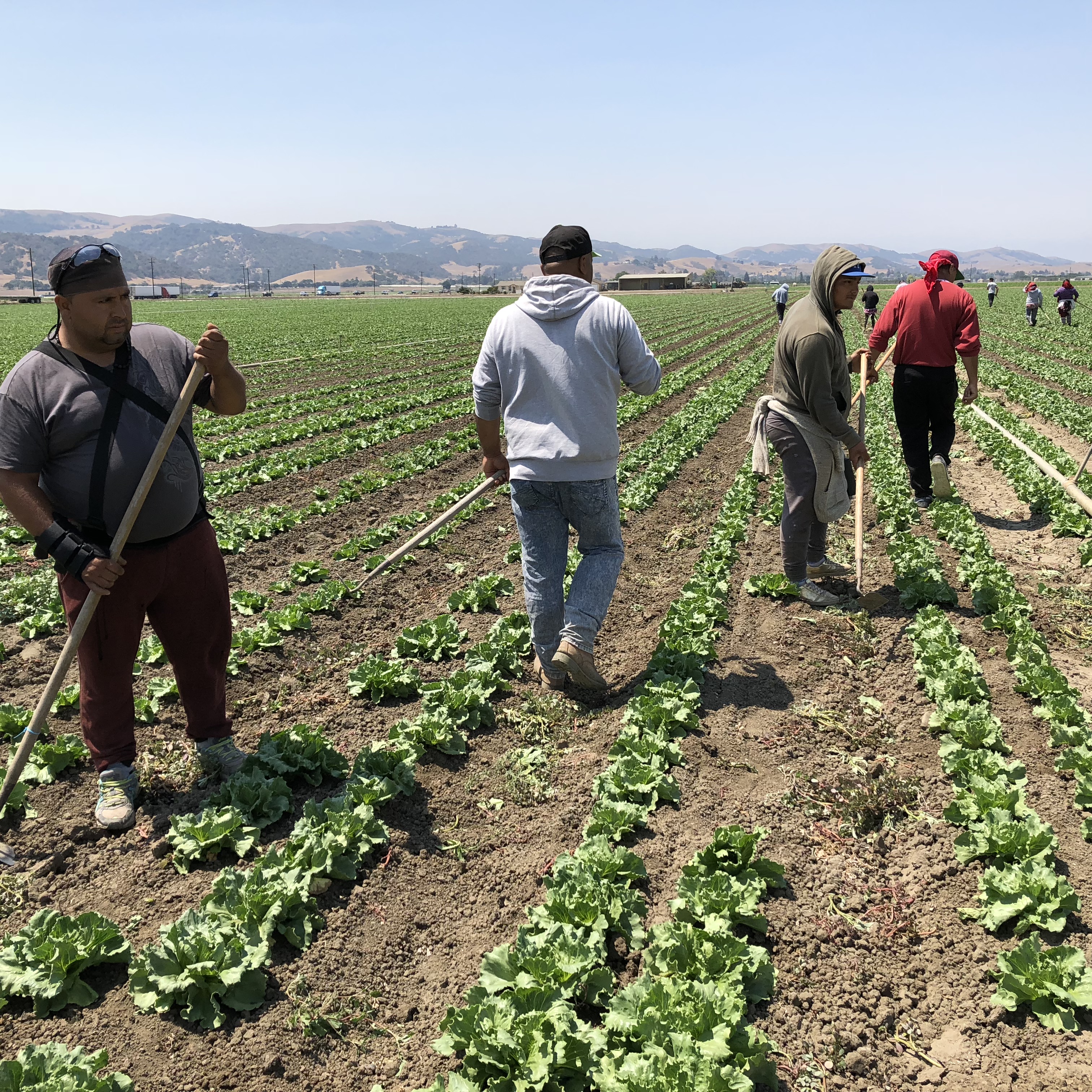
Manuel Cunha, Jr., President of Nisei Farmers League recently expressed his disappointment in the lack of COVID-19 vaccine that has been made available to our frontline essential farmworkers. (namely Pfizer-BioNTech and Moderna COVID-19 vaccines) 

“There are approximately 629,000 agricultural workers in California that not only feed the United States but also feed the world.”

Mr. Cunha stressed the importance of the recommended 2 doses of the vaccine being made available before May and the summer months when it becomes very difficult for the employer to be without the workers for several days and the worker will not want to take time off to take the vaccine. 

Cunha stated “These workers go to the fields, packing houses and processing plants every day and should be given some priority. Farmworkers and farmers do deserve this protection.  They have kept us healthy and alive.” We are proud to work with private health clinics, such as United Health Centers and our counties.

We implore our Governor, Secretary of Agriculture, the State Department of Health, and our local counties to implement the recently announced “My Turn Program” and the “Vaccine Delivery Network” to get our farmworkers vaccinated by the promised start date of mid-February.


2021-01-29T10:54:51-08:00January 29th, 2021|

Pushing Back on UFW Access to Farms

Western Growers Files Amicus Brief in Union Access Case

By Jason Resnick, Sr. VP, and General Counsel, Western Growers Association

Western Growers, California Fresh Fruit Association, Grower Shipper Association of Santa Barbara and San Luis Obispo Counties and Ventura County Agricultural Association have filed an amicus curiae – friend of the court – brief at the U.S. Supreme Court in a case challenging the so-called Access Regulation promulgated by the Agricultural Labor Relations Board (ALRB) in 1975.

California’s Access Regulation requires agricultural employers to allow labor union organizers such as the United Farmworkers Union onto their private property for up to three hours per day, 120 days per year, for the purpose of organizing agricultural employees. A divided panel of the Ninth Circuit Court of Appeals upheld the regulation, but eight judges dissented noting the “decision not only contradicts Supreme Court precedent but also causes a circuit split” (i.e., conflicting decisions between different federal circuits that can only be reconciled by the Supreme Court.)

The amicus brief was filed in the case of Cedar Point Nursery and Fowler Packing Company, Inc. v. Hassid, in which the question presented to the Supreme Court is “whether the uncompensated appropriation of an easement that is limited in time effects a per se physical taking under the Fifth Amendment.”

The amicus brief argues that California has repeatedly recognized the sanctity of the right of private property owners to exclude third parties under the Fifth Amendment, but not when it comes to the Access Regulation. The brief goes on to say:

“California has upended that proposition for the sake of one privileged group: organized labor. Specifically, in this case, agricultural labor unions. In all other cases, California recognizes the right of private property owners to establish rules by which third parties may be allowed to access private property, if at all. Otherwise, trespassers are subject to criminal prosecution… But not in the case of organized labor. In that case alone, California has enacted statutes and regulations that coerce acceptance of physical invasion. Regulations of the State’s ALRB have exacerbated the problem for farmers by authorizing repeated trespass by union organizers for 120 days each year.”

The amicus brief was drafted by Michael Berger with Manatt, Phelps & Phillips, one of California’s preeminent appellate land use lawyers. The petitioners, Cedar Point Nursery and WG member Fowler Packing Company, Inc., are represented by Howard Sagaser and Ian Wieland with WG Ag Legal Network member Sagaser, Watkins & Weiland, and Joshua Thompson, Damien Schiff and Wencong Fa of Pacific Legal Foundation (PLF). PLF is a nonprofit legal organization that defends Americans’ liberties when threatened by government abuse. Western Growers lauds the petitioners and their counsel for taking this important fight all the way to the United States Supreme Court.

2021-01-28T18:31:40-08:00January 28th, 2021|

Reducing Almond Harvest Dust

Reducing Dust During Almond Harvest–A Big Goal of the Industry

By Patrick Cavanaugh, with the AgInformation Network

Brian Wahlbrink is with Sperry Farms in Stanislaus County and Vice Chairman of the Almond Board as well as being the chair of the Almond Board’s Harvest Working Group—focused on reducing dust.

“This is the real gritty and dirty group, who gets the pleasure of focusing on the major goal of trying to reduce harvest dust by 50% by 2025. But I think we’ve already learned that progress is never a straight line,” said Wahlbrink. “You know, when it comes to these initiatives, I’ve loved being involved with this group. It’s such a diverse group. We have such an exciting future. We have growers, handlers, researchers, and there’s eight orchard equipment companies on this group. It’s remarkable,” he said.

“We had eight competing companies come into this room and talk about the betterment of the industry. It’s really amazing. And I so appreciate everybody doing that. And we have so much participation. You know, this year, the main focus was the existing equipment. We were talking about conditioners. We were talking about the Low-dust harvesters,” noted Wahlbrink.

Wahlbrink said, it’s interesting that they get the attention of the USDA, CDFA, and the Air Board incentive programs.

“And there’s actually been some very high dollar incentives for growers to participate in these programs and help with the acquisition costs of equipment,” Wahlbrink explained.

2021-01-27T18:02:50-08:00January 27th, 2021|
Go to Top