About California Ag Today

This author has not yet filled in any details.
So far California Ag Today has created 2014 blog entries.

Protecting California’s Pollinators

Almond Alliance of California Joins With Diverse Group of Agriculture, Conservation, and Natural Resource Organizations to Protect California’s Pollinators

Alliance Sponsoring AB 391 to Provide Critical Funding for Pollinator Habitat

The Almond Alliance of California (AAC) is joining with a broad array of organizations from across California’s agricultural and environmental landscape to form the California Pollinator Coalition to address a shared commitment to the health of pollinators. The Coalition is focusing on increasing the value working lands provide to our environment while benefitting biodiversity and farmers alike.

“It’s a simple fact that without honey bees, there would be no almonds. The Almond Alliance strongly supports this collaborative effort to increase habitat for pollinators on working lands,” said Alliance Chairman Mike Curry.

The Alliance is sponsoring AB 391 California Pollinator Conservation Funding, authored by Assemblymember Carlos Villapudua (D-Stockton). This bill will provide critically needed funding for activities that accelerate the adoption of conservation practices designed to integrate pollinator habitat and forage on working lands. “California almond farmers know that every almond exists because a honey bee visited an almond blossom,” explained Curry. “Honey bees and other pollinators need a varied and nutritious diet. This bill will help growers implement those important conservation practices that benefit honey bees as they forage for pollen and nectar in the orchard. The Almond Alliance is proud to sponsor this bill and looks forward to working with its partners for the bill’s successful passage in the California legislature.”

Assemblymember Villapuda noted the importance of protecting pollinators. “Pollinators are responsible for bringing us one out of every three bites of food,” he explained. “They also sustain our ecosystems and produce our natural resources by helping plants reproduce. Working lands offer an opportunity to expand habitat and forage for pollinators which will help sequester carbon and contribute to climate risk reduction. To further engage growers in delivering solutions that benefit pollinators, state investment is critical for activities that accelerate the adoption of conservation practices that integrate pollinator habitat and forage on working lands.”

AB 391 will appropriate $5 million dollars to provide funding to a variety of agencies to deliver technical assistance, outreach and grants to incentivize participation in state and federal conservation programs where pollinator habitat and forage is established.

The California Pollinator Coalition, convened by Pollinator Partnership, the California Department of Food and Agriculture, and the Almond Board of California, includes more than twenty organizations – representing the large majority of California’s crop and rangeland – pledging to increase habitat for pollinators on working lands. Together, the goal is to increase collaboration between agriculture and conservation groups for the benefit of biodiversity and food production. The result will be on-the-ground improvements, technical guidance, funded research, documentation of relevant case studies, and track progress toward increasing healthier pollinator habitats.

Current California Pollinator Coalition membership includes:

Agricultural Council of California
Almond Alliance of California
Almond Board of California
California Alfalfa and Forage Association
California Association of Pest Control Advisers
California Association of Resource Conservation Districts
California Cattlemen’s Association
California Citrus Mutual
California Department of Food and Agriculture
California Farm Bureau Federation
California State Beekeepers Association
California Sustainable Winegrowing Alliance
Environmental Defense Fund
Monarch Joint Venture
Monarch Watch
Pollinator Partnership
Project Apis m.
University of California Agriculture and Natural Resources
USDA Natural Resources Conservation Service of California
Western Growers
Dr. Neal Williams, University of California, Davis

2021-04-07T16:09:58-07:00April 7th, 2021|

President Biden: More Water Investments Needed

National Ag, Water Coalition Highlights Need for More Water Investments in Biden Infrastructure Proposal

Recognizing the constructive elements of conservation, efficiency, recycling, and watershed management included in the Biden administration’s initial infrastructure proposal, a national coalition of over 200 agricultural organizations and urban and rural water districts said today it would urge the federal government to further bolster investment in the nation’s aging water facilities.

In January, the coalition called on the administration and congressional leaders to invest in a diversified water management portfolio that enhances water supply and quality for urban and environmental uses, while keeping water flowing to Western farms and rural communities.

While the details of the plan are still forthcoming, the coalition said it looks forward to working with the administration and Congress on the larger need for Western water infrastructure, such as above- and below-ground water storage facilities, conveyance and desalination, along with federal financing mechanisms for such water projects.

With Western states facing another drought and their importance in supplying much of the nation’s food supply, the coalition said it is even more critical to recognize the need for rural water infrastructure investments to capture and store water for use when it is needed most.

“To ensure that food can continue to be safely and affordably produced in the West, and that rural communities continue to have access to the water critical to their economies, it is important that water supply investment be included as a necessary component of a national infrastructure package,” California Farm Bureau President Jamie Johansson said. “We will continue to work with Congressional leaders to build on the administration proposal with enhanced funding for water infrastructure.”

“Decades of neglect have rendered our federal water projects unable to meet the human and environmental needs of the West,” Western Growers President and CEO Dave Puglia said. “While highways and bridges are front and center in the administration’s proposal, federal investments in water storage and conveyance would present an opportunity to strengthen our farming and rural communities while providing good-paying jobs and an economic boon for the construction industry.”

“The severe drought punishing much of the West only emphasizes the need to plan now for future droughts and provide the funding needed to not only fix, but to ‘build back better’ the national system responsible for delivering water to homes, businesses, farms, and the environment,” Family Farm Alliance Executive Director Dan Keppen said.

“Appropriate investments in water infrastructure will assure that underserved rural communities throughout the nation have access to clean, reliable water,” Association of California Water Agencies Director of Federal Relations David Reynolds said. “Water infrastructure funding can help the nation adjust to climate change, better protect the environment and help ensure safe, abundant local food supplies.”

“The Biden administration has put its opening hand in the infrastructure debate on the table,” National Water Resources Association President Christine Arbogast said. “We look forward to additional details and discussion on the Western water and rural water elements specifically mentioned in the President’s Build Back Better proposal. Infrastructure needs in the West are different from other regions of the country, and they deserve the attention and investment which will come from the vigorous debate which will now begin in earnest. We look forward to working with the administration and Congress on this critical effort.”

The coalition includes organizations from 15 states that collectively represent $120 billion in agricultural production, nearly one-third of all agricultural production in the country, and tens of millions of urban and rural water users.


2021-04-06T17:28:08-07:00April 6th, 2021|

Citrus Market Update

Citrus Harvest Progressing Well

By Tim Hammerich with the Ag Information Network

Citrus harvest has progressed well, and many markets have remained strong despite the pandemic. Casey Creamer is the President and CEO of California Citrus Mutual, a voluntary non-profit trade association advocating for commercial citrus growers on matters that affect their economic livelihood.

“We’re in a much better position than we were a couple of years ago. Prices are a little bit better. I think the pandemic has unfortunately been a good thing for the citrus market,” said Creamer.  “We’ve seen it improve pricing as consumers have shifted buying habits to more retail and cooking at home. And that’s been a positive factor for many of our commodities, but not all of our commodities. Lemons specifically, a lot of lemons are destined for food service. And so that has been the low spot of the citrus market.”

Creamer said the catastrophic freeze that occurred in Texas last month, did not have a major impact on California markets, with the exception of maybe grapefruit. But with the exception of lemons, the market has been positive for California citrus growers.

“Overall pricing and movement have been improved since the start of the pandemic. It’s cooled off a little bit as of late, but, we’re also ramping up into production. So we’re optimistic about continuing for the rest of the season, but overall we’re in a better position than we were just a couple of years ago. And finally getting to a place where growers can make a little bit of money,” said Creamer.


2021-04-01T21:18:28-07:00April 1st, 2021|

Union Pacific Railroad Donates to Center for Land Based Learning

Union Pacific Helps Supports Center for Land-Based Learning’s FARMS Leadership Program

The Center for Land-Based Learning was awarded $22,000 from Union Pacific Railroad’s Community Ties Giving Program to support its San Joaquin Valley FARMS Leadership Program.

The FARMS Leadership Program, the flagship program of the Center for Land-Based Learning, introduces high school students interested in agriculture and environmental science to the college and career opportunities available in these fields. Students gain valuable knowledge by visiting farms, ranches, community gardens, agribusinesses, and colleges and universities with majors in agricultural and environmental sciences. They attend monthly field days throughout the school year to learn about possible educational and career pathways in these fields.

Francisco Castillo, Senior Director of Public Affairs with Union Pacific Railroad, attended a virtual FARMS field day of the 2020-2021 school year over Zoom on March 26. He presented a FARMS Leadership Lesson on his own career journey, and the importance of building a personal brand and network, demonstrating his own as well as the Union Pacific commitment to workforce development in the region.

Castillo commented, “Through our Community Ties Giving Program, we seek to make a positive impact on the communities we serve. We are especially invested in Community Spaces, Public Safety, and Workforce Development throughout our network. We are committed to STEM education – for example, the programming that the Center for Land-Based Learning provides.”


The Community Ties Giving Program has long been a supporter of the Center for Land-Based Learning. They contributed $15,000 in 2018, $20,000 in 2019, and this $22,000 in 2020 to the FARMS Leadership Program for the 2020-2021 school year.


Mary Kimball, CEO of the Center for Land-Based Learning, noted, “We are appreciative of the ongoing, significant support that the Community Ties Giving Program has provided us over the years. Our youth programs depend on the generosity of local advocates, and visionary leaders like Union Pacific know the value of investing in workforce development for the next generation.”

Participating schools in the San Joaquin Valley FARMS Leadership Program include:

Health Careers Academy, Historic Durham Ferry, and Langston Hughes Academy.

2021-03-31T19:19:20-07:00March 31st, 2021|

Blue Diamond Growers Innovate


Blue Diamond Growers Innovates Almond Products

By Patrick Cavanaugh, with the Ag Information Network

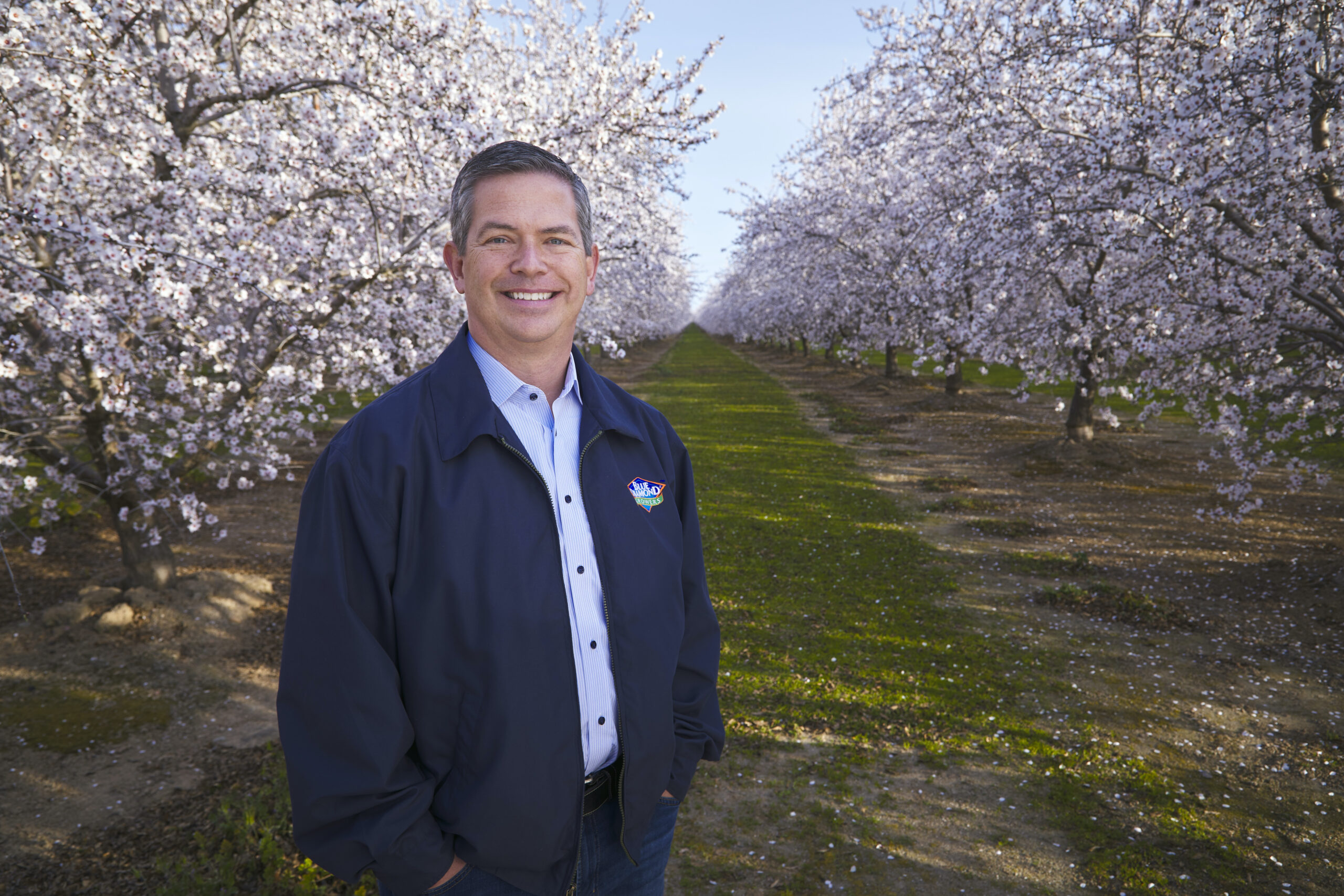
Mark Jansen is president and CEO of Blue Diamond Growers. And they sure innovate.

“About five years ago, we opened the world’s first almond innovation center. We have a number of R&D and research and marketing people who are housed together on our campus in Sacramento, whose job is to come up with innovations, you know, utilize almonds in new and better ways. And those efforts have absolutely paid off and a year before COVID we launched our record number of new products,” said Jansen.

Jansen said during the COVID crisis, grocery stores didn’t want to innovate. The stores just wanted to keep things simple, only keep the basics on the shelves.


“The stores did not want to see anything new, they just want to make sure they have products in stock. Now, as we come out of COVID, we fully anticipate that people’s desire for seeing something new for new taste experiences, for variety, will come back with a passion,” Jansen said.


“And so, we’ve been innovating all through the pandemic and our teams have found innovative ways to do that. We’ve got a great pipeline of new product ideas that I would love to be able to share with your listeners, but I’m only able to share those such as the extreme almonds that are showing up soon,” he said. Jansen is referring to a hot and spicy line of almonds. “It becomes a competitive intelligence issue for us,” he said.

2021-03-30T19:14:06-07:00March 30th, 2021|

Stagnant Public Funding for Ag Research

New Report Highlights How Stagnant U.S. Public Funding for Agricultural Research Threatens Food Systems


Stagnant public funding for agricultural research is threatening the future vitality of U.S. food systems – posing risks to farmer productivity and profitability, the steady supply of affordable food for consumers, and ultimately global food security, according to a new report.

The report, jointly commissioned by Farm Journal Foundation and the American Farm Bureau Federation and authored by the IHS Markit Agribusiness Consulting Group, highlights the vital importance of public funding for agricultural research and development (R&D).

New innovations are crucial so that farmers can increase their productivity and meet rising global demand for food, even as climate change intensifies. The world population is expected to reach 10 billion by 2050, and food production will need to increase by 60%-70% to meet rising demand. While private-sector funding for agricultural R&D has been increasing, U.S. public spending has been flat for the past decade.

“The U.S. has always been a leader in agricultural innovation, but we’re at risk of losing that advantage by falling behind the rest of the world in research and development,” said American Farm Bureau Federation President Zippy Duvall. “This report shows the clear need for agricultural research to benefit not only farmers but our entire food system and every person who eats. The research will unlock the answers to growing more crops even as we face increasingly volatile weather, help to create a more resilient food system supply chain and provide food that’s higher in nutritional value. It’s the golden ticket.”

Public investment is crucial, as private companies have less incentive to research subjects that benefit society broadly but offer potentially lower monetary returns, such as in the areas of environmental, animal health, specialty crop, and food safety research. Private companies primarily focus research spending on only a few major crop and livestock markets, leaving other sectors under-explored.

Other countries are seeing the value of investing in agricultural research, putting the U.S. at risk of losing its competitive advantage in agricultural production and exports. China became the world’s largest public funder of agricultural R&D in 2009, and India and Brazil are also making significant investments.

It can take years to develop and bring new technologies to market, so research funded today must seek to anticipate and solve the problems of tomorrow. In order to make agricultural and food supply chains more resilient, increased research funding is needed across the board. This paper focuses on the key areas of crop breeding, crop protection, animal health, animal disease and foodborne illness, climate change, and global pandemics as case studies.

“COVID-19 should be a wake-up call that more public research funding is needed to address unexpected shocks,” said Tricia Beal, CEO of Farm Journal Foundation. “The pandemic created huge challenges for agricultural supply chains around the world. It also showed just how quickly pathogens can spread. Increased public support for agricultural research is crucial for finding solutions to make our entire food system more resilient.”


2021-03-29T19:10:19-07:00March 29th, 2021|

AgSafe Helping Farm Industry for 30 Years

AgSafe Marking 30 Years of Training Farmers, Supervisors and Farm Worker

In agriculture as in most fields, workers and employers alike need ongoing training to keep up with changing requirements and advances in the field. Fortunately for California’s food and farming industries, a nonprofit called AgSafe has been providing specialized training in worker safety, health, human resources, and food safety for 30 years.

In fact, Natalie Gupton, AgSafe’s Vice President, and Chief Operating Officer, said nearly 100,000 employers, supervisors, and farmworkers have been trained over the years, adding that the $50,000 provided by the Farm Credit associations serving California since 2012 has been extremely helpful in making that happen.

“Our flagship event is our annual conference, and the support Farm Credit has given for that event has helped sustain it and ensure cost is not a barrier for the ag industry to attend,” Gupton said. “We certainly appreciate that support. We couldn’t do the work we do without the support you give us.”

Supporting Farm Credit institutions include American AgCredit, CoBank, Farm Credit West, and Fresno Madera Farm Credit – all of which are part of the nationwide Farm Credit System, the largest provider of credit to American agriculture.

Keith Hesterberg, President and Chief Executive Officer of Fresno Madera Farm Credit, said Farm Credit supports AgSafe because worker safety is a high priority for the industry.

“The safety of the essential workers who harvest and process the crops that feed America and the world is a top priority for the industry, and AgSafe has been a leader in safety training since its founding in 1991,” Hesterberg said. “Supporting its ongoing training efforts is a great investment.”

But HR training is equally important, noted Mark Littlefield, President and Chief Executive Officer of Farm Credit West, because employers need to stay abreast of ever-changing state laws and regulations.

“For example, the state requires farm labor contractors to take a nine-hour course each year to maintain a valid license,” Littlefield said. “Continuing education provided by AgSafe is an essential component of keeping our farms operating safely and in compliance with the state’s numerous employment laws, and Farm Credit is proud to help make it possible.”

The eight-person staff provides the bulk of the training, much of it developed by Vice President and Chief Education Officer Angelina Ceja in partnership with regional partners and guidance from state and federal agencies.

Gupton said AgSafe provides free informational webinars and materials that are available to any group or organization involved in agricultural work in both English and Spanish. Grant opportunities had allowed the development of robust programs such as the California Agricultural Human Resource Certificate, an on-demand federal focused Agricultural Human Resource Certificate, and an H2-A Cost Estimator.

Besides the industrywide training courses the company offers, she said AgSafe can provide specialized training for farming businesses with specific needs, such as sexual harassment prevention, injury and illness prevention plan development, first aid, and supervisor essentials. And while the bulk of the training takes place in California – the nonprofit is based in Modesto – AgSafe is now reaching out to farmers and ranchers in several other states as well. To help serve other regions more effectively, Gupton is based in Louisville, Ky.

Currently, she said, AgSafe is concentrating on COVID-19 prevention and compliance.

“People are looking for more information about COVID, so we prioritized our efforts to focus on providing reliable information to help the industry navigate regulations and provide best practices to keep our workforce safe. New information is coming out almost daily and our goal is to provide timely and succinct information,” she said.

Regardless of the training needs, she said AgSafe’s goal is simple: “to be the one-stop resource providing worker safety, health, and human resources, solutions for the food and farming industries. And we thank Farm Credit for its generous support in helping us strive toward that goal.”

2021-03-29T13:08:41-07:00March 29th, 2021|

Feds Rescind 5 Percent Allocation

5% Water Allocation Rescinded By Feds

By Patrick Cavanaugh, with the AgInformation Network

The original initial allocation of 5% water for Federal water users on the Westside of Fresno and Kings Counties has been rescinded. The Bureau of Reclamation has announced that the contract supply of 5% is not available until further notice, which could push tree nut growers into a zero-water supply for 2021.

“It sounds like we still have the 5%, but we don’t know when we’ll get it,” said Joe Del Bosque, who farms almonds in a Federal water district on the Westside.

“That doesn’t mean we’re guaranteed to get it. It just means that it’s not going to be available now,“ Del Bosque said.

Joe Del Bosque

“And it wasn’t like we didn’t have any rain or snow in California this year,” said Ryan Jacobsen, CEO of the Fresno County Farm Bureau.  “Northern California is at 51% of average precipitation for the year statewide average snowpack levels are at 63% of average,” Jacobsen said

It’s, instead, just another example of a broken system.

“The unfortunate reality that our farmers here in Fresno County have to deal with now. It is truly a complex issue of what’s going on in the Delta. And it’s very unfortunate because we’re having the full ramifications of it,” Jacobsen said.

“Historically,  going back over a decade ago, this would have been at least some kind of an allocation here, you know, it could have been as high as the 10 20, 30 percentile.  However, because of the restrictions and our inability to get water in years like this year, it truly does reflect the broken system we have in the Delta,” noted Jacobsen.


2021-03-25T16:04:01-07:00March 25th, 2021|

CWA: A Big Advocate For California Farming

CWA Group Effectively Speaks on Behalf of the Busy Farmer

Since 1975, California Women for Agriculture (CWA) has educated and advocated about the importance of farming. Farm Credit continues to support their efforts.

In 1975, a group of women concerned about challenges to California agriculture got together to “speak on behalf of the busy farmer” and educate consumers and legislators about farming issues. Today, the CWA has become one of the largest all-volunteer advocacy groups in the nation, consisting of a diverse group of bankers, lawyers, accountants, marketing professionals, and consumers – along with farmers and ranchers.

Rose Tryon, a fifth-generation rancher beginning her second year as CWA president, said it is critically important that the ag industry continues to mount education and advocacy efforts, and last year added a digital campaign to its usual lobbying efforts.

“Last year we ran a digital campaign titled Faces of Ag, where our communications team highlighted members who work in different facets of the industry,” she said. “We wanted to point out (to lawmakers) how important agriculture is to the state’s economy, how many jobs are involved, and how many women and minorities are involved in ag and make a connection about how their decisions affect women and minority populations and ag in general. Our membership is as diverse as the crops we grow.”

Because of the importance of educating policymakers about the many issues affecting farming and ranching in California, Farm Credit associations serving California have sponsored CWA for more than 20 years. Supporting Farm Credit institutions are American AgCredit, CoBank, Colusa-Glenn Farm Credit, Farm Credit West, and Fresno Madera Farm Credit – all of which are part of the nationwide Farm Credit System, the largest provider of credit to American agriculture.

“About half of the million dollars Farm Credit donates to nonprofits each year goes to preserving agriculture and raising awareness of the importance of agriculture in California,” said Timothy Elrod, president, and CEO of Colusa-Glenn Farm Credit. “CWA’s 1,300 members do a great job educating decision-makers and advocating for policies that keep our state’s agriculture industry competitive and viable. We believe our contribution of $10,000 a year to support this great organization is an investment in the future of farming.”

Tryon said Farm Credit’s support over the years has been essential in helping the organization grow

“We can’t continue to advocate without our sponsors, and we are so appreciative of Farm Credit’s support. They’ve been an absolutely wonderful sponsor, and we couldn’t continue without them,” she said.

The organization consists of 21 local chapters that focus on promoting agriculture locally and providing scholarships to students majoring in farming-related majors. Tryon said her local chapter in the Chico area, for example, raises money to loan to students who can’t afford to buy an animal for FFA or 4H competitions. A student then raises the animal, shows it, and repays the loan when she sells it after the competition.

That kind of commitment to the future of agriculture is another reason why Farm Credit continues to sponsor CWA, noted Keith Hesterberg, president and CEO of Fresno Madera Farm Credit.

“In our area, CWA partners with Ag One to put on the Ag Boosters BBQ each year, which raises funds to support ag students and programs at Fresno State,” Hesterberg said. “Farm Credit is proud to directly sponsor that program, which helps ensure we will have well-educated ag leaders in the future.”

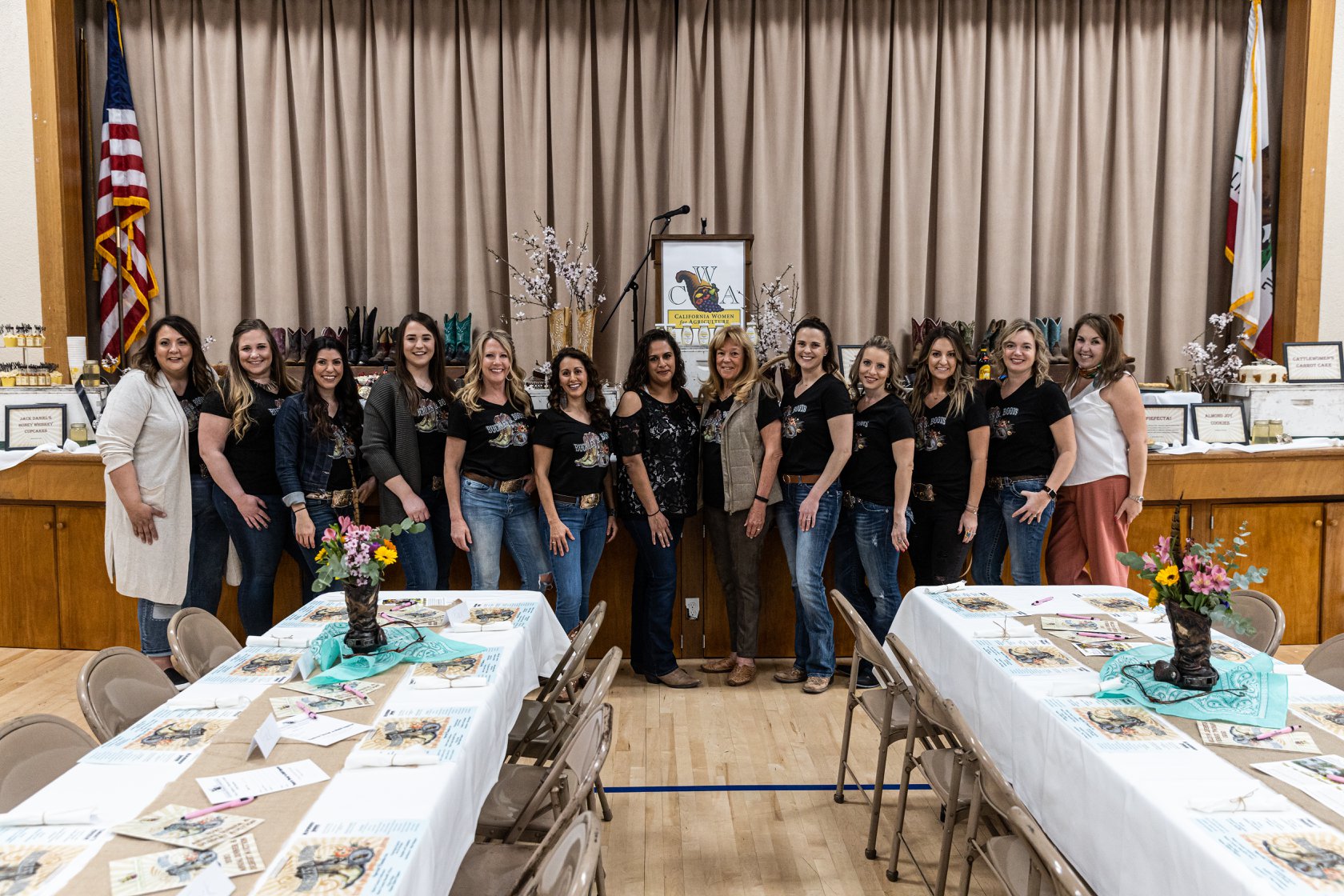
Photo: California Women for Agriculture members gathered at their annual convention in 2020, just before the COVID-19 pandemic hit.

2021-03-24T10:37:09-07:00March 24th, 2021|

American Dreamer and Workforce Modernization Act Passes

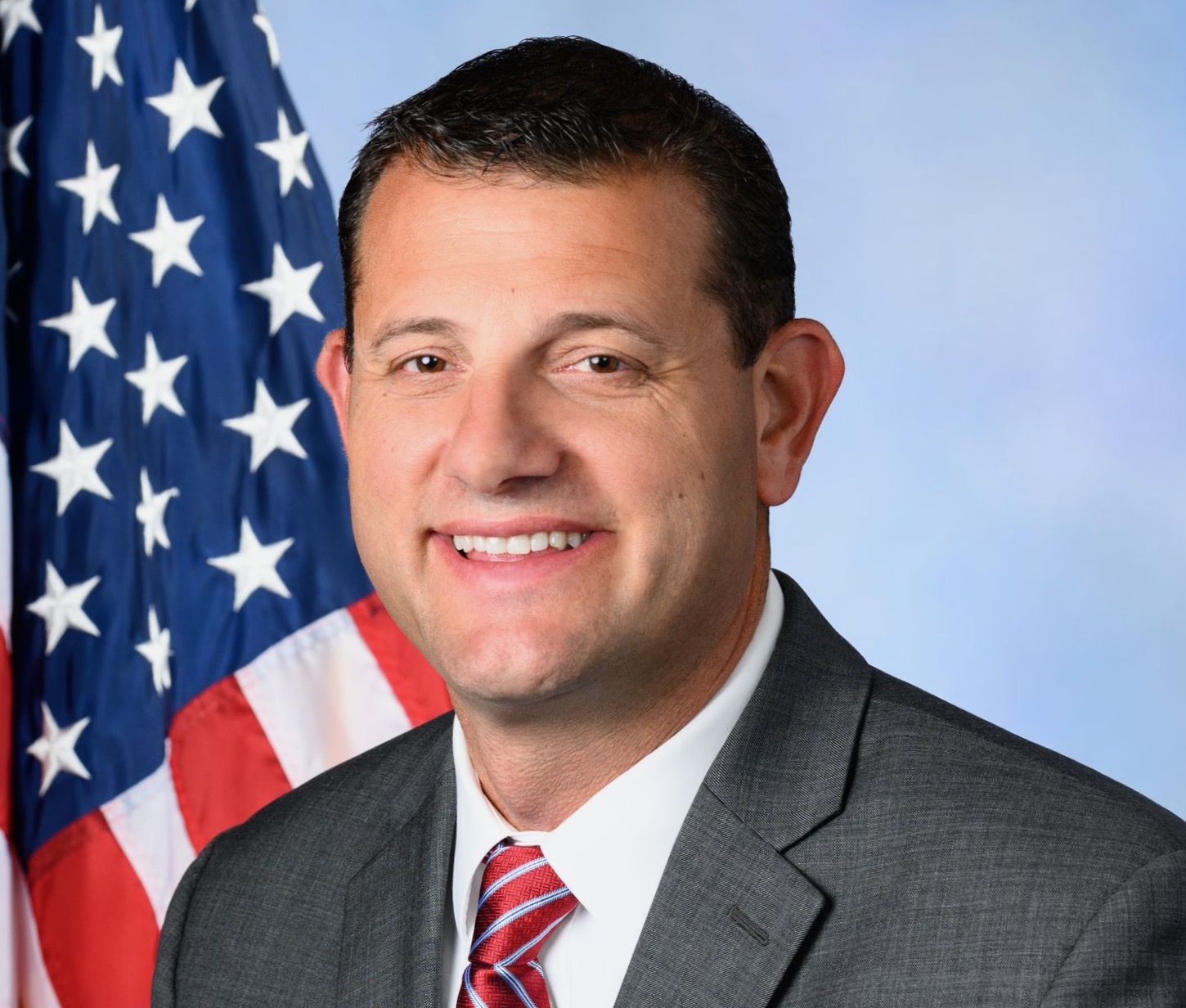
Congressman David G. Valadao Statement on the Passage of the American Dream and Promise Act, Farm Workforce Modernization Act

Recently, Congressman David G. Valadao released the following statement on the final passage of the American Dream and Promise Act and the Farm Workforce Modernization Act, both of which he voted in favor of:

“I am proud to protect our Dreamers. My Congressional District is home to more than 7,000 DACA recipients. These young people go to work, attend school, pay taxes, and are actively involved in our communities. We must ensure that people who were brought here as children through no fault their own, and call the United States home, are welcome here.

“As the son of immigrants and lifelong dairy farmer, I know firsthand how desperately our agriculture workforce needs meaningful reform. Many industries in the Central Valley rely heavily on immigrant labor. Our farm workers are absolutely critical to our collective mission of reliably feeding America, yet many live in fear due to an inability to gain legal status through our broken immigration system. Ensuring that our essential farmworkers already in the states receive legal status, while also simplifying and streamlining the process for future flow of workers, is just common sense, and I am proud to be an original cosponsor on this very important legislation.”


2021-03-23T16:52:53-07:00March 23rd, 2021|
Go to Top