About California Ag Today

This author has not yet filled in any details.
So far California Ag Today has created 2014 blog entries.

Kiwi Growers Farming New Varieties

Great Harvest for CA Kiwi Growers

By Jessica Theisman, Associate Editor

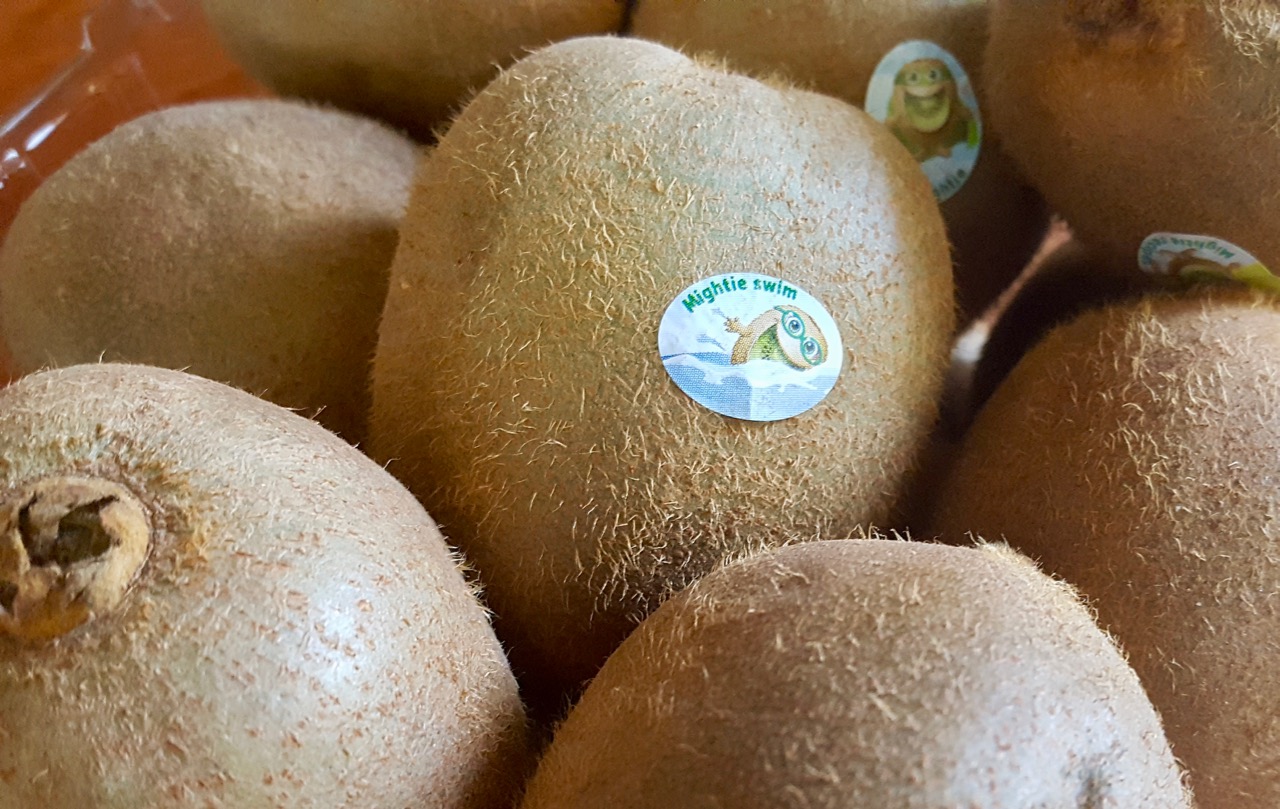
California kiwi growers are having a great season! California Ag Today recently spoke with Nick Matteis, Assistant Manager for the Kiwifruit Administrative Committee, based in Sacramento, about the harvest.

“The crop looks great! We’ve got a good distribution of sizes, so we’re excited about that,” Matteis said.

They have some new gold varieties that are increasing in production, and they hope to double their harvest from last year.

“Most of the new varieties globally are some type of gold, but there some other colors out there,” Matteis explained.

Red kiwi fruit and new varieties that look quite interesting are on the rise.

“We have one grower that’s testing some red, but it’s very early,” Matteis said.

There is also a new variety called the Megakiwi, which is exactly how it sounds.

Matteis also spoke with us about California Grown’s new social media outreach program called Farm 2 Fan. Farm 2 Fan offers a spotlight for farmers whose produce have plenty of fans.

“We are right in the middle of a promotional campaign that we execute in partnership with Visit California,” he said. “This is a video series and digital marketing campaign that introduces farmers producing different crops from all around the state of California.”
2017-10-30T15:06:02-07:00October 30th, 2017|

Letting GSAs or State Decide Sustainability

Who Decides What is Sustainable Pumping?

By Patrick Cavanaugh, Farm News Director

Local groundwater sustainability agencies, also known as GSAs are quickly being developed to draw out specific plans on how to prevent groundwater overdraft in the areas of the state, particularly in the central San Joaquin Valley. It’s all part of the Sustainable Groundwater Management Act (SGMA) that could forever change the face of agriculture, as we know it today.

Keith Freitas farms lemons on the east side of Fresno County, and he knows of many farmers that are getting together to fight SGMA.

“They’re going to take it to the courts and the judicial. They’ll be filing injunctive orders,” Freitas said. “You’ve got perishable crops you’re dealing with, so the injunctions can come really quick, they can last for long time, and for many years. There’s a possibility the way this thing is structured legally, if we put a legal defense program together and a plan, the plan could push this thing out another 10, 15, 20 years.

And sustainable pumping is the linchpin of SGMA.

The local GSAs are formed to make your basin sustainable, and the state says the GSAs in control.

“Well, how could we be in control of our own sustainability if the states laying the ground rules and setting the criteria for what’s sustainable, and what’s not?” Freitas said.

So, if the Central Valley GSAs, for example say that they believe pumping water down to the 2600 foot level underground is sustainable, “Then suddenly the state’s going to say: ‘well, no, that’s not even close.’”

“You draft the aquifer down to a thousand feet, all the buttons and bells and whistles go off, and you’re no longer sustainable,” Freitas said. “Well, wait a minute. What happened to that we choose what’s sustainable?”

2017-10-27T16:47:00-07:00October 27th, 2017|

Labor Issues Affecting Harvest

California Faces Labor Issues

By Jessica Theisman, Associate Editor

California Ag Today recently had the chance to interview Alex Ott, Executive Director of the California Apple Commission, California Blueberry Commission, and the California Olive Committee. He said the apple harvest went well, but there are labor issues in California that will be affecting the industry in the future.

Alex Ott

There is a big concern regarding the ongoing labor issues. These issues don’t just affect apples and blueberries, but other commodities as well. The increased rules and regulations in California are one component to the decrease in labor.

“You have all of the new rules, whether it be mandatory increase in wages, that obviously inflate a lot of the other wages that are currently already in existence,” Ott said.

Another cause is that they have done away with the ag exemption overtime. With all of the stress following that change, the stress is put on the labor and in this type of situation, the labor decreases.

“I think it is a combination of a lot more increased enforcement of what is going on down at the border, and as a result, you see a lot of folks that just are not available to work,” Ott explained. “Many workers will decide to just not go to work. Not only is the stress on the labor, but the growers as well. If the grower does not increase what he is bringing in, it makes it very difficult to pay the increased costs.”

2017-10-26T14:03:50-07:00October 26th, 2017|

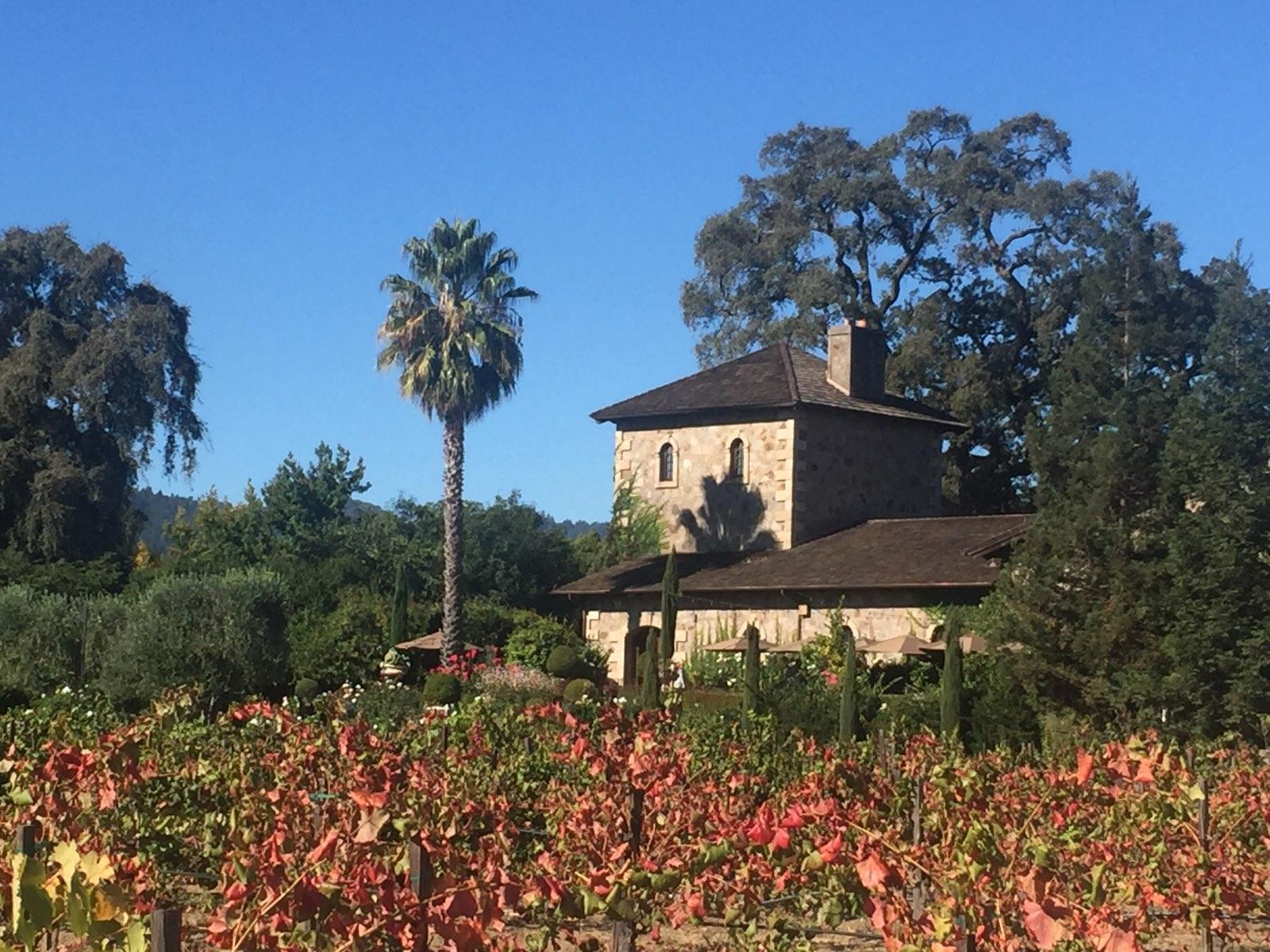
Wineries Need Business after Napa & Sonoma Fires

Following Disastrous Fires, Napa/Sonoma Valleys Need Visitors Back

By Patrick Cavanaugh, Farm News Director

The recent Napa & Sonoma fires have left wine country reeling.

“Our message is, please come back to the wine country,” said John Winkelhaus, vice president of operations and general manager of V. Sattui Winery, the number one visited winery in Napa Valley.

The region just had some devastating fires.

“It was absolutely dramatic. We certainly just have heartfelt feelings for the folks that have lost their homes and their businesses. And of course, you can’t measure the sorrow we feel for those who lost their lives,” Winkelhaus said.

Sonoma and Napa counties were hit pretty hard. Sonoma County was perhaps worse than Napa because of the devastation that was in that residential area.

It rained last Thursday, the fire was put out and the smoke was washed out of the sky, but now there’s another problem.

“It cleared the air. I mean, we have beautiful blue skies here. But visitor traffic is way down,” Winkelhaus said. “We always have a lot of complaints about the traffic here in the Valley, especially on weekends. But there’s no traffic here.”

“So, what’s happened is that the people, our guests, our visitors who we depend on, allow our staff to come to work every day. They’re not coming,” he said.

“Everybody has a mortgage or rent to pay, or food to buy, or bills to pay as well. … In Napa Valley, 70% of the wage earners are earning their money through the hospitality business, whether it’d be the restaurants, or the hotels, or the wineries,” Winkelhaus said.

“There are 500 wineries in the area, and only seven were damaged or destroyed by the fire. So 447 are open for business and need business,” he explained.


2017-11-08T19:59:54-08:00October 25th, 2017|

Eating Healthy Produce Important for Kids

Produce Critical to Healthy Lifestyle

By Patrick Cavanaugh, Farm News Director

Fruits and vegetable are an important part of a balanced and healthy lifestyle. Eating healthy produce is especially important for kids whose minds and bodies are still developing.

Teresa Thorne, the executive director of the Alliance for Food and Farming in Watsonville, recently talked to California Ag Today about a peer-reviewed study that showcased the importance of healthy eating during childhood.

Teresa Thorne

“It’s another study, and it mirrors other peer-reviewed research that shows the health benefits to children of eating more fruits and vegetables,” Thorne said.

“There have been other studies that also have come out and said that increasing consumption of fruits and vegetables, especially among young children, can really increase IQ. This study, which was conducted in Australia with 4,200 kids, found that test scores on standardized academic tests increased markedly from students that ate more fruits and vegetables and ate them every day,” Thorne explained.

Thorne emphasized that it’s very important for people of all ages to eat their fruits and vegetables.

“We know fruits and vegetables have a benefit for all of us, and on overall health, and that does include brain health, including when your kids are young and growing and maturing,” she said. “Giving the brain those nutrient-rich foods that fruits and vegetables really provide is important, and these types of studies just underscore that.”

It’s not just one type of produce that’s healthy. No matter if you choose organic or conventional, the important part is that you eat more fruits and vegetables.

“Organic or conventional, where ever you purchase them, whether you like to shop at your local grocery store or warehouse store or farmer’s market, buy either organic or conventional, but just always choose to eat more,” Thorne said.

“Even the most loyal, say organic shoppers, there’s times you’re eating in a restaurant or what have you, that they may not have that choice for you, but you should know that the choice to order that salad is always the right choice, whether it’s conventional or organic. Both production methods yield very, very safe and healthy foods.”

2017-10-24T14:38:55-07:00October 24th, 2017|

Entrepreneurship Forum is Biggest in Valley

Entrepreneurship Forum in Clovis on Nov. 15

By Patrick Cavanaugh, Farm News Director

The Central Valley Innovation and Entrepreneurship Forum will be held in Clovis on Nov. 15th. This forum should be the largest event for innovation and entrepreneurship in the Central Valley. Industry leaders, angel investors, entrepreneurs and business owners will be there to share advice and strategies on how to make it in today’s economy.

“We are gearing up for our big event that will be held at Clovis at the Veterans Memorial District in the auditorium,” said Helle Peterson, manager of the Center of Irrigation Technology at California State University Fresno.

“We actually have the whole building because we have multiple things going on. We will have a series of workshops during the day that’s all around financing, investment, entrepreneurship, innovation. We also have five companies that will pitch their technology or their business to a group of potential investors. The whole community will be there, and we’re very excited about that,” Peterson said.

“There’s an evening program attached to that, which we call the stock exchange. It’s where we will have 20 entrepreneurs exhibiting their technology business and then the audience will go around and invest in these businesses with monopoly money. It will create excitement of which company we think will be more successful,” Peterson said.

The keynote speaker will be Paul Singh, the founder of disruption Corporation.

“He’s actually one of the founders of 500 Startup, which is a really well-known accelerator in the Bay area, and he can really talk to that entrepreneurship innovation space,” Peterson said.

Find out more about the event and register for it here.

2017-10-23T16:50:59-07:00October 23rd, 2017|

California Represented at Fresh Summit In New Orleans

PMA Fresh Summit Happening Now, Oct. 19-21

By Patrick Cavanaugh, Farm News Director

The Produce Marketing Association’s Fresh Summit brings together produce and floral industry leaders, retail buyers, food safety experts and importers and exporters from around the globe. A thousand exhibitors representing over 60 countries are at the Fresh Summit in New Orleans this week.

Alex Ott

“It’s a great opportunity to continue to meet with consumers and buyers and get the message out about the availability of California produce,” said Alex Ott, executive director of the California Apple Commission, California Blueberry Commission and the California Olive Committee told us about the Summit.

The Buy California Program will be a big part of the Fresh Summit this year, and Ott noted that it has been very positive for California apples and blueberries and olives.

“Getting the message out that California isn’t just Hollywood, but a big agricultural state as well, and we are there representing apples, blueberries and olives.

Regarding the 2017 blueberry crop, Ott noted that harvest went well and prices were good, however the price for processed blueberries were down this year.

“We were running about 10 days behind this year, but overall it was a very comparable year to last year as well. Not all the final numbers are in yet, but the fresh market was very, very good. Processed was not good,” Ott said.

“There was a lot of fruit out there and the processed prices were down significantly. And that had a huge impact on how many blueberries actually went to processing,” he said.

“The other unfortunate incident at the beginning of the year, is a lot of our friends in Georgia and some of the other southeast States, experienced a freeze, which impacted the crop, but on the other hand, was … good movement for California fresh blueberries,” Ott said.


2017-10-20T15:43:22-07:00October 20th, 2017|

CDFA’s Karen Ross: Water and Labor are Big Issues for California

CDFA Secretary Says State has High Water and Labor Standards

By Patrick Cavanaugh, Farm News Director

Karen Ross, secretary of the California Department of Food and Agriculture, spoke to California Ag Today recently about the two big challenges regarding California agriculture.

“[The] two biggest challenges we have are labor and water. Some days, labor’s number one and water’s number two, but they’re both always right up there,” she said.

Karen Ross

Ross spoke at the recent California Citrus Conference in Visalia.

“I think for the future, water is very key to how we’ll grow. I think it’s important for people to think about how we farm in this state,” she said. “We farm to extremely high environmental standards, and extremely high labor standards. Those are responsibilities that we have taken on. I certainly hope that people will continue to buy California to reward that kind of stewardship, because it comes with a price.”

Ross noted that investment is key with labor, automation and water.

“We just have to get through a couple of really big, challenging issues,” she explained. “Automation’s going to definitely be more of our future, and as we invest in that automation, we have to make sure we’re concurrently investing in the workforce skills development to go with it, because they will be different jobs.”

“When it comes to water, the renewed focus on how do we do intentional groundwater recharge as part of making the sustainable groundwater management actually work in our basins is going to be an exciting opportunity for us,” she said.

2017-10-19T16:00:01-07:00October 19th, 2017|

California Dates Being Harvested

Medjool Date Season is Going Well

By Joanne Lui, Associate Editor

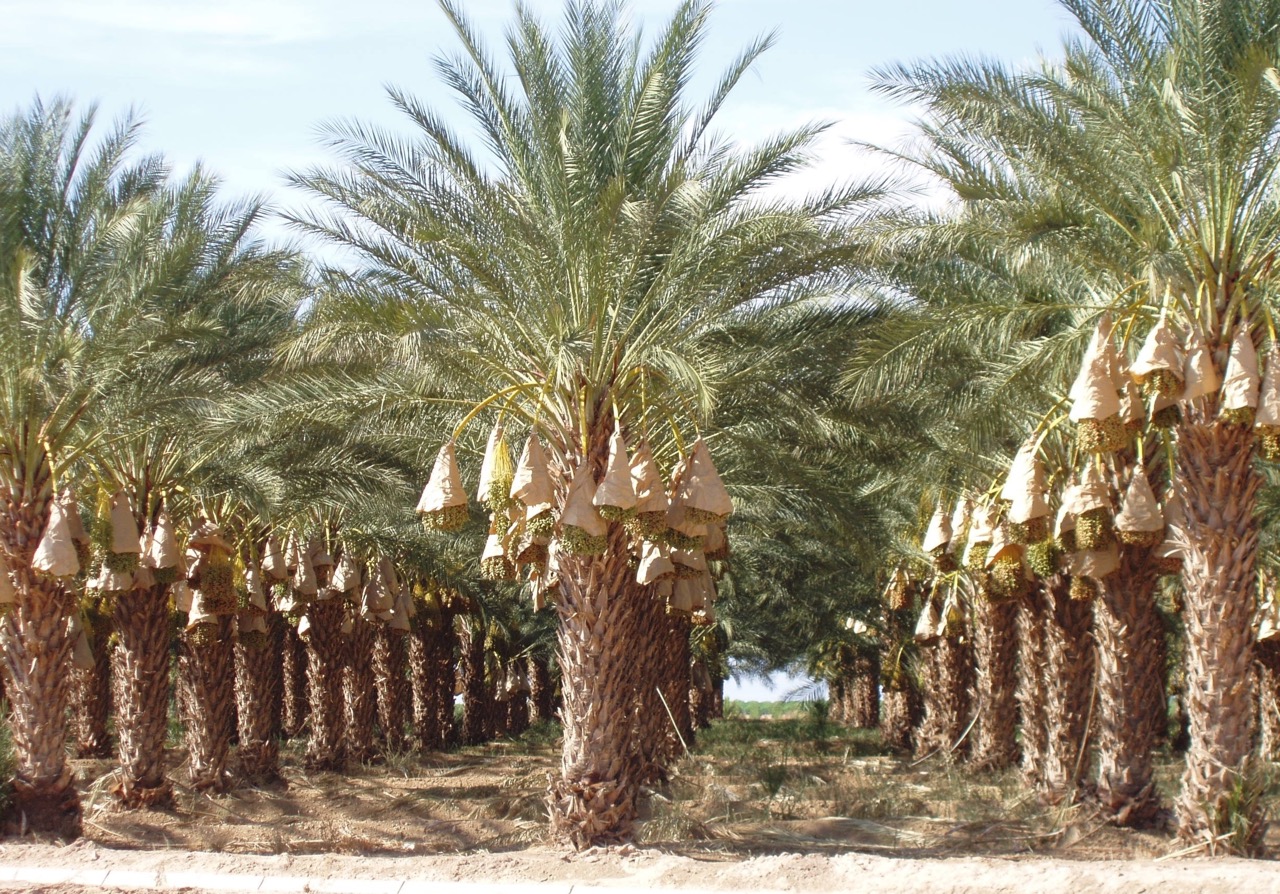
California Ag Today recently spoke with Ron Hill, farm manager of Royal Medjool Date Garden in Winterhaven, CA. The farm is located in Bard Valley, an unincorporated community in Imperial County. This area has a large amount of sunshine year round and stable, descending air and high pressure – perfect conditions for growing dates.

Dates grow in warm climates like California, Arizona, Florida and the Middle East. Medjool dates are one of the most popular – known for their large size, soft texture and rich flavor. We asked Hill if the harvest is beginning to wind down.

“The Medjool date season harvest is going well. We’re on the tail end. We’re going through and doing our last check,” Hill said. “Fruit quality is looking fair for this time of year, weather is cooperating and I think we’re going to have a pretty fair year this year.”

Date production is down due to weather.

“It’s down, just some due to the weather cycles, and then we have some damage from the rain,” Hill explained. “I have two different waves. When it’s a heavy rain on the dates, then they develop a black mold on the dates. And if the rain hits and then the humidity stays real high, then it starts, the fruit, to ferment on the tree. And so then that becomes a throw-away product also.”

The dates are still being harvested by man lifts and by hand.

“We do have man lifts. I would put four people up in each basket, and they go up and hand pick the dates, because the dates don’t ripen all at once, so we just go up and pick the ripe ones,” Hill said. “We have to be careful so we don’t knock off the unripened fruit, because at the present time there’s no means of ripening them if they haven’t started the process.”

There are also multiple picks that occur, between three and four times a year.

“The big difference is I’ve got some trees that are 60-foot tall, and so it takes some lifts, some big lifts, to get the people there, and just going up and down, it takes a lot of time,” Hill explained.

2017-10-18T16:03:11-07:00October 18th, 2017|

Huanglongbing Top Importance in Citrus

Huanglongbing Disease in Citrus is Top Problem

By Patrick Cavanaugh Farm News Director

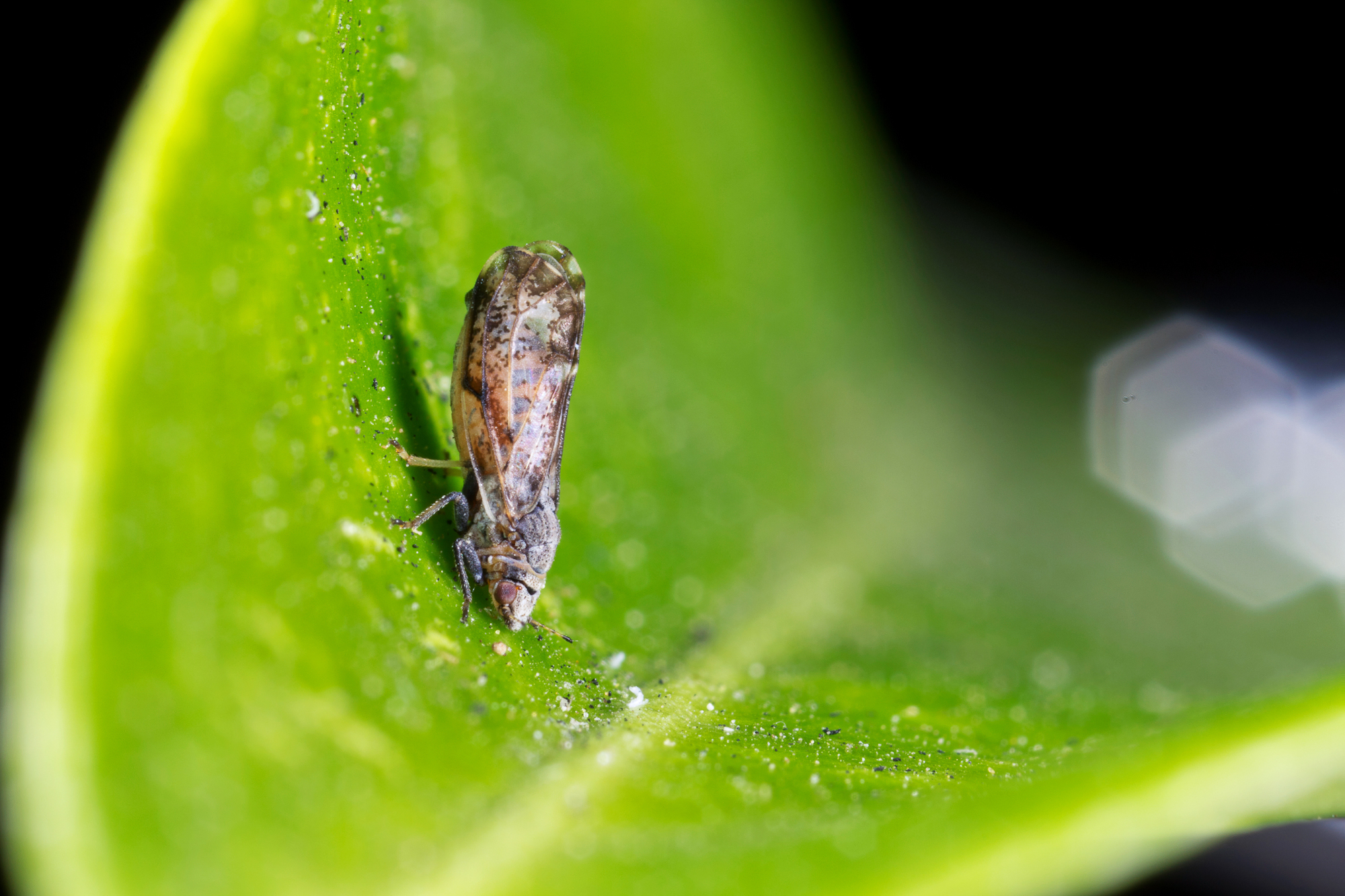
Gary Schulz, President of the Citrus Research Board in Visalia, said the pest pressure in citrus comes down to three problems.

“You know, there’s three really. There’s Huanglongbing, Huanglongbing, and Huanglongbing, (HLB)” Schulz said at the recent California Citrus Conference in Visalia. “When I moved to California in 1990, I had an old-timer that was on my board. He said, ‘You know, in California, we have three major challenges: water, water, and water.’ Well, in the citrus research for pests and diseases, it’s really Huanglongbing.”

Gary Schulz

“If we’re talking about red scale or Phytophthora or lemon fruit drop, those are important challenges, but if HLB begins infecting our commercial groves and spreads as rapidly as it can without our attention and treatment or tree removal, the rest are moot,” Schulz said.

He discussed his hope for the future of the California citrus industry.

“I hope that in five years, we’ve solved HLB. That’s my personal goal. Somebody’s got to put the stake in the ground and put a date out there,” he noted.

Schulz said that Citrus Research Board has got a number of research programs that are all working side by side to find that solution, turn that key, and make that happen.

“It may be more than just one solution. We have a researcher at Washington State University in Pullman for example. They’ve earned a research grant from the USDA because of the creativity in putting their work team together and the fact that they bring a whole new fresh approach and fresh thought process to how to culture the bacteria that causes HLB disease. That’s huge in the science community and has never been done before,” Schulz said.

For more information go to http://citrusresearch.org/

2021-05-12T11:01:58-07:00October 17th, 2017|
Go to Top