About California Ag Today

This author has not yet filled in any details.
So far California Ag Today has created 2014 blog entries.

Thanks to All Who Contributed to FFA Blue Jacket Campaign

FFA Blue Jacket Big Goal Hit!

Thank you for joining the California FFA Foundation and Blue Diamond Growers on Giving Tuesday.

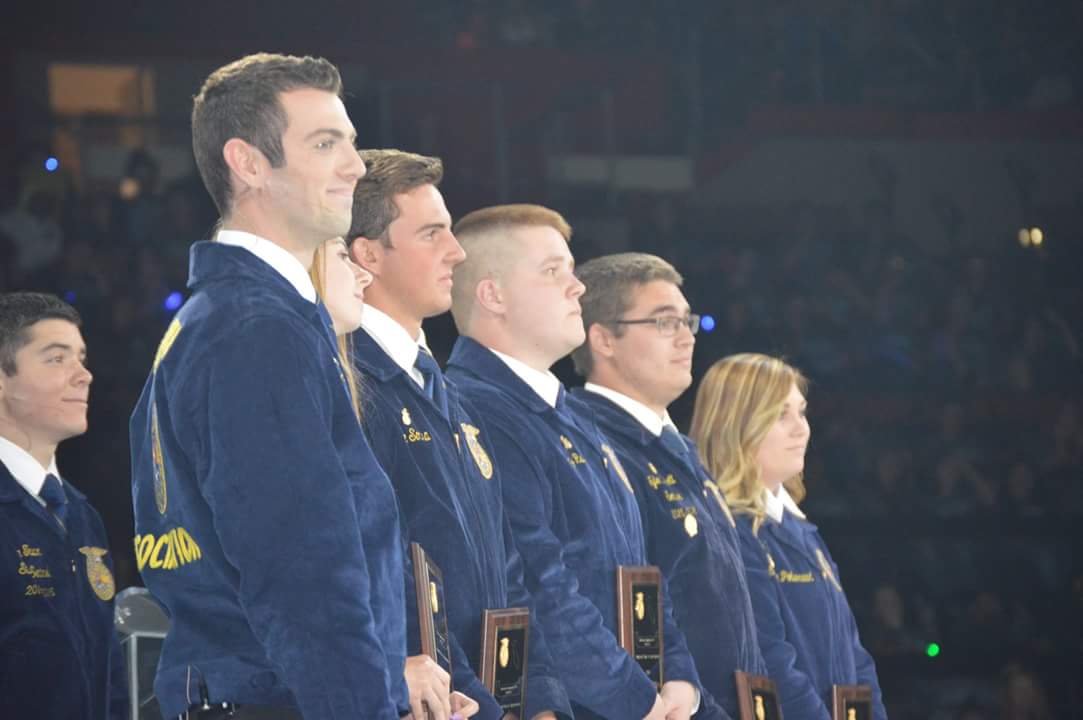
I am ecstatic to share, that we not only achieved our goal of 750 jackets, but we raised enough for 890 FFA jackets. That’s the equivalent of $66,750! 

Your support since 2016, has allowed for more than 2,535 FFA members to have a jacket of their very own. Thank you for joining the California FFA Foundation and Blue Diamond Growers in providing our members with the opportunity to own the FFA’s most recognized symbol, a blue corduroy jacket with their name stitched in Corn Gold. Thank you for gifting them with the experience to make their jacket reflective of the opportunities they will pursue as an FFA member.

Thank you for investing in the future of agriculture!

Katie Otto,

California FFA Foundation
2019-12-04T17:50:06-08:00December 4th, 2019|

Donations Needed For Displaced Animals From Kincaid Fire


Donations Help Fund Livestock Pens for Emergency Use Due to Kincaid Fire


To help house displaced farm animals during times of disaster, portable livestock pens have been deployed to seven fairgrounds around California. The pens, purchased through a partnership between the California Farm Bureau Federation’s charitable foundation and the California Department of Food and Agriculture, were formally dedicated during a ceremony today at the Yuba-Sutter Fairgrounds in Yuba City.

“During wildfires, floods and other emergencies, farmers and ranchers take great care to be sure their animals can be safely evacuated, often to nearby fairgrounds,” CFBF President Jamie Johansson said. “These portable livestock pens will make it easier for fairgrounds to fulfill their role as shelters during disasters.”

After the Camp Fire ravaged part of rural California last year, the California Bountiful Foundation—a charitable foundation established by CFBF—created a Farm and Rural Disaster Fund. Donations from 50 individuals and companies allowed the foundation to contribute $75,000 toward purchase of the portable livestock pens.

With additional funds from CDFA, a total of 280 pens were acquired. CDFA has distributed 40 pens apiece to fairgrounds in Anderson, Auburn, Lakeport, Merced, San Mateo, Ventura and Yuba City. Manufactured by Plymouth Industries of Nebraska, the panels to create the pens are stored on racks so they can be quickly mobilized and transported during a disaster.

“Already this fall, we’ve seen the pens used to help livestock during the Kincade Fire in Sonoma County,” Johansson said. “We also look forward to having them used for happier occasions, such as ongoing events at county fairgrounds around the state.”

For more information about the Farm and Rural Disaster Fund, see the CFBF website atwww.cfbf.com.  


2021-05-12T11:17:08-07:00December 4th, 2019|

World Ag Expo To Focus on Hemp

Hemp Innovation Challenge to Premier at 2020 World Ag Expo

The Hemp Innovation Challenge is designed to accelerate the future of the hemp industry by supporting entrepreneurs, researchers and students who are launching the most disruptive hemp innovations in the world. Submissions will come from hemp innovators in universities, companies, research institutes, barns, and government agencies. Finalists will be invited to the World Ag Expo® in Tulare, California in February 2020 to participate in the fast pitch competition. 
The winners will receive strategic feedback about their innovation, business model, and go-to-market strategy. Event highlights include networking with C-level executives, investors, and mentorship to support launching their innovations.
The Hemp Innovation Challenge™ will be run in partnership with the esteemed Larta Institute. Larta is a leading non-profit innovation hub with a mission to improve the transition of science and technology breakthroughs from the lab to the marketplace. Larta’s Global Agriculture Innovation Network (GAIN) programming, including the Ag Innovation Showcase, has helped over 700 ag entrepreneurs, who have gone on to collectively raise $1.7B over the past 10 years. “The Hemp Innovation Challenge is a perfect fit for what we do and our broader mission”, said Bandhana Katoch JD, MBA, MS, head of Larta’s Sustainability practice.
Entering its 53rd year, World Ag Expo® is the largest annual outdoor ag trade show in the world. In 2019, the show saw 102,800 attendees from 48 states and 65 countries. With more than 1,400 exhibitors and 2.6 million square feet of exhibit space, World Ag Expo® provides a platform for networking, education and business in one of the most productive ag counties in the United States. 
 
General Admission tickets are for sale online now, and attendees can plan their visit at www.worldagexpo.org/attendees. With a diverse lineup of agriculture companies and seminars covering international trade, irrigation, ag policy, hemp, and more, there is something for every ag professional at the 2020 World Ag Expo®. The 53rd edition will run from Tuesday, February 11 through Thursday, February 13, 2020 at the International Agri-Center® in Tulare, CA. 
 
To enter the Hemp Innovation Challenge, visit https://hempinnovationchallenge.org/hemp-innovation-submission/.
2019-12-01T11:57:02-08:00December 3rd, 2019|

Please Support California FFA Student’s Jacket Campaign


Blue Jacket Campaign to Help Many FFA Students

More than 46,000 California FFA members, or one out of every two students from the FFA chapter in your community cannot afford the prominent blue corduroy jacket. A contribution from you would also help fund crucial leadership events they will attend.

Future Farmers of America is a perfect way to teach our youth business, speaking, and technical skills. In addition, the value of hard work and entrepreneurship that are the building blocks of our country’s prosperity.FFA

FFA was a great way for FFA Students and millions of others to build strong connections, lifelong friendships, and a business network.

FFA is an ever-growing vocational agriculture organization that has over 92,000 members in California. The support we provide to our youth will provide them great opportunities to grow and succeed.

As industry leaders it is our responsibility to contribute and build a foundation for future generations.

Your contribution is critical in changing the outcome of Americas youth. Please support the FFA Foundation Board in backing our students. The cost of a jacket, tie or scarf is $75. Blue Diamond will match every jacket purchased before December 3rd 2019. If individual can purchase 150 jackets by December 3, 300 members will receive a new FFA jacket. Thanks Blue Diamond!

To donate, please go hear.
2019-11-29T18:07:11-08:00December 2nd, 2019|

Thankful for the California Farmer

We are Grateful for the California Farmer


By Patrick Cavanaugh, Editor

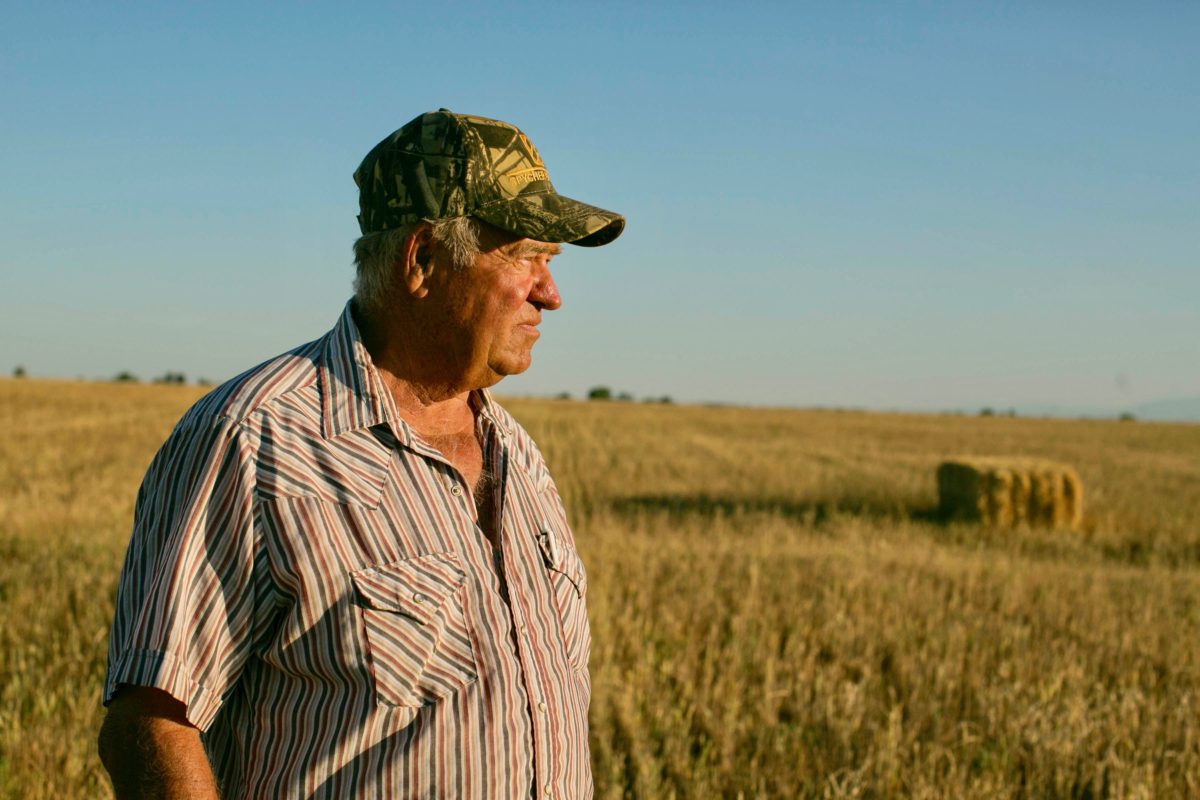
 It’s morning, and as the sun rises over the Sierra Mountains, the California farmer rouses early to plan the day and greet his or her employees alongside their pickup trucks.

Side-by-side, they

  • Walk the orchards of almonds, walnuts or pistachios;
  • Peruse the groves of citrus, peaches, plums, and nectarines;
  • Inspect the vineyards of table, raisin or wine grapes;
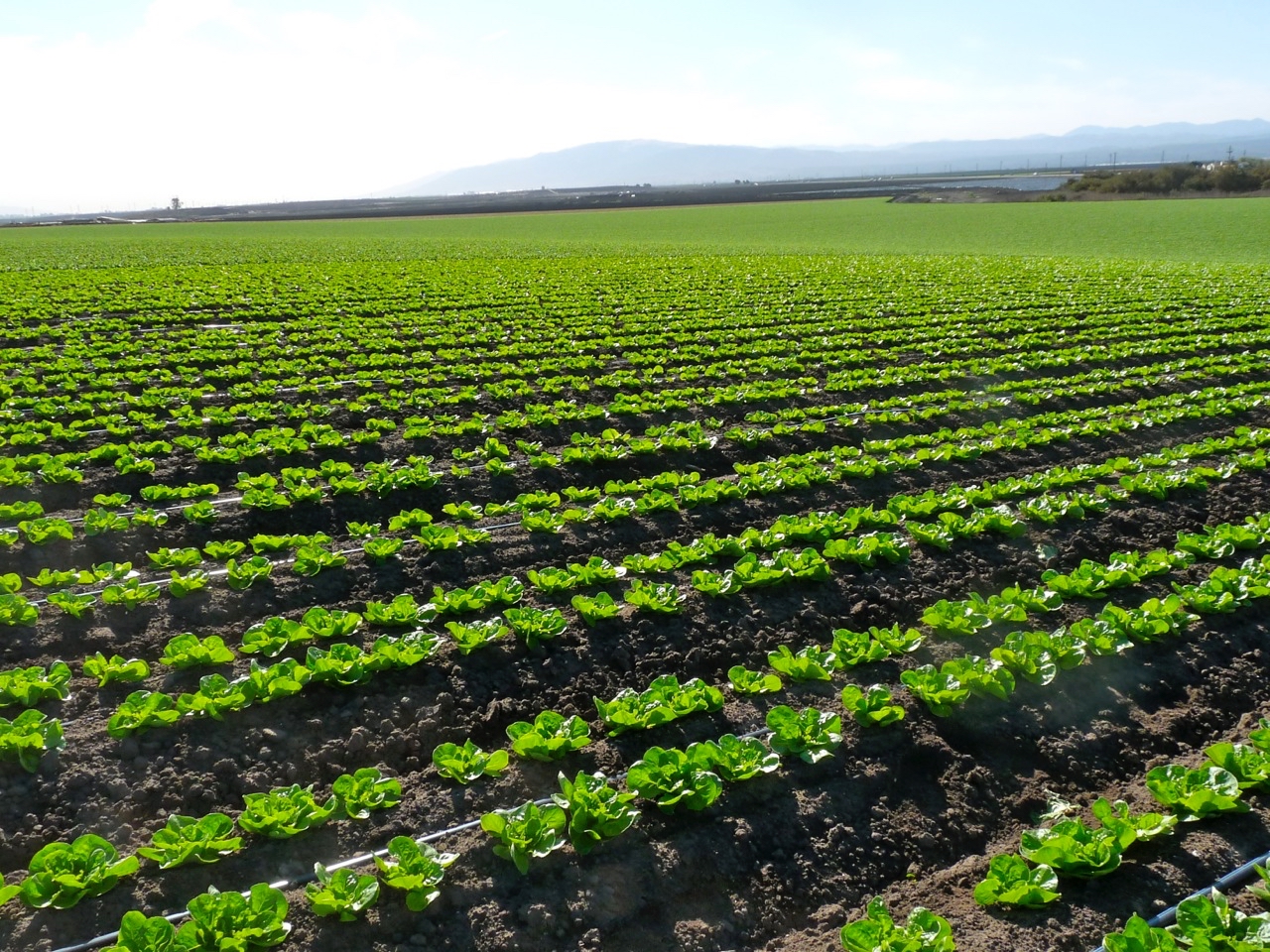
  • Survey the fields of lettuce, spinach, broccoli, celery or strawberries;
  • Raise forage to feed their healthy dairy cows.

We are grateful for the dedication of the California farmer:

Who may also be a rancher or dairyman.

Who takes NO days off from caring for their livestock and poultry.

Who follows the legacy of prior generations on the family farm.

Who contributes to our nation’s security by providing abundant, nutritious and safe homegrown food to eat.


We are grateful for the lawful vigilance of the California farmer:

Who checks their email for newly registered crop protection materials to prevent pests and diseases from destroying her crops.

Who adapts to ever-changing, complicated and costly regulations.


We are grateful for the responsible “buck-stops-here” accountability of the California farmer:

Who appreciates the dedication and experience of his employees.

Who follows preventive safety measures, such as providing work breaks, ample water, and shade from the heat.

Who pays her employees well and provides training for them.

Who ensures all equipment is well maintained and furnished with all safety features.

Who follows all best management practices whether industry-recommended or regulator-mandated.

Who adheres to all food safety laws and regulations to prevent food-borne illnesses.

Who tracks her produce every step in the process from seed to farm to fork.


We are grateful for the versatility of the California farmer:

Who farms more than 450 different crops—from artichokes, asparagus, and avocados, to

zucchini—which we all need to eat for great nutrition and vibrant health.

Who raises the wholesome foods that ought to dominate our plates to prevent obesity and other chronic diseases.

Who produces most, if not all, of the nation’s almonds, walnuts, pistachios, processing tomatoes, dates, table grapes, raisins, olives, prunes, figs, kiwi fruit, and nectarines.

Who leads the country’s production of avocados, grapes, lemons, melons, peaches, plums, and strawberries.

Who tends to his fields of stunning and delicate flowers that make so many people happy.


We are grateful for the ambitiousness of the California farmer:

Who produces award-winning, world-renown wine grapes, and vintages.

Who meets consumer demand for organic, gluten-free, low-fat, locally sourced, family-owned and farmed food.

Who increases the contributive value of California agriculture to the economy by stimulating secondary industries and jobs.

Who increases her yields to feed a hungry and growing world population.

Who contributes towards California’s 15% share of all U.S. agricultural exports (2015).


We are grateful for the conservation-minded California farmer:

Who uses drip or micro-sprinklers to conserve every drop of California’s water resources.

Who spends hundreds of thousands of dollars to invest in turnouts and valves to move floodwater onto their land, to build checks around open fields to capture runoff—all in an effort to recharge groundwater basins.

Who uses integrated pest management practices by following regulations and approved crop product directions, with an understanding of residues and the risk of pest and disease resistance.

Who uses fertilizers judiciously at the right time, for the right crop, in the right place, in the right amount, using the right methods.

Who installs solar panels to harness the abundant sunshine to power her operation.

Who floods her rice fields to conserve flyways for migrating birds and water for fish to thrive.


We are grateful for the savvy and social-minded California farmer:

Who advocates for his business and understands financing, accounting, insurance, and business and risk management planning.

Who reaches out to consumers (in her spare time) through social media to reassure excellent quality and safety control of their crops and to share their family’s farming legacy.

Who relays her challenges and achievements—the transparent, complex information that consumers want to know.


We are grateful for the accessible California farmer:

Who answers his phone to give directions on crop pruning, thinning and spraying.

Who responds to employee concerns with mutually beneficial solutions.


We are grateful for the generous California farmer:

Who contributes funding for local school gardens, agricultural curricula, harvest festivals, sports teams, Farm Bureaus, political action committees, and AgSafe.

Who donates to local food banks and homeless shelters.


We are grateful for the intelligent, knowledge-seeking California farmer:

Who regularly attends continuing education training on best practices, pest and disease management, and improved food safety practices.

Who stays current on scientific research and recommendations, and who chooses to fund such endeavors, plus industry associations and trade.


We are grateful for the deeply invested California farmer:

Who sends a text to her PCA to schedule a lunch meeting, then gets out of the truck and grabs a shovel to check soil moisture.

Who knows his field and weather conditions, trade and market variables, and employee concerns on a regular basis.

Who sustains the “California” brand known for exceptional quality, nutrition and safety.


We are grateful for the determination, stamina and perseverance of the California farmer:

Who stubbornly, painstakingly pushes for a good harvest despite growing challenges to his livelihood and way of life.

Who knows when to fallow a field, change a crop, or sell her business.

Who stewards her crop as best she can despite stormy weather, droughts, and floods.

Who relies on one paycheck per year, generally, which may or may not cover the cost of his operations.


We are grateful for the integrity of the California farmer:

Who checks his watch to make sure he arrives on time to his children’s parent-teacher meetings and extra-curricular activities.

Who is dedicated to her family, friends, and community.


We are grateful for the Optimistic California farmer:

Who realizes that hard times don’t last forever.

Who anticipates that next year could be better.

Who never gives up.

Who makes every effort to preserve his soil’s health, so it can produce the crop … for next year.


2019-11-21T14:27:09-08:00November 27th, 2019|

Superior Farms is Big with Solar and Wind Energy

The American Lamb’s Dixon Facility’s Wind and Solar offsets 95 percent of Energy Use


Superior Farms, the leading purveyor of farm-to-table American lamb in the United States, has activated a state-of-the-art solar panel system at its Dixon, Calif. facility. Now, combined with its wind turbine, 95 percent of the energy requirements for its facility will be from clean energy sources.

The solar panel system is the latest initiative in the company’s overall commitment to providing sustainably raised lamb. In addition to reducing its energy use in recent years and running on clean energy, Superior Farms has also reduced its use of water, diesel fuel and plastics as part of its dedication to the environment, animal care, food quality and people.

“Our employee owned company is proud to be making significant strides in our commitment to providing sustainably raised American lamb, though clean energy solutions and careful considerations regarding water use, transportation, packaging, and more,” said Anders Hemphill, vice president of marketing and brand strategy at Superior Farms. “We lead the industry in our sustainability efforts while supporting local, rural communities and American farming families, and providing a homegrown alternative to imported lamb which must be shipped thousands of miles.”

In addition to its wind and solar clean energy initiatives, Superior Farms’ sustainability efforts have resulted in:

  • A reduced use of water by 33 percent at its Dixon facility. That savings equals the amount of water used by more than 130 households annually.
  • A reduced use of diesel fuel since 2015 by more over 140,000 gallons per year.
  • Less food waste and less plastic packaging. Transitioning its case ready packaging to a vacuum skin package reduced Superior Farms use of plastics by a third. It also eliminates the need for retailers to repackage the product when it arrives in store and keeps the lamb meat fresh for a longer period, reducing food waste.

A 100 percent employee owned company, Superior Farms partners with over 1,000 American family ranchers to provide high-quality lamb with a strong commitment to animal wellbeing and sustainability. The lambs graze mainly on open pasture lands, sustaining on the natural vegetation of vast grasslands as they have for centuries while providing benefits to the land through fertilization, erosion mitigation and wildfire suppression.

Many sheep producers also work with crop farms to coordinate regenerative grazing and bring sheep onto fields after crops have been harvested. These lambs eat naturally enriched crops while boosting the level of organic matter in the soil, making it more fertile, and lowering carbon emissions by reducing the amount of tractor time on the field. Lambs receive excellent care and nutrition as well as proper handling to consistently provide the highest quality products to consumers.

For more information about Superior Farms and its sustainability efforts, including its four pillars of sustainability, visit www.superiorfarms.com. For sales inquiries, please contact sfsales@superiorfarms.com.


2021-05-12T11:17:08-07:00November 26th, 2019|

Nutria Swamp Rats Need Control

$7 Million Legislation Announce to Battle Nutria Swamp Rats

By Patrick Cavanaugh, Editor

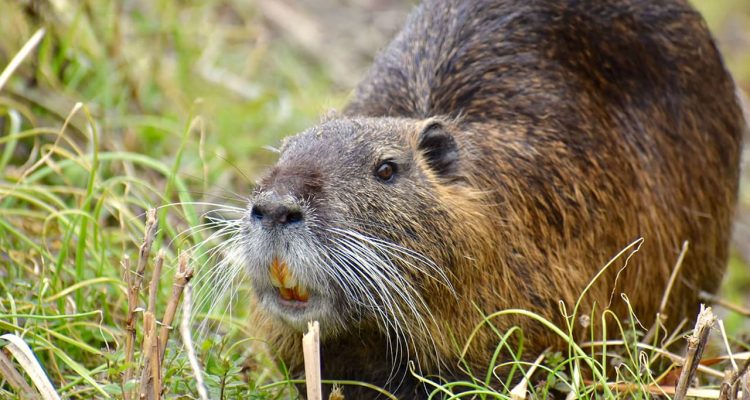
The nutria swamp rat, similar in size of the common beaver, with a very high reproduction rate, is capable of wide destruction to farm waterways. It has gotten so bad in California that Congressman Josh Harder of Modesto has introduced legislation in order to get funding in an attempt to eradicate the invasive pests.

Josh Harder

Congressman Harder

These swamp rats are taking over California. And for those who aren’t familiar with what a nutria is, it is a giant 40-pound rodent that causes flooding, divert water and eat through farm canals destroy the entire wetlands that the Central Valley relies on.

One of the challenges is that they grow exponentially and one female can have 200 offspring a year. “If we don’t nip this in the bud within a couple of years, they’re going to go from seeing one or two here and there to 250,000 of them in the next five years if we don’t nip it in the bud. So that’s why it’s so critical to get this done early,” noted Harder.

Harder is trying to invest $7 million to eradicate this while it is still early. “While we still have time, we’ve seen this nutria problem in two different states. In Louisiana, they did not nip this problem in the bud and now these nutrients are everywhere. You can’t go two yards without seeing one of these rodents in ag country. It’s really disruptive and they have destroyed a lot of the levies and a lot of the wetlands and, and wrecked-havoc on farms all over Louisiana,” Harder explained.

“On the other hand, Maryland has had an eradication program that has been quite successful, now there are no nutria left in that state. What my bill is trying to do is take that Maryland program and extend it into California because we know it works,” he said.

Controlling nutria is done mostly by trapping right now. But what Maryland has done is they catch one, they sterilize it, and then they throw it back into the population. That female then sniffs out all of its mates and then once we have identified the entire den, all the nutrias are eradicated, with an air gun dart, in a humanly way.  “It’s actually a pretty clever program to make sure that you’re getting every single last one because the issue here is because of that exponential reproduction and growth rate, If we don’t get every animal, it’s never going to end. We have to make sure we’re getting down to zero,” Harder said.

And while nutria is similar looking to beavers, beavers do not have 200 offspring a year. Beavers create their own dams. They’re living their peaceful life, but beavers aren’t out there destroying almonds. They’re not out there destroying canals. So, they may look similar, but the nutria is an invasive species and because it grows so quickly, it’s much more important to make sure we’re rooting them out early.

Optimistic the Legislation Will Pass

“I’m very optimistic about it because we have a really strong precedent for this issue. This is a bipartisan issue supported by Republicans and Democrats. We can point to the federal program that has been successful in Maryland.

“And you know, the biggest thing I hear from folks is they say, why should we spend $7 million on this program? And I say, if we don’t spend $7 million today, our farmers are going to be spending hundreds of millions, if not billions,” said Harder, “Over time, because if you look at how much Louisiana is spending right now, they have no hope of eradication. This is a fiscally responsible measure because it’s going to prevent major problems and expenses.”

Nutrias were originally introduced to the United States as part of the fur trade in the late 1800s but were eradicated from California in the 1970s. The species was rediscovered in the Central Valley in 2017. There have been 531 nutrias removed from the Central Valley since this first sighting.

2021-05-12T11:01:45-07:00November 26th, 2019|

All California Landscapes Must Be Valued

To Protect California Landscapes (including farms) They Must be Valued

By Jeannette Warnert, UCANR Communications Specialist

The ecosystem services of landscapes in California are essential to the state’s future, but many people take them for granted.

In addition to direct economic outputs, working landscapes – farms, rangelands, forests, and fisheries, to name a few – sequester carbon, capture water, support wildlife, offer picturesque views and make space for hiking, skiing, boating, and other recreational activities.

“We need to put a value to ecosystem services, from an economic standpoint, that incentivizes people who own and manage these landscapes so they can continue to manage them for everyone’s benefit,” said Stephanie Larson, UC Cooperative Extension rangeland advisor in Sonoma County.

When ecosystem services have been monetized, proper compensation can be calculated, ensuring benefits like clean water, fresh air and a livable climate are protected for future generations.

In November,  UC Agriculture and Natural Resources released a report at the California Economic Summit in Fresno on the value of California’s working landscapes. The report determined the state’s working landscapes generate $333 billion in annual sales and 1.5 million jobs. That number does not include ecosystem services.

“The value of ecosystem services is probably higher than the $333 billion direct economic contributions of working landscapes outlined in the report,” said UC ANR vice president Glenda Humiston. Humiston is chair of the economic summit’s working landscape task force. “The problem is, when we don’t have that quantified, it’s hard to make investments to make sure those ecosystem services are maintained.”

Humiston said that, in time, systems can be developed for the public to support the ecosystem services they enjoy.

“You might have a small surcharge on binoculars,” she said. “That money could be used to protect bird habitat so birders can go somewhere to see birds. Water districts might assess a surcharge on your water bill to pay for the forested watersheds where they are getting your water. There are many different mechanisms to do this. We’re trying to figure out what would be the best mechanism.”

During the summit, a team of researchers, policymakers and industry professionals launched a new phase of work to calculate with scientific accuracy the value of ecosystem services. Larsen is a member of the leadership team, along with executive director of the Central Valley Partnership Dan O’Connell and Sequoia Riverlands Trust director of pubic planning and policy Adam Livingston.

The team is working with partners to secure funding and technical support to integrate data sets already available from the Council of Governments’ Rural-Urban Connections Strategy into an open-source, statewide system for mapping ecosystem services.

Once the tool is established, the team will be ready to pilot test it in four areas of California that provide ecosystem services.

“I love this concept,” said Kenny Spain, economic development specialist with the Headwaters Fund in Humboldt County and a member of the task force. “It’s a valuable tool.”


2019-11-21T14:16:40-08:00November 25th, 2019|

HISTORIC STORM SYSTEM HEADING TOWARD WEST COAST

HISTORIC STORM SYSTEM HEADING TOWARD THE WEST COAST WITH RECORD-SETTING COLD AIR AND SNOW FALL REACHING THE SJV FLOOR for up to 48 hours!!!


From Steve Johnson
Atmospherics Group International LLC


  • Long Range has flipped to extremely WET beginning on Dec 5 and continuing thru to the end of the Fantasyland period ending on Dec 10th.   Lack of model consistency applies to this!


An unprecedented event is unfolding on weather charts for the entire West Coast, with the incoming storm system which now has the potential to be a record-setting event with cold temps and snowfall to extremely low elevations during the month of NOVEMBER!  If current charts verify then snow is possible to some very unusual places within CA over the Holiday weekend!!!

It is becoming increasing possible that a rare snowfall event could occur on the floor of the San Joaquin Valley over the Thanksgiving holiday with SNOW possible in the forecast for about a 48 hour period, ThuPM ending SatPM.

With partially clearing skies on Friday night MIN Temps could drop well below the Freezing mark of 32° …with some AG Stations calibrated to drop as low as 27° as of this forecast issuance timing.   This is also combined with chances of precip occurring at the same time, with high possibilities of snowfall accumulating within the San Joaquin Valley.   Extremely hazardous driving conditions are highly probable from Thanksgiving Day forward thru at least Saturday.

2019-11-24T16:43:18-08:00November 24th, 2019|

Farmers Devastated by Latest Romaine Lettuce Outbreak

Problem Lettuce Centers On Salinas.

All Other Growing Areas Deemed Safe

Note: Video and graphic resources supporting this press release are available here.

Today’s announcement by the U.S. Food and Drug Administration (FDA) and the Centers for Disease Control (CDC) of expanding illnesses in the E. Coli O157:H7 outbreak associated with romaine lettuce is being met with frustration and heartbreak by California lettuce farmers.

The root cause of this and other recent outbreaks linked to romaine lettuce remain a mystery despite a concentrated focus on safety by leafy greens producers and government regulators.

“No one is more frustrated than the producers of leafy greens that outbreaks continue to be associated with our products,” said Scott Horsfall, CEO of the California Leafy Greens Marketing Agreement (LGMA), a food safety program created in 2007 to prevent foodborne illnesses caused by lettuce and leafy greens.

“We are devastated as a leafy greens community when this happens,” said Dan Sutton, a farmer from Oceano, CA. “Our thoughts go to those affected by this outbreak. But that’s why we want to continue to work with governmental agencies to learn why this is happening so that we can improve.”

According to FDA and CDC, consumers are advised not to eat any of the specific products included in recent salad mix recalls and to avoid romaine lettuce from Salinas. At this time, romaine lettuce that was harvested outside of the Salinas region has not been implicated in this outbreak investigation.

“Right now, romaine is being harvested in Arizona and southern California growing areas that are not part of this outbreak and harvest is nearly complete in the Salinas Valley,” explained Horsfall.  “Public health agencies have stated that only product from the Salinas area is included in the consumer advisory. Romaine producers will be working closely with their customers to make sure all product from Salinas is removed from marketing channels, but romaine from any other growing area is safe for consumption.”

This means that romaine from the following regions is safe: Yuma, Phoenix, Southern Arizona, Northern Arizona, Northern California, Santa Maria, Southern California, Imperial Valley, Coachella, and Central Valley. Product from Mexico and other states is also cleared. Hydroponically and greenhouse-grown romaine is also not implicated in the outbreak.

“For the past year, producers have been voluntarily labeling romaine lettuce with information on harvest date and growing region,” explained Horsfall.  “Today, this information provides consumers, retailers and foodservice operators with assurances the products they are purchasing have been identified as safe for consumption. We are hopeful these actions by industry will minimize withdrawal of safe product from stores and restaurants and reduce food waste.”

The current outbreak is occurring at a time when the production of leafy greens in central California is transitioning to growing regions in southern California and Arizona. It appears that romaine lettuce involved in this outbreak was likely harvested in the Salinas Valley growing area in September and October.

“We are very hopeful that what we learn from these recent outbreaks will help us to strengthen our food safety practices,” said Horsfall, who emphasized that since an outbreak linked to romaine last Thanksgiving, California and Arizona leafy greens producers made several changes to the food safety practices required of farmers. The changes include updated protocols for irrigation and increased buffer zones between leafy greens farms and adjacent animal operations.

A very stringent set of food safety practices is enforced on leafy greens farms through the LGMA system. Horsfall explained that the role of the LGMA is to verify through government inspection that leafy greens producers are following a set of food safety practices on the farm. Each LGMA member is subject to 4 to 5 on-farm audits each year that are conducted by government officials. The LGMA is the most comprehensive food safety program for fresh produce in the world.

“As farmers, we never want outbreaks to happen,” stressed Sutton, who serves as the chairman of the LGMA. “We will continue to do everything we possibly can to improve our required practices, to improve the way we farm leafy greens and to make sure we can improve the safety of these products we are putting out to our consumers.

“The situation is heartbreaking,” continued Sutton. “I have a very young family and the products we grow go to my family’s dinner table. My children consume the very same products we are sending out to consumers across the nation. That’s something I think about every day.”

The LGMA is working closely with public health agencies and have volunteered to assist with investigations in any way possible. The organization is also working with other initiatives to conduct research to learn more about how romaine is the source of outbreaks. They invite the public, media and government officials to learn more about their program and the practices required of leafy green producers at www.lgma.ca.gov or by contacting them directly at (916) 441-1240.

2019-11-22T15:28:27-08:00November 22nd, 2019|
Go to Top