2017 Tulare County Crop Report Tops $7 Billion

Tulare Crop Report Shows 10 Percent Growth in Single Year

By Patrick Cavanaugh, Editor

Big numbers announced today from Tulare County Ag Commissioner Marilyn Wright on the 2017 crop year.

“Our value is 10.5 percent up from last year, at 7,039,929,000. So, that’s 669 million more than the previous year,” Wright said.

Marilyn Kinoshita, Tulare County Ag Commissioner

Marilyn Wright, Tulare County Ag Commissioner

And, of course, more water in the system probably helped, as it did in Fresno County, which announced $7.028 billion in its 2017 Crop Report, released earlier this month.

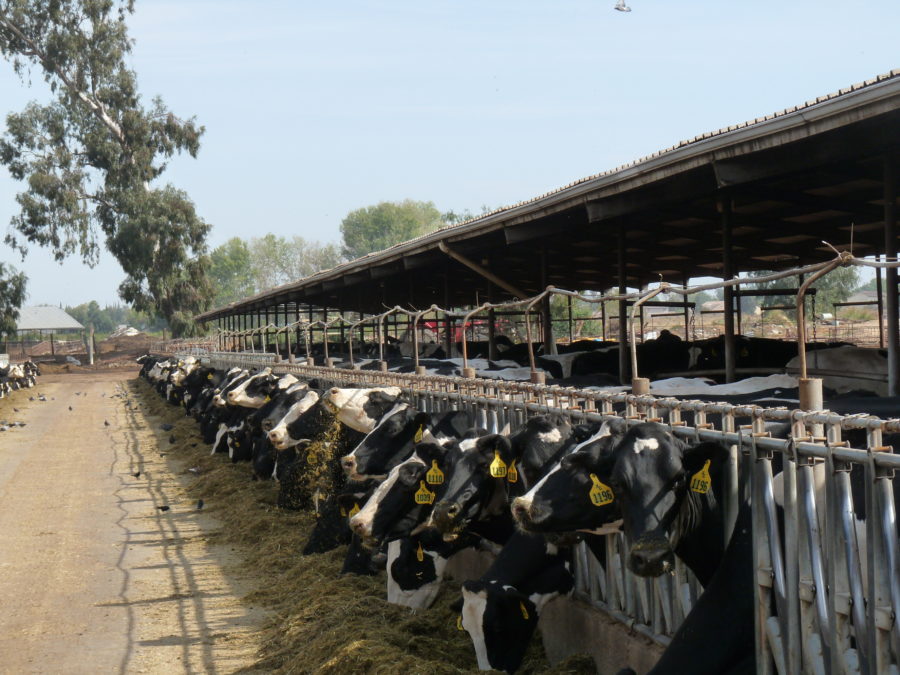
The dairy industry, which is prominent in Tulare County, came in number one again, representing 25 percent of the total value.

“Milk prices were stronger in early 2017, but they went down later in the year. And they continue to go down, but still it was a big part of the Tulare County ag receipts in 2017,” Wright said.

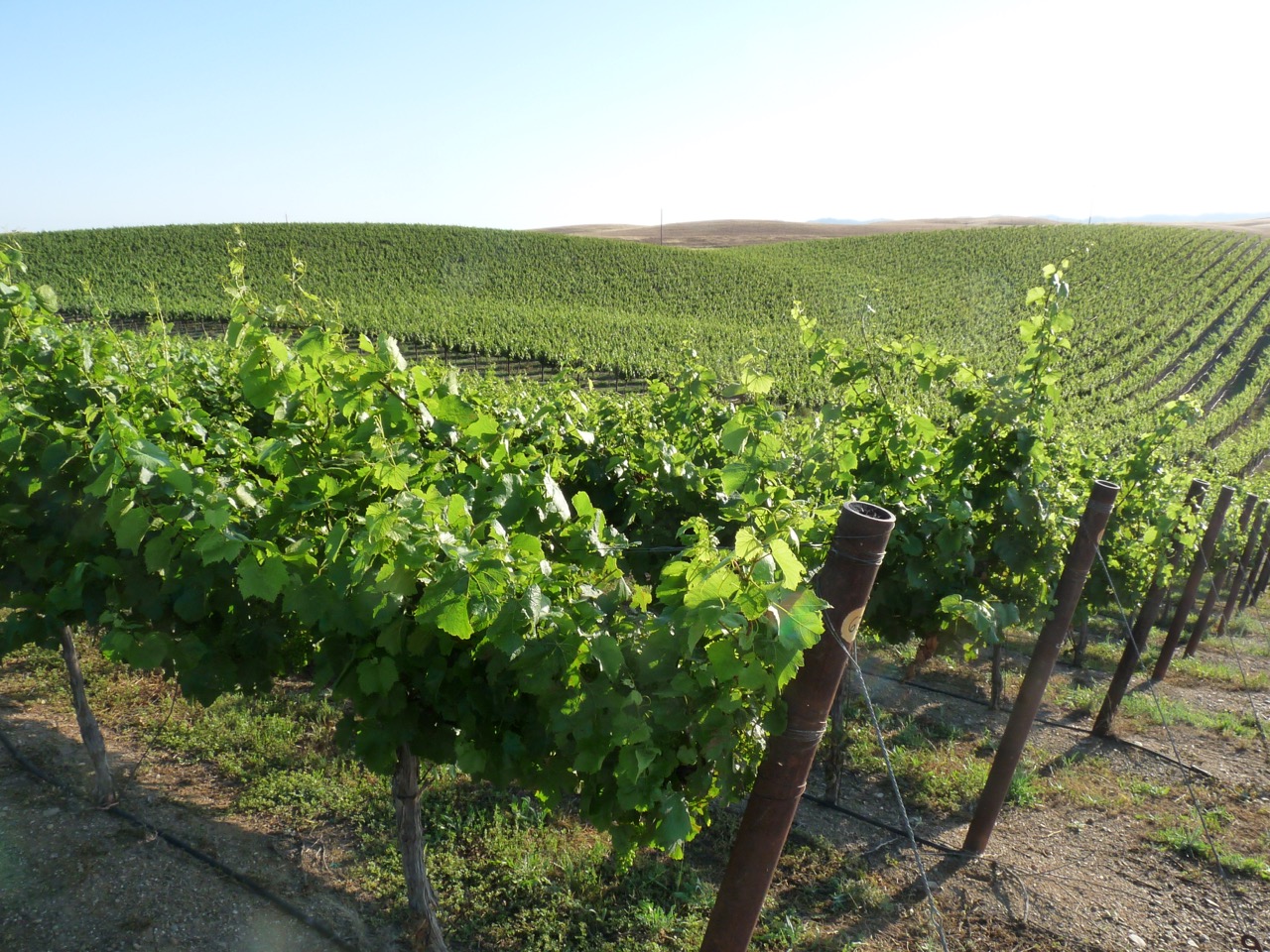
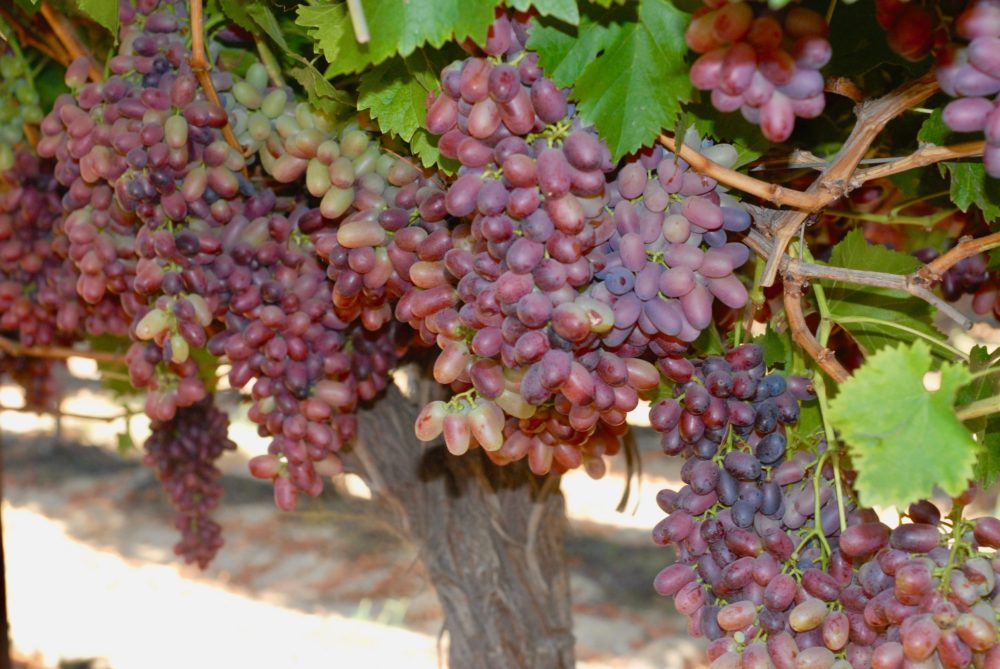
Following dairy were grape products—including juice grapes, raisins, and table grapes. Table grapes had a stellar year.

Navel and Valencia oranges were next. Cattle and calves ranked fourth, down from category number three in 2016, because cattle prices were off last year.

Tangerines, also known as mandarins, were number five, followed by almonds, cling peaches, and freestone peaches.

Lemons, were ninth on the crop list.

We only have just over 10,000 acres of lemons in the County, Wright said.

Wright said the value of this year’s crop report, $7.39 billion, is the third highest value Tulare County has ever reported.

2018-09-18T16:39:21-07:00September 18th, 2018|

Idea to Reduce Glyphosate Use with Grapes

Use Glyphosate When Absolutely Needed

By Mikenzi Meyers, Associate Editor

There is an effort underway to minimize glyphosate use before bud break in grapes. It doesn’t need to be used all the time. A lot of annual weeds can be controlled with several herbicides. Keep the glyphosate for hard to control perennials.

John Roncoroni, a UC Cooperative Extension Weed Science Farm Advisor in Napa County, has made strides toward meeting this challenge. Many times, growers will do two applications of herbicides during the year … but what I’m trying to do is push it back to post-leaf fall after the season to clean up and come back with a pre-emergent material right before bud break then maybe skip that last glyphosate treatment after bud break.

Roncoroni explained that the idea is for grower not to use glyphosate on weeds during the growing season.

Reserve Glyphosate for tough weeds such as field bindweed.

Roncoroni mentioned that he works with school districts and municipalities, and there are many of them want to ban the use of glyphosate.

“It’s not so much the glyphosate molecule; it’s that we have all used so much of it over the years,” he said. “Rely on preemergent materials early in the season and reserve glyphosate as a clean up at the end of the season.”

“My philosophy when I talk to people is to not ban it but to save it for needed use. Maybe we pretend that there are no herbicide alternatives available. We have annual grasses that are easy to kill, then use an alternative herbicide for that. But when you have weeds where you need that systemic benefit of glyphosate, then use it. It is a good molecule, and it has an important fit in weed control, but it does need to be used all the time,” Roncoroni said.

And of course, reading and following the herbicide label will maintain its safety.

2021-05-12T11:01:53-07:00August 23rd, 2018|

Caltec Shares Innovative Pest Control Practices

A New Approach to Managing Vine Mealybug

By Hannah Young, Contributing Editor

Some innovative pest and disease control products, such as heat application to kill insects, are making their way to the market, according to Caltec.

California Ag Today spoke with Rudy Monnich, president of Caltec Ag, about some of the new ways California farmers are fighting pests.

caltec

Rudy Monnich with Caltec

“We have a product which is the diatomaceous earth that controls vine mealybugs and ants and mites in orchards and vineyards,” Monnich said, adding, “There is nothing more damaging than vine mealybug. In fact, Monterey County is forming a committee to be zero tolerant just for that insect pressure.”

The product is silica dioxide and will scarify the body of insects, dehydrate them, and in result kill them off in three or four days, Monnich explained.

However, the product is not a chemical, but a mineral, which significantly diminishes resistance issues.

“You don’t have the resistant issues build up,” Monnich said. “It’s also controlling thrip and whitefly in tomatoes.”

Caltec introduced the product this past spring.

Heat application can also be used by growers to combat insect problems.

“We are working with the Agrothermal people who have a machine that 300-degree to 400-degree temperatures will annihilate soft-bodied insects in tomatoes and powdery mildew in grapes,” Monnich said.

The application of heat kills the spores before signs of damage appear on the plant, Monnich explained.

This method of pest control is increasing the quality of wine, Monnich concluded.

2021-05-12T11:05:10-07:00July 20th, 2018|

Enjoy California Table Grapes Year-Round

Harvest Will Continue into December

By Jessica Theisman, Associate Editor

The California grape season is beginning, and the harvest will continue into the winter. California Ag Today recently spoke with Kathleen Nave, president of the Fresno based California Table Grape Commission, about table grapes.

The California Table Grape Commission was established by an act of the state legislature in 1967 and approved by a grower referendum in 1969. The purpose of the commission is to maintain and expand markets for fresh California grapes and to create new, larger inte