Almond Alliance Advances Almond Issues

Alliance Advocates for Almond Industry

By Patrick Cavanaugh, Farm News Director


The Almond Board of California does many great things for the California almond industry, most notably marketing annually about two billion pounds of almonds—both domestically and internationally. But there is one thing the Almond Board cannot do, and that is lobby on behalf of this big industry.

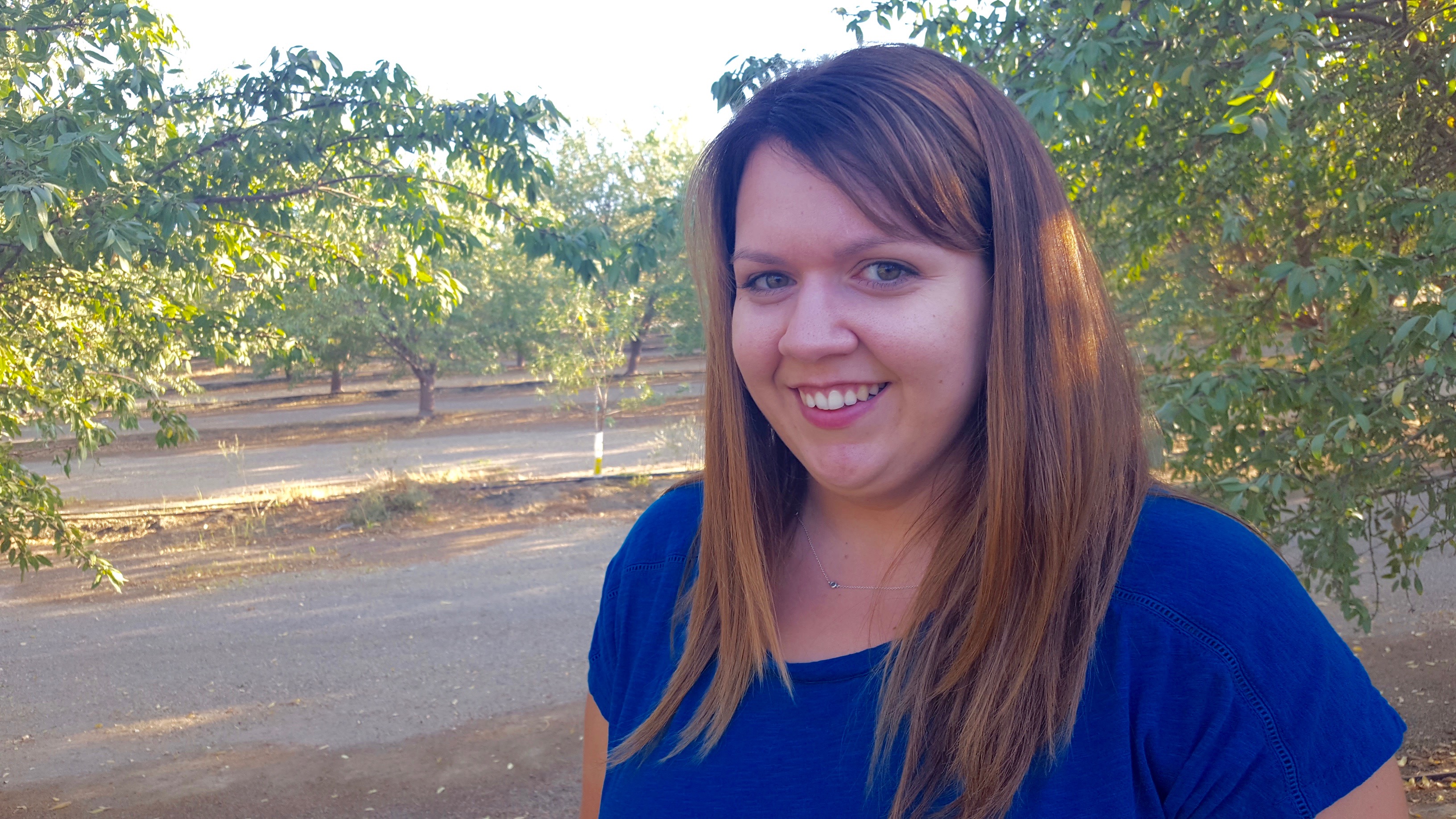
Kelly Covello, president of the Almond Alliance

Kelly Covello, president of the Almond Alliance

Enter the Almond Alliance of California (AAC) on August 1, 2016. Formerly known as the Almond Hullers and Processors Association (AHPA) and established in 1980, this renamed and revitalized trade organization is the only trade association fully dedicated to advocating for and protecting members’ investment in the almond industry. The AAC will represent and serve growers, hullers/shellers, handlers, processors and allied industry partners.

Kelly Covello, president of the Almond Alliance, said, “Over the last year, we’ve done some strategic planning with the Almond Board so that we can complement one another’s activities. The Almond Board cannot lobby or advocate, and the trade association—the Almond Alliance—can.” Nevertheless, Covello said, “the industry has invested in the Almond Board through their assessment and has great resources available in terms of expertise, data [and] research that we can use to support our policy positions.”

For nearly 100 years, the almond industry has been active in California without a dedicated political voice. “The trade association has always been able to advocate on issues when necessary. The industry has grown; we’re over a million acres now. With the increase in acreage, the number of issues, the visibility and the scrutiny of our industry has dramatically increased,” Covello said.

Ms. Covello currently serves on the Board of Directors for the Agricultural Council of California and serves on two Almond Board of California (ABC) committees: the Almond Quality & Food Safety Committee and the Technical and Regulatory Affairs Committee.
2016-11-23T17:02:09-08:00November 23rd, 2016|

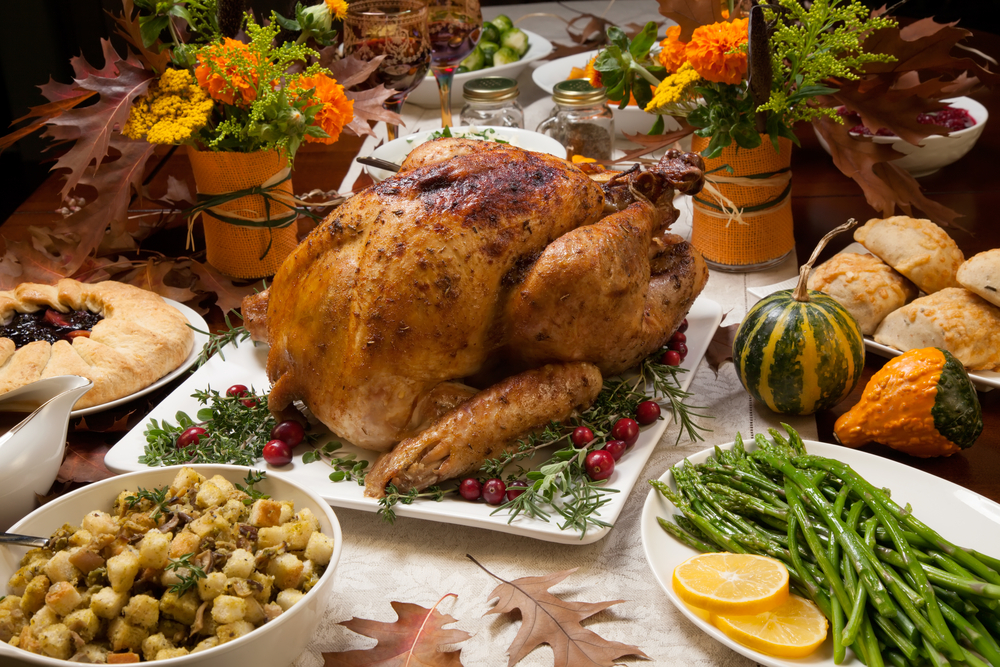
California Proudly Provides Most of Thanksgiving Feast to America

Enjoy Your Thanksgiving Feast

From California’s Farms to Your Table


By Patrick Cavanaugh, Farm News Director


Turkeys come from several areas of the state, and while California is ranked No. 7 in turkey production, we do supply most of the western United States.

The famous Mrs. Cubbison’s dressing comes from Sophie Cubbison, a California entrepreneur who was born in 1890 in the San Marcos area of San Diego County. A longer fascinating story made short: In May 1920, she graduated from California Polytechnical University with a degree in Home Economics. In 1948, she added seasoning to broken pieces of the popular Melba toast to make stuffing. A factory in Commerce, California churns it out this time of year.

Farmers and farmworkers in California produce almonds, raisins, walnuts, prunes, pistachios, figs and dates, apricots, pumpkins, pecans and pomegranates. . . right on up the food line.

These are all part of the American Thanksgiving feast.

Celery from the Oxnard and Ventura area, and the rest of the ingredients for the stuffing mix, plus carrots, lots of crisp lettuce and fresh spinach from Salinas — all these greens waiting for you, already washed and bagged in the produce department. The green beans in your casserole come from California growers.

You’ve got oranges and kiwi fruit, table grapes, strawberries, raspberries freshly harvested from the Salinas and the San Joaquin Valleys. You’ve got sweet potatoes from Merced County — this is their pinnacle season. You’ve got all kinds, colors and sizes of potatoes and tomatoes, plus parsley, onions and garlic. . .  all grown in California.

Practically all the fruits, vegetables and nuts make America’s Thanksgiving celebrations festive, and nearly all of them come from California.

And don’t forget about the great variety of California winegrapes cultivated by California growers and then crafted with great care into great California vintage.

Wait! We grow firm, juicy apples and those small round watermelons that are a great snack or accent to a flavorful dessert fruit salad. And besides poultry, we even have California lamb, beef, rice or pasta—if you want to go that way.

Of course, you’ve got Martinelli’s sparkling apple or grape cider from Watsonville, near the Monterey Bay area. Local growers provide the tree-ripened fruit to the award-winning company, which is still family-owned and is run by the founder’s grandson and great-grandson.

At more than 140 years old, Martinelli’s is merely one century younger than our nation. In fact, the company received a first place award at the California State Fair in 1890.

By the way, do you know that little pop-up turkey timer that indicates when the turkey has reached the correct internal temperature? Food public relations genius Leo Pearlstein¹, along with a turkey producer from Turlock, invented that gizmo. Pearlstein, who handled the promotions for the California Turkey Advisory Board, was contemplating the enduring Thanksgiving conundrum—how long to cook the turkey and how to figure out when it is done?

Pearlstein said he and the turkey rancher were sitting in Pearlstein’s test kitchen mulling over ways consumers could determine when the turkey was done. They noticed the fire sprinkler system overhead. When the kitchen gets too hot, the fire sprinkler turns on. A metal alloy in the sprinkler is activated or melted when subjected to the high temperature of a fire in the room (185 degrees Fahrenheit). They applied that concept to the pop-up timer.

Officially, the National Turkey Federation advises consumers also use a conventional meat thermometer to verify that the cooked turkey’s internal temperature reaches:

165 degrees F to 170 degrees F in the breast or
175 degrees F to 180 degrees F in the thigh and
165 degrees F in the center of the stuffing
.

Except for cranberries, it is really a California Thanksgiving.


¹Leo Pearlstein is founder and president of Lee & Associates, Inc., a full-service public relations and advertising firm, which he opened in 1950. According to the company website, he currently runs the company with his partners, two of his sons, Howard and Frank Pearlstein. He is also founder and director of Western Research Kitchens, the food and beverage division of his agencyHe is considered a pioneer food consultant and his agency was recently named as one of the top agencies in the country that specializes in food and beverage clients.

For more food safety guidelines, the United States Department of Agriculture (USDA) Food Safety and Inspection Service (FSIS) provides this portal.

2021-05-12T11:17:11-07:00November 23rd, 2016|

Fighting to Protect Family Farms from Water Diversion

In Face of Water Diversion Threat, Ag Industry Experts are Speaking Out

By Laurie Greene, Editor


California Ag Today has been reporting on the California State Water Resources Control Board’s (SWRCB) proposed plan to divert 40 percent of the surface water from the Tuolumne River and two additional tributaries of the San Joaquin River between February 1st and June 30th every year. The SWRCB plan is designed to increase flows in the Delta in an effort to help the declining smelt and salmon populations. Yet, these water diversions would severely impact not only the farm industry, but communities in the Modesto and Turlock Irrigation Districts as well.

Michael Boccadoro, president of West Coast Advisors

Michael Boccadoro, president of West Coast Advisors

Ag officials say this is yet another threat to family farms in an attempt to protect the smelt and salmon. Farmers would lose a major portion of their surface water and be forced to pump more groundwater.

“Farming is not just a job; it’s a way of life for many of these families. And that livelihood, that way of life, is being threatened,” said Michael Boccadoro, president of West Coast Advisors, an independent, nonpartisan public affairs and advocacy firm that specializes in complex and often controversial public issues in Sacramento.

Boccadoro said the farm industry in the region is not sitting still while all of this is happening. There is a website, worthyourfight.org, that addresses this new assault on agriculture.

worthyourfight-logo Water Diversion

WorthYourFight.org

“It is worth fighting for,”said Boccadoro. “I was born and raised in agriculture, and I still think it’s a wonderful lifestyle. We need to protect it at all costs. This is starting to border on the ridiculous in terms of just one issue after another. . .  This is not a “Mother Nature” issue; this is government putting these obstacles and these problems in front of agriculture, and that’s troubling.”

“We produce much of the fruits and vegetables and nearly all the nut crops for the entire nation. So, of course, we would expect to see significant amounts of water being used by farming in California,” Boccadoro said.

“It’s just reality, and for whatever reason, I think people have been misled and don’t understand this is just part of growing food. Like I have said, if you are concerned about it, all you’ve got to do is quit eating. It’s that simple.”


Links:

California State Water Resources Control Board’s (SWRCB)

West Coast Advisors

worthyourfight.org

2016-11-22T22:11:51-08:00November 22nd, 2016|

Almond and Pistachio NOW Sanitation Critical This Winter

Joel Siegel on NOW Sanitation

By Patrick Cavanaugh, Farm News Director

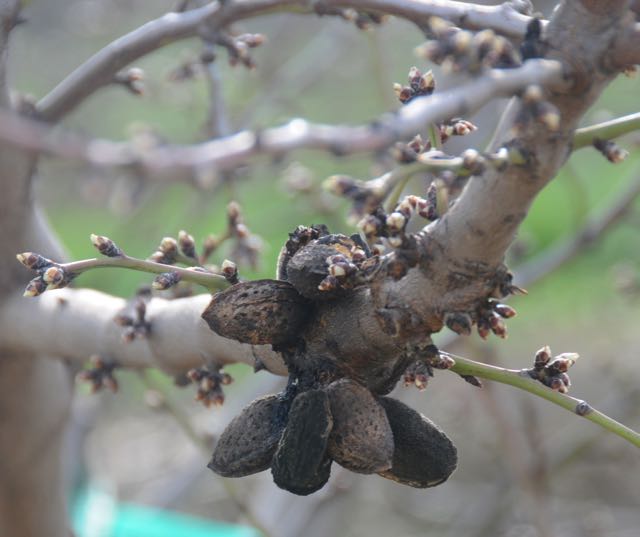
Last year was a bad year for navel orangeworm (NOW) mainly in pistachios, but also in almonds. If left in the trees, infested nuts become a great reservoir for more NOW to inhabit them.

Joel Siegel, NOW research entomologist, USDA Agricultural Research Service

Joel Siegel, research entomologist, USDA Agricultural Research Service

Joel Siegel, a research entomologist for the USDA Agricultural Research Service based in Parlier, stresses the importance of having a good sanitation plan in place to remove those NOW mummy nuts. “When we talk about sanitation, it should be the foundation for everyone’s nut program. That’s something that you control.”

“In almonds, it’s absolutely essential. Where we’ve taken a look at it in the south, every infected mummy per tree is good for 1 percent damage. So going from one mummy to two mummies, your damage on average increases another 1 percent.”

“It’s also important to destroy the mummies on the ground. You figure, for every eight or nine mummies on the ground, that’s good for about a half a percent increase in damage. Get them off the tree and shred the almonds.”

Siegel noted that while pistachio growers can clear mummy nuts off the tree, the industry has not been able to shred the fallen pistachios effectively. The hard, rounded pistachio shells just bounce around in the shredder machine.

almond_mummies

Almond Mummies

“What you can do is shake them off the tree as soon as possible so they’re on the ground where they can start rotting. You get those weeds growing around them. It has been shown that they break down faster in the weeds,” said Siegel.

“Growers disc them in. But if you’re going to disc them in, you have to disc them twice. Again, you’re not destroying the nuts, you are burying them so that NOW cannot lay eggs in the spring,” he said.

The risk of poor sanitation is high. Considerable NOW damage can prevent pistachio and almond growers from earning the premium paid for nuts that are pest-free.

2021-05-12T11:05:44-07:00November 22nd, 2016|

Another Record Season for Walnuts

Walnut Yield Could Continue to Increase Over Next Few Years

By Brian German, Associate Broadcaster

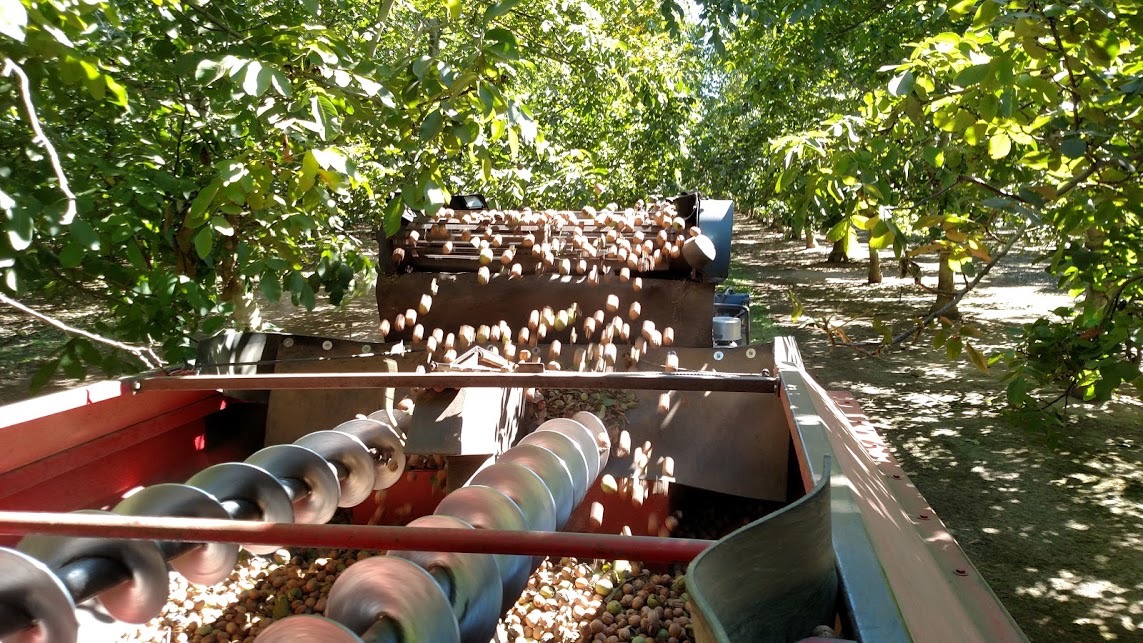
October was the peak of harvest for the state’s biggest tree nut crops: almonds, pistachios and walnuts. California growers have completed this year’s walnut harvest, and so far growers are pleased with the yields. Final statistics for California walnut production in 2016 will not be available until mid- to late-January 2017.

The USDA National Agricultural Statistics Service (NASS)’s 2015 estimate of 365 thousand walnut acres in California (of which 300 thousand were bearing acres), represents a 50 percent increase versus a decade ago, according to Dennis Balint. Balint, who just retired as longtime executive director of the Folsom-based California Walnut Board and CEO of the California Walnut Commission since 1995, became the new special assistant to the California Walnut Board on November 1, 2016.

Dennis-Balint, California Walnuts

Dennis-Balint, California Walnuts

Growers had a record walnut harvest last year, and this year looks even more promising. “This year’s crop estimate from USDA’s California Agricultural Statistic Service (CASS) is 670 thousand tons, an 11 percent increase over last year’s 603,000 tons. 

The NASS office in Sacramento, as relayed by Balint, reported this year’s walnut season began with a significant amount of winter moisture, along with an ample amount of chilling hours and average weather conditions during walnut bloom.  Springtime rain concerned some growers because of the increased chances of blight and any resulting damage is under assessment.

While overall weather conditions were advantageous for growers, results were varied. “If you’re in Reading or Modesto, or Visalia, different factors affected you: climates, your own horticultural practices, what varieties you’re growing, etc.,” said Balint.

The estimate of this year’s harvest is good news for growers who, not many years ago, were fortunate to harvest merely 300,000 tons. Even with the estimated record harvest, there are still close to 80,000 acres of younger, nonbearing walnut trees in the state. Balint commented, “As those acres mature and come into production over the next few years—all things being equal—California’s walnut harvest could potentially increase by another 30 to 40 thousand tons per year.”

california-walnut-boardBalint also reported the Walnut Board has four tests in the grocery marketplace to determine how to increase stores’ holiday inventory of walnuts. [EDITOR’S NOTE: For fans of inshell walnuts, buy your supply early and often. Inventory of inshell walnuts is not expected to extend beyond the holidays.]

As of November 1, 2016, board members of the California Walnut Industry appointed Michelle Mcneil Connelly, former senior marketing director, as executive director of the California Walnut Board and as CEO of the California Walnut Commission.


Links:

The California Walnut Board was established in 1948 to represent the walnut growers and handlers of California. The Board is funded by mandatory assessments of the handlers. The California Walnut Commission, established in 1987, is funded by mandatory assessments of the growers.

USDA’s National Agricultural Statistics Service California Field Office is operated in cooperation with the California Department of Food and Agriculture.

2016-11-17T13:33:58-08:00November 16th, 2016|

California Pistachios Are Set For Record Year

California Pistachios Make Comeback in 2016


By Brian German, Associate Broadcaster

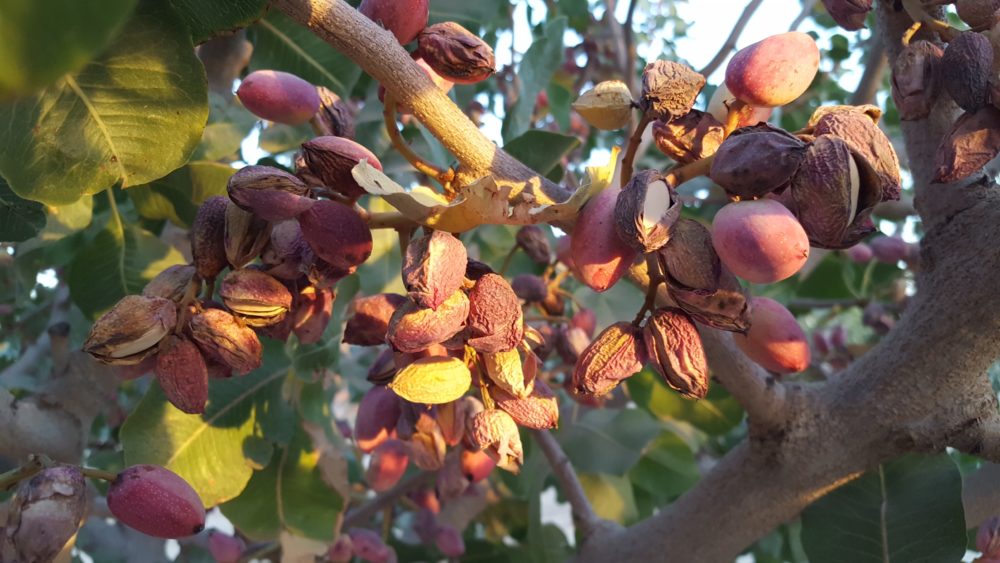
California produces close to 99 percent of the nation’s pistachios. With harvest season just about wrapped up, growers are pleased with this year’s crop. 

Last year was a slow one for pistachios, with only 275 million pounds produced.  Because pistachios are alternate-bearing [tendency for an entire tree to produce a greater than average crop one year and a lower than average crop the following year], last year’s disappointing crop allowed the trees to rest before producing this year’s estimated record crop. 

Richard Matoian, executive director, American Pistachio Growers, estimated this year’s crop to be between 830 and 850 million pounds. The last record-setting crop was in 2012 when growers produced 555 million pounds of pistachios.  This year, some California growers have reported broken branches due to the heaviness of the crop, a phenominon Matoian has never seen before.  

Just as last year’s lower harvest enabled the pistachio trees to bounce back this year, increased rainfall last winter helped improve irrigation supplies for the nut trees this year. 

In addition, more chilling hours last winter also helped boost production.  Pistachio trees require cold nights, with at least 800 hours of temperatures below 19 degrees Fahrenheit.  This winter, trees experienced more than 1,000 hours of those conditions. 

Reports indicate that the pistachio crop from Iran, one of our biggest global competitors, is a bit down this year, which could help California growers get a better price for their pistachios.  “We all hope and try to keep the market as strong as it can be,” said Matoian, “but there are market forces at work. You can’t hold on to a crop forever. You have to be conscious of what the world supply is, and so a number of factors go into setting a price.”

Growers are pleased with the overall size of the harvest compared to last year, but they’re also a bit concerned about the prices. “The initial price the growers got last year was somewhere between $2 and about $2.20 per pound. Now we are at a $1.60 to about $1.80 per pound,” Matoian said.

2016-12-12T18:48:36-08:00November 10th, 2016|

Raisins: Quality Is Up, Tonnage Is Down

Fewer but Sweeter Raisins this Year 


By Brian German, Associate Broadcaster


After last year’s tremendously successful raisin harvest, Steve Spate a fourth generation farmer, said it is understandable to see a bit of a decline in tonnage this year. Spate, who is also grower representative for the Raisin Bargaining Association (RBA), which has been representing the raisin industry for nearly 50 years, said, “Just by nature, the year following a high crop year could potentially be down—especially for Thompson Seedless Grapes,” noted Spate.

Steve Spate, grower representative, Raisin Bargaining Association (RBA)

Steve Spate, grower representative, Raisin Bargaining Association (RBA)

Raisin grape harvest in the central San Joaquin Valley is a two-month process for growers, typically running from late August to mid-to-late October, depending on crop maturity. Hard numbers on this year’s overall crop won’t be available for a few more months, but growers are reporting a significant decline from last year’s harvest. “Last year was a large crop,” said Spate,” so definitely we were considering that this year would be down—but not as severely as some growers have reported. We have people reporting differences in yield from 10% to as high as almost 50%.”

There are various possible reasons for this year’s drop in yield, aside from the cyclical nature of grapevines. “I think drought conditions last year may have played a big role, while the buds were setting basically for this year,” said Spate. He also suggested water was a significant factor this year as well, particularly if growers lacked enough surface water deliveries or a grower had a pump issue and there was a critical time where he or she didn’t get water on the field.

The overall reduction in acreage of this year’s harvest is yet another factor to consider. Industry experts report approximately 10K to 15K fewer raisin grape acres compared to last year. This shrinkage is attributed to growers replacing raisin crops with higher-value crops such as almonds.

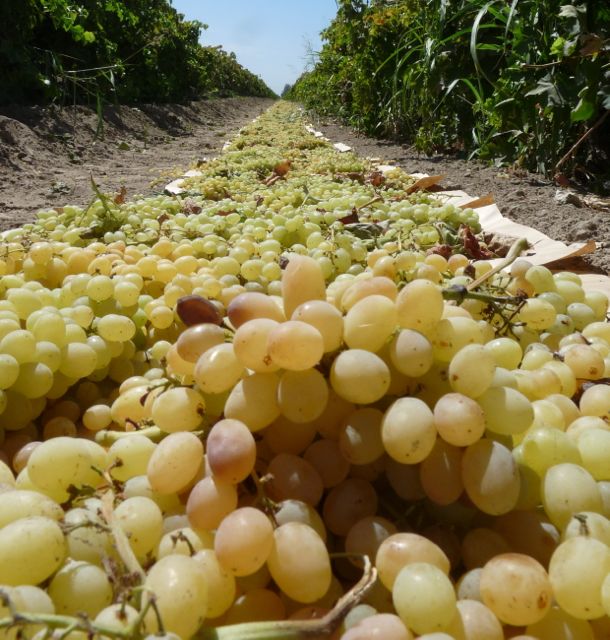
Sun-Dried Raisins

Sun-Dried Raisins

As many industries struggled with the cost and availability of labor, Spate commented that it wasn’t too difficult to fill their labor needs this year. “Going into the year growers made different decisions and chose more mechanized harvests. The handpicking crews were much larger and seemed to be readily available,” Spate said.

While grape growers were thankful for the amount of available labor this year, they have some serious concerns regarding the cost of labor in the next few years. Between a minimum wage that will incrementally climb to $15 an hour in a couple of years and the newly established shorter workday for farmworkers [before reaching the overtime threshold of 8 hours, as opposed to 10 hours], growers consider the investment in mechanization as being more cost effective in the long run.

“I think we will continue to see shifts towards any type of mechanization possible due to some of those minimum wage [increases].” Before the governor signed the overtime bill, Spate said, “We used to have the ability to have workers work longer hours before overtime kicked in.”

Raisin grape growers will still be harvesting for the next few weeks. Although it appears overall tonnage is down a bit, sugar levels seem to be higher than last year, resulting in better quality raisins.

2016-11-02T17:12:31-07:00November 2nd, 2016|

Celebrating California Agriculture . . . on World Vegan Day!

Celebrate World Vegan Day!

Peterangelo Vallis, executive director of the Fresno-based San Joaquin Valley Wine Growers Association, has an insightful viewpoint on California agriculture. That’s why California Ag Today considers him to be our Ambassador of Agriculture, and we’re glad he’s on our team.

In Celebration of World Vegan Day, Peterangelo Vallis addressed the need for California farmers to think about and engage with all the people who eat fruits and vegetables, including vegans*, environmentalists and fringe groups:

Yellow Bell Peppers, world vegan day

Well, vegans and environmentalists eat more fruits and vegetables than anybody. Guess what we make?

Look, I love a juicy steak, the same as most people. But frankly, most of my plate is vegetables. If somebody is buying something, they’re buying vegetables, and they want fresh vegetables. Vegans can get those in California, because they’re close enough to us. Let’s face it, these are highly perishable items and they’re going out there. Yet, we tend to vilify the same people that are paying our bills by buying our stuff.

Criticizing vegans is crazy. You don’t see Louis Vuitton making fun of middle-aged women. It’s just not what happens because they want you to buy more bags.

Big Vegetable Bin, world vegan day

Everybody eats fruits and vegetables. If they don’t, they should, and vegans are just an extra boon to California Agriculture. Look, people eat fruits, vegetables, milk, cheese, meat, everything. Without people eating, we don’t have jobs. The more population growth, the more people who need to eat. These are our customers.

We do a terrific job of turning [vegans] off to us. Look, we should be their favorite people and favorite sub-set of the population. We help keep them alive and healthy, and with shiny hair and good skin, because they’re eating all of our ridiculously safe and clean foods that you really can’t get anywhere else in the hemisphere.


*According to the Loma Linda University School of Public Health, Department of Nutrition’s, “The Vegetarian Food Pyramid,” Vegetarian is a broad term meaning a diet that excludes meat, fish and poultry. Vegans are vegetarians who do not consume any dairy products, eggs or animal flesh.

2016-11-01T14:00:37-07:00November 1st, 2016|

@AlmondGirlJenny AgVocates on Social Media

@AlmondGirlJenny Urges Everyone in Ag to AgVocate on Social Media


By Laurie Greene, Editor


Digital platforms—not newsprintlead the information superhighway-world we live in. Beyond news websites, everyone in the agricultural industry who is able should engage and agvocate on a few social media platforms such a Twitter, Facebook, Instagram or blogs, according to @AlmondGirlJenny.


Jenny Holtermann, aka @AlmondGirlJenny, fourth-generation almond farmer in Kern County, is fully engaged with social media. Social media has become the news source for her, her friends and her generation. “I think it’s important to be involved in social media to tell your story,” Holtermann explained. “That’s how people are getting their news; that’s how people are getting their information these days.”

@AlmondGirlJenny is engaged on such social media platforms as FacebookInstagram, Twitter and YouTube.

Tim Holtermann and son, Henry, @AlmondGirlJenny

Tim Holtermann and son, Henry


“It’s critical for us to be out there,” she added, “showcasing what we’re doing and highlighting the benefits of agriculture and how it’s multi-generational, how it’s family oriented. Get people to relate to it and become engrossed in it,” Holtermann said.

Last year a reporter from the Los Angeles Times asked Holtermann about water use in farming almonds. “I was able to set the reporter straight regarding all the myths about almonds and water use,” she commented. “I told her that over the last 10 years, almond growers have reduced their water use by 30 percent and we are working on saving even more.”

Jenny and her husband, Tim Holtermann, have a big story to tell. “I’m a fourth generation California farmer” she began. “My family farms almonds and walnuts in northern California. Then I married a fourth generation California farmer as well.

“We farm together with my husband’s family in the Wasco area. It’s very important to us to care for our land and treat it as best as we can so that it can be passed down to future generations. We’re raising the fifth generation, and we hope that someday, if he so chooses, our son has the opportunity to farm here as well,” she said.

“All of us in agriculture should tell our story,” Holtermann said, so others who are not involved with Ag can learn. “If social media is not your game, hire someone to help you get started.”


Resources:

Bayer CropScience AgVocate

2016-10-19T16:21:47-07:00October 19th, 2016|

Initial Walnut Irrigation Can be Delayed

Walnut Irrigation Research Update

By Brian German, Associate Broadcaster


First springtime walnut irrigation can be delayed, according to a UC Cooperative Extension team in Tehama County working on some fascinating research regarding irrigation practices. Allan Fulton is an Irrigation and Water Resource Advisor who covers Tehama, Colusa, Shasta and Glenn counties. “We actually just finished one of our irrigation experiment harvests this weekend. It was looking at early season water management decisions, basically deciding when to begin the irrigation season,” Fulton said.

allan_fulton

Allan Fulton, UC Cooperative Extension Irrigation Specialist

Growers typically begin irrigating their walnuts sometime between late April and early May. In order to be as thorough as possible in their experiment, Fulton and his team have been pushing the limits beyond what most growers would ever consider. “We had some treatments that got no irrigation until almost the end of June,” Fulton explained.

Now in its third year, the research experiment is generating information that will provide a variety of benefits. “The whole motivation is to avoid possible injury to the trees from irrigating too much, too early, from lack of aeration and damage to the root system,” Fulton said. Delayed irrigation, while having no impact on yield or nut size, can also provide a bit of water savings. “We’re trying to look for the sweet spot,” with less intensive early season irrigation in favor of root health, tree health and disease prevention.

California walnut orchard, walnut irrigationThe research is being conducted in the northern Sacramento Valley primarily using the Chandler variety of walnut trees. Fulton has spent some time working in the San Joaquin Valley as well and understands different weather conditions can be a significant factor when applying their findings to other regions. “Our spring rainfall is quite a bit different than other walnut growing areas. Usually we’ve got an added source of water that sometimes you might not have in the southern San Joaquin Valley,” Fulton noted. From his experience, he suggested growers could usually wait until “the first week of May in most years, before really getting pressed for irrigation.”

The location of the research exposes groves to the opportunity to receive “more rain during the dormant season with a better chance at a deeper profile in moisture before you ever break dormancy,” Fulton said. More regional rainfall is possible in the spring as well, while the trees are growing.

The information gathered so far indicates growers should not jump the gun on springtime irrigation, particularly if there is still any kind of standing water issues. “The data is starting to suggest that you’ve got some room. You don’t have to irrigate at the first sign of heat; you can use a little bit of the stored moisture coming out of winter,” Fulton said. He also noted “It’s a lot more difficult to recover from a damaged tree with a sick roots system,” than it is to recover from a lack of early season irrigation.

2021-05-12T11:05:46-07:00October 11th, 2016|
Go to Top