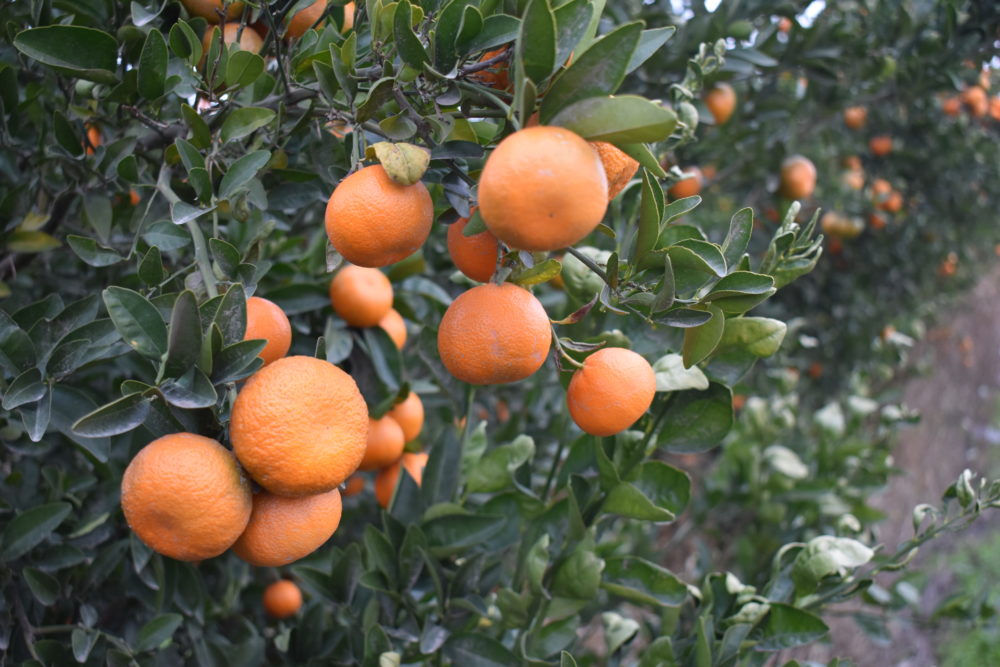
Citrus Growers Prepare For Sub Freezing Temps

Central Valley Citrus Growers Prepare for Cold Weather 

News Release

Central Valley citrus growers are anticipating subfreezing temperatures over the weekend. Forecasts show colder temperatures throughout the Valley Friday evening through Sunday morning, with the coldest areas expected to dip into the upper 20s and possibly the mid-20s.

Growers are prepared to implement frost protection measures if temperatures drop below freezing. This includes the use of irrigation water and wind machines to elevate grove temperatures by 3 to 5 degrees, thus mitigating the potential for frost to occur.

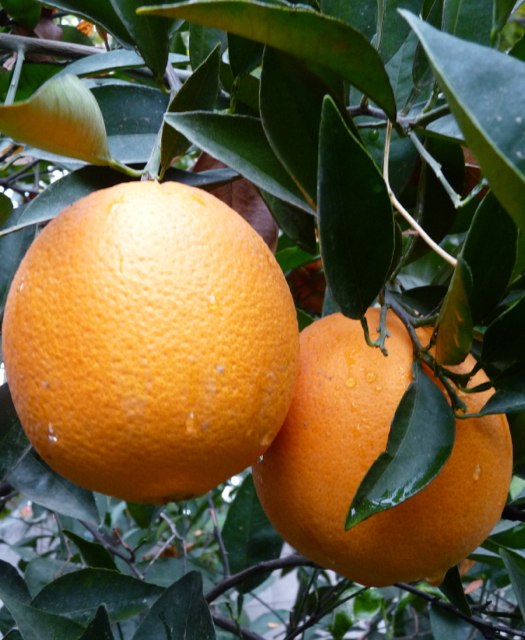
Generally, navel varieties can tolerate temperatures as low as 27 degrees without risk for damage, whereas Mandarin varieties tend to be susceptible to damage at temperatures below 32. The key factor is the duration of time at or below these thresholds. The potential for damage increases when cold temperatures persist for several hours.

At this time, forecasts do not suggest a critical freeze event will occur this weekend; however, growers will certainly be watching the temperature closely and activating freeze precautions as necessary.

According to the 2017 county crop report data, 90 percent of California’s commercial citrus crop is grown in Madera, Fresno, Tulare, and Kern counties. This represents a total crop value of $3.1 billion. Statewide, citrus is a $3.8 billion crop.
2018-12-28T16:41:22-08:00December 28th, 2018|

Citrus Mutual Encouraged by Farm Bill

California Citrus Mutual Commends Congress for Action on 2018 Farm Bill

News Release

This week, the U.S. Senate and the House passed the Agriculture Improvement Act of 2018, commonly known as the 2018 Farm Bill, with overwhelming bipartisan support. This legislation will direct agricultural policy and authorize funding for key agricultural programs in the federal government for the next 5 years.

President Trump has the opportunity to enact the 2018 Farm Bill before the end of the year.

CCM President Joel Nelsen offers the following statement:

“California Citrus Mutual applauds the Farm Bill conferees and House and Senate Ag Committees for moving forward a bill that includes priority programs for specialty crop producers. Jeff Denham, Jim Costa, and Jimmy Panetta were crucial voices for California farmers on the House Ag Committee. Along with Representatives Julia Brownley, Ken Calvert, and David Valadao, the California Members were instrumental to securing funding for research, trade and market enhancement, and pest and disease prevention that will directly benefit California specialty crop producers.

“With support from Congressmen Kevin McCarthy and Devin Nunes and Senators Feinstein and Harris, key programs and funding for the U.S. citrus industry will continue in the next Farm Bill.

“The U.S. citrus industry will receive funding to continue priority research to identify a solution to Huanglongbing, a devastating plant disease that is threatening the sustainability of our domestic citrus industry. This is a significant win for U.S. citrus growers.

“On behalf of the California citrus industry, I thank the Congressmen and Congresswoman, our U.S. Senators, and our colleagues in the specialty crop industry who worked diligently over the past several months to create a bipartisan Farm Bill that provides crucial resources to ensure our farmers can continue providing nutritious produce to Americans and people around the world.”

The 2018 Farm Bill includes $25 million per year for 5 years starting in 2019 for research specific to the invasive insect Asian citrus psyllid and deadly plant disease Huanglongbing (HLB). This Emergency Citrus Disease Research and Development Trust Fund will build upon the program created in the Specialty Crop Research Initiative (SCRI) title in the 2014 Farm Bill and complements the $40 million per year program funded by California citrus growers to stop the spread of HLB.

The legislation also includes funding for the USDA Animal and Plant Health Inspection Service’s (APHIS) Plant Pest and Disease Management and Disaster Prevention Program and the National Clean Plant Network (NCPN). Additionally, funding will continue for the Technical Assistance for Specialty Crops (TASC) program, which helps growers overcome artificial trade barriers. TASC has been in operation for over fifteen years and was created to address sanitary and phytosanitary issues and technical barriers to trade that prohibit or threaten exports of U.S. specialty crops.

2021-05-12T11:00:39-07:00December 13th, 2018|

Farm Bill Deal a Big Win for U.S. Citrus Growers

Agreement Provides $25 Million for ACP and HLB

News Release

Recently, leading farm bill negotiators in the House and Senate announced that they have reached an “agreement in principle” signaling that a final deal will be made before the end of the year.

Included in the initial agreement is language providing $25 million per year for 5 years for research specific to the invasive insect Asian citrus psyllid and deadly plant disease Huanglongbing (HLB).

The Emergency Citrus Disease Research and Development Trust Fund will build upon the program created in the Specialty Crop Research Initiative (SCRI) title in the 2014 Farm Bill, which dedicated research funding for citrus.

“The trust fund language is a significant win for U.S. citrus growers,” California Citrus Mutual President Joel Nelsen said. “It’s critical for the future of our industry and the domestic citrus market that we continue to invest in research aimed to find a solution for HLB.”

The Farm Bill funding specific to HLB research complements the $40 million per year program funded by California citrus growers to stop the spread of HLB, which has been detected in over 900 backyard citrus trees in Southern California. In recent years, the state of California has dedicated funds to augment ACP and HLB control efforts in urban areas, including the rearing and release of millions of beneficial insects in backyard citrus trees.

Negotiators have also agreed to maintain funding for the USDA Animal and Plant Health Inspection Service’s (APHIS) Plant Pest and Disease Management and Disaster Prevention Program and the National Clean Plant Network (NCPN). Additionally, funding will continue for the Technical Assistance for Specialty Crops (TASC) program, which helps growers overcome artificial trade barriers.

“On behalf of the California citrus industry, I want to thank the lead farm bill negotiators in both houses for their commitment to passing a Farm Bill that includes this vital funding for the U.S. citrus industry and specialty crops,” Nelsen said.

2021-05-12T11:05:07-07:00November 29th, 2018|

Preventing the Spread of ACP

Valley Citrus Growers Continue Vigilance

By Jessica Theisman, Associate Editor
ACP

USDA ACP Cooperative Program Map (Source:
California Citrus Pest & Disease Prevention Program)

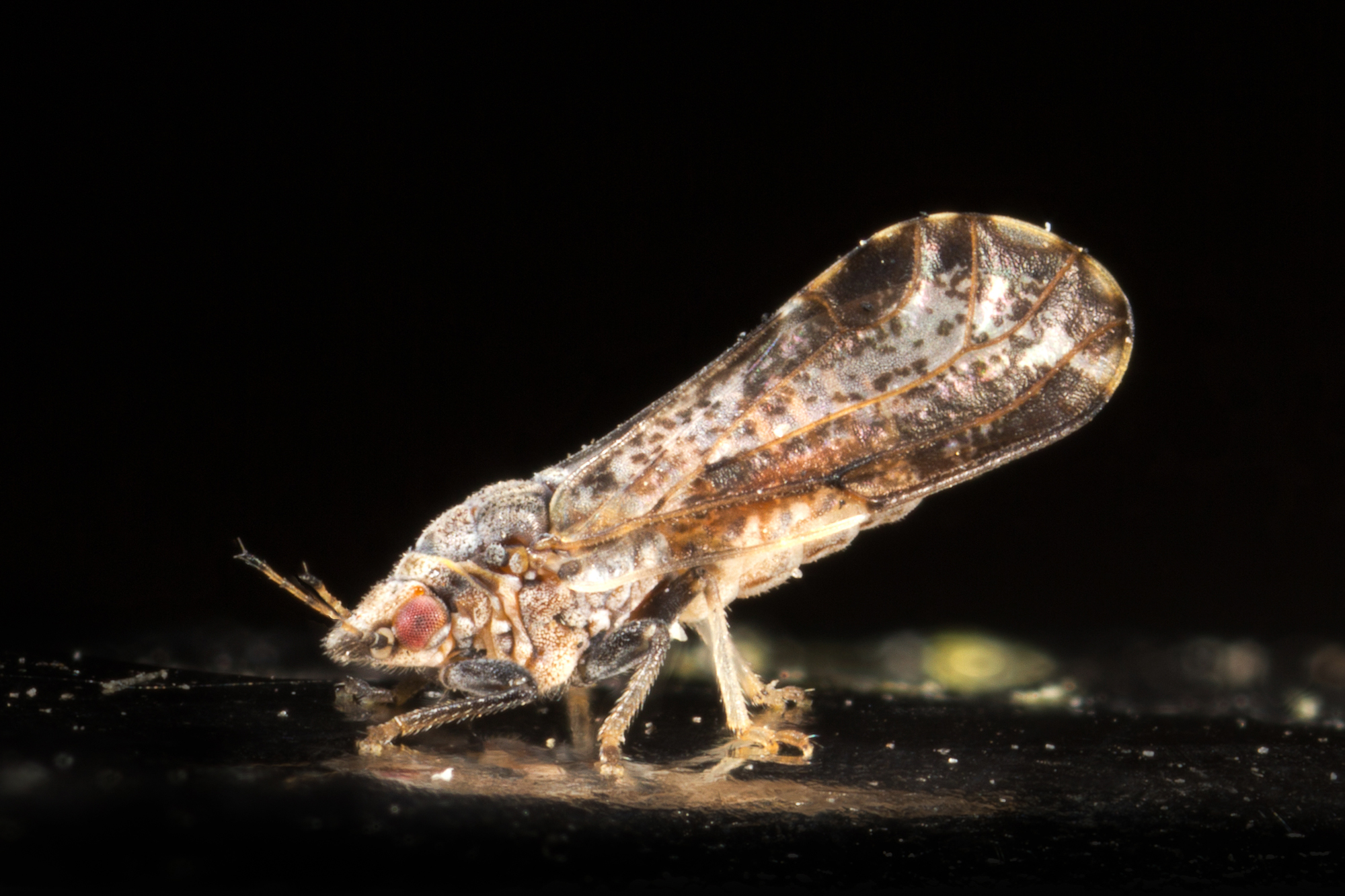
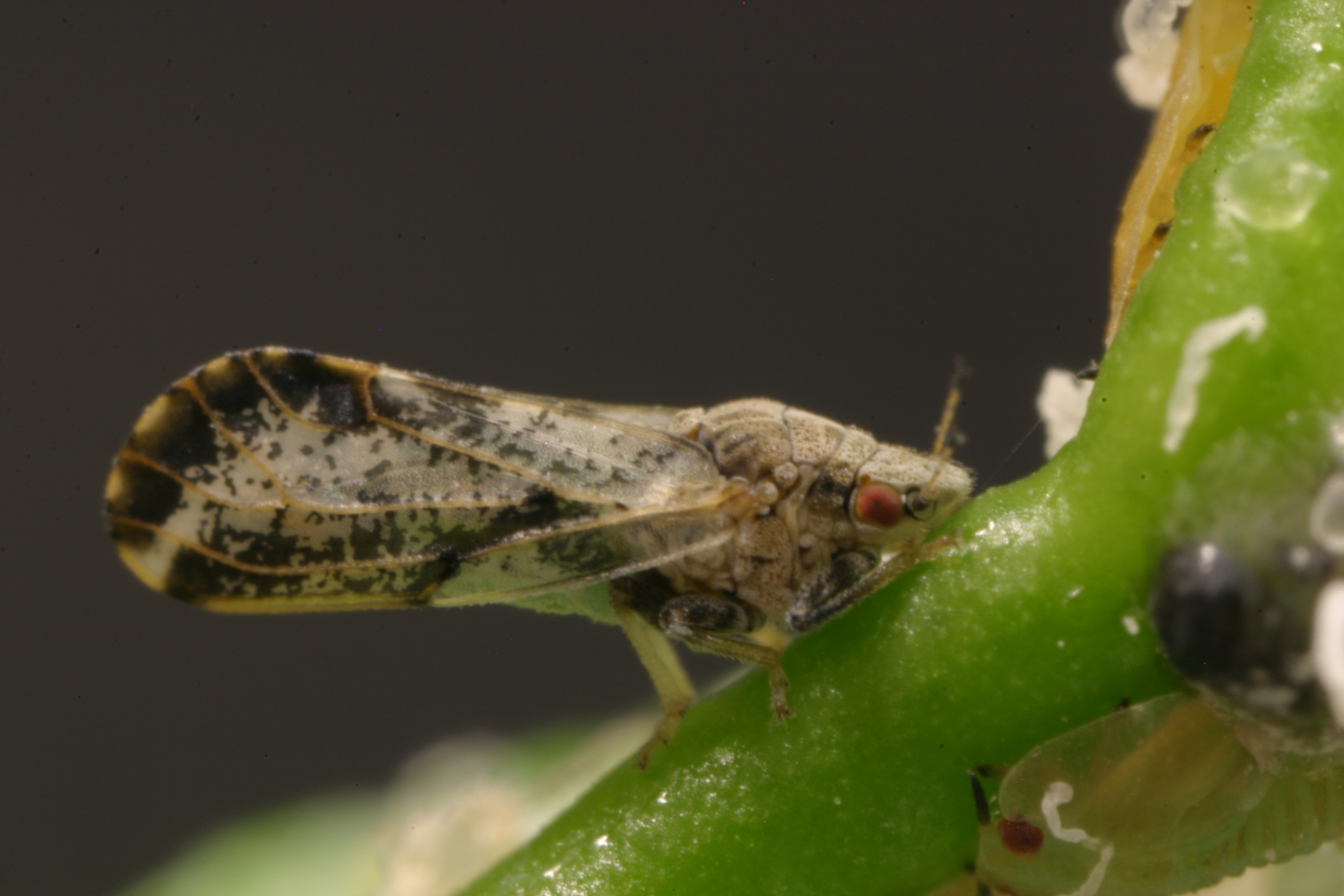
The spread of Asian Citrus Psyllid (ACP) continues to be a looming threat for Central Valley citrus growers as it vectors Huanglongbing (HLB), a disease that destroys citrus trees. Greg Douhan, a University of California Cooperative Extension Tulare County citrus farm advisor reported to California Ag Today recently that, “There have been so many people onboard really working at this from multiple angles, and we’re in the eradication mode. We want to make sure the insect doesn’t get established in the San Joaquin Valley.”

“If one were to look at a map of ACP infestation in California [such as CDFA Quarantine Maps and California Citrus Pest & Disease Prevention Program Threat map], they may consider it to be endemic in the Los Angeles area. Rest assured that anytime ACP is found in a trap, the CDFA sprays everything in that area within 400 meters.”

Douhan said the Valley is on high alert to find ACP in traps. “

If researchers discover a cluster of finds in any particular area, we manage some spray programs and try to get all the growers to do a coordinated effort in order to try to combat it,” he said.

SaveOurCitrusIn addition, the SAVE OUR CITRUS app is a free USDA iPhone app to report and identify the four leading citrus diseases: citrus greening, citrus canker, citrus black spot and sweet orange scab. Report your symptoms, upload a photo, and citrus experts will respond.

So far, the practices have been working well.

“I think most of the growers are very well informed,” Douhan said, “and are taking this very seriously because it is this their livelihood.”

2021-05-12T11:01:51-07:00November 21st, 2018|

Citrus Research Meeting Focuses on Moving Plant Material

Industry Discusses Strategies in Fighting  Huanglongbing Disease

By Jessica Theisman, Associated Editor

Franco Bernardi, the interim president of the California Citrus Research Board based in Visalia, attended a recent citrus regulatory meeting in Denver, Colorado. He has sat on that board for 27 years and is helping out while a new president is searched for and named.

The CRB just turned 50 years old, and it is all about finding solutions to the trying issues of pests and diseases in California citrus. Bernardi said the meeting was comprehensive in regard to moving plant material between research labs around the country.California citrus

“It was a very good meeting and fortunately it had the right people in the room, which doesn’t always happen when you have a large meeting like that,” Bernardi said.

It is a very complicated subject, but with the regulators, researchers and plant breeders, it was a good meeting. These decisions are leading to allow genetic material to be moved from one state to the other.

A lot of this surrounds huanglongbing (HLB) genetic material which is causing concern, but Bernardi said there was a consensus on how to do it.

“The regulators are now going to have to put some teeth in the regulation,” he said.

Some regulations may even need to be changed. Many states have the same safeguards. One thing that came out of the meeting is some of these processes and protections of moving material from one place to the other are already in place.

2021-05-12T11:05:08-07:00November 15th, 2018|

IR-4 Program Trying to Help Florida Citrus Industry Due to HLB

IR-4 Researchers Control Material to Help Citrus Industy

By Patrick Cavanaugh, Editor

Jerry Barron, executive director of the IR-4 Project at Rutgers University in New Jersey spoke to California Ag Today recently about his program.

A major priority with the IR-4 Project is the prioritization of projects that need to be done to find crop protection products for crops such as citrus. Among the urgent challenges for citrus is the control of the Asian Citrus Psyllid (ACP) which vectors Huanglongbing (HLB)—a fatal disease to citrus. Barron spoke about the disease, which has devastated Florida citrus growers and all parts of the citrus economy in the state.

“HLB is devastating Florida citrus growers and the economy in Florida. It’s about a billion dollars of lost production, which is affecting local communities, food processors, and the people who are harvesting the fruit,” Barron said. “It is totally disrupting the whole economic base of certain areas.”

Asian Citrus Psyllid Yellow Trap (Source: Citrus Pest & Disease Prevention Program)

“So what we’re trying to do is work with the people in Florida, to provide them some tools, not only to control the Psyllid which transmits the disease but also provide them some tools to help control the disease once it’s infected the plant.

“At this point, it’s very difficult because certain crop protection products are just not available, but we’re trying to find these magic bullets to truly give them a solution for this devastating problem,” he said.

2021-05-12T11:05:08-07:00November 12th, 2018|

Citrus Research Board Seeks to Hire New President

Nationwide Search Is On

Edited by Patrick Cavanaugh

The Citrus Research Board (CRB) has launched a nationwide search to hire a new president for the organization. A search committee is being formed.

“This year marks the Citrus Research Board’s 50th anniversary,” said CRB Chairman Dan Dreyer. “As we celebrate this milestone, we also are rededicating ourselves to do our utmost to ensure the success of the California citrus growers.” Dreyer said the CRB also is continuing to ramp up its fight against Huanglongbing, the deadliest citrus disease to date, which has devastated crops in other worldwide growing regions and potentially presents a critical threat to California citrus.

Citrus Research Board“Our search committee will be looking for a strong, research-focused senior executive – a consensus builder who can lead the organization and the California citrus industry through this challenging time and significantly contribute to the sustainability of California growers,” Dreyer said.

The CRB administers the California Citrus Research Program, the grower-funded and grower-directed program established in 1968 enabling the State’s citrus producers to sponsor and support needed research. More information about the Citrus Research Board may be found at www.citrusresearch.org.

###
Citrus Research Board
217 N. Encina Street, Visalia, CA 93291
Phone: 559.738.0246 | Fax: 559.738.0607
events@citrusresearch.org | www.citrusresearch.org
Copyright © 2018 Citrus Research Board | All rights reserved.
2018-10-02T19:46:05-07:00October 2nd, 2018|

ALRB Officially Certifies Gerawan Workers’ “No Union” Vote

“No Union” is Official Result

News Release Edited by Laurie Greene

TODAY, the Agricultural Labor Relations Board (ALRB) officially certified that a majority of the valid ballots from the November 5, 2013, election that were counted five years later in Fresno on September 18 were cast as “No Union.” In addition, the ALRB concluded that “the United Farm Workers of America thereby lost its prior status as the exclusive representative of the employees for the purpose of collective bargaining.”

Silvia Lopez, a Gerawan employee at the time, filed the petition on October 25, 2013, to decertify the UFW as the bargaining representative of the agricultural employees of Gerawan Farming, Inc., which led to the sanctioned decertification election a few weeks later. Today, Lopez commented, “I cannot believe what just happened today. The ALRB certified our votes and results. I am speechless and beyond excited and happy because justice was finally done.”

Count our votes Farm workers' rights UFW Endorsement "No Union"

Count the Votes

Said attorney Anthony Raimondo, “This is a great day for farm workers all across the state of California who can finally celebrate the fact that they wll be the ones who decide their future, not a government agency or a politically connected union. The workers will rest easy tonight knowing that their wages belong to them and will not be taken from them by the United Farm Workers union.”

“We are grateful that the ALRB has recognized the undeniable truth of the workers’ will as expressed in the vote,” Raimondo continued, “and relieved that the agency has decided to abandon its alliance with the UFW and work for the rights of California farmworkers rather than the financial health of a failing union.”

Jesse Rojas, spokesperson for Pick Justice, stated, “Pick Justice was started because of the courage, strength and determination of thousands of farmworkers who simply wanted the right to choose and to be treated equally like every other worker in the state and country. We are thankful that the ALRB finally did the right thing after 5 years of suppressing workers’ rights. Today is a historic and huge victory for the Gerawan farmworkers. Pick Justice is just getting started and will continue to advocate for what is right.”

Link: To review the ALRB Certification of the November 2013 Election to Decertify UFW issued TODAY, September 27, 2109, click on 44 ALRB No. 10.

2018-10-09T22:42:51-07:00September 27th, 2018|

Gerawan Statement on the Results of the November 5, 2013 Decertification Election

The following statement was issued on September 18, 2018, by Gerawan Farming Inc. regarding TODAY’S Decertification Election Ballot Count

Fresno, CA — Our employees have been waiting since November 2013 for their votes to be counted. After a historic struggle, they achieved that right today, in spite of the efforts by the UFW and the millions of taxpayer dollars spent by the Agricultural Labor Relations Board to deny them that right.

The final vote count was 1,098 “No Union,” and 197 for the UFW.  The employees overwhelmingly rejected the UFW as their bargaining representative – by a 5 to 1 margin – in spite of the ALRB’s last-minute, election day refusal to count approximately 640 ballots challenged by the UFW.

A secret ballot election is intended to embody and reflect the workers’ fundamental right to choose their representation. That right is at the heart of what the Agricultural Labor Relations Act is designed to protect and promote. Today’s vote tally leaves no doubt what our employees want.  It is a ringing endorsement of their right to choose, and a repudiation of concerted, unlawful, and anti-democratic efforts to deny them that right.

We call on the UFW and the ALRB to respect the choices of farmworkers, to certify the results of the election, and to decertify the UFW.  We call on the Legislature and the Governor to take immediate steps to ensure that the ALRB’s violation of the basic human rights of farmworkers never occurs again in California.

CONTACT: David Schwarz

(310) 277-1010

DSchwarz@irell.com

Featured Photo:  Silvia Lopez, Gerawan Farm Employee, listens to the Sept. 18, 2018 Ballot Count of Nov. 2013 Decertification Election.

2018-09-18T17:24:54-07:00September 18th, 2018|

2017 Tulare County Crop Report Tops $7 Billion

Tulare Crop Report Shows 10 Percent Growth in Single Year

By Patrick Cavanaugh, Editor

Big numbers announced today from Tulare County Ag Commissioner Marilyn Wright on the 2017 crop year.

“Our value is 10.5 percent up from last year, at 7,039,929,000. So, that’s 669 million more than the previous year,” Wright said.

Marilyn Kinoshita, Tulare County Ag Commissioner

Marilyn Wright, Tulare County Ag Commissioner

And, of course, more water in the system probably helped, as it did in Fresno County, which announced $7.028 billion in its 2017 Crop Report, released earlier this month.

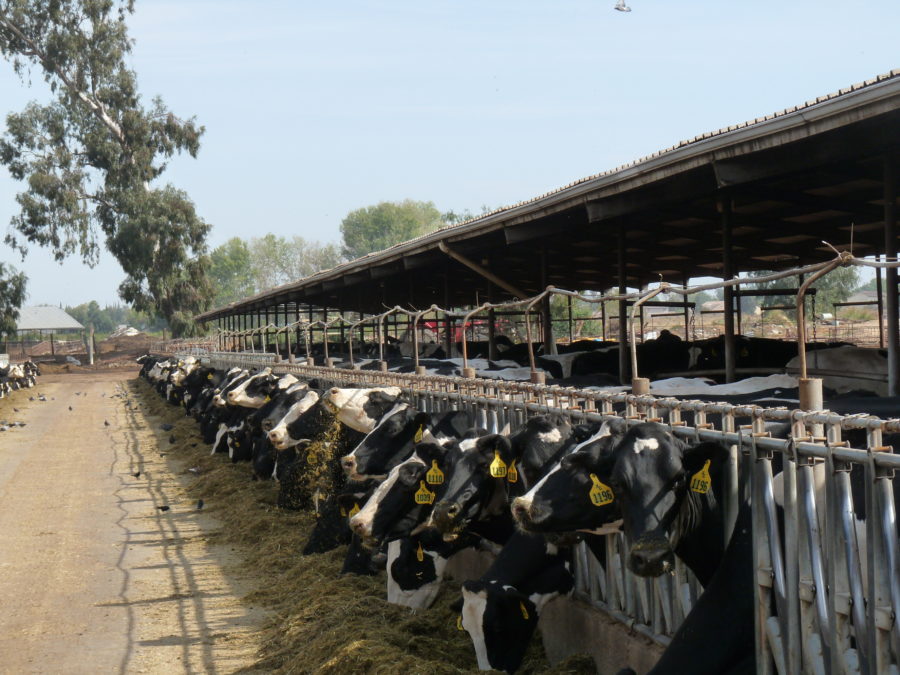
The dairy industry, which is prominent in Tulare County, came in number one again, representing 25 percent of the total value.

“Milk prices were stronger in early 2017, but they went down later in the year. And they continue to go down, but still it was a big part of the Tulare County ag receipts in 2017,” Wright said.

Following dairy were grape products—including juice grapes, raisins, and table grapes. Table grapes had a stellar year.

Navel and Valencia oranges were next. Cattle and calves ranked fourth, down from category number three in 2016, because cattle prices were off last year.

Tangerines, also known as mandarins, were number five, followed by almonds, cling peaches, and freestone peaches.

Lemons, were ninth on the crop list.

We only have just over 10,000 acres of lemons in the County, Wright said.

Wright said the value of this year’s crop report, $7.39 billion, is the third highest value Tulare County has ever reported.

2018-09-18T16:39:21-07:00September 18th, 2018|
Go to Top