Marcy Martin To Head Citrus Research Board

Martin Selected Following Year Long National Search

 Marcy L. Martin was named today as the new president of the Citrus Research Board (CRB). The appointment was announced by CRB Chairman Dan Dreyer, who said that Martin was selected after a nearly year-long national search for the very best candidate to lead the organization.

Martin joins the CRB with more than 25 years of experience with California commodity organizations. She most recently served for 14 years as director of trade for the California Fresh Fruit Association (CFFA), where she advocated on behalf of the state’s fresh grape, blueberry, pomegranate and deciduous tree fruit production in governmental, legislative and policy issues. Prior to that, she had been controller of the California Apple Commission for ten years.

In 2015, then U.S. Department of Agriculture (USDA) Secretary of Agriculture Tom Vilsack appointed Martin to the Agricultural Technical Advisory Committee (ATAC) for Trade in Fruits and Vegetables. In his announcement, Vilsack said of those who were appointed, “They are an invaluable asset as we work to enact trade agreements and trade policies that deliver the greatest economic benefit for U.S. agriculture and for our nation as a whole.”

“California’s citrus growers, packers and shippers have demonstrated through their keen understanding that an industry must invest in sound research to meet the challenges of a constantly evolving environment, marketplace and consumer,” said Martin. “The Citrus Research Board, industry, staff and research community have stepped up to take on looming challenges, specifically huanglongbing, that have devastated citrus production within other regions, both domestically and globally. This is an area I am passionate about, and I look forward to bringing my experience in the technical and regulatory arena to the team.”

Dreyer said, “The Board is pleased to have Marcy Martin taking the helm of CRB. Her extensive experience with commodity organizations and local, state and federal regulatory agencies will be a key ingredient to the success of CRB projects and priorities. She comes to the CRB with extensive knowledge of fresh tree fruit production and the agricultural use of plant protection products. Our Board members were impressed by her dedication to and passion for agriculture.”

“The California citrus industry is an important economic contributor and an icon of the Golden State,” Martin said. “Citrus is part of our American and Californian agricultural footprint – a commodity we need to preserve and foster. I’m honored to be part of this continuing tradition.”

Martin officially will join the CRB on October 1 and will be based out of the CRB headquarters in Visalia, California. She will take the reins from Interim President Franco Bernardi.

“We cannot thank Franco enough for his dedicated service to the CRB throughout the past year,” said Dreyer. “He did an excellent job in guiding the organization through a challenging period, and the Board has been truly grateful for his leadership.”
2019-09-10T14:14:08-07:00September 10th, 2019|

Action Needed to Amend SB1

Urge your Representatives to AMEND SB 1

From California Citrus Mutual

This week the Assembly will consider Senate Bill 1 by Senate Pro Tem Toni Atkins.

SB 1 proposes dangerous changes to how the state implements the Endangered Species Act (ESA) and will have devastating impacts on how water is managed in California.

The bill seeks to preserve environmental regulations against perceived rollbacks by the Trump Administration by empowering state agencies to immediately adopt the “baseline” standard in place before January 19, 2017 (the day before President Trump was inaugurated).

As currently written, SB 1 would lock in the existing biological opinions that determine how much water must flow out of the Delta to protect native fish species. This directly influences how much water is available to ALL water users south of the Delta.

The State and Federal agencies are currently in the process of updating the biological opinions, which will result in lower flows and more water for communities and agriculture. But, by locking in the existing biological opinions, SB 1 prohibits State from using the best available science to manage how water moves through the Delta.

Recent amendments do not go far enough to address the ESA provisions.

California Citrus Mutual and many other agricultural and business-sector groups have proposed constructive amendments to address these concerns.  The Pro Tem’s office, however, did not make substantive changes to the bill before it was passed out of the Assembly Appropriations Committee on Friday despite pressure from the Governor’s Office.

The Legislature will adjourn next Friday and it is imperative that SB 1 be amended THIS WEEK.

We are calling on our Assembly Members and Senators to urge the Senate Pro Tem to accept amendments to the ESA section.

Please click on the link below to send a letter to your representatives asking them to support amendments to the ESA section in SB 1.

California Citrus Mutual Action Center

2021-05-12T11:05:02-07:00September 4th, 2019|

Courtney Razor is New Communications Manager at CFFA

California Fresh Fruit Association Announces New Director of Member Services and Communications

The California Fresh Fruit Association (CFFA) today announced the hiring of Courtney Razor as its new Director of Member Services and Communications.

Razor comes to the Association after serving as the Chief Operations Officer for the Fresno County Farm Bureau for the last six and a half years. In her role at the Fresno County Farm Bureau, Mrs. Razor managed their Future Advocates for Agriculture Concerned about Tomorrow (FAACT) program, supported the needs of the Board of Directors and Executive Committee and oversaw special event planning.

The Chairman of the Board for the Association, Randy Giumarra of Giumarra Vineyards Corp.,stated, “We are very pleased that Courtney has agreed to become a part of the team at CFFA. Her personal background and education, as well as her extensive experience working for a peer agricultural association, should translate into real value for our membership.”

Association President Ian LeMay added, “I have had the pleasure of working with Courtney for a number of years in her role with the Fresno County Farm Bureau, and I have always found her to be an articulate and vocal advocate for California agriculture. We believe she is a natural fit, along with our current staff, to continue to bring value to our members and to serve the California fresh fruit industry.”

Razor grew up in Sanger and is the daughter of third-generation fresh fruit farmer Craig Sorensen. She is a graduate of California State University, Fresno where she earned her bachelor’s degree in mass communications and journalism along with a certificate in marketing.

Her first day at the Association will be Tuesday, September 3rd.


2019-08-12T12:02:17-07:00August 12th, 2019|

Citrus Growers’ Response To Huanglongbing

Industry Committee Endorses Voluntary Best Practices

News Release

To provide California citrus growers with a strong toolbox of science-supported strategies and tactics to protect their orchards from Huanglongbing (HLB), the Citrus Pest & Disease Prevention Committee endorsed a set of best practices for growers to voluntarily employ in response to HLB in California.

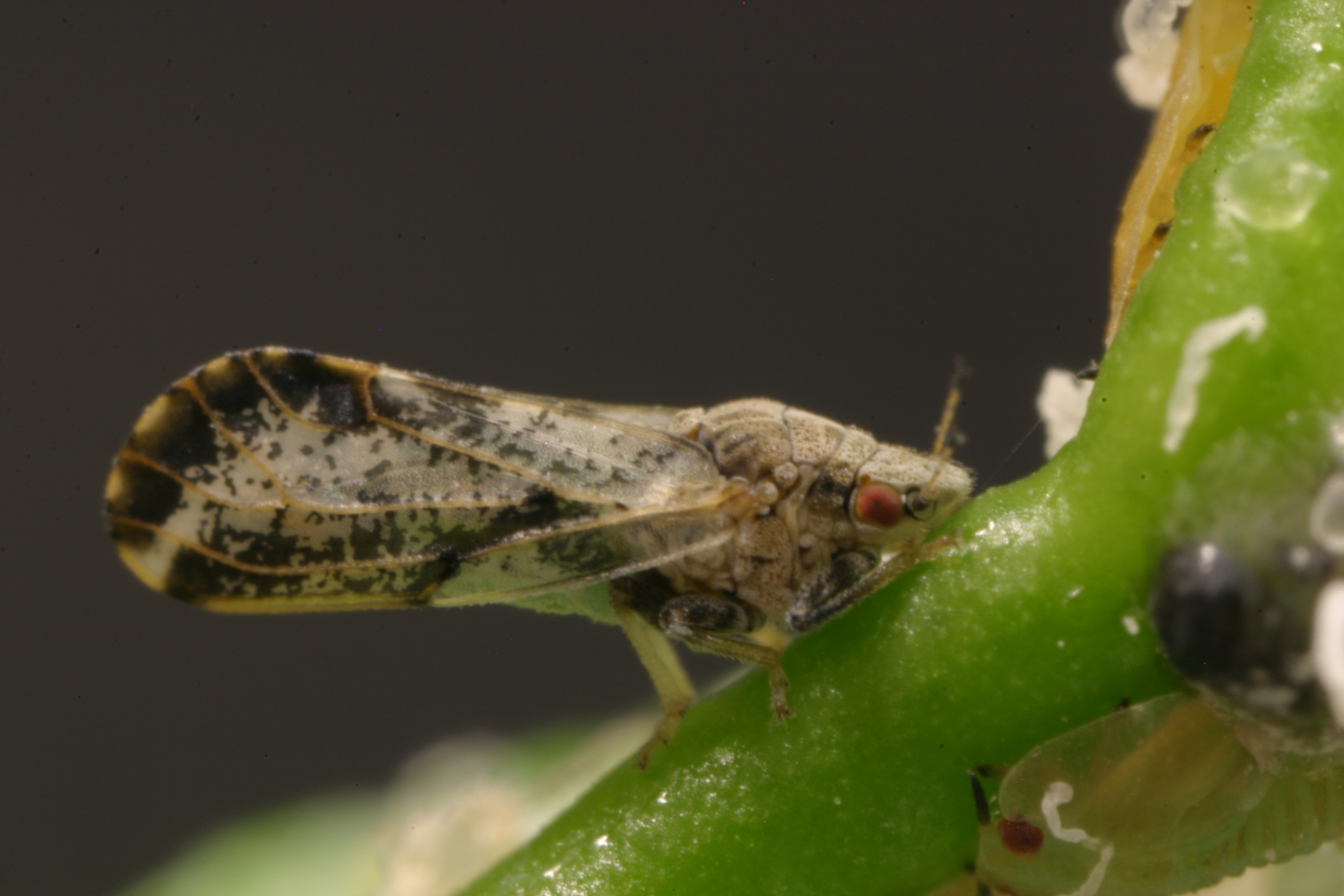
Adult Asian citrus psyllid, Huanglongbing

Adult Asian citrus psyllid (Photo by J. Lewis). Courtesy of Citrus Research Board

The recommendations—which were developed based on a grower’s proximity to an HLB detection—represent the most effective tools known to the citrus industry at this time and are meant to supplement the California Department of Food and Agriculture’s required regulatory response. The best practices were developed by a task force consisting of growers from various regions across the state and scientists, all of whom were nominated by the Citrus Pest & Disease Prevention Committee.

Voluntary best practices were developed for growers in the four following scenarios:

  • Scenario 1: Orchards outside of an HLB quarantine area
  • Scenario 2: Orchards located between one and five miles of an HLB detection (within an HLB quarantine area)
  • Scenario 3: Orchards within one mile of an HLB detection but not known to be infected
  • Scenario 4: Orchards with HLB

The best practices vary in each scenario but all address: awareness, scouting for the Asian citrus psyllid, controlling Asian citrus psyllids with treatments, protecting young trees and replants, employing barriers or repellents, visually surveying for HLB, testing psyllid and plant material for HLB using a direct testing method like polymerase chain reaction (PCR), and tending to trees’ root health. The voluntary best practices in all four scenarios can be found at CitrusInsider.org.

While HLB has not yet been detected in a commercial grove in California, the disease continues to spread throughout residential communities of Los Angeles, Orange, and Riverside counties. HLB has infected more than 1,400 citrus trees, and 1,003 square miles are currently in an HLB quarantine area.

“Our state’s citrus industry has held the line against HLB since the first detection seven years ago. We should commend our efforts but must not forget the devastating impact HLB could have on our orchards and our livelihood,” said Jim Gorden, chair of the Citrus Pest & Disease Prevention Program and a citrus grower in Tulare County.

“We know the cost to manage the Asian citrus psyllid is far less than any potential costs or loss to the industry should HLB take hold throughout our state. These voluntary best practices are meant to serve as a box of tools so growers can use as many as are feasible for their operation in order to limit the spread of the psyllid and disease,” said Keith Watkins, chair of the task force that developed the best practices and vice president of farming at Bee Sweet Citrus.

2021-05-12T11:01:47-07:00July 3rd, 2019|

CA Citrus Growers Work Hard to Prevent HLB Devastation

Learning From the Florida Industry as to How Bad it Can Be

By Mikenzi Meyers, Associate Editor

The severe effects of the Huanglongbing (HLB) disease on Florida citrus is cause for California growers to take important preventative measures to ensure the safety of their trees. Keith Watkins, vice president of outside operations for Bee Sweet Citrus, has seen the damage firsthand and has been hard at work to protect his trees.

“I’ve been to Florida, and I’ve seen how devastating the disease can be,” he said. “We have to spend money now to basically prevent that from happening to us.”

There are currently around 1100 trees that have tested positive for HLB in the Orange County and Anaheim-Garden Grove areas, but they are mainly backyard citrus trees. Luckily, Watkins said that the disease has not yet been traced in commercial operations.

Keeping HLB out of commercial growth is the biggest challenge growers face. There is not yet a cure for the disease, but according to Watkins, growers can help prevent it from reaching their crops by staying on top of killing psyllids when spotted. “We have to stay diligent. Our future really is maintaining a psyllid free population,” he said.

2021-05-12T11:01:47-07:00June 4th, 2019|

CCM Statement on Chlorpyrifos Ban

Flawed Data Forcing Cancellation

News Release From California Citrus Mutual

Recently, the California Environmental Protection Agency (CalEPA) and the California Department of Pesticide Regulation (DPR) announced that they are going to begin the cancellation process of chlorpyrifos. The statement cites scientific findings that chlorpyrifos poses serious public health and environmental risks to vulnerable communities.SaveOurCitrus Logo

“The decision to ban chlorpyrifos is not surprising given the significant pressure from anti-pesticide groups, active legislative proposals, regulatory proceedings, and ongoing court battles,” said CCM President Casey Creamer. “However, this decision relies heavily on an evaluation that was significantly flawed and based upon unrealistic modeling scenarios that are not verifiable by actual results in DPR’s own air monitoring network.”

“California Citrus Mutual and our member growers stand by science that is sound, that properly evaluates risks and puts forward appropriate safeguards to protect ourselves, our employees, and our surrounding communities. We are committed to safe and effective use of chlorpyrifos and other crop protection tools.”

“The process for which this chemical was evaluated was purposely exaggerated to achieve the desired outcome and jeopardizes the scientific credibility of the Department of Pesticide Regulation. This decision sets a terrible precedent for future evaluations and creates a chilling effect on companies planning on making significant investments to bring new products to the market in California.”

“The citrus industry is fighting feverishly to protect itself from the deadly citrus disease, Huanglongbing,” Creamer continued. “In order to do so, we must have the necessary tools in the toolbox for an effective Integrated Pest Management program.”

“The once mighty citrus-producing state of Florida has lost 70% of its production due to this disease, which is expanding exponentially in residential citrus trees in Southern California at this very moment. While our commercial growers will remain vigilant, it is vital that our policymakers recognize the seriousness of the threat and ensure sound scientific procedures are followed.”

“California Citrus Mutual will continue to be actively engaged in the regulatory processes around the cancellation decision and will continue to explore all potential remedies to allow the safe and effective use of chlorpyrifos.”

2021-05-12T11:05:03-07:00May 14th, 2019|

Reducing ACP Spread In California

Beth Grafton-Cardwell: Spread of Disease Must Be Prevented

By Patrick Cavanaugh, Editor

Collaborative changes are being made to combat the Asian Citrus Psyllid (ACP). Beth Grafton-Cardwell is the director of Lindcove Research and Extension Center near Exeter, as well as a research entomologist with UC Riverside. She recently spoke at the 2019 Citrus Showcase in Visalia as a key speaker on the state of Huanglongbing (HLB) in California, with an overview of how to prevent ACP,—which vectors HLB, a fatal disease to citrus—from moving around the state.

We were trying to communicate why we’ve made the changes we’ve made for the industry that has been a collaborative effort between CDFA, growers, and the university, Grafton-Cardwell said. “We need better ways to prevent psyllids from moving around the state because they might have HLB in their bodies, and we’ve got to prevent the spread of the disease.

beth_grafton-cardwell

Beth Grafton-Cardwell

The Florida citrus industry did not do a great job in containing the Psyllid, and now HLB is rampant in the state’s citrus industry, which has devastated the citrus economy there.

“Florida found that they did not do much to control psyllid movement, and they found that psyllids were moving in bulk citrus bins and retail nursery plants around the state, and within a concise amount of time, they spread the Psyllid and the disease everywhere,” Grafton-Cardwell said. “We’re trying to avoid that. We have 100% tarping of citrus truckloads. We have treatments that have to be done if growers want to move citrus between major zones in California, so that we can prevent that kind of movement.”

Conversations continue about quarantine areas in California to reduce spread.

“There’s been a lot of discussion regarding quarantines because it’s painful for some growers who have low Psyllid numbers to have to treat and to move their fruit to other zones.”

“There’s been a lot of questions. We did a lot of scientific analysis to look at impacts as well as numbers. It’s not just about psyllid numbers; it’s about their impact if growers were to move the disease into a high citrus growing region,” Grafton-Cardwell explained.

2021-05-12T11:01:48-07:00May 8th, 2019|

Fighting for Citrus Industry

Continuing to Fight For Citrus Industry’s Longevity Requires Teamwork

By Jim Gorden, Committee Chair, Citrus Pest and Disease Prevention

For more than two centuries, citrus has grown strong in California’s yards and groves—serving as a source of nourishment, income, and tradition for many different individuals—but the citrus industry is at risk due to Huanglongbing’s (HLB) growing presence in California.

Jim Gorden

In 2018, HLB was found in more than 600 residential citrus trees in Southern California, and despite the program’s thorough surveying efforts, HLB has not been found in a commercial grove, but we must continue to hold strong. It has never been more important for all of us— including the Citrus Pest & Disease Prevention Program (CPDPP), regulatory authorities, the citrus industry, the scientific community, and others—to work together to prevent the spread of the disease and save California’s citrus industry.

While much has changed since the citrus industry came together ten years ago to support the creation of the CPDPP, one constant remains: the program’s dedication to fighting HLB. This year, the Citrus Pest & Disease Prevention Committee (CPDPC) created a strategic plan for combatting HLB now and in the future. The plan identified five prioritized strategies to achieve CPDPP’s goals of keeping HLB out of commercial groves, limiting Asian citrus psyllid (ACP) movement in the state and fine-tuning the program. In addition, the program agreed to align its annual budget in support of the strategies, which can be viewed in this report.

With this plan comes additional responsibilities for all individuals involved. The CPDPC understands HLB isn’t the only issue posing a threat to your business and our industry – but it’s one we can’t ignore. This report highlights the many activities the program and our partners are doing across the state to protect commercial groves from HLB, but we are only as strong as our weakest link.

Looking forward, much is at stake for California citrus growers, packers and workers as the industry faces its biggest threat yet in HLB. I encourage you to connect with the program, your local pest control district, or task force, and follow best practices for managing the ACP and HLB. If we sit idle, hoping others will take action for our benefit, we are welcoming this devastating disease into our groves.

But, by working together, we can protect California’s commercial citrus industry from devastation—sustaining our livelihood and the legacy of California citrus.

For more information on the  Citrus Pest & Disease Prevention Program Click here.

2021-05-12T11:01:49-07:00April 25th, 2019|

Quarantines in Place to Prevent ACP Spread

Quarantines Painful For Some Growers

By Mikenzi Meyers, Associate Editor

It’s been a tough road for citrus growers since the discovery of the Asian Citrus Psyllid (ACP) back in 2012. Those affected have been forced to quarantine their crops, a task that Beth Grafton-Cardwell, director of Lindcove Research Extension Center in Tulare and research entomologist with UC Riverdale, said can be difficult.

“There’s been a lot of discussion about the quarantines because they’ve been painful for some growers who have low psyllid numbers to have to treat them and move their fruit to other zones,” Cardwell explained.

Beth Grafton-Cardwell

The growing concerns have led to continuous research regarding whether or not the zones should be changed.

There have been more than 1,100 citrus trees that have tested positive for HLB. There have been more than 230 positive finds of the psyllid, and although this sounds like a big number, Cardwell said its actually normal due to how difficult the disease is to detect.

“We can’t tell that the tree is infected early on because a localized infection might be on one stem of the entire tree, and it might take a year before it moves throughout the tree,” she said.

Right now, quadrant sampling is being done, where four quadrants of the tree are sampled for the disease. Current samples are showing that one in four quadrants are coming back positive.

“It’s finding the trees that are infected that’s really difficult, and meanwhile, the psyllid is spreading, spreading, spreading the disease,” Cardwell said.


More information can be found at this link:

https://maps.cdfa.ca.gov/WeeklyACPMaps/HLBWeb/HLB_Treatments.pdf

2021-05-12T11:01:49-07:00April 5th, 2019|

Casey Creamer Named New President/CEO of California Citrus Mutual

New Role Effective Feb. 1

News Release


CCM appoints current Executive Vice President and veteran agriculture industry representative.  Current President, Joel Nelsen to step down after 37 years at the helm and assume new role within the organization.


The California Citrus Mutual (CCM) Board of Directors has named current Executive Vice President Casey Creamer as its new President and CEO effective February 1st.  Creamer came to CCM last February after a national search process to eventually assume the role of President.  He succeeds Joel Nelsen, who has guided CCM for the last 37 years.

Huanglongbing

Joel Nelsen semi-retires after 37 years at the Helm.

“The citrus industry is very fortunate to have had an individual of Joel’s caliber the last 37 years.  That kind of loyalty is not only rare, it’s unheard of,” Board Chairman Curt Holmes said.  “Joel has taken a relatively small industry and has given us a huge voice.  We’ve faced many challenges over the years and have addressed them head on with his energy and passion leading the way.  We are incredibly grateful to him for his service and we appreciate his willingness to stay engaged in the industry.

“We are also very excited to have Casey on board as our new President and CEO,” continued Holmes.  “The Board conducted an extensive search process and interviewed viable candidates from across the country.  We ultimately found the right person in our own backyard.  His prior experience working for a sister commodity organization and his work representing growers on water issues made him an ideal selection.  Over the last year, his knowledge of the citrus industry has greatly expanded, and he has quickly become a valuable member of the CCM team on behalf of the industry.”

“I’m humbled by the opportunity to serve,” Creamer said.  “I’ve been extremely fortunate to work with some of the best leaders over my career and have nothing but respect and admiration for the job that Joel has done advancing issues important to the citrus industry.  I’m looking forward to carrying on the many successful traditions at CCM, while constantly seeking new ideas and pathways to address the significant challenges we face.  With the enthusiasm and commitment that exists in this industry, I am confident that together, we tackle any obstacle thrown our way.”


2019-01-28T16:55:42-08:00January 28th, 2019|
Go to Top