Raisin Bargaining Association Negotiations for 2015

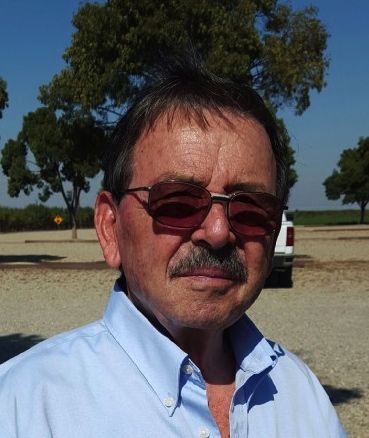
Glen Goto: Raisin Bargaining Association Negotiations for 2015

By Charmayne Hefley, Associate Editor


In the midst of the 2015 (RBA) Raisin Bargaining Association negotiations on behalf of its members, the RBA  has reached a price agreement with one processor among 13 thus far, according to CEO Glen Goto. “It is a negotiation, so we don’t know where it will end up,” Goto said. “We also don’t know when it will end up, but we’re trying to do it as quickly as possible.”

Goto said California accounts for 30 to 35 percent of the world raisin supply. This year, Turkey, California’s largest competitor, which typically produces about the same amount, is experiencing a decreased supply due to a devastating April frost. “We are a world commodity,” Goto said. “The United States and Turkey, together, produce most of the dried grapes in the world, so we do look at Turkey as a competitor. Nevertheless, in certain markets, we may want to work together with Turkey. We are very structured with regard to our export destinations, and Europe is one of our big markets. Turkey is also very big in Europe, so our export success there varies by year and by supply situation.”

Goto is optimistic about the raisin industry despite its challenges and the loss of acreage as growers convert their vineyards to almonds, other nuts, citrus and other tree fruit crops. He explained, “Growers are doing their due diligence to determine the best economic scenario for their operations. And given other good, profitable commodities in the marketplace, more power to growers if they have the ability to convert their acreage to them.”
2016-05-31T19:27:02-07:00December 8th, 2015|

More Rain, More Fungi, More Use for Multiuse Fungicides

With More Rain, More Fungi, More Use for Multiuse Fungicides

By Patrick Cavanaugh, Deputy Editor

With spring rains, many vegetables, tree fruits, grapes and nuts succumb to fungi pressure. However, during the past few years, only trivial amounts of spring rain have moistened California’s soil and lulled farmers to abandon their vigilant watch for fungi proliferation. But now, the strong likelihood of El niño-driven wet weather this spring could catch growers off-guard.

“We have an El niño coming that has already been tagged, ‘Too big to fail,’ which will bring a lot of rain. So it’s really important for folks to think about switching gears this year on their pest management mindset. With more rain, comes more fungi disease. We always see really high pressure disease years with rain,” said Kate Walker a technical services representative with BASF Corporation on the Central Coast, who advises use of a multiuse fungicide product already on hand.

Anthracnose in Strawberries, UC Statewide IPM Project

Anthracnose in Strawberries (Source: UC Statewide IPM Project

Strawberries, in particular, are vulverable to fungi. “We have heard from our strawberry growers,” said Walker, “that these fungal diseases are always present in California, but they vary significantly in their severity year-to-year depending on the weather,” noted Walker.

“One major disease that accompanies higher moisture, Anthracnose, often called leaf, shoot, or twig blight,” Walker explained, “results from infection caused by the fungus Colletotrichum. I’ve heard some growers have not experienced Anthracnose issues in 10 years,” said Walker. “As it emerges and becomes more problematic in strawberries, farmers really need to know which types of fungicides to use to manage this and other diseases.”

“It is very important for farmers and PCAs to walk through and scout their fields for disease,” Walker said, “and when they identify one, to become very aggressive with their fungicide management program. So, as representatives for BASF, we are lucky to have multiuse fungicide products available to control these diseases, such as Merivon Fungicide.”

Walker noted Merivon has two modes of action, “so it is very broad-spectrum. Typically we position Merivon in California for use on powdery mildew and Botrytis, but what we seldom talk to growers about is its utility for Anthracnose. We see a lot more  Anthracnose in Florida and on the East Coast due to the increased rains; whereas, it usually doesn’t come through every year in California. So it is good to for farmers and PCSs to know that the product with which they are familiar for use in Botrytis, is also very effective with other issues, like Anthracnose.”

Walker offered, “Another very common disease that flourishes with increased rain, Rhizopus, occurs post-harvest, after the berries are picked up from the field. Again, Merivon has utility for Rhizopus as well, so growers don’t have to change or reinvent their program to manage these diseases.”

Walker said, “Rhizopus is an airborne bread mold. It is very common in the air and in the soil, so anytime a fruit or a nut is exposed to the spores blowing in the wind, it is vulnerable to infection with this disease.”

2016-05-31T19:27:02-07:00December 4th, 2015|

Wonderful Branding

Wonderful Branding: The Wonderful Company’s Branding Success and Newest Citrus Discovery

By Charmayne Hefley, Associate Editor

A catchy brand can make or break a product, and the agriculture industry has begun to take note. David Krause, president of Wonderful Citrus, said their own successful branding—especially their Halos mandarins—is attributable to a variety of factors.

“We have an internal creative team that handles all of the design work and advertising,” Krause said. “Couple that with some very good consumer-based activities, significant funding in telling that message, and a good product that is satisfying to the consumer, and you have a complete, effective program.”

Aside from branding, Krause said Wonderful Citrus continuously looks for new crop varieties that will excite consumers in the future. Introducing new products is part of the company’s strategy to stay ahead of competition as well as increase their consumer base.

Wonderful’s newest discovery, seedless lemons, were found in another country,” Krause explained. “We have the exclusive rights to a few varieties, and at this point, we are growing trees in our nurseries,” said Krause. “ We’ll start marketing the product in the U.S. market within the next five to six years.”

Overall, Krause reports increased profits for many products. “I would argue demand and supply for many California crops seem to be in balance; that is, they are driving good returns for growers in spite of all the challenges that we face.”

_______________________

The Wonderful Company is the parent company of:

  • Wonderful Pistachios & Almonds (formerly Paramount Farms)
  • Wonderful Citrus (formerly Paramount Citrus)
  • Wonderful Orchards (formerly Paramount Farming)

Well-known brands from The Wonderful Company are:

  • Wonderful Pistachios  #1 tree nut brand and one of the top-selling salty snacks in America
  • Wonderful Halos          #1 mandarin orange in America
  • POM Wonderful           #1 100% pomegranate brand in America
  • FIJI Water                     #1 premium bottled water brand in America
  • Teleflora                         #1 floral delivery service through local florists
  • JUSTIN Wine                #1 Cabernet Sauvignon in California

The company announced its name change to The Wonderful Company from Roll Global on June 1, 2015. This strategic move aligns the company’s long-standing passion for harvesting healthy and nutritious foods with its domestic and global consumers, as well as integrates its farming and distribution methods. The company grows, harvests, packages and delivers its produce to retail stores in a vertical structure to maintain high quality standards.

2016-05-31T19:27:02-07:00December 2nd, 2015|

Thanks to California Ag!

Thanks to California Ag for Thanksgiving!

By Patrick Cavanaugh, Deputy Editor


As Americans enjoy Thanksgiving dinner, let us recognize that farmers, especially California farmers, have made our bounty possible.

pumpkin free imageCalifornia is a big turkey producing state, always ranking in the top six nationally.

pumpkin free imageIn 1948, Sophie Cubbison, who was born in San Carlos, California and who graduated from California Polytechnical University in 1912, invented the Mrs. Cubbinson’s melba toast or cornbread stuffing most of us serve. (She even paid her way through college with the money she earned feeding farmworkers. Sourcewww.mrscubbisons.com)

pumpkin free imageWhat would Thanksgiving be without wonderful California wines and Martinelli’s (another great California company) great sparkling apple and grape beverages to celebrate our good fortune?

pumpkin free imageAnd all those amazing side dishes . . . the russet and red potatoes from Kern County; the sweet potatoes from Merced County; the many wonderful squash varieties including zucchini, yellow, acorn squash . . . are all produced by farmers and farmworkers in California.

pumpkin free imageGreen beans, lettuce, tomatoes, olives, cucumbers, radishes, and carrots will grace the tables across America, thanks to California producers in ped and other areas of the state.

Don’t forget gapumpkin free imagerlic, onions and mushrooms are all produced primarily in California!

California farmers produce it all, with the exception of cranberries!

Thanks Wisconsin!

(And New Jersey, Massachusetts, Oregon, Washington, and parts of Canada)

pumpkin free imageYou can thank California egg producers for those tasty hardboiled deviled eggs on Grandma’s favorite serving dish.

pumpkin free imagePlus raisins, a great addition to dressings and other dishes, thanks to the raisin producers in Fresno, Madera and Merced Counties.

pumpkin free imageAnd of course walnuts, almonds and pistachios are big part of our savory stuffing recipes and our snacks.

pumpkin free imageApple cider and apple pie? California, among the top five states, produces a wide variety of apples.

pumpkin free imageWait! What about pumpkin pie? California farmers.

pumpkin free imageAnd the wonderful whipped cream? Thanks to the California dairy industry.

pumpkin free imageDid you know the turkey pop-up timer was invented in California? Yes, indeed. Back in the 1950s, the California Turkey Producers Advisory Board brainstormed to figure out how to prevent over-cooked turkeys, according to Leo Pearlstein, a Los Angeles pubic relations pro in the food industry, who was among the five original board members. One board member—a California turkey producer, as Pearlstein tells it—looked up at the ceiling, noticed the sprinklers and had a Eureka moment! He suddenly realized the ceiling sprinklers were triggered when heat melted a material inside the gizmo. For a complete explanation, see How Pop-Up Turkey Timers Work at home.howstuffworks.com/pop-up-timer1.htm.

From all of us here at California Ag Today,

Thanks to California Ag for serving us a delectable nutritious Thanksgiving!

2016-05-31T19:27:03-07:00November 24th, 2015|

“The Other Drought”

“The Other Drought” in America’s #1 Agricultural State

By Charmayne Hefley, Associate Editor

California’s agriculture industry is experiencing a severe drought in terms of water shortage; however, this is not the only devastating drought in the state. Harold McClarty, owner of HMC Farms, told California Ag Today a secondary drought—“The Other Drought”—is plaguing California:  the loss of the family farmer.

McClarty explained, “I’ve taken a very liberal definition of the word ‘drought’ and tried to talk about the loss of the small farmer and the culture and values that are instilled in you when you grow up on a small farm. We’re going to lose the next generation [of family farmers] because of the consolidation of these farms.”

HMC Farms,1887 (Source: HMC Farms)

HMC Farms,1887 (Source: HMC Farms)

McClarty, whose company, HMC Farms, a grower, packer, and shipper of tree fruit and table grapes in the San Joaquin Valley, began in 1887 as a small 40-acre family farm, said his farm’s growth is representative of the progressive loss of the family farmer. When HMC Farms officially became an established company in 1987, 100 years after its establishment, he cofounder Mike Jensen began to purchase the property of family farmers who chose to leave the business when their children rejected farming to pursue careers in law, medicine and other fields.

McClarty admitted, “I’m obviously part of the problem, but this is the environment that I live and work in—that enables me to exist.” McClarty said in agriculture you’ve got to be able to do and keep up with all of the factors that go into farming. Unfortunately, the increasing work, pressures and regulations facing small family farms are overwhelming.

McClarty concluded, “the risks are so great, small farmers can’t do it anymore. They can’t keep up, and it’s just not worth it with today’s farm values.”

Of note, HMC Farms was named by the National Restaurant Association (NRA) as one of 18 Food and Beverage Product Innovation Award winners in 2012 for Grape Escape, the company’s washed and ready-to-eat de-stemmed grapes packed in single-serve two-ounce or three-ounce bags. Featuring an 18-day shelf life with no preservatives or additives, Grape Escape “meets the challenge of profitably serving healthy fresh fruit snacks year round,” according to a 2012 NRA news release.

2016-05-31T19:27:03-07:00November 19th, 2015|

Trade Agreement Big for State

Trans-Pacific Partnership Trade Agreement Will be Boon for California

By Laurie Greene, Editor

On Friday, Nov. 6, Agriculture Secretary Tom Vilsack told California Ag Today the released full text of the Trans-Pacific Partnership Trade Agreement shows that it will be boon for California Exports. Vilsack said, “You’re close to the market, you have ports that access and serve those markets, and you have the products those markets want—whether they are fruits and vegetables or tree nuts,” Vilsack noted. “In fact, we just released a report on our exports as they exist today. Obviously tree nuts are a big export opportunity. We saw significant growth there as well; it is now an $8.8 billion market and California certainly plays to that,” he said.

Vilsack said the trade deal is all about better access, “The fact that tariffs are going to be eliminated in a number of these countries that we do business with will level the playing field for our fruits, vegetables and tree nuts. It is going to open up enormous opportunities for us.”

Vilsack also said these increased exports will definitely increase jobs in California, “This agreement will add and anticipated $120 to $130 billion in U.S. export opportunities, of which agriculture is roughly 9%, so you do the math; it is billions of dollars in additional trade. California is going to get their fair share. It will impact employment because every billion dollars in ag sales supports 6500 good paying jobs, and these are jobs that currently pay about 18% more in benefits than non-export-related jobs.”

President Obama intends to sign this legislation, but first, Congress is poring over the text to make their concerns or support known. Then they will have an up or down vote, but no amendments can be added to the bill.

Again, California specialty crop growers stand to benefit greatly from this trade bill. Ag leaders are urging Congress to pass it and all California commodity trade groups are solidly behind it as well.

2016-05-31T19:27:04-07:00November 10th, 2015|

Subsurface Drip Efficiency

Subsurface Drip Efficiency in Pomegranates

By Charmayne Hefley, Associate Editor

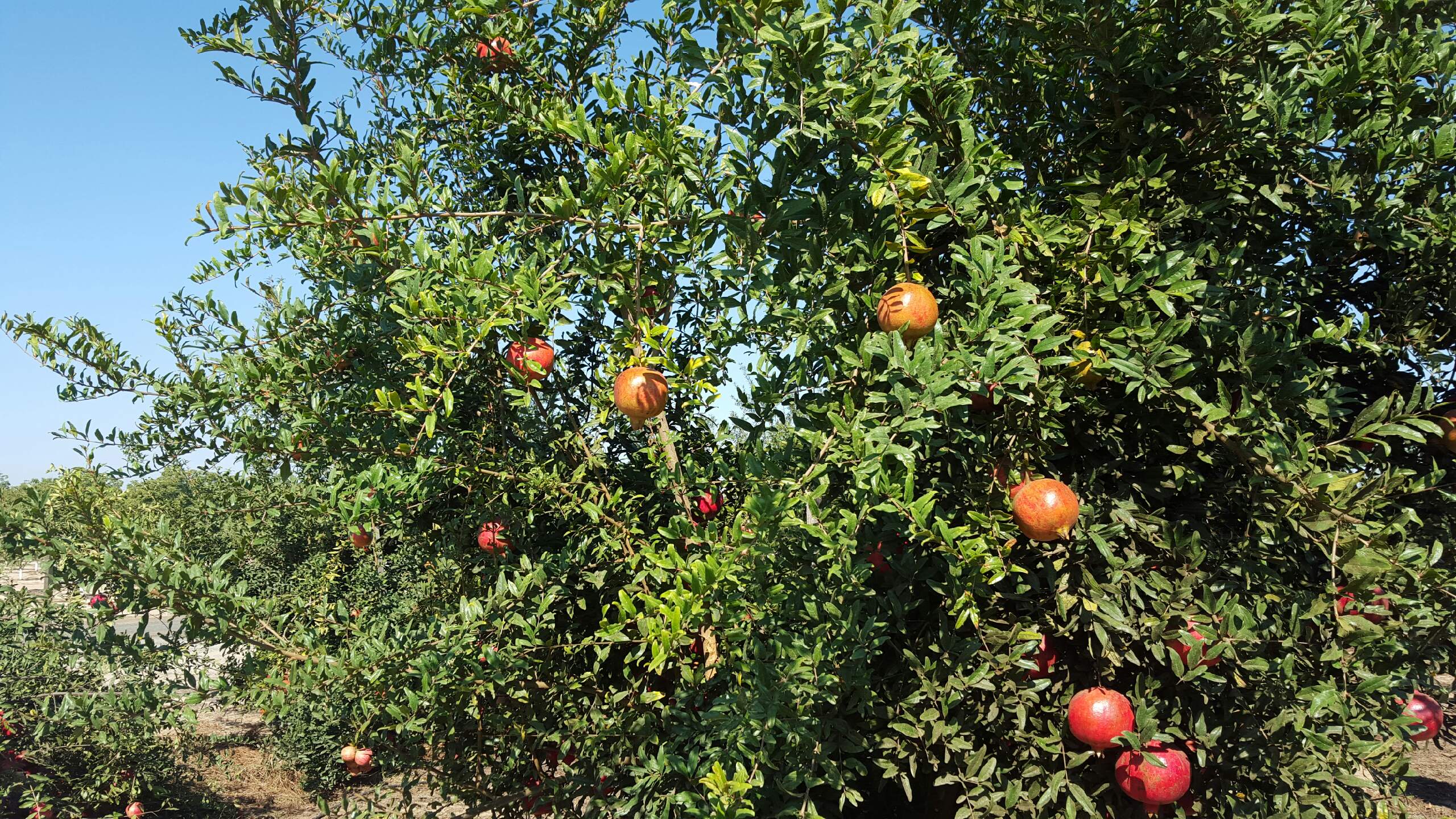
Subsurface drip irrigation, a more efficient form of water delivery, is growing in popularity and utilized on a widening range of crops. Claude James Phene, a research consultant for the UC Cooperative Extension, said subsurface drip efficiency is evident with both water and nitrogen in pomegranates.Pomegranate tree

Using a lysimeter, a big box on a calibrated truck scale that measures evapotranspiration, Phene can calculate the precise water requirement for pomegranates according to the soil moisture feedback indicated by the machine. Based on these calculations, Phene can make clear water recommendations to growers so they can accommodate the needs of their plants without exceeding them.

Because it is buried and targeted, subsurface drip irrigation also helps control weeds and reduce animal and traffic disturbances.

This six-year study has also demonstrated these drip lines prevent leaching—the loss of nutrients in the soil—that occurs with other types of irrigation systems. Phene explained, “The lysimeters are equipped with a drop-tube at the bottom so we can measure the nitrogen in any output to determine how much leaching occurs and to make recommendations on fertilizer.”

2016-05-31T19:27:04-07:00November 4th, 2015|

Fresno Ag Awards

Joe Del Bosque and Earl Hall Receive Ag Awards in Fresno

By Charmayne Hefley, Associate Editor

At the Fresno Chamber of Commerce’s Annual Ag Awards Luncheon on Oct. 28,  Westside farmer Joe Del Bosque and businessperson Earl Hall, owner of Hall Management Corp., a labor contracting company, received awards for their commitment to agriculture.

Honored as the Chamber’s 2015 Agriculturalist of the Year, Del Bosque, owner of Del Bosque Farms in Firebaugh, said, “It’s an honor to be here, and I’m so surprised to see not only my family here, but a lot of my friends as well as community leaders that I know. I’m just so pleased to have them attending and supporting. It really is an honor and I’m humbled. I mean, I saw the list of the folks who have been given this award; they’re some of the big leaders that I always look up to.”

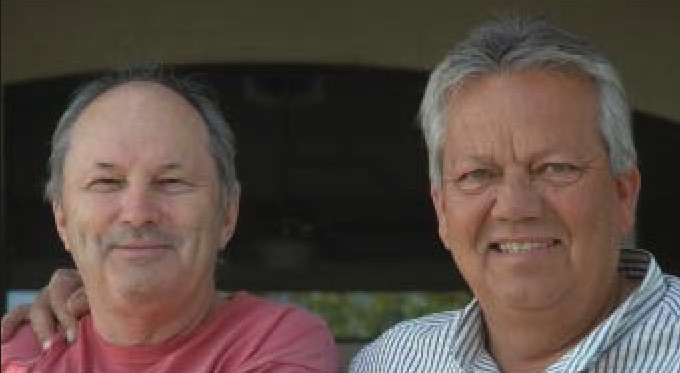
Earl Hall

Earl Hall, owner of Hall Management Corp.

Del Bosque was honored for his open farm policy of allowing bloggers and city folks to visit his operation and observe what farming is all about. He also hosted President Obama on an historic visit on Feb. 14 2014. Del Bosque farms almonds, melons, cherries and asparagus and relies on his farm employees to get the crops harvested. He also is a governor-appointed member of the California Water Commission, a public forum to discuss water issues, advise the Department of Water Resources (DWR) on water policy and decides what storage projects to build with 2014 Water Bond funding.

Hall’s Kerman-based company, Hall Management Corp, received the Baker Peterson Franklin’s Ag Business Award. Hall said his company manages the farm production and all of the labor—all of whom work directly for his company—for several different agricultural companies across 500 thousand acres. “We do business in 26 counties around the state,” said Hall. “I’ve been doing this for 50 years, and it’s quite an honor that our company has been recognized today as the ag business company of the year. I have to give all the credit to my people.

____________________

Founded in 1917, Baker Peterson Franklin, CPA, LLP is a full-service, locally-owned accounting and consulting firm in Fresno, California with a 45+ person staff.

With a membership of more than 1,400 businesses and organizations, the Fresno Chamber of Commerce promotes and supports the success of the regional business community through effective advocacy, education and relationship building.

2016-05-31T19:27:04-07:00November 3rd, 2015|

Health Benefits of Pomegranates

Dong Wang on Health Benefits of Pomegranates

By Charmayne Hefley, Associate Editor


As the demand for healthy food items increases, farmers are choosing from among a larger diversity of crops to grow. Dong Wang, research leader with the United States Department of Agriculture Research Service in Parlier, spoke at the 2015 UC Kearney Ag Research and Extension Center (KARE) & USDA-ARS Pomegranate Field Day last week.

Wang said “the International Society of Horticultural Sciences[1] organized a conference in 2013 on pomegranates and other minor fruits. Attendees from about 20 countries presented their pomegranate research findings on crop production, yield, quality, and genetic aspects of different species, including cultivars. They also presented findings relating to health benefits and the biochemistry of pomegranate products.”

Researchers and experts in California and around the world continue to explore producing a plant variety with the genetic potential for higher yield. And while increased marketable yield is important, Wang said researching pomegranate health benefits and phenolics—compounds with antioxidant propertiesmay be more beneficial than the absolute yield, “so people are researching multiple aspects of the topic.”

Dong Wang, research leader with the USDA-Agriculture Research Service in Parlier

Dong Wang, research leader with the USDA-Agriculture Research Service in Parlier

While the U.S. has a relatively small market for fresh pomegranates, pomegranate juice and secondary products, which are more common in the U.S., help to increase the fruit’s marketable yield. Wang explained some Americans eat fresh arils atop salads and other dishes, but those not-so-perfect on-the-surface pomegranates will still be desirable for the fresh market because they still contain beneficial compounds when processed. This research on phenolics, vitamins, and other compounds found in the fruit has been performed not only on the juice and the arils, but also in high-concentrate peels.

The International Society of Horticultural Sciences organized a conference in 2013 on pomegranates and other minor fruits. Conference attendees from about 20 countries presented their pomegranate research findings on crop production, yield, quality, and genetic aspects of different species, including cultivars. They also presented findings relating to health benefits and the biochemistry of pomegranate products.”

As a result of the 2013 International Society of Horticultural Sciences Conference in 2013 on pomegranates, Wang co-authored a proceedings book published by the International Society of Horticultural Sciences in July 2015. Co-written with Zhaohe Yuan, Nanjing Forestry University and Erik Wilkins, Paramount Farming Company, the volume, “Proceedings of the Third International Symposium on Pomegranate and Minor Mediterranean Fruits,” covers the following major areas of research and state-of-the-art technology: Physiology and Biochemistry, Secondary Metabolism and Human Health, Integrated Pest Management and Disease Control, Marketing and Economics, Genetic Resources and Breeding, Cultivation Techniques, and Post-harvest Technology. According to the USDA, “The book serves as the largest collection of the most current knowledge on pomegranate science and technology in the world.”[2]

_____________________________________

[1] International Society of Horticultural Sciences

[2] USDA ARS


2016-05-31T19:27:05-07:00October 30th, 2015|

Replanting Trees as Harvest Ends

David Doll on Replanting Trees

By Laurie Greene, Editor

As harvest comes to a close for many tree crops, the time for replanting trees is swiftly approaching. David Doll, a UC Cooperative Extension farm advisor in Merced County, said that if California receives significant rain this year, the replanting process in orchards would be more difficult.

“If we are potentially coming into a wet winter, it’s going to provide challenges in establishing new orchards,” Doll said. “In the case of heavy rainfall, it’s important to keep a few things in mind and plan accordingly. First, if we’re doing any type of soil modification, we need to get a little bit of moisture to help the soil settle.”

Doll said second step is ‘pulling’ berms—the small hills or walls of dirt or sand in an orchard created to divert rain and irrigation water from the tree trunk. He explained, “We want to pull them before the soil gets too wet. We don’t want to walk into a heavy soil field, such as clay or clay loam, and pull berms because in doing so do, we would actually slick that soil over and have to deal with compaction and future issues with the orchard.”

“Third, when we start planting our trees,” Doll said, “it’s important to make sure that we dig a proper hole with wet soils.” Doll warned if you don’t spend the time to dig a hole,  you can ‘glaze’ the soil or form a crust on the sides of the holes, particularly in clay soils, leaving a hard, compact surface that is impenetrable to young roots. He advised to fracture or scratch glazed soil on the sides of the hole with a shovel or rake before filling in to ensure proper root growth.

Doll also said that when planting, the graft union—the point on a plant where the graft is joined to the rootstock—needs to be kept aboveground. “Countless times I’ve seen people plant the graft union below the ground,” said Doll. “Or they’ll plant the tree, pull up a berm, and actually put the graft union below the ground. Keeping the graft union about one hand’s width above the soil line will ensure the graft union remains aboveground as the tree settles.”

“Lastly, if machine planting in very wet clay loam soil, clods [lumps] and air pockets may form,” Doll said. “That’s problematic. The same thing also may occur with hand planting. It’s important to make sure the planters are digging a properly-sized hole and the roots need to be sufficiently covered. The soil needs to be broken down and then replaced around the tree. Finally, to ‘tank’ the tree, apply about 4-5 gallons of water after replacing the dirt to reduce the air pockets and allow the tree to get a good, solid start.”

2016-05-31T19:27:05-07:00October 28th, 2015|
Go to Top