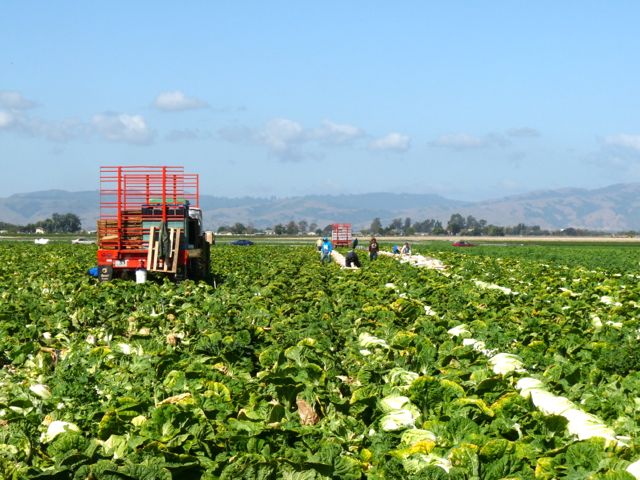
Valley’s Gold Prepares for Fourth Season

Valley’s Gold Prepares for Fourth Season


By Charmayne Hefley, Associate Editor

Valley's Gold

Currently in the midst of season three, Valley’s Gold, a weekly television series focusing on agriculture in the Central Valley, is scheduled to continue for a fourth season.

Ryan Jacobsen, the series’ host and Fresno County Farm Bureau CEO, is surprised but pleased by the show’s success. “I guess, just by the blessings of being able to do what we do and show this incredible industry, it’s resonating with folks,” Jacobsen said. “They love the show and the opportunities this show has given us to be able to show how our food is produced—not the romanticized viewbut the view of truly how it’s done and the people who come together to make this industry drive. It’s just been a phenomenal opportunity to share Ag’s story.”

Jacobsen said California’s diversity has allowed the show, brought to viewers by Fresno County Farm Bureau and ValleyPBS, to continue with consistent, original content. “You would think after that many seasons we would run out of crops,” Jacobsen said, “but because of this phenomenal Valley and this phenomenal state, we’re finding more and more stories. The more we dig, the more we find and the more we’re able to share the wealth of what we produce here.”

Sponsored by GAR Tootelian, BRANDT and Meyers Water Bank, the show airs on Wednesdays at 7pm PST and is re-broadcasted on the weekends, Saturday at 6:30pm and Sunday at 10:30am.

2016-06-03T09:39:03-07:00February 11th, 2016|

USDA Pesticide Data Program Report Confirms Food Safety

USDA Pesticide Data Program Report Confirms Food Safety:

More than 99 percent of sampled food tested below allowable pesticide residue levels!

The U.S. Department of Agriculture (USDA) has confirmed again in its annual report that American consumers can focus on the nutritional benefits of conventional and organic produce without concern for pesticide residues. Over 99 percent of fresh and processed food available to consumers tested below allowable pesticide residue levels, as detailed in the 24th Pesticide Data Program (PDP) Annual Report released on January 11, 2016 by the USDA Agricultural Marketing Service (AMS). Only .36 percent [0.36%] of the products sampled through the PDP had residues above the U.S. Environmental Protection Agency (EPA) established tolerances, giving consumers plentiful options to meet their daily nutritional needs.crop life america logo

“Today’s consumers can choose from food produced with a variety of farming methods and necessary crop protection strategies and be confident that it will sustain and enrich their families’ lives,” stated Jay Vroom, president and CEO of CropLife America (CLA). “Across the nation, our growers continue to use the most advanced crop protection technology available to target specific crop threats. From precision agriculture to integrated pest management, farmers in the heartland, the plains, coastal areas and everywhere in between are pushing forward with the best ways to produce food for their communities and for the country.”

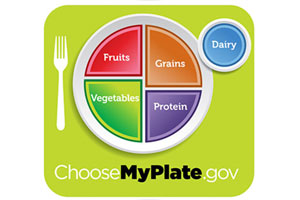
PDP researchers tested a total of 10,619 samples of fresh and processed fruit and vegetables (8,582 samples), oats (314 samples), rice (314 samples), infant formula (1,055 samples), and salmon (354 samples). To ensure the samples were representative of the U.S., researchers collected data in a variety of states throughout different times of the year. The findings support the Dietary Guidelines for Americans 2015-2020, recently released by USDA and the U.S. Department of Health, which encourage consumers to eat more fruits and vegetables.ChooseMyPlate.gov

“With rapid advancements in computing technology, the space for developing new ways to fight agricultural threats is increasing exponentially,” stated Dr. Janet E. Collins, senior vice president of science and regulatory affairs at CLA. “Consumers have a number of options at the grocery store, thanks in large part to the work of the scientific community involved in research and development, the companies that are manufacturing products, and America’s farmers and ranchers. The 2014 PDP report demonstrates again that, with the sound science-based regulation of pesticides and commitment from the industry, farmers and other stakeholders, we can reach toward making sure that every American, no matter their wallet size or geographic location, can access healthy food.”

A 2012 report from CLA demonstrates that crop protection has made healthy food more financially accessible to the American consumer, providing a 47.92 percent savings in overall grocery bills for a family of four in the U.S.1 In addition, increased agricultural production, due to advanced pesticides, has created an additional 1,040,661 jobs generating more than $33 billion in wages—all while decreasing the need for tillage operations, thereby reducing fossil fuel use by 558 million gallons per year.

Recent reports from the United Nations also show that an increasing number of people worldwide have gained access to healthy food. Over the past 25 years, the number of people worldwide who are hungry has declined from one billion to about 795 million, or about one person out of nine—which means that 2 billion people have avoided a “likely state of hunger” given the global population increase of 1.9 billion people since 1990-92.2 Multiple factors have contributed to the decrease in global hunger, including the integration of family farmers and small holders in rural areas into well-functioning markets for food, inputs and labor.

The PDP was established in 1991 for the purpose of collecting data on pesticide residues found in food. Information collected by the PDP is sent to the EPA to help the agency conduct important dietary risk assessments. The USDA also uses this data in the development of integrated pest management objectives. Since the PDP program was initiated, 109 different commodities have undergone testing. A complete version of the 2014 Annual Summary is available at www.ams.usda.gov/pdp.


1 CropLife America. The Contributions of Crop Protection Products to the United States Economy.

2 Food and Agriculture Organization of the United Nations, the International Fund for Agricultural Development and the World Food Program. State of Food Insecurity in the World 2015.


Established in 1933, CropLife America (www.croplifeamerica.org) represents the developers, manufacturers, formulators and distributors of plant science solutions for agriculture and pest management in the United States. CropLife America’s member companies produce, sell and distribute virtually all the crop protection and biotechnology products used by American farmers. CLA can be found on Twitter at @CropLifeAmerica. CLA supports CropLife StewardshipFirst.

2021-05-12T11:03:05-07:00January 13th, 2016|

New Dietary Guidelines for Healthy Eating

HHS and USDA Release New Dietary Guidelines to Encourage Healthy Eating Patterns to Prevent Chronic Diseases


Secretary of Health and Human Services Sylvia M. Burwell and Secretary of Agriculture Tom Vilsack TODAY released updated nutritional guidelines that encourage Americans to adopt a series of science-based recommendations to improve how they eat to reduce obesity and prevent chronic diseases like Type 2 diabetes, hypertension, and heart disease. The 2015-2020 Dietary Guidelines for Americans is the nation’s trusted resource for evidence-based nutrition recommendations and serves to provide the general public, as well as policy makers and health professionals with the information they need to help the public make informed choices about their diets at home, school, work and in their communities.

The newly released 8th edition of the Dietary Guidelines reflects advancements in scientific understanding about healthy eating choices and health outcomes over a lifetime. This edition recognizes the importance of focusing not on individual nutrients or foods in isolation, but on the variety of what people eat and drink—healthy eating patterns as a whole—to bring about lasting improvements in individual and population health.

“The Dietary Guidelines for Americans is one of many important tools that help to support a healthier next generation of Americans,” said Secretary Vilsack. “The latest edition of the Dietary Guidelines provides individuals with the flexibility to make healthy food choices that are right for them and their families and take advantage of the diversity of products available, thanks to America’s farmers and ranchers.”

The specific recommendations fit into five overarching guidelines in the new edition:

1. Follow a healthy eating pattern across the lifespan. Eating patterns are the combination of foods and drinks that a person eats over time.

2. Focus on variety, nutrient-dense foods, and amount

3. Limit calories from added sugars and saturated fats, and reduce sodium intake

4. Shift to healthier food and beverage choices

5. Support healthy eating patterns for all

Healthy eating patterns include a variety of nutritious foods like vegetables, fruits, grains, low-fat and fat-free dairy, lean meats and other protein foods and oils, while limiting saturated fats, trans fats, added sugars and sodium. A healthy eating pattern is adaptable to a person’s taste preferences, traditions, culture and budget.

Importantly, the guidelines suggest Americans should consume:

1. A variety of vegetables, including dark green, red and orange, legumes (beans and peas), starchy and other vegetables

2. Fruits, especially whole fruits

3. Grains, at least half of which are whole grains

4. Fat-free or low-fat dairy, including milk, yogurt, cheese, and/or fortified soy beverages

5. A variety of protein foods, including seafood, lean meats and poultry, eggs, legumes (beans and peas), soy products, and nuts and seeds

6. Oils, including those from plants: canola, corn, olive, peanut, safflower, soybean, and sunflower. Oils also are naturally present in nuts, seeds, seafood, olives, and avocados.

Further, Americans should be encouraged to consume:

1. Less than 10 percent of calories per day from added sugars. ChooseMyPlate.gov provides more information about added sugars, which are sugars and syrups that are added to foods or beverages when they are processed or prepared. This does not include naturally occurring sugars such as those consumed as part of milk and fruits.

2. Less than 10 percent of calories per day from saturated fats. The Nutrition Facts label can be used to check for saturated fats. Foods that are high in saturated fat include butter, whole milk, meats that are not labeled as lean, and tropical oils such as coconut and palm oil.

3. Less than 2,300 milligrams (mg) per day of sodium for people over the age of 14 years and less for those younger. The Nutrition Facts label is a helpful tool to check for sodium, especially in processed foods like pizza, pasta dishes, sauces, and soups.

Based on a review of current scientific evidence on nutrition, the 2015 edition includes updated guidance on topics such as added sugars, sodium, and cholesterol and new information on caffeine. For example, the 2015-2020 Dietary Guidelines is the first edition to:

1. Recommend a quantitative limit to consume less than 10 percent of calories from added sugars.

2. Reaffirm guidance about the core building blocks of a healthy lifestyle that have remained consistent over the past several editions

3. Suggest there is still work to be done to encourage more Americans to follow the recommendations outlined in the Dietary Guidelines.

The 2015-2020 Dietary Guidelines continues the nation’s dependence on California agriculture, which includes more than 400 commodities. According to the California Department of Food and Agriculture (CDFA) in 2014, the state produced nearly half of US-grown fruits, nuts and vegetables. Across the nation, US consumers regularly purchase several crops produced solely in California.

California’s top-ten valued commodities (USDA/NASS Crop Year Report 2014):

* Milk — $9.4 billion

* Almonds — $5.9 billion

* Grapes — $5.2 billion

* Cattle, Calves — $3.7 billion

* Strawberries — $2.5 billion

* Lettuce — $2 billion

* Walnuts — $1.8 billion

* Tomatoes — $1.6 billion

* Pistachios — $1.6 billion

* Hay — $1.3 billion

The 2015-2020 Dietary Guidelines for Americans is available at dietaryguidelines.gov.USDA has also released updates for consumers on ChooseMyPlate.gov, and new resources will soon be available on Health.gov from HHS that will help health professionals support their clients and patients in making healthy choices.

The Dietary Guidelines is required under the 1990 National Nutrition Monitoring and Related Research Act, which states that every 5 years, the U.S. Departments of Health and Human Services (HHS) and of Agriculture (USDA) must jointly publish a report containing nutritional and dietary information and guidelines for the general public. The statute requires that the Dietary Guidelines be based on the preponderance of current scientific and medical knowledge.

2021-05-12T11:17:15-07:00January 7th, 2016|

CA Grown Campaign Builds Awareness

CA Grown Campaign Builds Awareness of the State’s Agricultural Bounty

By Kyle Buchoff, Assistant Editor


Denise Junqueiro, California Olive Committee director of programs and services and serves and CA Grown Campaign vice-chair, reported California Grown is really about building awareness of California-grown products. One of five Mediterranean climates in the world, California is a rare place where specialty crops that thrive in short, wet winters separated by a sunny and dry spring, summer, and fall, can be grown.

“We know people are curious,” said Junqueiro. “We know people want to know where their food comes from. We have an abundance of crops in our state, and we believe we grow these better than everyone else in the world. So we are trying to increase awareness—not only about our products—but about the farmers who grow them, because our farmers really care. Our efforts are about shining a light on all the bountiful fruits, vegetables and nuts we grow in California,” she noted.

_____________

California Grown, according to their website, gives farmers the platform to share their farm stories and to help consumers understand where their food comes from. Farmers present their food safety measures, choices in crop varieties, sustainable and creative packaging solutions to make serving dinner faster and more convenient, strong ties to the land and to their neighbors, pride in homegrown products and in their work; and support for the economy.

California Grown  is supported by the state and federal governments, hundreds of growers, and all Californians. The group also collaborates with about 20 member partners in California agriculture to remind everyone to seek out and purchase agricultural products grown and produced in California.

ca_grown_campaign_logo_____________________________

Links

CA Grown Campaign

California Olive Committee

2021-05-12T11:06:00-07:00December 30th, 2015|

More Rain, More Fungi, More Use for Multiuse Fungicides

With More Rain, More Fungi, More Use for Multiuse Fungicides

By Patrick Cavanaugh, Deputy Editor

With spring rains, many vegetables, tree fruits, grapes and nuts succumb to fungi pressure. However, during the past few years, only trivial amounts of spring rain have moistened California’s soil and lulled farmers to abandon their vigilant watch for fungi proliferation. But now, the strong likelihood of El niño-driven wet weather this spring could catch growers off-guard.

“We have an El niño coming that has already been tagged, ‘Too big to fail,’ which will bring a lot of rain. So it’s really important for folks to think about switching gears this year on their pest management mindset. With more rain, comes more fungi disease. We always see really high pressure disease years with rain,” said Kate Walker a technical services representative with BASF Corporation on the Central Coast, who advises use of a multiuse fungicide product already on hand.

Anthracnose in Strawberries, UC Statewide IPM Project

Anthracnose in Strawberries (Source: UC Statewide IPM Project

Strawberries, in particular, are vulverable to fungi. “We have heard from our strawberry growers,” said Walker, “that these fungal diseases are always present in California, but they vary significantly in their severity year-to-year depending on the weather,” noted Walker.

“One major disease that accompanies higher moisture, Anthracnose, often called leaf, shoot, or twig blight,” Walker explained, “results from infection caused by the fungus Colletotrichum. I’ve heard some growers have not experienced Anthracnose issues in 10 years,” said Walker. “As it emerges and becomes more problematic in strawberries, farmers really need to know which types of fungicides to use to manage this and other diseases.”

“It is very important for farmers and PCAs to walk through and scout their fields for disease,” Walker said, “and when they identify one, to become very aggressive with their fungicide management program. So, as representatives for BASF, we are lucky to have multiuse fungicide products available to control these diseases, such as Merivon Fungicide.”

Walker noted Merivon has two modes of action, “so it is very broad-spectrum. Typically we position Merivon in California for use on powdery mildew and Botrytis, but what we seldom talk to growers about is its utility for Anthracnose. We see a lot more  Anthracnose in Florida and on the East Coast due to the increased rains; whereas, it usually doesn’t come through every year in California. So it is good to for farmers and PCSs to know that the product with which they are familiar for use in Botrytis, is also very effective with other issues, like Anthracnose.”

Walker offered, “Another very common disease that flourishes with increased rain, Rhizopus, occurs post-harvest, after the berries are picked up from the field. Again, Merivon has utility for Rhizopus as well, so growers don’t have to change or reinvent their program to manage these diseases.”

Walker said, “Rhizopus is an airborne bread mold. It is very common in the air and in the soil, so anytime a fruit or a nut is exposed to the spores blowing in the wind, it is vulnerable to infection with this disease.”

2016-05-31T19:27:02-07:00December 4th, 2015|

Thanks to California Ag!

Thanks to California Ag for Thanksgiving!

By Patrick Cavanaugh, Deputy Editor


As Americans enjoy Thanksgiving dinner, let us recognize that farmers, especially California farmers, have made our bounty possible.

pumpkin free imageCalifornia is a big turkey producing state, always ranking in the top six nationally.

pumpkin free imageIn 1948, Sophie Cubbison, who was born in San Carlos, California and who graduated from California Polytechnical University in 1912, invented the Mrs. Cubbinson’s melba toast or cornbread stuffing most of us serve. (She even paid her way through college with the money she earned feeding farmworkers. Sourcewww.mrscubbisons.com)

pumpkin free imageWhat would Thanksgiving be without wonderful California wines and Martinelli’s (another great California company) great sparkling apple and grape beverages to celebrate our good fortune?

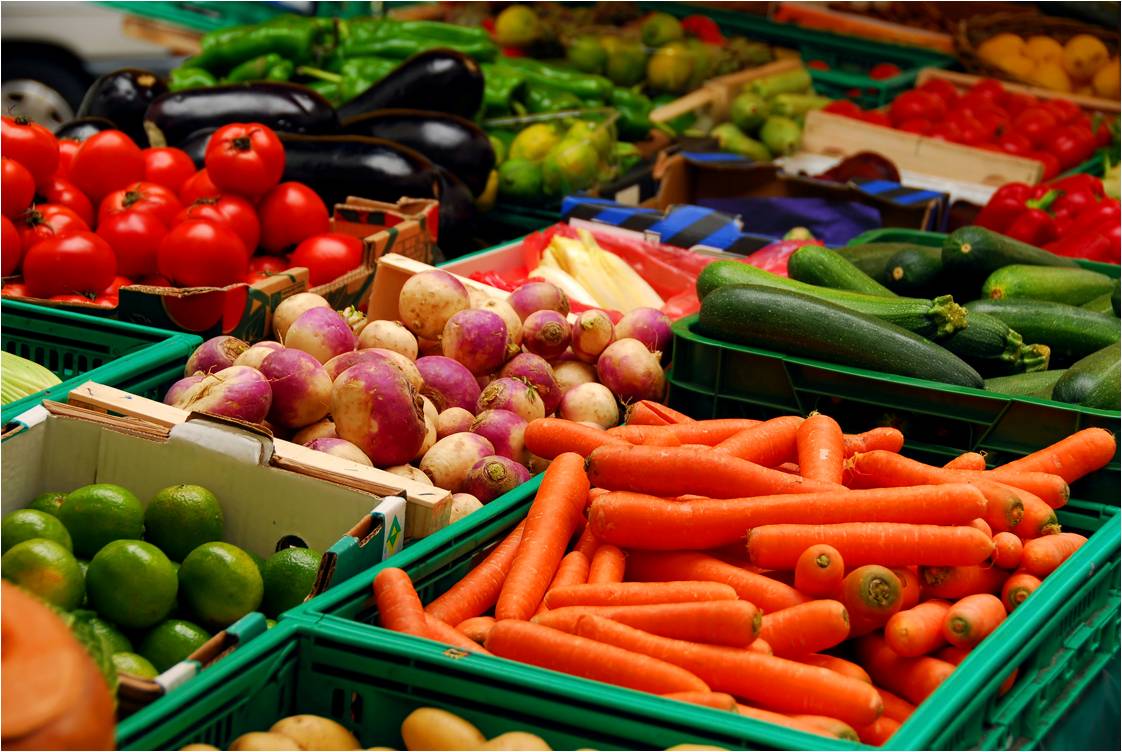
pumpkin free imageAnd all those amazing side dishes . . . the russet and red potatoes from Kern County; the sweet potatoes from Merced County; the many wonderful squash varieties including zucchini, yellow, acorn squash . . . are all produced by farmers and farmworkers in California.

pumpkin free imageGreen beans, lettuce, tomatoes, olives, cucumbers, radishes, and carrots will grace the tables across America, thanks to California producers in ped and other areas of the state.

Don’t forget gapumpkin free imagerlic, onions and mushrooms are all produced primarily in California!

California farmers produce it all, with the exception of cranberries!

Thanks Wisconsin!

(And New Jersey, Massachusetts, Oregon, Washington, and parts of Canada)

pumpkin free imageYou can thank California egg producers for those tasty hardboiled deviled eggs on Grandma’s favorite serving dish.

pumpkin free imagePlus raisins, a great addition to dressings and other dishes, thanks to the raisin producers in Fresno, Madera and Merced Counties.

pumpkin free imageAnd of course walnuts, almonds and pistachios are big part of our savory stuffing recipes and our snacks.

pumpkin free imageApple cider and apple pie? California, among the top five states, produces a wide variety of apples.

pumpkin free imageWait! What about pumpkin pie? California farmers.

pumpkin free imageAnd the wonderful whipped cream? Thanks to the California dairy industry.

pumpkin free imageDid you know the turkey pop-up timer was invented in California? Yes, indeed. Back in the 1950s, the California Turkey Producers Advisory Board brainstormed to figure out how to prevent over-cooked turkeys, according to Leo Pearlstein, a Los Angeles pubic relations pro in the food industry, who was among the five original board members. One board member—a California turkey producer, as Pearlstein tells it—looked up at the ceiling, noticed the sprinklers and had a Eureka moment! He suddenly realized the ceiling sprinklers were triggered when heat melted a material inside the gizmo. For a complete explanation, see How Pop-Up Turkey Timers Work at home.howstuffworks.com/pop-up-timer1.htm.

From all of us here at California Ag Today,

Thanks to California Ag for serving us a delectable nutritious Thanksgiving!

2016-05-31T19:27:03-07:00November 24th, 2015|

Bridging the Farm-City Gap

Stanislaus Outreach Bridges Farm-City Gap  

By Patrick Cavanaugh, Deputy Editor


Wayne Zipser, executive director of the Stanislaus County Farm Bureau, noted that he, his staff and farm bureau members are working hard to bridge the farm-city gap. “We certainly do a lot of outreach,” Zipser said. “We mainly try to reach out to our young people and change their attitudes towards production agriculture.”

“We teach them where their food actually comes from,” he explained, “so when they grow older, they have a different opinion and know exactly where their food comes from—not just from the grocery store off the grocery shelf. It takes a lot of people to make that happen so consumers can appreciate the nutritious food they are consuming.”

”We have several Ag Days in the County. We visit schools individually and do presentations,” said Zipser. “One of the big presentations is something we call ‘Ag Adventure.’ We bring third graders because we’ve been told that third grade is when they absorb the most information into their minds.”

“We bring classes out to the fairgrounds and introduce every child to our industry, to where their milk and eggs come from. We also talk about how rain and snow filter down into reservoirs for storage. The teachers are also become immersed; they take the lessons back to the classroom and apply them to their own curriculum.”

Zipser explained the staff is big on social media now, “Social media benefits our industry; almonds being the number one commodity—but we’ve all heard it takes one gallon of water to produce one almond. We want to go back and say, “Look, it may take that, but look at the benefits coming back to the community.”

“One of our biggest outreaches is letting people know that our farmers and ranchers are suffering through this drought too,” Zipser said. “We, as producers, are suffering, and we have made tremendous strides in conserving water. We see many of the irrigation districts in our county now have extra water that they didn’t know they were going to have because the farmers did such a good job conserving,” Zipser clarified.

2016-05-31T19:27:04-07:00November 16th, 2015|

Trade Agreement Big for State

Trans-Pacific Partnership Trade Agreement Will be Boon for California

By Laurie Greene, Editor

On Friday, Nov. 6, Agriculture Secretary Tom Vilsack told California Ag Today the released full text of the Trans-Pacific Partnership Trade Agreement shows that it will be boon for California Exports. Vilsack said, “You’re close to the market, you have ports that access and serve those markets, and you have the products those markets want—whether they are fruits and vegetables or tree nuts,” Vilsack noted. “In fact, we just released a report on our exports as they exist today. Obviously tree nuts are a big export opportunity. We saw significant growth there as well; it is now an $8.8 billion market and California certainly plays to that,” he said.

Vilsack said the trade deal is all about better access, “The fact that tariffs are going to be eliminated in a number of these countries that we do business with will level the playing field for our fruits, vegetables and tree nuts. It is going to open up enormous opportunities for us.”

Vilsack also said these increased exports will definitely increase jobs in California, “This agreement will add and anticipated $120 to $130 billion in U.S. export opportunities, of which agriculture is roughly 9%, so you do the math; it is billions of dollars in additional trade. California is going to get their fair share. It will impact employment because every billion dollars in ag sales supports 6500 good paying jobs, and these are jobs that currently pay about 18% more in benefits than non-export-related jobs.”

President Obama intends to sign this legislation, but first, Congress is poring over the text to make their concerns or support known. Then they will have an up or down vote, but no amendments can be added to the bill.

Again, California specialty crop growers stand to benefit greatly from this trade bill. Ag leaders are urging Congress to pass it and all California commodity trade groups are solidly behind it as well.

2016-05-31T19:27:04-07:00November 10th, 2015|

Bayer CropScience Horticulture Symposium Builds Relationships

Bayer CropScience Horticulture Symposium Builds Global Relationships for Collaborative Problem-Solving

By Patrick Cavanaugh, Deputy Editor


Nearly 200 professionals in the horticultural industry from across the food chain and the value chain, and from Europe and North, Central and South America, gathered this week at the Bayer CropScience Horticulture Symposium in Puerto Vallarta, Mexico. Attendees were treated to an inspirational mix of lectures, panel discussions, as well as an interactive poster session, all incorporating forward-thinking sustainable practices into contemporary agriculture. Among the crops discussed were tomatoes, citrus, grapes, potatoes, bananas.

Rob Schrick, strategic management lead, Bayer CropScience Horticulture, based in Research Triangle Park, North Carolina, said the event was the company’s second in a series of horticulture symposiums focused on international collaboration and problem-solving. “This is about bringing the best and brightest from across our industry,” said Schrick, “from influencers and universities to industry members like ourselves and the media. It’s about getting these creative minds together and discussing solutions. The solutions may not come from the symposium itself, but the connections that are made—you don’t know what will yield from those relationships.”

Jim Chambers, director of marketing, Bayer CropScience Food Production, said the Horticulture Symposium was all about sharing information on best management practices. “Bayer is a leader in the crop protection business within the horticultural space around the world, and this is a real opportunity to bring all of us within horticulture across the food chain and the value chain to talk, from the grower, to the processor, and to the consumer. It is a wonderful opportunity to work together to solve some very difficult challenges.”

“And, vivid to all attendees, was that members of the fruit and vegetable industry throughout the Americas have similar challenges to overcome,” noted Chambers. “It was very interesting; the issues that we talk and hear about in the specialty crop states such as California, Florida and Texas, are very much the same issues that people, for example in Mexico, Brazil, Argentina, or Central America, are facing. These issues do not go across just states or counties; they reach across the globe in solving these problems,” Chambers said.

Among the speakers were growers, commodity specialists from the industry and academia, and experts on sustainability practices, professionals on Maximum Residue Levels (MRLs), Bayer CropScience specialists and major agricultural association leaders such as Tom Nassif, ceo, Western Growers Association (WGA) and Dana Merrill, president, Mesa Vineyard Management Inc.

Bayer is a global enterprise with core competencies in the Life Science fields of health care and agriculture. Bayer CropScience, the subgroup of Bayer AG responsible for the agricultural business, is one of the world’s leading innovative crop science companies in the areas of seeds, crop protection and non-agricultural pest control. The company offers an outstanding range of products including high value seeds, innovative crop protection solutions based on chemical and biological modes of action as well as an extensive service backup for modern, sustainable agriculture. 

(Photo features Rob Schrick, Bayer CropScience – Horticulture strategic management lead)

2016-05-31T19:27:08-07:00October 2nd, 2015|

Heat Streak and Leafy Greens

Frank Ratto on Heat Streak and Leafy Greens

By Charmayne Hefley, Associate Editor


With a high spike in temperatures in the Central Valley, growers of leafy green vegetables are concerned about the quality of their products. Frank Ratto, vice president of marketing for Ratto Bros., a diversified century-old vegetable operation based in Stanislaus County, said that although the heat streak can cause internal burns in leafy green vegetables, he is confident that, with proper management, their leafy greens will be all right.

“The summer leafy green vegetable supply is always pretty good,” Ratto said, “so prices are very stable going into the fall. But, two or three days of a heat wave like the one we’re having right now can cause tremendous damage and escalate the price of our products. That may happen and we could be a victim or we could be a beneficiary.”

Given the heat wave, Ratto said Napa cabbage growers, in particular, are facing some difficulties. “Napa cabbage does not like heat,” he said, “because it will suffer from a lot of internal burns. Many coastal growers are having issues with it, so demand is tight and supplies are very low.”Ratto Bros Logo

Regarding vegetable prices, Ratto said that the price of cilantro was as high as $50 per box for the last three weeks, “but now it’s coming down to the $25 zone. Mexico had some supply issues, but it looks like they’re catching up, and supplies are improving, and the price is going down.”

Other leafy greens such as leaf lettuces, according to Ratto, are in good supply and quality right now.

Ratto said Ratto Bros. has expanded their organic products to include red and La Cinato kale; red, green, and rainbow Swiss chard; leaks; and collard and mustard greens,” among others.

“We’re trying to expand our organic offerings as more people look for organics in the store,” Ratto continued. “As growers, we know that both conventional and organics are healthy and nutritious—and we don’t really see a difference—but we give the consumer what they want. As long as everybody gets healthy, nutritious food, that’s all we care about.”

2016-05-31T19:27:10-07:00September 21st, 2015|
Go to Top