Here’s a deal: Tour the Port of Oakland for Free

Summer Port of Oakland Excursions Aboard Former FDR Vessel Open to the Public

Here’s summer’s biggest travel bargain: free boat tours at the Port of Oakland. The Port today introduced no-charge, 90-minute harbor excursions available to the public. The narrated port tours will be conducted aboard the USS Potomac, the former presidential vessel of Franklin D. Roosevelt.

“We’re proud of our Port and of the relationship we have with our communities,” Executive Director Chris Lytle said today before embarking on the maiden harbor tour. “Inviting our neighbors to these tours gives them a way to know us even better.”

More than 200 Oakland school children boarded the Potomac today for the first two of 12 free summer tours. Oakland Mayor Libby Schaaf and School Superintendent Antwan Wilson were there as the Port welcomed youngsters aboard.

The Port said it has scheduled two tours each month on designated Friday afternoons and evenings through October. The 165-foot Potomac, berthed at the Port’s Jack London Square, can carry 120 passengers per excursion. Schedules and registration for the tours will be open to the public beginning June 1 at the Port’s website, www.portofoakland.com.

Tour organizers said the excursions are a cost-effective way to give neighbors a close-up look at how the Oakland seaport works. Passengers will transit the Oakland Estuary and Outer Harbor. They’ll see all five Oakland marine terminals and pass within yards of massive container ships, some 1,200-feet long. The tours will also provide close-up views of San Francisco’s waterfront and skyline.

Port of Oakland Harbor Tours
Port of Oakland Harbor Tours
2016-05-31T19:28:16-07:00May 30th, 2015|

Henry Perea Honored

Ag Council Recognizes Assemblyman Henry Perea with Influential Legislator Award

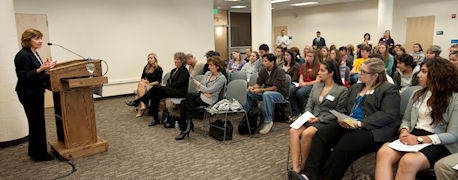
During its annual Legislative Day held this week, Agricultural Council of California (Ag Council) recognized Assemblyman Henry T. Perea (D-Fresno) with the inaugural Influential Legislator Award.

“Assemblyman Perea personifies what is good in a political leader,” said Emily Rooney, President of Ag Council. “He has found ways to collaborate on issues that have allowed him to help his constituents, but have also been good policy for the entire state. And, even on issues where we may not agree, he always maintains an open door policy to Ag Council and its members.”

Since coming into office in 2010, Perea has tackled some of California’s toughest issues head-on, including water policy. His district represents the heart of agriculture in California, and as a moderate Democrat he’s been sensitive to not only how important the industry is to the economy, but also in providing employment to many of his constituents.

Ag Council Chairman, Brendon Flynn, a farmer with Sunsweet Growers and Assemblyman Henry T. Perea (D-Fresno)

Ag Council Chairman, Brendon Flynn, a farmer with Sunsweet Growers and Assemblyman Henry T. Perea (D-Fresno)

“Assemblyman Perea was a leading advocate for securing the $2.7 billion in funding for water storage in the 2014 water bond package. At the same time, he spoke out against the overly burdensome Sustainable Groundwater Management Act last year, demonstrating the he truly understands that a healthy ag economy is good for the entire state of California,” said Brendon Flynn, Chairman of Ag Council who presented the award to Perea.

Perea’s leadership has made impacts in several areas of agricultural policy. He is currently serving as the Assembly Ag Committee Chair, and has embraced that role by seeking to learn more about California’s number one industry. Assemblyman Perea has authored a bill to help fix some of the implementation issues with last year’s groundwater legislation. In 2013, he brought together a diverse coalition to pass Assembly Bill 8, which provides funds to help lower costs for farmers who choose cleaner burning vehicles.

“This award was created to recognize legislators who might go outside of traditional roles, whether they be Republican or Democrat, and do what is actually best for the state, its residents, and the future of agriculture,” added Rooney.

Assemblyman Perea received the Influential Legislator Award during the Ag Council Annual Legislative Day in Sacramento. This award will be given on an annual basis to legislators who embody that same collaborative approach to finding positive outcomes for agriculture and all of California.

2016-05-31T19:28:16-07:00May 29th, 2015|

New IPM App

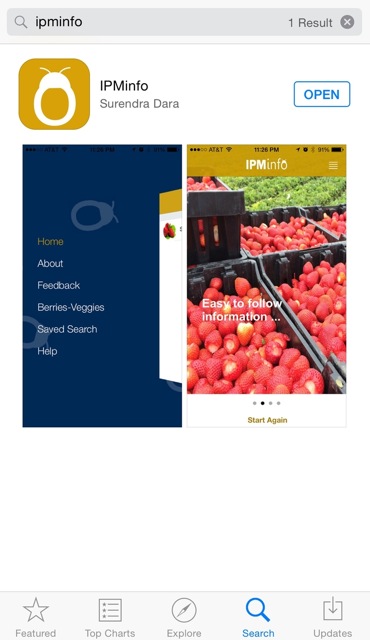
Surendra Dara UC IPM AdvisorFree Download of IPM Info App Now Available

Extending research information is a critical service of Cooperative Extension. Using modern technology and channels of communication is important to successfully convey that information to growers, PCAs, and other key players in the agriculture industry.

UC IPMInfo App Logo

UC IPMInfo App Logo

Smartphone usage has become widespread and smartphone applications are becoming popular in agriculture as they provide quick and easy access to information, help growers monitor a diverse set of variables, and facilitate decision making. However, there have been no such applications to assist California strawberry and vegetable growers.

In an effort to provide simple access to important pest and disease information for various crops readily available to the agricultural industry , Surendra K. Dara, UC Cooperative Extension San Luis Obispo County, developed IPMinfo—the first IPM information app from University of California.

First released in December, 2014 and updated in April, 2015, this new IPM app is now available for free download for iPhones on App Store, featuring extensive pest and disease information generated by Dara’s strawberry and vegetable extension program. With one-touch access, agricultural professionals can learn the biology, symptoms of plant damage, and management options for pests and diseases.


2016-05-31T19:30:24-07:00May 15th, 2015|

Bee Loss Update

Below Average Winter Bee Loss for U.S. Honey Bees

Edited by Patrick Cavanaugh, CalAgToday

There are still questions about how best to measure colony losses over winter months, during the spring through fall period, and on an annual basis. The USDA winter survey has been conducted only since 2006 and is based on beekeeper self-reporting. Since the survey’s inception, winter losses have averaged approximately 30 percent. Prior to the introduction of the parasitic Varroa Mite and other pests and disorders in the mid-1980s, losses in cold northern states  were typically the 0-15% range. Since then, colony losses over winter have been much higher. In warm southern states, honey bees seldom need to cluster, so they can continue brood rearing and foraging for most of the year. Therefore, it is important to define what is meant by winter, and these distinctions further complicate winter loss determination and calculation.

The latest report from the USDA is good news for all who care about the health of honey bee colonies. For the second year in a row, winter losses of U.S. honey bee colonies were well below the historic 30 percent average. More importantly, the long-term trend of overwintering losses continues to show improvement due to greater awareness of factors affecting honey bee health, particularly the varroa mite, and better pest management, including extensive use of the highly effective Varroacide, Apivar.

This report follows shortly after the USDA released its annual Honey Report, which showed that the number of U.S. honey bee colonies grew to 2.74 million in 2014, the highest level in many years, continuing a 10-year trend of steady growth.

Summer losses are expected and common, however, because of Varroa, other disorders, queen issues, and pesticide residues in hives, especially extremely high residues of bee-protecting Varroacides, beekeepers do face a challenge to keep these losses to a minimum. It is apparent that in recent years, beekeepers are doing a much better job of managing honey bees and the problems they face because colony numbers in the U.S. continue to grow. Some states, have seen substantial increases in colony numbers. Florida, for example has more than doubled the number of colonies since 2006.

Feed-a-Bee

Feed a Bee, Bayer CropScience

Even with this good news about overwintering trends, we must continue to focus on the challenges facing bee health. Bayer CropScience is developing new solutions to the problems caused by the invasive Varroa mite and is working to tackle another major issue facing pollinators today – lack of forage – through the Feed a Bee initiative. And we recently announced our Healthy Hives 2020 research collaboration with honey bee experts to identify tangible actions to help improve the health of honey bee colonies over the next five years. Although there is much work yet to do, this report validates the efforts of many stakeholders who are working to protect bees and promote sustainable agriculture.

Useful Links: Feed a Bee, Bee Health, Varroacides, Healthy Hives 2020

2016-05-31T19:30:25-07:00May 14th, 2015|

ACP Update

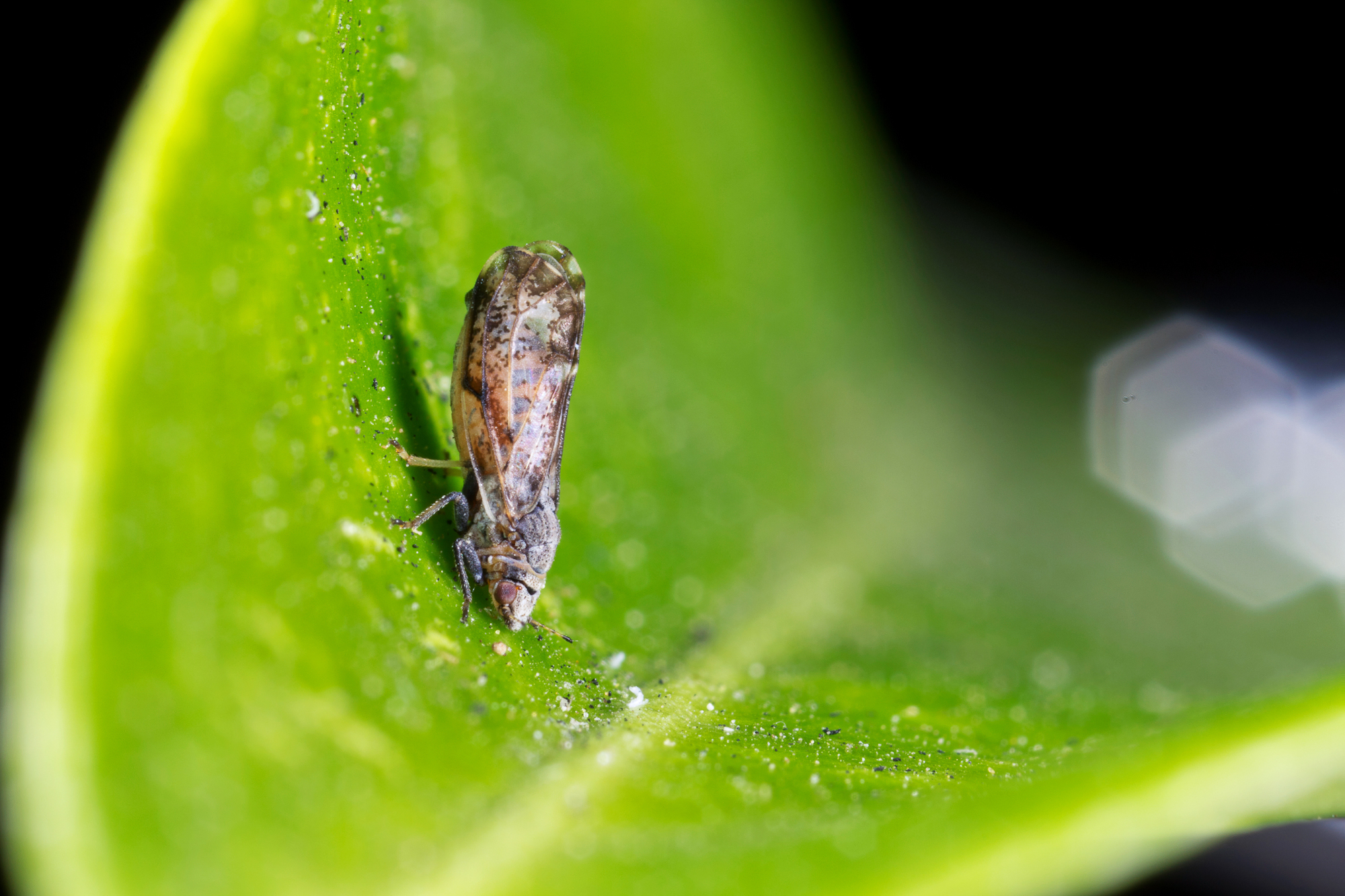
ASIAN CITRUS PSYLLID QUARANTINE IN SAN BENITO COUNTY

For the first time, a portion of San Benito County has been placed under quarantine for the Asian Citrus Psyllid (ACP) following the detection of one ACP within the City of Hollister. The 106-square mile quarantine is bordered on the north by Shore Road; on the south by Cienega Road; on the west by Bixby Road; and on the east by an imaginary line.

The quarantine prohibits the movement of citrus and curry tree nursery stock out of the quarantine area and requires that all citrus fruit be cleaned of leaves and stems prior to moving out of the quarantine area. An exception may be made for nursery stock and budwood grown in USDA-approved structures which are designed to keep ACP and other insects out. Residents with backyard citrus trees in the quarantine area are asked not to transport citrus fruit or leaves, potted citrus trees, or curry leaves from the quarantine area.

In addition to San Benito County, ACP quarantines are now in place in Imperial, Los Angeles, Orange, Riverside, San Bernardino, San Diego, Santa Barbara, Tulare, Ventura, and portions of Fresno, Kern, Madera, San Joaquin, San Luis Obispo, and Santa Clara Counties.

The ACP is an invasive species of grave concern because it can carry the disease huanglongbing (HLB), also known as citrus greening. All citrus and closely related species, such as curry trees, are susceptible hosts for both the insect and the disease. There is no cure once a tree becomes infected. The diseased tree will decline in health and produce bitter, misshaped fruit until it dies. HLB has been detected just once in California – in 2012 on a single residential property in Hacienda Heights, Los Angeles County. This plant disease does not affect human health.

Residents in the area who think they may have seen ACP or symptoms of HLB on their citrus trees are urged to call CDFA’s Pest Hotline at 1-800-491-1899.

2016-05-31T19:30:25-07:00May 5th, 2015|

California Leopold Conservation Award® Seeks Nominees

SAN FRANCISCO, Calif. – (April 28, 2015), the California Farm Bureau Federation and Sustainable Conservation are accepting applications for the $10,000 California Leopold Conservation Award. The award honors California farmers, ranchers and other private landowners who demonstrate outstanding stewardship and management of natural resources.

“The Leopold Conservation Award celebrates the people and places where innovative and creative thinking and experimentation are taking place,” said Judith Redmond of Full Belly Farm, recipient of the 2014 Leopold Conservation Award. “If you or a friend include conservation in your daily decision making – I hope you’ll submit a nomination. It’s okay to brag about good land stewardship.”

“Good intentions and luck take no farmer down the road to profitability and improved land health. Leopold Conservation Award recipients epitomize the creativity, drive and heartfelt conservation commitment it takes,” said Sand County Foundation President Brent Haglund.

Given in honor of renowned conservationist Aldo Leopold, the Leopold Conservation Award inspires other landowners by example and provides a visible forum where farmers, ranchers and other private landowners are recognized as conservation leaders. In his influential 1949 book, “A Sand County Almanac,” Leopold called for an ethical relationship between people and the land they own and manage, which he called “an evolutionary possibility and an ecological necessity.”

“California’s future gets brighter only if we all do our part,” said Sustainable Conservation Executive Director Ashley Boren. “The Leopold Conservation Award celebrates those deserving, but often overlooked, landowner heroes who do their part every day to steward our environment in ways that benefit people and the planet. The Leopold Conservation Award is proud to have recognized a diverse range of agricultural operations over nearly a decade – including CSA, dairy, rice, vegetable and tree crop farmers, as well as cattle ranchers.”

“The Leopold Conservation Award recognizes unique yet replicable strategies a farmer or rancher has developed in managing their land, to be the best steward of the natural resources on their farm or ranch. California farmers and ranchers are the most productive in the world and are trendsetters at maximizing the fullest potential of their land to produce food and other agricultural products with the least environmental impacts,” said California Farm Bureau Federation President Paul Wenger.

Nominations must be postmarked by July 10, 2015, and mailed to Leopold Conservation Award c/o Sustainable Conservation, 98 Battery Street, Suite 302, San Francisco, CA 94111. The 2015 California Leopold Conservation Award will be presented in December at the California Farm Bureau Federation’s Annual Meeting in Reno.

The California Leopold Conservation Award is possible thanks to generous contributions from many organizations, including The Nature Conservancy, American AgCredit, the Lynde and Harry Bradley Foundation, DuPont Pioneer and The Mosaic Company.

ABOUT THE LEOPOLD CONSERVATION AWARD

The Leopold Conservation Award is a competitive award that recognizes landowner achievement in voluntary conservation. The award consists of a crystal award depicting Aldo Leopold and $10,000. Sand County Foundation presents Leopold Conservation Awards in California, Colorado, Kansas, Kentucky, Nebraska, South Dakota, Texas, Utah, Wisconsin and Wyoming.

ABOUT SAND COUNTY FOUNDATION

Sand County Foundation is a non-profit conservation organization dedicated to working with private landowners to advance the use of ethical and scientifically sound land management practices that benefit the environment. www.sandcounty.net

ABOUT CALIFORNIA FARM BUREAU FEDERATION

The California Farm Bureau Federation works to protect family farms and ranches on behalf of more than 74,000 members statewide and as part of a nationwide network of more than 6.2 million Farm Bureau members.

ABOUT SUSTAINABLE CONSERVATION

Sustainable Conservation helps California thrive by uniting people to solve the toughest challenges facing our land, air and water. Since 1993, it has brought together business, landowners and government to steward the resources that we all depend on in ways that make economic sense. Sustainable Conservation believes common ground is California’s most important resource.—-

Mana Mostatabi | Digital Marketing & Communications Strategist

98 Battery Street, Suite 302 | San Francisco, CA 94111

(415) 977-0380 x350 | http://www.suscon.org

2021-05-12T11:06:01-07:00May 5th, 2015|

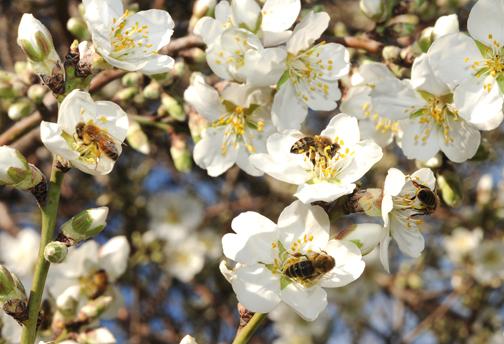
Why Almonds Belong in Your Diet

Almond Nutrition

Source: Alissa Fleck, Demand Media

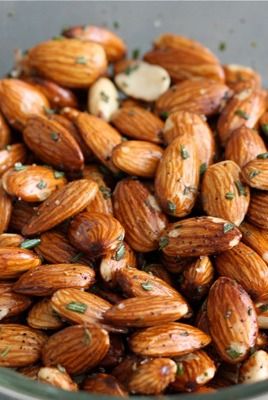
Natural, unsalted almonds are a tasty and nutritious snack with plenty of health benefits. Loaded with minerals, they are also among the healthiest of tree nuts. Just a handful of nutrient-rich almonds a day helps promote heart health and prevent weight gain, and it may even help fight diseases like diabetes and Alzheimer’s.

Nutrition

Eating about 23 almonds a day is an easy way to incorporate many crucial nutrients into your diet. Almonds are rich in vitamin E, calcium, magnesium, minerals and potassium. Additionally, almonds are a significant source of protein and fiber, while being naturally low in sugar. One 23-almond serving packs 13 grams of healthy unsaturated fats, 1 gram of saturated fat and no cholesterol or salt. Of all tree nuts, almonds rank highest in protein, fiber, calcium, vitamin E, riboflavin and niacin content by weight. There are 160 calories in 23 almonds. While many of these calories come from fat, it is primarily the healthy unsaturated fats and not the unhealthy saturated kind.

Almond Hull-split

Almond Hull-split

Heart Health

According to the FDA, eating 1.5 ounces a day of most nuts, like almonds, may reduce the risk of heart disease. Many of the nutrients in almonds help contribute to increased heart health. For one, almonds are rich in magnesium, which is critical in preventing heart attacks and hypertension. Several clinical studies have also shown almonds can be effective in reducing bad cholesterol and preserving healthy cholesterol, which plays a major role in heart health.

Weight Maintenance

Nuts, like almonds, are also beneficial for maintaining a healthy weight. The fiber, protein and fat content of almonds means it only takes a handful to keep you feeling full and satisfied so you won’t have the urge to overeat. According to “Fitness” magazine, the magnesium in almonds helps regulate blood sugar, which is key in reducing food cravings. Almonds may even be able to block the body’s absorption of calories, making them the ultimate weight-loss-friendly snack. Because almonds are naturally high in calories, it’s important to limit your serving size to the recommended 1 ounce, or 23 nuts.

Other Health Benefits

Almonds may also promote gastrointestinal health and even combat diabetes. The high fiber content of almonds gives them prebiotic properties, which contributes to health in the gastrointestinal tract. Prebiotics are non-digestible food substances, which serve as food for the good bacteria in the intestinal tract and help maintain a healthy balance. According to a study by the American Diabetes Association, a Mediterranean diet incorporating nuts, such as almonds, helps fight diabetes even without significant changes to weight, physical activity or caloric intake.

2021-05-12T11:06:01-07:00January 2nd, 2015|

Lactose Intolerance: 11 Ways to Still Love Dairy

Source: Brunilda Nazario, MD; WebMD

If you’re lactose intolerant, you can still eat foods with lactose — in moderation. The key is to know your limit. Keep a food diary, write down when, what, and how much you ate, and how it made you feel. You should see a pattern emerge and you will learn how much or how little lactose you can have. Then, stick to your limit.

Consider Lactose-Free Milk and Other Dairy

For regular milk drinkers, most supermarkets have lactose-free or low-lactose milk in their dairy case or specialty foods sections. You can also find lactose-free cheese, lactose-free yogurt, and other dairy products. It can be hard to get enough calcium when you are lactose intolerant. Lactose-free milk, however, has the same amount of calcium as regular milk.

Take Control of Your Diet

Take control of your meals by brown bagging it rather than struggling to find something that you can eat on a menu. When cooking at home, you can replace milk in recipes with lactose-free milk. You can also buy a cookbook that features lactose-free recipes and start trying them. Many classic recipes can be adapted to fit a lactose-intolerant diet. Control the ingredients that go in the meal and you may be surprised at how much variety you can eat.

lactose intolerance, milkConsider Lactase Supplements

It’s not a cure, but taking lactase enzyme supplements can help you eat foods containing lactose. Supplements are found in many forms, including caplets and chewable tablets. They may be particularly helpful if you don’t know the exact ingredients in your meal. If supplements do not help your symptoms, be sure to check with your doctor.

Hunting for Hidden Lactose

Lactose is found in most dairy products, except those marked “lactose-free,” such as lactose-free milk or cheese. It also can be in packaged foods such as dried mixes, frozen meals, and baked goods. Read food labels carefully, and watch out for ingredients such as “milk solids,” “dried milk,” and “curd.” If you choose to eat these foods, you may need to take a lactase supplement to help prevent symptoms.

Ask the Experts

Learning a new way of eating isn’t easy, but you don’t have to do it alone. Ask your doctor to suggest a nutritionist or dietitian to help you manage your diet. She can teach you how to read food labels, share healthy eating tips, learn how much dairy you can eat or drink without symptoms, and come up with reduced-lactose or lactose-free foods to provide a well-balanced diet.

Smaller Portions, Fewer Symptoms

Maybe you can’t enjoy a big glass of milk with cookies, but you can try a smaller serving. Start with a 4-ounce glass instead of a full 8 ounces. Gradually increase the amount of dairy you eat until you begin to notice unpleasant symptoms. Listen to your body. It will tell you when you’ve reached your limit. If you want to avoid lactose completely, try lactose-free dairy milk or non-dairy drinks, such as soy milk.

Enjoy Dairy on the Side

Instead of eating or drinking dairy products by themselves, try having them with food that doesn’t contain lactose. For some people, combining dairy with other food may reduce or even get rid of their usual symptoms. So don’t just drink a glass of milk in the morning. Pour it over cereal or have a piece of toast on the side.

Make Better Cheese Choices

With lactose intolerance, you can still eat cheese, but choose carefully. Hard, aged cheeses like Swiss, parmesan, and cheddars are lower in lactose. Other low-lactose cheese options include cottage cheese or feta cheese made from goat or sheep’s milk. Certain types of cheeses — especially soft or creamy ones like Brie — are higher in lactose. If you want to avoid dairy completely, try lactose-free and dairy-free cheeses.

Learn to Love Yogurt

Look for yogurt with live and active bacterial cultures. When you eat this type of yogurt, the bacterial cultures can help break down the lactose. Plus just 1 cup of plain, low-fat yogurt provides 415 mg of calcium. But forget frozen yogurt. It doesn’t contain enough live cultures, which means it may cause problems for people who are lactose intolerant. To be safe, you can always choose lactose-free yogurt.

Probiotics for Lactose Intolerance

For some people, probiotics can ease symptoms of lactose intolerance. Probiotics are live microorganisms, usually bacteria, that restore the balance of “good” bacteria in your digestive system. They can be found in foods like yogurt or kefir — probiotic-rich milk — as well as dietary supplements. Check with your doctor to see if probiotics might help you.

Low-Lactose Home Cooking

Cooking low-lactose requires a change of thinking. The simpler you cook, the better. Use herbs and seasonings to flavor meat, fish, and vegetables. Stick to fresh ingredients and use fewer prepared foods. Experiment with chicken stock or lactose-free milks to make sauces. Use low-lactose cheeses for baking. Explore cuisines — such as Mediterranean or Asian — that don’t rely very much on dairy products.

2021-05-12T11:17:15-07:00December 20th, 2014|

Key Agriculture Component Added to Governor’s Environmental and Economic Leadership Awards

For the first time in the history of the Governor’s Economic and Leadership Awards (GEELA), the category of Agricultural Ecosystem Services has been added for statewide recognition by the California Environmental Protection Agency.

The new category will spotlight the multiple benefits gained from farming and ranching, including innovative and sustainable approaches to water and energy conservation, food crop production efficiency, and management of working lands.

GEELA honors individuals, organizations and businesses that have demonstrated exceptional leadership and achievements in conservation, environmental protection, public-private partnerships, and strengthening the state’s economy.

Applications are due Friday, July 11, 2014 and may be obtained at www.calepa.ca.gov/Awards/GEELA/.

“Ecosystem services are an essential element in farming and ranching,” said CDFA Secretary Karen Ross. “They include waterfowl habitat in rice fields, pollinator support on farms, and the resolute commitment to conservation demonstrated throughout agriculture. I urge our farmers and ranchers to strongly consider this new category.”

More information about ecosystem services may be found at http://www.cdfa.ca.gov/EnvironmentalStewardship/EcosystemServices.html

Established in 1993, GEELA is administered by the California Environmental Protection Agency in collaboration with the Natural Resources Agency; the Department of Food and Agriculture; the State Transportation Agency; the Business, Consumer Services, and Housing Agency; the Labor and Workforce Development Agency; the Health and Human Services Agency; and the Governor’s Office.


2016-05-31T19:35:27-07:00June 9th, 2014|

Tree-killing bug invades Southern California

Source: Amina Khan; Los Angeles Times 

Akif Eskalen steps through the dense, damp leaves in a wooded neighborhood, scrutinizing the branches around him. He’s looking for evidence of an attack: tiny wounds piercing the bark and sap dried around them like bloodstains.

The victims are box elders, sycamores and coast live oaks, all in some state of suffering. Eskalen approaches a tree riddled with 1-millimeter holes, as if someone used it for miniature target practice. It’s time to nab a perp. He selects a hole, pulls out a large knife and expertly levers out a chunk of wood.

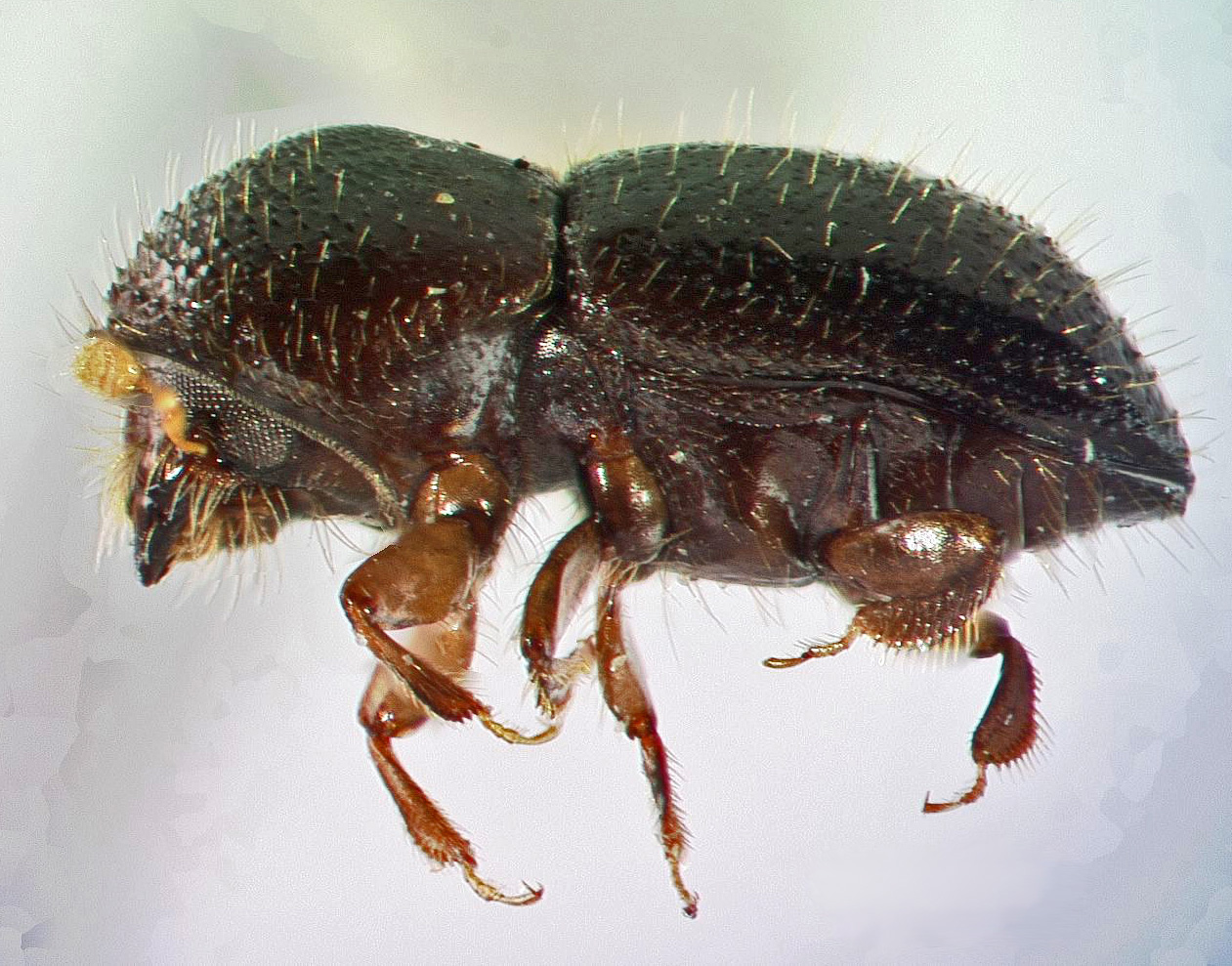
There, in his hand, is a glossy beetle no larger than a sesame seed: the polyphagous shot hole borer.

Though small and sluggish, its appetites are wide and its spread is relentless. It attacks forest trees, city trees and key agricultural trees. It has defied all conventional and chemical weapons. No one seems to have a way to stop it.

This cul-de-sac, in the foothill community of Pasadena Glen, has been particularly hard-hit. One giant tree was so weak that one of its trunks toppled from one resident’s yard across a creek and crashed into a neighbor’s. Another tree was filled with green jelly, its insides completely digested.

Anxious residents cluster around as Eskalen examines a wounded sycamore.

“We’ve got a canyon full of highly educated people who want answers,” said longtime resident Linda Williams, a retired business owner.

Eskalen, a plant pathologist at UC Riverside, wants to contain this invasive bug before it spreads throughout Southern California. Already the beetle has been sighted as far south as San Diego, as far west as Santa Monica, as far east as the Riverside County city of Eastvale.

Eskalen tips the beetle into a glass vial. He detaches a pink spray bottle from his backpack and administers a few lethal squirts of ethanol before twisting the vial shut.

These beetles have a strange M.O. They don’t eat wood, like termites; instead, they drill circular tunnels toward the heart of the tree. They carry fungal spores in their mouths and sow them like seeds as they go.

Then they harvest the fungus to feed their larvae. It’s a deadly partnership: The beetles attack, but the fungus also helps to kill, colonizing the wood tissue and spreading through the plant.

The beetles have easily evaded the authorities. Inside the tree, they’re well protected from pesticide sprays. The incestuous offspring mate with their siblings inside the trunk, so sex pheromones do not lure them out.

“If we can’t control them,” Eskalen said, “they are going to wipe out all our trees.”

Eskalen’s first contact with these devious bugs was in 2012, triggered by a desperate email from South Gate resident Chelo Ghaly. The real estate closer’s avocado tree had been oozing white spots all over its trunk.

Local gardening authorities were of no use. Suggestions to try fungal sprays failed. Frustrated, she scoured the UC Riverside website and found Eskalen, who studies avocado diseases. She sent him pictures of the damage.

Eskalen said he looked at the strange symptoms and grabbed his car keys.

After examining the fungus in Ghaly’s tree, he took his findings to the California Avocado Commission. To date, they’ve given UC Riverside scientists a total of $800,000 to broaden his investigation into this mysterious species of ambrosia beetle.

His survey came to a head when he reached the Los Angeles County Arboretum and the Huntington Botanical Gardens — two repositories of healthy, well-kept trees.

They’re not so healthy anymore.

At the Huntington in San Marino, Eskalen spied a diseased specimen. He hopped up, grabbed a high branch with both hands and bounced until it snapped off.

“Ach, Akif, really?” said Tim Thibault, the Huntington’s curator of woody collections. It didn’t matter: The plant was probably a goner.

Such pests typically feast on a small group of plants. But this one doesn’t seem to discriminate.

When Eskalen and his colleagues surveyed the 335 species at the Huntington and the Arboretum, in Arcadia, they found the beetle had attacked 207 of them and 54% of these victims were infected with fungus. Nearly two dozen of the trees were being used as reproductive hosts — places where the beetles can raise their brood.

The consequences of a wide-ranging infestation could be enormous. Common city trees, such as American sweetgum and maple, would become public branch-dropping hazards. Native trees such as the California sycamore and the coast live oak have started to succumb, creating a fire risk in the form of dead, dry tinder. Avocados and other crops could face huge financial losses.

Like any good forensic investigator, Eskalen is using DNA to crack the case. He started by sequencing the fungi from diseased trees and found there were three different species — two that may serve as food and one that may act as protection by fighting off competing plant pathogens.

He also enlisted UC Riverside entomologist Richard Stouthamer to examine the DNA of the beetles themselves. Stouthamer’s genetic analysis traced the bugs to Vietnam.

Experts aren’t sure how the beetle made its way to the U.S. Invasive species around the world are moved on human cargo, in clothes, in wooden shipping pallets and in boats’ ballast water.

The beetles are not as much of a pest in Asia — perhaps because some other critter keeps them in check. Maybe that natural enemy could be brought to California to fight the infestation, a practice known as biological control.

In March, Eskalen, Stouthamer and Thibault spent two weeks in Vietnam, searching forests and fields for these natural vigilantes. They collected a host of possible allies, whose DNA is being analyzed in the lab.

Thus far, what little is known about the polyphagous shot hole borer doesn’t place it in the alarm-raising category of the Mediterranean fruit fly or the Japanese beetle, which some say spread more quickly. The U.S. Department of Agriculture hasn’t imposed any restrictions to contain this beetle.

Still, Eskalen and others fear a worst-case scenario if not enough is done to contain the pest. The number of tree species attacked by the beetle now stands at 286.

Even as the Vietnam-related infestation spreads, Stouthamer’s genetic fingerprinting linked the incursion in San Diego to a different population in Taiwan.

While scientists try to get a handle on the situation, residents like Ghaly are struggling with the pest on their own.

Ghaly had been keeping the tree alive at Eskalen’s request. But as her tree worsened, she thought about her elderly mother cleaning up after the failing plant. There were also signs that the infestation in her neighborhood was spreading.


2016-05-31T19:35:27-07:00June 7th, 2014|
Go to Top