Thank a Farmer For Your Food Independence

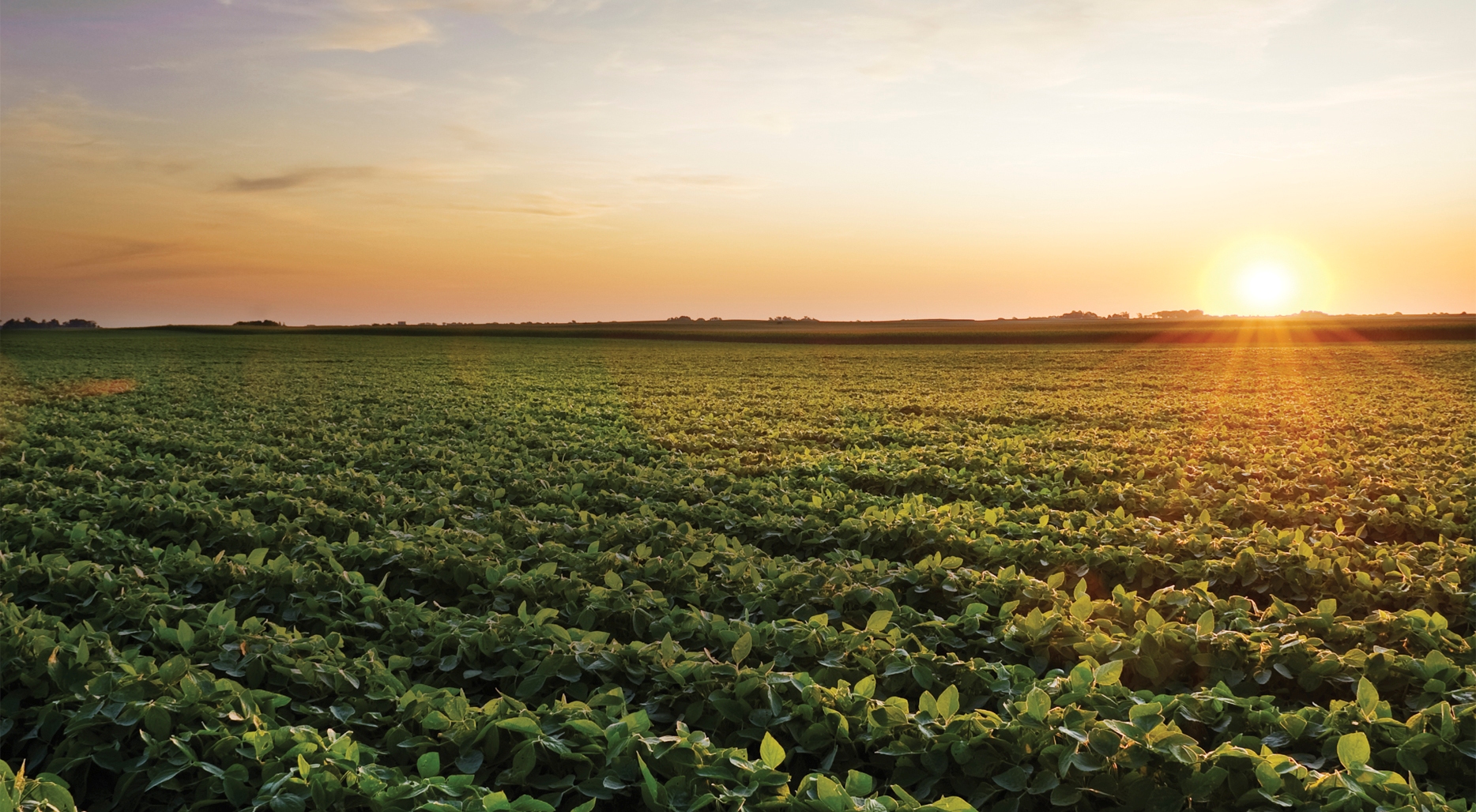
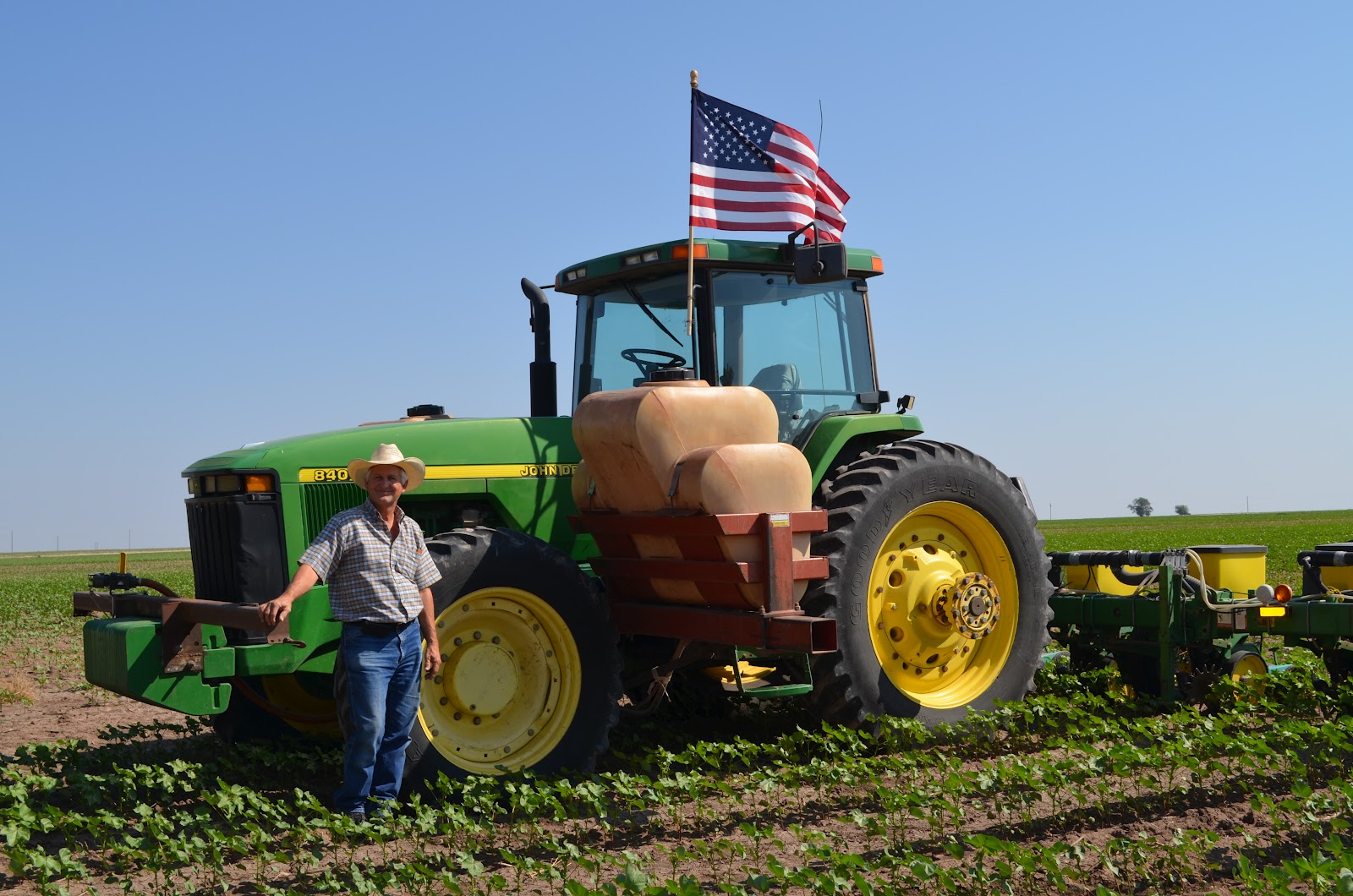
As you fire up the grill this Independence Day, be sure to thank a farmer, whose contributions help keep the cost of a Fourth of July feast under $6 bucks a person, according to a recent survey by the American Farm Bureau Federation.

Considering Americans spend just 10 percent of our incomes on food – the lowest of any country – we are all indebted to the “thin green line” of only 210,000 full-time U.S. farms that produce a product that is safe, abundant and uniquely American.

These farmers are also critical to our nation’s “food independence.” This food security does not happen by accident. It is a blessing that is fostered by smart policy.

The roots of government involvement in U .S. agriculture are actually as old as the nation itself.   Government involvement began with the founding fathers of the nation and carries the fingerprints of other great Americans who followed.

In 1799, after years of colonies and states granting tracts of land to citizens encouraging people to plant crops and begin commerce, George Washington called for the establishment of the National Board of Agriculture to collect information on the nation’s agricultural inventories.

Not surprising since our first president was also quoted as saying: “It will not be doubted that with reference either to individual or national welfare, agriculture is of primary importance.”

President Abraham Lincoln then established the USDA in 1862, a department that has grown since then to include promoting agriculture trade, working to assure adequate and safe food and striving to end hunger in America and abroad.

Over the next 40 years, as the world population grows from 7 billion to 9 billion and demand for agricultural commodities doubles, we need such policies that encourage investment and constant improvement.

If done right, more nations and peoples will continue to know the happiness of a safe and reliable and affordable food supply.
2016-05-31T19:34:20-07:00July 3rd, 2014|

State Must Use Caution on Groundwater Management

By Danny Merkley; Ag Alert 

In the face of the California water crisis, many in the state Legislature appear to be rushing toward new groundwater management policy that could threaten certain property rights and the overlying groundwater rights of landowners.

Generally, legislation that has been introduced would require groundwater basins to be managed “sustainably” by local entities but would authorize the state government to step in if the local entities do not adopt management plans with certain components by a specified time.

Farm Bureau and other agricultural organizations continue to urge the Legislature to proceed with caution on the issue of groundwater management. Failure to take adequate time to address this complex issue could lead to huge, long-term impacts on farms and on state and local economies.

People’s livelihoods and jobs are definitely at stake. All involved in the effort to better manage groundwater need to focus on future ramifications of the various authorities and directives being considered.

Groundwater management is as diverse and complex as the 515 distinct basins and sub-basins in California. For that reason, Farm Bureau believes groundwater must be managed locally or regionally, while protecting overlying property rights. To their credit, most of the pending measures do provide for local management, but working out the details is certainly a challenge.

With members of the Legislature feel the need to do something about groundwater, Farm Bureau is working with other agricultural stakeholders and decision-makers to identify a path forward toward a reasonable and workable groundwater management system.

We have repeatedly stated that the reason we face groundwater challenges is not due to a lack of regulation, but because of lack of availability of surface water. It must be recognized that the state’s increased reliance on groundwater for growing food, fiber and other agricultural commodities has resulted not just from drought, but from restrictive environmental laws, court decisions, regulatory actions and “flashier” river systems, as watersheds receive rain instead of snow.

All of those factors have reduced availability of surface water—surface water that would help recharge groundwater basins and allow farmers to reduce their reliance on groundwater. Farm Bureau strongly believes groundwater recharge should be established as a beneficial use of water.

The reasonable and beneficial use of groundwater is a basic property right under California law. These rights must be recognized and respected under any groundwater-management framework. This does not mean that areas with significant overdraft issues should be ignored, but that in dealing with these areas, current groundwater rights must be protected.

It also needs to be recognized that restricting the use of groundwater has broad economic consequences for agricultural communities and the farm families, farmworkers and the related support, processing and supply enterprises in those communities. Drastic changes in groundwater policy will impact land values and the ability for farmers and ranchers to secure adequate financing, both for land acquisition and for operating expenses.

Appropriate protection of groundwater resources for future generations must be carefully thought out, not rushed through the legislative process to meet arbitrary deadlines. There’s no good time for hurried legislation, but during a critical drought year, when canals and ditches are dry and groundwater is the lifeline for farms, is absolutely the wrong time.

Please contact your representatives in the state Legislature to urge them to proceed carefully on new groundwater legislation, and to take the time necessary to adequately deliberate the issues and to identify and balance the benefits and risks going forward.

2016-05-31T19:34:20-07:00July 3rd, 2014|

Agriculture Recognized by Governor’s Environmental and Economic Leadership Awards

Agriculture Environmental and Economic Leadership Awards

What do Joseph Gallo Farms, Gills Onions and Parducci Wine Cellars have in common? Yes, they are all California farms with well-known, high-quality products, but they have something else in common. They are all past winners of a Governor’s Environmental and Economic Leadership Award (GEELA), the state’s highest environmental honor.

This year, for the first time, GEELA has an agricultural category titled “Agricultural Ecosystem Services”. This category was designed for farmers and ranchers that demonstrate innovative and sustainable approaches to water conservation, efficiency and protection of working ecosystems.

CDFA has defined Ecosystem Services in agriculture as “the multiple benefits we gain from farming and ranching including crop and livestock production.

In addition to valuable open space and wildlife habitat, the management decisions and conservation practices of farmers and ranchers also enhance environmental quality, provide recreational opportunities and offer social benefits.”

CDFA recognizes there are many farmers and ranchers doing a lot on water conservation, especially in consideration of the drought.

In less than two weeks, the current application process will close for GEELA. Applications will be accepted through July 11, 2014. We hope farmers and ranchers will consider applying. Click here to apply.

2016-10-06T12:38:40-07:00July 2nd, 2014|

State Water Efficiency and Enhancement Program (SWEEP) Built on Collaborative Partnerships

CDFA continues to accept applications for the State Water Efficiency and Enhancement Program, or SWEEP. The deadline to apply is July 15, 2014.

The program is designed to provide financial assistance to agricultural operations for the implementation of water conservation measures that increase water efficiency and reduce greenhouse gas emissions. Approximately $10 million has been made available for SWEEP through emergency drought legislation (Senate Bill 103).

Although CDFA is leading this effort, the development, implementation and success of this program is dependent on collaborative efforts across state and federal agencies and with multiple partners.

CDFA is working closely with the State Water Board and Department of Water Resources on several aspects of the program, including program design and the collection of applications through the State Water Board’s electronic application program, the Financial Assistance Application Submittal Tool (FAAST).

The United States Department of Agriculture’s (USDA) Natural Resources Conservation Services (NRCS) and the CDFA Environmental Farming Act Science Advisory Panel have been valuable assets by providing guidance and feedback on many aspects of program design.

SWEEP requires a high level of technical expertise to review the applications. Irrigation experts from the Cal Poly Irrigation Training and Research Center, the Center for Irrigation Technology at Fresno State and the University of California’s Cooperative Extension are partnering with CDFA to provide application technical review and recommendations for funding.

Verifying that projects are implemented at the farm level is a critical part of SWEEP. CDFA is partnering with the California Association of Resource Conservation Districts, which regularly works with farmers and has conservation practice experience on irrigation systems, to verify the projects. 

SWEEP was implemented under the 1995 Environmental Farming Act, which recognizes that many farmers engage in practices that contribute to the well-being of ecosystems, air quality and wildlife, and states that CDFA shall provide incentives for those practices.


2016-05-31T19:34:21-07:00July 1st, 2014|

Save Our Water Web Site Launches “Don’t Waste Summer” Campaign

As a drought-stricken California moves further into a hot summer, Save Our Water – a partnership between the Association of California Water Agencies (ACWA) and the California Department of Water Resources (DWR) – is launching Don’t Waste Summera campaign devoted to providing daily tips and news to help Californians find ways to conserve at home and at work every day.

Don’t Waste Summer kicks off this week with the official start of summer. Tips will range from simple ideas such as shutting water off as you brush your teeth, to checking for and fixing leaks, to helpful ways businesses big and small can do their part in saving water during the drought.

The campaign will also showcase the efforts of Save Our Water partners to conserve this summer.

The Association of California Water Agencies (ACWA) is the largest statewide coalition of public water agencies in the country. Its nearly 440 public agency members collectively are responsible for 90% of the water delivered to cities, farms and businesses in California.

The Department of Water Resources (DWR) is responsible for managing and protecting California’s water. DWR works with other agencies to benefit the state’s people, and to protect, restore and enhance the natural and human environments.

2016-05-31T19:34:21-07:00June 30th, 2014|

Table Grape Harvest Now Underway in SJV

Source: Cecilia Parsons; Ag Alert

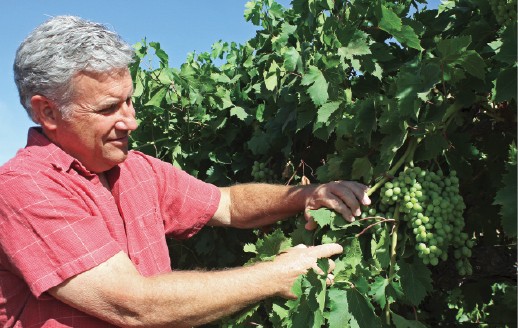
Color, sugar content and berry size of many early table grape varieties hit harvest targets last week in the southern San Joaquin Valley.

Harvest in the Arvin area of Kern County is a week to 10 days earlier than normal this year, according to grape grower Ryan Zaninovich. Harvest of the San Joaquin Valley’s 70 to 80 varieties of red, green and black table grapes will continue through November.

Zaninovich, chairman of the California Grape and Tree Fruit League and manager at Vincent B. Zaninovich & Sons Inc. in Richgrove, said warm spring weather is driving earlier harvests in all grape-growing regions of the state. The desert region table grape harvest began in late April and will wind down this month, as harvest transitions to the southern San Joaquin Valley.

Coming off a record-production year of 117.4 million 19-pound boxes for all growing regions in 2014, Zaninovich said yields from this crop are estimated to be about average to larger with excellent quality. An updated crop estimate will be released in July, prior to the peak of the California harvest. Coachella contributes about 5 million boxes to the total.

Zaninovich and retired Kern County Cooperative Extension viticulture advisor Don Luvisi said no serious pest or disease issues are looming for growers. Grape quality is expected to be excellent again this year, with only minimal sunburn where canopies are light.

“When we have good spring weather, that generally means the quality will be high,” Zaninovich said. Grape mealybug is always an issue, but growers have been able to keep them under control, he added. Growers keep up with pest control and suppress powdery mildew early, Luvisi said.

The biggest challenges this season for growers will be water and labor. Most depend entirely on groundwater supplies for irrigation. Adequate water not only ensures higher yields, but also protects vines from stress that invites pests and disease.

“We’re all relying on groundwater and hoping the wells don’t go dry. I’ve heard of a few growers who are having issues with their wells,” Zaninovich said. “We all have strategies for best water use and to protect the longevity of the vines.”

Zaninovich said different varieties of table grapes use different amounts of water during the year. Varieties that are harvested early in the season or have lighter yields use less water than heavier producers or varieties harvested later in the season.

Labor will cost more this harvest season and availability could become a problem for growers later in the season, and many varieties and other hand-harvested crops demand labor, said Barry Bedwell, president of the California Grape and Tree Fruit League.

“There are no reports of shortages now, but the crunch time comes in August and September, when we’re competing with other harvests,” he said.

Harvest crews are paid by the hour with bonuses per box. Bedwell said they average higher than minimum wage, but growers base their pay on the state minimum wage. The harvest requires skilled labor, and crew members can average $10 to $14 an hour, he said. Table grapes are field packed into boxes and trucked to cold storage prior to shipping.

California’s approximately 500 table grape growers are looking at strong prices and robust export sales this year, according to Bedwell. The trend for both is upward, as growers are coming off two strong sales years.

Kathleen Nave, president of the California Table Grape Commission, said table grape growers have been extending their harvest season with new early and later varieties of grapes. Red grapes dominate the top five. Flame, Scarlet Royal and Red Globe are the top three varieties in acres planted. Autumn King and Sugarone are two of the most popular green grapes, while Autumn Royal is the most popular black grape.

“With a longer harvest season and promotion efforts, we expect exports to be up,” Nave said.

Canada, Mexico and China are top export destinations for California table grapes. Bedwell pointed out that while California products are popular in China, that country’s table grape production far outpaces California. With annual production hitting 1 billion boxes, their Red Globe varieties alone equal all of California’s production.

China has begun the process of exporting grapes to the United States, Bedwell noted, and is currently in the pest review process—which could take another three years.

Luvisi said the biggest change in table grape production over the past 20 years has been the development of many seedless varieties.

“Seeded grapes are really hard to find now,” Luvisi said. Older varieties like Thompson Seedless are also being replaced with varieties that hit certain market windows. He noted Kern County table grape growers have planted a newer green variety, Superior Seedless, after taking out Thompson Seedless vineyards. Zaninovich said he has planted another newer green variety, Autumn King, which is a heavy producer.

In the past few weeks, Luvisi said, Kern County growers were checking vineyards for color, sugar and berry size to determine when to harvest. Market demand and prices also drive the decision, he said.

Recent weather has been an advantage. Temperatures above 95 degrees slow down development; cooler days with 85 to 95 degrees push maturity. When bunches of red grapes are 95 percent colored, Luvisi said harvest will begin. Green grape maturity is determined by sugar content. Berries will continue to size until picked, he added.

“We’ve had perfect weather for making sugar,” he said.

2016-05-31T19:34:21-07:00June 30th, 2014|

Memorial Service Set for Dr. Bartell, Ag Dean Emeritus

Source: www.FresnoStateNews.com

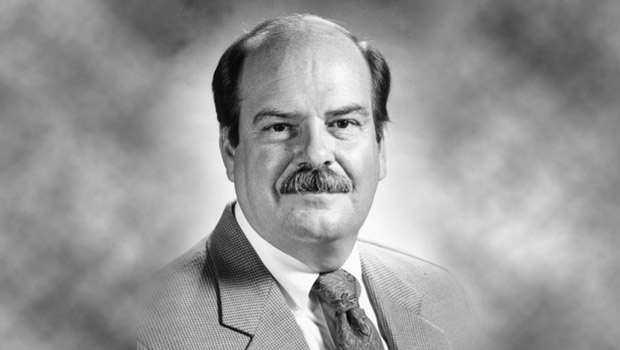
A memorial service will be held at California State University, Fresno on June 28 for Dr. Daniel P. Bartell, dean emeritus of Fresno State’s then-School of Agricultural Sciences and Technology, who led the university’s agricultural education programs during a 14-year period of growth academically and within the industry.

Under Bartell’s direction, the college developed its viticulture and enology programs, the Fresno State Winery and the Gibson Farm Market.

Dr. Bartell died June 13 in Fresno at age 70. The memorial service will be from 11 a.m.-noon at the Viticulture and Enology Research Center (2360 E. Barstow Ave.) followed by a reception with light refreshments from noon-2 p.m.

Dr. Bartell served as dean from 1992 to 2006, when he stepped down to return to teaching and was succeeded by Dr. Charles Boyer, current dean of the Jordan College of Agricultural Sciences and Technology.

In lieu of flowers, the family requests contributions be made to the Ag One Foundation in support of the Jordan College of Agricultural Sciences and Technology at Fresno State or to a university of the donor’s choice.


2016-05-31T19:34:21-07:00June 27th, 2014|

TV Campaign for ‘Grapes from California’ Kicks Off on Food Network

A new television campaign for ‘Grapes from California’ launched in June on the Food Network.

“These commercials showcase the natural beauty, easy versatility and great taste of California grapes while communicating the value of sharing life’s special moments with family and friends, and the care that growers put into growing,” said Kathleen Nave, president of the California Table Grape Commission.

One of the two new commercials has a grower theme and the other has a dinner party theme. Watch them here: www.grapesfromcalifornia.com.

These 30-second commercials, the first two of a planned series of six, are seen during shows like, “Trisha Yearwood’s Southern Kitchen,” “Sandra’s Money Saving Meals,” “Home for Dinner with Jamie Deen,” and “Diners, Drive-ins & Dives.”

The Grapes from California commercials will run through December and and will be used in future seasons.

2016-05-31T19:34:21-07:00June 26th, 2014|

Cottage Food Industry on Growth Trend in California

A little more than a year ago, a California law went into effect that gave small farmers and even home gardeners a new opportunity to sell value-added products.

Shermain Hardesty_Page_1

Shermain Hardesty

The California Homemade Food Act permits individuals to produce certain types of cottage food in home kitchens to sell in limited quantities to the public.

That sounds simple, but like most laws, there are plenty of caveats. The legislation has stipulations about the types of foods allowable, registration, permits and labeling requirements.

UC Cooperative Extension has been helping farmers and home gardeners who produce fruits, vegetables, nuts, herbs, and honey take advantage of the new opportunity at workshops around the state, reported the Stockton Record.

Shermain Hardesty, UC Small Farm Program extension economist, is coordinating the project. Hardesty thinks that marketing may be the hardest part of creating a successful cottage food businesses for many farmers and other entrepreneurs.

At the workshops, Hardesty teaches the basic “Four P’s” of marketing: product, place, price and promotion.

2016-05-31T19:34:22-07:00June 25th, 2014|

$9 Per Hour Minimum Wage Starts Next Week

By Christine Souza; Ag Alert

Starting July 1, the California state minimum wage increases to $9 per hour, a hike that growers say will result in more challenges on the farm and higher costs overall.

Monterey County strawberry grower Ed Ortega said, “In agriculture, nobody can pay just minimum wage.

“People will find a job doing something else that is much easier work than working in agriculture for minimum wage. They’d rather go and flip burgers for nine bucks,” Ortega said. “Our work demands more than a minimum wage employee, so every time the minimum wage goes up, the whole ladder in our entire pay structure goes up. There’s no such thing as paying the bottom guy more and not the top guy. The whole ladder rises.”

California’s minimum wage increase to $9 per hour is a result of the passage of Assembly Bill 10 by Assemblyman Luis Alejo, D-Salinas, in 2013. AB 10 also provided for a second hike in the California minimum wage to $10 per hour on Jan. 1, 2016.

Bryan Little, California Farm Bureau Federation director of labor affairs and chief operating officer of the Farm Employers Labor Service, said raising California’s minimum wage might have happened through a ballot initiative had AB 10 not become law last year.

Proponents of increasing the minimum wage argue it is needed to reduce poverty, while business groups and those opposed believe raising the hourly minimum wage would increase business costs and jeopardize California’s economic recovery.

“The majority of farmers already pay their employees much higher than minimum wage, so when these changes occur, employees making more than minimum wage expect to stay that much ahead of the increased rate,” Little said. “In the short term, it will increase costs to employers, but the labor supply is tight right now, so workers are already able to demand fairly high wages, but the increase still impacts operating costs and business profitability.”

Phil Martin, professor of Agriculture Economics at the University of California, Davis, confirmed that higher minimum wages affect some employers and workers more than others.

“Most farm employers have a wage structure, with some employees earning the minimum wage and others more. If the minimum wage rises by $1 an hour, workers earning more than the minimum wage normally expect a similar increase in order to keep their status in the wage hierarchy,” Martin said. “Employers often respond to higher wages with productivity increasing steps, from providing tools that enable workers to work faster to harvesting fields and orchards less often.”

Martin added that fewer new immigrants have already put upward pressure on farm wages and encouraged more use of labor-saving and productivity-increasing machines.

The new minimum wage has triggered other wage concerns for agriculture employers, Little said.

“A number of other costs associated with employing people are tied to employee earnings, like Workers’ Compensation and Unemployment Insurance; the increase in the minimum wage will directly and immediately impact employers’ costs for that. Also, if farm employers augment their workforces by bringing in farm labor contractors, the farm labor contractor is likely to increase the price of the workers they provide to cover that minimum wage increase and related costs.”

Farm labor contractors can be more efficient, and employ people year-round and spread their employment costs across more jobs than a farmer who employs a small number of people can, Little added.

“Farmers face several challenges in 2014, including implementing the Affordable Care Act and dealing with the effects of the drought,” Martin said.

This season, when it comes to the availability of employees, Ortega said, he is again experiencing a shortage of workers.

“We are experiencing the normal shortage that we experienced last year, which is a pretty extreme shortage of labor. Those who have less of a crop to harvest have a more severe labor shortage than those who have a crop to harvest,” Ortega said.

Whether a farm will attract the workers that are needed, Ortega said, depends on the size of the ranch and whether there is enough work to keep employees working. Smaller farms will have more limited opportunities.

“Any farmer who is experiencing a decrease in the water supply will also be experiencing extreme pest pressures, and if you have increased pest pressure, it means higher cost to the farmer,” Ortega said. “It’s an exponential factor. It’s not just raise the minimum wage a dollar; the associated costs go a lot higher than that.”

California is one of 18 states and the District of Columbia that have minimum wages above the federal minimum of $7.25 an hour and California’s $10 minimum is likely to be among the highest in the nation in 2016. Washington currently has the nation’s highest state minimum wage at $9.19 an hour.

2016-05-31T19:34:22-07:00June 25th, 2014|
Go to Top