Greater Crop Insurance Protection Now Offered for Fruit, Vegetable and Specialty Crop Growers

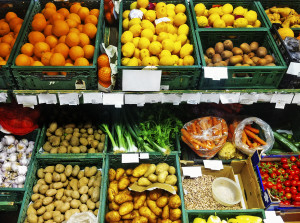
Greater crop insurance protection is now available for crops that traditionally have been ineligible for federal crop insurance. New provisions under Noninsured Crop Disaster Assistance Program will provide greater coverage for losses when natural disasters affect specialty crops such as vegetables, fruits, mushrooms, floriculture, ornamental nursery, aquaculture, turf grass, ginseng, honey, syrup and energy crops.

“For years, commodity crop farmers have had the ability to purchase insurance to keep their crops protected, and it only makes sense that fruit and vegetable, and other specialty crop growers, should be able to purchase similar levels of protection,” said Agriculture Secretary Tom Vilsack.

Previously, the program offered coverage at 55 percent of the average market price for crop losses that exceed 50 percent of expected production. Producers can now choose higher levels of crop insurance coverage, up to 65 percent of their expected production at 100 percent of the average market price.

2016-05-31T19:32:09-07:00December 30th, 2014|

Statement from Agriculture Secretary Tom Vilsack on Historic New Course for U.S.-Cuba Relations

The following was written by Agriculture Secretary Tom Vilsack: 

“Throughout history, agriculture has served as a bridge to foster cooperation, understanding and the exchange of ideas among people. I have no doubt that agriculture will continue to play that powerful role as we expand our relationship with the Cuban people in the coming years.

“Today’s announcement expands opportunity for U.S. farmers and ranchers to do business in Cuba. It removes technical barriers between U.S. and Cuban companies and creates a more efficient, less burdensome opportunity for Cuba to buy U.S. agricultural products. It also makes those products far more price competitive, which will expand choices for Cuban shoppers at the grocery store and create a new customer base for America’s farmers and ranchers.”

2016-05-31T19:32:10-07:00December 26th, 2014|

American Pistachio Growers Pair with Anheuser-Busch and Michelob ULTRA Beer

First Ever In-Store Promotions for American Pistachio Organization


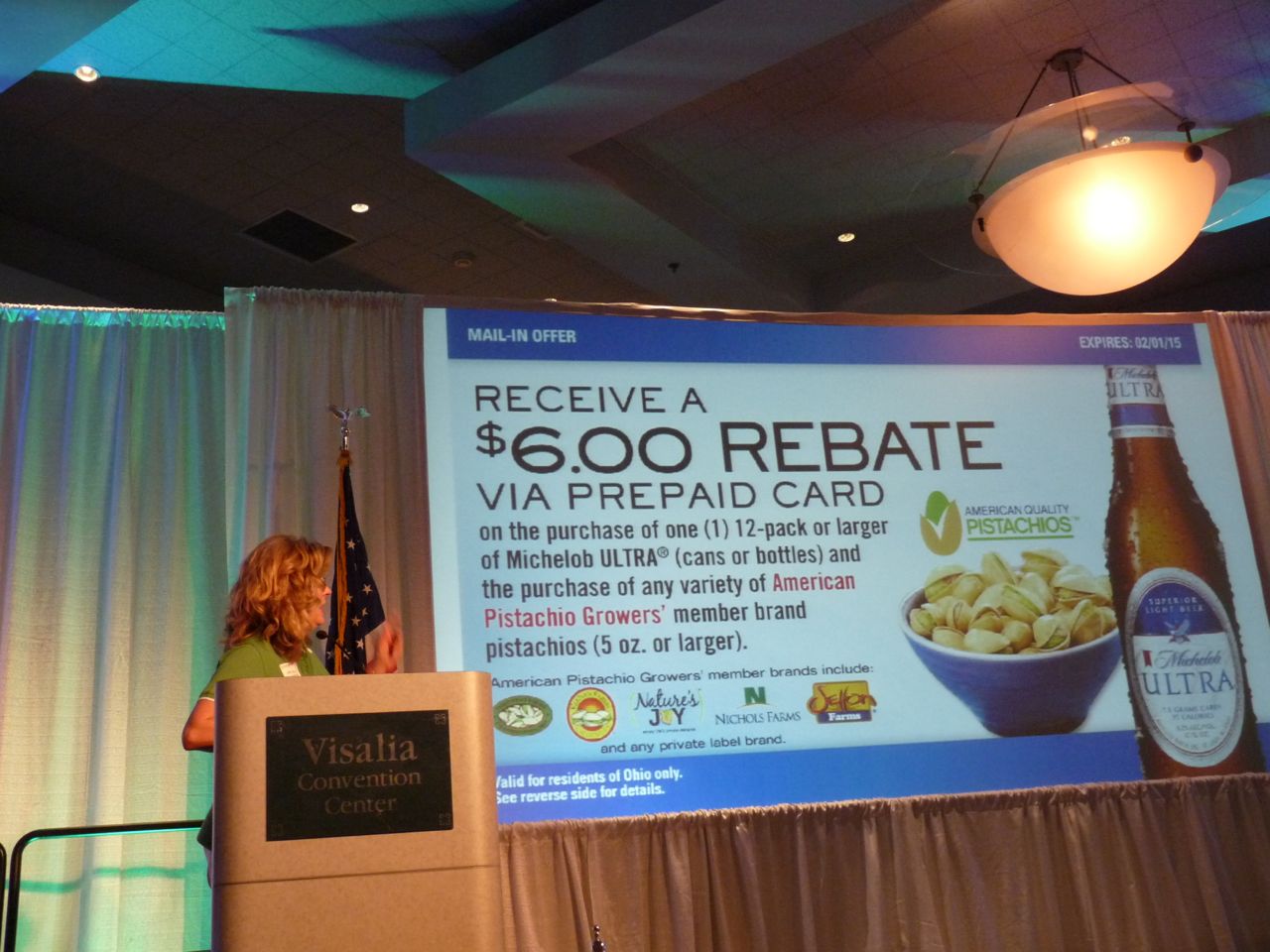
Fresno-based American Pistachio Growers is joining with Anheuser-Busch, St. Louis, Missouri, to promote the perfect pairing: the perfect smart snack and the perfect beer for adults with active lifestyles.

Starting now and through 2015, pistachio lovers can save up to $6 on the purchase of American Pistachio Growers member-branded pistachios and a 12-pack or larger of Michelob ULTRA.

This partnership between American Pistachio Growers and Anheuser-Busch’s Michelob ULTRA recognizes the increasing number of Americans who are eating healthy and staying fit. Pistachios are an ideal post-workout and daily snack and host a significant number of nutrients required to stay healthy. Additionally, pistachios are the lowest-in-fat snack nut grown in the United States. Michelob ULTRA is a superior light beer with 95 calories and 2.6g carbohydrates, and a proven favorite among adult consumers who enjoy a socially active lifestyle.

Beginning with the season of New Year’s resolutions — when many commit to health and fitness goals, the joint promotion will run through the National Football League playoffs and the Super Bowl; a time of many parties and gatherings. Three additional promotional periods are scheduled for Fourth of July and Labor Day gatherings, and kick-off of the fall football season.

“This is our first initiative at point of sale, to identify and promote pistachios grown and processed by the hundreds of members that make up American Pistachio Growers. It is a strong nationwide rollout, with a leading retail partner, and more than 19,000 stores participating including supermarkets, mass market retailers and drug stores,” says Judy Hirigoyen, Vice President, Global Marketing. Hirigoyen continues, “This concept was tested successfully in a few states in 2014. Research continues to reveal the health attributes of pistachios and industry growth confirms they are a popular choice as more Americans are choosing nutritional snacks.”

American Pistachio Growers view the Michelob ULTRA and pistachios partnership as a natural collaboration. The Michelob ULTRA beer line has long been associated with numerous athletic contests including running and cycling events, PGA Tour golf tournaments and ATP Tennis. American Pistachio Growers have teamed with several high-profile athletes including British pro cyclist Mark Cavendish, professional big mountain snowboarder and adventurer Jeremy Jones, pro sports team nutrition managers and is the “Official Snack” of USA Water Polo’s Men’s and Women’s Teams.

Details of the instant coupons and rebates on a state-by-state basis can be found on the American Pistachio Growers website AmericanPistachios.org.

2016-05-31T19:32:10-07:00December 24th, 2014|

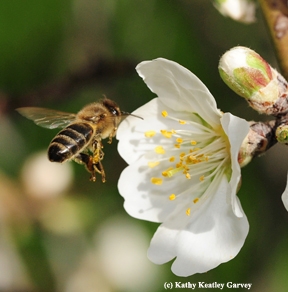
UC Davis Wins Debate Refuting Neonicotinoid Ban

By Kathy Keatley Garvey; UC-Davis Department of Entomology and Nematology

Should the agricultural use of neonicotinoids be banned?

A team of entomology graduate students from the University of California, Davis, successfully argued at the Entomological Society of America’s recent student debates that a ban on the insecticides in agriculture “will not improve pollinator health or restore populations, based on current science. Neonicotinoids are important for control of many significant agricultural and veterinary pests. Part of the solution is to develop better regulations that will protect the health of pollinators and retain the use of an important IPM tool.”

UC Davis won the debate, defeating Auburn University, Alabama, and then went on to win the overall ESA student debate championship for the second consecutive year.

“Neonicotinoids are important for control of many significant agricultural and veterinary pests,” team captain Mohammad-Amir Aghaee said at the onset. “Part of the solution is to develop better regulations that will protect the health of pollinators and retain the use of an important IPM (integrated pest management) tool.” The team also argued successfully that neonicotinoids (also known as neonics) are not all “created equal.”

The insecticide, chemically similar to nicotine, is implicated in the mass die-off of pollinators.  The European Union recently adopted a proposal to restrict the use of three pesticides belonging to the nenicotinoid family (clothianidin, imidacloprid and thiametoxam) for a period of two years.  In addition, the U.S. Fish and Wildlife Service announced that by January 2016, it will ban the use of seeds treated with neonicotinoid pesticides and the use of crops improved through biotechnology throughout the 150 million acres managed by the National Wildlife Refuge System.

ESA officials chose the debate topic and assigned UC Davis to debate the “con” side and Auburn University, the “pro” side. The Auburn team argued that neonicotinoids are causing the death of bees essential for pollinating our food crops, and that the use of neonicotinoids should end. The debates took place at ESA’s 62nd annual meeting, held in Portland, Ore.

The UC Davis team cited three main points:

  • Pesticides are IMPORTANT tools used in modern agriculture
  • Neonicotinoids were registered as reduced risk pesticide to replace the organophosphates, carbamates, and pyrethroids
  • Banning neonicotinoids would increase of use of pesticides that have known non-target effects

One of the several swaying arguments that led to UC Davis winning the debate was that not all neonics are created equal, and thus, they should not all be lumped together as “an equal” and all be banned.


2016-05-31T19:32:10-07:00December 24th, 2014|

Apple Commission Joins Listeria Outbreak Investigation in Caramel Apples

California Victim Represents the First Wrongful Death Suit in this Listeria Outbreak


By Laurie Greene, CalAgToday reporter and editor

On December 19, 2014, the Centers for Disease Control and Prevention (CDC) announced that it is collaborating with several states and the U.S. Food and Drug Administration (FDA) in an investigation of the outbreak of Listeria monocytogenes infection (listeriosis) in commercially produced, prepackaged caramel apples.
The first wrongful death lawsuit was filed in California by James Raymond Frey on behalf of his late wife, Shirlee Jean Frey, 81, against Safeway Inc. over the commercially produced, prepackaged caramel apples, implicated in a 10-state Listeria outbreak responsible for a total of 29 people (as of yesterday) who have been hospitalized, including five deaths.
Though the product in question was linked to Carnival brand and Kitchen Cravings brand caramel apples, specifically, CDC is warning the public not to eat caramel apples–plain or with nuts or other toppings, but clarified, “at this time, no illnesses related to this outbreak have been linked to apples that are not caramel-coated and not prepackaged or to caramel candy.” Safeway removed the product from it shelves.
The investigation is still working to determine specific brands or types of commercially produced, prepackaged caramel apples that may be linked to the illnesses.
Listeria is one of the more deadly food pathogens. The most recent Listeria outbreak occurred three years ago from Colorado-grown contaminated cantaloupes, causing three dozen deaths. The pathogen  affects primarily women, newborns, older adults and other people with compromised immune systems. Symptoms include fever, muscle aches and gastrointestinal problems.
The California Apple Commission is working with other apple producing states and the U.S. Apple Association on this issue.  Should California apple growers receive any calls regarding this issue or need additional information, please contact Alexander Ott, Executive Director the Commission office in Fresno by email at calapple@calapple.org or phone 1-559-225-3000.
Photo source: CDC
2016-05-31T19:32:10-07:00December 23rd, 2014|

Oriental Fruit Fly Quarantine in Portion of Los Angeles County

A portion of Los Angeles County has been placed under quarantine for the oriental fruit fly (OFF) following the detection of nine adult OFF in an unincorporated area of Los Angeles County near the City of Inglewood.

The quarantine zone in Los Angeles County measures 81 square miles, bordered on the north by Avalon Boulevard; on the south by E Victoria Street; on the west by S La Cienga Boulevard; and on the east by California Avenue.  A link to the quarantine map may be found here: www.cdfa.ca.gov/plant/go/offq.

To prevent the spread of fruit flies through homegrown fruits and vegetables, residents living in the fruit fly quarantine area are urged not to move any fruits or vegetables from their property.  Fruits and vegetables may be consumed or processed (i.e. juiced, frozen, cooked, or ground in the garbage disposal) at the property where they were picked.

To help prevent infestations, officials ask that residents do not bring or mail fresh fruit, vegetables, plants, or soil into California unless agricultural inspectors have cleared the shipment beforehand, as fruit flies and other pests can hide in a variety of produce.  It is important to cooperate with any quarantine restrictions and to allow authorized agricultural workers access to your property to inspect fruit and oriental fruit fly traps for signs of an infestation.

“Our system to detect invasive species like the oriental fruit fly is working well and according to design,” said CDFA Secretary Karen Ross.  “The key is to respond quickly and take action before the pests can spread.”

Following the principles of Integrated Pest Management (IPM), CDFA uses “male attractant” technique as the mainstay of its eradication effort for this pest.  This approach has successfully eliminated dozens of fruit fly infestations from California.  Trained workers squirt a small patch of fly attractant mixed with a very small dose of pesticide approximately 8-10 feet off the ground on street trees and similar surfaces; male fruit flies are attracted to the mixture and die after consuming it.

The male attractant treatment program is being carried out over several square miles surrounding the sites where the oriental fruit flies were trapped.  A map of the treatment area is available online at:  www.cdfa.ca.gov/plant/go/ffmaps-peps.

On or near properties where fruit flies have been detected, additional measures include removal of host fruits and vegetables, fruit cutting to detect any fly larvae that may be present, and treatment of host trees and plants with the organic-approved material spinosad.

The oriental fruit fly is known to target over 230 different fruit, vegetable, and plant commodities.  Damage occurs when the female fruit fly lays her eggs inside the fruit.  The eggs hatch into maggots and tunnel through the flesh of the fruit, making it unfit for consumption.

While fruit flies and other invasive species threaten California’s crops, the vast majority of them are detected in urban and suburban areas.  The most common pathway for these pests to enter the state is by “hitchhiking” in fruits and vegetables brought back illegally by travelers as they return from infested regions around the world or from packages of home grown produce sent to California.  The oriental fruit fly is widespread throughout much of the mainland of Southern Asia and neighboring islands including Sri Lanka and Taiwan.  It is also found in Hawaii.

Residents with questions about the project may call the department’s Pest Hotline at 1-800-491-1899.

2016-05-31T19:32:10-07:00December 23rd, 2014|

More than just a job to do

The following was written by CDFA Secretary Karen Ross

Our general counsel here at CDFA, Michele Dias, came into my office last Friday with an excitable look on her face. I think most people in positions of organizational leadership would agree that when your lawyer does that, it may not be a good thing … Thankfully, this time was different.

Michele was proudly carrying her newly minted, California agriculture-themed license plate proclaiming her to be “MAD4AG”, matching her initials (middle name Ann). She had ordered it online from the DMV as part of a great program we’ve worked on in recent years that generates funding for agricultural education. Aside from the welcome bit of levity in an otherwise busy Friday, this moment gave me pause to reflect on the remarkable workforce that makes this department run.

It isn’t unusual for someone to have a personalized license plate related to their work, especially when they sincerely enjoy the job as much as Michele does. Part of the reason is a very real connection to agriculture that makes this more than a job. Michele grew up on a small, family-run dairy in Turlock and, as any farm kid can tell you, there is no education quite like the one you get on a farm. From biology to math to engine repair, I’m betting on the kid with the dirty boots.

Fortunately, CDFA has quite a few folks who share that upbringing and awareness. We have livestock inspectors who, when their work day is done, trade in the pickup for a saddle as they start their second job as cattle ranchers. We have administrators and field staff who take a detour on the way home to check their walnut grove, walk a few rows of vegetables, or move sprinkler pipes to the other side of the alfalfa field. We have PhDs, technicians and support staff who grew up on the farm and now volunteer their time in support of worthy causes like water conservation and habitat restoration on ag lands. We have scientists who take the time to talk to local elementary school students about farms and food, passing on their own experience to the next generation.

Of course, CDFA also has many staff members who did not have ag experience before joining this organization. Whether they are new or long-term employees, the common thread is that they develop a passion for our mission to protect agriculture, from the farms and families we work with every day to the food supply that they produce and provide.

More than 17,000 California agriculture-themed license plates are already on the road in California, and that says a lot about this community’s support for agricultural education. The program is currently accepting proposals for grant projects to promote ag education and leadership activities for students at the K-12, post-secondary and adult education levels. As more and more of our neighbors have less and less direct exposure to farming, this investment in agricultural literacy is an important step toward helping all of our citizens become informed consumers and voters who understand what goes into producing our food.

There is something special about agriculture, and it’s important to remember that it’s something we all share: If you go back even a handful of generations on just about anyone’s family tree, you’ll find a farmer. I am proud to say you’ll find quite a few of them working for you here at CDFA as well.

2016-05-31T19:32:10-07:00December 22nd, 2014|

Almond Board of California Announces 2015 Election

Almond Board of California announced January 20, 2015 as the deadline for filing nomination petitions for two independent grower member positions and two independent grower alternate positions on its Board of Directors.

Each candidate must be a grower and must submit a petition signed by at least 15 independent growers of almonds (verified by Almond Board) in order to be considered for the position.  The petition must state the position for which the candidate is nominated and must be filed with Almond Board of California, 1150 9th Street, Suite 1500, Modesto, California 95354.

Additionally, two independent handler member positions and two independent handler alternate positions are available.  Handlers must declare their candidacy, in writing, to Almond Board no later than January 20, 2015in order for their name to be placed on the ballot.

A cooperative grower member and alternate nominee will be selected through their cooperative association.

For further information call: Sue Olson – Associate Director, Marketing Order Services, (209) 343-3224.

Go to

2016-05-31T19:32:10-07:00December 20th, 2014|

USDA Offers Tips to Help Keep Your Holiday Illness-Free

By: Monique Bienvenue; Cal Ag Today Communications Manager

As the end of the year approaches, it’s likely there are multiple meals and parties in your future. Carrying food from one location to another and sharing dishes with a crowd means more opportunity for bacteria to grow and cause food poisoning. Whether you’re an experienced cook, a first-time party host, or simply adding a dish to the potluck lineup, the holidays can make even the most confident chefs nervous.

To help keep your holiday season healthy, the U.S. Department of Agriculture’s (USDA) Food Safety and Inspection Service (FSIS) is issuing food safety recommendations on how to protect yourself and your family from foodborne illness.

If you have specific food safety questions this holiday season you can call the USDA Meat and Poultry hotline at 1-888-MPHotline (1-888-674-6854) or chat live with a food safety specialist at AskKaren.gov. These services are available from 10:00 a.m. to 4:00 p.m. Eastern Time, Monday through Friday, in English and Spanish.

Steps to follow during holiday grocery shopping:

  • Keep raw meat, poultry, and seafood away from other foods in your grocery cart.
  • Buy cold foods last.
  • Ask the cashier to place your raw meat, poultry and seafood in a separate bag.

Steps to follow during food preparation:

  • Use separate cutting boards for raw meat and ready-to-eat items like vegetables or bread.
  • Prepare uncooked recipes before recipes requiring raw meat to reduce cross-contamination. Store them out of the way while preparing meat dishes to ensure they don’t become contaminated after preparation.
  • Use a meat thermometer to check the internal temperature of dishes to ensure they are fully cooked and safe to eat. Fresh beef, pork, veal, and lamb should be cooked to 145 ˚F with a three minute rest time; fish should be cooked to 145 ˚F; ground beef, veal and lamb should be cooked to 160 ˚F; egg dishes should be cooked to 160 ˚F; and all poultry should be cooked to 165 ˚F.

Fool proof tips when cooking for groups:

  • Keep hot food hot and cold food cold, using chafing dishes or crock pots and ice trays. Hot items should remain above 140 ˚F and cold items should remain below 40 ˚F.
  • Use several small plates when serving food.
  • Discard perishable foods left out for 2 hours or more.

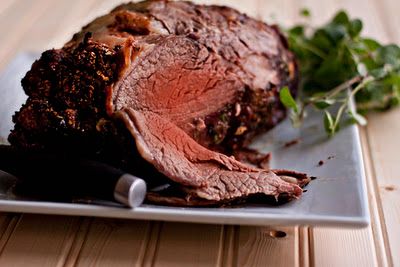
Steps to follow when cooking a holiday roast:

  • Use separate cutting boards, plates and utensils for raw roasts and cooked roasts to avoid cross-contamination.
  • Wash items such as cutting boards that have touched raw meat with warm water and soap, or place them in a dishwasher.
  • To ensure the juiciest possible roast this holiday, use a meat thermometer. Once it has reached the USDA recommended internal temperature of 145 F, the roast is safe to eat.
  • Remember all cuts of pork, beef, veal, and lamb need a three minute rest time before cutting or consuming.

Consumers can learn more about key food safety practices at Foodsafety.gov and follow @USDAFoodSafety on Twitter. Consumers with questions about food safety, can call the USDA Meat and Poultry Hotline at 1-888-MPHotline (1-888-674-6854) or chat live with a food safety specialist at AskKaren.gov, available from 10 a.m. to 4 p.m. Eastern Time, Monday through Friday, in English or Spanish.

2016-05-31T19:32:10-07:00December 18th, 2014|

Nimitz Poised for California Registration

By: Kyle Buchoff, Cal Ag Today Reporter

Researchers are developing effective ways to control crop-destroying worm-like nematodes. One product, Nimitz, is not yet registered for use in California but is showing great promise in vegetables.

“We’ve been working with a number of different products over a number of years, and actually have two products; one is Nimitz, the other is still in development.,” said UC Riverside Cooperative Extension Associate Nematologist Antoon Ploeg. “Both look very promising in all three crops that we have been testing: tomatoes, melons, and carrots, so for us it’s been an exciting time!”

Ploeg and his team found remarkable results from nematode pressure plots. Non-treated plants were heavily galled and those that were treated with Nimitz showed a 95% reduction in galls.

“Something is going on here that makes us very excited, especially because the product has low toxicity,” said an enthusiastic Ploeg. “It has only a ‘Caution’ label, and has had the original restricted-entry interval (REI) of 24 hours reduced to zero.”

Nimitz has been approved by the EPA, but has not yet been approved for use in California.

2016-05-31T19:32:10-07:00December 17th, 2014|
Go to Top