Goodness Matters with California Table Grapes!

Campaign Encourages Consumption of Table Grapes


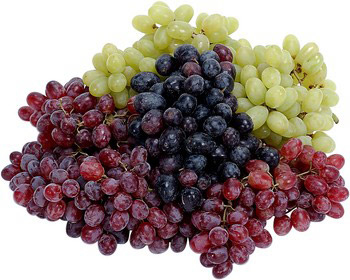
The heart of the California Table Grape Commission’s multi-faceted outreach effort, California Goodness Matters, asks consumers to buy California table grapes. The program promotes the importance of supporting California’s table grape farming communities that grow and harvest 99% of the nation’s fresh table grapes.

Currently underway and continuing into the fall, the Goodness Matters campaign features radio commercials, social media outreach supported by advertising, and a series of messages delivered to retailers.
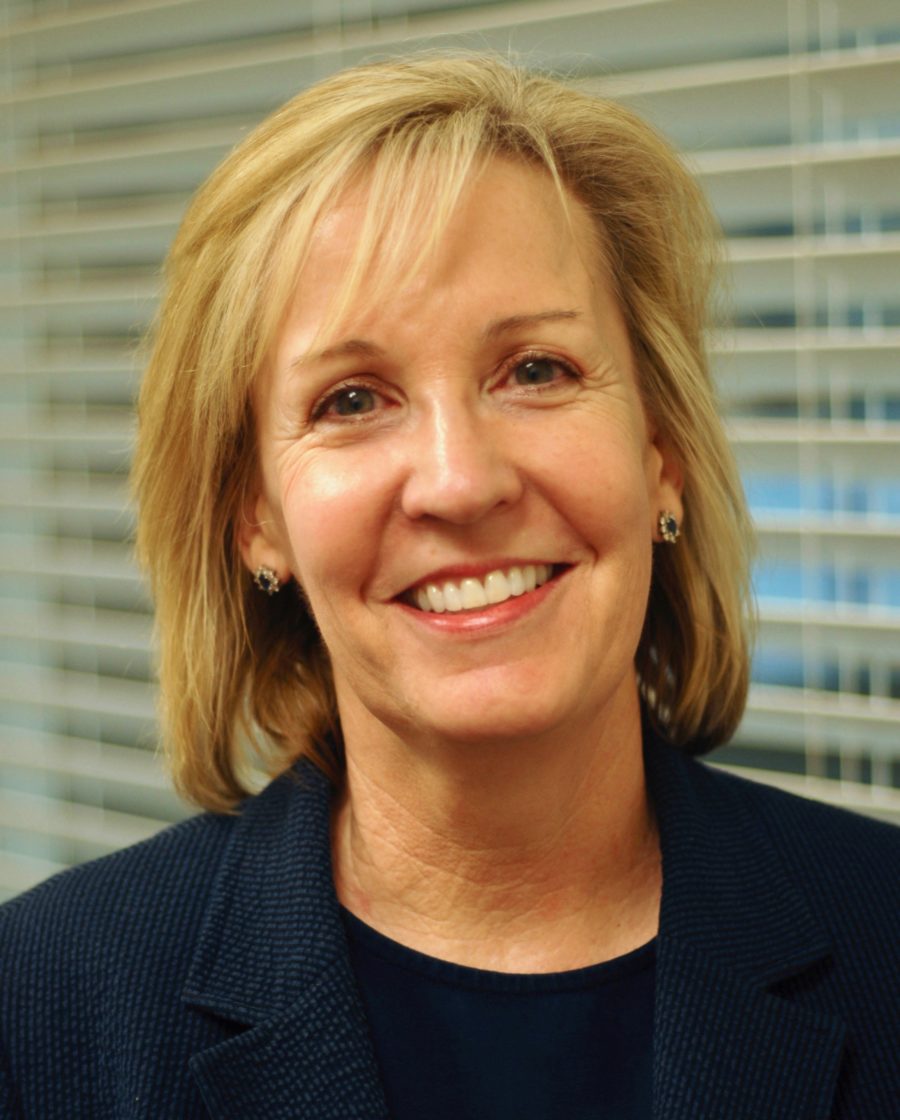
Kathleen Nave

Kathleen Nave, President of the California Table Grape Commission

“Goodness in all forms matters now more than ever,” said Kathleen Nave, president of the California Table Grape Commission. The California Goodness Matters campaign, according to Nave, is about “recognizing that the decisions we make as consumers make a difference in the livelihood of others. It also aids in the economic survival of small rural communities. It is  about the goodness that is California table grapes.”

The campaign reaches consumers in California markets over radio in English and Spanish.  Award – winning chef and restaurateur, Aarón Sánchez, is featured in a 15 second Spanish-language spot. It focuses on his belief in the importance of supporting those who grow and harvest our food.

California Table Grapes

California Table Grape Commission’s “Goodness Matters” Campaign

The campaign’s next phase  will include two more radio commercials, focusing on healthy eating. Sánchez will voice the first spot. Amy Brown, co-host of The Bobby Bones Show that is syndicated to more than 150 country stations throughout the nation, will voice the second spot.


In addition, both Sánchez and Brown will share their thoughts on California table grapes and the ways in which California Goodness Matters through social media.

According to Nave, when consumers make a conscious decision to buy California table grapes rather than imports and packaged snacks, they are supporting California farmers and workers during this challenging time.

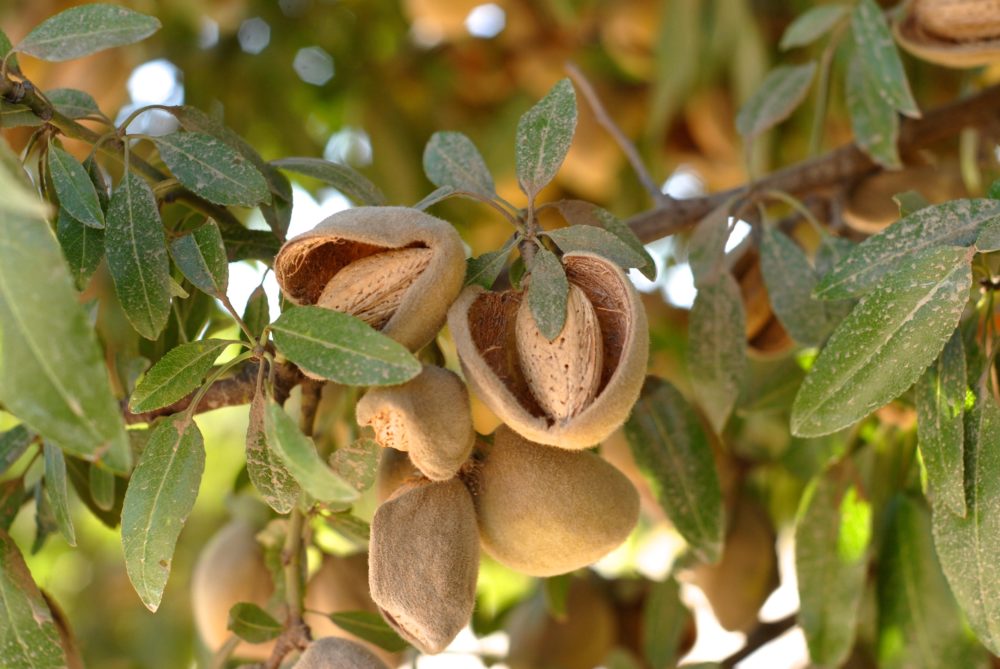
Science reveals what we’ve perceived intuitively for centuries: Grapes are very good for us. Research shows that grapes of all colors—red, green and black—are a natural source of beneficial components called polyphenols. Polyphenols help promote antioxidant activity and influence cell communications that affect important biological processes.

2020-07-27T19:07:40-07:00July 27th, 2020|

Act Now to Help Pass the USMCA

House to Take First Step Towards Full Ratification of USMCA

Provided by California Farm Bureau Federation

This Thursday, the House will take the first step towards full ratification of the renegotiated NAFTA known as the “US-Mexico-Canada Agreement” (USMCA). California agriculture exports $6.6 billion in goods to Canada and Mexico and supports more than 56,000 jobs.
 
Since NAFTA was implemented, U.S. agricultural exports to Canada and Mexico quadrupled from $8.9 billion in 1993 to $39 billion in 2017. After President Trump renegotiated NAFTA, the International Trade Commission determined that the USMCA would have a positive impact on the U.S. economy and a positive impact on U.S. agriculture. An additional $2.2 billion in exports is expected once this agreement is ratified.
 
Congress must pass USMCA to preserve the proven successes of NAFTA while enjoying greater access to dairy, chicken, and eggs. The agreement has positive updates for fruit exports, improvements in biotechnology, protected geographical indications, and strengthened sanitary/phytosanitary measures.
 
All in all, the USMCA is needed to bring more stability to the volatile trade market. Please reach out today to your U.S. Representative to urge their YES vote on this important agreement.

Click Here: ACT NOW for USMCA House Passage

2019-12-25T14:06:59-08:00December 18th, 2019|

Produce Passes All Residue Testing in 2017

FDA Produce Residue Sampling “Once Again” Verifies Safety

Last week the Federal Food and Drug Administration (FDA) released its 2017 pesticide residue sampling data results. FDA concluded: “The latest set of results demonstrate once again that the majority of the foods we test are well below the federal limits set by the Environmental Protection Agency.”

Note the term “once again” in FDA’s statement. They used it because government residue sampling data year after year reaffirms the safety of our food and the exceptionally high level of compliance among farmers with laws and regulations covering the use of organic and conventional pesticides.

Let’s get a little technical for a moment and focus on how FDA residue sampling is protective of consumers. FDA employs a three-fold strategy to enforce the Environmental Protection Agency’s (EPA) tolerances or safety standards for pesticide residues.
If you haven’t heard – September is National Fruit and Vegetable month. Yes, it is time to celebrate the only food group health experts and nutritionists agree we should all eat more of every day for better health and a longer life.
While decades of studies have shown the nutritional benefits of fruits and vegetables are overwhelming and significant, the safety of both organic and conventional produce is also impressive. Government sampling data shows an over 99% compliance rate among farmers with the laws and regulations required for pesticide applications on organic and conventional fruit and vegetable crops. This led the United States Department of Agriculture to state that: “The U.S. food supply is among the safest in the world.”

Many health organizations are promoting National Fruit and Vegetable month to remind consumers about the importance of increasing consumption – only one in 10 of us eat enough of these nutrient-packed foods each day.

However, studies show a growing barrier to consumption is fear-based messaging which inaccurately calls into question the safety of the more affordable and accessible fruits and veggies. This messaging is predominantly carried by the same activist groups year after year despite studies which show that “prescriptions” for fruits and veggies could reduce health care costs by $40 billion annually. Or that 20,000 cancer cases could be prevented each year.

2019-09-23T15:06:22-07:00September 23rd, 2019|

AgTech Insight And Agritecture Form Strategic Alliance

AgTech and Agritecture Reach both Out Door and Urban Ag Space

AgTech Insight LLC, Salinas, CA and Agritecture LLC, Brooklyn, NY are excited to announce the formation of a strategic alliance between the two firms. In its simplest form, AgTech Insight will advise and provide services to Agritecture clients in the large scale outdoor agriculture industry while Agritecture will advise and provide services to AgTech Insight clients in the urban agriculture space. The focus of the mutually beneficial effort is aimed at improving both the firm’s capabilities across a broader array of services for clients in the ag sector globally. 

Aaron Magenheim, Founder of AgTech Insight stated that “The urban and indoor Agriculture space is rapidly growing around the world and collaborating with Agritecture, given their leadership in their industry sector and global vision using innovation and best practices to help a growing population is a natural fit! Over the past year, it has been great to work with David Ceaser and the Agritecture team sharing our expertise and working on projects together. There is a unique resource we have been developing together which we will be sharing with the world soon and are excited to be working together to bridge the Urban and large scale agriculture sectors!”

David Ceaser, Agritecture horticultural specialist said, “Agritecture is very excited about our collaboration with AgTech Insight. Urban and Peri-urban farming is generally smaller-scale agriculture and focuses on smaller more niche consumer markets. But, as far as farming goes, there is no reason to re-invent the wheel. There is a ton that we can learn from large scale outdoor ag. The vast amount of experience and knowledge that Aaron and his team bring to the table is invaluable for us.”

AgTech Insight is a global leader in full-spectrum agriculture technology consulting services. We have an elite team of subject matter experts around the world, each of whom has a unique skill set to help our clients execute both short and long-term strategies. We deliver distinctive consulting and advisory expertise to a variety of companies and large corporates, governments, investors, farmers, industry leaders, and more. Our team tracks over 3,000 digital AgTech companies around the globe and get past the smoke and mirrors to work with real companies to make a huge impact on the world’s food supply. In 2014 we saw the Agriculture and Tech industries starting to collide and were inspired to start AgTech Insight as a bridge to help these two very different industries collaborate. We specialize in sharing deep, on-the-ground experience in the emerging AgTech space that is necessary for success in this evolving industry. –http://www.agtechinsight.com/    Solutions@AgTechInsight.com

Agritecture Consulting provides a comprehensive approach to CEA project development. In operation since 2014, Agritecture has helped more than ninety organizations determine the feasibility of their ideas, validate their business strategies, recruit talent for their projects, and manage operational challenges. Our job is to jumpstart your knowledge of CEA, help you navigate barriers to entry, make industry connections, and mitigate risk. Our consulting services are backed by several years of operations data and a team of 

2019-09-08T21:13:41-07:00September 9th, 2019|

Courtney Razor is New Communications Manager at CFFA

California Fresh Fruit Association Announces New Director of Member Services and Communications

The California Fresh Fruit Association (CFFA) today announced the hiring of Courtney Razor as its new Director of Member Services and Communications.

Razor comes to the Association after serving as the Chief Operations Officer for the Fresno County Farm Bureau for the last six and a half years. In her role at the Fresno County Farm Bureau, Mrs. Razor managed their Future Advocates for Agriculture Concerned about Tomorrow (FAACT) program, supported the needs of the Board of Directors and Executive Committee and oversaw special event planning.

The Chairman of the Board for the Association, Randy Giumarra of Giumarra Vineyards Corp.,stated, “We are very pleased that Courtney has agreed to become a part of the team at CFFA. Her personal background and education, as well as her extensive experience working for a peer agricultural association, should translate into real value for our membership.”

Association President Ian LeMay added, “I have had the pleasure of working with Courtney for a number of years in her role with the Fresno County Farm Bureau, and I have always found her to be an articulate and vocal advocate for California agriculture. We believe she is a natural fit, along with our current staff, to continue to bring value to our members and to serve the California fresh fruit industry.”

Razor grew up in Sanger and is the daughter of third-generation fresh fruit farmer Craig Sorensen. She is a graduate of California State University, Fresno where she earned her bachelor’s degree in mass communications and journalism along with a certificate in marketing.

Her first day at the Association will be Tuesday, September 3rd.


2019-08-12T12:02:17-07:00August 12th, 2019|

Westlands Water District Helps Mendota Boys/Girls Club Stay Open

Westlands Board of Directors Contribute $36,000 To keep Club Open

Edited By Patrick Cavanaugh

Recently, Westlands Water District Board of Directors voted unanimously to contribute $36,000 to the Boys & Girls Club of Mendota. In a letter to Westlands’ Board, Kathryn Weakland of the Boys & Girls Club explained that without immediate funding the Club was at risk of closing,

“The shortfall is due to: increased operating costs, minimum wage increases and lack of sustainable funding sources.” Robert Silva, the Mayor of the City of Mendota, addressed the Board during the meeting expressing the importance of the Boys & Girls Club providing services to children in the City. Westlands Water District Board President Don Peracchi thanked Mayor Silva, City Manager Cristian Gonzales and the Boys & Girls Club of Mendota for allowing Westlands the opportunity to support the community.

Robert Silva, mayor of Mendota

Robert Silva, Mendota Mayor

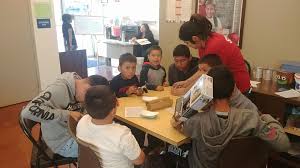
The Boy & Girls Club of Mendota serves over 300 children, 95 percent of whom live in public housing near the club. All the children served have families residing well below poverty level, with an average income of $16,000 a year. Approximately 85 percent of the children served by the club have a parent or parents who work for farmers in Westlands. The Club provides a safe and welcoming space for children to learn, grow, play and are provided with nutritious meals daily.

Tom Birmingham, general manager of Westlands, expressed the need to support the children who attend the Boys & Girls Club of Mendota, and he noted this was one means of mitigating socioeconomic impacts resulting from the District having retired approximately 40,000 acres of land near the City of Mendota. The Boys & Girls Club of Mendota is continuing to work diligently to establish relationships with potential donors and create a fundraiser, intended to ensure annual contributions keeping the Club operational.

“We are so thankful to Westlands Water District Board of Directors for this generous gift to keep the doors of the Mendota Club open to children who rely on the services, positive environment and diversified educational programs provided by the Club every day,” said BGCFC Kathryn Weakland, VP of Development. “We are still working to secure permanent funding, but this will help us seek the right opportunities in the meantime.”

2019-08-02T13:58:34-07:00August 2nd, 2019|

Cavanaugh Wins Fresno County Farm Bureau Journalism Award

Patrick Cavanaugh Wins Award for Audio Report on Temperance Flat Dam

By Laurie Greene, Founding Editor

The Fresno County Farm Bureau (FCFB) recognized Patrick Cavanaugh, Ag News Director and co-owner of California Ag Today Radio Network and CaliforniaAgToday.com, with a First Place Journalism Award in the Audio category on May 9. Cavanaugh’s radio report entitled “Temperance Flat Dam Denied Full Funding” broadcasted across our 26-station network, focused on the California Water Commission’s failure to fund the Temperance Flat Dam storage project.

Cavanaugh was among four award winners recognized by the FCFB at its second annual “Bounty of Fresno County” event at Wolf Lakes Park in Sanger. This year marked the FCFB’s 25th annual Journalism Awards.

Patrick Cavanaugh Wins FCFB Journalism Award


Over 25 entries were received from publications, websites, radio and television stations. The criteria for the awards were: thorough and objective coverage of issues, given time and space limitations; educational element for the agriculture industry or the consumer; and portraying the personal stories of those who make up the food and agriculture industry, making issues relevant to consumers and Valley residents.

Serving as judges were Westlands Water District Public Affairs Representative Diana Giraldo, farmer Liz Hudson of Hudson Farms, and journalist Don Wright of Water Wrights.

Award winners are:

Audio

Patrick Cavanaugh, California Ag Today Radio, “Temperance Flat Dam denied full funding,” March 9, 2018

Cavanaugh discusses the California Water Commission’s failure to fund the Temperance Flat Dam storage project.

Farm Trade Print

Vicky Boyd, Cotton Farming Magazine, “A bird’s eye-view of cotton,” September 1, 2018

Boyd explains the value of drones and how California farmers and ranchers are enlisting such technologies to help boost efficiency, optimize crop inputs and yields, and ultimately, remain profitable.

General Print

Robert Rodriguez, The Fresno Bee, “Will adding a sour kick get millennials to eat raisins?,” August 19, 2018

Rodriguez speaks with the President and Chief Executive Officer of Sun-Maid Growers of California, Harry Overly, about the company’s national campaign focused on rekindling consumers’ fondness for the brand.

Video

Alexan Balekian, KSEE24, “Is the gas tax putting California’s most valuable resource in jeopardy?,” February 19, 2019

Balekian explores the implications of Prop. 6, “the gas tax,” on California agriculture.

Check the CaliforniaAgToday.com Google News-recognized website for additional coverage on Temperance Flat Dam.

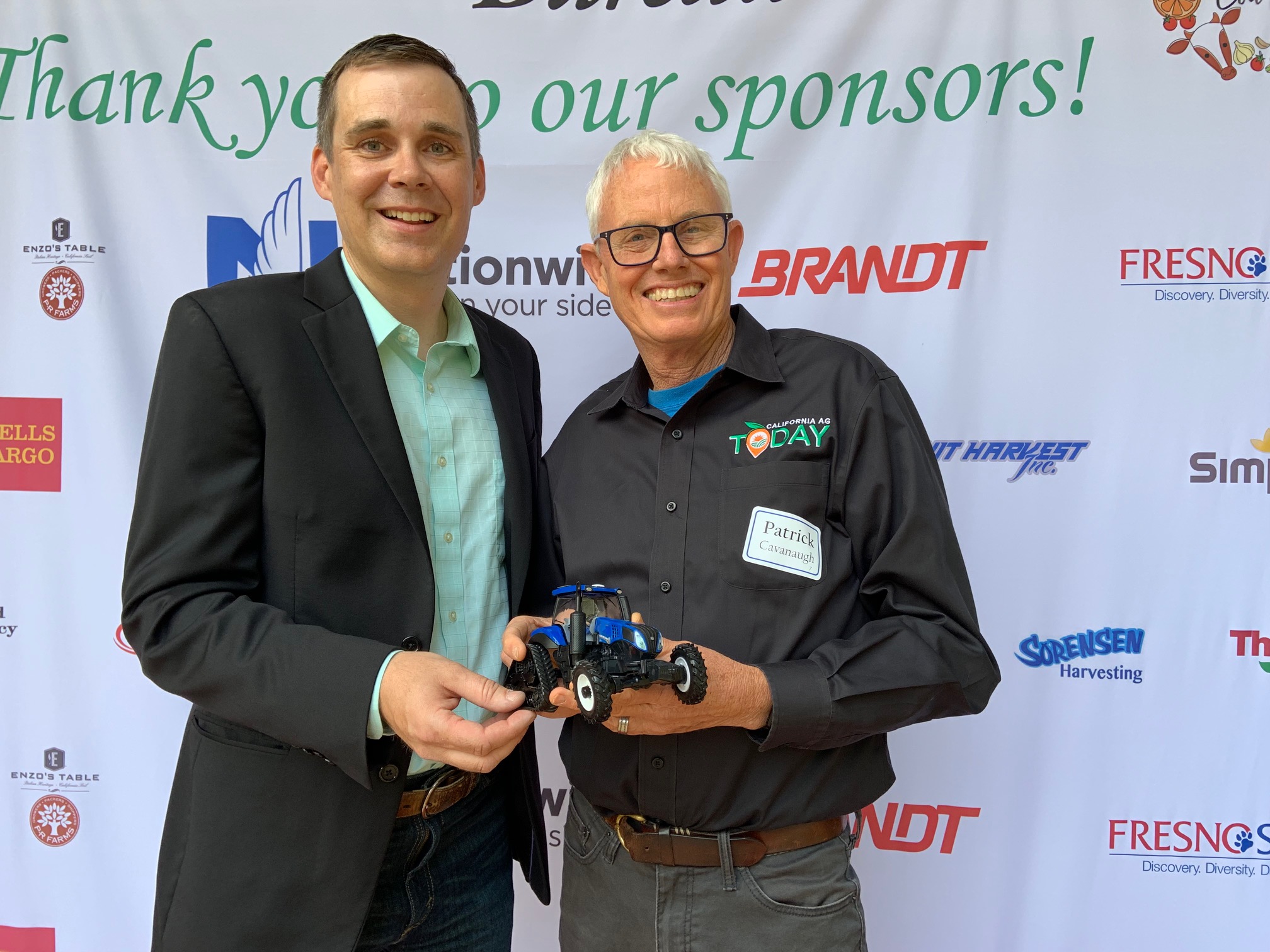
Featured Photo:  Ryan Jacobsen, CEO, Fresno County Farm Bureau, and Patrick Cavanaugh, California Ag Today Radio Network, holding tractor award.

###

Fresno County Farm Bureau is the county’s largest agricultural advocacy and educational organization, representing members on water, labor, air quality, land use, and major agricultural related issues. Fresno County produces more than 400 commercial crops annually, totaling $7.028 billion in gross production value in 2017. For Fresno County agricultural information, visit www.fcfb.org.


Recommended:  The Fresno County Farm Bureau (FCFB) held the 22nd Annual Journalism Awards at the organization’s Celebrating Friends of Agriculture social where it awarded Vernon and the mental health series the Audio Award. 

2019-05-13T16:39:59-07:00May 13th, 2019|

2017 Fresno County Crop Report Totals $7 Billion

Fresno County’s Ag Value Increases Significantly in 2017 Crop and Livestock Report


The Fresno County Department of Agriculture’s 2017 Crop and Livestock Report (Crop Report) was presented to the Fresno County Board of Supervisors Tuesday. Overall, the 2017 agricultural production value in Fresno County totaled $7.028 billion, showing a 13.58 percent increase from 2016’s $6.18 billion.

“Once again, Fresno County farmers and ranchers have produced an agricultural bounty for the world,” stated Fresno County Agricultural Commissioner Les Wright. “While much of this food and fiber goes towards feeding and supplying our nation, the Fresno County Department of Agriculture also issued 18,604 phytosanitary certificates for 133 commodities destined for 97 countries around the globe in 2017.”

“This Crop Report is comprised of nearly 400 commodities, of which 73 crops exceed $1 million in value,” Commissioner Wright continued. “Crop values may vary year-to-year based on production, markets and weather conditions, but our farmers and ranchers, their employees and all those who support their efforts work tirelessly year-around to bring in the harvest.”

With the great diversity of crops in Fresno County and the many variables in agriculture, it’s a given that some crops will be up in value while others are down. Increases were seen in a majority of the Crop Report segments, including field crops, seed crops, fruit and nut crops, livestock and poultry, livestock and poultry products, apiary products and pollination services, and industrial crops. Decreases were seen in vegetables and nursery. Surface water supplies were significantly better in 2017, although many Westside federal water contractors received much of that good news too late to benefit them with additional annual plantings.

Fresno County’s Top 10 Crops in 2017 (Source: 2017 Fresno County Agricultural Crop and Livestock Report)

Too often, the Crop Report gets summarized down to just a single overall number, but it yields a significant amount of information, such as the ability to examine changes and trends in crop acreage and yields. Amounts in the report reflect the gross income values only (income before expenses) and not the net return to producers.

“The San Joaquin Valley is the food capital of the World, and Fresno County is the region’s heart,” said Fresno County Farm Bureau (FCFB) CEO Ryan Jacobsen. “Daily, millions of food servings unceremoniously originate within our backyard, the result of generations of families and agricultural infrastructure that has been built to furnish an unbelievably productive, wholesome and affordable food supply.”

“The annual Crop Reports are more than numbers,” Jacobsen continued. “They provide the industry, the public and policymakers, regardless of the overall number, the opportunity to salute local agriculture and give thanks for the food and fiber, jobs and economic benefits, agriculture provides Fresno County.”

One popular component of the report is the review of the county’s “Top 10 Crops” that offers a quick glimpse of the diversity of products grown here. In 2017, these crops accounted for three-fourths of the report’s value. Almonds continue to lead the way as Fresno County’s only billion-dollar crop in 2017, representing 17.4 percent of the total gross value of the Crop Report. Added to this year’s list was mandarins at number six. Dropping out of the “Top 10 Crops” was garlic.

This year’s Crop Report was a salute to the Fresno-Kings Cattlemen’s Association. The organization is one of 38 affiliates of the California Cattlemen’s Association, a non-profit trade association that represents ranchers and beef producers in legislative and regulatory affairs.

2021-05-12T11:17:09-07:00August 21st, 2018|

Laurie Greene Wins Journalism Award

Greene Wins Fresno County Farm Bureau Award for Series on Farm Workers’ Rights


By Patrick Cavanaugh, Editor


The Fresno County Farm Bureau (FCFB) recognized Laurie Greene, founding editor of CaliforniaAgToday.com,  with a First Place Journalism Award in the Farm Trade Print category on May 3. Her nine-part series published on our Google News-recognized CaliforniaAgToday.com website entitled, “Who Safeguards California Farm Workers’ Rights?” focused on recent, predominantly legal developments that illustrate the increasingly complex quagmire that masquerades as protecting farm employees’ rights in the state.

Laurie Greene wins Journalism Award

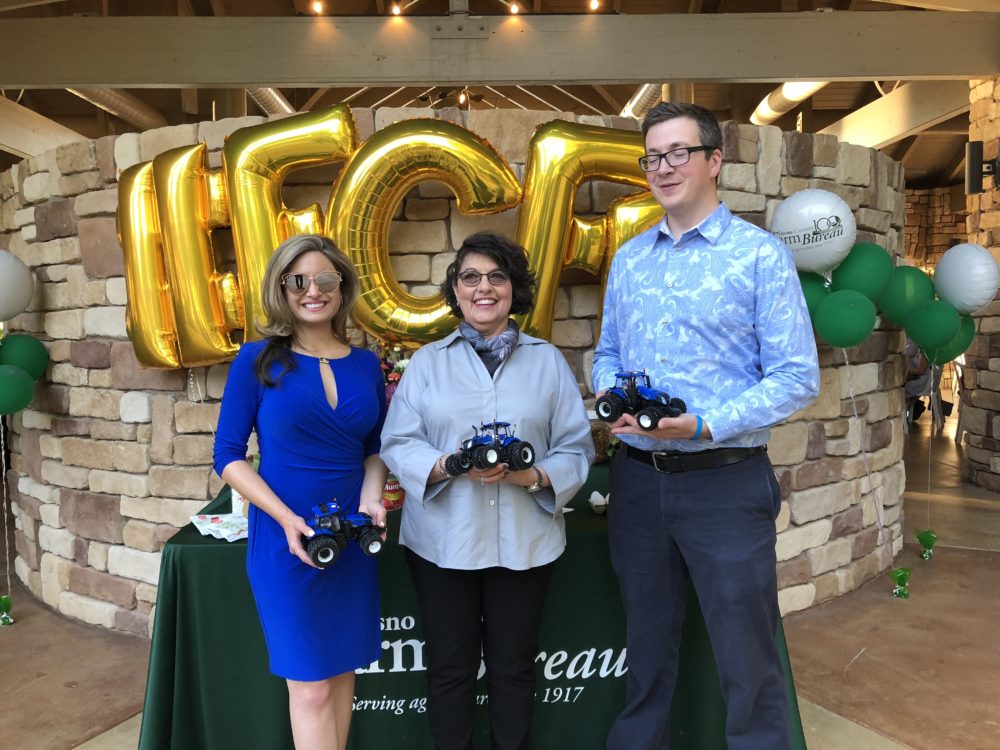
Ryan Jacobsen, FCFB CEO; Laurie Greene holding tractor award; and Donny Rollin, FCFB President.

According to the FCFB, “The annual awards recognize excellence in reporting on agricultural issues from journalists throughout the region. The criteria for the awards were: awareness of agriculture’s importance in the Valley; use of visuals to tell the story, where applicable; thorough and objective coverage of the issues, given time and space limitations; and portraying the ‘human side’ of the industry, making the issues relevant to consumers and/or producers.”

Laurie’s careful coverage of a complicated story was unrelenting in its meticulous research and thorough in cultivating numerous sources to tell the complete legal story of Gerawan’s farm employees. Laurie has been cited as a journalist with a sharp legal mind and is a strong asset to the company.

“When I moved to the Central Valley,” Greene said, “I was shocked to discover that Cesar Chavez’s legacy was tarnished. His UFW had evolved to mandate that farm employees submit to mediated union representation and payment of dues—all this by a union elected a quarter century earlier that subsequently abandoned the workers for two decades.

Gerawan Employees

Gerawan Farm Workers Protest against UFW at California Supreme Court.

Greene explained, “Current farm employees have had to fight to have their voices heard, to gain access to pertinent court hearings, to work unimpeded for the employer of their choosing, to face employment termination if they refuse to pay union dues, to exercise their right to vote to decertify the union in a sanctioned election and to have their votes publicly counted. I felt compelled to relay the facts in this important story.”

FCFB 2018 Journalism Award Winners Alex Backus, CBS47; Laurie Greene, CaliforniaAgToday.com; and Dominic McAndrew, 580AM KMJ. (Absent was Maria G. Ortiz-Briones, Vida en el Vale)


Greene’s work in the series was shared across the California Ag Today’s social media platforms and broadcasted across the California Ag Today Radio Network of 22 radio stations. She is also the owner of Cultivated Words, which provides professional editing services and college application essay coaching.


Other award winners were:

Audio:  Dominic McAndrew, News Talk 580AM, KMJ, “Signing the application for state funding of Temperance Flat Dam,” August 14, 2017.

Video:  Alex Backus, CBS47, “Fear in the Fields,” May 19, 2017.

General Print:  Maria G. Ortiz-Briones, Vida en el Vale, “Farmers, immigration rights advocates push back after ICE checks in the Central Valley,” February 12, 2018.


Who Safeguards California Farm Workers’ Rights?  (abridged)

Greene focused on the ongoing pressure the United Farm Workers (UFW) and the California Agriculture Labor Relations Board (ALRB) has placed on Gerawan farm workers in an attempt to force them to accept mandatory fee-based union representation by the UFW. Gerawan employees voted in favor of UFW representation in 1990, an election the ALRB certified in 1992. UFW never reached a contract to represent Gerawan employees in wage negotiations with their employer and never collected union dues. The UFW effectively abandoned the farm workers for 20 years.

The California Legislature amended the Agricultural Labor Relations Act in 2012 to impose a mandatory mediation and conciliation process for union contracts. The UFW offered Gerawan employees a new contract proposal via this forced legal process.

On Oct. 25, 2013, Gerawan employee Silvia Lopez filed a petition to decertify the UFW as the bargaining representative for the company’s workers. Gerawan voted in an historic, ALRB-sanctioned election on November 4 or 5, 2013; however, the ALRB impounded the ballots, reportedly without having counted them.

Silvia Lopez, Gerawan farm worker spokesperson

The twists and turns of who actually safeguards California farm employees’ rights have been strikingly dramatic, undemocratic, political, and arguably unconstitutional. And yet, the conflict remains legally unresolved.

Click here to read the series.

Click here to search for California Ag Today’s multimedia coverage since 2013 of this ongoing battle.  Search suggestions:  Gerawan Farming, Silvia Lopez, UFW, and ALRB.

2019-12-25T16:01:33-08:00May 7th, 2018|

Temperance Flat Denied Funding

All Hope Dries Up

By Patrick Cavanaugh, Editor

Again, it came down to fish, specifically Chinook salmon, that forced the proposed Temperance Flat Dam out of the race for Proposition 1 funding for building new water storage projects.

Mario Santoyo and Temperance Flat Denied Funding

Mario Santoyo fought hard for Temperance Flat Dam funding.

For more than 20 years, the Temperance Flat Dam proposal was passionately advocated with unwavering support by Central Valley cities and the San Joaquin Valley Infrastructure Authority (SJVIA) who were behind the application. Temperance Flat came crumbling down Wednesday at the California Water Commission (CWC) meeting in Sacramento on the second day of discussion.

On Tuesday, CWC staff members assigned to crunch the Public Benefit Ratios for the project were solidly encased in concrete, refusing to grant the project any consideration for its ecosystem restoration benefits. The Dam would provide critical cold water to flow down the San Joaquin River, thus helping the salmon spawn.

CA Water Commission kills Temperance Flat funding

CA Water Commission denied funding for Temperance Flat Dam.

And while the official public benefit calculation came up short today, proponents already saw that the project was already on life support Tuesday, with a dire prognosis.

“Stunned is an understatement,” said Mario Santoyo, executive director of the SJVIA, who has worked for more than 18 years on the project. “Temperance Flat is the most critical water project ever proposed for the Central Valley, which is ground zero for significant water shortages that will not go away.”

It all boiled down to the Ecosystem Diagnosis and Treatment (EDT) model that was approved by Bureau of Reclamation and the California Department of Water Resources. Despite both approvals, that model did not jive with the Commission staff’s model, which undervalued the project’s public benefit ratio, killing the opportunity for Temperance Flat Dam to receive funding of more $1 billion for construction.

“We are working in an area of great uncertainty in professional judgment,” Bill Swanson, vice president, Water Resources Planning & Management for Stantec, a global planning and engineering firm, who presented data for the SJVIA. “We do not have fish in the river. We do not have empirical data. The only issue available to us is a comparison of how the system would respond to changes in flow, temperature and habitat,” Swanson said.

“That’s the reason we used the EDT model, the same model that the Bureau of Reclamation has used in their models of flow,” Swanson explained. “The SJVIA’s challenge was how to take the results of that model and analyze them to a level of detail that distinguishes the precision that we might want to have around the results,” said Swanson.

Bill Swanson

Stantec’s Bill Swanson advocated for Temperance Flat Dam funding.

“I’m very disappointed with the way they scored a great project that needed to be built,” noted Santoyo. “And I am not happy about one commissioner from Orange Cove who stabbed us in the back and scolded us on why we did not meet the Public Benefit Ratio. We did meet and exceed that ratio, but the CWC disagreed with our ecosystem restoration model that had been used by both the state and the feds.”

Several Water Commissioners publicly wrangled with their staff on how they could make the project work. They sought areas to increase the project’s cost-benefit evaluation to get it funded.

Commissioner Joe Del Bosque read the ballot text of Prop 1, approved by California voters by 67 percent in 2014. He reminded those present that voters expected a water storage project to be built, adding, “We need to find more certainty in order to get Temperance Flat built.”

Commissioner Daniel Curtain distinguished two parts to the discussion—physical and monetary. “Take a look and see if there is a physical benefit for ecosystem restoration. Finding a potential benefit and attaching a potential monetary benefit could be helpful,” he said.

The project was also short on points for recreation opportunities on what would be a new lake behind the 600-foot high dam east of Fresno, behind Friant Dam. Commissioner Joseph Byrne said he hoped for more thought given to the recreation cost benefit. “Intuitively, zero benefit does not make sense. We need a higher level of confidence in the estimated recreation cost-benefit,” he said.

CWC staff stipulated that while the newly created lake behind Temperance Flat Dam would accommodate boating activity, the lack of camping, hiking, and other activities within the existing San Joaquin River Gorge neutralized any recreation benefits.

If built, the Temperance Flat Reservoir would contain 1.26 million acre-feet of new water storage above Millerton Lake, northeast of Fresno. Temperance would have helped provide a more reliable supply of fresh drinking water for disadvantaged Valley communities. It would have enabled below-surface groundwater recharge, addressed extreme land subsidence and provided critical help to farmers facing severe groundwater restrictions due to the Sustainable Groundwater Management Act (SGMA).

Santoyo said the SJVWIA spent more than $2 million on the California Water Commission application, utilizing what he said were the most qualified engineers to develop the technical data required by Commission staff. The U.S. Bureau of Reclamation, which administers California’s Central Valley Project for the U.S. Department of the Interior, has invested more than $38 million in studying the project. Santoyo said those studies supported the finding that the selected Temperance Flat site is the most preferred location for such a crucial project.

2018-05-03T15:42:58-07:00May 3rd, 2018|
Go to Top