Western Growers Statement on California DPR Ban on Chlorpyrifos

Tom Nassif: CA Farmers Face the Most Stringent Regulations in the World

By Cory Lunde, Western Growers

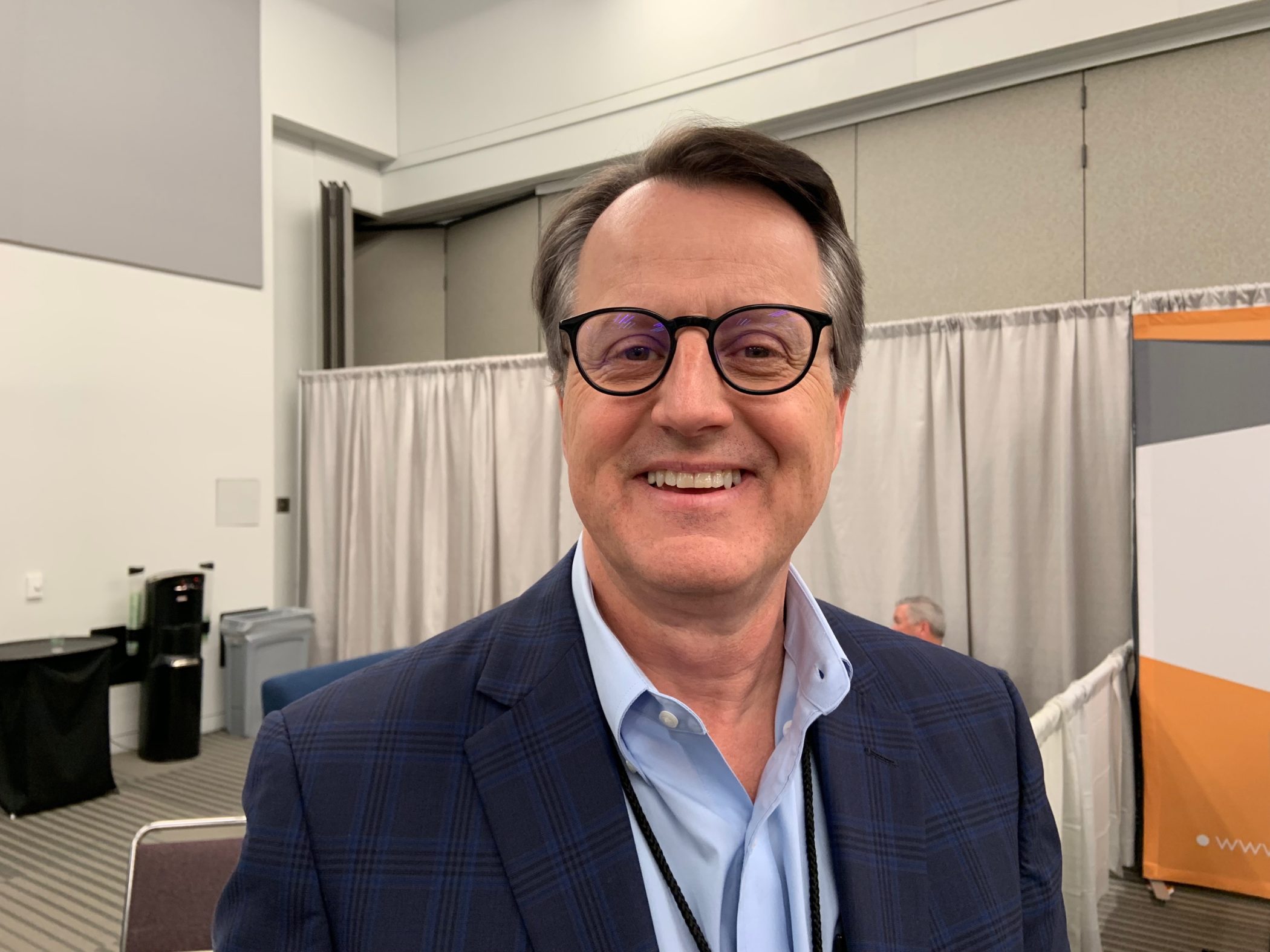
In response to the recent announcement that the California Department of Pesticide Residue (DPR) is acting to ban the use of the insecticide chlorpyrifos, Western Growers President and CEO Tom Nassif issued the following statement:

“California farmers are universally committed to the safety of their food, the health of their workers and communities, and the sustainability of their land. At every turn, they strive to achieve efficiencies in their use of resources like water, fertilizer, and pesticides and seek to minimize both the human and environmental impacts of these inputs.

immigration reform

Tom Nassif

“California farmers also face the most stringent regulatory environment in the world, one that often limits their access to many of the tools still available to farmers elsewhere in the U.S. and in foreign countries, including certain types of pesticides. Indeed, over the last 20 years, California regulatory actions have removed several of the most important crop protection tools farmers rely on to fight pests and diseases.

“With … [the] announcement that DPR will initiate the cancellation of chlorpyrifos, one of the most widely studied and globally approved insecticides, California farmers now stand to lose yet another arrow in their quiver—without effective and ready replacement tools—making their quest to grow the safest, healthiest and most abundant food supply in the world even more difficult.

“California farmers are resilient, but the long-term viability of our farms in California depends on proper support from the Administration and renewed cooperation of the state’s regulatory agencies, especially in light of the many other unique and expensive regulations that place California farmers at a growing competitive disadvantage.”

2021-05-12T11:05:03-07:00May 22nd, 2019|

Wastewater Treatment Plant in Delta Causing Problems

Harmful Algal Blooms Impacting Watershed

News Release Edited By Patrick Cavanaugh

The San Francisco Bay Regional Water Quality Control Board updated its regulations on nutrient discharges into the San Francisco Bay watershed recently to protect the watershed from harmful effects of discharges from municipal wastewater treatment plants and other sources.

Although San Francisco Bay is not impaired by nutrients, it is a nutrient-enriched estuary with higher nitrogen and phosphorus concentrations than most estuaries in the world. Too much nitrogen and phosphorous can lead to harmful algal blooms, which can release toxins to the Bay. Harmful algal blooms can also result in low dissolved oxygen or insufficient oxygen in the water to support aquatic life.

In the Bay, nitrogen has the biggest influence on phytoplankton growth, and the Region’s municipal wastewater treatment plants account for 65 percent of the nitrogen discharged to the Bay. Regional population growth will increase these nitrogen discharges.

The regulatory update, in the form of a reissue of the Nutrients Watershed Permit first adopted in 2014, provides a consistent approach for regulating nutrient discharges from municipal wastewater treatment plants in the San Francisco Bay watershed.

The first Nutrients Watershed Permit required sewage treatment agencies to: (1) monitor their discharges, (2) support scientific studies to evaluate the Bay’s response to current and future nutrient loads, and (3) evaluate opportunities to remove nitrogen through treatment plant improvements.
This update will increase monitoring and scientific studies. Importantly, it requires treatment agencies to evaluate opportunities to remove nitrogen using “green” solutions, like routing wastewater through treatment wetlands and wastewater recycling.

These types of opportunities may provide water quality benefits beyond nutrient removal, for example, by providing protection against climate change through carbon sequestration and adaptation of the shoreline to address sea-level rise. Green solutions can also remove additional contaminants of emerging concern for water quality.

2019-05-17T17:12:41-07:00May 17th, 2019|

CCM Statement on Chlorpyrifos Ban

Flawed Data Forcing Cancellation

News Release From California Citrus Mutual

Recently, the California Environmental Protection Agency (CalEPA) and the California Department of Pesticide Regulation (DPR) announced that they are going to begin the cancellation process of chlorpyrifos. The statement cites scientific findings that chlorpyrifos poses serious public health and environmental risks to vulnerable communities.SaveOurCitrus Logo

“The decision to ban chlorpyrifos is not surprising given the significant pressure from anti-pesticide groups, active legislative proposals, regulatory proceedings, and ongoing court battles,” said CCM President Casey Creamer. “However, this decision relies heavily on an evaluation that was significantly flawed and based upon unrealistic modeling scenarios that are not verifiable by actual results in DPR’s own air monitoring network.”

“California Citrus Mutual and our member growers stand by science that is sound, that properly evaluates risks and puts forward appropriate safeguards to protect ourselves, our employees, and our surrounding communities. We are committed to safe and effective use of chlorpyrifos and other crop protection tools.”

“The process for which this chemical was evaluated was purposely exaggerated to achieve the desired outcome and jeopardizes the scientific credibility of the Department of Pesticide Regulation. This decision sets a terrible precedent for future evaluations and creates a chilling effect on companies planning on making significant investments to bring new products to the market in California.”

“The citrus industry is fighting feverishly to protect itself from the deadly citrus disease, Huanglongbing,” Creamer continued. “In order to do so, we must have the necessary tools in the toolbox for an effective Integrated Pest Management program.”

“The once mighty citrus-producing state of Florida has lost 70% of its production due to this disease, which is expanding exponentially in residential citrus trees in Southern California at this very moment. While our commercial growers will remain vigilant, it is vital that our policymakers recognize the seriousness of the threat and ensure sound scientific procedures are followed.”

“California Citrus Mutual will continue to be actively engaged in the regulatory processes around the cancellation decision and will continue to explore all potential remedies to allow the safe and effective use of chlorpyrifos.”

2021-05-12T11:05:03-07:00May 14th, 2019|

Reducing ACP Spread In California

Beth Grafton-Cardwell: Spread of Disease Must Be Prevented

By Patrick Cavanaugh, Editor

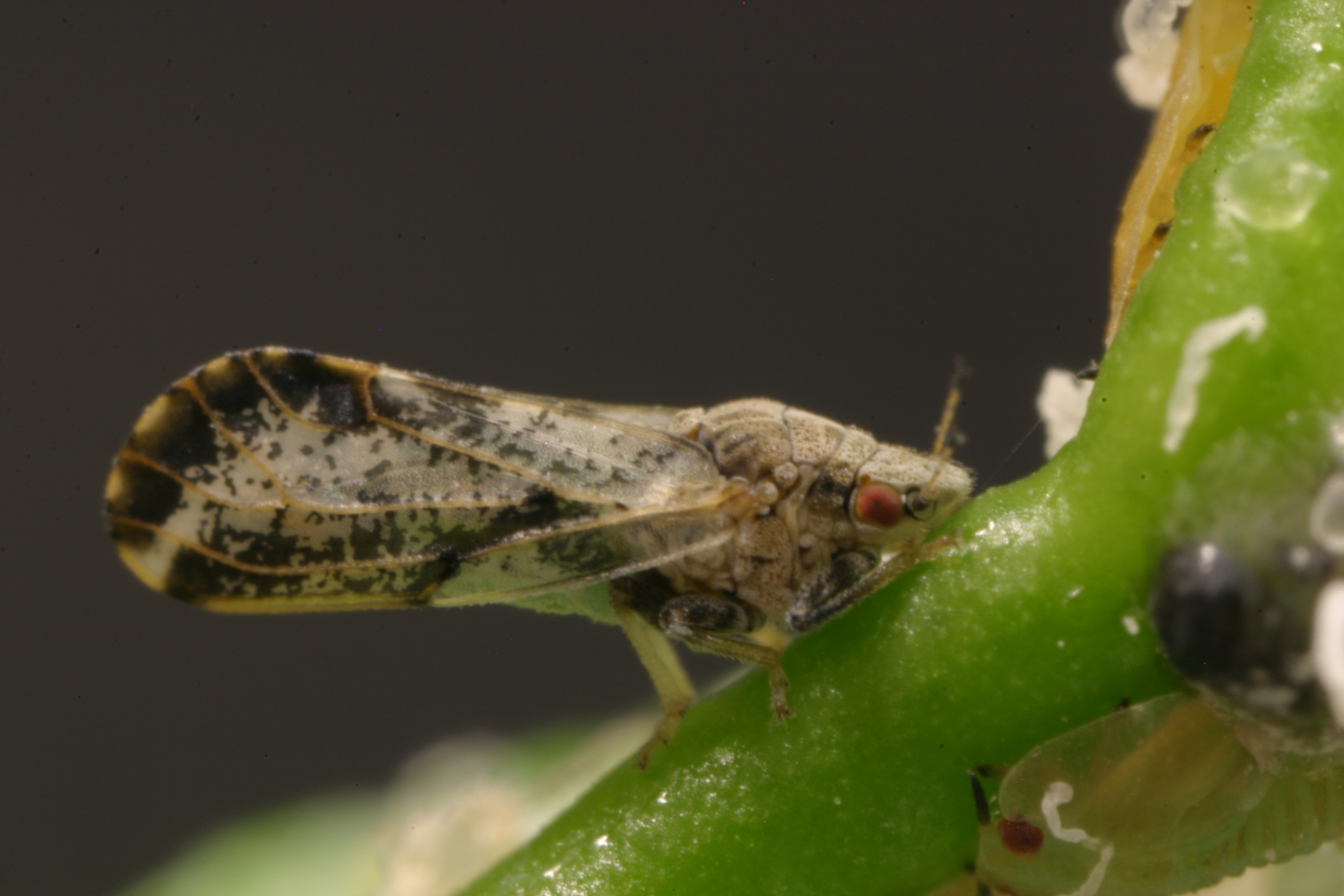
Collaborative changes are being made to combat the Asian Citrus Psyllid (ACP). Beth Grafton-Cardwell is the director of Lindcove Research and Extension Center near Exeter, as well as a research entomologist with UC Riverside. She recently spoke at the 2019 Citrus Showcase in Visalia as a key speaker on the state of Huanglongbing (HLB) in California, with an overview of how to prevent ACP,—which vectors HLB, a fatal disease to citrus—from moving around the state.

We were trying to communicate why we’ve made the changes we’ve made for the industry that has been a collaborative effort between CDFA, growers, and the university, Grafton-Cardwell said. “We need better ways to prevent psyllids from moving around the state because they might have HLB in their bodies, and we’ve got to prevent the spread of the disease.

beth_grafton-cardwell

Beth Grafton-Cardwell

The Florida citrus industry did not do a great job in containing the Psyllid, and now HLB is rampant in the state’s citrus industry, which has devastated the citrus economy there.

“Florida found that they did not do much to control psyllid movement, and they found that psyllids were moving in bulk citrus bins and retail nursery plants around the state, and within a concise amount of time, they spread the Psyllid and the disease everywhere,” Grafton-Cardwell said. “We’re trying to avoid that. We have 100% tarping of citrus truckloads. We have treatments that have to be done if growers want to move citrus between major zones in California, so that we can prevent that kind of movement.”

Conversations continue about quarantine areas in California to reduce spread.

“There’s been a lot of discussion regarding quarantines because it’s painful for some growers who have low Psyllid numbers to have to treat and to move their fruit to other zones.”

“There’s been a lot of questions. We did a lot of scientific analysis to look at impacts as well as numbers. It’s not just about psyllid numbers; it’s about their impact if growers were to move the disease into a high citrus growing region,” Grafton-Cardwell explained.

2021-05-12T11:01:48-07:00May 8th, 2019|

Dealing With Social Security Number Mismatch

Farm Field Employees Often Get Notices of Social Security Mismatch 

By Anthony P. Raimondo

Much has been made in the media of late regarding the Social Security Administration’s (SSA) push to address wages reported under names and Social Security Numbers that do not match the numbers in the SSA’s database.

These notices used to be quite common but were suspended by the Obama administration in 2012. In the last few years, these notices have begun to go out, and a recent increase in the notices has caught the attention of media and politicians. Employers must understand their legal obligations when they receive such a notice, and media commentators and politicians are poor sources.

Anthony Raimondo

Anthony Raimondo

What is new is that the notices no longer provide a list of employees with mismatches. Instead, employers must log on to a web site to get the names of the mismatched employees. Employers should follow the instructions carefully. Employers are not required to sign up for the Social Security Verification system in order to get the information, and should only enroll in that program if they wish to verify all employee Social Security Numbers.

The first thing to understand is that a mismatch notice is not an immigration problem. The SSA does not enforce immigration law, and is prohibited from sharing mismatch information with ICE. There are many reasons a mismatch may occur, and an immigration issue is only one of them. Never presume that an employee is undocumented, and never fire a worker simply because you receive a mismatch notice. Primarily, the notice is a payroll tax issue, as IRS regulations require employers to use reasonable diligence to obtain the correct wage reporting information from employees.

The initial step for an employer who receives a mismatch notice is to check whether there was a clerical or other error on the part of the employer that triggered the mismatch. If so, the error should be corrected, with the proper forms filed with the IRS. If there is no error, the employer should next check the employee’s I-9.

If the employee used the questionable Social Security card as a List C document to show employment authorization, then the employer must reverify the employee’s authorization to work in the United States in Section 3 of the I-9. The employee should be given 3 business days to present another List C document (such as a certified birth certificate) or a List A document (such as a US Passport or Permanent Resident Alien card).   If the employee did not present a Social Security card to demonstrate his or her authorization to work, then there is no immigration issue, only a payroll tax issue.

In order to resolve the payroll tax issue, the employer must notify the employee in writing that the notice was received. The employee should be directed to resolve the issue and report the correction to the employer. The letters ask for correction within 60 days, but this is not a firm legal deadline. Generally, employers set a deadline of somewhere between 60 and 120 days to give the employee time to solve the problem. The employee should also be given a blank W-4. Some do not give a deadline and simply send a W-4 annually, although this author does not recommend that approach.

In these politically volatile times, it is important for employers to cut through the noise and understand their actual legal obligations. This way, we can avoid needless employee anxiety, needless employer stress, and we can promote smooth running operations where all involved prosper.

The goal of this article is to provide employers with current labor and employment law information. The contents should not be interpreted or construed as legal advice or opinion. For individual responses to questions or concerns regarding any given situation, the reader should consult with Anthony Raimondo at Raimondo & Associates in Fresno, at (559)432-3000.

2019-05-07T17:35:07-07:00May 7th, 2019|

Food Safety Is Paramount In California Agriculture

Researchers Hone in on Bacteria Genome to Isolate Pathogens

By Laurie Greene, Founding Editor

Food safety is paramount in the specialty crop farm industry; but when a bacterium causes a food safety problem, there is important work to determine the exact fingerprint of that bacteria.

Matthew Stasiewicz, assistant professor of applied food microbiology in the area of food safety at the University of Illinois at Urbana-Champaign, Department of Food Science & Human Nutrition, said it’s important to determine the genome of these bacteria that are causing problems.

“The biggest thing that has happened in the field of food safety is that the U.S. government has committed to using whole genome sequencing as a primary public health surveillance tool. So, if you have a foodborne disease and go to a doctor, and they isolate that organism, it will go into a nationwide database—now international database—that can link that organism’s genome sequence to whatever else shows up in the database. So, at the same time, if pathogens are isolated from foods potentially as part of an outbreak, those sequences can be [entered into the database] and [experts can] gather information from food sources as well as clinical patients. And that’s just a major tool.”

Stasiewicz said the genome is important because we need to know the true source of that bacteria. “The pathogens that can make you sick can be distributed in the environment.

So just because you potentially got sick from eating food and maybe you got an E.coli O157:H7 infection in your hometown, even if someone else two towns away got the same infection with E.coli O157:H7, we don’t know if that’s related, even if you potentially ate the same food,” Stasiewicz said. “That could come from the soil in your town, your local grower, a local grower somewhere else, or from a common source, common grower, or common packer, and gotten you both sick. This genome sequence information allows us to make those links much more clearly.”

Stasiewicz said this is an important pioneering effort to reduce food safety illnesses. “Importantly, from the food standpoint,” Stasiewicz said, “we want that information so we can find that and eliminate it. No food processor wants to make anyone sick. No grower wants to make anyone sick. So, we need to identify those concerns.”

2021-05-12T11:05:04-07:00May 6th, 2019|

Building a Relationship Between Consumers and Ag Industry

There Are Ways to Gain Trust Among Consumers

By Mikenzi Meyers, Associate Editor

Bridging the gap between consumers and their food has been an ongoing battle that research shows can only be won by trust. Charlie Arnot with the Center for Food Integrity has looked further into what it really takes to gain trust among consumers.

Arnot said that studies conducted alongside Iowa State University showed that there are three main drivers in creating a relationship with consumers: influencers, competency, and confidence in shared values. Further research revealed that of the three main variables, confidence in shared values proved to be the most important—but this can be a difficult goal to accomplish.

“Agriculture has a historical mantra of ‘We’re Feeding the World,’ but most consumers just don’t care, and it’s not a justification for more industrialized food production,” Arnot said.

This resistance towards industrial farming is largely due to food being so readily available to the public.

Arnot suggests taking the approach of addressing known consumer concerns such as food safety, nutrition, and treatment of animals, to name a few.

“Addressing those concerns is going to be the most effective strategy we can have in building trust in who we are and what we do in agriculture today,” he said.

2019-04-29T17:01:37-07:00April 29th, 2019|

Leafy Green Marketing Agreement Issues New Food Safety Guideline

New, More Stringent Food Safety Practices Adopted to Prevent Outbreaks

By April Ward, LGMA Communications Director

The California Leafy Greens Marketing Agreement Board met April 19 and voted to strengthen mandatory food safety practices required on farms.

This means that every box of leafy greens placed into commerce by a certified LGMA member will soon be produced under new, more stringent requirements that are designed to reduce risk when it comes to water used in growing leafy greens. The updates include specific directives such as no longer allowing the use of untreated surface water for overhead irrigation of leafy greens prior to harvest.

The LGMA program has always required growers to test their water because it can be a carrier of pathogens. But the new requirements now include additional safeguards that ensure farmers categorize the source of the water; consider how and when water is applied to the crop; conduct testing to assure the water is safe for the intended use; sanitize water if necessary; and verify that all of the above precautions have been taken

The new standards approved by the LGMA Board are in direct response to investigations conducted by the U.S. Food and Drug Administration into last year’s e. Coli outbreak involving romaine lettuce. Clues pointed to irrigation water from sources such as canals and reservoirs as a possible cause of the both the November outbreak and the one associated with romaine from Yuma last spring.

Government and the produce industry, in general, looked to the LGMA as the way to improve the safety of leafy greens. The leafy greens industry group, facilitated by Western Growers, has been working with industry members, growers and members of the academic community to fashion new and more stringent requirements for agricultural water use. And, in fact, the actions taken by the LGMA Board have effectively changed the way 99 percent of the leafy greens in California are farmed.

The LGMA will begin immediately to make sure everyone in the leafy greens community understands how to comply with the new requirements. The updated LGMA Food Safety Practices document is available on our website here. Additional information on specific changes to the LGMA food safety practices will be provided in the coming weeks and dates for workshops and webinars for both leafy greens industry members and the buying trade will be scheduled soon.

The LGMA and its members have an obligation to produce safe leafy greens. We are very aware of the tragic impacts a foodborne illness can have on consumers, our customers, and our entire industry. We are all passionately committed to producing the safest leafy greens possible. The LGMA will continue to make changes to as needed to strengthen the food safety requirements for leafy greens.

For more on the new regulations, check out this YouTube video.

2021-05-12T11:01:48-07:00April 25th, 2019|

Fighting for Citrus Industry

Continuing to Fight For Citrus Industry’s Longevity Requires Teamwork

By Jim Gorden, Committee Chair, Citrus Pest and Disease Prevention

For more than two centuries, citrus has grown strong in California’s yards and groves—serving as a source of nourishment, income, and tradition for many different individuals—but the citrus industry is at risk due to Huanglongbing’s (HLB) growing presence in California.

Jim Gorden

In 2018, HLB was found in more than 600 residential citrus trees in Southern California, and despite the program’s thorough surveying efforts, HLB has not been found in a commercial grove, but we must continue to hold strong. It has never been more important for all of us— including the Citrus Pest & Disease Prevention Program (CPDPP), regulatory authorities, the citrus industry, the scientific community, and others—to work together to prevent the spread of the disease and save California’s citrus industry.

While much has changed since the citrus industry came together ten years ago to support the creation of the CPDPP, one constant remains: the program’s dedication to fighting HLB. This year, the Citrus Pest & Disease Prevention Committee (CPDPC) created a strategic plan for combatting HLB now and in the future. The plan identified five prioritized strategies to achieve CPDPP’s goals of keeping HLB out of commercial groves, limiting Asian citrus psyllid (ACP) movement in the state and fine-tuning the program. In addition, the program agreed to align its annual budget in support of the strategies, which can be viewed in this report.

With this plan comes additional responsibilities for all individuals involved. The CPDPC understands HLB isn’t the only issue posing a threat to your business and our industry – but it’s one we can’t ignore. This report highlights the many activities the program and our partners are doing across the state to protect commercial groves from HLB, but we are only as strong as our weakest link.

Looking forward, much is at stake for California citrus growers, packers and workers as the industry faces its biggest threat yet in HLB. I encourage you to connect with the program, your local pest control district, or task force, and follow best practices for managing the ACP and HLB. If we sit idle, hoping others will take action for our benefit, we are welcoming this devastating disease into our groves.

But, by working together, we can protect California’s commercial citrus industry from devastation—sustaining our livelihood and the legacy of California citrus.

For more information on the  Citrus Pest & Disease Prevention Program Click here.

2021-05-12T11:01:49-07:00April 25th, 2019|

Alliance For Food and Farming Launches New Website!

New Safefruitsandveggies.com Website Will Improve Visitor Experience

News Release

The Alliance for Food and Farming (AFF) has launched an updated safefruitsandveggies.com website with new content and to improve visitors’ experiences on the increasingly popular site.

“The safefruitsandveggies.com website now receives tens of thousands of visitors each year,” said Teresa Thorne, AFF Executive Director.  “We want to continue to improve the site, retain our visitors, and attract new users.  The newly formatted site will help us to do that.”

New sections include “A Dozen Reasons to Eat Fruits and Veggies,” and “Five Facts About Produce,” which are based upon popular blog posts.  These sections provide quick and easily-retained information about the benefits of eating fruits and veggies as well as the safety of organic and conventional produce.

The Safety Standards section of the website, which provides comprehensive information about the stringent regulations governing the approval and use of organic and conventional pesticides, has also been updated.

“This has become among the most visited sections of safefruitsandveggies.com because all the pesticide regulation information from various government agencies can be found in one place,” Thorne said.  “Instead of going through multiple searches and websites to learn more about these regulations, people can just come to safefruitsandveggies.com.”

Still to come are web pages specifically designed for nutritionists and dietitians to help them answer produce safety questions from consumers, their customers, and clients.

“This new web page was actually requested by dietitians, and we are excited to have their input as we build the content,” Thorne said.

“Since research shows consumers find dietitians and nutritionists are among the most credible sources when it comes to pesticide residues and produce safety, it is important they have readily usable information,” Thorne added.

Among the most visited website section continues to be the residue calculator, which shows consumers they could literally eat hundreds to thousands of servings of a fruit or veggie in a day and still not have any health effects from residues.

“All of the website content is either based upon peer reviewed research or on analyses by experts in the areas of toxicology, risk analysis, nutrition and farming,” Thorne said.  “Consumers can also view 40 videos featuring farmers and scientists, as well as information about peer reviewed studies.”

The AFF works to provide credible, science-based information so consumers can make the right shopping choices for themselves and their families.

“The safefruitsandveggies.com website is the cornerstone of our efforts,” Thorne said. “By providing facts about produce safety and countering misinformation, we hope to remove fear as a barrier and encourage increased consumption of all forms of produce.”

2021-05-12T11:05:04-07:00April 24th, 2019|
Go to Top