Organization is the Missing Link to Supply Chains

Grower Distribution Difficult

By Mikenzi Meyers, Contributing Editor

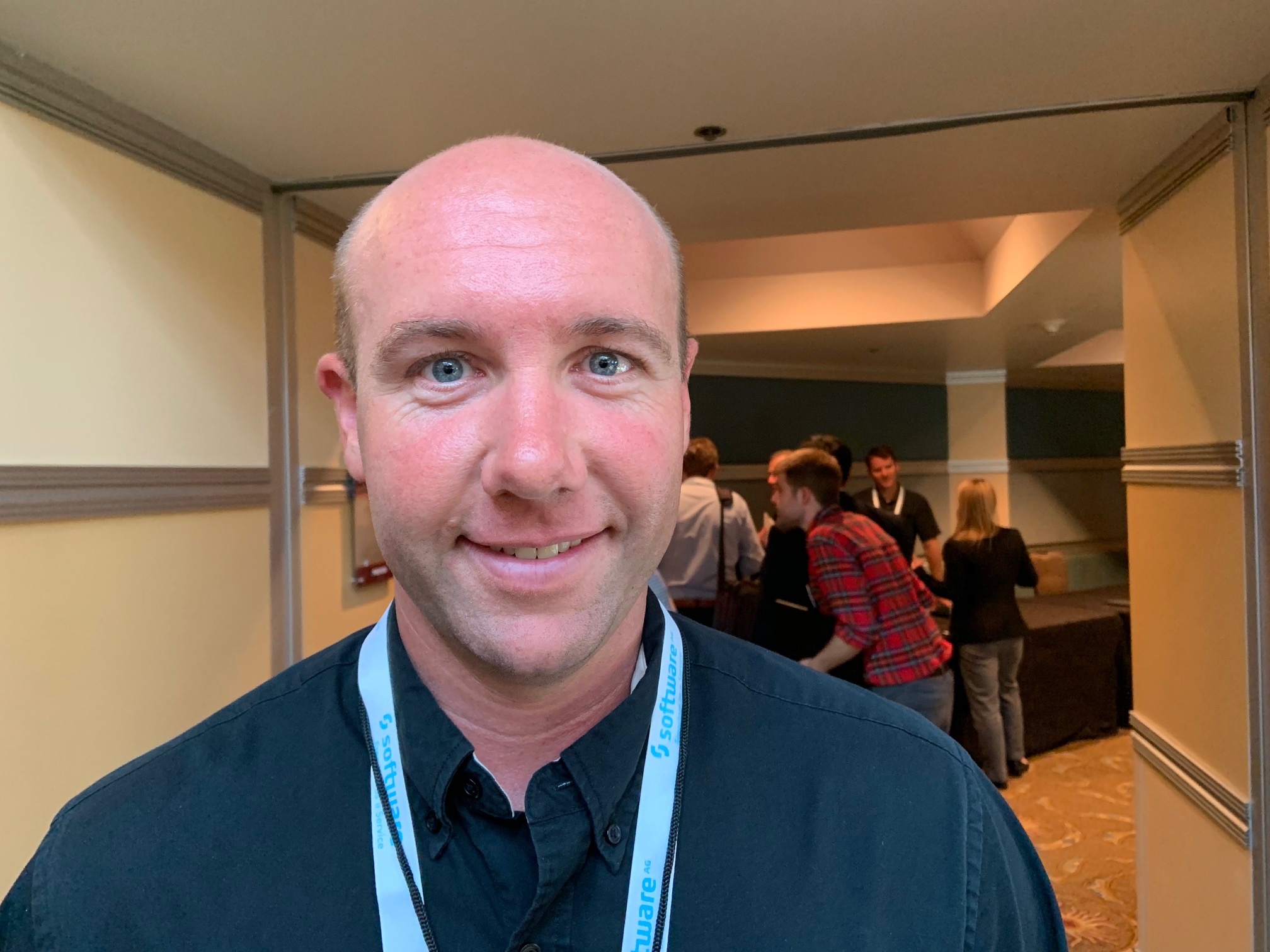
Creating a link between growers and the distributions of their commodities is becoming increasingly difficult. Aaron Magenheim with AgTech Insight based out of Salinas is helping to create a more efficient communication system to bring supply chains together.

Magenheim described a situation last year where Walmart required IBM technology in order to sell leafy greens, but when growers asked how to implement the technology, they could not get a clear answer. “We need to help move this industry forward and have the right people that work together and understand the right direction,” he said.

Another issue Magenheim has seen is the lack of data on failed trials. This is especially a problem in California, where there is a constant push to test new products. Whether it be hiring an analytics team or making sure growers record their ROI (return on investment), Magenheim said organization is the key to moving forward.
2021-05-12T11:05:03-07:00June 18th, 2019|

More People Interested in Ag at Food Safety of California Convention

Agriculture Is Noble Work

By Mikenzi Meyers, Contributing Editor

A panel at the recent Food Safety of California Convention gave viewers a glimpse of hope for a brighter future in the industry. The moderator of the panel was Tom Jones, senior director of analytic sciences with the Safe Food Alliance.

Although important topics like food safety and processing were discussed by the panel, Jones found himself most impressed by the audience.

“The number of young people that are interested in agriculture and the food industry really gives you hope for the future,” he said.

Jones also said he was also pleasantly surprised by the implied support from Capitol Hill in Washington. “They are actually quite excited to be involved with agriculture. They think it’s an important or noble thing to be doing that job for their representative in Congress, which is a real shift from even a few years ago,” he explained.

The Safe Food Alliance was founded in 2016 as a sister organization to the DFA of California, a nonprofit trade association that has expanded beyond quality inspections to servicing new commodities. To find out more about the Safe Food Alliance and their services, you can visit their website here.

2019-06-13T15:45:23-07:00June 13th, 2019|

American Agri-Women to Meet Today

Federal Land Policies Will Be Discussed

News Release

Today, the American Agri-Women (AAW) is hosting its 26th annual symposium in Washington, D.C., starting at 9 a.m. with the focus on private and public land use agreements.

“Federal Land Policies: The Good, the Bad and the Ugly” will be held at the Department of Interior’s Sidney Yates Auditorium, 1849 C Street NW, and is free and open to the public. Pre-registration is not required. The program may be viewed at https://americanagriwomen.org/wp-content/uploads/2019/06/2019-Symposium-Schedule.pdf.

The symposium is hosted each year by AAW’s Presidents’ Council, which is made up of the organization’s previous presidents. This year’s symposium will bring together prominent land use specialists and the Department of Interior’s directors for an open discussion.

The event’s keynote speaker is Myron Ebell, Director of the Center for Energy and Environment at the Competitive Enterprise Institute. Ebell also chairs the Cooler Heads Coalition, which comprises representatives from more than two dozen non-profit organizations based in the United States and abroad that challenge global warming alarmism and opposes energy rationing policies.

Other featured panelists include Brenda BurmanCommissioner of the Bureau of Reclamation; Harriet Hageman, Hageman Law P.C. in Cheyenne, Wyoming; and Dr. Andrea Travnicek, Principal Deputy Assistant Secretary of Wildlife and Parks. A Department of Interior “Welcome” will be given my Susan Combs, Senior Advisor to the Secretary of the Interior exercising the Authority of the Assistant Secretary for Fish and Wildlife and Parks and lead for DOI Reorganization.

2019-06-10T16:01:48-07:00June 10th, 2019|

Food Safety in the Field and Post Harvest

Farmers See Food Safety As Critical

By Jessica Theisman, Associate Editor

There was a recent panel discussion at the Safe Food of California Convention on how to keep food safe in the field and post-harvest. Tom Jones, senior director of analytic services with the Safe Food Alliance, stated that microbial food safety is being looked at to see what the key factors are.

The morning session was focused on getting the essential points of microbial food safety, such as what to worry about, key parameters to minimize the chance of contamination, and chemical contaminants.

“California agriculture is involved in growing crops for around the world, and so there are other concerns that we have to think about, such as pesticides or mycotoxins, where regulations might be different in different countries,” Jones said.

The Safe Food Alliance has to think about what products the consumer, customers, and buyers are looking for.

Innovative ideas like Blockchain are being used to keep food safe by tracking information.

“There are alternative treatments to traditional thermal processes that maintain the freshness of the food and its nutritional quantity, but [are] also able to destroy the pathogens,” Jones said.

Experts in Sacramento are advocating for food safety every day. They also advocate for agriculture and the challenges faced both domestically and internationally.

“We talked about everything from the challenges of Immigration and Labor to proposition 65 toxins regulations, the current trade disputes internationally, and how those are impacting California agriculture,” Jones said.

2021-05-12T11:05:03-07:00June 7th, 2019|

CA Citrus Growers Work Hard to Prevent HLB Devastation

Learning From the Florida Industry as to How Bad it Can Be

By Mikenzi Meyers, Associate Editor

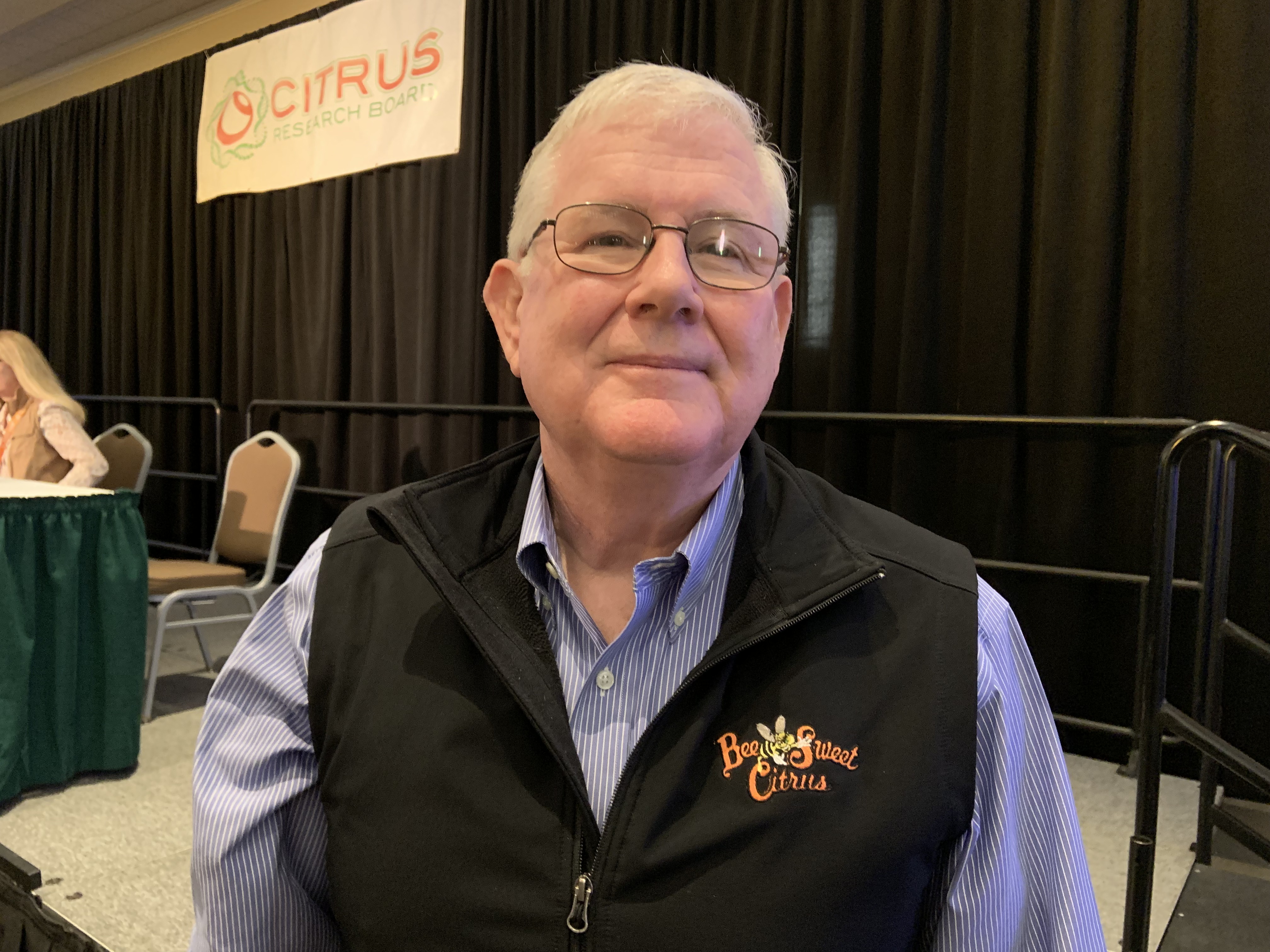
The severe effects of the Huanglongbing (HLB) disease on Florida citrus is cause for California growers to take important preventative measures to ensure the safety of their trees. Keith Watkins, vice president of outside operations for Bee Sweet Citrus, has seen the damage firsthand and has been hard at work to protect his trees.

“I’ve been to Florida, and I’ve seen how devastating the disease can be,” he said. “We have to spend money now to basically prevent that from happening to us.”

There are currently around 1100 trees that have tested positive for HLB in the Orange County and Anaheim-Garden Grove areas, but they are mainly backyard citrus trees. Luckily, Watkins said that the disease has not yet been traced in commercial operations.

Keeping HLB out of commercial growth is the biggest challenge growers face. There is not yet a cure for the disease, but according to Watkins, growers can help prevent it from reaching their crops by staying on top of killing psyllids when spotted. “We have to stay diligent. Our future really is maintaining a psyllid free population,” he said.

2021-05-12T11:01:47-07:00June 4th, 2019|

Almond Growers Helped In Trade Dispute

Almond Grower and Board Chair Holly King Attends White House Briefing with President

News Release

U.S. Secretary of Agriculture Sonny Perdue announced almonds will be included in the administration’s new trade mitigation package. This package aims to continue the support of farmers and ranchers impacted by delayed negotiations and trade disruption with China.

Almond Board Chair Holly A. King attended a briefing at the White House recently with President Donald J. Trump and representatives from other major farm groups to discuss the trade mitigation package.trade

“It is an honor to represent the California almond industry at the White House briefing with President Trump and express appreciation for his efforts to ease the burden of the trade tariffs on California almond growers,” King said. “We have invested heavily in developing the market for California almonds in China for more than 20 years and hope the Administration is successful in negotiating a new trade deal soon so we can get back to business as usual.”

The $16 billion package includes $14.5 billion for the Market Facilitation Program, $1.4 billion in surplus commodity purchases through the Food Purchase and Distribution Program and $100 million in Agricultural Trade Promotion funding. Almonds will be included in the Marketing Facilitation Program. According to the USDA release, “Tree nut producers, fresh sweet cherry producers, cranberry producers and fresh grape producers will receive a payment based on 2019 acres of production.”

The Almond Board has worked closely with the Almond Alliance of California throughout the developing tariff situation to ensure the voice of the California almond industry is heard.

“The Almond Board and Almond Alliance have been actively engaged with USDA, the US Trade Representative and Congress regarding the impact of this trade disruption on almonds. The Alliance has led efforts ensuring almonds are included in the second mitigation package,” said Julie Adams, Vice President of Global, Technical and Regulatory Affairs at the Almond Board. “We look forward to working with USDA in leveraging these funds to best benefit the entire almond industry and our grower communities.”

Overall, trade disputes have underscored the importance of having diverse, healthy export markets, a position of strength that the California almond industry has long enjoyed. For decades, ABC has supported the industry by making significant investments in foreign market development and expansion. Recently, the Almond Board started marketing programs in Italy, Mexico, Germany and re-entered Japan. ABC also ramped up marketing activity in Germany and India. 

“While we appreciate almonds’ inclusion in the second package, almonds continue to be impacted by the increase in tariffs, and we’ve seen a significant decline in shipments to China, our third-largest export market,” said Adams. “Getting back to normal trade is critical.”

2019-06-03T16:53:20-07:00June 3rd, 2019|

Delta Smelt Are Poor Swimmers, Unlikely to Reach Pumps

How Many Smelt Are Actually At the Pumps?

By Kristi Diener, Fourth Generation San Joaquin Valley Farmer

Delta smelt are poor swimmers. When they have to swim against voluminous outflows, they struggle. They also lack endurance for distance and swimming against currents. This was the result of the taxpayer-funded swim performance test conducted more than 20 years ago. Why is this important?

Delta smelt live in the freshwater/saltwater mixing zone made up of outflow from the fresh waters of the Sacramento and San Joaquin Rivers, and the inflow of saltwater pushed towards that freshwater from the ocean tides. Smelt leave this mixing zone in search of freshwater to spawn, in the late winter to early spring. It is the same time of year when the outflows from the Sacramento and San Joaquin Rivers are at their peak. Recently, water surging out from the rivers was equal to 104,900 basketballs per second!

If the smelt are able to swim against these powerful outflows, they don’t go too far, and generally spawn pretty close to the nearest region of freshwater they can find in the delta. However, most smelt being surveyed during spawning are not in the delta at all, rather, in the much smaller waterways to the north where there is a fraction of the freshwater outflow. Twenty-one years ago, UC Davis acknowledged outflows from the Sacramento and San Joaquin rivers are actually too high for the endangered smelt!

Delta smelt by metric ruler Photo: USFWS

Delta smelt by metric ruler
Photo: USFWS

Let’s jump to the “pumps.” They are about 60 miles away from where smelt live in the mixing zone of the Suisun and San Pablo Bays. The pumps capture water at the south end of the delta, where it later flows into storage at San Luis Reservoir. Eventually, it is conveyed south to 2/3 of the state.

Water that is not captured by pumping surges out from the Sacramento and San Joaquin Rivers into that mixing zone. These pumps are routinely throttled back because, according to the Smelt Biological Opinion, smelt are in danger of getting sucked-in and killed. The result of not pumping is huge losses of water for human use and huge increases of outflow from these two rivers into the ocean.

So how many smelt, who lack endurance for long swims according to the swim performance test, are actually surveyed near the pumps and at risk of being liquidated? Every month, a trawl survey is conducted to count smelt and find out where they’re hanging out. I pulled up the fish distribution maps for every monthly trawl over a 10-year period. The closest a smelt has been surveyed near the pumps is about 30 miles away from them, seven years ago.

Still, in spite of their own swim performance tests, the opinion is that smelt swim about a 60 mile, squiggly endurance course, destined for the pumps. Remember, they spawn in freshwater, but actually, live back in the mixing zone where they must return. Nonetheless, this opinion is the very hypothesis that ratchets back pumping at full capacity and prevents the securing of water for humans. There are many other facets of the opinion that are questionable as well. Incidentally, just two smelt have been surveyed anywhere in the last 10 months.

Here’s the good news. President Trump signed an executive memo in October, requiring the Biological Opinions to be reviewed and updated. The science is well over a decade old. Please notice it is called an “opinion”, not a fact. Trump set a timeline and a deadline to get it done too. The assessment phase had to be completed by January 31, and it was. The deadline for the new Opinions to be issued is 135 days after the assessment, which I calculate to be around June 15th. I’m counting.

In the next couple of months, we’ll likely be hearing a whole bunch of malarkey coming from the folks favoring water for the sea in the name of fish, instead of for humans and the earth. There will be an uproar when the Biological Opinions are revised to actually help endangered fish, instead of being used as a vehicle to implement an agenda of man-made water shortages, more regulations, increased fees, and new taxes. You will hear misinformation, but you will know the truth.

Delta Smelt Performance Test can be found here.

2021-05-12T11:05:03-07:00May 29th, 2019|

Don’t Be Fooled, High Heat Will Return

Farm Employees Must Be Protected During High Temps

By Patrick Cavanaugh, Editor

The cool and rainy weather will eventually turn to higher temperature days, and when high heat returns to the Central Valley, it’s essential that farm employees are getting enough water, rest, and shade. Manuel Cunha, the President of the Nisei Farmers League in Fresno told California Ag Today that during hot days, we’ve got to protect employees.

“Training is the first important step to prevent heat illness,” Cunha said. “All employees and supervisors must know about heat illness prevention.”

Water is the next important step in preventing heat stress.

“Employers or supervisors must provide enough fresh water so that each employee can drink at least one quart per hour—or four 8 ounces glasses per hour—and encourage them to do so,” Cunha said.

Manuel Cunha, President of the Nisei Farmers League, Fresno

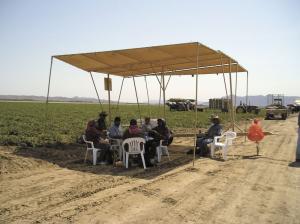
Shade is the next critical step to prevent heat illness.

“Employees should have access to shade, and they should be encouraged to take a cool-down rest in the shade for at least 5 minutes,” Cunha explained. “And employees should not wait until they feel sick to cool down.”

Finally, all ag employers must develop and implement written procedures for complying with the Cal/OSHA Heat Illness Prevention Standard.

 Temperature Triggers

Shade shall be present when the temperature exceeds 80 degrees Fahrenheit. The employer must maintain one or more areas with shade at all times while employees are present that are either open to the air or provided with ventilation or cooling.

The amount of shade present shall be at least enough to accommodate the number of employees on recovery or rest periods so that they can sit in a healthy posture fully in the shade without having to be in physical contact with each other.

The amount of shade present during meal periods shall be at least enough to accommodate the number of employees on the meal period who remain onsite.

The high-heat hazard temperature is 95 degrees or higher. This is when the employees must take a ten-minute preventative cool-down rest period every two hours. Often, farm operations will cease for the day and restart in the morning.

“Farmers, supervisors, packinghouses, farm labor contractors, all of these folks should have their Heat Action Plan ready, and all employers should be aware of it,” Cunha said. “They have to be ready to go, and that crew bosses, managers, foremen are making sure that the workers are getting shade and drinking plenty of water.”

If farm operations need to change their time schedules to accommodate the high temperatures, they need to implement that, as well as making sure that the workers take their proper breaks, and they have a meal.

“Lunchtime is very important for the workers to be nourished and strong,” Cunha said.

When employees are acclimating to the higher temperatures, a buddy system is essential.

“You want to make sure somebody isn’t sweating a lot or beginning to feel nauseated. As workers, they need to be looking out for each other as well. You cannot always depend on the crew boss seeing a problem,” Cunha explained.

Emergency Contacts

In some places, cell phones don’t work, so workers may have to have a two-way radio. Make sure there is a way to call 911 during an emergency. Make sure you have maps posted to where the employees are working, and all the workers know where they’re at.

“If something goes down, they need to call 911, the worker or crew boss needs to say where they’re at—the address, the location, the cross streets,” Cunha stressed.

“The location should be posted on a clipboard to make sure that you have the information there for those employees,” Cunha continued. “That’s very important, to know the procedures.”

“We want all employees to go home safe to their families every night. So farming operations must have heat illness prevention plans in place,” Cunha said.

Farm operations should be sure that a supervisor is in place in all fieldwork and that supervisor must have first aid and CPR training. And if the supervisor leaves the crew for any reason, they must make sure someone is in charge.

First aid and CPR are vital with our farm crews working in the fields or even in the construction industry. Farm labor contractors must be sure that field supervisors are licensed for first aid and CPR.

2019-05-28T17:20:06-07:00May 28th, 2019|

CDFA To Hold Good Ag Neighbors Workshops

Workshop Designed for Produce Growers and Livestock Areas to Promote Food Safety

News Release

In order to facilitate dialogue between different sectors of California agriculture about cooperation to prevent future foodborne illness outbreaks, the California Department of Food and Agriculture (CDFA) is partnering with the University of California and the U.S. Food and Drug Administration (FDA) to bring the livestock and produce communities together for a series of workshops.

The workshops, titled Good Ag Neighbors, are designed for fruit and vegetable growers, livestock owners, and others interested in learning about how produce safety and livestock management practices can work jointly to promote food safety.

The workshops will be held in two California locations, with the first scheduled for June 11 from 9 a.m. to 4 p.m. at the Desert Research and Extension Center in Holtville. The second workshop is scheduled for June 13 from 9 a.m. to 4 p.m. at the Robert J Cabral Ag Center in Stockton.

“Agriculture is complex,” said CDFA Secretary Karen Ross. “This is particularly true in California, where diverse agricultural operations often exist side-by-side, with each of them required to comply with a myriad of regulations designed to protect the public, the environment, and the food supply.”

Karen Ross, CDFA Secretary

Karen Ross, CDFA Secretary

Diversity is extremely important to the fabric of California agriculture. Also important is open communication channels between diverse partners. This has become more apparent with the CDFA’s newly created Produce Safety Program, which is working on behalf of the U.S. FDA to enforce produce safety regulations under the Food Safety Modernization Act.

The workshops will address lessons learned from recent investigations of produce-related foodborne illness outbreaks, examine key research findings, and consider future research needs.

The workshops are being conducted by the UC Davis Western Institute for Food Safety and Security and will include presentations by researchers and industry representatives. The day-long agenda will focus in the morning on reviewing regulations, laws, and practices already in place to protect food and environmental safety, while the afternoon will be spent in various breakout groups examining how these practices can be leveraged.

Participants should come prepared to share their experiences as well as their produce safety questions.

The workshops are offered free of charge. For more information and to register, please visit http://www.wifss.ucdavis.edu/good-ag-neighbors/.

2021-05-12T11:01:47-07:00May 24th, 2019|

Consumer Protection Is Top Priority for LGMA

New LGMA Irrigation Requirements Mean Heightened Food Safety Measures

By Mikenzi Meyers, Associate Editor

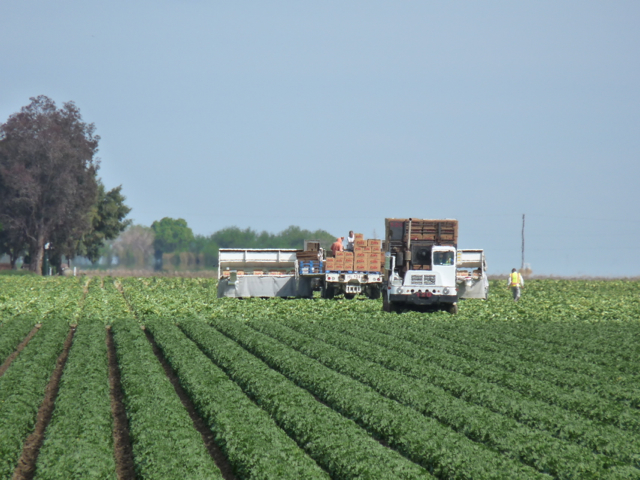
As consumer protection continues to be a number one priority for producers, main pathogen routes are of the utmost importance for guaranteeing safety. The California Leafy Green Marketing Agency (LGMA) is a program that works to continually keep the lettuce industry safe and maintain confidence in food safety programs—but as pathogens begin to evolve, it takes a team effort to combat future threats.

Mike Villaneva, LGMA technical director, told California Ag Today, “It’s been a tough 18 months, and it’s the challenge with these outbreaks … we never really have a good answer about what happened and how it happened.”

In the leafy greens industry, water becomes a focal point in pathogen prevention. “We’ve got 12 years of testing water, and we’re pretty confident of water in the deep wells along the Central Coast, but down south is a different ballgame—that’s open surface water,” Villaneva said.

On April 19th, the LGMA board met and voted to strengthen mandatory food safety practices required on farms. One facet included prohibiting overhead irrigation 21 days prior to harvest unless the water is sanitized.

“They’re looking at some other potential testing and data that could lower that down to 14, but right now they’re sticking with the 21 overhead,” Villaneva said.

The California Leafy Green Marketing Agency continues to show their commitment to ensuring a safe, stable food supply through foodborne illness prevention. More information about the program can be found on their website at www.lgma.ca.gov.

2021-05-12T11:01:48-07:00May 23rd, 2019|
Go to Top