New Ag Labor Bill Introduced

Rep. Ted Yoho Introduces Bipartisan Ag Labor Bill to Solve America’s Ag Labor Shortage 

This week, Congressman Ted S. Yoho (R-FL), a member of the House Agriculture Committee, introduced the “Labor Certainty for Food Security Act,”-HR 6083. The commonsense, bipartisan legislation will bring relief to America’s farmers and ranchers who are struggling to find steady, reliable labor.

The following Representatives are original cosponsors of this bill: Glenn ‘GT’ Thompson (R-PA), Andy Barr (R-KY), Neal Dunn (R-FL), David Rouzer (R-NC), Ted Bud (R-NC), Vicky Hartzler (R-MO), Mike McCaul (R-TX), Mike Kelly (R-PA), Ralph Norman (R-SC) and Ed Case (D-HI).

Congressman Yoho released the following statement:

“Today, we introduced a commonsense plan to end the Ag labor shortage in America.  The Labor Certainty for Food Security Act will bring relief to America’s farmers and ranchers who are in dire need of a steady, reliable labor force. Our nation’s Ag producers, seasonal and year-round, deliver the highest quality food in the world. We are fortunate to live with such abundance.

“To maintain this abundance and low food costs, we need individuals to work the fields, ranches, warehouses, and processing plants. Without a steady, reliable workforce, food prices will increase, and Americans will feel the effects at their local checkout line. If congress does not address this need in a bipartisan, meaningful way, we will either import our labor or import our food.

“I am honored to be joined by my colleagues Reps. Glenn ‘GT’ Thompson, Andy Barr, Neal Dunn, David Rouzer, Ted Bud, Vicky Hartzler, Mike McCaul, Mike Kelly, Ralph Norman and Ed Case, who understand the importance of this issue and the needs of America’s Ag community.

“As our efforts gain momentum, it is important to remember that this is not a partisan issue. When Republicans and Democrats come together to provide our Ag producers with the workforce they need to feed America and the world, it benefits everyone.” 

Overview: Ag Reforms for the ‘Labor Certainty for Food Security Act’

2020-03-06T08:57:53-08:00March 6th, 2020|

Almond Pollination is Going Strong Throughout California

Keeping Bees Safe and Healthy During Almond Pollination

By Patrick Cavanaugh, Editor

It’s always good to think about those working bees in almond orchards, said Becky Langer the project manager for the North American Bayer CropScience Bee Health Program.

“Bees continue to face multiple challenges and that’s not necessarily new information. I think what we see though as people are getting a better grasp of awareness that pest and diseases continue to be a huge problem in those beehives,” said Langer. “Beekeepers are working very hard to monitor and control those.”

“We know forage and habitat continue to be a huge challenge. We have climate change, which can affect those wild flowers blooming in California during the drought years and then we know that the beekeepers and growers have to continue to communicate with one another, and use all those products according to label.,” she said.

And for almond growers, it’s a good idea if you can the plant a variety of different forages around the orchard, different species of flowers for instance. “That can be a great idea because we know those bees have to eat, and if we can have something blooming year round, it’s the best way to keep the pollinators healthy,” said Langer


“They also like diversity in different plant species, different colors, different size flowers. You want them to pollinate your crop, but if you’re offering some alternative resources in the area that keeps them better fed and happier pollinators, which will make better pollinators for the crops,” Langer said.

Langer reminds growers to read those product labels. “This again is going to help to provide a much healthier environment for the pollinators and it’s going to keep the grower in the good graces of the beekeepers too,” she noted

2020-02-28T10:45:52-08:00March 4th, 2020|

Pistachio Extracts Found to Have Anti-Viral, and Anti-Biotic Power

Antimicrobial Effects of U.S. Pistachio Extracts Shown to Prevent Growth of Bacteria and Viruses 

Initial findings point to extracts’ potential role in the development of novel medical treatments


Once just a snack, pistachios possess extracts that have been shown to stop the growth of Staphylococcus aureus, MRSA, Listeria and Herpes simplex virus (HSV-1) — important findings amid growing antibiotics resistance and the increased need for new medical treatments.

In a study published this month in Plants1, researchers at the University of Messina in Italy discovered that polyphenols, health protective compounds found in plant foods, from pistachios grown in the United States have antiviral effects on HSV-1 and can, at their highest concentration, result in the complete reduction of the virus in lab settings.

Given these results, researchers concluded that pistachio extracts could become great candidates for the development of novel topical or oral drug formulations for the treatment of HSV-1 infections either alone or in combination with standard antiviral therapies.

Previously, University of Messina researchers and researchers from the Institute of Food Research in Norwich, UK, also found that polyphenol-rich extracts from pistachios have a strong bactericidal effect against Gram positive bacteria, including many clinical strains of the disease-causing Staphylococcus Aureus, MRSA strains and Listeria monocytogenes2,3, which could prove helpful in food safety applications or as a topical treatment for S. aureus (MRSA).


Both Staphylococcus aureus and methicillin-resistant S. aureus (MRSA) are responsible for a range of skin, respiratory and bone joint infections, endocarditis, bacteremia and toxic shock syndrome. HSV-1 causes oral herpes and is generally responsible for cold sores and fever blisters around the mouth and on the face.


The Plants study highlighted that cultures were infected with the HSV-1 virus and treated with different concentrations of pistachio extract. The highest concentration of the extract resulted in the total reduction of the virus. In earlier studies, researchers prepared polyphenol rich extracts from roasted and raw pistachios. These extracts were tested on a number of bacterial cultures to determine their bactericidal strength. Staphylococcus aureus and L. monocytogenes were the most susceptible strains.

“Pistachio extracts could provide a novel topical or oral treatment against HSV-1 infections (Herpes simplex), as well as a novel strategy to overcome problems related to drug-resistant strains,” said University of Messina’s, Dr. Giuseppina Mandalari. “Researchers are optimistic that the bactericidal activity of pistachio extracts could be used to help control the growth of some microorganisms in foods potentially leading to improved food safety and as an application for the topical treatment of Staph. aureus.”

Further studies are needed to confirm that results from recent studies can be translated in a clinical setting with humans, and while this research continues to explore the potential for concentrated pistachio extracts in pharmaceutical applications, snacking on whole pistachios can make a beneficial contribution to health, since pistachios are high in copper and manganese, and a source of selenium, zinc, riboflavin and vitamin E, which contribute to the protection of cells from oxidative stress. Pistachios are also high in vitamin B6 and a source of folate and iron which contribute to normal function of the immune system.

Traditional medicines based mostly on medicinal plants have been used for the treatment of various diseases by mankind for centuries, but plants can also be rich sources of biologically active compounds. The antibacterial properties of plant-derived compounds continue to be explored, mainly in view of increased antibiotic resistance both in community-acquired infections and those acquired in hospitals and healthcare settings. As more disease-causing bacteria become resistant to usual treatments, researchers will continue to look to new sources for medicines.


2020-03-01T12:47:05-08:00March 2nd, 2020|

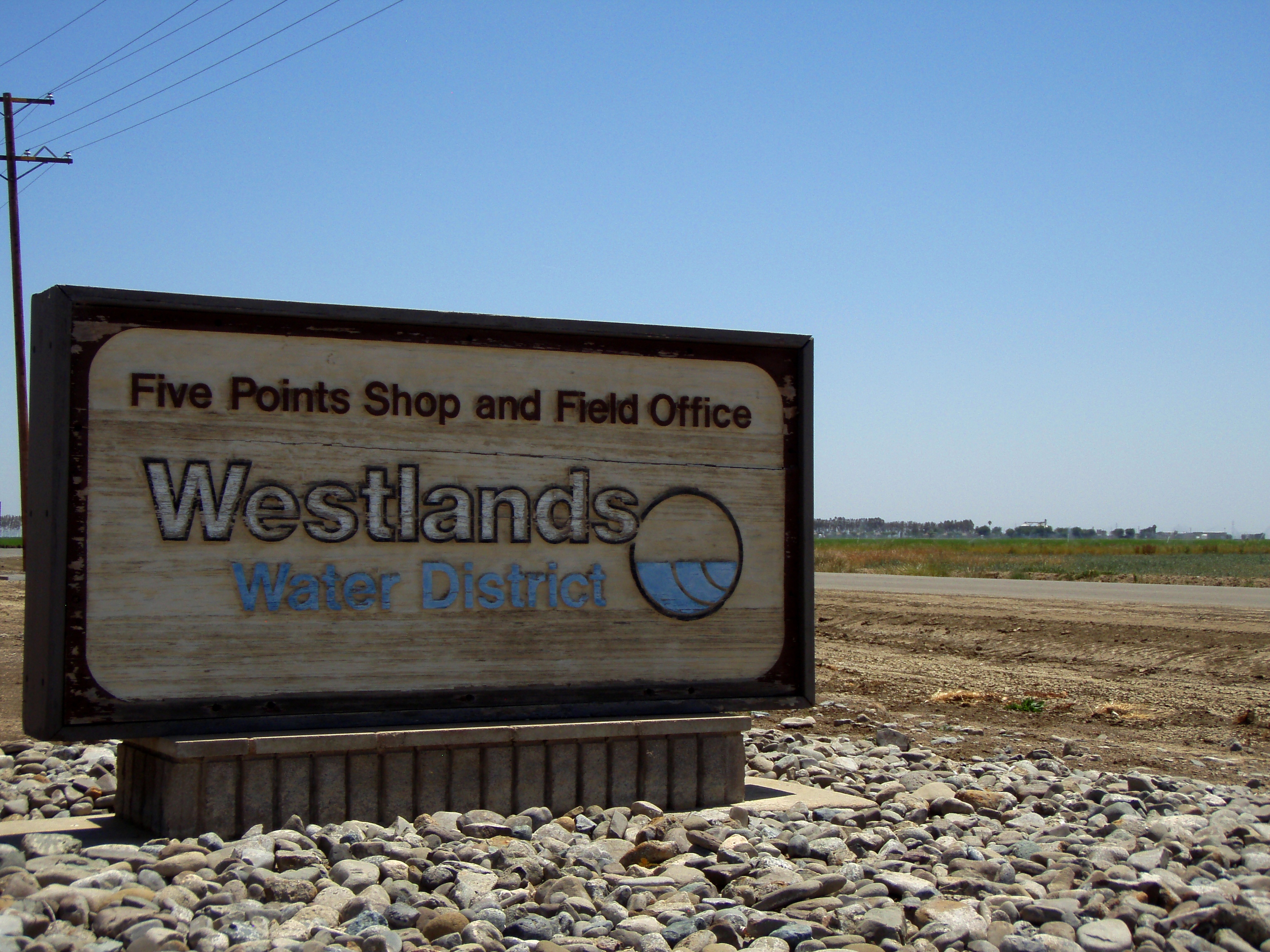
Westlands Water Service Contract To Pay Applicable Charges

Statement from Thomas Birmingham, General Manager of Westlands Water District, on the Execution of the District’s Repayment Contract

Today,  Westlands Water District and the Bureau of Reclamation signed Irrigation and M&I Contract No. 14-06-200-495A-LTR1-P, which converted Westlands’ water service contract to a repayment contract, which will remain in effect so long as the Westlands pays applicable charges, consistent with section 9(d) of the Reclamation Act of August 4, 1939. 
Westlands was one of more than 75 water agencies that contract with the United States for the delivery of water service from the Central Valley Project that elected to convert their water service contract to repayment contracts pursuant to section 4011 of the Water Infrastructure Improvements for the Nation Act. 
The effective date of Westlands repayment contract will be June 1, 2020. Prior to that date, Westlands will continue to receive water under an interim renewal contract.
 
When President Barack Obama signed the WIIN Act in 2016, it was with the express intent of improving the nation’s water infrastructure, especially in the western United States. Section 4011 (a)(1) of Subtitle J of the Act provides that the Secretary of the Interior shall convert water service contracts to repayment contracts at the request of any existing water service contractor.
 
Section 4011 was included in the WIIN Act to create a source of money that the Bureau of Reclamation could use to construct water storage projects around the west. It was intended by the Act’s co-author, Senator Dianne Feinstein, to help California “prepare for [that] future while providing us with access to more water now.” When President Obama signed the bill into law, he stated that, “This important partnership has helped us achieve a careful balance based on existing state and federal law.”
 
Converting “temporary” water service contracts to “permanent” repayment contracts is not uncommon. In fact, an underlying principle of federal Reclamation law — that water users who have repaid the construction costs of a project would have a permanent right to the use of water developed by a project — has been reaffirmed by Congress multiple times since it was first laid out in the Reclamation Act of 1902.
In the Central Valley Project, the San Joaquin River Restoration Settlement Act directed the Secretary of the Interior to convert water service contracts in the Friant Division to repayment contracts to generate revenue for the San Joaquin River restoration program, and those water service contracts were in fact converted to repayment contracts.
According to the Bureau of Reclamation, as of October 2019 more than 75 agencies that had “temporary” water service contracts to receive Central Valley Project water, including the State of California Department of Fish and Wildlife, have exercised the option provided by the WIIN Act to convert their contracts to “permanent” repayment contracts. The contract terms proposed in the repayment contracts for Westlands and other Central Valley Project contractors under the WIIN Act are nearly identical to those in the Friant Division repayment contracts.
 
Further, as President Obama also noted, the provisions of Subtitle J of the WIIN Act were intended to help meet California’s long-term water needs, helping to “assure that California is more resilient in the face of growing water demands and drought-based uncertainty.” In the case of Westlands’ contract conversion, like all contract conversions done before or after, it offers a win-win for all parties.
The Westlands contract conversion will accelerate payment of approximately $200 million to the federal government years before payment otherwise would be due. This money, pursuant to the WIIN Act, will be placed in the Reclamation Water Storage Account to be used for the construction of water storage and supply projects that can benefit all Central Valley Project purposes.
2020-02-28T13:01:13-08:00February 28th, 2020|

CDFA Requests Proposals on Increasing Export Trade

Request for Proposals for Calif. State Trade Expansion Program (STEP) Supporting Growth for California Small Business

The California Department of Food and Agriculture is accepting proposals for the California State Trade Expansion Program (STEP) – a federally funded grant program of the U.S. Small Business Administration to increase exports activities among small businesses.  Funding associated with this program will support trade development and enhancement activities that help small businesses enter or expand their exporting activity to foreign markets.

As the program administrator, CDFA is seeking project proposals from qualified entities to conduct export development activities in foreign markets to assist California businesses in trade expansion. Activities may include foreign trade missions and trade show exhibitions. Suitable promoted product categories include but are not limited to: aircraft /automotive parts; construction; manufacturing equipment/technology; medical devices; pharmaceuticals; health and beauty; food and agricultural products; and green/sustainable technologies.

Grant funds will not be awarded for projects that directly benefit or provide profit to a single organization, institution or individual. Federal funding is dependent on a competitive grant award by the U.S. Small Business Administration to the State of California. Total available federal funding for California activities is estimated at $900,000.

Applications must be submitted via email to grants@cdfa.ca.gov no later than March 6, 2020, 5:00 p.m. (PDT). Further information on the grant program, including timeline and application criteria, are available at https://www.cdfa.ca.gov/grants/.

Interested applicants are encouraged to attend the STEP webinar on February 26, 2020 at 1:30 p.m. (PDT).  There is not a cost to attend, however, space is limited, and applicants must register in advance. To register, email grants@cdfa.ca.gov with your name and contact information. Further details will be provided with confirmation of registration.

The STEP Program is a partnership between the Governor’s Office of Business and Economic Development (GO-Biz), the Inland Empire Center for Entrepreneurship, California State University, San Bernardino, the Los Rios Community College District Center for International Trade and Development and CDFA. The program brings together state, federal, private and non-profit trade promotion organizations to promote export activities among targeted industries. California STEP is funded in part by a U.S. Small Business Administration Grant.


2020-02-28T10:54:35-08:00February 28th, 2020|

Teaching Ag Technology in High School

Lemoore High School Launching Ag Technology Program

By Tim Hammerich, with the Ag Information Network

A new agricultural technology program is launching at Lemoore High School by Ag Teacher Shane Souza.

“The next level of maintenance mechanic or agricultural mechanic is going to be part welder, port electrician, part mechanic, and then part computer programmer, said Souza.So they’re going to have to deal with so many of the new technologies that we’re finding in ag nowadays.”

Souza would know. He spent the first part of his career working in industries such as dairy processing and energy. He pivoted his career to teaching ag after noticing how hard it was to find employees with relevant skills. Now he’s building a program that combines traditional ag mechanics with automation, robotics, and computer programming.

I teach Ag Mechanics 1 and Ag Mechanics 2, which is the entry-level intro class, and then the ag mechanics do is the intro to welding, just because those skills are so universal, no matter where you go. And then the students have a choice, noted Souza. They can either continue going on with welding and fabrication or they’re going to branch off and they’re going to go into the ag technology side.”

Souza plans to develop relationships with local employers looking for these skills to create post-graduation opportunities for students. One of his ag technology courses even allows for college credit through a dual enrollment program with West Hills College.

“Agriculturalists were the original engineers. You know, they found ways on farms to help make their lives easier or more efficient. And I push that hard with my kids that, you know, everyone’s an engineer, noted Souza. If you’ve ever found a way to make something easier, you need to find a way to do that. And agriculture is no exception to that at all.”

2020-02-20T08:01:16-08:00February 26th, 2020|

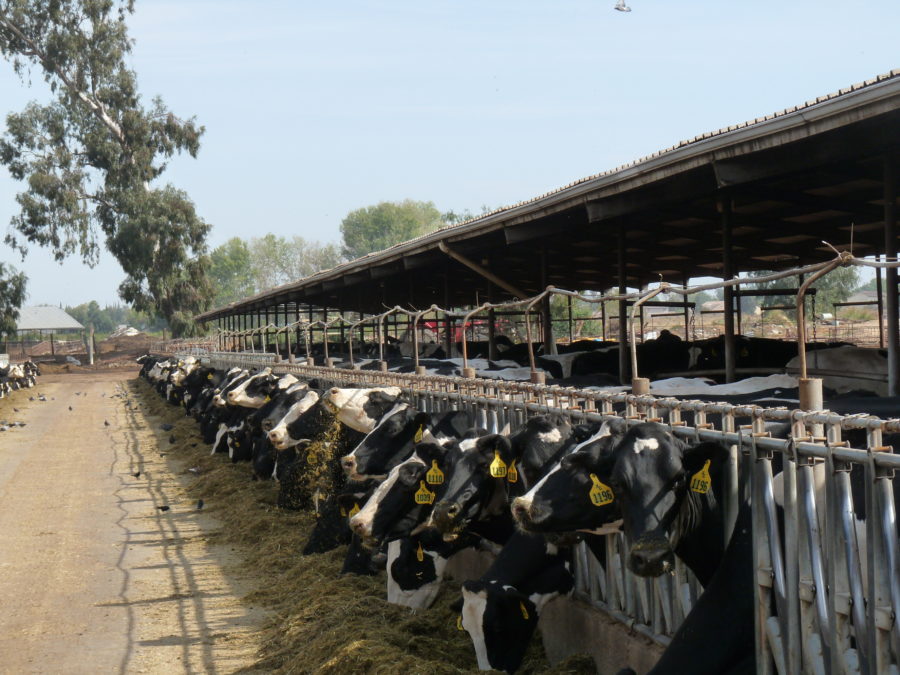
Dairy GHG Emissions Falls Dramatically

Dairy Greenhouse Gas Emissions Reduced by 45 Percent Over Last 50 years


By David Sparks, with the AgInformation Network

New research published in the Journal of Dairy Science finds the climate footprint of milk production in California has been significantly reduced over the past 50 years (1964 to 2014).

The amount of greenhouse gas emissions produced per unit of milk was reduced by more than 45 percent. Scientists at the University of California, Davis conducted a life cycle environmental assessment (cradle to farm gate) of California dairy farm production, using the latest scientific models and international research standards.

The study’s key findings are as follows:

The amount of greenhouse gas emissions per each unit of milk (e.g. glass or gallon) produced has decreased more than 45 percent, due to increased milk production efficiency, including improved reproductive efficiency, nutrition, comfort, and overall management.

The amount of water used per unit of milk produced has decreased more than 88 percent, primarily due to improved feed crop production and water use efficiency.

Dramatically improved feed crop production and utilization of agricultural byproducts have led to significant reductions in the amount of natural resources used to produce each unit of milk, including, land, water, fossil fuels, and energy.

Technology on the rise in the field–and the farm office

A recent agricultural-technology summit in Modesto focused not just on the flashy, but also the mundane. One farm-tech officer spoke of the need to use technology to track finances in real time, as a way to help farmers make more informed decisions about money. Getting the next generation interested in the business is the focus of one educator who helps teens find internships with equipment makers.

2020-02-19T19:26:43-08:00February 26th, 2020|

Bureau of Reclamation Official Announce on 15% Initial Allocation


15% Initial Allocation is based on Less Than Average Rain and Snow

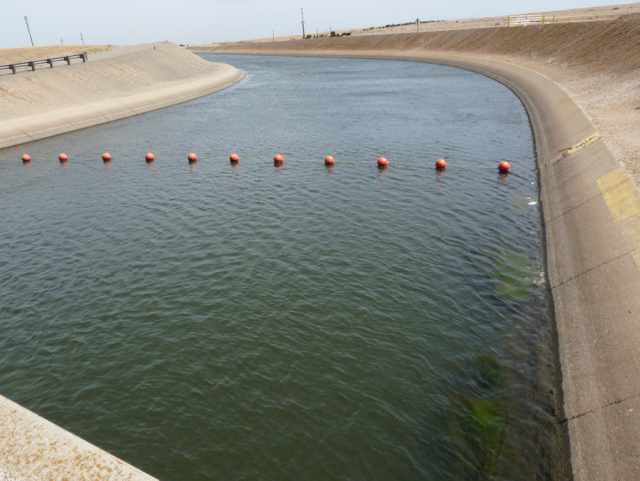
The Bureau of Reclamation today announced the initial 2020 water supply allocation for Central Valley Project contractors will be 15%. Allocation amounts are based on an estimate of water available for delivery to CVP water users and reflects current reservoir storages, precipitation, and snowpack in the Central Valley and Sierra Nevada.

“Today’s allocation comes on the heels of an operations plan signed last week, underscoring the Trump administration’s commitment to bringing a sustainable and reliable water supply to California’s Central Valley. While that operations plan is based on the best available science and maximizes water supplies, we still face significant uncertainty due to legal challenges,” said Reclamation Commissioner Brenda Burman. “Despite the hurdles brought on by litigation from the state and others, we remain committed to providing reliable water for families, farms, cities and the environment.”

California benefited from wet weather and significant snowpack in late 2019, but precipitation and snowpack have been below average so far in 2020. The California Department of Water Resources reports that as of February 24, statewide average snow water content in the Sierras was just 41% of the April 1 average. Current Northern Sierra precipitation is about 51% of the seasonal average.

“After a promising start to our precipitation season, January and February turned much drier than average,” said Reclamation’s California-Great Basin Regional Director Ernest Conant. “Fortunately, our project reservoirs are still hovering above average thanks to the wet winter last year, but with little precipitation in the forecasts, we must remain cautious with supplies and allocations this early in the year.”

Shasta Reservoir’s 4.5 million acre-feet capacity represents the majority of CVP water storage. Water from Shasta is used for many purposes, including contractor supply for north and south of the Sacramento-San Joaquin River Delta, as well as ensuring adequate temperatures can be maintained downstream of the dam throughout the summer and fall for threatened and endangered species. Currently, reservoir storage is above the historic average for this time of the year. However, runoff forecasts still predict that overall storage might be limited if typical spring precipitation does not materialize.

“While we’re constrained by the water nature provides, our new CVP operations plan will improve operations to maximize water supplies,” Conant said. “We recognize the importance of providing meaningful allocations early in the year, especially for our agricultural contractors’ planning needs.”

Given the low snowpack and low projected runoff this spring and summer, Reclamation is announcing the following initial allocations:

North-of-Delta Contractors (Including American River and In-Delta Contractors)

  • Agricultural water service contractors North-of-Delta are allocated 50% of their contract supply.
  • Pursuant to Reclamation’s M&I water shortage guidelines, M&I water service contractors North-of-Delta (including American River and In-Delta Contractors) are allocated 75% of their historic use or public health and safety needs.
  • The Sacramento River Settlement Contractors are allocated 100% of their contract supply.

Eastside Water Service Contractors

  • Eastside water service contractors (Central San Joaquin Water Conservation District and Stockton East Water District) will receive 100% of their contract total.

South-of-Delta Contractors

  • Agricultural water service contractors South-of-Delta are allocated 15% of their contract supply.
  • M&I water service contractors South-of-Delta are allocated the greater of 65% of their historic use or public health and safety needs.
  • The San Joaquin River Exchange Contractors and San Joaquin Settlement Contractors are allocated 100% of their contract supply.

Wildlife Refuges

  • Wildlife refuges (Level 2) North- and South-of-Delta, which also have allocations subject to pre-established Shasta inflow criteria, are allocated 100% of their contract supply of 422,000 acre-feet.

Friant Division

  • Friant Division contractors’ water supply develops in the Upper San Joaquin River Basin Watershed and is delivered from Millerton Lake through Friant Dam to the Madera Canal and Friant-Kern Canal. The first 800,000 acre-feet of available water supply is considered Class 1; and Class 2 is considered the next amount of available water supply up to 1.4 million acre-feet. Given the current hydrologic conditions, Reclamation determined that Friant Class 1 initial allocation will be 20% and Class 2 will be 0%.
  • For the San Joaquin River Restoration Program, Reclamation is currently forecasting a “Critical-High” water year type, providing for 70,919 acre-feet to be used for Restoration Program purposes.

In addition to the 2020 initial CVP water allocation, several South-of-Delta and Friant Division contractors are rescheduling unused water from 2019 supplies into 2020. That water is being stored in San Luis Reservoir and Millerton Lake. The option to reschedule (carry over) water in San Luis Reservoir and Millerton Lake from one contract year to the next has been available to the water service contractors since the early 1990’s. That carry over option was instituted after a series of dry years in the early 1990’s to encourage conservation and best water management practices.

Reclamation notified the Sacramento River Settlement Contractors, San Joaquin River Exchange Contractors, San Joaquin Settlement Contractors, and Refuge Contractors that the forecasted inflow to Shasta Lake is currently greater than 3.2 million acre-feet and we are not currently in a “Shasta Critical” year as that term is defined in their contracts.

As the water year progresses, changes in hydrology and opportunities to deliver additional water will influence future allocations. Water supply updates will be made as appropriate and posted at https://www.usbr.gov/mp/cvp-water/index.html.

2020-02-25T13:03:30-08:00February 25th, 2020|

Feds Initial Allocation is only 15 Percent

Westlands Water District Statement on 2020 Initial Allocation


Today the Bureau of Reclamation announced that the initial 2020 allocation for south-of-Delta Central Valley Project (CVP) agricultural water service contractors is 15%. Needless to say, Westlands Water District wishes it were higher, and the District is confident that Reclamation would have provided a higher allocation if existing conditions would have allowed it.

It is likely many people will question a 15% initial allocation considering President Donald J. Trump’s recent remarks concerning new biological opinions issued for coordinated operations of the CVP and State Water Project (SWP). Without question, those new biological opinions restore operational flexibility to the CVP and SWP, while at the same time providing more protection for listed species.

Indeed, if those biological opinions had been in effect in 2019, the projects would have been able to conserve more than an additional one-million acre-feet of water. That is enough water to irrigate 300,000 acres of land or serve more than 2 million households in urban areas served by the CVP and SWP. However, 2019 was a wet year, and unless California begins to experience significantly more precipitation, both in the form of rain and snow, 2020 will ultimately be classified as a dry or critical year. Even with the new biological opinions, Reclamation cannot allocate water that its operations forecast indicates will not be available.

Despite the lack of precipitation, it should be noted that the new biological opinions have benefited farmers in the San Joaquin Valley. The 2020 water year is shaping up to be very similar to 2009, a critically dry year. In 2009, south-of-Delta CVP agricultural water service contractors received a 10% allocation, and that allocation did not come until April. Comparatively speaking, a 15% allocation in February is good news.

Westlands staff will continue to work with Reclamation and other CVP contractors to analyze hydrologic and environmental conditions in hopes the allocation can be increased as early as practicable.


Statement by California Farm Water Coalition Executive Director Mike Wade  
on the Initial Allocation Announcement by the Bureau of Reclamation

“Today’s announcement by the Bureau of Reclamation of a 15 percent initial allocation for water supplies south of the Delta is clearly the result of the dry hydrology California is experiencing. February is shaping up to be possibly the first time in recorded history without any measurable precipitation. That alone is evidence that California may be on the leading edge of another drought.

“These dry conditions are similar to what we saw in 2009. For months farmers were not given an allocation amount and told they may get zero water. In April of that year, well past the time to make effective planting decisions, the allocation was set at 10 percent.

“The new biological opinions implemented last week are already making a difference by allocating 15 percent in February. We’re obviously hopeful that allocations will rise, but we’re pleased to be off to a better start than we were under the old operating rules.

“Had the new biological opinions been in place last year we believe an additional 1 million acre-feet of water could have been stored for use this year, delivering more water and offering better species protection, based on what we’ve learned over the past 10 years studying the Delta and its tributaries.

“That kind of operational flexibility is essential for California to remain the nation’s leading farm state and to continue to produce more than half of the fruits, nuts, and vegetables grown in the U.S. as well as vast amounts of dairy, beef and nursery products.”


2020-02-25T12:41:26-08:00February 25th, 2020|

AgTech Innovation Continue Advancement

AgTech Innovators Compete At Radicle Challenge By Corteva

Five Agtech Innovators Selected from Across the Globe to Compete for $250k in Funding at the Radicle Challenge by Corteva Pitch Day at World Agri-Tech

Innovators Across Water Risk Analytics, Genetic Detection, Early Disease Detection, Autonomous Robots and Soil Microbes Chosen as Finalists from the Largest Ever Pool of Applicants to a Radicle Challenge; to Pitch at the World Agri-Tech Innovation Summit

Radicle Growth, an acceleration platform for early-stage ag and food technologies, today announced the five entrepreneurs who have been invited to compete at the Radicle Challenge by Corteva Pitch Day competition taking place March 16, 2020 in San Francisco at the World-Agri-Tech Innovation Summit.

The Radicle Challenge by Corteva at World Agri-Tech called on entrepreneurs with technologies across the agricultural landscape who are solving problems with breakthrough technology solutions. The winner will be awarded a$250k investment, access to Radicle’s company-building platform, and the opportunity to engage with Corteva technology leaders to help shape, validate and refine their technology using virtual or actual on-the-farm assessments. It will also present on stage at the summit’s acclaimed Technology Showcase, to an audience of 1,500 agribusiness leaders.

“In just five weeks, we had our largest pool of applicants ever for a Radicle Challenge from across the globe. This confirms that entrepreneurs are hungry not only for the funding to advance the development of their technologies, but also for invaluable coaching and hands-on refining of their technology from some of the biggest names in agriculture,” said Kirk Haney, Managing Partner, Radicle Growth. “Where traditionally we see the highest concentration of applicants in digital ag technologies, we saw more entries than ever before in novel farm systems and biologicals and close to 65% from outside of the U.S. We look forward to having all of these rising stars in one room next month to pitch to our panel of judges.”


The finalists are:

  • Aquaoso: a SaaS water risk analytics company dubbed the “credit score for water,” which helps ag lenders, investors, growers and shippers understand the financial impacts of water risk on operators.


  • Holganix: a liquid soil treatment that contains a consortium of 800+ microbes to drive yield, soil health and reduce the need for pesticides and fertilizers.


  • Nanobio Designs: a handheld device that uses self-assembling nanoparticles to test for the presence of GMOs.


  • Scanit Technologies: An in-field platform (for indoor or outdoor growers) to detect plant pathogens when they are airborne and before they infect plants.


  • SwarmFarm Robotics: Commercially available robots for autonomous agriculture.


Companies will be evaluated by a panel of esteemed judges, including: Corteva’s CTO, Neal Gutterson, Nutrien’s Chief Corporate Development and Strategy Officer, Mark Thompson, Corteva’s Senior Vice President & Chief Information Officer Debra King, Microsoft’s Director of Agriculture, Claudia Roessler, Fall Line Capital’s Co-Founder and Managing Director, Clay Mitchell, DCVC’s Managing Partner, Kiersten Stead and Radicle Growth’s Managing Partner, Kirk Haney. The winner will be announced March 17th at the World Agri-Tech Innovation Summit, the day after the Pitch Day Competition.


For more information on the Radicle Challenge by Corteva at World Agri-Tech, visit www.worldagritechusa.com/radicle-challenge


2020-02-25T09:31:54-08:00February 25th, 2020|
Go to Top