Corona Virus Disaster Help is On The Way For Farmers

Congressman Harder Successfully Includes Farmers in Corona Virus Disaster Emergency Grants Program


 After leading a bipartisan effort alongside over 80 of his colleagues, Representative Josh Harder (CA-10) announced that farmers are now explicitly qualified to receive emergency aid assistance under the Small Business Administration’s (SBA) Economic Injury Disaster Loan (EIDL) program. This is due to the Corona Virus disaster. This change will allow farmers to access up to $10,000 in grants and $2 million in super low-interest loans.

“Farmers all over the Valley are losing contracts and worrying about their financial future – we all have to eat so this is something everyone should care about no matter their political party,” said Rep. Harder. “Some bean-counting bureaucrat decided farmers should be kept out of this program – but we fought back and won. I look forward to working with our farmers to make sure they get this vital funding.”

“Given the essential role family farms and ranches fulfill in maintaining food supplies, it makes sense to give them as many options as possible for sustaining their businesses during this highly uncertain time,” said California Farm Bureau Federation President Jamie Johansson. “We appreciate inclusion of agricultural enterprises in the Economic Injury Disaster Loan program and will work to make sure our members have the information they need to participate.”

“Yesterday’s changes to PPP and the EIDL program are critical steps for removing the obstacles dairy producers and other farmers face when trying to access COVID-19 small-business support,” said Jim Mulhern, President and CEO, National Milk Producers Federation. “We are especially pleased that Congress made clear that farmers are eligible for disaster loans through the EIDL program, and thank Congressman Harder for leading a bipartisan effort to secure these changes. We look forward to continuing to work with him to provide California’s Central Valley dairy farmers the support they need during the pandemic and beyond.”

Rep. Harder’s office was contacted by dozens of farmers concerned about their financial futures after many lost contracts to supply schools and restaurants. In response to these concerns and an unnecessary bureaucratic decision to exclude farmers, Rep. Harder led the effort to ensure they’re included.

The CARES Act expanded the EIDL program to enable small businesses – including farmers –  to access immediate, emergency grants. Following the bill’s passage, SBA issued guidance making small farm operations eligible for assistance through its Paycheck Protection Program but excluded them from EIDL loan or grant eligibility.
2020-04-24T11:44:29-07:00April 24th, 2020|

The Reason Farmers Are Destroying Crops Etc. During COVID Crisis

Why Are Farmers Destroying Crops While Store Shelves Are Empty?


By Pam Kan-Rice UCANR Assistant Director, News and Information Outreach

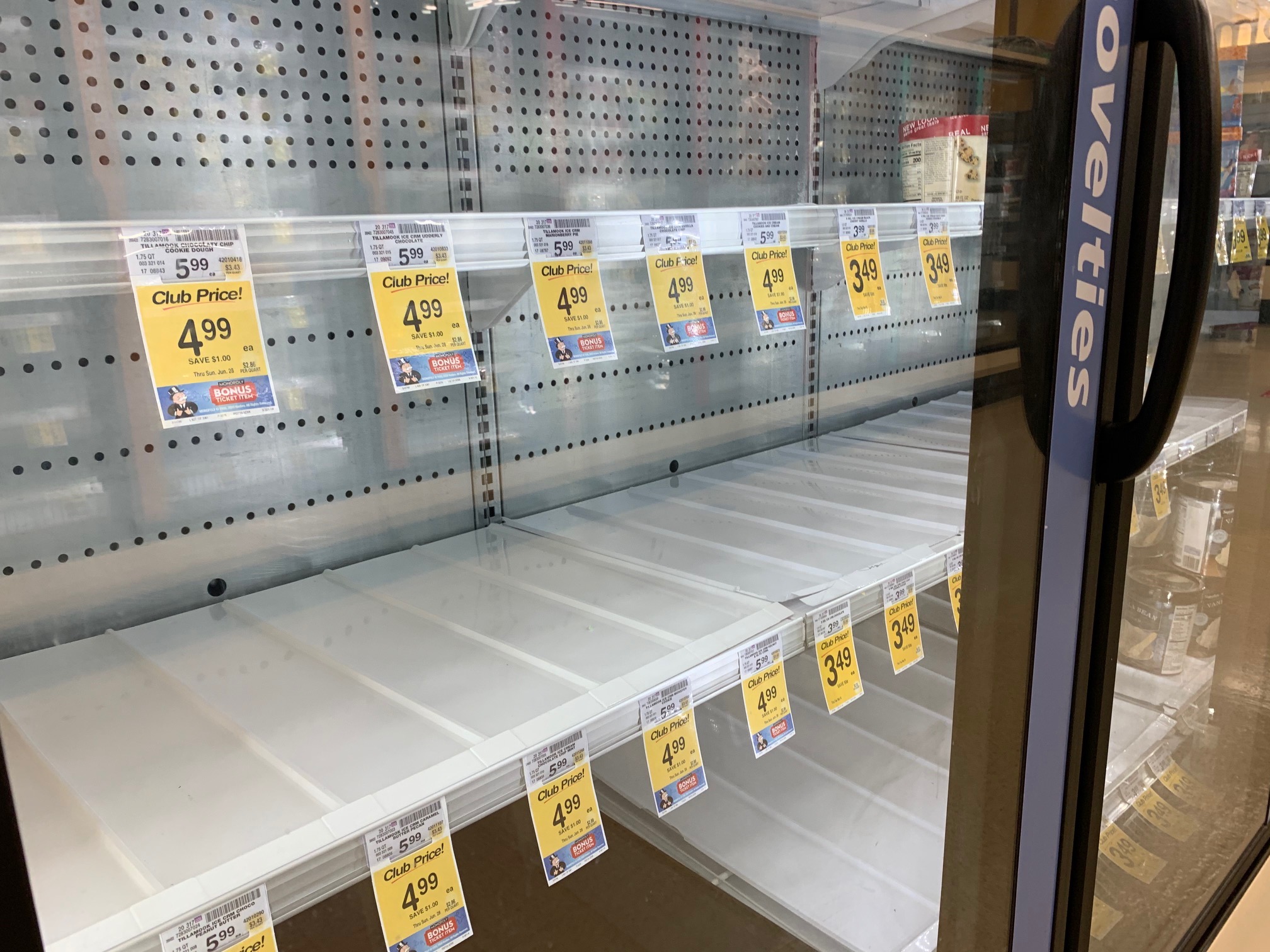
Empty grocery store shelves are troubling enough to California consumers who are accustomed to abundant supplies. To hear about farmers dumping milk, crushing eggs and plowing under crops when demand for food is strong just doesn’t make sense to most consumers.

Although the new coronavirus crisis has currently derailed the connection between supply and demand, “the food system in the United States is resilient and there is little reason for alarm about food availability,” write University of California agricultural economists.

Overall, neither food consumption nor the amount of food supplied by farms have changed much, they write in a new article published by UC’s Giannini Foundation of Agricultural Economics. The authors explain that the sudden closure of schools, restaurants and other institutions, coupled with residents in many states sheltering in place to reduce the spread of COVID-19, has disrupted normal patterns of where people buy food.

“Price changes, surpluses and shortages along the food supply chain are likely the result of recent and temporary shocks to supply, demand or both,” said co-author Ellen Bruno, UC Cooperative Extension specialist in the Department of Agricultural and Resource Economics at UC Berkeley.

“On the demand side, we have seen customers shift to buying more food at the grocery store as restaurants and other food service businesses have closed. Plus, consumers have changed what they consume and stockpile during these times,” she said.

Initially, worried consumers stocked up on staples such as rice and pasta that store well. Then, with more free time, they started cooking at home and baking their own bread and pastries, buying up eggs, flour, sugar and other baking supplies.

“On the supply side, there are challenges in trying to rearrange production and packaging to service grocery stores, as opposed to restaurants, schools, etc. which often purchase items in different quantities,” Bruno said. “Plus, there are the obvious health concerns and potential disruptions due to the impact of the virus on the workers themselves.” 

How quickly the food supply system will adapt to changing demand depends on the product, according to Bruno and her co-authors Richard J. Sexton, UC Davis professor, and Daniel A. Sumner, director of the UC Agricultural Issues Center and UC Davis professor, both in the Department of Agricultural & Resource Economics.

Canned fruits and vegetables are often processed shortly after harvest and can be moved from storage to retail fairly quickly. To increase egg production, farmers have to add to the number of laying hens, which takes months. Many perishable produce items are planted, harvested, packed and shipped according to a precise schedule to replenish grocery store inventories “just in time” so farmers can’t quickly increase the amount of fresh fruit and vegetables they supply.

Produce Isles are Full Across the country

Produce wholesalers who sell to food service have products and packaging specifically designed for that market. For example, packing plants that prepare large bulk salad packages for restaurants aren’t set up to pack salad into retail-ready bags that require consumer labels. While adjustments were made, some fresh produce rotted or was plowed under.

After the COVID-19 disruption ends, the authors expect the food supply chain to evolve as the economy gradually recovers.

“In the longer term, even after restaurants and the food service industry are back and running, reduced incomes due to the recession will change our consumption patterns,” Bruno said. “Demand for food consumed at home doesn’t change much with income, but demand for food at restaurants does. In many ways, food service and the growers that supply directly to food service will be hardest hit by all of this because they suffer both in the short run with mandatory closures and in the long run with an economic recession.”

Although it’s uncertain how long the pandemic will last, the authors say Americans will have an adequate supply of safe, healthy food.

“Despite these disruptions, overall our food supply chain is robust and adaptable,” Bruno said. “Nothing in the underlying economics suggests that there will be a lack of food available.”

To read “The Coronavirus and the Food Supply Chain,” visit https://bit.ly/covidimpactonfood

2020-04-22T20:08:51-07:00April 24th, 2020|

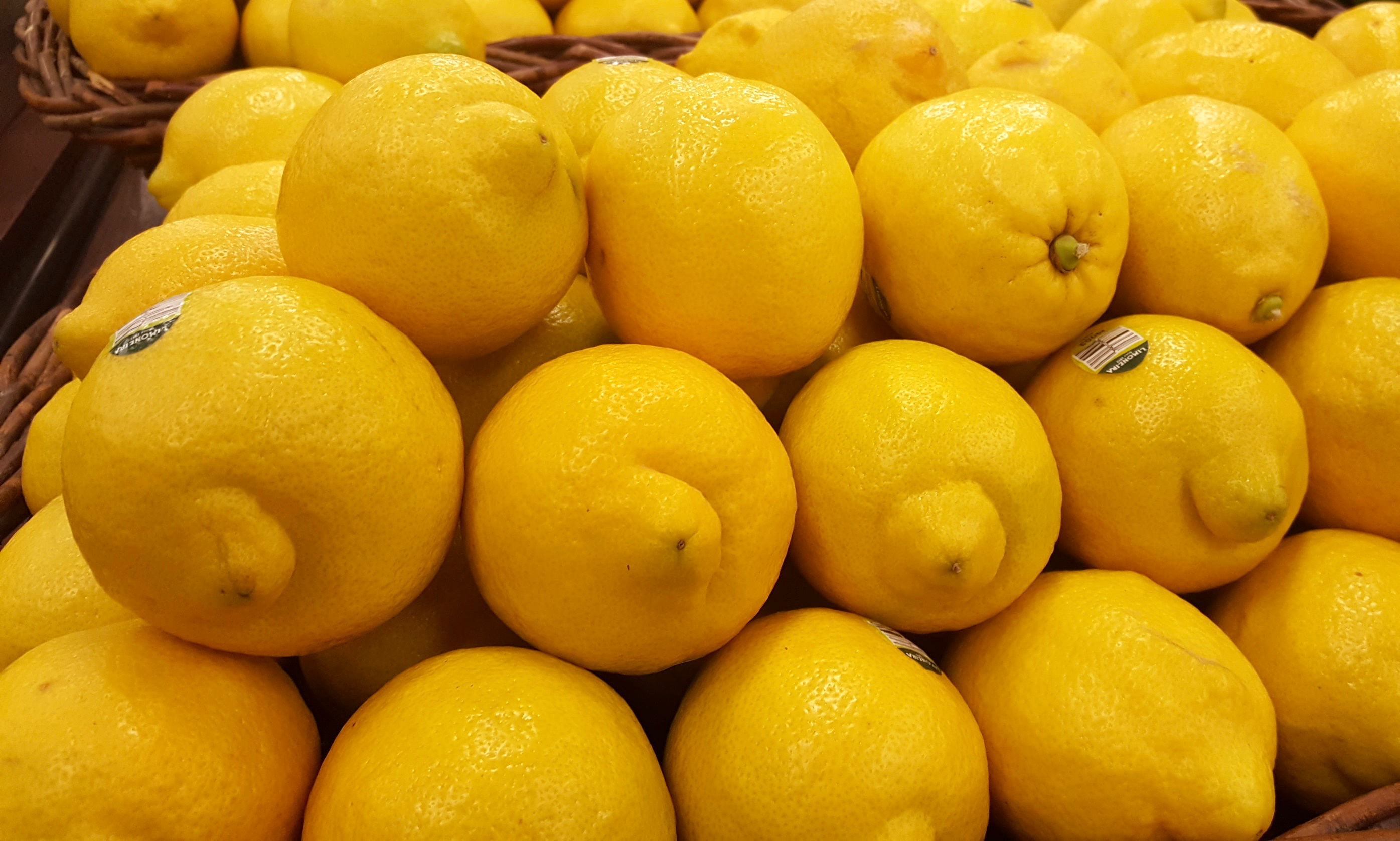
Tough Market for California Lemons


Lemons are Ready, but Markets are Not

By Tim Hammerich, with AgInfo.Net

Recent weeks have been tough for the restaurant and food service industries, and for the farmers that supply them. This could not come at a worse time for the California lemon industry, who harvests this time of year and relies on these markets.

Chris Sayer is a lemon producer in Ventura County. “It’s raining. Hopefully this delay of a week will allow them to start to clear the packing house out and then maybe we can get moving on selling some fruit. About half the lemons go to restaurants. And witch that shut down and this being the peak of lemon harvest season, basically all the storage is at capacity and they can’t pick more unless they sell or dump something to get things moving again.”

Without restaurant demand and very little processing or long term storage capability, packers and producers like Chris are left with very few options.

“Usually Ventura County gets picked over the course of about six or eight weeks. I mean, we’re already a little bit behind.,” said Sayer. “I would say that I’ve probably got two more weeks before we start losing fruit, either just from dropping or just sort of gets overripe. And of course, even once we get it harvested and into storage, you know, prices are awful at the moment.”

Sayer knows it won’t be a good year for lemons, but hopes that he can at least get something for harvesting a crop.

2020-04-21T16:37:11-07:00April 23rd, 2020|

Karen Ross on 2020 Earth Day


Every Day is Earth Day in Agriculture

By Karen Ross, CDFA Secretary

As we take this moment to note the 50th anniversary of Earth Day, I’d like to call attention to our farmers, ranchers and farm workers; and the great work they do every day, no matter what Mother Nature throws at them. The twist that they—and all of us—are dealing with this year brings a whole new test of their adaptability and resiliency.

CDFA Secretary Karen Ross

CDFA Secretary Karen Ross

They are meeting the challenge the only way they know how – through hard work and dedication in working with their employees to deliver food to grocery stores and food banks while simultaneously contending with a collapse of other parts of the supply chain. And they’re doing all that while maintaining all-important environmental stewardship.

The livelihood of farmers and ranchers is tied to the land and to our communities – the understanding of natural cycles; sowing, tending and harvesting; conserving, recycling and streamlining; learning and improving. These cycles and so many more are at the heart of farming.

Every day is Earth Day in agriculture. Our farmers and ranchers are restoring the health of our soil, turning dairy emissions into energy, conserving water, reducing and optimizing fertilizer use, protecting pollinators, incorporating wildlife conservation into their business plans, and doing dozens of other things that contribute in real, quantifiable ways to combating climate change. And because of California’s leadership role in agriculture, we are also a beacon for other growers around the world to learn about what works and multiply our successes on their own land.

I’m proud of everything our farmers and ranchers and farm workers are doing, and I’m honored to be part of a department that helps them achieve these goals. I want them to know that we’re here for them through this crisis, and we will move forward with them when it’s over.

I wish you all a 50th anniversary of Earth Day that is full of progress and optimism.

2020-04-22T08:31:25-07:00April 22nd, 2020|

USDA to Help Dairy Producers with Big Purchase

COVID-19 Crisis

Families First Coronavirus Response Act To $3 Billion in Commodities, Including Fresh Milk

On Tuesday, USDA’s Agricultural Marketing Service (AMS) hosted a webinar on the new Coronavirus Food Assistance Program (CFAP) USDA Purchase & Distribution Program, also known as the “food boxes” distribution program. The webinar will be posted to the page by the end of the week, and USDA AMS will host a second webinar in the very near future.


Last Friday, USDA announced that it is exercising authority under the Families First Coronavirus Response Act to purchase and distribute up to $3 billion of agricultural products to those in need. USDA will partner with regional and local distributors, whose workforce has been significantly impacted by the closure of many restaurants, hotels, and other food service entities, to purchase $3 billion in fresh produce, dairy, and meat products. USDA AMS will procure an estimated $100 million per month in fresh fruits and vegetables, $100 million per month in a variety of dairy products and $100 million per month in meat products to provide boxes of fresh produce, dairy, and meat products to food banks and other non-profits serving Americans in need.


USDA will issue a solicitation within one week to invite proposals from offerors to supply commodity boxes to non-profit organizations, identified by the offeror, on a mutually agreeable, recurring schedule. USDA will award contracts for the purchase of the agricultural products, the assembly of commodity boxes and delivery to identified non-profit organizations that can receive, store and distribute food items.


In addition to the summary of the program above, IDFA would like to share our notes from today’s call with USDA AMS. For questions about the program, please reach out to Cary Frye, senior vice president of regulatory affairs, at cfrye@idfa.org, or email coronavirus@idfa.org.


  • The new concept for this program is that contractors will supply a pre-approved portfolio of commodities to non-profit 501(c)(3) entities. The contractors will be solely responsible for establishing a network of recipients that can distribute USDA-procured foods to end users. The contractors are responsible for all supply chain and logistics and activities necessary to ensure boxes are distributed to persons in need in the United States.


  • Those who submit proposals must have a good understanding about what foods are in demand by the non-profit, what quantities may be distributed by the non-profit, and preferred packaging of individual food items. Container and packaging sizes and types is not an issue as long as the non-profit can handle them; however, the distributor must know in advance which sizes/types the non-profit can handle.


  • All food products must be 100% U.S. origin, meaning the products were grown and processed in the United States. USDA AMS will release a list of the pre-approved foods. According to today’s webinar, a broad array of food items will be included in the solicitation, but food items must fall within six box categories:


  • Box 1: Fresh Produce
  • Box 2: Variety of Dairy Products
  • Box 3: Pre-Cooked Chicken and Pork Products
  • Box 4: Fresh Fluid Milk (can be included in Dairy Variety box or by itself)
  • Box 5: Any combination of 1-3, above


  • USDA AMS mentioned that some products are priority, including fresh fluid milk, instant and UHT milk, natural and processed cheese, yogurt, and butter. Other traits that will determine priority, more generally, include product variety, shelf-life, value, and packaging size. Products can be retail or food service items based on the need and ability of the non-profit to handle.


  • Awards will be distributed among seven geographic regions across the United States. Distributors may submit proposals for business in more than one region.


  • The important dates to remember: Acquisition – the request for solicitation will be released on April 24, 2020
  • Due Date – the due date for proposals is May 1, 2020
  • Award – awards will be announced on May 8, 2020
  • Delivery – delivery of boxes will stretch across four date ranges:beginning May 15 – June 30
  • July 1 – August 31
  • September 1 – October 31
  • November 1 – December 31


In addition to this new program, USDA will continue to solicit bids for food and commodity purchases, including dairy products, through the traditional Section 32 program, inclusive of Emergency Food Assistance Program (TEFAP) and trade mitigation. Participants must be an approved AMS vendor to participate in the traditional Section 32 program. Please learn more here: https://www.ams.usda.gov/selling-food/becoming-approved. To that point, yesterday, USDA announced bid solicitations for procurement of Process CheeseButter, and Cheddar Cheese Shreds. The deadline to submit bids for this solicitation is Monday, April 27 at 1:00 p.m. CT / 2 p.m. ET.


IDFA will continue to follow the new Coronavirus Food Assistance Purchase & Distribution Program as well as the traditional Section 32 program, and we will share solicitations and bid opportunities as they become available.

2020-04-22T08:15:20-07:00April 21st, 2020|

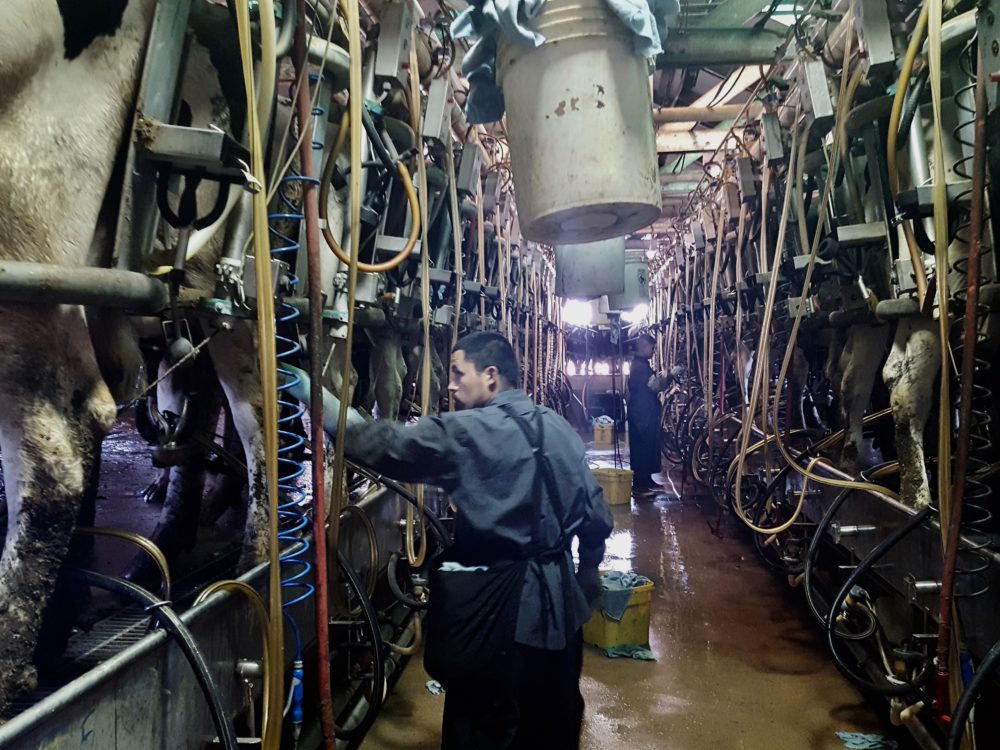
Dire Situation for Dairy Producers Pt 1

COVID-19 Farm Crisis

With Restaurants and Other Food Service Providers Shutdown, Dairy Producers Have No Place to Send Their Milk


By Rick Worthington, with AgInfo.net

Kristi Spence is with Dairy West, and works with dairy in both Idaho and Utah. She says- it’s as bad a situation as she has seen.

CNN reports, Milk dumping isn’t just devastating for the farmers. For Americans who can’t afford food or are unable to buy enough milk because grocery stores are out or capping purchases, the images are painful.

Pouring out milk is another example of how major disruptions in the supply chain, caused by the pandemic and efforts to contain it, are preventing food from getting to where it needs to go.

The pandemic has delivered a major blow to several sectors, from the airline industry to retail. For the milk industry, the setback is particularly painful.

Both dairy farmers and milk processors were struggling even before the pandemic hit. Such a major disruption has only made things harder. And the rigid supply chain means neither farmers nor processors can switch gears quickly enough to avoid waste.

Nobody wants to dump milk. But doing that now — along with other efforts — could help farms pull through later on, and could help make sure that Americans have enough milk, cheese, butter and ice cream in the future.

2020-04-21T21:13:05-07:00April 21st, 2020|

Water and Ag Organization Urge Congress To Help Western Water

From California Farm Bureau

150 Water and Agricultural Organizations Urge Congress and the White House to Address Western Water Challenges


A coalition of 150 organizations representing water and agricultural interests in the western U.S. urged Congress and President Trump today to address aging Western water infrastructure as further measures are considered to help the U.S. economy recover from the ongoing coronavirus crisis.

“The COVID-19 pandemic underscores the importance of safety and stability provided by domestic food production,” the groups stated in separate letters to Congress and the president. “As this crisis has pointed out, a stable domestic food supply is essential and of national security interest. For farmers and ranchers to survive, and for food to continue to be produced here in the American West, a stable water supply is a necessary part of any conversation about our national food security.”

President Trump has stated his belief that renewed efforts to meet the systemic infrastructure demands of the nation will be an important step in combating the long-term impacts of the pandemic.

“We strongly agree,” the organizations stated in the letter to the White House. “In particular, we urge you to advance critically needed investments that address the shortcomings of our aging Western water infrastructure.”

Existing water infrastructure in the West needs rehabilitation and improvement. Most of the federally funded water infrastructure projects that benefit the large cities, rural communities and small farms in the West were built more than 50 years ago. As hydrological conditions in the West change and populations continue to expand, failure to address water security has become increasingly critical.

“Failing to improve water infrastructure and develop supplies will inevitably result in additional conflict as pressure grows to ‘solve’ urban and environmental water shortages,” the groups stated. Page 2 of 2 “Moving water away from Western irrigated agriculture will surely contribute to the decline of our national food security.”

The coalition letters—spearheaded by the California Farm Bureau Federation, Family Farm Alliance and Western Growers—emphasize that water conservation, water recycling, watershed management, conveyance, desalination, water transfers, groundwater storage and surface storage are all needed in a diversified management portfolio.

“If and when additional infrastructure funding is discussed as part of a larger economic stimulus package, we need your help to ensure that federal dollars flow to the water infrastructure needs mentioned above,” the letters conclude.

2020-04-20T16:31:49-07:00April 21st, 2020|

How COVID-19 Has Affected Farms

California Agriculture Adapts To COVID-19

Source: California Farm Bureau

By Tim Hammerich, with the AgInfo Network

How is California agriculture adapting to the new reality of COVID-19 and social distancing?

Small farms that lost business from restaurants and other food-service clients have been looking for alternative customers or business models. More farms now offer food-box options for pickup or delivery, and a number have collaborated with other farms to lend variety to their food-box offerings. Some farms have also tried e-commerce as a potential way to expand their customer base.

Shelf-stable foods such as canned peaches and pears have seen demand leap during the pandemic. The head of the California Canning Peach Association says retail demand the past month has been “unprecedented.” Processors have changed their operations to replenish depleted store shelves and ship products quickly to retail customers. School districts are using fruit cups in the “grab and go” school meals they provide to students.

The pandemic has brought a sharp shift in demand at retail nurseries and garden centers. Sales of landscaping plants have slumped, but sales of vegetables, herbs, fruit trees and other edible plants have skyrocketed. Nurseries say many of their sales have been to first-time gardeners who hope to avoid trips to the supermarket by growing more of their own food.

2020-04-16T07:27:24-07:00April 20th, 2020|

Urban Ag, Farmers Markets Must Follow CDC Guidelines

Urban Ag and Farmers Markets Supplies Fresh Fruits and Vegetables, Part of a Healthy Diet

By Pam Kan-Rice, UCANR Assistant Director, News and Information Outreach

Even as Californians shelter in place to contain the novel coronavirus that causes COVID-19, nutritious food remains vital to the health and well-being of our communities.

“Eating fruits and vegetables is known to benefit our overall health and help our immune system,” said Lorrene Ritchie, director of the UC Nutrition Policy Institute. “At a time when we need to be especially vigilant about staying healthy, eating healthy is essential.”

To help minimize exposure and risk of spreading of the virus, urban farms need to follow some key guidelines from the CDC, said Jennifer Sowerwine, UC Cooperative Extension metropolitan agriculture and food systems specialist in the Department of Environment, Science, Policy and Management at UC Berkeley.

UC Cooperative Extension has compiled a list of resources for farmers, community gardeners and other people working in the food system to ensure that they can continue supplying fresh, healthy and affordable food to Californians.

“Social distancing, heightened health and hygiene practices and cleaning and disinfecting procedures reduce the risk,” said Sowerwine.

Although eating a nutritious diet can boost our immunity, the Los Angeles Times reported produce sales plummeted by 90% or more at Southern California produce markets after the statewide shelter-in-place rules went into effect.

“It’s worrisome to see that sales of fruits and vegetables are dropping so sharply, but not surprising,” said Rachel Surls, UC Cooperative Extension sustainable food systems advisor for Los Angeles County. “As people shop during the crisis, they may be prioritizing groceries that can be stored for a longer time in the fridge or pantry. And they may be on a very limited food budget, even more so than usual, so they are likely prioritizing essentials like bread and rice and baby formula.”

To support farmers in California, the UC Sustainable Agriculture Research and Education Program created a directory at http://www.calagtour.org for consumers to find local farms to purchase produce directly.

For families who have lost jobs and income, the risk of food insecurity increases. Some families could supplement their food from gardens and urban agriculture during this crisis.

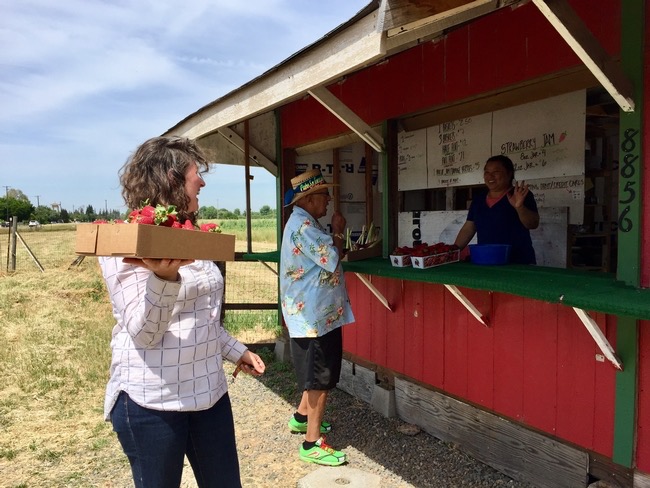
Consumers must practice safety, too, when visiting farmers markets and farm stands. UC Cooperative Extension small farm advisor Ruth Dahlquist-Willard explained, “Things like keeping the minimum six-foot distance from customers, not touching any produce that you’re not planning to buy, leaving as soon as you’ve made a purchase and washing the produce when you get home would be some good guidelines.”

The virus is thought to be spread mainly from person to person, however there is evidence that COVID-19 can last for days on hard surfaces, thus the need to ramp up good health and hygiene practices, social distancing and cleaning and sanitizing of surfaces.

University of California research and extension faculty have compiled a list of helpful fact sheets and resources for farmers, community gardeners and other food system workers to ensure fresh, healthy and affordable food for communities across the state:

All of these resources are posted on the UC Urban Agriculture website at https://ucanr.edu/sites/UrbanAg.

“During this challenging time, I am heartened by the quick and thoughtful responses by many extension, grassroots and institutional efforts, including Community Alliance with Family Farm’s COVID-19 Responses and Resources for California Family FarmsMutual Aid organizations where groups of young, healthy and lower-risk people are bringing food and services to vulnerable people who shouldn’t be in public at all, and Bayareafood.info that seeks to support local restaurants, farmers, and food systems workers as they weather this latest storm,” said Sowerwine.

2020-04-16T15:31:45-07:00April 16th, 2020|

LGMA Food Safety Webinar Scheduled April 17

LGMA to Hold Webinar for Produce Buyers on Food Safety Practices and Audits

 The California Leafy Greens Marketing Agreement (LGMA) will update retail and foodservice buyers about government audits and the process for making changes to strengthen food safety practices for growing leafy greens during a webinar Friday, April 17 from 10 to 11 a.m. PDT.

“First and foremost, we want to assure everyone that LGMA government food safety audits are taking place during the current COVID-19 situation,” said Scott Horsfall, CEO of the California LGMA.  Horsfall emphasized the California Department of Food and Agricultural (CDFA) considers these audits essential and they are continuing as normal. “The LGMA is working with CDFA to offer solutions that allow for enhanced social distancing during audits but, as always, LGMA member companies will be audited an average of five times this year to verify required food safety practices are being followed on farms.”

Scott Horsfall

The webinar will also feature important information on the process for strengthening LGMA required food safety practices in the aftermath of the latest outbreak associated with romaine.

“A lot is happening that we want to share with the produce buying trade,” said Horsfall. “LGMA Subcommittees are meeting regularly to review all facets of our required food safety practices. The subcommittee dealing with water used in growing leafy greens has completed its review of the current LGMA required practices and is recommending over 30 separate changes to strengthen existing practices.”

The LGMA’s proposed changes to water metrics have been submitted as part of a collaborative process designed to gather input from stakeholders throughout the industry.  The process is being facilitated by Western Growers. A new website was launched last week to serve as the hub of this important effort.  Representatives from Western Growers will participate in the LGMA webinar to explain how the system to update metrics and how others can get involved.

“Efforts to improve the safety of leafy greens must go on – even in the midst of a pandemic,” said Horsfall. “We know your schedules are hectic and a lot is already on your minds, but we hope you’ll take 60 minutes to learn how the industry is working together to improve safety. More importantly, we hope you’ll engage as part of our leafy greens community.”

To register for the webinar, please visit the link below:

Collaborating for Safer Leafy Greens Webinar || Apr 17, 2020 10:00 AM PDT:
https://attendee.gotowebinar.com/register/4865354752159968526

2020-04-13T17:11:47-07:00April 13th, 2020|
Go to Top