CITRUS WAITING PERIOD TO ASSESS FREEZE-DAMAGED FRUIT

California Ag Commissioners in Citrus Counties Request 48 Hours Before Citrus Shipping-Starting TODAY
Marilyn Kinoshita, Tulare County Agricultural Commissioner/Sealer reported TODAYto citrus handlers:
As you are aware, citrus growers of Tulare County have experienced several days of freezing weather. Temperatures have been low enough and of sufficient duration to cause fruit damage.

After consultation with Agricultural Commissioners in other citrus producing counties, the following has been agreed upon:

·      We request that packers voluntarily wait 48 hours before shipping fruit harvested on or after December 11, 2013 to allow our staff an opportunity to make assessments on our fruit.
·      You may do your own sampling prior to asking for an official sample by our staff. This additional step may provide you with options and an opportunity to fully assess the level of freeze damage.
·      Every effort will be made to accommodate packing schedules.
·      If fruit is packed and shipped prior to having an official sample taken at the time of packing, a Notice of Violation will be issued. Further administrative actions may be taken.
·      All fruit harvested and packed prior to December 11, 2013 is not subject to this notice.
Our concern, like yours, is to protect the industry and integrity of your labels by keeping freeze-damaged fruit out of wholesale and retail market channels. These steps are considered necessary to maintain consumer confidence.
Thank you for our cooperation during this difficult time. Do not hesitate to contact my staff, or me if you have questions or concerns regarding inspection uniformity at   (559) 684-3350.

2016-05-31T19:42:30-07:00December 11th, 2013|

CALIF. DAIRY AMONG EPA 2013 ENVIRONMENTAL CHAMPIONS

EPA Recognizes Tulare Dairy for Agricultural Renewable Energy
The U.S. Environmental Protection Agency’s Pacific Southwest Region TODAY announced the eight winners of its 2013 annual environmental awards, acknowledging significant contributions winning organizations have made in the past year to protect the environment and support communities.

Groups and individuals were selected from nominees received this year from businesses, government officials, tribes, academia, and environmental organizations. Of this year’s winners from Arizona, California, Hawaii and Nevada, five recipients are from California, one being a dairy.

Curtimade Dairyis a leader in California’s agricultural renewable energy sector. The dairy, located in Tulare, has embraced renewable energy production in a big way, while most other dairies have been slow to adopt the technology. Looking to reduce their overall energy use and related costs, Curtimade used underutilized land that could not be used for feed production or to house animals.
On three and a half acres of this land, they installed a 719 kW, $2.9 million system, among the biggest of just a handful of dairy solar units in the U.S. The solar installation produces enough electricity to power 130 average American homes per year and reduces greenhouse gas emissions by 27,000 tons over the 25 year warranted life of the solar panels, which is the equivalent to removing 192 cars from the road yearly. 
In addition to offsetting fossil fuel use and reducing greenhouse gas emissions, the dairy also sees a savings of approximately $18,000 per month in energy costs.
“Award winners are leaders who are going above and beyond to make big moves to protect the environment and support local communities,” said Jared Blumenfeld, EPA’s Regional Administrator for the Pacific Southwest. “Work by these groups will leave a positive, lasting impact on us all for years to come.”
          
Each year, the Pacific Southwest EPA office encourages citizens in California, Arizona, Nevada, Hawai’i and the Pacific Territories to nominate individuals, non-profits, businesses, local governments and other groups for environmental awards. This program offers a great opportunity to recognize individuals and groups outside of the EPA who are working to protect public health and the environment. Awards are granted to scientists, teachers, journalists, citizen activists, young people, organizations, business representatives, tribal leaders, public officials, and others committed to protecting public health and preserving our natural surroundings.
2016-05-31T19:42:30-07:00December 11th, 2013|

CITRUS DAMAGE ESTIMATED TO BE OVER A BILLION

Cold Continues to Damage California’s Citrus–Mandarins More Than Navels

California Citrus Mutual reported TODAY that another cold night materialized as forecast last night, with temperatures dipping into the low 20s for long duration throughout citrus producing areas in the San Joaquin Valley.  After a week of chill, citrus growers evaluate potential crop damage to be $1.5 billion. 

Growers started wind machines around 8 p.m. last night in preparation for below freezing conditions.  A strong inversion layer coupled with frost protection measures helped raise temperatures in the grove as high as 4-5 degrees in some cases.  However, the cumulative impact of this freeze episode and the long duration of critical temperatures will result in some damage for both Mandarins and Navels.

Preliminary assessments by the County Agriculture Commissioners show damage; however the extent of damage cannot be determined until the freeze event concludes.  

Mandarins are expected to incur a greater degree of damage in comparison to the cold-tolerant Navel crop.  Early fruit maturity and high sugar content will provide some internal protection from frost damage, but the cumulative impact of cold temperatures over several nights is a concern.

Because of advanced weather forecasting systems, the industry has on hand sufficient amount of harvested fruit to supply the market through the holiday season without impacting consumer prices. 

Industry representatives and government officials are currently developing inspection protocols to ensure that damaged fruit does not enter the market place.   

Another cold night is in the forecast for tonight, Tuesday, December 10th, after which temperatures are expected to increase above critical temperatures.

California Citrus Mutual estimates that the industry has spent a total of $28.8 million since last Tuesday in frost protection measures.  At this point in the season, 12-15% of the Navel crop and 20% of the Mandarin crop have been harvested, leaving a significant percentage of the crop at risk of damage.  

2016-05-31T19:42:30-07:00December 11th, 2013|

CITRUS FREEZE DAMAGE ASSESSMENT DELAYED IN KERN COUNTY

Kern County Ag Commissioner Requests Voluntary 48-Hour Hold for Citrus Freeze Damage Assessment


Kern County Agricultural Commissioner Ruben J. Arroyo, issued a letter TODAY to Kern County citrus handlers requesting that all citrus fruit sent to packinghouses on or after December 11, 2013 be placed under a voluntary 48-hour hold to allow his staff time to assess freeze damage prior to packing.


Arroyo writes the following in the body of the letter:


As you are aware, citrus growers of Kern County have experienced several days of freezing weather. Temperatures have been low enough and of sufficient duration to cause fruit damage. After consultation with Agricultural Commissioners in other citrus producing counties, the following has been agreed upon:


·We request that packers voluntarily wait 48 hours before packing fruit harvested on or after December 11, 2013 to allow our staff an opportunity to make assessments on your fruit.

· You may do your own sampling prior to asking for an official sample by our staff. This additional step may provide you with options and an opportunity to fully assess the level of freeze damage.

· Every effort will be made to accommodate packing schedules.

· If fruit is packed and shipped prior to having an official sample taken at the time of packing, a Notice of Violation will be issued. Further action may be taken.

· All fruit harvested and packed prior to December 11, 2013 is not subject to this notice.


Our concern, like yours, is to protect the industry and integrity of your labels by keeping freeze-damaged fruit out of wholesale and retail market channels. These steps are considered necessary to maintain consumer confidence. Thank you for your cooperation during this difficult time. Do not hesitate to contact me or my staff if you have questions or concerns regarding inspection uniformity.

2016-05-31T19:42:30-07:00December 11th, 2013|

COTTON GROWERS URGED TO COMPLETE PLOWDOWN

Fresno County Ag Commissioner Urges Cotton Growers To Complete Plowdown 

 
Fresno County Agricultural Commissioner/Sealer Les Wright TODAY urged all cotton growers to complete their plowdown activities as soon as possible to maintenance a host-free period for pink bollworm. For the 2013 growing season, there were no native pink bollworm moths captured in Fresno County for 62,215 acres of cotton.
Cotton Plowdown Requirements:
Plowdown Dates for this growing season are:
December 20, 2013 – South Of Shields Avenue
December 31, 2013 – North Of Shields Avenue
Stalks must be shredded by a power-driven shredder that will effectively reduce stalks to a particle size, permitting burial and rapid decomposition.
Following shredding, tillage must be completed in such a manner that all stubs are loose from the soil around the roots and will prevent re-growth.
At this point, there are two options for cotton growers:
Conventional plowdown is done by discing all roots, plant stubs, shredded debris and trash remaining from harvesting or clean-up operations and soils around roots to the point that they are turned over and thoroughly mixed with surface soil. This method of plowdown is required in sections where pinkie has been found last growing season or this season until September 1, 2013.
Reduced tillage does NOT require the incorporation of all roots, plant stubs, shredded debris and trash remaining from harvesting or clean-up operations. If growers choose this option, they must submit a notification 10 days prior to tillage of their intention to reduce tillage on their acreage eligible for the program. Call the Department to find out which sections are not eligible for this program if you are not sure.
Once plowdown is completed by either method, any volunteer cotton must be destroyed that may appear during the host-free period, even if it is on ground that was not planted to cotton this season. If re-growth does occur during the host-free period in 2014, the grower/landowner will be cited for a violation of cotton plowdown regulations. Be sure to check fallow fields for isolated plants growing in the field and in easement areas.
Do your part to keep pinkie out of the San Joaquin Valley and finish your plowdown early to avoid the following penalties for noncompliance:
Violation Of Plowdown Date – Base fine of $500 + $5 per acre not in compliance
Repeat/Subsequent Violations – Base fine of $1,000 + $10 per acre not in compliance
In California, pink bollworm overwinters as a late stage larva in trash, at the base of cotton stalks, in soil cracks, and rarely in seeds in the unopened boll. Conventional plowdown, when done properly, kills pink bollworms in these overwintering sites. Conventional plowdown and March planting dates are designed to disrupt the life cycle of pink bollworm. It is not known whether reduced tillage practices give pink bollworm a foothold for next season. Fields using reduced tillage will be scrutinized during the host free period and next trapping season.
The late planting dates for cotton create the opportunity for “suicide emergences.” If pink bollworm emerges before the plants have begun to square, the female will lay her eggs on sheltered parts of the plant, but the larvae will die. Cotton planted too early or re-growth cotton will provide feeding and egg laying sites for pinkie.
Questions concerning proper plowdown procedure may be directed to any district office locations listed below:
Fresno                  600-7510     8:00 a.m.-5:00 p.m.
Firebaugh             600-7322     1:00 p.m.-2:00 p.m.
Huron                   600-7325     1:00 p.m.-2:00 p.m.
Kerman                600-7326     1:00 p.m.-2:00 p.m.
Reedley                600-7329     1:00 p.m.-2:00 p.m.
Sanger                  600-7331     1:00 p.m.-2:00 p.m.
Selma                   600-7327     1:00 p.m.-2:00 p.m.
The Fresno County Agricultural Commissioner’s offices will be closed on December 25, 2013 and January 1, 2014.

2021-05-12T11:06:02-07:00December 11th, 2013|

CALIFORNIA EMERGENCY FOODLINK, LARGEST FOOD BANK IN U.S.

Farm to Food Bank Month – Secretary Ross and State Board of Food and Agriculture Visit Food Bank

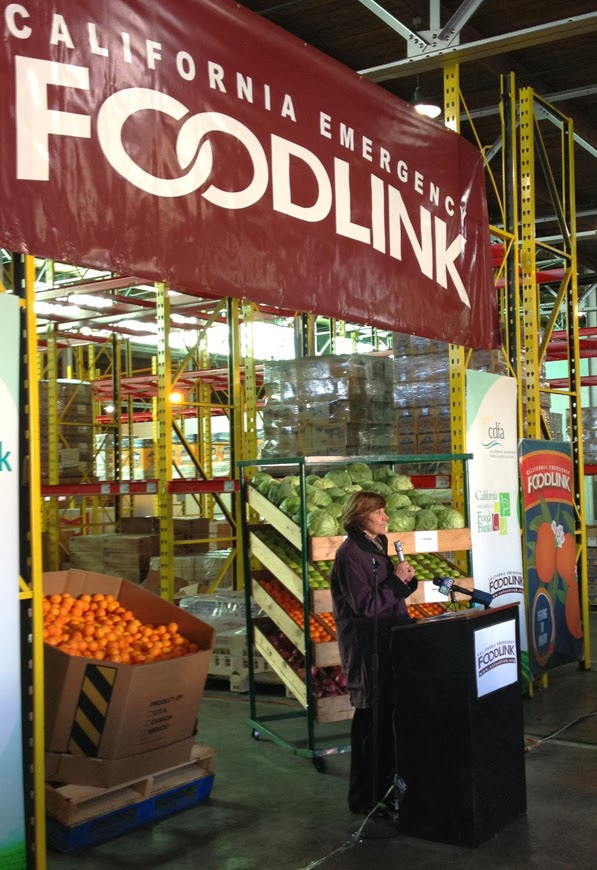
CDFA Secretary Karen Ross at a Farm to Food Bank today
In recognition of December as Farm to Food Bank Month, CDFA Secretary Karen Ross TODAY joined the California State Board of Food and Agriculture at California Emergency Foodlink, the nation’s largest food bank. 


The event highlighted food donation by farmers and ranchers and reiterated the need for food donations statewide.


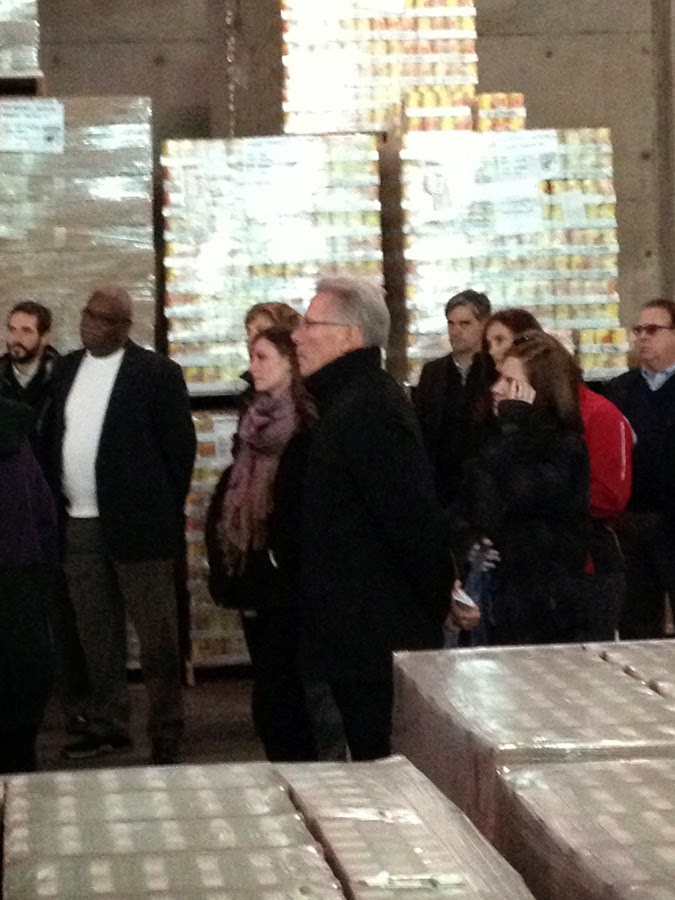
CDFA Board President Craig McNamara (center) and group
 
More than 49 million people are believed to be food-insecure in our nation – one in every six Americans. In California, almost 4 million people are food-insecure, which means they cannot afford enough food at least once in the previous year. So far this year, California farmers and ranchers have donated more than 127 million pounds of food to food banks. 

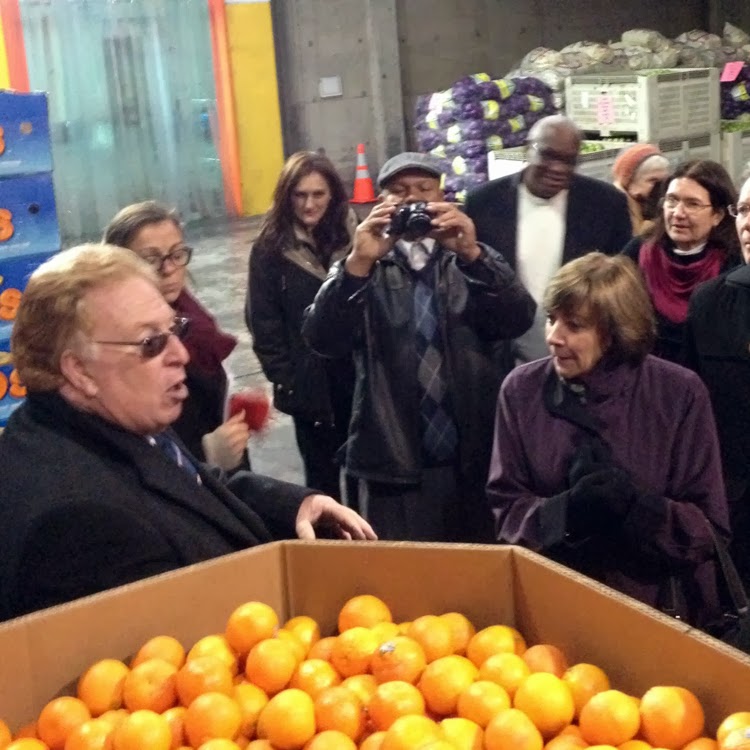
Foodlink President/CEO John Healeywith Secretary Ross
2016-05-31T19:42:30-07:00December 10th, 2013|

CRITICAL DROUGHT CONCERN EXPRESSED TO PRESIDENT AND GOVERNOR

Urgent Letter Signed by 50 Calif. Members of U.S. Congress and State Legislature to Avoid Economic Disaster

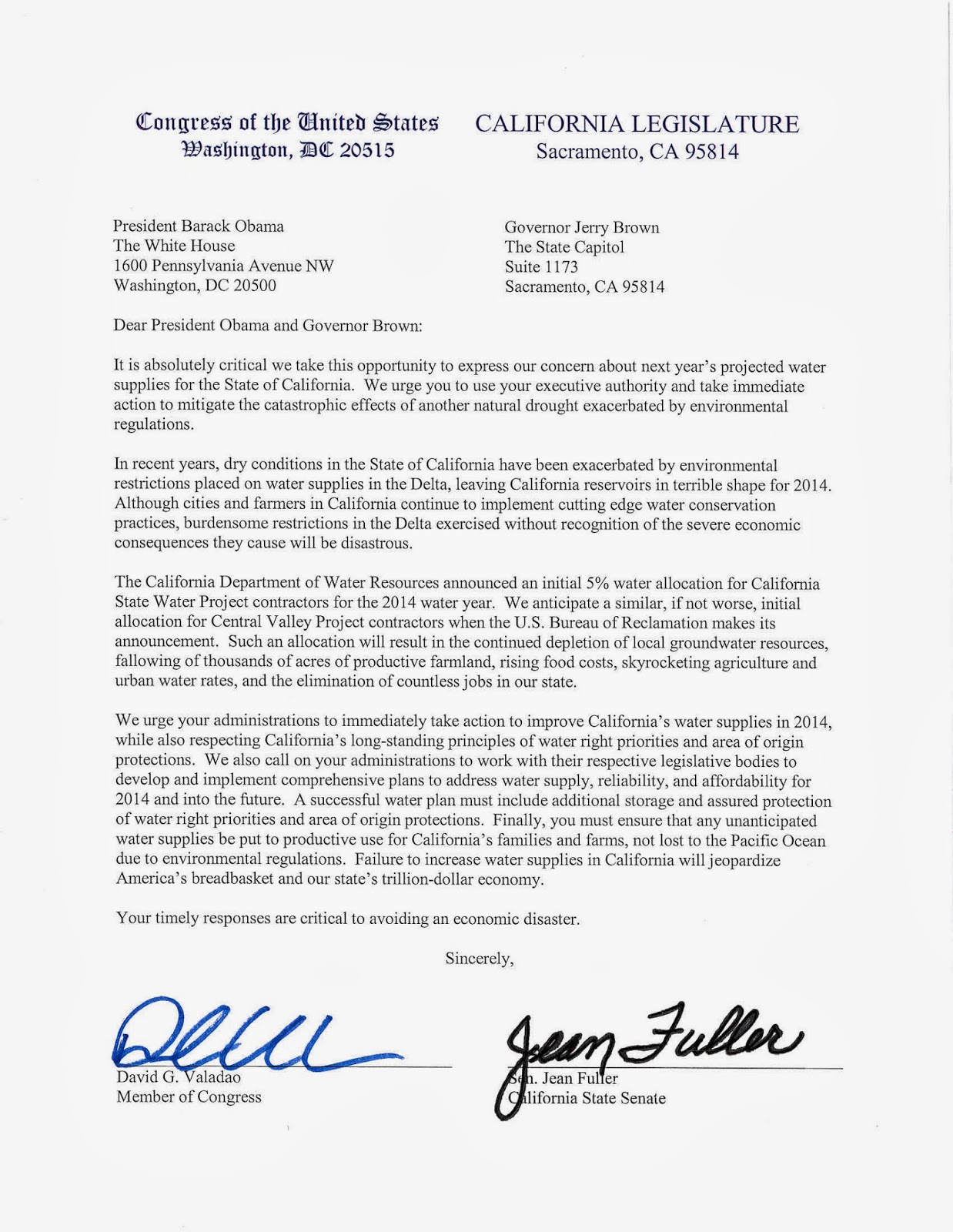
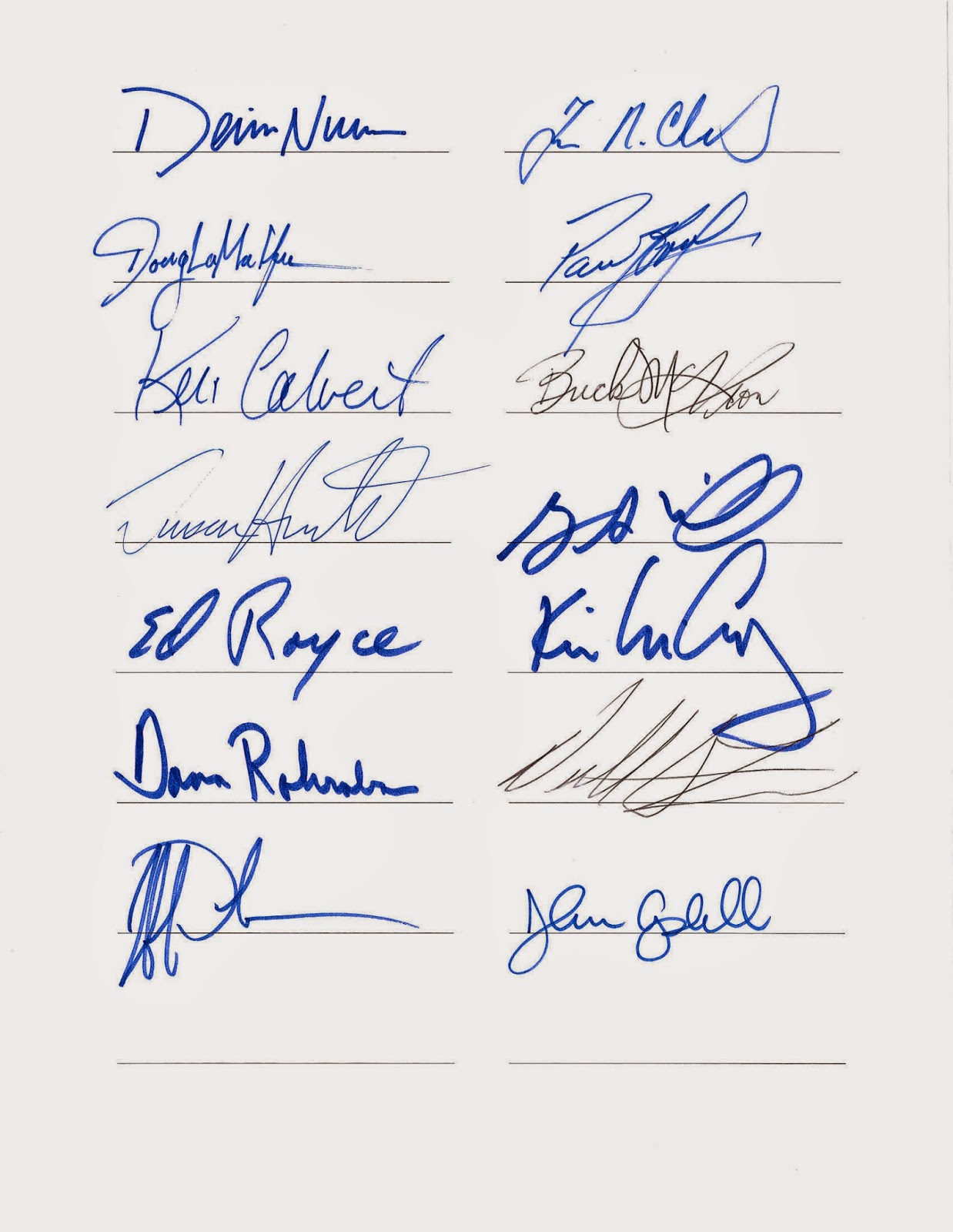
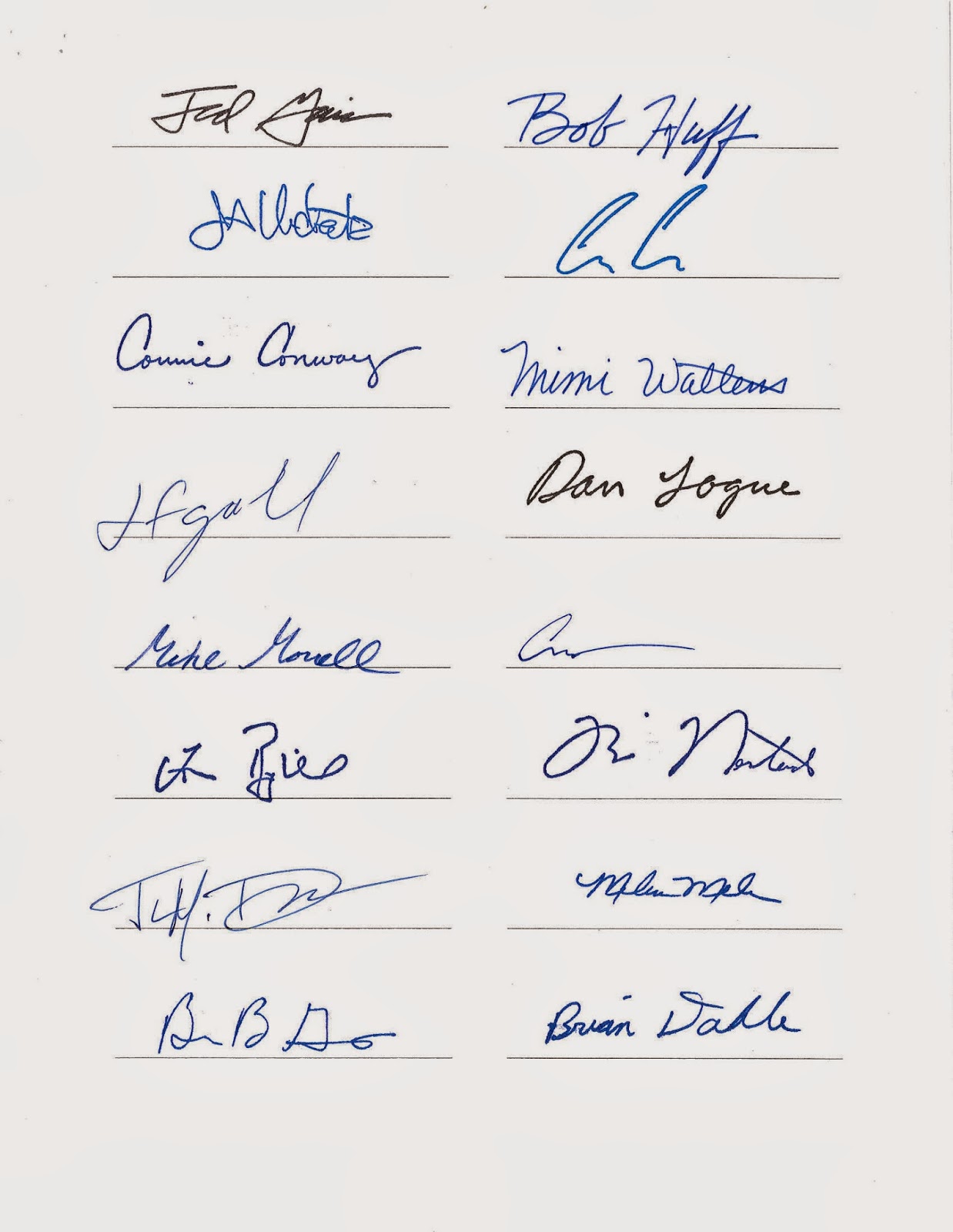
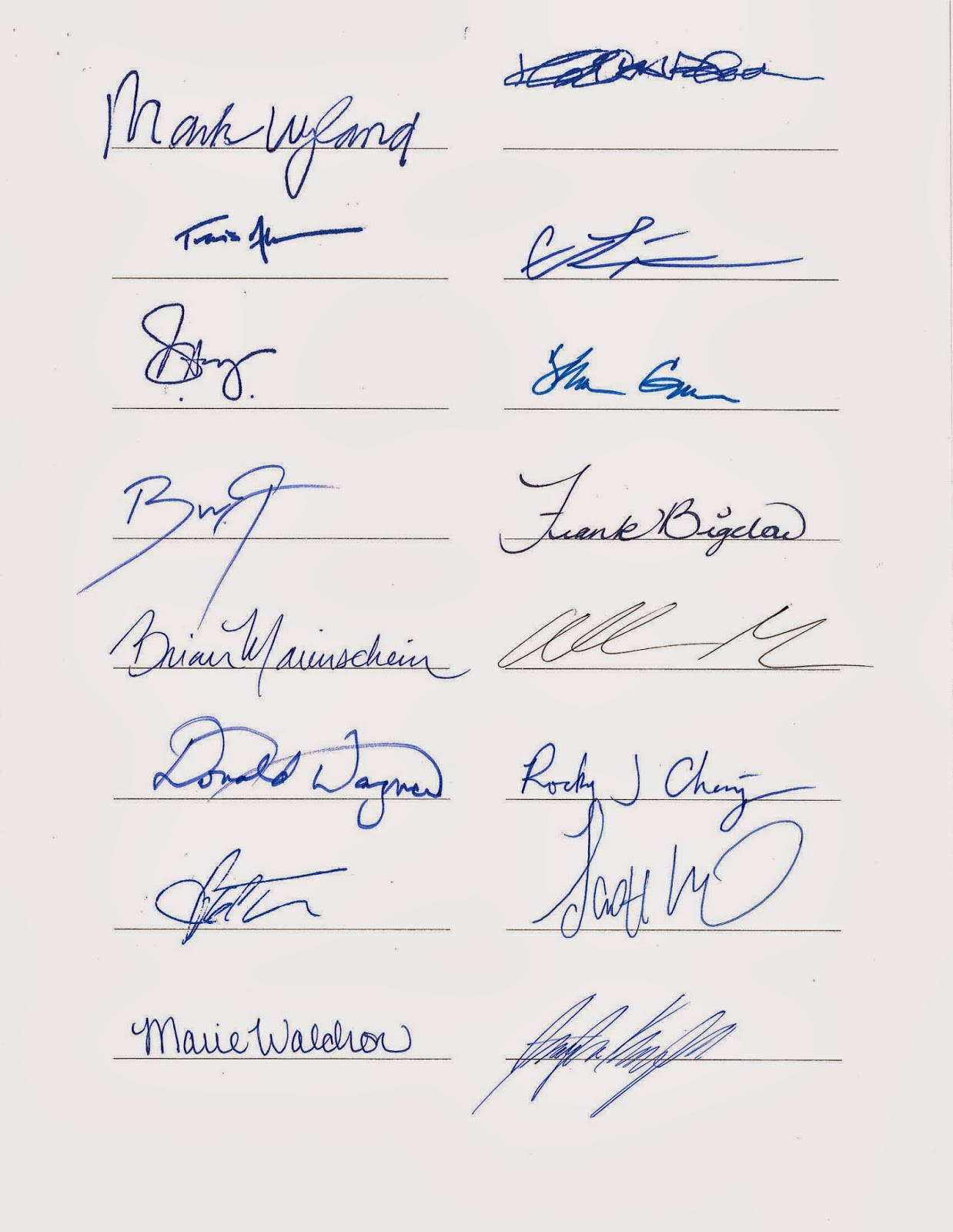
California members of the U.S. Congress and California State Legislature issued a letter to President Obama and Governor Brown yesterday. They are urging immediate use of executive authority to mitigate the catastrophic effects of another natural drought exacerbated by environmental regulations to avoid jeopardizing our state’s trillion-dollar economy.

The letter calls for immediate action to improve California’s water supplies in 2014, to work with respective legislatures to develop and implement comprehensive water plans that include additional storage and water rights, and to allocate any unanticipated water supplies to California’s families and farms and not to the Pacific. 

2016-05-31T19:42:31-07:00December 10th, 2013|

CITRUS DAMAGE EXPECTED TO BE LESS THAN 1990 AND 1998 FREEZES

Some Damage Expected For Valley Citrus Crop

Equipment Fatigue Now A Concern

California Citrus Mutual announced TODAY Valley citrus growers were up against below freezing conditions for the 6th consecutive night last night. Although higher overnight temperatures materialized this weekend, last night’s extremely low temperatures will likely result in some damage to the Valley’s $1.5 billion citrus crop. 
Cold daytime temperatures on Sunday set the stage for a rough night, with wind machines starting as early as 8 p.m. Unlike previous nights, an inversion layer failed to materialize leaving wind protection unsuccessful at keeping temperatures above critical levels.  Coupled with longer duration at low temperatures, damage is anticipated for the already weakened fruit.

The navel orange crop is expected to make it out of this freeze episode with some damage, the extent of which will be determined in the coming weeks.  The less cold tolerant Mandarin crop will have a greater degree of damage, again the extent of which cannot be verified at this time.  

Joel Nelson CCM President

While damage is expected, it is certainly not at levels close to damage in the last significant freeze events in 1998 and 1990. Improved frost protection technology and advanced weather forecasting has allowed growers to better prepare for freeze events than in prior freeze years.   The industry is confident that there is a sufficient level of harvested fruit and undamaged fruit to supply the market. 

Equipment fatigue and fuel supply are the concern now.  In 6 nights, wind machines have run for an average of 56 hours and field reports indicate that mechanical issues may inhibit frost protection efforts for the duration of this freeze event. Additionally, as cold temperatures persist, growers are worried that delivery of fuel supplies to power wind machines may become limited.

Nevertheless, the industry is still optimistic. “The cold weather we are experiencing now is by no means comparable to the severe temperatures and damage incurred in 1990, or even 1998,” says California Citrus Mutual President Joel Nelsen. “The frost protection technology we have today has allowed producers to better prepare for freeze conditions and protect the crop from serious damage.” 

California Citrus Mutual estimates that the overall cost to the industry for 6 nights of frost protection is $23 million.

California Citrus Mutual is a non-profit trade association of citrus growers, with approximately 2,200 members representing 70% California’s 285,000-acre, $2 billion citrus industry.  The mission of California Citrus Mutual is to inform, educate, and advocate on behalf of citrus growers.  The Exeter, California-based organization was founded in 1977.

2016-05-31T19:42:31-07:00December 10th, 2013|

CFBF 95th Annual Meeting Hosts Over Thousand Members

Statewide Farm Bureau Members listen to speakers during the General Session On Monday in Monterey

CALIFORNIA FARM BUREAU

ADVOCATES FOR ADVOCACY

AND AWARDS

TODAY, Farm Bureau President Paul Wenger welcomed more than a thousand members to the 95thCalifornia Farm Bureau Federation (CFBF) Annual Meeting.

CFBF President Paul Wenger

Wenger acknowledged that some could not be there as they were protecting their crops from the cold. He talked about agriculture being about quick adjustment to change and resiliency.

Wenger spoke about crop insurance, immigration reform, labor force, CFBF membership recruitment and retention, medical coverage, and new CFBF managers. He also addressed Prop 3, which caused past membership losses and risks potential ones as well, and CFBF’s positive working relationships with both state parties.

Wenger said that we are the only state among the 50, plus Puerto Rico, whose members rank advocacy and not insurance as the top farm bureau service they receive.

As promised at last year’s annual meeting, CFBF rolled out a new websiteto deliver great content in just a few steps and to facilitate new and renewed memberships.

Wenger’s overall message was, “We have the opportunity to change Sacramento; we need to step up. Make sure we are relevant and have a presence in Sacramento and Washington, D.C. If we are unwilling to fight when we are strong, when will we engage?”

Benny Jefferson
Claris Myers with President Wenger
Recognitions Presented at the Annual Meeting

The first county farm bureau in the country to turn 100 was Humboldt in 2013.  

Inaugural Lifetime Service Award Recipient – Helen Roberti, Plumas-Sierra County Farm Bureau

2013 Distinguished Service Award recipient – Claris Myers Shasta County Farm Bureau and Benny Jefferson, Monterey County Farm Bureau

2013 Leopold Conservation Award – Robert Giacomini Dairy, Marin County Farm Bureau

2016-05-31T19:42:31-07:00December 10th, 2013|

Citrus Growers Braved Another Night

Valley Citrus Growers Escape Major Freeze Damage

A mandarin orchard east of Clovis Ca braves the cold temps.
According to Exeter-based California Citrus Mutual, TODAY valley citrus growers breathed a collective sigh of relief last night as temperatures failed to reach projected lows.  In most areas temperatures stayed in the upper 20s and were manageable with frost protection measures. 

Field reports indicate that if there is damage to the Valley’s orange crop, it will be minuscule.  This is primarily attributed to the fruit’s maturity and high sugar content, which has provided additional internal protection from cold temperatures.  However, the less cold tolerant Mandarin crop is expected to incur some damage which will likely be concentrated in the coldest areas, particularly to the outside rows where frost protection is less effective.

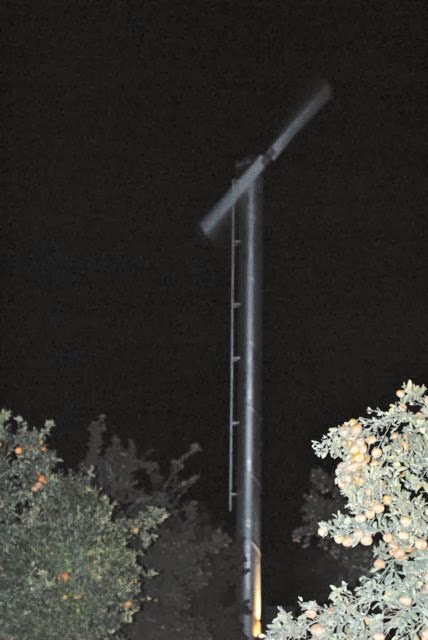
This wind machine was churning late
Saturday night to help ward off frost.
Field reports suggest that Friday night’s rain storm was more helpful than not by allowing weakened fruit a reprieve from cold temperatures. Last night’s warmer temperatures were also a welcome relief following significant concern Saturday that forecast extreme low overnight temperatures would expose fruit to external damage.  

Growers ran wind machines Saturday evening for an average of 9 hours in preparation for the cold temperatures that did not materialize. Citrus Mutual estimates that the total cost to the industry has been $17.5 million since Tuesday night to protect  roughly 80% of the Valley’s $1.5 million citrus crop which remains to be harvest. 

Overall damage will be determined in the coming weeks as temperatures rise across the Valley.  Internal damage cannot be accurately assessed until this freeze episode concludes. It is estimated that over 4.5 billion mandarins and 11 billion oranges must be evaluated for damage.

Critical temperatures are in the forecast for the next two nights. 

2016-05-31T19:42:31-07:00December 8th, 2013|
Go to Top