California Rice Grower Demystifies Rice Industry

California Rice Grower Feeds Minds Also


By Patrick Cavanaugh, Farm News Director


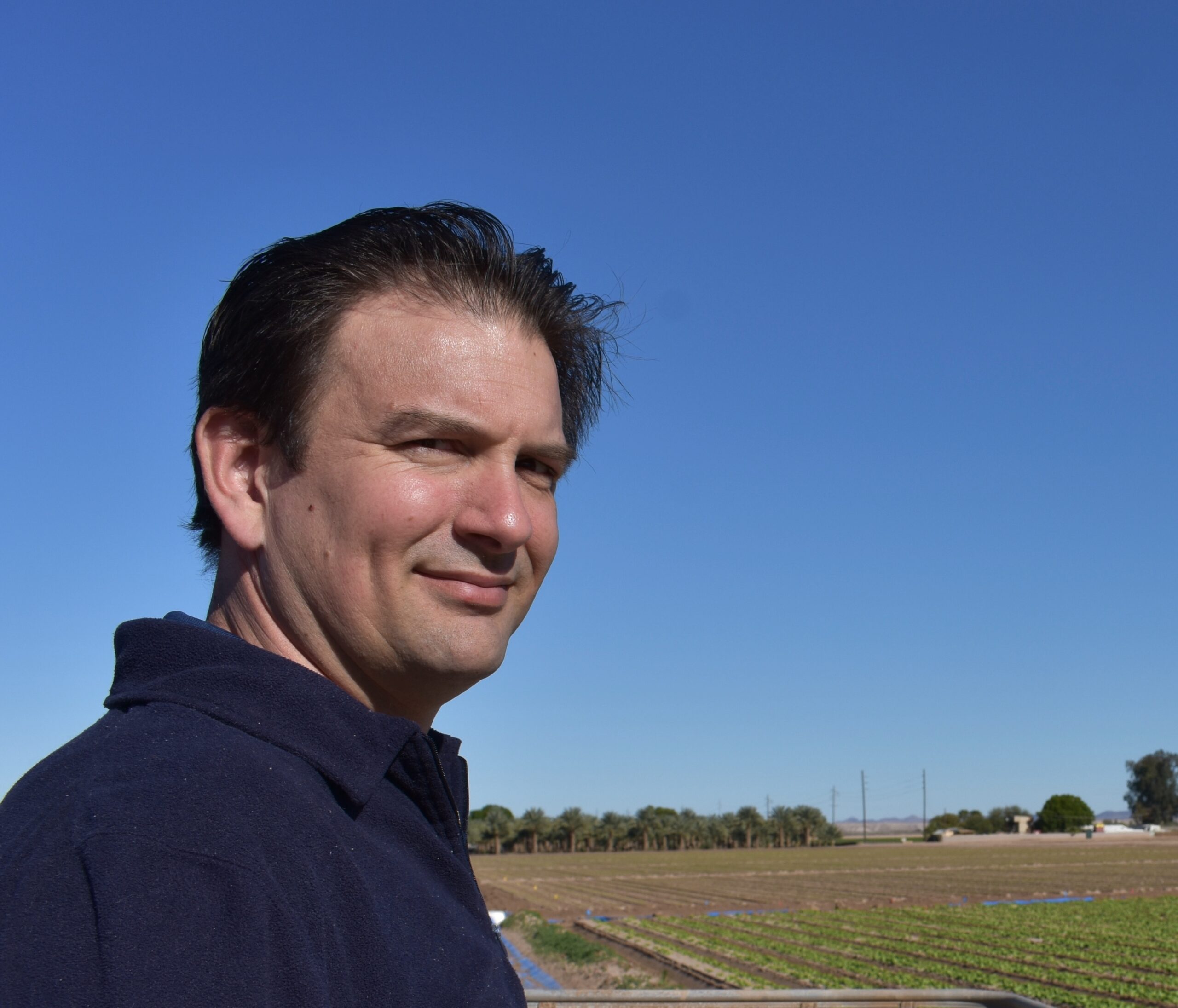
By now, growers have harvested much of northern California’s rice. Most of it is already in the rice mill. While prices were low this year, production has been very good, according to Matthew Sligar, a third-generation rice grower in Gridley, up in Butte County.

California Rice Grower

Matthew Sligar, “How Rice is Harvested.”

“Yes, we just got done with rice harvest. We are chopping the rice straw that is left in the fields. We’re disking it in to aid in decomposition,” Sligar said.

“Then we flood the fields with about 4 to 6 inches of water, creating a natural habitat for migratory birds. We just let the field sit over the winter so the straw decomposes. We work it back up in the spring.”

Northern California rice growers dedicate the winter months, and even the early season months when fields are first flooded, to help migratory birds whose original habitat has been taken over by cities and expanding neighborhoods.

Birds by the millions – including ducks, geese and shorebirds – rest, feed and rear their young in rice fields during their annual migrations. “Our fields turn white like snow from the down floating feathers left behind by birds,” Sligar said.

Matthew Sligar, California Rice Grower and Blogger

Matthew Sligar, California Rice Grower and Blogger

And yet, due to global oversupply, rice prices are trending lower this season. “We had to put our rice into a marketing pool because we wanted to guarantee a home for it,” Sligar said. “We did not want to gamble on the cash market. We haven’t seen the returns yet; however, I got a great yield, and I hear most of Northern California got extremely good yields.”

“Hopefully, that will make up for some of the low price, and we might make some money. When you get a good year, you’ve got to save that money for bad years like this year, just make it through to next year,” Sligar said.

Besides farming rice, Sligar is a cyclist and a social media blogger. He produces great videos on all segments of the rice industry.

“That’s one reason why I started Rice Farming TV because whenever I’d be at a restaurant or some spot socializing, someone will say, ‘What do you do?’ I tell them that I farm rice. ‘Rice? Where do you live?’ I say, ‘I live in California.’ They don’t know that rice is grown in California, but it’s the best,” Sligar said.


Click below to view Sligar’s video, “How Rice is Harvested!”


Also, in Sligar’s repertoire is the best way to surprise someone you love in the middle of a busy rice season, in The Mile High Surprise!

 View more videos at ricefarmingtv.com.
2016-10-28T13:35:34-07:00October 28th, 2016|

John Hartnett on Ag Tech

John Hartnett on Forbes AgTech and Urban Appreciation for Agriculture


By Patrick Cavanaugh, Editor


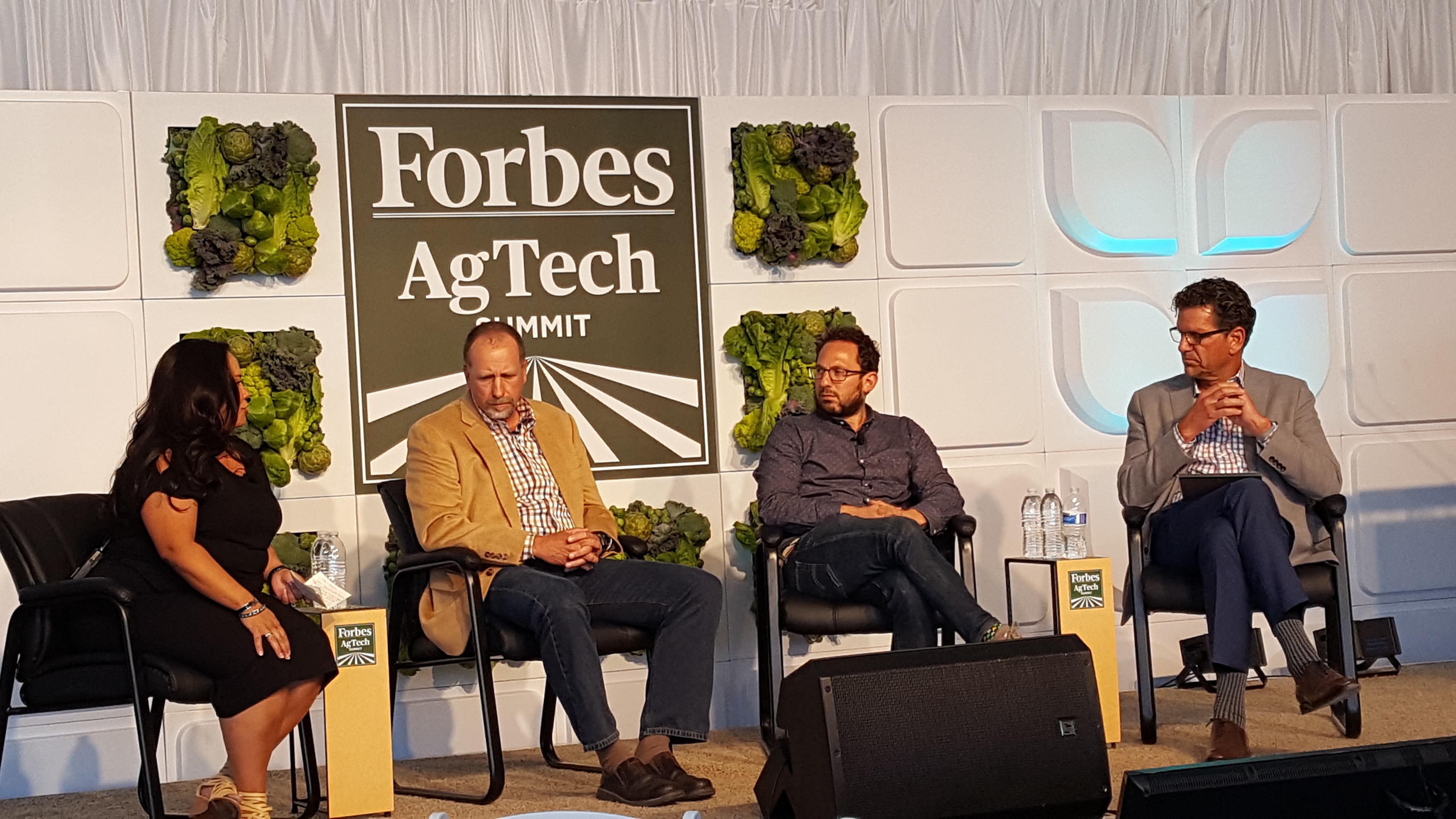
Forbes AgTech Summit

John Hartnett, founder and CEO of Los Gatos-based SVG Partners LLC, a Silicon Valley area investment and advisory firm, has played a pivotal role in the organization of the Forbes AgTech Summit in Salinas every summer. Hartnett said before partnering with Forbes, “we ran the first one here in Salinas and another one in Monterey. Two hundred people attended the Monterey Innovation Summit.”

John Hartnett, founder and CEO of Los-Gatos-based SVG Partners LLC, and pivotal organizer of the annual Forbes AgTech Summit in Salinas.

John Hartnett, founder and CEO of Los-Gatos-based SVG Partners LLC, and pivotal organizer of the annual Forbes AgTech Summit in Salinas.

“Then we partnered with Forbes and it brought us to a whole new level. Partnering with Forbes for the past two of four major AgTech Summits,”has been great,” Hartnett said. “Last year we had 400 people. This year, we had 700 people. Increased attendance has put Salinas on the map of being the center of AgTech.

“I bring leaders from technology and agriculture together,” Hartnell said. “It is a great event for Silicon Valley entrepreneurs to be onstage and get recognition in front of investors, customers and key business people they will work with.”

“Having Forbes and the Ag industry from across the country here in the heart of Salinas is phenomenal. We’ve executed this overall plan well. We are delighted with the outcomes.”

The next Forbes AgTech Summit will convene again in Salinas on June 28-29, 2017.

Urban Appreciation

Beyond AgTech, Harnett said helping urban American populations understand the rural Ag community is one of the agricultural industry’s biggest challenges. “The first thing you need to do is bring people around the table. I’m a consumer of food. I am the end user of what’s going on, but many people just don’t understand the supply chain.”

“They understand some of the water challenges at a high level because these issues are in everybody’s face today. This is part of the education process and it starts by bringing people and key groups together.”

“What we’re doing, in small part, is focusing on technological leaders and companies from Palo Alto and San Francisco that are coming, probably for the first time, to Salinas. They are absolutely impressed and blown away by what is actually here. And, instead of driving past farms, they are going into the farms.”

2021-05-12T11:05:45-07:00October 27th, 2016|

Happy Pumpkin Day!

Celebrate Pumpkin Artistry!

By Laurie Greene, Editor

Russ Leno, master sculptor of sand, snow, ice, wood, watermelon, and his favorite—pumpkins, appreciates the the challenge of creating carvings from hundred-pound fleshy orange masses.  “This giant cultivar of a squash plant is a good material to carve in, Leno explained. “It gives you fast results, in under a five-hour time period. I like to entertain in front of crowds, and it just gives you something that people can see.”

A new species, "Pumpkin Fish."

New species, “Pumpkin Fish.”

“Everybody likes pumpkin carving. Everybody likes a jack-o-lantern. It’s just something that everybody enjoys, from the ages of 2 to 92, or even older. It’s still one of the last things I think we do. If you don’t do any art at all, you might still carve a pumpkin at this time of year. I just like the medium, and I just like doing it. It’s just fun. It’s a lot of fun.”

A recent performer at the Big Fresno Fair, Leno’s inspiration comes from within, as well as from looking at different artist sculptures, paintings, or drawings, or different elements in nature. “I might take a culmination of two or three different things and put my own spin on them. I might like something I see, but discover a better way to put a spin on it for a pumpkin. A lot of times, a pumpkin is only going to give you what it is going to give you because it’s only so thick and it’s hollow on the inside. You’ve got to be careful.”

Pumpkin Carvings by Russ Leno

Pumpkin Carvings by Russ Leno

“Everybody seems to think that they just pulled it out of a hat, and that’s just not true. After doing this for a number of years, I realized all the great sculptors from way back when didn’t just get a hammer and chisel and start pounding rock. They did a lot of planning and drawings up front.”

Leno initiates his ginger-hued creations from drawings and photos of posed people and things. “As you learn more about sculpting, to do something good, it is a planned event.”

He acknowledged you can carve certain things in certain pumpkins that you just can’t in other ones. “I might start out saying I’m going to carve this, but find the pumpkin is not thick enough or deep enough. The sculpture becomes something totally other than what I started out with, but that’s okay. They all come out nice at the end, and it’s fun.”

Leno, who has seen a range of pumpkins, which are native to North America, from different regions in the country with variations in size, shape, color and texture, but he prefers Prizewinner Pumpkins and small Atlantic Giant Pumpkins from the central California coastline. “These 100-pounders or 150-pounders are really good carvers because of the thickness -to-size ratio is very well proportioned so that you can get a fairly deep cut along with a proportionate-sized piece. They’re just great carving pumpkins.”

Big Fresno Fair Pumpkins

Big Fresno Fair Pumpkins

“I carve large pumpkins, and the people who grow the large pumpkins and I share a great love for the pumpkin itself and what it takes to grow them to their large sizes and their capability of being sculpted. You just don’t find these giant pumpkins just any old place. They require a little better soil conditions and fertilizers and specific pH balance in the soil to get these up at these sizes.”

“Pumpkin carving, which began as an all-American craft, has gained international popularity because of the internet and cultivation of pumpkins in other countries. A lot of countries now celebrate Halloween like we do, and people across the globe are now carving pumpkins and having a good time with them.”

“The internet has also created a way for sculptors to share their different carvings with like-minded people around the world.”

2016-10-26T14:30:05-07:00October 26th, 2016|

Select Growers Asked to Remediate Nitrates in Water

Cris Carrigan Opens Dialogue With Growers about Nitrates in Water


By Patrick Cavanaugh, Farm News Director


Over the last year, 19 Salinas Valley growers, and recently 26 citrus growers on the east side of Tulare County, each received a confidential letter from Christian Carrigan, director, State Water Resources Control Board (SWRCB), Office of Enforcement. The letter constituted an invitation to a meeting to discuss the provision of uninterrupted replacement water to communities and individuals who rely on the region’s groundwater which contains too many nitrates.

Invitation recipients are growers who farm larger tracts of agricultural land in regions identified to have elevated nitrate-contaminated groundwater based on historical evidence. The ‘Harter Report,’ officially submitted to SWRCB in 2012 as, “Addressing Nitrate in California’s Drinking Water,” reinforced the nitrate problem.SWRCB nitrates

The letter presented recipients with a choice: provide replacement potable water to disadvantaged communities with substandard drinking water or face a mandated Cleanup and Abatement Order that would require the development, installation, and ongoing operation of expensive reverse-osmosis water treatment systems or other fixes.

“We’re looking at ways to have a broader dialogue with the larger agricultural community,” Cris Carrigan explained. “I sent the confidential letter to a group of agricultural land owners in Tulare County and because I offered to maintain its confidentiality, I really don’t want to talk about the contents of it now.”

“I should be clear, this is an action by the Office of Enforcement at the State Water Board,” Carrigan said. “It is led by Jonathan Bishop, chief deputy director. I am a legal officer and he’s my client, the decision-maker at the Board.”

“We have not talked about this with the board members, Tom Howard, executive director, or Michael Laufer, chief counsel,” Carrigan clarified. “We have preserved their neutrality by not communicating with them about this action in case we need to do an adjudicatory proceeding. We did the same thing in Salinas.”

Carrigan noted that his office does not want this to go into an adjudicatory proceeding. “We are really set up, primarily, to try and resolve this in a mutually acceptable and cooperative way. We think there are ways to do that. We’ve learned a lot from engaging with the agricultural community in Salinas. Now we hope to apply those lessons and learn some new things in Tulare County.”

Carrigan commented that he is having the right kind of dialogue with farmers. “We’re talking about the right kinds of things. Again, I understand that nitrogen means food, food means jobs. We need to have a scientifically defensible way to bring back [water] resource restoration, so that our aquifers can become clean again.”

“In the meantime, we have to prevent people from being poisoned by bad water. That is what this is all about,” Carrigan said.


Are Nitrates and Nitrites in Foods Harmful? (By Kris Gunnars, BSc, Authority Nutrition)

2016-10-25T15:46:02-07:00October 25th, 2016|

Successful Temecula Winegrape Harvest Wrap-Up

Temecula Winegrape Harvest to Become More Mechanized


By Patrick Cavanaugh, Farm News Director


Winegrape harvest is going well in the Temecula area of Riverside County, east of San Diego. Ben Drake, president of Drake Enterprises, Inc., a vineyard and avocado grove management company there, summarized this year’s winegrape harvest. “We’re doing real well,” said Drake, who is also a grower board member of the California Department of Food and Agriculture (CDFA).

“We had some real hot weather in middle of June, which reduced some of our yields. We got through that warm weather. Vines recovered and some of the fruit recovered. We’re seeing a slight reduction in yield—somewhere between 10 and 20 percent overall—because of that hot spell.”

Ben Drake, Temecula Winegrapes

Ben Drake, president of Drake Enterprises, Inc. and grower board member of the California Department of Food and Agriculture (CDFA).


Harvest began toward the end of July and is now complete, Drake’s winegrape harvest is all hand done, not yet by machine. Drake said only one winery in the Temecula area has a machine.

Hand labor will change soon, according to Drake, because the new overtime bill mandates that farmworkers will receive overtime pay after working a threshold of 8 hours instead of 10. Drake is looking at machines that will dramatically decrease the hours of his workers—a consequence the state’s agriculture industry warned the Assembly about before they passed AB-1066.

“Overall,” Drake said, “it has been a long season. I grow about 35 to 36 different winegrape varieties, which allows me to pick some earlier and some later. That’s just the way they mature. It allows us to have plenty of time to get everything harvested.”


Drake Enterprises, Inc. the premier vineyard and avocado grove Management Company located in Temecula, California. Drake Enterprises, Inc. provides a full range of vineyard and avocado related activities to its clients. These include site selection, soils and water evaluation, variety, rootstock and scion selection, vineyard and avocado grove layout and development, vineyard and avocado grove management, harvest, consulting, avocado marketing strategy and grape brokerage.

2016-10-26T20:41:03-07:00October 20th, 2016|

@AlmondGirlJenny AgVocates on Social Media

@AlmondGirlJenny Urges Everyone in Ag to AgVocate on Social Media


By Laurie Greene, Editor


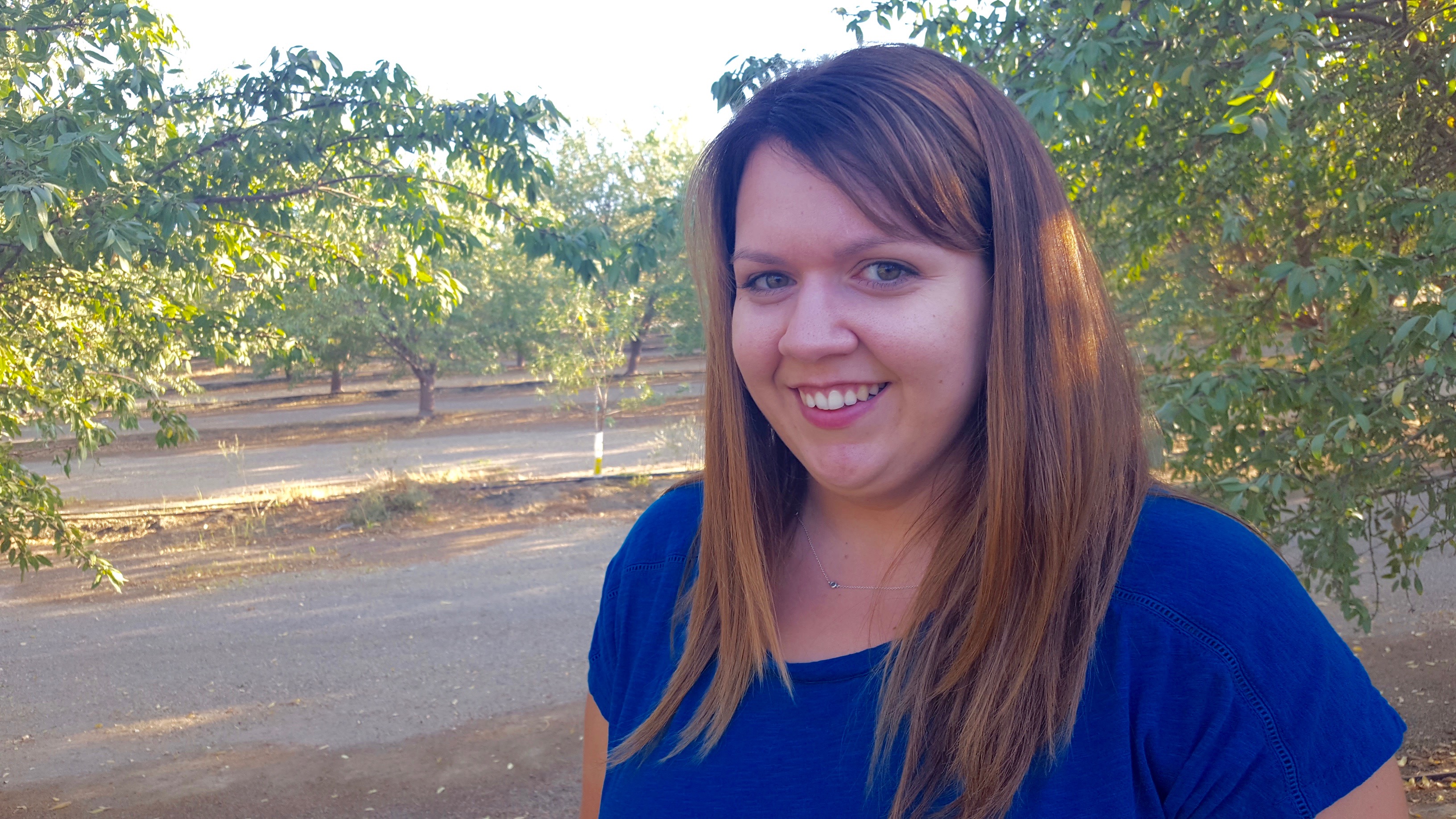
Digital platforms—not newsprintlead the information superhighway-world we live in. Beyond news websites, everyone in the agricultural industry who is able should engage and agvocate on a few social media platforms such a Twitter, Facebook, Instagram or blogs, according to @AlmondGirlJenny.


Jenny Holtermann, aka @AlmondGirlJenny, fourth-generation almond farmer in Kern County, is fully engaged with social media. Social media has become the news source for her, her friends and her generation. “I think it’s important to be involved in social media to tell your story,” Holtermann explained. “That’s how people are getting their news; that’s how people are getting their information these days.”

@AlmondGirlJenny is engaged on such social media platforms as FacebookInstagram, Twitter and YouTube.

Tim Holtermann and son, Henry, @AlmondGirlJenny

Tim Holtermann and son, Henry


“It’s critical for us to be out there,” she added, “showcasing what we’re doing and highlighting the benefits of agriculture and how it’s multi-generational, how it’s family oriented. Get people to relate to it and become engrossed in it,” Holtermann said.

Last year a reporter from the Los Angeles Times asked Holtermann about water use in farming almonds. “I was able to set the reporter straight regarding all the myths about almonds and water use,” she commented. “I told her that over the last 10 years, almond growers have reduced their water use by 30 percent and we are working on saving even more.”

Jenny and her husband, Tim Holtermann, have a big story to tell. “I’m a fourth generation California farmer” she began. “My family farms almonds and walnuts in northern California. Then I married a fourth generation California farmer as well.

“We farm together with my husband’s family in the Wasco area. It’s very important to us to care for our land and treat it as best as we can so that it can be passed down to future generations. We’re raising the fifth generation, and we hope that someday, if he so chooses, our son has the opportunity to farm here as well,” she said.

“All of us in agriculture should tell our story,” Holtermann said, so others who are not involved with Ag can learn. “If social media is not your game, hire someone to help you get started.”


Resources:

Bayer CropScience AgVocate

2016-10-19T16:21:47-07:00October 19th, 2016|

Unprecedented CAPCA Conference Attendance!

Agriculture Needs a Hero! Welcome to the Annual CAPCA Conference.


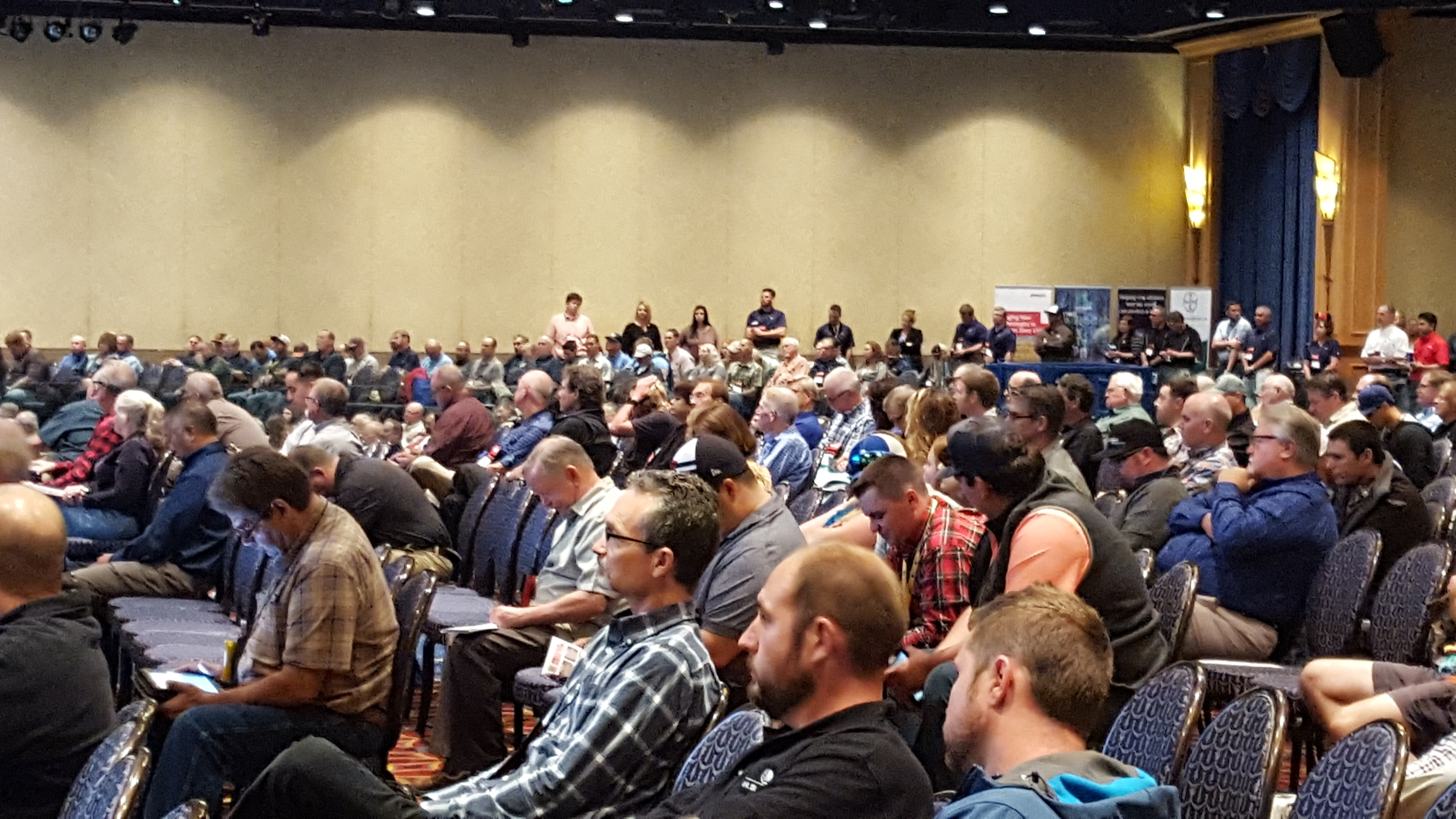
In an exclusive interview at the 42nd Annual California Association of Pest Control Advisers (CAPCA) Conference & Agri-Expo TODAY in Anaheim, CAPCA CEO and President, Ruthann Anderson, shared, “We have had an unprecedented response here at CAPCA.”

CAPCA CONFERENCE 2016 audience

Ruthann Anderson, CAPCA CEO and President

“Registrations are at an all-time high,” she continued. “We’ve actually sold out the entire show as well as registrations with 1600 attendees. There were just a handful of walkups that we unfortunately just couldn’t accommodate today. We are excited and looking forward to continuing to have a high professional continuing education program as well as an exhibit hall here today.”

“This year’s theme is ‘Fighting the Fear, Feeding the Nation,’ said Anderson, “so we’ll have Captain CAPCA as well as Doctor Foe here this morning.”

Click here to meet Captain CAPCA and Doctor Foe on this CAPCA ‘NEWS’ video!


Anderson reflected, “You know for us, CAPCA really represents the Pest Control Advisors (PCAs) for production ag and turf and ornamental. As a requirement for their continuing education, they need 40 hours in order to renew [their certification]. For us, bringing together continuing education as well as networking is so valuable for them as they move into the new year.”


Some “Top Gun” people speaking this year, according to Anderson, “are obviously some of our main sponsors. Bayer CropScience and FMC Corporation are both doing high-level presentations. We also have Kern County agricultural commissioner Ruben Arroyo talking about the new proposed regulations for buffer zones around schools, so that’s going to be a great conversation starter for all of our members.”


“We appreciate all of the support we receive,” Anderson stated. “It’s so valuable for us. We exist because of volunteers and we exist because of our membership. We are grateful for all of them.”


The California Association of Pest Control Advisers (CAPCA) represents more than 75% of the nearly 4,000 California EPA licensed pest control advisers (PCAs) that provide pest management consultation for the production of food, fiber and ornamental industries of this state.

CAPCA is dedicated to the professional development and enhancement of our member’s education and stewardship, which includes legislative, regulatory, continuing education and public outreach activities.

CAPCA membership covers a broad spectrum of the industry including agricultural consulting firms, U.C. Cooperative Extension Service, city, county and state municipalities, public agencies, privately employed, forensic pest management firms, biological control suppliers, distributors, dealers of farm supplies, seed companies, laboratories, farming companies and manufacturers of pest management products.

2021-05-12T11:05:45-07:00October 17th, 2016|

Despite Great Harvest, California Apple Growers Face Challenges

California Apple Growers Face Regulatory Disadvantage

By Patrick Cavanaugh, Farm News Director


Many California apple growers are in the midst of harvest season right now. Alex Ott, executive director of the Clovis-based California Apple Commission expects a 3% increase in production across the country. Ott foresees a 1% increase in California this season, where apples stand out because of their freshness.

“California is the fifth largest producer of apples in the United States,” Ott explained. “We are about the third largest exporter of apples in the United States. We like to pick, pack and ship. Unlike other states that like to store fruit and have that fruit around longer, California apple growers like to get in and get out,” Ott said.california-apple-commission-logo California Apple

“We have a small marketing window and we pride ourselves on fresh crops,” Ott elaborated. “So we try to get out of the market no later than December. Sometimes we go as late as January, but the idea is to [quickly] fill that niche window between the Chilean and the Washington state fruit.”

Alex Ott, executive director of the Clovis-based California Apple Commission

Alex Ott, executive director of the Clovis-based California Apple Commission

Yet, the California apple industry faces challenges going forward. Ott stated, “Over the last five years, California apple crop production has decreased by nearly 39%. A lot of that has to do with the changing of the crops. Any time you start to see an uptick in another crop, especially when it is not hand labor-intensive like apples, you will see a migration to those types of crops.”

Transitioning toward less labor-intensive crops may accelerate since Gov. Jerry Brown signed AB 1066. This bill will enable California farm employees to accrue overtime pay after working an 8-hour day, instead of a 10-hour day.

“It’s definitely going to be a challenge for California apple growers,” Ott said, especially given the labor shortage. “So apple production in the state will decrease.”

Ott lamented many countries already produce a lot of these other less labor-intensive crops. AB 1066 definitely puts us at a competitive disadvantage in keeping up with demand. The challenge is how can California apple growers compete with farmers in other state and countries who can do it faster and cheaper?

2016-10-14T18:26:24-07:00October 14th, 2016|

FFA Student is Great Reporter

Hughson FFA Student Thrives on Agriculture


By Patrick Cavanaugh, Farm News Director


California FFA Association, a high school youth leadership and career development organization, is very dynamic in the state. FFA chapters are located throughout the state’s agricultural areas. We had a conversation with Michelle Borges, a sophomore at Hughson High School. She is an active member of the Hughson FFA and serves as the 2016-17 FFA Chapter reporter.California FFA student

“My job is publicizing the FFA to everyone in the community. I write articles to the local newspapers. I’m in charge of the social media for Hughson FFA. Basically any radio broadcast, television broadcast, anything like that to get the word out about FFA,” Borges said.

Borges was also active in the 4-H starting at age five. She raised and sold goats, and she is devoted to California agriculture to this day. “One of the reasons why I love agriculture is because both my parents work in the agriculture industry. Both my brothers were super involved in the FFA, so I was kind of born into it,” she said.

Borges noted that while her family does not farm, they are involved in agricultural education. “My dad is the Dean of Agriculture at Modesto Junior College, and my mom used to be an agriculture teacher in high school, but now she teaches junior high,” she said.

While still in high school, Borges wants to continue pursuing her passion for agriculture. “When I grow up, I want to be an animal nutritionist. I’m really interested in nutrition for animals and I have also raised goats. . . ‘Seeing them grow up and then selling them. That whole project; it is really interesting to me. Also, with FFA, there’s a lot of public speaking competitions and I really enjoy public speaking in front of a crowd,” she said.

To hone her skills for that animal nutrition career, Borges plans to go to Cal Poly, San Luis Obispo, after she graduates from high school.

2021-05-12T11:17:11-07:00October 12th, 2016|

Initial Walnut Irrigation Can be Delayed

Walnut Irrigation Research Update

By Brian German, Associate Broadcaster


First springtime walnut irrigation can be delayed, according to a UC Cooperative Extension team in Tehama County working on some fascinating research regarding irrigation practices. Allan Fulton is an Irrigation and Water Resource Advisor who covers Tehama, Colusa, Shasta and Glenn counties. “We actually just finished one of our irrigation experiment harvests this weekend. It was looking at early season water management decisions, basically deciding when to begin the irrigation season,” Fulton said.

allan_fulton

Allan Fulton, UC Cooperative Extension Irrigation Specialist

Growers typically begin irrigating their walnuts sometime between late April and early May. In order to be as thorough as possible in their experiment, Fulton and his team have been pushing the limits beyond what most growers would ever consider. “We had some treatments that got no irrigation until almost the end of June,” Fulton explained.

Now in its third year, the research experiment is generating information that will provide a variety of benefits. “The whole motivation is to avoid possible injury to the trees from irrigating too much, too early, from lack of aeration and damage to the root system,” Fulton said. Delayed irrigation, while having no impact on yield or nut size, can also provide a bit of water savings. “We’re trying to look for the sweet spot,” with less intensive early season irrigation in favor of root health, tree health and disease prevention.

California walnut orchard, walnut irrigationThe research is being conducted in the northern Sacramento Valley primarily using the Chandler variety of walnut trees. Fulton has spent some time working in the San Joaquin Valley as well and understands different weather conditions can be a significant factor when applying their findings to other regions. “Our spring rainfall is quite a bit different than other walnut growing areas. Usually we’ve got an added source of water that sometimes you might not have in the southern San Joaquin Valley,” Fulton noted. From his experience, he suggested growers could usually wait until “the first week of May in most years, before really getting pressed for irrigation.”

The location of the research exposes groves to the opportunity to receive “more rain during the dormant season with a better chance at a deeper profile in moisture before you ever break dormancy,” Fulton said. More regional rainfall is possible in the spring as well, while the trees are growing.

The information gathered so far indicates growers should not jump the gun on springtime irrigation, particularly if there is still any kind of standing water issues. “The data is starting to suggest that you’ve got some room. You don’t have to irrigate at the first sign of heat; you can use a little bit of the stored moisture coming out of winter,” Fulton said. He also noted “It’s a lot more difficult to recover from a damaged tree with a sick roots system,” than it is to recover from a lack of early season irrigation.

2021-05-12T11:05:46-07:00October 11th, 2016|
Go to Top