34 Healthy Breakfasts for Busy Mornings

Source: Kate Morin; greatist.com 

When it comes to breakfast, the options are endless. Pancakes or waffles? Bacon and eggs? Muffin, followed by a pastry? So why limit chowing down on delicious breakfast foods to the morning hours? Here are 34 healthier snack options to keep filling those breakfast food cravings all month long.

Better Breakfast Snacks

1. Avocado Toast With Egg 

Sometimes, simple is just better. In this recipe, 2 slices of whole-grain bread, lightly toasted, topped with smashed avocado and a sprinkling of salt and pepper makes for a flavorful and rich base. Top that with two sunny-side-up eggs for a healthy dose of protein, and you’ve got a well-rounded breakfast. Stack ’em in a tupperware container for easy transport or cook the yolks a bit more and make the whole thing into a sandwich.

2. Peanut Butter Banana Smoothie 

Smoothies are a perfect on-the-go snack any time of day. Blend 1 frozen banana, 2 tablespoons peanut butter, 1 cup almond milk, and a few ice cubes. If this is a morning snack, keep it in a tight-sealing container and throw it in a gym or work bag. For an afternoon boost, prep it the night before and freeze, remove in the morning, and it will be thawed and ready to enjoy after lunch. Tip: Add a scoop of your favorite chocolate or vanilla protein for an extra protein boost.

3. Zapped Scrambled Eggs With Veggies 

Yes, it’s possible to make really good scrambled eggs in the microwave. And it’s easy! Beat 2 eggs, throw in a microwave-safe container, add 1 handful of your favorite veggies (cherry tomatoes and spinach leaves work well), and a sprinkle of cheese. Zap the mixture for 30 seconds, stir, and cook another 30 seconds, or until eggs are solid. Throw a top on the container to eat later, or store the raw mixture in a fridge until ready to heat and eat.

4. Fruit and Yogurt Parfait 

One of the easiest, healthiest, and tastiest breakfasts out there is a classic fruit and yogurt parfait. The best part? It can be made with any toppings you like. Try choosing fruits that are in season for the most flavorful options. (Try our stone fruit salad for summer, and opt for apples come fall).

5. Breakfast Burrito 

Who doesn’t love a burrito? Breakfast burritos are a great, easy snack to keep on hand. Scramble 2 egg whites, 1/4 cup black beans, 2 tablespoons salsa, and 2 tablespoons shredded cheese, and wrap in 1 small whole-wheat tortilla. Make a bunch, wrap in foil, and keep in the freezer for whenever the craving hits. Protein from the eggs and black beans keep you fuller longer, and the spicy salsa keeps things interesting.

6. Healthy Morning Glory Muffins 

An oat-based muffin packed with healthy carrots and zucchini, lightly sweetened with raisins and just a pinch of sugar makes a perfect breakfast or snack. Use a mini-muffin tin for smaller portions, and eliminate or cut back on the brown sugar or choose a healthier substitute to cut back on sugar.

7. Breakfast Quinoa Bites 

Here’s a new way to enjoy quinoa: make mini quinoa breakfast quiches! In a medium bowl, combine 2 cups cooked quinoa, 2 eggs, 1 cup your favorite veggies (spinach or zucchini work well), 1 cup shredded cheese, and a sprinkle of salt and pepper. Portion into a lightly-greased mini muffin tin, and bake at 350 F for 15-20 minutes. These are easy to bring along and delicious to enjoy warm or cold.

8. Fruit and Yogurt Smoothie 

Here’s a simple and delicious smoothie recipe for the morning rush. Blend 1 cup plain Greek yogurt with 1 cup frozen fruit (banana and berries work very well) with 1/2 cup liquid (milk, juice, coconut water—whatever you like). Freeze overnight and thaw throughout the day to enjoy in the afternoon, or blend up in the morning.

9. Leftovers n’ Egg 

Stuck with last night’s leftovers? Place a scoop of leftover roasted veggies, potatoes, or meat in a container, top with a cracked egg, and heat in the microwave until the egg white is cooked through, 30 to 45 seconds. (Or prep in the oven.) Feeling fancy? Sprinkle with some freshly grated parmesan cheese.

10. Fruity Breakfast Quinoa

Cooking quinoa in milk (cow, soy, or almond) and adding some sweet spices and fruit makes for a great substitute for classic hot breakfast cereals. Plus, it’s high in protein and essential amino acids like lysine, which is essential for tissue growth and repair. Simply cook quinoa according to package instructions, but substitute milk for water, and add some cinnamon or nutmeg instead of salt and pepper. Top with fresh berries and chopped roasted nuts.

11. Zucchini Bread Oatmeal 

Take a classic baked loaf and make it into oatmeal with this recipe! Adding shredded zucchini to oatmeal is a great way to fit in an extra serving of veggies. Throw on a handful of toasted walnuts or pecans for some added crunch.

12. Quinoa Fruit Salad 

Spice up a plain old fruit cup with a scoop of quinoa. Toss the whole shebang around until the quinoa is evenly distributed through the fruit. Add a scoop of plain yogurt and a drizzle of honey for a little extra body.

13. Oatmeal Squares 

Oatmeal is a great option for a hearty snack or breakfast, but what’s the best way to make it into a more convenient and portable snack? Bake it into squares!

14. Pumpkin Oatmeal Bowl 

A heaping dollop of pumpkin puree is a great way to squeeze in an extra dose of veggies. Plus, the super-orange superfood is packed with nutrients and a healthy dose of fiber. This recipe pairs the pumpkin with quick oats, pumpkin pie spice, and almond milk for a quick and easy breakfast on-the-go.

15. Ricotta and Tomato Breakfast Sandwich 

Here’s a healthier take on the classic breakfast sandwich: Take 2 slices of a hearty whole-grain bread, spread each slice with 1 tablespoon ricotta cheese and sprinkle with kosher salt and fresh cracked pepper to taste. Add 1-2 hearty slices of fresh beefsteak tomato (blotted with paper towel to remove excess liquid) and enjoy.

16. Savory Oatmeal With an Egg 

Try taking oatmeal to a whole new level by making it savory. Prepare as usual with milk or water, but add a pinch of salt and pepper instead of any cinnamon or sugar, and top with an over-easy or poached egg. Sprinkle with a little cheese for an extra yummy kick.

17. Overnight Oats 

This is the ultimate lazy-person breakfast. The night before, combine 1/2 cup milk, 1/3 cup rolled oats, 1/2 a banana (mashed), 1/4 cup chopped nuts, and a sprinkle of cinnamon in sealed Tupperware container. By morning, you’ll have delicious overnight oats! These can be heated in the microwave for 1-2 minutes if in the mood for something warm.

18. Zucchini Muffins 

Any way that fits a serving of veggies into a delicious baked good is a winner in my book. These zucchini and banana muffins with flaxseed fit three healthier options into one easy-to-tote package.

19. Peanut Butter, Banana, and Oatmeal Breakfast Cookies 

Cookies for breakfast? Yes please! While Oreos or Chips Ahoy may not make a balanced breakfast, a homemade cookie made of banana, peanut butter, protein powder, and oats is a wholesome choice. Plus, you can pick and choose what you like to mix—go for almond butter and raisins in one batch, or peanut butter chocolate chip in another.

20. Waffle PBJ-Wich

Try this sweet take on a classic breakfast sandwich the next time eating on the go. Prepare 1 whole-grain toaster waffle and slice in half. Spread with 2 tablespoons nut butter and layer 2-3 sliced strawberries on top in place of the traditional jelly (to cut down on sugar).

21. Egg and Cheese Cups 

Fried eggs are great, but what about baking a whole egg with veggies and cheese and skipping the added oil? Try making a pan of these egg and cheese cups at the beginning of the week and bringing one along each day. (Tip: If you use the individual silicone muffin molds, it makes the egg cups even more portable for on-the-go snacking.)

22. Homemade Instant Oatmeal

For anyone with a microwave or hot water at their disposal, these customized instant oatmeal packets are fantastic to have on hand. Instead of purchasing pre-made oatmeal packets, assemble your own in Ziploc baggies using whole rolled oats, cinnamon, and mix-ins like raisins and nuts.

23. Frozen Nutty Banana

Say banan-YEAH to this healthy snack. Cut 1 firm (but ripe) banana in half and un-peal, arrange on a small baking sheet or freezer-safe plate, and spread each half with 1 tablespoon almond butter evenly (on the sides not touching the plate). Here’s the fun part: Stick whatever toppings you like on top of the almond butter—our favorites are granola, chia seeds, or flax seeds and cinnamon. Insert a popsicle stick or skewer into the cut end of each half, and freeze until solid (at least 2-3 hours).

24. Chocolate-Banana Breakfast Quinoa

Here’s one healthy way to have chocolate for breakfast: a bowlful of quinoa makes for a protein-rich filling breakfast, and the banana even adds a serving of fruit.

25. Fruit Soup

There are just two ingredients in this tasty, cool snack: Cold fresh fruit, and cold milk. Chop 1 cup of fruit of your choosing (peaches, plums, berries, and mango are delicious!) and combine in a container with 1 cup milk of choice. Keep chilled until ready to enjoy.

26. Apple Surprise 

This is a perfect pick for apple season, Cut 1 apple in half and remove the core (plus a bit of the extra flesh around the core). Drop 1 tablespoon nut butter between the two holes, and sprinkle in 1 tablespoon granola. Wrap up the whole apple in plastic wrap or foil to save for later, or enjoy as is bite-by-bite.

27. Egg Sandwich 

Who doesn’t love a classic egg sandwich? Simply sautée a hefty handful of spinach and fry 2 eggs with a dash of salt and pepper. Place on top 2 whole-wheat English muffin halves (or toast) with 1 slice of cheddar cheese. Wrap in foil so the cheese melts evenly, and enjoy whenever the craving hits!

28. PBB&C 

Say what? A PBB&C is a great twist on the classic PB&J—peanut butter, banana, and chia. Try adding this superfood twist to the classic PB sandwich with 1/2 a banana (sliced) and a sprinkle of chia, which is packed with vitamins and minerals (like six times more calcium than milk!).

 29. Berries and Oats Microwave Muffin 
Muffins from the microwave? Yep, it’s possible! Add 1/4 cup quick oats, 1 egg, a handful of berries, and a sprinkling of brown sugar to a mug and mix until evenly combined. Microwave on high for 1 minute, remove to take a look, and keep cooking for 30 seconds at a time until the muffin looks firm.

30. Strawberry-Banana Quinoa Muffins 

By this point, I think the Greatist team believes quinoa makes anything better. So, muffins? It’s a no brainer. Try these strawberry quinoa muffins for an easily-packed snack or breakfast (or after lunch treat).

31. Pumpkin and Granola Parfait 

This one’s perfect to try out as fall sets in. In your favorite small Tupperware container (with a reliable lid!), top plain Greek yogurt with canned pumpkin puree and a handful of granola, then sprinkle with cinnamon. The best part? Pumpkin is a bonafide superfood rich in beta carotene, which is essential for eye health.

32. Whole-Wheat Banana Blueberry Flax Muffins 

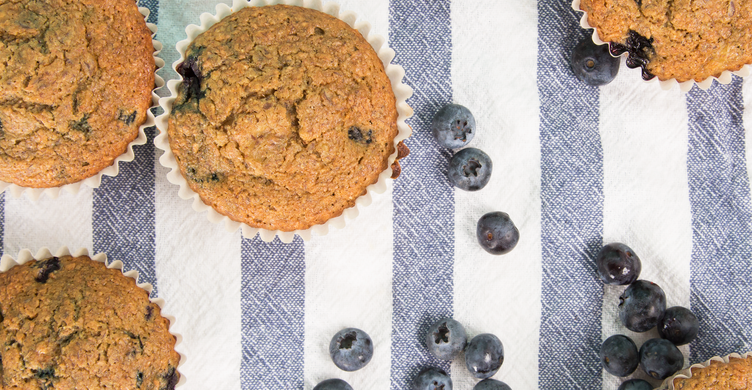
At 200 calories each, these hearty, wholesome muffins make for the perfect portable breakfast. Flax lends a healthy dose of fiber and omega-3 fatty acids. Mashed bananas (one of our favorite healthy baking substitutions) allow for a slight reduction in the added fat and sugar in this recipe, too.

33. Egg Muffins 

Finally, a muffin without all the carbs. Plus, these guys are simple to make. Beat 10 eggs, 1/4 cup chopped onion, 3 handfuls of spinach, 1 shredded zucchini, 1/2 a bell pepper (chopped), 4 slices cooked bacon or ham, chopped, and a sprinkle of salt and pepper. Divide egg mixture evenly in a lightly-greased muffin tin, and bake for 20-25 minutes at 350 F. Zap it for a few seconds in the microwave before serving.

34. Lemon Poppy Seed Protein Squares 

Here’s a healthier take on the classic lemon-poppy seed muffin. Fiber-rich oat flour is paired with vanilla protein powder for a healthy, filling base. Yogurt lends moisture and some fat, and applesauce makes a great substitute for sugar. Vanilla extract, lemon zest, and (of course) make up the rest of the fresh flavor. The best part? One bar comes in at about 54 calories and six grams of protein—much better than any muffin we’ve seen on the shelves lately.
2016-05-31T19:32:09-07:00January 5th, 2015|

Why Almonds Belong in Your Diet

Almond Nutrition

Source: Alissa Fleck, Demand Media

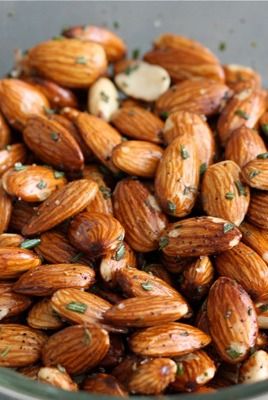
Natural, unsalted almonds are a tasty and nutritious snack with plenty of health benefits. Loaded with minerals, they are also among the healthiest of tree nuts. Just a handful of nutrient-rich almonds a day helps promote heart health and prevent weight gain, and it may even help fight diseases like diabetes and Alzheimer’s.

Nutrition

Eating about 23 almonds a day is an easy way to incorporate many crucial nutrients into your diet. Almonds are rich in vitamin E, calcium, magnesium, minerals and potassium. Additionally, almonds are a significant source of protein and fiber, while being naturally low in sugar. One 23-almond serving packs 13 grams of healthy unsaturated fats, 1 gram of saturated fat and no cholesterol or salt. Of all tree nuts, almonds rank highest in protein, fiber, calcium, vitamin E, riboflavin and niacin content by weight. There are 160 calories in 23 almonds. While many of these calories come from fat, it is primarily the healthy unsaturated fats and not the unhealthy saturated kind.

Almond Hull-split

Almond Hull-split

Heart Health

According to the FDA, eating 1.5 ounces a day of most nuts, like almonds, may reduce the risk of heart disease. Many of the nutrients in almonds help contribute to increased heart health. For one, almonds are rich in magnesium, which is critical in preventing heart attacks and hypertension. Several clinical studies have also shown almonds can be effective in reducing bad cholesterol and preserving healthy cholesterol, which plays a major role in heart health.

Weight Maintenance

Nuts, like almonds, are also beneficial for maintaining a healthy weight. The fiber, protein and fat content of almonds means it only takes a handful to keep you feeling full and satisfied so you won’t have the urge to overeat. According to “Fitness” magazine, the magnesium in almonds helps regulate blood sugar, which is key in reducing food cravings. Almonds may even be able to block the body’s absorption of calories, making them the ultimate weight-loss-friendly snack. Because almonds are naturally high in calories, it’s important to limit your serving size to the recommended 1 ounce, or 23 nuts.

Other Health Benefits

Almonds may also promote gastrointestinal health and even combat diabetes. The high fiber content of almonds gives them prebiotic properties, which contributes to health in the gastrointestinal tract. Prebiotics are non-digestible food substances, which serve as food for the good bacteria in the intestinal tract and help maintain a healthy balance. According to a study by the American Diabetes Association, a Mediterranean diet incorporating nuts, such as almonds, helps fight diabetes even without significant changes to weight, physical activity or caloric intake.

2021-05-12T11:06:01-07:00January 2nd, 2015|

CDFA ACCEPTING CONCEPT PROPOSALS FOR 2015 FERTILIZER RESEARCH AND EDUCATION GRANTS

The California Department of Food and Agriculture’s Fertilizer Research and Education Program (FREP) is currently accepting concept proposals for the 2015 grant cycle. FREP’s competitive grant program funds research that advances the environmentally safe and agronomically sound use of fertilizing materials.

The 2015 Request for Proposals (RFP) includes several initiatives put forth by the department to help effectively manage nitrogen fertilizers in agriculture. New this year is a call for integrating different aspects of nutrient management, including fertigation, irrigation, crop development and soil fertility into easy-to-use decision making tools and concepts that can help improve management practices. Additionally, the FREP seeks concepts and proposals to provide strong education and outreach opportunities on effectively and efficiently managing fertilizing materials.

Proposals for research projects are requested to fill gaps in nitrogen management information for specific crops, including corn, pima cotton, processing tomatoes, walnuts, citrus, and deep rooted vegetables such as carrots. Furthermore, the FREP is encouraging the development and submission of concepts that will demonstrate effective nutrient management practices that have been developed through experimental research trials (e.g., prior FREP research findings).

These demonstrations should implement practices at the field scale in organic and conventional fertilizers. Other priority research areas are developing Best Management Practices (BMPs), along with evaluating strategies and potential technologies to increase crop nitrogen fertilizer uptake; reduce nitrogen movement off irrigated agricultural lands, including nitrate leaching below the root zone; and minimize nitrous oxide emissions from nitrogen fertilizers.

Applicants are invited to submit two-page concept proposals to the FREP by Friday, January 16, 2015. Concepts submitted should be in line with at least one of the program’s identified priority research areas. Further information on the 2015 FREP request for concept proposals, including timelines, application criteria, priority research areas, and examples of successful proposals are available at: www.cdfa.ca.gov/is/ffldrs/frep/CompetitiveGrantProgram.html

In addition to the FREP’s regular RFP, CDFA is preparing a special RFP as part of its nitrogen initiatives. The priority areas for this special RFP are scheduled to be announced early January 2015. 

All concept proposals will be reviewed by the FREP’s Technical Advisory Subcommittee (TASC). Concept proposals that are selected by the TASC will be invited for development into full project proposals.

Applicants may also send e-mail inquiries to FREP@cdfa.ca.gov

Since 1990, the Fertilizer Research and Education Program has funded more than 160 research projects focusing on California’s important and environmentally sensitive cropping systems. A database of completed and ongoing research is publically available at: www.cdfa.ca.gov/is/ffldrs/frep.html

In collaboration with the University of California Davis, FREP is developing fertilization guidelines for major crops grown in California. The guidelines are uploaded on a flow basis and are available to growers and crop advisors through this web-based platform: http://apps.cdfa.ca.gov/frep/docs/guidelines.html

2016-05-31T19:32:09-07:00December 31st, 2014|

Storm flows lead to challenges for water system

By Kate Campbell; Ag Alert

After enduring three of the driest years in state history, nothing could be more heartening to farmers and ranchers than the steady march of Pacific storms that reached California this month. But good news is tempered by the knowledge that a few strong downpours don’t translate into full reservoirs and abundant supplies — and the storms revived concern about how state and federal water systems manage storm flows in a drought year.

The state’s reservoirs stand at about 57 percent of average, slightly below this time a year ago and well below full capacity.

“We’ve had years past where rain and snow didn’t continue into the New Year,” said State Climatologist Mike Anderson, pointing to the moisture cutoff last January that assured shortages for farmers who rely on surface water deliveries from the state and federal water projects.

“So far this year, precipitation levels depend on where you are—north of a Bay Area-Tahoe line, precipitation is above average, but in the south, levels are actually below average,” Anderson said. “In addition, there’s also below-average snowpack across the entire Sierra Nevada.”

He said most of the storms so far this water year, which began Oct. 1, have been warm, meaning snow accumulations aren’t building the way water managers hope. Sierra snowpack currently is about 50 percent of average, he said.

While December storms dropped significant precipitation, the California Farm Water Coalition noted last week that many of the state’s agricultural customers in the federal Central Valley Project worry that this year’s zero deliveries of surface water will be repeated in 2015.

“In the last few weeks, hundreds of thousands of acre-feet of water were in the system at the same time delta pumps were almost completely shut down,” coalition Executive Director Mike Wade said.

As these storms have come in, Wade said the water storage situation is similar to what was seen a year ago—except the state’s reservoirs are now lower.

“It’s very frustrating to watch water flowing through the system without being captured,” he said. “We have constraints in the delta that hold down the amount of water we catch to the bare minimum because of protections for delta smelt.”

During the height of the stormwater pulse moving through the Sacramento-San Joaquin Delta last week, he said, less than 10 percent of the surge was captured for storage and use next summer.

The state Department of Water Resources and U.S. Bureau of Reclamation, in conjunction with the U.S. Fish and Wildlife Service, said last week they are experimenting with pumping reductions to prevent a “turbidity bridge” from occurring in the central and south delta. Delta smelt are attracted to turbid, or cloudy, water because it makes the tiny organisms it feeds on more visible and provides shelter from potential predators, such as non-native bass.

DWR described the strategy this way: “Forgoing the capture of tens of thousands of acre-feet of water may allow water project operators to avoid the loss of hundreds of thousands of acre-feet of water supply later in the winter.”

A spokeswoman for the Bureau of Reclamation, Erin Curtis, said the storms present challenges in operating the system “to balance the critical need to quickly increase water supplies south of the delta while being cautious to not trigger environmental restrictions that could constrain delta operations and ultimately reduce the overall supplies.”

Representatives of agricultural water users said they’ll be closely watching the results of the operational change.

“It will be interesting to see if this is a worthwhile new operating principle at the beginning of each season,” said Chris Scheuring, an environmental attorney for the California Farm Bureau Federation. “The downside is that it might turn out to be a waste of water.”

“Clearly there is risk associated with a decision like this,” Wade said. “We hope the risk pays off.”

Fresno County farmer Dan Errotabere said due to the “turbidity bridge” theory and the lack of water transfer from the delta into storage, there’s serious concern about water supply management on the part of San Joaquin Valley farmers who rely on the state and federal projects for water deliveries during the growing season.

“Managing water during a drought is critical,” Errotabere said, noting that he fallowed 1,200 acres this year. “We’re losing opportunities now and, if the available supplies aren’t managed to capture available water to the fullest extent, we may not see a water allocation for the next crop year.”

He said he’s grateful for recent rainfall that helped reduce the need for irrigation of his winter garlic and wheat crops. The rain also helps leach salt, which has built up in the soil due to the region’s widespread use of drip irrigation and saltier groundwater.

“We’ve got to get off the groundwater because of its lower quality,” said Errotabere, who is vice chairman of the CFBF Water Advisory Committee, “and we need legislation to make sure good-quality irrigation water is put into storage. The rainy days are slipping away and we may find there’s no more available water to capture.”

Vince Dykzeul, a diversified grower from Modesto, urged creation of new water storage to help water managers respond to the ebb and flow of storms.

“If it’s true the climate is changing,” Dykzeul said, “if we’re going to have larger storms and longer droughts, then we need more water in storage to respond to these changing conditions. Water storage increases system flexibility and, if done right, everybody wins from having more water available.”

He noted that his farming operation is particularly vulnerable to flooding.

“Without adequate infrastructure to control storm waters, that’s when we have trouble,” Dykzeul said. “Nobody wants to talk about managing flood while managing through a drought, but I know the benefit of keeping both sides of the coin in mind.”

Federal weather forecasters said last week they expect continued average to above-average rainfall across California during the next three months, predicting an easing—but not an end—to the severe drought of the past several years. There’s also a 65 percent chance of weak El Niño conditions developing in the Pacific Ocean, which could influence winter precipitation, although experts say “anomalies” in climate patterns create forecast uncertainties.

“It’s not likely the drought will be broken this year,” said Steve Baxter, a National Oceanic and Atmospheric Administration forecaster. “But it’s likely (California drought) conditions will improve.”

2016-05-31T19:32:09-07:00December 30th, 2014|

Greater Crop Insurance Protection Now Offered for Fruit, Vegetable and Specialty Crop Growers

Greater crop insurance protection is now available for crops that traditionally have been ineligible for federal crop insurance. New provisions under Noninsured Crop Disaster Assistance Program will provide greater coverage for losses when natural disasters affect specialty crops such as vegetables, fruits, mushrooms, floriculture, ornamental nursery, aquaculture, turf grass, ginseng, honey, syrup and energy crops.

“For years, commodity crop farmers have had the ability to purchase insurance to keep their crops protected, and it only makes sense that fruit and vegetable, and other specialty crop growers, should be able to purchase similar levels of protection,” said Agriculture Secretary Tom Vilsack.

Previously, the program offered coverage at 55 percent of the average market price for crop losses that exceed 50 percent of expected production. Producers can now choose higher levels of crop insurance coverage, up to 65 percent of their expected production at 100 percent of the average market price.

2016-05-31T19:32:09-07:00December 30th, 2014|

American Pistachio Growers Pair with Anheuser-Busch and Michelob ULTRA Beer

First Ever In-Store Promotions for American Pistachio Organization


Fresno-based American Pistachio Growers is joining with Anheuser-Busch, St. Louis, Missouri, to promote the perfect pairing: the perfect smart snack and the perfect beer for adults with active lifestyles.

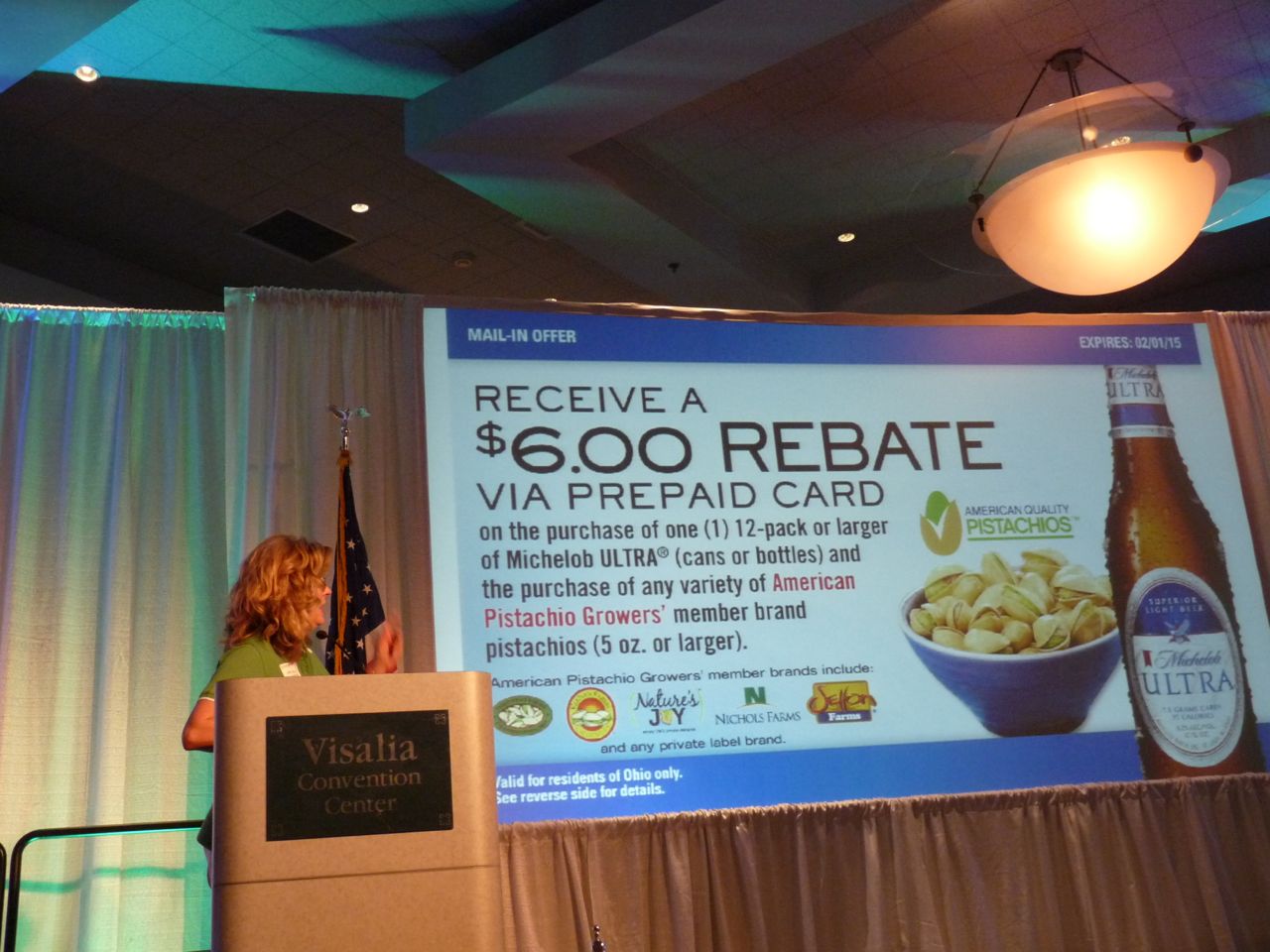
Starting now and through 2015, pistachio lovers can save up to $6 on the purchase of American Pistachio Growers member-branded pistachios and a 12-pack or larger of Michelob ULTRA.

This partnership between American Pistachio Growers and Anheuser-Busch’s Michelob ULTRA recognizes the increasing number of Americans who are eating healthy and staying fit. Pistachios are an ideal post-workout and daily snack and host a significant number of nutrients required to stay healthy. Additionally, pistachios are the lowest-in-fat snack nut grown in the United States. Michelob ULTRA is a superior light beer with 95 calories and 2.6g carbohydrates, and a proven favorite among adult consumers who enjoy a socially active lifestyle.

Beginning with the season of New Year’s resolutions — when many commit to health and fitness goals, the joint promotion will run through the National Football League playoffs and the Super Bowl; a time of many parties and gatherings. Three additional promotional periods are scheduled for Fourth of July and Labor Day gatherings, and kick-off of the fall football season.

“This is our first initiative at point of sale, to identify and promote pistachios grown and processed by the hundreds of members that make up American Pistachio Growers. It is a strong nationwide rollout, with a leading retail partner, and more than 19,000 stores participating including supermarkets, mass market retailers and drug stores,” says Judy Hirigoyen, Vice President, Global Marketing. Hirigoyen continues, “This concept was tested successfully in a few states in 2014. Research continues to reveal the health attributes of pistachios and industry growth confirms they are a popular choice as more Americans are choosing nutritional snacks.”

American Pistachio Growers view the Michelob ULTRA and pistachios partnership as a natural collaboration. The Michelob ULTRA beer line has long been associated with numerous athletic contests including running and cycling events, PGA Tour golf tournaments and ATP Tennis. American Pistachio Growers have teamed with several high-profile athletes including British pro cyclist Mark Cavendish, professional big mountain snowboarder and adventurer Jeremy Jones, pro sports team nutrition managers and is the “Official Snack” of USA Water Polo’s Men’s and Women’s Teams.

Details of the instant coupons and rebates on a state-by-state basis can be found on the American Pistachio Growers website AmericanPistachios.org.

2016-05-31T19:32:10-07:00December 24th, 2014|

UC Davis Wins Debate Refuting Neonicotinoid Ban

By Kathy Keatley Garvey; UC-Davis Department of Entomology and Nematology

Should the agricultural use of neonicotinoids be banned?

A team of entomology graduate students from the University of California, Davis, successfully argued at the Entomological Society of America’s recent student debates that a ban on the insecticides in agriculture “will not improve pollinator health or restore populations, based on current science. Neonicotinoids are important for control of many significant agricultural and veterinary pests. Part of the solution is to develop better regulations that will protect the health of pollinators and retain the use of an important IPM tool.”

UC Davis won the debate, defeating Auburn University, Alabama, and then went on to win the overall ESA student debate championship for the second consecutive year.

“Neonicotinoids are important for control of many significant agricultural and veterinary pests,” team captain Mohammad-Amir Aghaee said at the onset. “Part of the solution is to develop better regulations that will protect the health of pollinators and retain the use of an important IPM (integrated pest management) tool.” The team also argued successfully that neonicotinoids (also known as neonics) are not all “created equal.”

The insecticide, chemically similar to nicotine, is implicated in the mass die-off of pollinators.  The European Union recently adopted a proposal to restrict the use of three pesticides belonging to the nenicotinoid family (clothianidin, imidacloprid and thiametoxam) for a period of two years.  In addition, the U.S. Fish and Wildlife Service announced that by January 2016, it will ban the use of seeds treated with neonicotinoid pesticides and the use of crops improved through biotechnology throughout the 150 million acres managed by the National Wildlife Refuge System.

ESA officials chose the debate topic and assigned UC Davis to debate the “con” side and Auburn University, the “pro” side. The Auburn team argued that neonicotinoids are causing the death of bees essential for pollinating our food crops, and that the use of neonicotinoids should end. The debates took place at ESA’s 62nd annual meeting, held in Portland, Ore.

The UC Davis team cited three main points:

  • Pesticides are IMPORTANT tools used in modern agriculture
  • Neonicotinoids were registered as reduced risk pesticide to replace the organophosphates, carbamates, and pyrethroids
  • Banning neonicotinoids would increase of use of pesticides that have known non-target effects

One of the several swaying arguments that led to UC Davis winning the debate was that not all neonics are created equal, and thus, they should not all be lumped together as “an equal” and all be banned.


2016-05-31T19:32:10-07:00December 24th, 2014|

More than just a job to do

The following was written by CDFA Secretary Karen Ross

Our general counsel here at CDFA, Michele Dias, came into my office last Friday with an excitable look on her face. I think most people in positions of organizational leadership would agree that when your lawyer does that, it may not be a good thing … Thankfully, this time was different.

Michele was proudly carrying her newly minted, California agriculture-themed license plate proclaiming her to be “MAD4AG”, matching her initials (middle name Ann). She had ordered it online from the DMV as part of a great program we’ve worked on in recent years that generates funding for agricultural education. Aside from the welcome bit of levity in an otherwise busy Friday, this moment gave me pause to reflect on the remarkable workforce that makes this department run.

It isn’t unusual for someone to have a personalized license plate related to their work, especially when they sincerely enjoy the job as much as Michele does. Part of the reason is a very real connection to agriculture that makes this more than a job. Michele grew up on a small, family-run dairy in Turlock and, as any farm kid can tell you, there is no education quite like the one you get on a farm. From biology to math to engine repair, I’m betting on the kid with the dirty boots.

Fortunately, CDFA has quite a few folks who share that upbringing and awareness. We have livestock inspectors who, when their work day is done, trade in the pickup for a saddle as they start their second job as cattle ranchers. We have administrators and field staff who take a detour on the way home to check their walnut grove, walk a few rows of vegetables, or move sprinkler pipes to the other side of the alfalfa field. We have PhDs, technicians and support staff who grew up on the farm and now volunteer their time in support of worthy causes like water conservation and habitat restoration on ag lands. We have scientists who take the time to talk to local elementary school students about farms and food, passing on their own experience to the next generation.

Of course, CDFA also has many staff members who did not have ag experience before joining this organization. Whether they are new or long-term employees, the common thread is that they develop a passion for our mission to protect agriculture, from the farms and families we work with every day to the food supply that they produce and provide.

More than 17,000 California agriculture-themed license plates are already on the road in California, and that says a lot about this community’s support for agricultural education. The program is currently accepting proposals for grant projects to promote ag education and leadership activities for students at the K-12, post-secondary and adult education levels. As more and more of our neighbors have less and less direct exposure to farming, this investment in agricultural literacy is an important step toward helping all of our citizens become informed consumers and voters who understand what goes into producing our food.

There is something special about agriculture, and it’s important to remember that it’s something we all share: If you go back even a handful of generations on just about anyone’s family tree, you’ll find a farmer. I am proud to say you’ll find quite a few of them working for you here at CDFA as well.

2016-05-31T19:32:10-07:00December 22nd, 2014|

American Agri-Women Welcomes New Officers

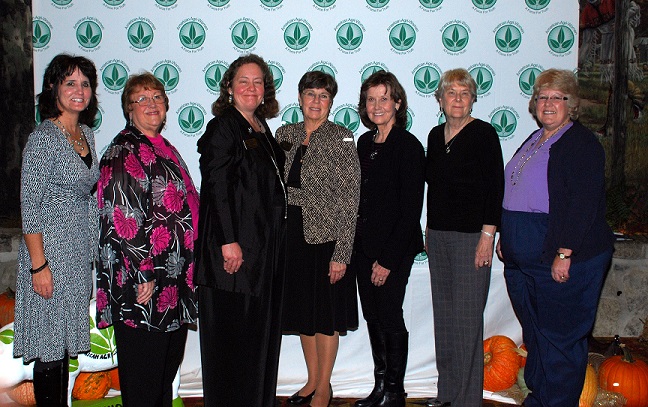
American Agri-Women (AAW) kicked off its year-long celebration of its 40th anniversary at its annual convention held recently in College Corner, Ohio. The organization also elected its national officers and recognized outstanding advocates for agriculture.

AAW is the nation’s largest coalition of farm, ranch and agribusiness women representing more than 50 state, commodity and agribusiness affiliates. The 39th annual convention’s theme was “Bridging the Path From Farm to Fork” and was hosted by Ohio Agri-Women.

National officers for 2015 are:

• President Sue McCrum, Mars Hill, Maine
• First Vice President of Resolutions & Vital Issues Doris Mold, St. Paul, Minn., and Cumberland, Wis.
• Vice President of Communications Lynn Woolf, Milton, Kan.
• Vice President of Education Donnell Scott, Manhattan, Kan.
• Secretary Arlene Kovash, Monmouth, Ore.
• Treasurer Peggy Clark, Dayton, Ohio
• Past-President Karen Yost, Billings, Montana

Outgoing officers were Vice President of Education Kris Zilliox of Omaha, Neb., and Secretary Lisa Condon of Horicon, Wis.

Since 1974, AAW members have worked together to educate consumers; advocate for agriculture; and offer networking and professional development opportunities. Go to the AAW web site for more information and to join, www.americanagriwomen.org.

2016-05-31T19:32:11-07:00December 16th, 2014|

The CVCWA Proves that there is Strength in Numbers

By: Monique Bienvenue; Cal Ag Today Communications Manager

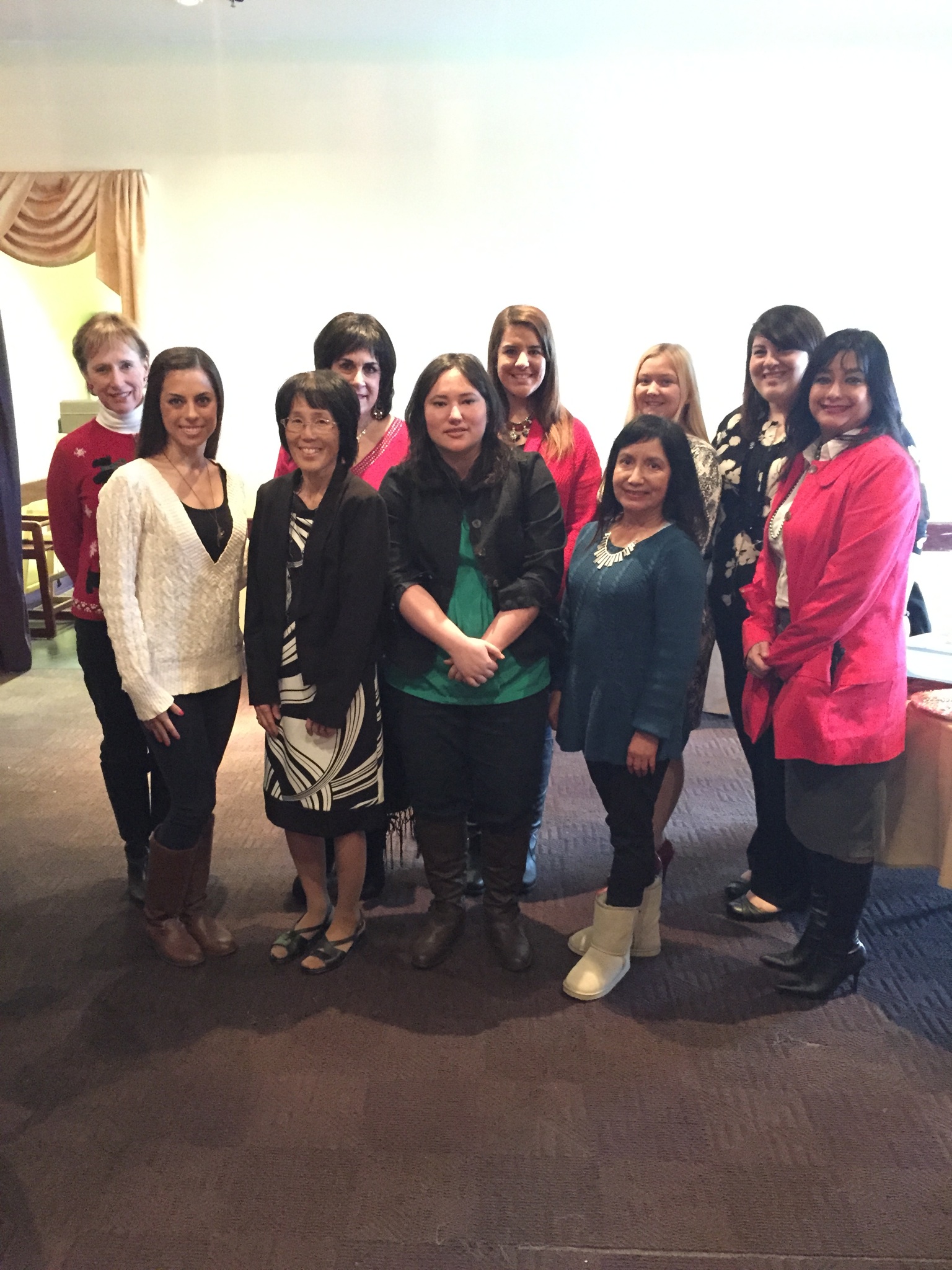
Last Friday, a group of dignified women met up for a holiday luncheon at Joy Luck Cuisine in Fresno. After working hard throughout the year to promote California’s agriculture industry, it was time to eat a delicious meal, honor a few scholarship recipients and induct the new 2014-2015 officer team.

“The CVCWA is very important to me,” said California Women for Agriculture, Central Valley Co-President Marlene Miyasaki. “Not only does the work we do help to promote various aspects of the ag industry, I’ve also met some of my closest friends through this organization.”

For years, members of the CVCWA have worked hard to celebrate esteemed agriculturalists in the Central Valley and do their best to provide scholarship money for high school and college students studying agriculture. They play a big role in planning events such as the Common Threads Luncheon, The Ag Boosters BBQ and they also dedicate their time to various community service projects throughout the Fresno County.

“I love being a member of the CVCWA,” said Agriculture Communications student Sarena Silva. “Their dedication and love for the ag industry keeps me motivated to be a voice for farmers in the Central Valley.”

With a new officer team, the CVCWA has many plans for the new year. If you’d like to become a part of this instrumental organization, go to http://www.centralvalleycwa.org or call Marlene Miysaki at (559) 278-2861.

2016-05-31T19:32:11-07:00December 15th, 2014|
Go to Top