Calif. Ag Leaders Chosen for 50th Class

CA Ag Leadership Considered the Premier Leadership Program in U.S.

Twenty-four individuals have been selected for Class 50 of the California Agricultural Leadership Program, an advanced leadership development experience for emerging agricultural leaders. The new fellows will be inaugurated into the program on Oct. 10 at the Clovis Veterans Memorial District. The program, which inaugurated its first class in 1970, will celebrate its 50th anniversary in Monterey in October 2020.

Through dynamic seminars during an intensive 17-month program, fellows will study leadership theory, effective communication, motivation, critical and strategic thinking, change management, emotional intelligence and complex social and cultural issues. Seminars are delivered by four partner universities: Cal Poly Pomona, Cal Poly San Luis Obispo, Fresno State and UC Davis. Fellows will participate in 55 seminar days, including an eight-day national travel seminar and a 15-day international travel seminar.

“After an application and alumni-assisted interview process that witnessed a record number of applicants, we are very pleased to announce the 24 individuals making up Class 50,” said Barry Bedwell, president of the California Agricultural Leadership Foundation (CALF). “This distinguished group, made up of 12 women and 12 men, will begin their 17-month formal leadership program shortly, but more importantly, this is the start of a lifelong leadership process that will not only make them better leaders but benefit California agriculture as well.”

CALF invests approximately $55,000 per fellow to participate in the program, which is underwritten by individual and industry donations. Ag Leadership is considered to be one of the premier leadership programs in the United States. Since it was first delivered in 1970, more than 1,300 men and women have participated in the program and have become influential leaders and active volunteers in the agriculture industry and other areas.

Class 50 Fellows:

Celeste Alonzo, Junior Enterprises LLC, Coachella

Leeann Bettencourt, Bonipak Produce, Santa Maria

Tyler Blackney, Wine Institute, Sacramento

Adrian Calixtro, Wonderful Orchards, Selma

Yezmin Carrasco Valle, Reiter Affiliated Companies, Oxnard

Mitch Coit, Marv Coit Inc., Firebaugh

Kris Costa, California Milk Advisory Board, Turlock

Natasha Crivelli, Chris and Natasha Crivelli Farms, Dos Palos

Rocco Cunningham, R.O. Shelling & Barlas Feeds, Petaluma

Brian Gill, Gill Cattle/Nielsen Insurance, Exeter

Erin Gorter, Cal Poly San Luis Obispo, Templeton

Megan Grima, Stephens Ranch Inc., Yuba City

Ted Kingsley, Vann Bros., Williams

Lindsey Liebig, Sacramento County Farm Bureau, Galt

Holly Little, Acadian Seaplants, Walnut Grove

Julian Lopez, Imperial County, Imperial

Megan Marques, California Farm Bureau Federation, San Luis Obispo

Jonathan Merrill, Merrill Farms LLC, Salinas

Michael Newton, Newton Farms, Stratford

Erin O’Donnell, The Sun Valley Rice Company, LLC, Arbuckle

Brian O’Neill, Huron Orchard Services, Fresno

Matt Peyret, First Northern Bank, Woodland

Priscilla Rodriguez, Western Ag Processors Association, Fresno

Trevor Tagg, West-Gro Farms Inc., El Centro
2019-09-04T08:02:20-07:00September 4th, 2019|

SB1 Advances in Sacramento

SB1 Advances to California Assembly

The California Water Alliance announced today California Senate Bill 1, or SB1, by Senator Toni Atkins (D-San Diego), advanced from the California Assembly Appropriations Committee. SB 1 will now be considered on the California Assembly floor before the Legislature adjourns on September 13th.

Assemblyman Frank Bigelow (R-O’Neals), Vice-Chair of the Assembly Appropriations Committee, shared with the California Water Alliance, “I am disappointed that SB1 was released off suspense file with amendments that make it much worse for farming and California as a whole.”

SB1 effectively declares that California would adhere to laws governing clean air, water, endangered species and labor that were in place in January 2017, before the beginning of the Trump Administration.

“SB 1 is bad for farmworkers, farmers, and communities throughout the state of California,” said William Bourdeau, Chairman of the California Water Alliance. “Our environmental laws and regulations should be defined by current, sound science, not petty politics.”

SB1 would freeze the existing federal biological opinions. Future permits would be subject to outdated science and ineffective federal baseline measures, thus permanently, constraining the coordinated operations of the Central Valley Project and the ç.

Action Needed

The California Water Alliance has led effort to demand that the California Legislature “Fix or Nix SB1”: https://californiawateralliance.org/fix-it-or-nix-it/. The California Water Alliance is a non-profit, non-partisan organization that advocates for an increase in water supply for municipal, agricultural and environmental needs: https://californiawateralliance.org/.

2019-08-30T18:16:06-07:00August 30th, 2019|

Grants Available for Biological Integrated Farming

CDFA Offering Grants for Biological Farming Systems

 The California Department of Food and Agriculture (CDFA) is now accepting grant applications for its Biologically Integrated Farming Systems (BIFS) Program and its Proactive Integrated Pest Management (IPM) Solutions Program, administered by the Office of Pesticide Consultation and Analysis (OPCA).

BIFS GRANTS
The goal of the BIFS grant program is to fund on-farm demonstration and evaluation of innovative biologically-based farming systems that employ Integrated Pest Management (IPM) strategies. CDFA is responsible for supporting agricultural production in California by fostering innovative, efficient and scientifically sound practices.

Applications are due on 5 p.m., October 31, 2019. Detailed information on the Biologically Integrated Farming Systems program, including the application process and requirements, is available at https://www.cdfa.ca.gov/oefi/opca/bifs.html.

OPCA received a one-time appropriation of $2 million for BIFS as part of the 2019-2020 budget that will be allocated in two blocks: $1 million in the current solicitation and another $1 million in 2020-2021.

PROACTIVE IPM SOLUTIONS GRANTS
The goal of the Proactive IPM Solutions Program is to anticipate exotic pests likely to arrive in California and to identify and test IPM strategies which can then be quickly implemented if the pests are detected. CDFA is responsible for preventing and mitigating invasive pests. Techniques resulting from this proactive approach will allow for rapid deployment of management plans.

Applications are due at midnight, October 31, 2019. Detailed information on the Proactive IPM Solutions Program, including the application process and application requirements, is available at https://www.cdfa.ca.gov/oefi/opca/proactive-ipm.html

A total of $1.2 million amount is available for Proactive IPM Solutions in this grant cycle. Funds for the current Request for Proposal (RFP) come from two sources. First, OPCA received an annual appropriation of $544,000 for this and other research as part of the 2019-2020 budget. An additional $3.5 million was allocated in the 2019-2020 budget to specifically help California’s farmers transition away from chlorpyrifos, an insecticide that has long been used to combat newly-arrived invasive pests but is being phased out in California.

OPCA provides consultation to the California Department of Pesticide Regulation (DPR) on pesticide regulatory matters. The office’s consultative activities focus on potential pesticide regulatory impacts and pest management alternatives that may mitigate or prevent such impacts on production agriculture. OPCA staff is also involved in other projects relating to pesticide use and alternatives. Information on the Office of Pesticide Consultation and Analysis is available at https://www.cdfa.ca.gov/oefi/opca/.

2021-05-12T11:05:02-07:00August 29th, 2019|

Weed Science Society on Glyphosate Safety

Following Hundreds of Global Studies Glyphosate Found Not to be Carcinogenic

Glyphosate is a uniquely effective and generally nonselective herbicide with a wide range of uses in both agricultural and nonagricultural settings. It has been widely adopted in conjunction with glyphosate-resistant (‘Roundup Ready’) crops and is also commonly used to manage weeds in conservation tillage crop production, resulting in significant soil improvement and savings.  Glyphosate is used in orchards and vineyards, aquatic settings, fallow and noncrop fields, and around homes and gardens. Because of its effectiveness and other desirable characteristics, glyphosate has become the most widely used synthetic herbicide in human history.

In 2015, glyphosate was classified as a “probable carcinogen” by the International Agency for Research on Cancer (IARC). IARC has applied the same classification to red meat, hot beverages, and emissions from high-temperature frying, as well as to more than 70 other chemicals. This designation has caused widespread public concern about the safety of glyphosate while being the recent focus of multiple lawsuits.

Although WSSA members are not experts in human toxicology and epidemiology, we appreciate the rigorous, transparent, and risk-based review process undertaken by the U.S. Environmental Protection Agency (EPA) as mandated by the Food Quality Protection Act (FQPA) and the Federal Insecticide, Fungicide, and Rodenticide Act (FIFRA). These statutes specify that when setting exposure tolerances, any proposed use of a pesticide should provide a “reasonable certainty of no harm” and that using the pesticide as directed “will not generally cause unreasonable adverse effects” to humans or the environment. FIFRA states that when considering these risks, the EPA must consider “the economic, social, and environmental costs and benefits of the use of any pesticide.” The EPA review process is substantially broader in scope than the more limited hazard-based assessment conducted by IARC.

After reviewing the best evidence available, regulatory bodies around the world have consistently concluded that glyphosate-based herbicides are not likely to be carcinogenic. These agencies include the U.S. Environmental Protection Agency (EPA), the Canadian Pest Management Regulatory Agency, and the European Food Safety Authority (EFSA). Additionally, an independent 2018 Agricultural Health Study supported by the U.S. National Cancer Institute found no association between glyphosate-based herbicides and cancer. That conclusion was drawn by researchers who followed the health of more than 50,000 licensed pesticide applicators over more than 20 years.

As part of its standard periodic assessment of previously registered herbicides, the EPA issued a proposed interim registration review decision on glyphosate in April 2019 (Case Number 0178). EPA reiterated that glyphosate is ”not likely to be carcinogenic to humans” and that “[t]he EPA thoroughly assessed risks to humans from exposure to glyphosate from all uses and all routes of exposure and did not identify any risks of concern.”

Extensive reliance on any single tool or technology can be cause for concern. As scientists and weed managers, our membership encourages diversification of weed management practices, including both chemical and nonchemical controls. For that reason, reducing the heavy reliance on glyphosate for weed control is certainly a desirable long-term outcome.

If, though, glyphosate is banned by policy or public outcry, other tools will be used to manage weeds, and many come with their own potential for negative impacts on health and the environment.

Prohibiting glyphosate use may also result in less effective weed control that could lead to reduced crop yields and quality, buildup of weed seed banks, weed-clogged waterways, degraded wildlife habitats, risks to human and animal health from toxic weed species. It is possible that labor costs may go up and that tillage may increase along with fossil fuel use and soil erosion. In addition, hand-labor can carry the very real risk of musculoskeletal injuries and of skin cancer from overexposure to the sun.

The WSSA supports the scientific evaluation conducted by EPA to determine the safety of properly applied pesticides. When determining whether to allow or discontinue use of any pesticide, it is important to not only weigh the costs and benefits of that pesticide, but also to understand the risks and benefits of the most likely alternatives. Decisions related to glyphosate use are no different. Ongoing research and evaluation are justified, and our society will remain current on further developments related to carcinogenic risk and glyphosate as new information becomes available.

About the Weed Science Society of America

The Weed Science Society of America, a nonprofit scientific society, was founded in 1956 to encourage and promote the development of knowledge concerning weeds and their impact on the environment. The Society promotes research, education and extension outreach activities related to weeds, provides science-based information to the public and policy makers, fosters awareness of weeds and their impact on managed and natural ecosystems, and promotes cooperation among weed science organizations across the nation and around the world.  For more information, visit www.wssa.net.


2019-08-20T07:19:16-07:00August 21st, 2019|

Generic Pistachio Marketing Has Big Value

Analysis: Export Markets Shows Nearly $3 billion Post-Tariff Shipment Increase Resulting From U.S. Pistachio Industry’s Generic Program.

American Pistachio Growers’ (APG) efforts to reduce or eliminate trade barriers in several key overseas markets have been a significant boon to pistachio exports and to growers’ bottom-line. A new study, “An Analysis of the Effects of the American Pistachio Growers’ Program to Reduce/Eliminate Tariffs on U.S. Pistachios,” has quantified, for the first time, the direct benefit to the U.S. pistachio industry from APG’s strategic program to vanquish trade barriers.

The analysis from Dr. Dennis H. Tootelian, an emeritus Professor of Marketing, sought to determine what shipments of U.S. pistachios would have been if tariffs had not been lowered or eliminated in Israel, Mexico, China and Hong Kong, and the European Union which are the export markets prioritized for focus by APG. Many of his analyses centered on the period from 2009 through 2017 — the period in which tariffs were reduced in all five geographic areas.

Tootelian’s study showed that actual shipments of U.S. pistachios after the tariffs were reduced or eliminated for each export market were more than 2.3 billion pounds greater than what would have been expected had the tariffs remained in place. Equated in economic terms, the boost in export volume after the trade barriers had been removed amounted to nearly $3 billion greater value than what would have been expected had the tariffs remained in effect.

While Tootelian did not have any prior expectations of what his study would show, he was surprised by the findings.

“To see this kind of an increase in shipments on a before and after basis with the tariffs did surprise me. I did not expect this kind of result in the marketplace. These are not small numbers,” Tootelian said.   “What the data tell me is that there is latent demand for U.S. pistachios and once the tariffs come down, foreign markets want to buy them.”

Tootelian said the projected economic boon to U.S. growers is even more profound if the fluctuations in prices in China and Hong Kong were eliminated from the analysis.

“If you take the price fluctuations in China and Hong Kong out, the increase in value of pistachio shipments amounts to nearly $355 million more dollars per year — nearly $4.5 billion in total from the time when tariffs were in effect to after they were reduced or eliminated,” said Tootelian.

Data from the analysis estimated that more than 1.7 billion pounds of U.S. pistachios in total, or an average of more than 192 million pounds annually, may  have gone into storage if they were not diverted to other markets. While the effect of the projected added supply on the world market is unknown in terms of lower prices, Tootelian said that it would surely have had a detrimental impact on U.S. growers.

“It is unknown what that would have done to the price,” he said. “In order to divert from storage and into other markets, prices probably would have had to come down considerably and whether they would have been able to market that much supply is an unknown.”

Underlying Tootelian’s analysis is the fact that price is not the sole determinant of the volume of U.S. pistachio exports. He said when tariffs are lowered or eliminated, traditional economics would dictate that increased shipments would lead to lower prices, but his data show demand for U.S. pistachios in some key markets remained high in the post-tariff era.  Several factors, he said, appear to be in play.

“One is the reputation of U.S. pistachios, which carries a very positive market image with consumers and importers. Second, it could be the quality of the product is better or more consistent, or both, for what consumers can buy from other countries,” said Tootelian. “And third, there are a lot of reputable health studies that show nuts are healthy and nutritious.  APG has invested considerable resources raising consumer awareness of the healthful attributes of pistachios, and consumers appear to be willing to pay a higher price. That is pretty clear from the data.”

APG has aggressively worked in the halls of Congress, with U.S. trade officials and with foreign governmental bodies to alleviate burdensome trade barriers and create a more open market for U.S-grown pistachios.

“Quantifying the value of APG’s efforts to growers has been difficult up to now, but this new study gives us some tangible answers to the importance of the work we are doing on behalf of the U.S. pistachio industry,” said Richard Matoian, APG’s executive director. “Frankly, we were quite surprised at the magnitude of these numbers.  It’s our strong belief that whenever and wherever trade barriers exist to the free flow of American-grown pistachios around the world, we will confront them vigorously.”

In a postscript to his analysis, Tootelian added, “If I were a grower, I would be encouraging APG to be doing this more in other markets because the greater the demand there is for the product, the less goes into storage and that helps boost the price.”

2019-08-10T09:33:07-07:00August 10th, 2019|

UC Rice Weed Course, Sept. 6, 2019

3rd Rice Short Course is at the Hamilton Road Field and Rice Experiment Station in Biggs


This year will mark the third rice-specific weed course at the Hamilton Road Field and the Rice Experiment Station in Biggs, CA on Friday, Sept. 6, 2019.

The day will begin with an interactive field tour of the research plots (Hamilton Road Field) where attendees can get up close to the weeds and rice (bring your boots!) The course will include a hands-on weed identification session on emerging and mature weeds. In the afternoon, speakers will address several pertinent topics in CA rice, including algae, weedy rice, regulatory update, best management for grasses, and how to construct a weed management program.

The course is a collaborative effort between UC Cooperative Extension (UCCE), UC Davis, and the California Cooperative Rice Research Foundation (CCRRF.) “This course provides a strong foundation for weed management in California rice, as well as a chance for discussion of ideas for dealing with resistance and emerging weed species” said Whitney Brim-DeForest, UCCE Rice Farm Advisor. The event is a great opportunity for pest control advisers, growers, industry, extension, and interested students to gain a deeper understanding of topics that affect rice weed management.

Enrollment is limited, so register early. The cost is $80 if received by 8/15/2019, $90 if received by 8/30/2019, and $100 if received after 8/30/2019 (if there is space.) The cost for students with a valid student ID is $50/$60/$70. For more details or to register, visit http://wric.ucdavis.edu and click on RICE WEED COURSE.


If you have questions, contact Whitney Brim-DeForest [wbrimdeforest@ucanr.edu or (530) 822-7515.]


2019-07-29T12:59:09-07:00July 29th, 2019|

SGMA Survival Meeting, Exeter May 30

Farmers: Learn What Needs to Be Done When SGMA is Implemented in 2020

Don Wright with waterwrights.net along with the Tulare County Farm Bureau and the WET Center at Fresno State will present the second SGMA Survival Tool Kit. Thursday, May 30th from 3:00-6:00 pm at the Exeter Memorial Building 324 N. Kaweah Ave, Exeter, CA 93221.

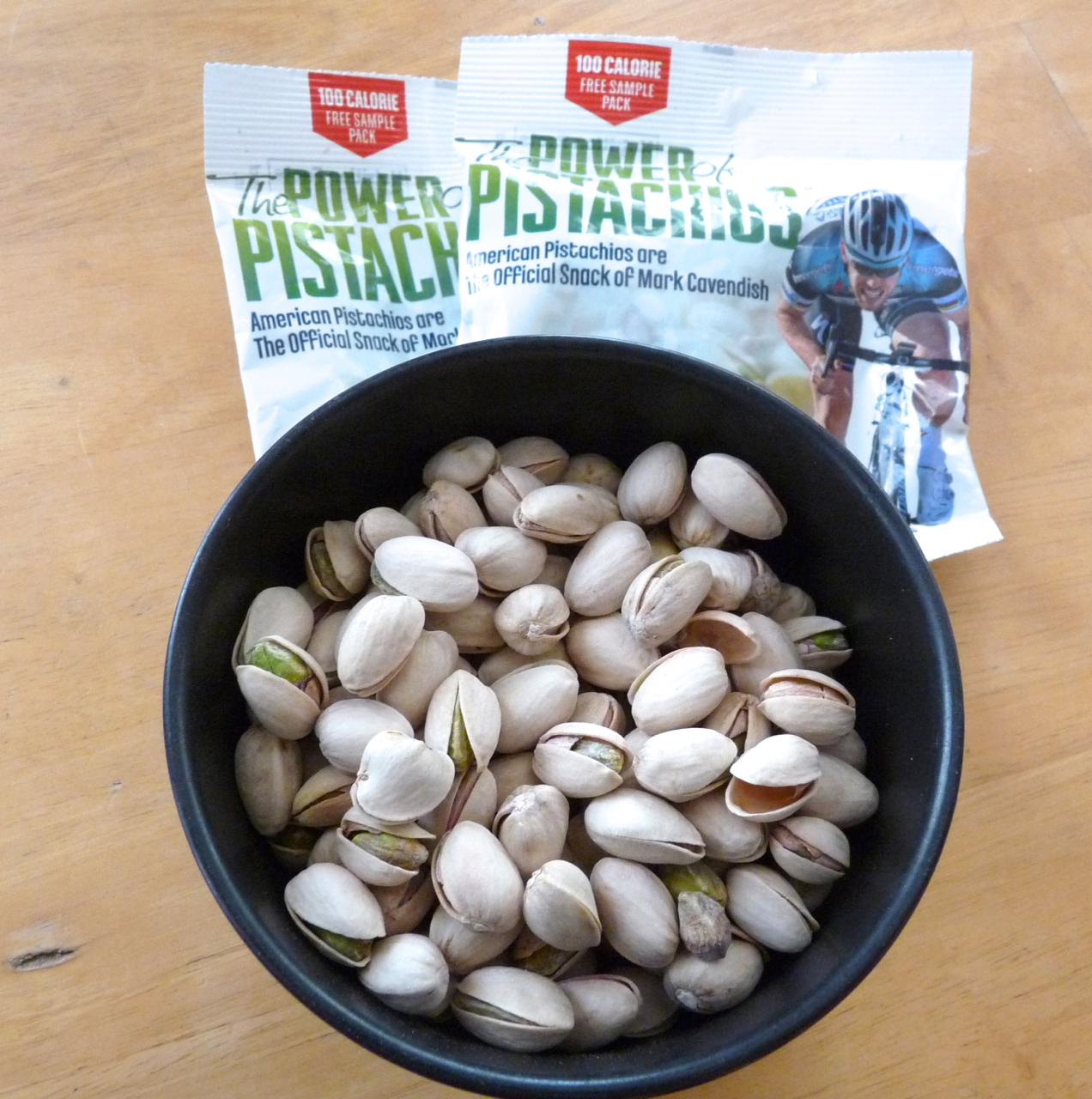
There is no charge and Gar Tootelian will be providing BBQ beef sandwiches, the American Pistachio Growers Association will provide pistachios,  Don Wright’s 81-year old mother baked 300 homemade cookies and the Tulare Farm Bureau is bringing bottled water.

Don Wright with WaterWrights.net

“This is not a GSA meeting or a DWR or State or Regional Board meeting; there will be some DWR folks to help with the interpretation of the law but not to tell us what to do,” said Wright. “And of course GSAs will be a topic but the message about them will be – they are our neighbors doing some heavy lifting. They are not the enemy and are in need of our support and input.”

This meeting is about what farmers can do to prepare for SGMA before it’s implemented next year. Are wells and irrigation systems operating optimally? Is monitoring and record keeping up to speed? Do they have their legal and real estate ducks in a row? There are experts speaking on these subjects but we will be encouraging growers to speak as well.

2019-05-25T13:48:49-07:00May 25th, 2019|

NASS Predicts Another Record-Breaking Almond Crop

2019 Crop Predicted to be 2.50 Billion Pounds

News Release

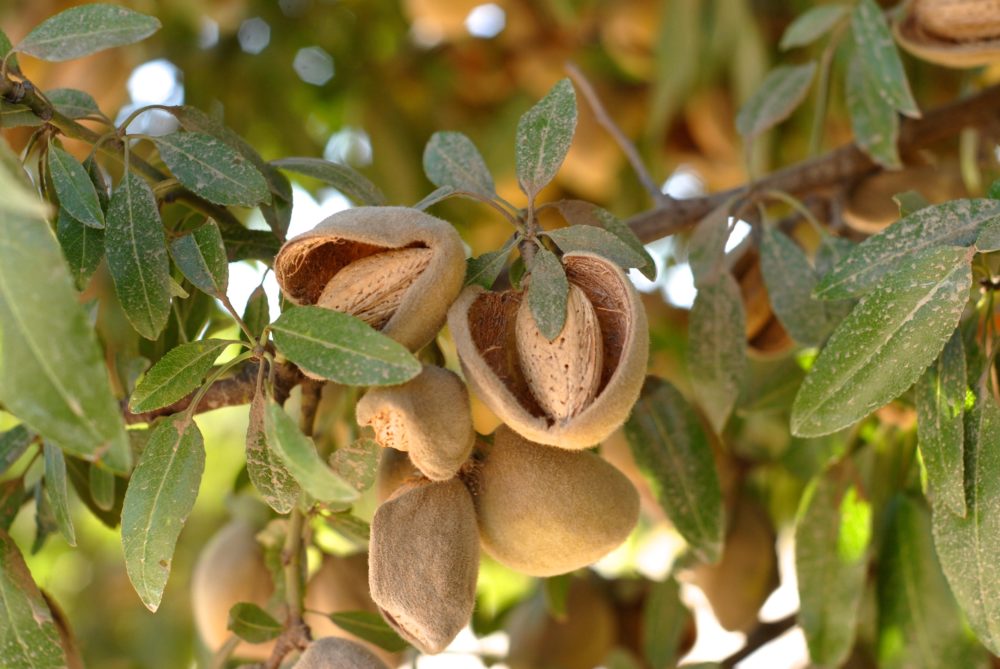
For the second year in a row, the U.S. Department of Agriculture (USDA) National Agricultural Statistics Service (NASS) is predicting a record California almond crop for the upcoming production year. According to the NASS 2019 California Almond Subjective Forecast issued recently, California almond orchards are expected to produce 2.50 billion pounds of nuts this year, up 8.69% from last year’s 2.30 billion-pound crop.  (1)

This forecast comes just weeks after NASS released the 2018 California Almond Acreage Report, which estimated total almond acres for 2018 were up 2% from 2017 at 1.39 million acres. Bearing acres—orchards mature enough to produce a crop—were reported at 1.09 million acres, up 6% from the previous year. Looking ahead, NASS reported preliminary bearing acreage for 2019 at 1.17 million acres, up 7.3% from 2018.  (2)

Richard Waycott, Almond Board President, and CEO

The first of two reports for the upcoming crop, the Subjective Forecast is based on opinions obtained from randomly selected almond growers located throughout the state via a phone survey conducted in April and May. NASS asked growers to indicate their total almond yield per acre from last year and expected yield for the current year based on field observations. The sample of growers interviewed is grouped by size of operation, and different individuals are interviewed each year, allowing all growers to be represented. NASS then combines the yield estimates obtained from each grower and extrapolates the information to arrive at the numbers reported in the Subjective Forecast.

While the Subjective Forecast provides early estimates of the upcoming crop after it is set, NASS’s 2019 California Almond Objective Report will provide a more precise estimate as it uses a more statistically rigorous methodology to determine yield. The report’s data is based on actual almond counts and measurements gathered from over 850 orchards throughout the state and includes the weight, size, and grade of the average almond sample broken down by both growing district and variety.

The California Almond Objective Report will be released on July 3 at 11:50 a.m. PDT. NASS conducts the Objective Report—the Subjective Forecast and the Acreage Report—in order to provide the California almond industry with the data needed to make informed business decisions.

1 USDA-NASS. 2019 California Almond Subjective Forecast. May 2019.

2 USDA-NASS. 2018 California Almond Acreage Report. April 2019. 

2019-05-20T15:08:50-07:00May 20th, 2019|

Wastewater Treatment Plant in Delta Causing Problems

Harmful Algal Blooms Impacting Watershed

News Release Edited By Patrick Cavanaugh

The San Francisco Bay Regional Water Quality Control Board updated its regulations on nutrient discharges into the San Francisco Bay watershed recently to protect the watershed from harmful effects of discharges from municipal wastewater treatment plants and other sources.

Although San Francisco Bay is not impaired by nutrients, it is a nutrient-enriched estuary with higher nitrogen and phosphorus concentrations than most estuaries in the world. Too much nitrogen and phosphorous can lead to harmful algal blooms, which can release toxins to the Bay. Harmful algal blooms can also result in low dissolved oxygen or insufficient oxygen in the water to support aquatic life.

In the Bay, nitrogen has the biggest influence on phytoplankton growth, and the Region’s municipal wastewater treatment plants account for 65 percent of the nitrogen discharged to the Bay. Regional population growth will increase these nitrogen discharges.

The regulatory update, in the form of a reissue of the Nutrients Watershed Permit first adopted in 2014, provides a consistent approach for regulating nutrient discharges from municipal wastewater treatment plants in the San Francisco Bay watershed.

The first Nutrients Watershed Permit required sewage treatment agencies to: (1) monitor their discharges, (2) support scientific studies to evaluate the Bay’s response to current and future nutrient loads, and (3) evaluate opportunities to remove nitrogen through treatment plant improvements.
This update will increase monitoring and scientific studies. Importantly, it requires treatment agencies to evaluate opportunities to remove nitrogen using “green” solutions, like routing wastewater through treatment wetlands and wastewater recycling.

These types of opportunities may provide water quality benefits beyond nutrient removal, for example, by providing protection against climate change through carbon sequestration and adaptation of the shoreline to address sea-level rise. Green solutions can also remove additional contaminants of emerging concern for water quality.

2019-05-17T17:12:41-07:00May 17th, 2019|

Ian LeMay is New President of California Fresh Fruit Association

Former President George Radanovich Goes Back to Washington 

 News Release

This week, Randy Giumarra, the Chairman of the California Fresh Fruit Association (CFFA) Board of Directors, announced that Ian LeMay will serve as the new president of CFFA. LeMay will succeed George Radanovich, who has held the position since 2016 and will be leaving CFFA to promote sound ag labor policy in Washington, D.C.

Ian LeMay

Giumarra said, “Ian’s appointment is a reflection of our Board’s commitment to establishing long-term leadership for our industry.”

He continued, “Our board and I have worked closely with Ian over the past four years. We are confident in his abilities and look forward to his leadership. I’d also like to take this opportunity to thank George for his time, leadership, and impact that he has made over the last three years. George’s service is greatly appreciated by our entire membership.”

LeMay has dedicated his career to supporting and advocating for the continued success of California agriculture. Since 2015, LeMay has served as CFFA’s Director of Member Relations and Communications.

From 2011 to 2015, LeMay served as the District Director for Congressman Jim Costa, who represents California’s 16th Congressional District. As District Director, LeMay managed the Congressman’s district staff and advised the Congressman on a number of issues, including agriculture, water, and transportation. Prior to working for Congressman Costa, LeMay worked as a California Market Specialist for the Lindsay Corporation. LeMay is a recent graduate of the California Agricultural Leadership Program (Class 48).

California Fresh Fruit Assocation“I am humbled and appreciate the opportunity to continue to serve the members of the California Fresh Fruit Association in a new capacity,” LeMa said. “I came to the Association four years ago because I believe in its mission, deeply respect its history and see infinite potential in advocating for the permanent fresh fruit growers and shippers of California. I consider myself fortunate to have had the opportunity to observe two great Association leaders in Barry Bedwell and George Radanovich, and thank them for their commitment to bettering our industry. The challenges that face us are many. These have not been easy years for our industry, but I remain confident in the future of California agriculture and our opportunity to advocate for meaningful policy with a unified voice.”

LeMay will begin his tenure as CFFA President on June 1st. Ian and his wife, Molly, reside in Fresno with their two children, Emery Rose and Ellison James, and will welcome their third child this August.

ABOUT THE ASSOCIATION

For more than eighty (80) years the California Fresh Fruit Association has been the primary government relations organization serving the fresh fruit industry. It is a voluntary public policy organization that works on behalf of our members—growers, shippers, marketers, and associates—on issues that specifically affect member commodities: fresh grapes, kiwis, pomegranates, cherries, blueberries, peaches, pears, apricots, nectarines, interspecific varieties, plums, apples and persimmons. It is the Association’s responsibility to serve as a liaison between regulatory and legislative authorities by acting as the unified voice of our members. The challenges are countless for growers, shippers, and marketers as they strive to remain viable in an ever-changing market. Increasing regulatory requirements make it difficult to flourish, regardless of the size of the operation.

The Association’s dedicated staff advocates daily in the best interest of our members to ensure that regulators and legislators are using sound science and accurate information when considering laws or rules that will be imposed on industry members. However, aside from the variety of issues the Association works on, there is an important networking component. As each company has its own business interest, the membership as a whole shares a common, vested interest in the long-term health of tree fruit, fresh grape and berry communities in California.

2019-05-15T14:55:48-07:00May 15th, 2019|
Go to Top