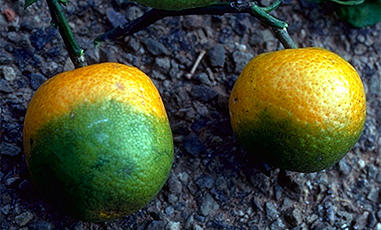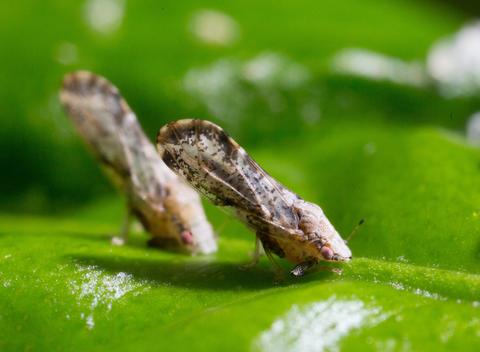
Low Priced Imports Hurt CA Growers

CCM Commends Actions Regarding Seasonal and Perishable Products


California Citrus Mutual commends the Office of the U.S. Trade Representative (USTR), U.S. Department of Agriculture (USDA), and U.S. Department of Commerce (DOC) for the actions they recently announced to address the injury caused by increased imports of seasonal and perishable products.

Low-priced imports have previously caused a substantial market disruption for the California citrus industry during its marketing season. We are encouraged by both the Administration’s plan and its determination to bring relief to fruit and vegetable growers who are suffering from similar import issues.
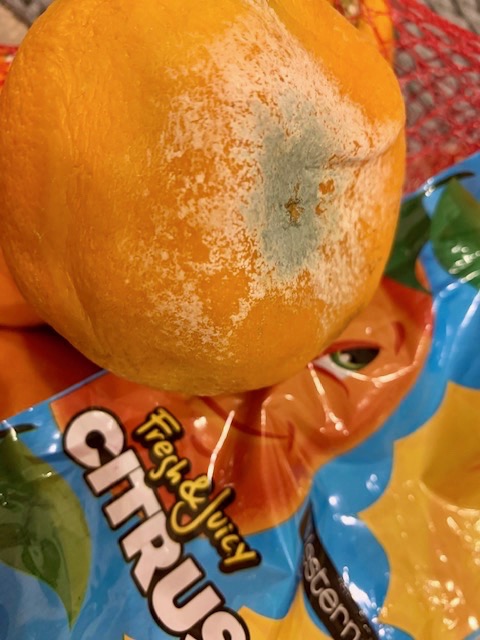
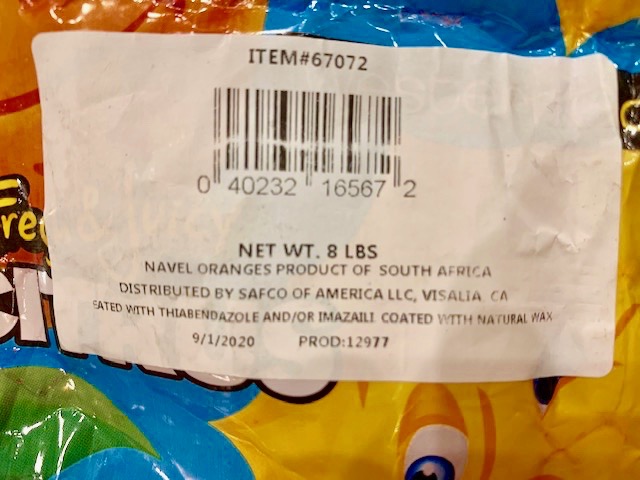
Imported Citrus Often Lacks Quality

The trade remedy steps announced include the self-initiation of Section 201 global safeguard action on certain imports, USTR’s coordination with specific sectors to monitor and investigate imports under the Section 201 provisions covering perishable agricultural products and citrus products, DOC’s coordination with effected sectors on possible self-initiated antidumping and countervailing duty actions, and the Administration’s indication that still other actions and investigations may be taken. These steps are essential safeguarding and supporting all U.S. fruit and vegetable growers harmed by this problem.

In 2017, low-priced citrus imports from the Southern Hemisphere increased 40% over the prior year’s shipments, causing significant price declines and harm to California growers. Consistent with last week’s announcement, California Citrus Mutual will closely monitor imports in the coming California season and continue to coordinate with the U.S. Government regarding any import surges, unfair import practices, and injury to our citrus growers.

2020-09-10T18:06:02-07:00September 10th, 2020|

Jeanette Lombardo Heads up Farmer Veteran Coalition

Farmer Veteran Coalition Appoints New Leadership

By Tim Hammerich, with the Ag Information Network

After starting the Farmer Veteran Coalition in 2008 and growing it to over 20,000 members nationwide, Michael O’Gorman is transitioning the organization over to newly appointed Executive Director Jeanette Lombardo.

“It really just blended everything I am, and it was perfect timing for me. And I have this great vision of moving the organization and increasing our national expansion,” said Lombardo

Lombardo brings both a family background in the military and years of working in the ag industry to the Farmer Veteran Coalition.

“What the  Farm Veteran Coalition does is we mobilize veterans to feed America. So we take that trans who are leaving whatever branch of service they’re in, and we introduce them to careers in agriculture,” Lombardo said.  “And we help them with the training, apprenticeships and placement and all aspects of it. Additionally about 54% of our membership, which is about 24,000 people altogether, have one form of disability or another. So they range anywhere, from an issue with vision to complete amputation and everywhere in between,” she noted.

Lombardo said they are rolling out a new program in addition to their perennial efforts for remote jobs in agriculture. Learn more at FarmVetCo.org.

2020-09-10T11:09:47-07:00September 10th, 2020|

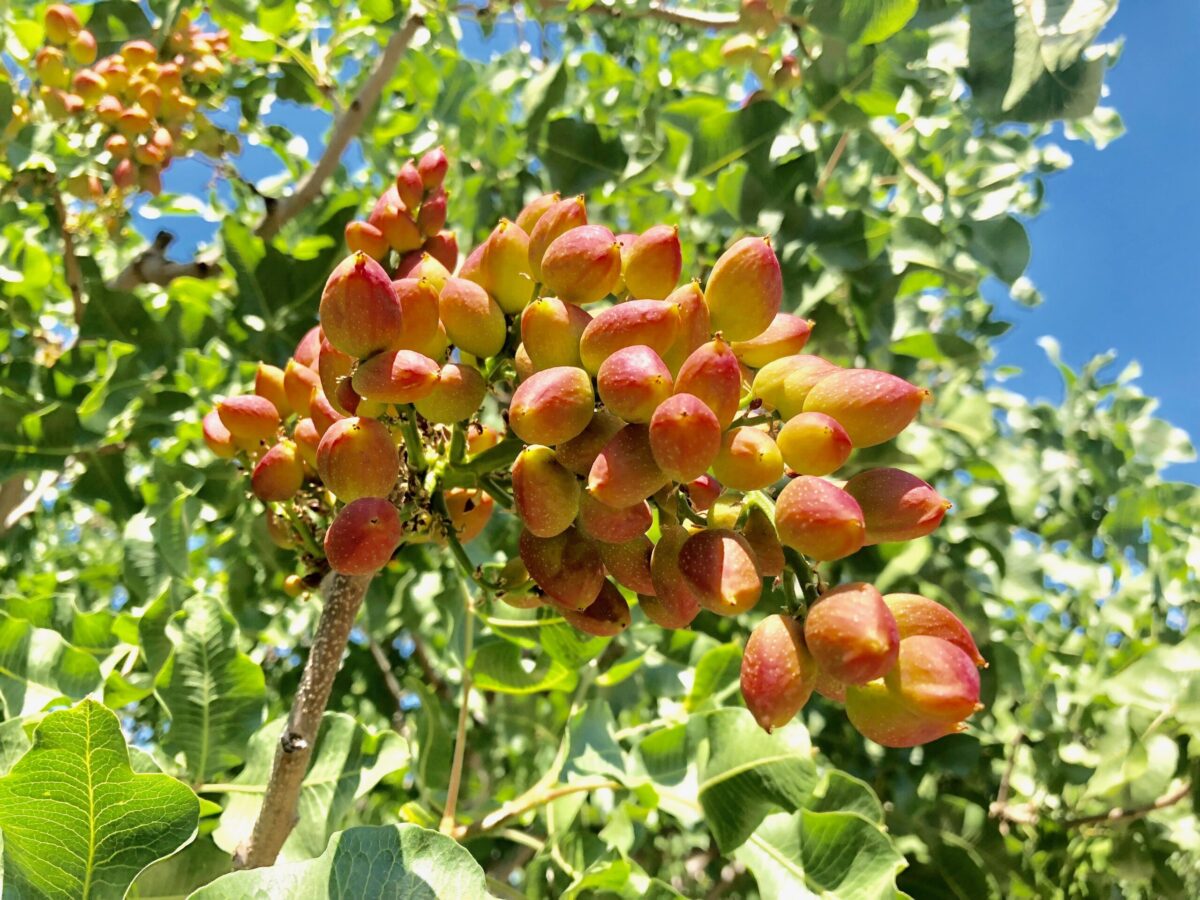
Pistachios Now Included in CFAP Direct Grower Payments

Pistachios Eligible for Direct Payments Under Coronavirus Food Assistance


American Pistachio Growers (APG) today announced to its members that the United States Department of Agriculture (USDA) has now included pistachios in the Coronavirus Food Assistance Program (CFAP).

The official notice, which is expected to be published in the Federal Register on or about August 14, 2020, states that pistachios are among 20 additional agricultural crops in the U.S. that will receive direct payments under CFAP Category 1 due to commodities experiencing a 5 percent or greater price decline between January 15, 2020 and April 15, 2020 as a result of the COVID-19 pandemic.

In addition to making pistachios eligible for direct payments under Category 1, USDA has also increased the payment rate under CFAP Category 2, which is for sales losses for pistachios due to product that spoiled in the marketing channel, or due to the loss of the marketing channel. Increased payments under Category 2 apply to product that was actually shipped from the point of origin.

“As a grower, we know and feel the effects directly when prices decline. This program provides the support needed by farmers during this difficult time we are all currently experiencing,” said Brian Watte, Chair of APG’s Board of Directors. “

Pistachios were not initially included in the CFAP direct grower payment program, but through the concerted efforts of APG’s Washington, D.C. lobbying firm and numerous conference calls placed by APG representatives to officials within USDA to provide them with accurate sales data, pistachios are now included in the Category 1 list.

“We’re pleased that USDA took the effort to review all sales data on pistachios, particularly exports which have seen declines as a result of the Coronavirus pandemic experienced on a global basis,” said APG President Richard Matoian.

Pistachio growers can access the necessary forms at www.farmers.gov/CFAP. Matoian explained that growers will be working through their local Farm Service Agency office to submit the forms for direct payment.

Growers are advised to call (877) 508-8364 to begin the application process. For growers who applied for and were paid for CFAP prior to Category 1 eligibility being granted should not submit a new application, but rather should contact their FSA office to amend the application. Importantly, USDA has announced that the application deadline has been extended to September 11, 2020.


2020-08-27T10:36:58-07:00August 27th, 2020|

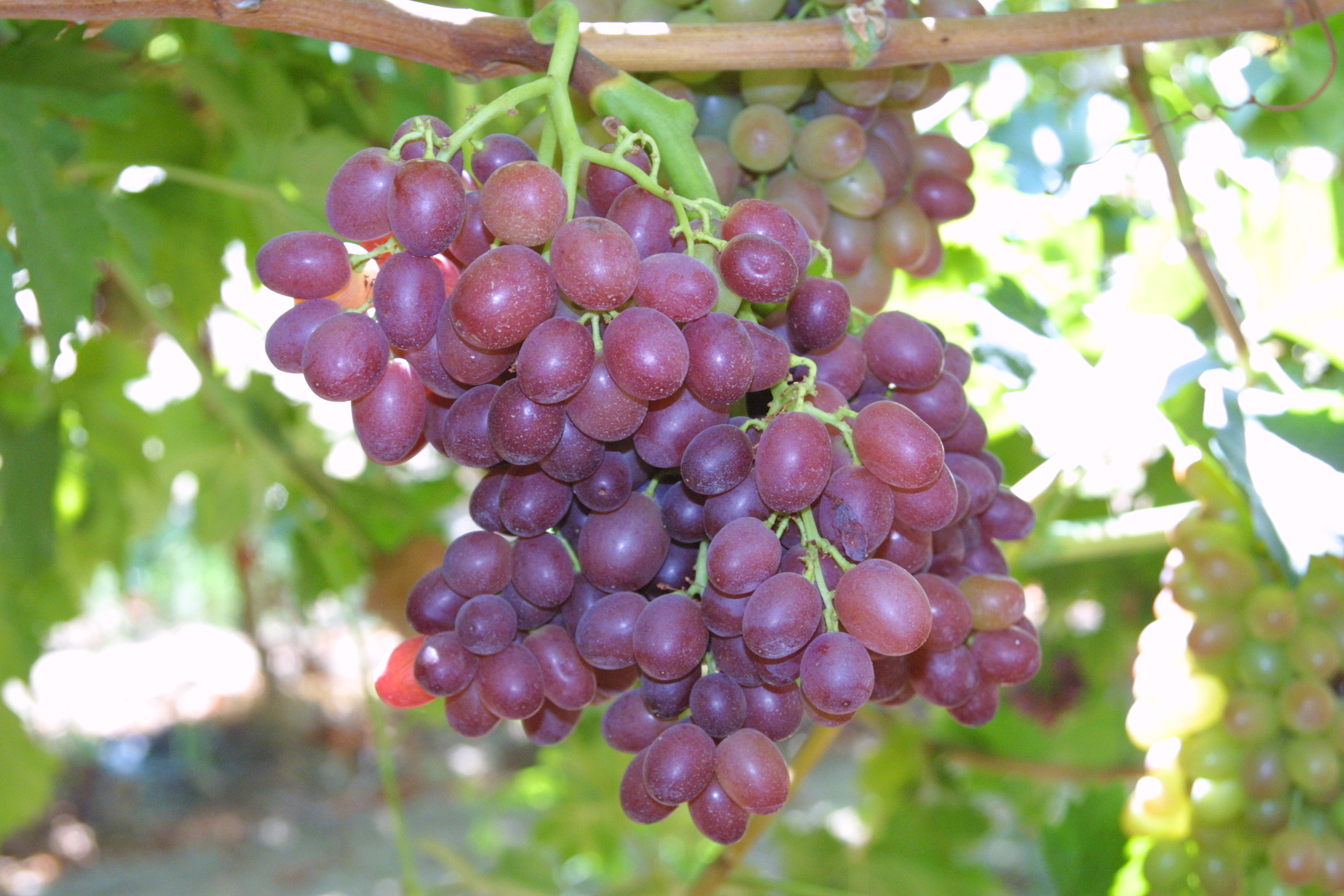
Go With Grapes Commercials Launch

Go with Grapes From California  Every Day 

A set of three new commercials extending the Go with Grapes from California Every Day global marketing campaign has launched in the U.S. and key export markets.

Airing now in the U.S. on cable television, each commercial focuses on one of three key grape-oriented messages: California origin, snacking, or health. In the U.S., the commercials also run on social media and on a variety of online content providers.

Kathleen Nave

Kathleen Nave, President of the California Table Grape Commission

In key export markets, consumers will see the commercials in a variety of venues. In South Korea, the commercials will be shown on digital screens in subway stations, malls, and surrounding outdoor areas. Consumers in Australia, New Zealand, and the Philippines will see the commercials on social media. In Japan and Taiwan, consumers will see the commercials in-store near the grape display and on retailer-operated digital screens and billboards.

“The commercials are vibrant and lighthearted and in a simple way communicate grapes’ centrality in snacking and heart health while reinforcing that the best grapes are grown in California,” said Kathleen Nave, president of the California Table Grape Commission which fields the grower-funded campaign.

And to find out how great grapes are for you see this article.


View the commercials below:


2020-08-26T08:51:52-07:00August 26th, 2020|

New Officers and Board Members At Calif. Farmland Trust

California Farmland Trust Elects New Officers, Appoints New Board Members


With a passion for preserving California’s farmland, California Farmland Trust (CFT) is proud to share the results of those elected to serve our Board of Directors as well as new board member appointments.

“We’re honored to have such well-known and well-respected individuals serve on the CFT board” shared Charlotte Mitchell, CFT Executive Director. “Our board members each bring professional skills and a passion for agriculture that serve in furthering our mission and protecting farmland.”

Newly Elected Officers

Jon Harvey, President

Jon Harvey retired from Cisco as a Hardware Engineer Manager and is now a ski patroller at Sugar Bowl. A former board member of Brentwood Ag Land Trust (BALT), Harvey joined the CFT board in 2018, following the BALT and Central Valley Farmland Trust merger that formed California Farmland Trust. Harvey became immersed in land conservation at a young age, when he recognized the connections between his appreciation for wildlife, a family history of farming, and his love for fresh food.

Patrick Johnston, Vice President

Patrick Johnston lives in Brentwood where his family has farmed since 1923. He is currently a partner in Dwelley Family Farms, growing both conventional and organic fruits and vegetables. He was a board member of the Brentwood Agricultural Land Trust, until its merger with Central Valley Farmland Trust to form CFT.

Maxwell Norton, Secretary

Maxwell Norton is a retired Farm Advisor with the UC Cooperative Extension, and a founding member of the Merced County Farmland and Open Space Trust, which later formed the Central Valley Farmland Trust. He is the Past President of the Merced County Chamber of Commerce, Past President of the California Association of Farm Advisors and Specialists, and Past Chairman of Merced County Economic Development Task Force.

Ken Oneto, Treasurer

Ken Oneto resides in Elk Grove where he grows cherries, walnuts, dry beans, tomatoes and wine grapes on the family farm. He is a graduate of the California Ag Resources Training Program and the Ag Leadership Program. He was a founding member of the Sacramento Valley Ag Land Conservancy which helped to form the Central Valley Farmland Trust, and currently serves as the President of the Sacramento County Farm Bureau.

Newly Appointed Board Members


Ryan Jacobsen

Ryan Jacobsen resides in Fresno, where he currently serves as the CEO of the Fresno County Farm Bureau. He is the first board member to serve the organization from Fresno County. Jacobsen currently serves as president of the Fresno Irrigation District Board of Directors, secretary/treasurer of the Kings River Water Association and president-elect of the Rotary Club of Fresno. He is also the host of the television show, Valley’s Gold.

Theresa Kiehn

Theresa Kiehn is the Acting President and Chief Executive Officer of AgSafe. Her career also included a tenure with the Great Valley Center, where she supported the formation of the Central Valley Farmland Trust. In addition to her current role, she serves on the Turlock Farmers Market Board of Directors, the Salas Family Foundation, is a member of Modesto Downtown Rotary and is engaged in a variety of capacities with her faith-based community.

2020-08-20T13:09:07-07:00August 20th, 2020|

Finalists Compete for $30,000 in International Pizza Contest

Top Pizza Chefs Showcase Innovative Recipes Using Real California Cheese

The California Milk Advisory Board (CMAB) today announced finalists in the 2020 Real California Pizza Contest (RCPC) – a search for the best recipes using Real California Cheese. The contest, in its second year, will award prize money totaling $30,000 for the most innovative use of cow’s milk cheeses from California in three categories.

Professional chefs and culinary students from 24 states submitted recipes between May 22 and July 17, 2020. Entries were blind-evaluated by a panel of three pizza professionals – Glenn Cybulski, certified pizzaiolo and award-winning executive chef; Thomas Garnick, founder of Brava! Pizzeria and 2019 RCPC Grand Prize Winner; and Mark Todd, culinary expert and foodservice/retail cheese educator. 

This year’s contest features the best pizza recipes from the United States and Mexico with the winner of the “Campeonato Mexicano de la Pizza”, sponsored by the CMAB in late 2019, earning a guaranteed spot as a finalist in the bakeoff. The international expansion of the contest displays the broad appeal and application of California dairy at foodservice outside of the United States. 

After careful evaluation of pizza names, inspiration, recipe and use of ingredients, eleven individuals have been selected as finalists in three respective categories: Cal-Mex, The REAL California, and Plant-Forward.


“Pizza has global appeal and offers a blank canvas for expression. We are inspired by the creativity and innovation that went into these recipes, which represent a spectrum of ingredients and flavor combinations all brought together with California cheese” said Mike Gallagher, Business and Market Development Consultant for the CMAB.  “We are also thrilled that we have such a diverse breadth of geographic representation in the finalist group and are looking forward to seeing them in action.”

The virtual bakeoff takes place on October 10, 2020, at the Culinary Institute of America in Napa, Calif., where pizzas will be prepared and baked onsite for a blind evaluation by judges. Category winners will receive $5,000 and the Grand Prize Winner, selected from all category winners, will receive an additional $10,000. All remaining finalists will receive $500 each.

Following are the finalists in the 2020 Real California Pizza Contest:

Cal-Mex

  • Linda Ortega, a professional chef from Watsonville, Calif., is the owner of Fired Up Fresh. Her entry, Al Pastor, is a tribute to her husband’s Mexican heritage and features fresh Cotija alongside marinated pork adobo and California Chili Sauce.
  • Jordan Lawson, is a professional chef from Bellingham, Wash., where he works at La Fiamma Wood-Fire Pizza. His entry, Chile Relleno Pizza, utilizes rich Queso Quesadilla and Crema Mexicana to tastefully balance green tomatillo salsa and roasted poblanos.
  • Buffy Wimmer, a professional chef from McKinney, Texas, is the owner of Jersey Pies. Her entry, Pizza Taco de Callejero, is a street taco-inspired pizza highlighted by the delicious combination of four Hispanic-style California cheeses paired with carne asada and zesty mango salsa. Buffy competed in the 2019 RCPC finals.
  • Lars Smith, a professional chef from Palo Alto, Calif., is the owner of State of Mind Public House and Pizzeria. His entry, Elotero, combines Queso Oaxaca and Cotija with tender guajillo braised pork shoulder and corn Requeson to honor those who make and sell Mexican street corn. Lars was also selected as a finalist in the Plant-Forward category. He was a 2019 RCPC finalist as well.


The REAL California

  • Efren Ríos, a professional chef from Mexico City, works at Bottega Napule. His entry, Bronte, provides an original interpretation of California cuisine through fresh yellow tomatoes, eggplant, pistachios, and basil on top of rich California Provolone.
  • Justin Wadstein, a professional chef from Santa Cruz, Calif., is the owner of Sleight of Hand Pizza. His entry, Cali Crab, blends two California favorites – Dungeness crab and pesto – with fresh Mozzarella and Triple Crème.
  • Phillip Ma, a professional chef from San Francisco, Calif, is the owner of Dough. His entry, Szechuan Pizza, incorporates his Chinese heritage into a delicious interpretation of a California fusion pizza highlighted by fresh Mozzarella and Szechuan Chili.
  • Ricky Webster, is a professional chef from Spokane, Wash. who works at SYSCO Spokane. His entry, The Wharf, combines a sourdough crust and fresh clams with rich crème fraîche and Mozzarella for a delicious ode to San Francisco’s landmark Fisherman’s Wharf. Ricky was another 2019 RCPC finalist.


Plant-Forward

  • Domenica Catelli, a professional chef from Geyserville, Calif., is the owner of Catelli’s. Her entry, The New “Old School”, pairs cauliflower crust and plant-based sausage with fresh Burrata and Smoked Mozzarella for an inventive twist on a classic recipe.
  • Anisha Blodgett, a professional chef from San Diego, Calif., is the owner of Powerhaus Wholesome Pizza & Eats. Her entry, Roasted Mushrooms Pizza on High-Protein Whole-Grain Crust, features fresh mushrooms, cherry tomatoes, and arugula on top of delicious Mozzarella and creamy Ricotta.
  • Joe Mialki, a professional chef from Port Orange, Florida, is the co-owner of Giuseppe’s Steel City Pizza. His entry, The Shelly, tastefully incorporates spinach, mushrooms, and mini tomatoes alongside a pistachio pesto sauce and fresh Mozzarella.
  • Lars Smith, a professional chef from Palo Alto, Calif., is the owner of State of Mind Public House and Pizzeria. His entry, Fire on the Mountain, relies on Queso Oaxaca and rich Mexican Crema to form a rich foundation for plant-based chorizo, Fresno peppers, and roasted cauliflower. Lars was also selected as a finalist in the Cal-Mex category.

About Real California Milk/the California Milk Advisory Board
The California Milk Advisory Board (CMAB), an instrumentality of the California Department of Food and Agriculture, is funded by the state’s dairy families and is one of the largest agricultural marketing boards in the United States. With a mission to increase demand for products made with Real California Milk, the CMAB is celebrating 50 years in 2019 of promoting California’s sustainable dairy products in the state, across the U.S. and around the world through advertising, public relations, research, and retail and foodservice promotional programs. 

The Foodservice Division of the CMAB supports foodservice operators and distributors that use Real California dairy products. The CMAB offers marketing and promotional support for foodservice operators that purchase dairy products with the Real California Milk seal, which means they are made with 100 percent milk from California’s more than 1,200 family dairy farms.

2020-08-19T08:01:27-07:00August 19th, 2020|

A Holistic Approach to Farming?


Regenerative Agriculture Goes Beyond Changing a Farming Practice

By Tim Hammerich with the Ag Information Network

Regenerative agriculture is widely talked about these days. Clearly defining it, though, can be a bit of a challenge. One reason for that is it’s more of a holistic approach rather than any one prescribed practice. Paige Stanley is a Researcher and PhD student studying regenerative practices at the University of California Berkeley.

“I think of it as like suites of practices used in combination. That we know to have additive or multiplicative benefits. For example, you know, we know that no-till has lots of benefits. We know that cover cropping has benefits, but if used in isolation, the positive outcomes are limited,” said Stanley.

“When you use something like no-till, cover cropping, a diverse crop rotation, hedge rows. If you use that as a suite of practices or in combination with one another, You’re going to get benefits that you wouldn’t see from using any of those practices individually,” Stanley noted.

Stanley explained that the regenerative approach requires a different mindset: one focused on soil health.

“That level of experimentation, and having the practices in combination with one another is what I like to think of as regenerative versus just the addition of any one practice to meet a specific goal,” she said.

2020-08-12T15:18:37-07:00August 12th, 2020|

USDA Coronavirus Food Assistance Program Extended

Application Deadline Extended to Sept. 11

U.S. Secretary of Agriculture Sonny Perdue announced today that the U.S. Department of Agriculture (USDA) is extending the deadline to apply for the Coronavirus Food Assistance Program (CFAP) to September 11, and growers with approved applications will receive their final payment.

To ensure availability of funding, growers with approved applications initially received 80% of their payments. USDA’s Farm Service Agency (FSA) will automatically issue the remaining 20% of the calculated payment to eligible growers. Going forward, growers who apply for CFAP will receive 100% of their total payment, not to exceed the payment limit, when their applications are approved.

Applying for CFAP: 
Growers, especially those who have not worked with FSA previously, are recommended to call 877-508-8364 to begin the application process. An FSA staff member can help producers start their application during the phone call.Also, on the CFAP website — farmers.gov/cfap — growers can:

  • Download the AD-3114 application form and manually complete the form to submit to their local USDA Service Center by mail, electronically or by hand delivering it to their local office or office drop box.
  • Complete the application form using the CFAP Application Generator and Payment Calculator. This Excel workbook allows growers to input information specific to their operation to determine estimated payments and populate the application form, which can be printed and then signed and submitted to their local USDA Service Center.
  • If growers have login credentials known as eAuthentication, they can use the online CFAP Application Portal to certify eligible commodities online, digitally sign applications and submit directly to the local USDA Service Center.

All other eligibility forms, such as those related to adjusted gross income and payment information, can be downloaded at farmers.gov/cfap. For existing FSA customers, these documents are likely already on file.

Additional Information:
In addition to extending the CFAP deadline, Secretary Perdue also announced that additional commodities are now covered by the CFAP in response to public comments and data. USDA collected comments and supporting data for consideration of additional commodities through June 22, 2020. The following additional commodities are now eligible for CFAP:

  • Specialty Crops: aloe leaves, bananas, batatas, bok choy, carambola (star fruit), cherimoya, chervil (french parsley), citron, curry leaves, daikon, dates, dill, donqua (winter melon), dragon fruit (red pitaya), endive, escarole, filberts, frisee, horseradish, kohlrabi, kumquats, leeks, mamey sapote, maple sap (for maple syrup), mesculin mix, microgreens, nectarines, parsley, persimmons, plantains, pomegranates, pummelos, pumpkins, rutabagas, shallots, tangelos, turnips/celeriac, turmeric, upland/winter cress, water cress, yautia/malanga, and yuca/cassava.
  • Non-Specialty Crops and Livestock: liquid eggs, frozen eggs and all sheep. Only lambs and yearlings (sheep less than two years old) were previously eligible.
  • Aquaculture: catfish, crawfish, largemouth bass and carp sold live as foodfish, hybrid striped bass, red drum, salmon, sturgeon, tilapia, trout, ornamental/tropical fish, and recreational sportfish.
  • Nursery Crops and Flowers: nursery crops and cut flowers.

Other changes to CFAP include:

  • Seven commodities – onions (green), pistachios, peppermint, spearmint, walnuts and watermelons – are now eligible for Coronavirus Aid, Relief, and Economic Stability (CARES) Act funding for sales losses. Originally, these commodities were only eligible for payments on marketing adjustments.
  • Correcting payment rates for onions (green), pistachios, peppermint, spearmint, walnuts, and watermelons.

Additional details can be found in the Federal Register in the Notice of Funding Availability and Final Rule Correction and at www.farmers.gov/cfap.

2020-08-11T12:28:50-07:00August 11th, 2020|

UC Davis Alumnus Receives Robert Snodgrass Award

Brendon Boudinot, an Ant Morphologist is Recipient of Award

UC Davis alumnus and ant morphologist Brendon Boudinot, who received his doctorate in entomology in June, is the recipient of the coveted Robert E. Snodgrass Memorial Research Award from the Entomological Society of America (ESA). The award is presented by ESA’s Systematics, Evolution and Biodiversity Section.

Boudinot, who studied with major professor Phil Ward of the UC Davis Department of Entomology and Nematology, is the second UC Davis-affiliated entomologist to receive the honor in its 28-year history.  Jessica Gillung of the Lynn Kimsey lab, Bohart Museum of Entomology, won the award in 2019.

Brendon Boudinot

Snodgrass (1875-1962), a leader in insect morphology, is known for his 76 scientific articles and six books, including Insects, Their Ways and Means of Living (1930) and the book considered to be his crowning achievement, the Principles of Insect Morphology (1935).

Boudinot has them all. “Principles of Insect Morphology and the Anatomy of the Honey Bee were the foundation of my studies,” he said. “I have both, plus his Textbook of Arthropod Morphology and Insects, Their Ways and Means of Living on my desk in the lab.”

The Snodgrass Award, which includes a certificate and cash prize, recognizes outstanding research by a PhD student who has completed a research thesis or dissertation in arthropod morphology, systematics, taxonomy, or evolution. Nominees are scored on honors, awards, achievements and recognition; recommendations of professors and advisors; grantsmanship, publications, creativity and innovation of thesis or dissertation; and contribution to morphology.

Boudinot’s dissertation: “Systematic and Evolutionary Morphology: Case Studies on Formicidae, Mesozoic Aculeata, and Hexapodan Genitalia.”

He earlier received the prestigious Alexander von Humboldt Research Fellowship to do research on evolutionary and comparative anatomy in Jena, Germany.  He will locate to Germany in early 2021 for the two-year fellowship, after completing intensive language studies.

‘I Am a Morphologist Because of Robert Evans Snodgrass’

“I am a morphologist because of Robert Evans Snodgrass,” Boudinot wrote in his application. “Although I have had pressure from my earliest undergraduate to become a molecular systematist, it was my chance encounter with Snodgrass’s Principles of Insect Morphology late one night in the college library that set the course of my career.

“I had struggled for years at that point to understand the biodiversity of insects and to untangle the deep morass of arcane terminology, but my vision was illuminated by the conceptual clarity, linguistic simplicity, and exceptional engravings of the Principles. This work continues to hold special dominion over my thinking, as it is through the principle of mechanical function for explaining comparative anatomical observations that I have come to my present understanding of systematic and evolutionary morphology,” he said

Boudinot wrote that his “career objective, in brief, is to resolve the morphological evolution of insects through the synthesis traditional morphology, as represented by Snodgrass, with recent trends in digital anatomy and bioinformatics. I envision a future wherein students rely not on Borror & Delong, a holdover from Comstock’s 19thCentury manual, but rather learn about insect structure, function, classification, and evolution through manipulation of three- and four-dimensional digital anatomical models, substantiated via manual curation and dissection. I want students to see for themselves what I have understood through the study of Snodgrass’s work, balanced by contemporary research: The origin of the Arthropoda and morphological transformation through geological time to the resplendent, and endangered, diversity of today.

“In sum, my identity as an entomologist, and as a scientist more broadly, is due to the insights on the language and phenomenology of morphological evolution I gained from the oeuvre of Snodgrass. Without these works, I would probably still be a botanist.”

Boudinot’s research interests include the origin and evolution of complex phenotypic systems from the perspective of phylogenetic systematics, including molecular and paleontological evidence. Specializing on morphological identity and evolutionary transformation, the skeletomuscular system of Arthropoda, with emphasis on the male genitalia of Hexapoda and systematics of the Hymenoptera, particularly the Formicidae.

John Henry Comstock Award
Highly honored for his academics, leadership, public service activities, professional activities and publications while at UC Davis,  Boudinot received the 2019 John Henry Comstock Award, the top  graduate student award given by ESA’s Pacific Branch. The branch encompasses 11 Western states, U.S. territories, and parts of Canada and Mexico.

In the Comstock award application, Steve Nadler, professor and chair of the Department of Entomology and Nematology, described Boudinot as  “A highly respected scientist, teacher and leader with a keen intellect, unbridled enthusiasm, and an incredible penchant for public service.” Boudinot maintained a 4.00 grade point average and published 18 peer-reviewed publications on insect systematics, some landmark or groundbreaking work.

His most recent publications: one on Cretaceous Strepsiptera in Cladistics and the other on the iron maiden ants in Myrmecological News (“Two New Iron Maiden Ants from Burmese Amber (Hymenoptera: Formicidae: †Zigrasimeciini”).

Boudinot received multiple “President’s Prize” awards for his research presentations at national ESA meetings. He organized the ESA symposium, “Evolutionary and Phylogenetic Morphology,” at the 2018 meeting in Vancouver, B.C. , and delivered a presentation on “Male Ants: Past, Present and Prospects” at the 2016 International Congress of Entomology meeting in Orlando, Fla.

Boudinot served on—and anchored—three of the UC Davis Linnaean Games teams that won national or international ESA championships. The Linnaean Games, now known as the Entomology Games, are a lively question-and-answer, college bowl-style competitions on entomological facts played between university-sponsored student teams.

Brendon served as president of the UC Davis Entomology Graduate Student Association from 2006 to 2019, and co-chaired the department’s UC Davis Picnic Day celebration (with forensic entomologist Robert Kimsey) for three years.


2020-08-10T12:45:10-07:00August 10th, 2020|

BREAKING NEWS—First Positive Psyllid Found in Commercial Orchard

All Other Positive Psyllids for HLB  have Been Found in  In Residential Trees

An Asian citrus psyllid (ACP) sample – confirmed positive for Candidatus Liberibacter asiaticus (CLas), the bacteria that causes Huanglongbing (HLB) – was collected from a commercial citrus grove in the Woodcrest area of Riverside County. HLB is an incurable plant disease that infects and kills all types of citrus trees and could devastate California’s $3.4 billion commercial citrus industry.

This single adult psyllid is the first CLas-positive ACP found in a commercial citrus grove in California.

While a positive ACP detection in a commercial grove is cause for serious concern, as of today, HLB has not been detected in any California commercial groves. That said, it is more crucial than ever that we stop the disease from spreading by eradicating the Asian citrus psyllid in commercial groves. The cost to manage the Asian citrus psyllid is far less than any potential costs or loss to the industry should HLB take hold throughout our state.

An expansion of the HLB quarantine zone will not be established as a result of the CLas-positive ACP detection and CDFA staff is swiftly conducting surveys and collecting samples per the ACP/HLB Action Plan  from the perimeter of all commercial groves and all residential HLB host plants that are located within a 250-meter radius around the find.

     While treatment is not mandatory as a result of the detection, all growers within 250-meters of the find site will be notified to apply insecticides to all HLB host material within the designated area with materials recommended by the University of California (UC).

     Currently, the best way to stop the disease from spreading is to stop the ACP. To stop the ACP, we must restrict its movement and suppress existing psyllid populations. It is critical to follow best practices and review recommendations from the UC on how to protect commercial citrus groves from HLB. Regulations are in place to help prevent the spread of the pest and disease. All growers, packers and haulers must comply with all California Department of Food and Agriculture, county and federal regulations, including quarantines.

     Growers in Riverside County may contact the County Agricultural Commissioner’s office or the CDFA Pest Hotline at 800-491-1899 for additional information. If you see or suspect ACP or HLB symptoms in your grove, please notify the CDFA hotline.

2020-08-07T12:57:32-07:00August 7th, 2020|
Go to Top