Prop 12 Problems

Prop 12 a ‘Tough Situation’ for the Pork Industry

By Tim Hammerich with the Ag Information Network

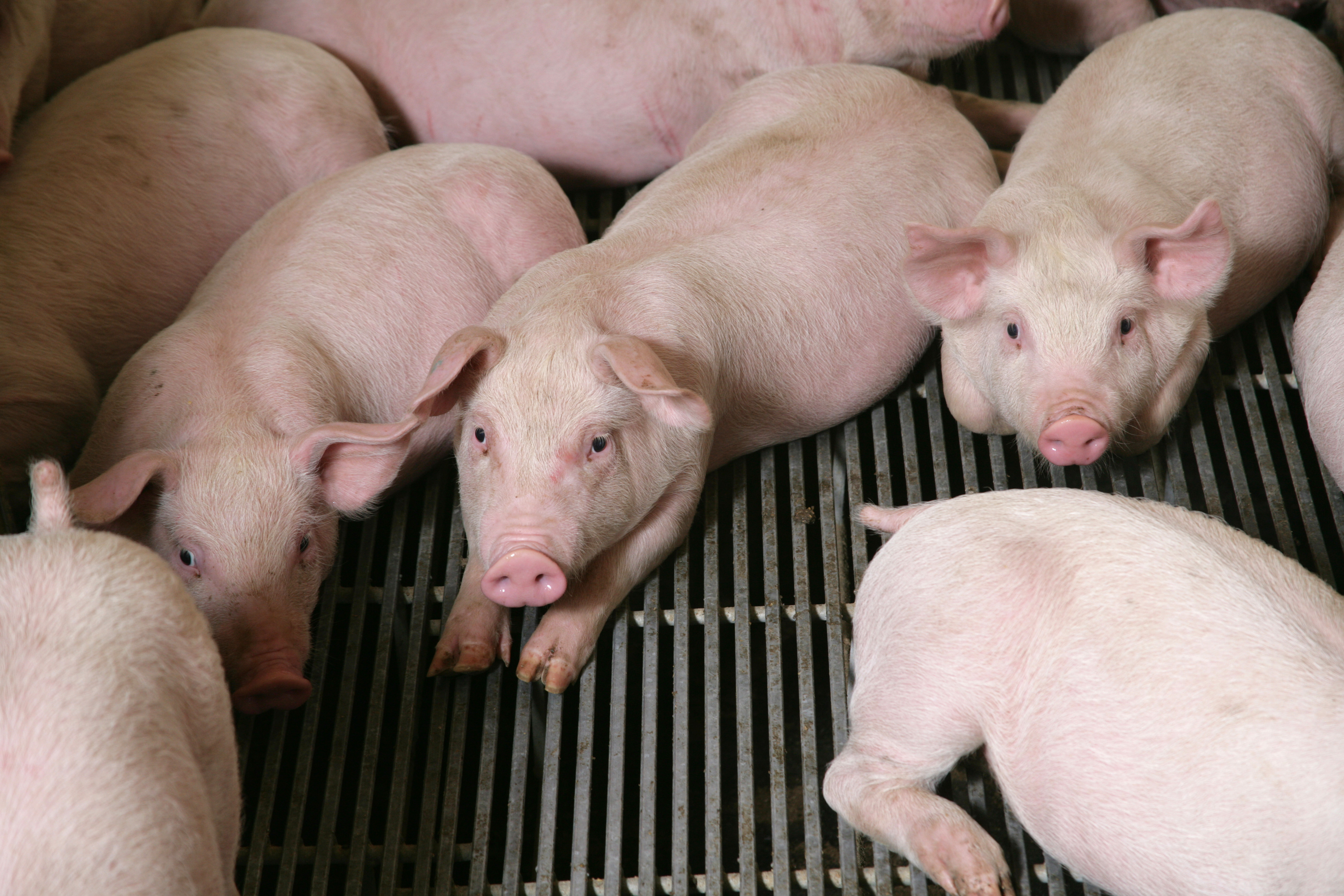
Proposition 12 was passed by referendum back in 2018 and is scheduled to come into effect in 2022. There’s still a lot of uncertainty about how the law, which establishes new standards for confinement of specified farm animals, will be executed. Christine McCracken is executive director and protein analyst at Rabobank.

“The industry is kind of put into, you know, this difficult position of being faced with a rule that will make a lot of the pork that we raise here in the U.S. ineligible for sale in California without some pretty major legal consequences and financial consequences,” said McCracken.

The controversy is surrounding the fact that the law requiring certain growing conditions applies to all pork sold in California, regardless of where it is raised.

“It’s a tough position to be in for everyone: the retailer obviously, and not knowing whether or not they’ll have a lot of pork to sell. It’s tough for the processor, you know, with the potential of not having the visibility to encourage those changes and not knowing whether or not they’ll have enough pigs to process for California,” said McCracken.

“And for the producer, you know, they obviously have the added risk of not having markets for their pigs. So it’s, it’s a tough kind of industry situation at the moment,” noted McCracken.

Industry groups have filed lawsuits challenging the constitutionality of the measure.

2021-05-12T18:14:16-07:00May 12th, 2021|

Potato Imports Can Enter Mexico

U.S. Potato Industry Celebrates Mexico’s Supreme Court Decision Overturning Decades-long Ban on Fresh U.S. Potato Imports

By Russell  Nemetz with the Ag Information Network

The Mexican Supreme Court has ruled by a unanimous vote of five to zero in favor of overturning a 2017 lower court decision that prevented the Mexican federal government from implementing regulations to allow for the importation of fresh U.S. potatoes throughout the country. The ruling, cheered by the National Potato Council and Potatoes USA, marks the end of a decade-long legal process that began when Mexico’s potato industry sued its government to prevent competition from imports.

“This ruling is consistent with Mexico’s obligations under the USMCA and the WTO. It represents a major step forward in the U.S. potato industry’s efforts to provide consumers throughout Mexico access to fresh, healthy U.S.-grown potatoes,” said Jared Balcom, Vice President of Trade Affairs for the National Potato Council (NPC) and potato grower from Pasco, Wash. “After decades of delay, we hope this ruling represents a light at the end of the tunnel and that Mexican regulators will immediately begin working on regulations to allow for the importation of fresh U.S. potatoes throughout their country.”

“Mexican consumers and the chip manufacturers in Mexico have waited way too long to access fresh U.S. potatoes,” stated Jaren Raybould Chair of Potatoes USA and a potato grower in Saint Anthony, Idaho. “We are hopeful that with this ruling the authorities will quickly reimplement the market access agreement and allow for high-quality U.S. potatoes to be enjoyed throughout Mexico.”

Since it first allowed for the importation of fresh U.S. potatoes in 2003, Mexico has restricted those potatoes to a 26 kilometer-area along the U.S.-Mexico border. That restriction has violated Mexico’s obligations under numerous trade agreements, including NAFTA, WTO, and now the U.S.-Mexico-Canada Agreement (USMCA). The Mexican government finally agreed to allow U.S. potatoes full access to their market beginning in May 2014; however, immediately after that was implemented, the National Confederation of Potato Growers of Mexico (CONPAPA) sued its government, claiming Mexican regulators have no authority to determine if agricultural imports can enter the country.

The Supreme Court decision rejected CONPAPA’s arguments and affirms that the Mexican government does indeed have the authority to issue regulations about the importation of agricultural and food products, including fresh U.S. potatoes.

“Mexico offers a significant opportunity for U.S. potato growers,” stated John Toaspern, Chief Marketing Officer at Potatoes USA. “The trade-in fruits and vegetables between the U.S. and Mexico is hugely beneficial to growers and consumers in both countries. In fact, Mexican avocados were granted access to the U.S. at the same time as U.S. potatoes to Mexico in 2003. Since that time, the U.S. government has honored the agreement, and imports of Mexican avocados are now over $2 billion. The U.S. can supply a wide variety of fresh high-quality potatoes to Mexico, russets, reds, yellows, whites, fingerlings, and chipping potatoes year-round that are not currently produced there. Mexican retailers, foodservice operators, food manufactures and ultimately Mexican consumers will benefit from this wide array of high-quality potatoes available year-round.”

“This is a significant step that effectively ends the legal process that has blocked our access to the Mexican market,” said NPC CEO Kam Quarles. “This effort has spanned numerous administrations and sessions of Congress, but the U.S. position never wavered. We are thankful for everyone at USDA, the Office of the U.S. Trade Representative, and Members of Congress who have worked for years to encourage Mexico to lift these protectionist restrictions. We now look forward to working with the Mexican government and its regulatory agencies in immediately reinstating the rules to allow for fresh U.S. potatoes to be shipped and the normalization of trade between our countries.”

U.S. Senator Jim Risch (R-Idaho) said, “The Mexican government agreed in 2014 to open trade to fresh U.S. potatoes, and it’s long past time our farmers are granted real market access. Today’s ruling comes as welcome news for Idaho potato growers. I’m proud to continue advocating for the Gem State’s ag producers so people across the world can enjoy our state’s most famous product.”


U.S. Senator Mike Crapo (R-Idaho) said, “Today’s decision by the Mexican Supreme Court is a positive step forward. I will not, however, consider the matter finished until Idaho’s farmers are able to sell high-quality potatoes to every family in Mexico — as is their right under the United States-Mexico-Canada Agreement (USMCA). Moreover, I remain concerned that Mexico is maintaining or enacting new restrictions on other U.S. agricultural products that lack any scientific justification. I will continue to work with USTR to ensure that Mexico upholds its commitments under the USMCA.

Mexico is the third-largest export market for U.S. potatoes and products valued at over $270 million in 2020. Despite the restriction to the 26-kilometer border region Mexico is the second-largest market for fresh potato exports accounting for 106,000 metric tons valued at $60 million in 2020. The U.S. potato industry estimates that access to the entire country for fresh U.S. potatoes will provide a market potential of $200 million per year, in five years.

2021-05-10T18:26:05-07:00May 10th, 2021|

DPR Releases Pesticide Reports

State Monitoring Confirms Low or No Pesticide Residues in Most Fruits and Vegetables

A newly released Department of Pesticide Regulation report should ease concerns of California consumers unsure about pesticide residues in fresh fruits and vegetables.

The 2019 California Pesticide Residue Monitoring Program Report shows that 96 percent of fresh-produce samples collected by DPR scientists in 2019 had either no detectable pesticide residues or amounts below safety thresholds (“tolerances”) established by the U.S. Environmental Protection Agency.

“This program is a vitally important tool for helping to ensure the safety of California’s food supply of fresh fruits and vegetables, whether imported from other countries or grown in our state,” said DPR Director Val Dolcini. “It’s useful as a deterrent to bad actors and it’s also a helpful way to educate growers about what is and isn’t acceptable for use in California.”


The findings are based on 3,274 samples of fruits and vegetables gathered throughout the year by DPR at nearly 500 different stores, distribution centers, and outdoor markets statewide. Samples are analyzed at California Department of Food and Agriculture labs, which test for nearly 500 different types of pesticides and pesticide-breakdown products.

In all, 137 samples (4 percent) contained illegal residues, meaning they contained products prohibited from being used on certain crops, or had levels of otherwise allowable pesticides that exceeded EPA tolerances. The highest number of violations involved imported dragon fruit (25), followed by chayote fruit (9), and tomatillos (9).

When illegal residues are detected, DPR traces the suspect crop through its lines of trade – from store shelves to shippers, to importers or growers. Tainted products are quarantined and subject to destruction. In addition to potentially losing their shipments, growers and distributors found in violation can face fines and other penalties

For example, in 2019, DPR imposed $175,435 in civil penalties on a Vernon, Calif., produce distributor, Marquez Produce, Inc., for several violations involving importation and sales of produce with illegal pesticide residues. Read more about the settlement agreement here.

In another case, DPR fined two California strawberry growers whose crops contained illegal traces of the pesticide methomyl, which is not registered for use on strawberries. DPR discovered the berries during sampling at a Fresno grocery store. In addition to the fine, DPR ordered the destruction of four tons of tainted berries that could have otherwise been sold to consumers. The Santa Barbara County Agricultural Commissioner also ordered the growers to cease harvest on 11 acres of berries in the field. More information can be found here.

As part of enforcement activities, DPR staff also conduct compliance interviews with businesses found in violation – typically importers or growers – to discuss ways their business can prevent future sales of illegal produce.

Other findings in the 2019 report:
  • The majority of illegal samples (83%) involved detection of pesticide residues with no established tolerance for the sampled crop, meaning any detected level is considered illegal.
  • Of 262 organic produce samples tested, only 3 had illegal residues.
  • The number of samples of a given commodity may not be large enough to make generalizations about the pesticide residue levels for the entire volume of a commodity in trade.


2021-04-29T15:03:56-07:00April 29th, 2021|

Blue Diamond Growers Innovate


Blue Diamond Growers Innovates Almond Products

By Patrick Cavanaugh, with the Ag Information Network

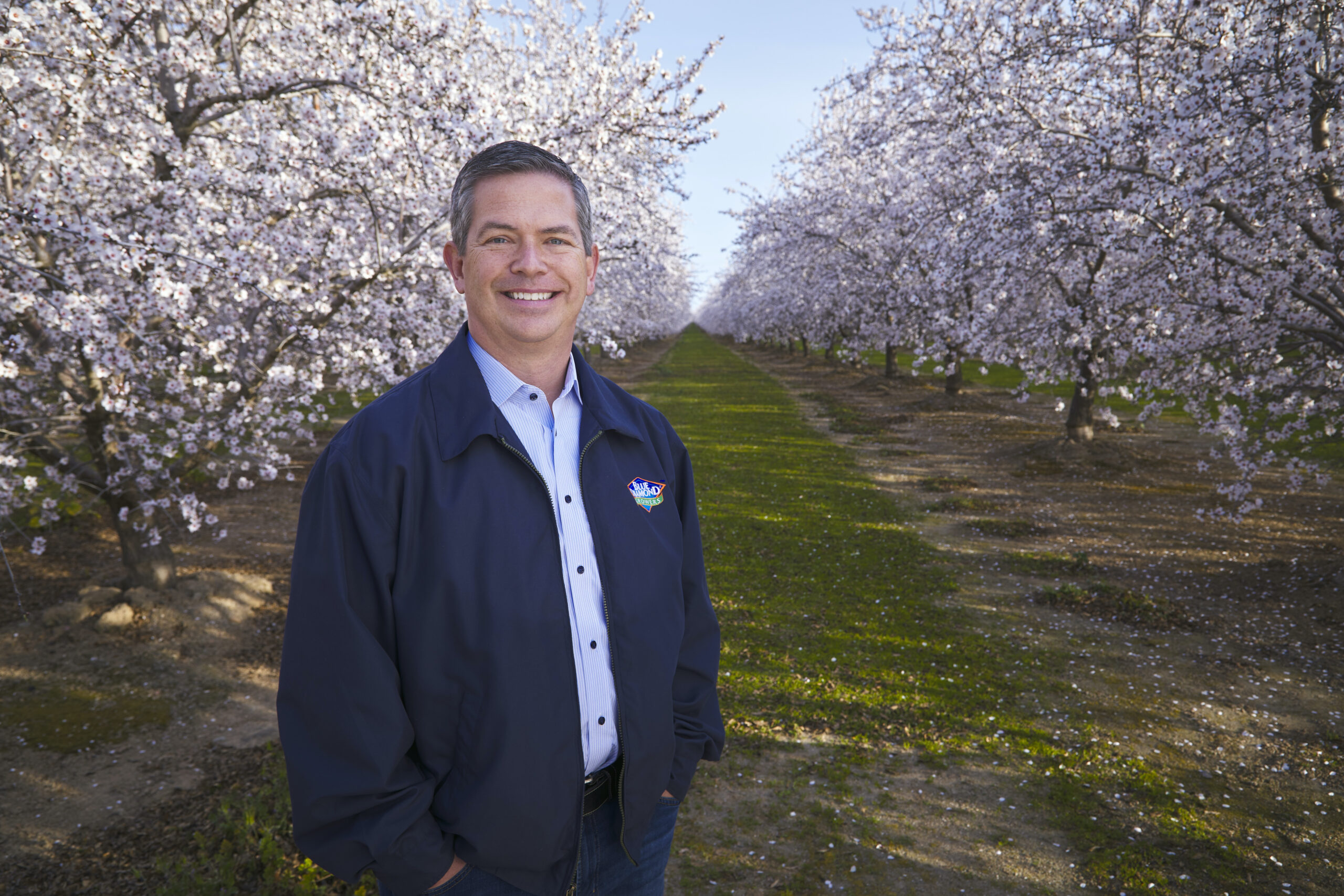
Mark Jansen is president and CEO of Blue Diamond Growers. And they sure innovate.

“About five years ago, we opened the world’s first almond innovation center. We have a number of R&D and research and marketing people who are housed together on our campus in Sacramento, whose job is to come up with innovations, you know, utilize almonds in new and better ways. And those efforts have absolutely paid off and a year before COVID we launched our record number of new products,” said Jansen.

Jansen said during the COVID crisis, grocery stores didn’t want to innovate. The stores just wanted to keep things simple, only keep the basics on the shelves.


“The stores did not want to see anything new, they just want to make sure they have products in stock. Now, as we come out of COVID, we fully anticipate that people’s desire for seeing something new for new taste experiences, for variety, will come back with a passion,” Jansen said.


“And so, we’ve been innovating all through the pandemic and our teams have found innovative ways to do that. We’ve got a great pipeline of new product ideas that I would love to be able to share with your listeners, but I’m only able to share those such as the extreme almonds that are showing up soon,” he said. Jansen is referring to a hot and spicy line of almonds. “It becomes a competitive intelligence issue for us,” he said.

2021-03-30T19:14:06-07:00March 30th, 2021|

Stagnant Public Funding for Ag Research

New Report Highlights How Stagnant U.S. Public Funding for Agricultural Research Threatens Food Systems


Stagnant public funding for agricultural research is threatening the future vitality of U.S. food systems – posing risks to farmer productivity and profitability, the steady supply of affordable food for consumers, and ultimately global food security, according to a new report.

The report, jointly commissioned by Farm Journal Foundation and the American Farm Bureau Federation and authored by the IHS Markit Agribusiness Consulting Group, highlights the vital importance of public funding for agricultural research and development (R&D).

New innovations are crucial so that farmers can increase their productivity and meet rising global demand for food, even as climate change intensifies. The world population is expected to reach 10 billion by 2050, and food production will need to increase by 60%-70% to meet rising demand. While private-sector funding for agricultural R&D has been increasing, U.S. public spending has been flat for the past decade.

“The U.S. has always been a leader in agricultural innovation, but we’re at risk of losing that advantage by falling behind the rest of the world in research and development,” said American Farm Bureau Federation President Zippy Duvall. “This report shows the clear need for agricultural research to benefit not only farmers but our entire food system and every person who eats. The research will unlock the answers to growing more crops even as we face increasingly volatile weather, help to create a more resilient food system supply chain and provide food that’s higher in nutritional value. It’s the golden ticket.”

Public investment is crucial, as private companies have less incentive to research subjects that benefit society broadly but offer potentially lower monetary returns, such as in the areas of environmental, animal health, specialty crop, and food safety research. Private companies primarily focus research spending on only a few major crop and livestock markets, leaving other sectors under-explored.

Other countries are seeing the value of investing in agricultural research, putting the U.S. at risk of losing its competitive advantage in agricultural production and exports. China became the world’s largest public funder of agricultural R&D in 2009, and India and Brazil are also making significant investments.

It can take years to develop and bring new technologies to market, so research funded today must seek to anticipate and solve the problems of tomorrow. In order to make agricultural and food supply chains more resilient, increased research funding is needed across the board. This paper focuses on the key areas of crop breeding, crop protection, animal health, animal disease and foodborne illness, climate change, and global pandemics as case studies.

“COVID-19 should be a wake-up call that more public research funding is needed to address unexpected shocks,” said Tricia Beal, CEO of Farm Journal Foundation. “The pandemic created huge challenges for agricultural supply chains around the world. It also showed just how quickly pathogens can spread. Increased public support for agricultural research is crucial for finding solutions to make our entire food system more resilient.”


2021-03-29T19:10:19-07:00March 29th, 2021|

Feds Rescind 5 Percent Allocation

5% Water Allocation Rescinded By Feds

By Patrick Cavanaugh, with the AgInformation Network

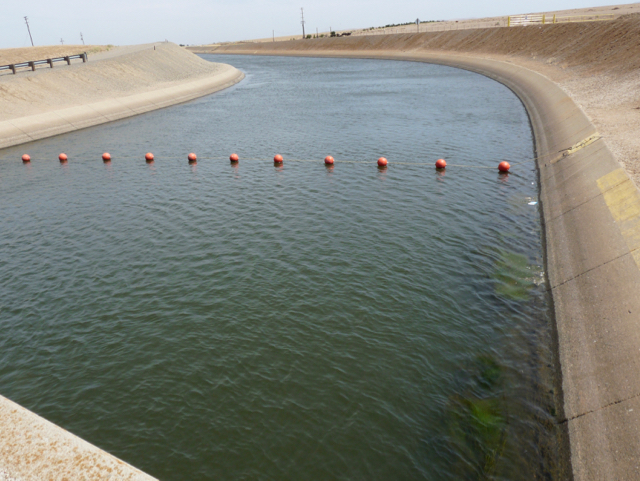
The original initial allocation of 5% water for Federal water users on the Westside of Fresno and Kings Counties has been rescinded. The Bureau of Reclamation has announced that the contract supply of 5% is not available until further notice, which could push tree nut growers into a zero-water supply for 2021.

“It sounds like we still have the 5%, but we don’t know when we’ll get it,” said Joe Del Bosque, who farms almonds in a Federal water district on the Westside.

“That doesn’t mean we’re guaranteed to get it. It just means that it’s not going to be available now,“ Del Bosque said.

Joe Del Bosque

“And it wasn’t like we didn’t have any rain or snow in California this year,” said Ryan Jacobsen, CEO of the Fresno County Farm Bureau.  “Northern California is at 51% of average precipitation for the year statewide average snowpack levels are at 63% of average,” Jacobsen said

It’s, instead, just another example of a broken system.

“The unfortunate reality that our farmers here in Fresno County have to deal with now. It is truly a complex issue of what’s going on in the Delta. And it’s very unfortunate because we’re having the full ramifications of it,” Jacobsen said.

“Historically,  going back over a decade ago, this would have been at least some kind of an allocation here, you know, it could have been as high as the 10 20, 30 percentile.  However, because of the restrictions and our inability to get water in years like this year, it truly does reflect the broken system we have in the Delta,” noted Jacobsen.


2021-03-25T16:04:01-07:00March 25th, 2021|

American Dreamer and Workforce Modernization Act Passes

Congressman David G. Valadao Statement on the Passage of the American Dream and Promise Act, Farm Workforce Modernization Act

Recently, Congressman David G. Valadao released the following statement on the final passage of the American Dream and Promise Act and the Farm Workforce Modernization Act, both of which he voted in favor of:

“I am proud to protect our Dreamers. My Congressional District is home to more than 7,000 DACA recipients. These young people go to work, attend school, pay taxes, and are actively involved in our communities. We must ensure that people who were brought here as children through no fault their own, and call the United States home, are welcome here.

“As the son of immigrants and lifelong dairy farmer, I know firsthand how desperately our agriculture workforce needs meaningful reform. Many industries in the Central Valley rely heavily on immigrant labor. Our farm workers are absolutely critical to our collective mission of reliably feeding America, yet many live in fear due to an inability to gain legal status through our broken immigration system. Ensuring that our essential farmworkers already in the states receive legal status, while also simplifying and streamlining the process for future flow of workers, is just common sense, and I am proud to be an original cosponsor on this very important legislation.”


2021-03-23T16:52:53-07:00March 23rd, 2021|

Explorer Course Offered by Center of Land-based Learning

New Introductory Farming Course to be offered by Center for Land-Based Learning


In response to an unmet need in the region for entry-level beginning farmer courses, the California Farm Academy, a program of the Center for Land-Based Learning, is offering a new program in 2021: the CFA Explorer Course.

The Explorer Course will last for six weeks and accept a small cohort to allow for social distancing while exploring the field of farming firsthand. A combination of online learning classes, farm tours, and hands-on field sessions, the CFA Explorer Course offers adults interested in farming their first introduction to the field. The Explorer Course will be offered for the first time May 22-July 3, 2021 and then again August 21- September 25.

California Farm Academy Director, Dr. Sridharan (Sri) Sethuratnam, said of the program, “The Explorer is the ideal first step for someone who has been dreaming of farming for a while but did not know where to start. The Explorer will provide them with the formative knowledge and guide them to tangible next steps in their farming journey.”

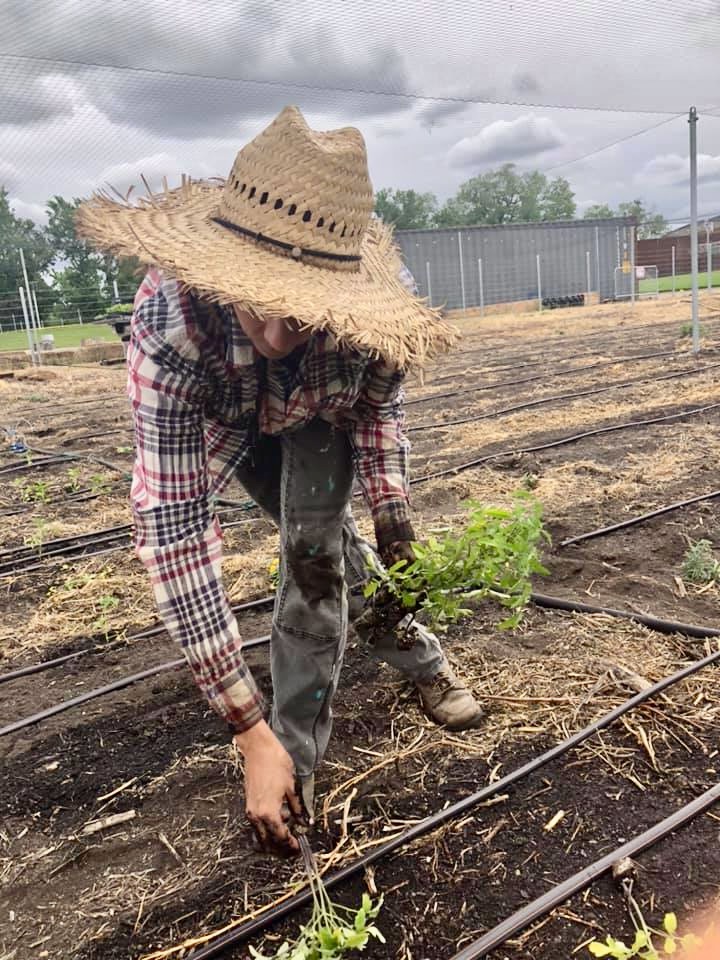
A Beginning Farmer at the Center for Land-Based Learning in Woodland

The California Farm Academy’s 7-month Beginning Farmer Training Program will be taking a hiatus in 2021 to thoughtfully and strategically prepare for its second decade. Be on the lookout for announcements on the 2022 CFA Beginning Farmer Training Program’s application deadlines later this year.

Mary Kimball, CEO of the Center for Land-Based Learning, commented on the program innovation for 2021, “We’re very excited to add the Explorer Course to our CFA Program offering this year. It’s been something we’ve long been evaluating, and it turns out that this year is the perfect year to start it. We know that many people aren’t quite ready to take the full 7-month Training Program plunge, and we hope that the Explorer Course will be something that we can continue to offer in future years as well. There is already a great deal of interest, and we look forward to welcoming new people into the exciting opportunities that farming provides.”

There are limited spots left in the spring Explorer course!​If you are interested, email ​sri@landbasedlearning.org​today. The application portal will open in July for the fall Explorer course.


2021-05-13T16:03:59-07:00March 18th, 2021|

CA Outlook 2021 Conference March 24-25

California Outlook 2021 Agribusiness Conference

March 24-25 | Zoom Webinar


On March 24-25, join the ASFMRA California Chapter for its Outlook 2021 Virtual Agribusiness Conference – “It’s All About California Agriculture.”

The special two-day event will highlight key topics related to agribusiness as well as commodity updates and new regional breakout sessions in a webinar format. In addition, all attendees will receive a PDF copy of the California Chapter’s 2021 Trends® in Agricultural Land & Lease Values report.


Among the topics to be covered are:

  • California Agriculture – Economic Overview
  • Irrigation Water Update
  • Grape Crush Report/Wine Grape Industry Update
  • Tree Nut Industry Update
  • Ag Land Trends® General Session
  • California Legislative Update
  • Berry Industry Update
  • Dairy Industry Update
  • Much More!

View the event flyer here, and use the button below to register! For questions regarding the event, contact the California Chapter office at (209) 368-3672, or via email.

2021-03-16T18:11:16-07:00March 16th, 2021|

Agronomy Scholarships Offered By CCAs

Western Region CCA Offers College Scholarships and Teaching Honorariums to Professors

The Western Region CCA (Certified Crop Advisor) program is excited to announce the second annual scholarship program for students interested in agronomy and obtaining their Certified Crop Advisor credentials. Scholarship recipients are the next generation of leaders in the agriculture industry.

Western Region CCA is offering four $1,000 scholarships to undergraduate students. One from each of the four following regions: Arizona/California desert region (PhoenixàSan Diego/Inland Empire), California coast region (OxnardàSalinasàNapa Valley), California northern valley region (Mercedà Redding), and California southern valley region (MaderaàBakersfield).

The scholarship application features a series of questions and will be scored on the following:

  • Describe your coursework, year in school, GPA, and major
  • Describe any scholarships, awards, and other forms of recognition you have received
  • Describe your leadership involvement at school and in the community
  • Describe your professional commitment to agriculture and work history (if applicable)
  • Describe your pathway to earning the certified crop advisor credential in the near future

Scholarship applications will be submitted online through the scholarship homepage (www.wrcca.org). In September, winners will be honored at the 2021 Crop Consultant Conference.

In addition to the scholarship program, WRCCA will be offering honorariums to professors who teach agronomy related coursework. There are four $500 honorariums available, one for each scholarship region (Coast, Desert, North Valley, South Valley). To apply, write and submit a plan of how you would utilize the funds to help students learn more about agronomy. Plans will be submitted online through the scholarship homepage (www.wrcca.org).

The Western Region CCA program is committed to refining the knowledge and skill of those making important decisions in the field. CCAs work with producers to help make economically and environmentally sound decisions. This counsel is the result of the hours spent gaining knowledge and perspective through requirements to become a certified crop adviser. CCAs play a vital role in working with producers to ensure sustainability and long-term success for agriculturalists.

“With modern agriculture and regulatory hurdles and all of the challenges we face, you need to be broadly trained and the CCA is a great first step.” Karl Wyant, Western Region CCA Vice President

It is the board’s hope that scholarship recipients are the next generation of certified crop advisers leading the way in the agriculture industry.

2021-05-13T16:05:48-07:00March 15th, 2021|
Go to Top