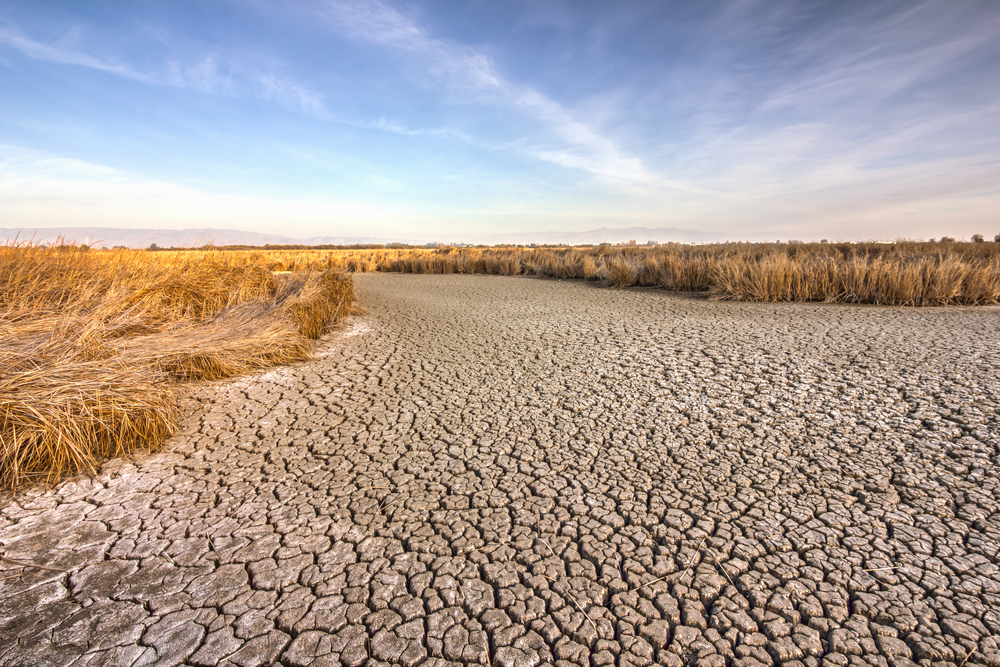
Drought Assistance Sought for Central Valley

State Senator Hurtado and Congressman Valadao Urge Gov. Newsom For Help in Drought for Central Valley Counties


 Today, Senator Melissa Hurtado (D-Sanger) and Congressman David G. Valadao (R-Hanford) released the following statements regarding a letter they sent to Governor Gavin Newsom and the Federal Drought Task Force to ensure that the south Central Valley will be considered in drought decisions:

“California is one state of many, including countries around the world, that is experiencing a drought unlike any other,” said Senator Hurtado. “Farmers of the Central Valley are world leaders and have been at the forefront of the fight against climate change. Support for our farmers equals support for our food—we may not be able to avoid this water crisis, but we can work to avoid a food crisis. There is no room for partisan politics in addressing this enormous challenge. Congressman Valadao, myself, and the Valley Delegation have been working tirelessly to address the needs of our constituents, farmers and farmworkers. We will continue to do so.”

“Central Valley farmers are doing everything they can to mitigate this crisis, and we need you to do everything you can to help them,” said Congressman Valadao. “Senator Hurtado and I understand the challenges both state and federal officials currently face in allocating extremely limited water supplies to meet all the demands of the state. There is no doubt that the agriculture industry can, should, and currently is playing a role in reducing water use during these difficult times. Not only have many farmers in our districts implemented more modern technology and irrigation practices to efficiently use water, but farmers across our districts have already fallowed fields and prematurely ripped out permanent crops in an effort to reduce water use further. We strongly urge you to think about our Central Valley farmers when making critical decisions on drought mitigation.”
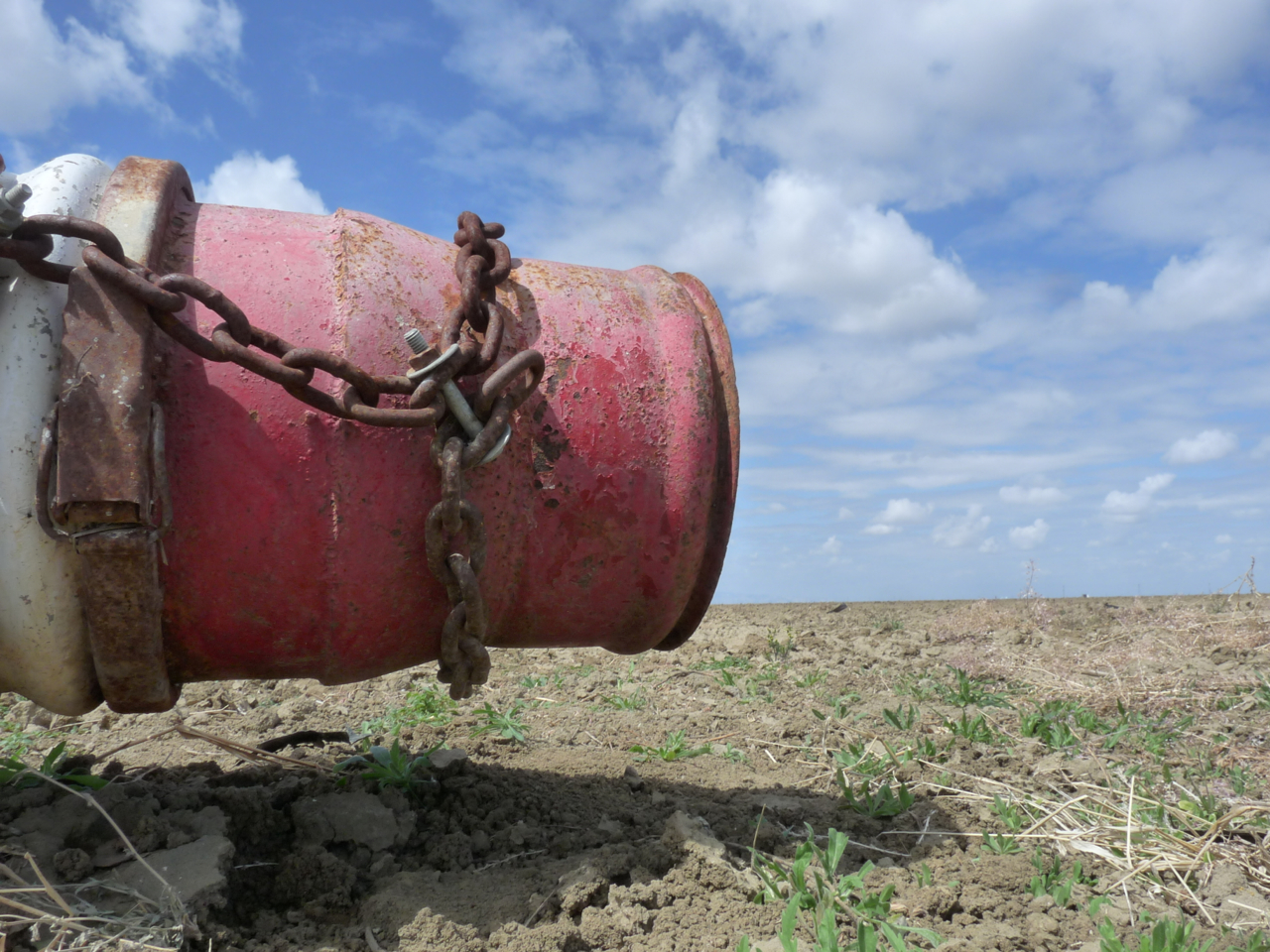
Pipe without waterThis legislative session, Senator Hurtado has introduced Senate Bill 559–the State Water Resiliency Act of 2021. Senate Bill 559 will allocate $785 million to repairing vital water delivery systems that provide drinking water to communities throughout California and water to sustain the state’s leading agricultural economy. The funds would go to fixing the Friant-Kern Canal, the Delta-Mendota Canal and major portions of the California Aqueduct, all of which have degraded and are losing water as a result of subsidence – the actual shrinking of land.

The Senator is also a co-author of the Water Innovation Act of 2021, which will create the Office of Water Innovation at the California Water Commission-furthering new technologies and other approaches within the water sector. The Senator has also introduced Senate Bill 464, which will expand the eligibility for state funded food benefits to undocumented immigrants, ensuring all residents can access food assistance. Senator Hurtado’s SB 108, which will declare it to be state policy that all people have access to sufficient, healthy food.
2021-07-19T12:47:36-07:00July 19th, 2021|

Westlands: New Drought Affect Life in SJV

Five Things to Know About the Drought


From Westlands Water District


Every person who lives or works in Westlands Water District’s service area knows that California is facing yet another year of drought. We not only read and hear about it in the news, but we see it every single day in the fallowed fields around us. We feel it when we walk through the communities, like Mendota, Huron and Avenal. Drought conditions are affecting life in a very tangible way, especially here in the San Joaquin Valley.


There’s no doubt that the lack of water is having a negative impact on families and communities across the region. Westlands is working hard to collaborate with local, state, and federal partners to reduce the negative impacts of the drought. Here are five things – among many others – Westlands is doing to try to improve the short-term water supplies and advance long-term water reliability policies:


  1. Easing water purchases and transfers

Current drought conditions mean there just isn’t enough water to meet every demand. Not only have all south-of-Delta agricultural repayment and water service contractors had their Central Valley Project allocation reduced to 0 percent, but even municipal and industrial water users have been reduced to 25 percent of historic use. Water levels at lakes and reservoirs around the state are at historic lows.


At times like these, water purchases and transfers are critically important to support the communities and farms in the San Joaquin Valley. During drought, its essential to ensure that farmers receive sufficient water to meet their essential activities in order to sustain the community and the food people need. Westlands is working hard to purchase water, and to ensure that the water is available to the farmers in the District when they need it. That means working collaboratively with local, state, and federal partners, including regulators, to make it as easy as possible to move water as soon as possible.


  1. Groundwater stewardship

The farmers in Westlands have a long legacy of being good stewards of local groundwater resources – in fact, Westlands was formed, in part, because of concern with the groundwater aquifer underlying Westlands, with a focus on monitoring groundwater conditions. Farmers in Westlands have long known that groundwater management was critically important to the long-term viability of the region. The farmers’ and Westlands’ commitment to being thoughtful about groundwater use continues – not only because we’re now required to under the provisions of the Sustainable Groundwater Management Act (SGMA) but also because it’s the right thing to do to protect local aquifers.


  1. Supporting major infrastructure investments

The water infrastructure system that brings water to Westlands has suffered from decades of inadequate funding. There has been inadequate investment in new storage to keep up with increased social demands and climate change patterns. The inadequate storage facilities are unable to store sufficient water in the wet periods to sustain the San Joaquin communities in the dry years. There has also been inadequate investment in our conveyance system, which, as a result, has lost carrying capacity. This lost capacity means it costs more energy and money to move less water today than it did just years ago.


In pursuit of improved water infrastructure, the District is proud to support companion state and federal legislation designed to provide hundreds of millions of dollars in much-needed funding to help make necessary upgrades to our state’s major water infrastructure. We also have continually advocated for projects that can help increase above and below ground storage, such as the District’s Pasajero Recharge Project, to help improve water reliability during dry years.


  1. Implementing Voluntary Agreements

The Voluntary Agreements (VAs) – an effort started by then-Governor Jerry Brown and maintained by Governor Gavin Newsom – is aimed at protecting and restoring the Bay-Delta ecosystem while improving reliability for the 35 million people, nearly 8 million acres of farmland, and hundreds of thousands of acres of California wetlands that depend on the Sacramento-San Joaquin watershed.


Westlands is among a broad coalition that  supports adoption and implementation of the VAs, which represent a 15 year science-based strategy that provides the resources needed to address the multiple factors that impair the ability of the Sacramento-San Joaquin watershed to serve the many needs California places on it.

Solar

Solar Project in the San Joaquin Valley

  1. Farming the sun

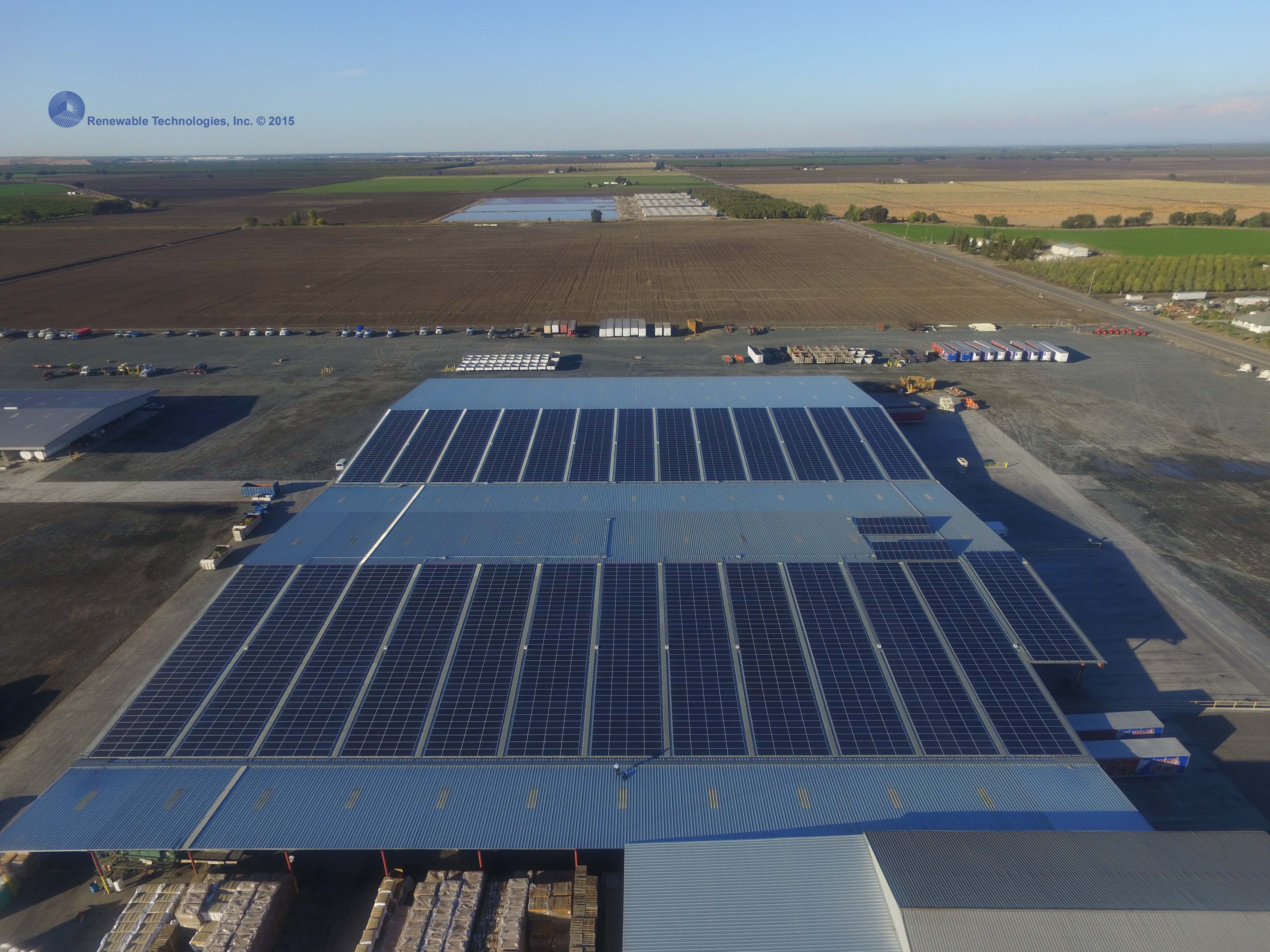
Westlands and farmers within Westlands recognize the value of solar energy development, which not only helps California reach its carbon-free energy goals and mitigate impacts of climate change, but it also gives “new” value to agriculture land. There’s already more than 700 MW of operational solar energy in the Westlands footprint – enough electricity to power approximately 130,000 homes. Westlands and the farmers within Westlands are often considering or pursing new solar projects.


The reality of our changing climate means that droughts may become even more frequent. Westlands is continually working to proactively to ensure the investments are made to reduce climate and drought impacts – not only this year but for many years to come.


2021-07-07T13:25:42-07:00July 7th, 2021|

U.S. Supreme Court Rules Against CA ALRB

California Fresh Fruit Association Reacts to Supreme Court Ruling


The California Fresh Fruit Association (CFFA) is pleased with the U.S. Supreme Court’s decision in Cedar Point Nursery v. Hassid. The Court held that under California’s Agricultural Labor Relations Act (ALRA), access by union organizers to come onto the private property of farmers and landowners to promote the union violates the Fifth Amendment of the U.S. Constitution.


Ruling Pushes Back on UFW

According to Chief Justice John Roberts, who authored the opinion, “unlike a mere trespass, the regulation grants a formal entitlement to physically invade the growers’ land. Unlike a law enforcement search, no traditional background principle of property law requires the growers to admit union organizers onto their premises. And unlike standard health and safety inspections, the access regulation is not germane to any benefit provided to agricultural employers or any risk posed to the public.”


CFFA President Ian LeMay said, “Today’s ruling involving Cedar Point Nursery and CFFA member Fowler Packing protects the constitutional rights of agricultural employers and brings the ALRA access rule into alignment with the National Labor Relations Act. For 45 years, California’s farmers have seen their property rights ignored by the Agricultural Labor Relations Board by allowing organizers onto their property. No other industry in the United States, including California, has had to allow union organizers onto their property in a similar manner. We appreciate both Fowler Packing and Cedar Point’s efforts in leading the fight to restore the same property rights that are enjoyed by all other industries in the United States, to California farmers.”


2021-06-29T17:48:55-07:00June 29th, 2021|

Mask Rule Dropped for Ag Employees

Cal/OSHA Votes To Drop Workplace Mask Rule For Fully Vaccinated Workers

On Thursday, June 17th, California regulators approved revised worksite pandemic rules that allow fully vaccinated employees the same freedoms as when they are off the job. The revised regulations adopted come after weeks of confusion. They conform with general state guidelines by ending most mask rules for people who are vaccinated against the coronavirus.

Governor Gavin Newsom issued an executive order enabling the revisions to take effect without the normal 10-day approval period by the state Office of Administrative Law. See the COVID Prevention Emergency Readoption Standard here.

The key change in the revisions is abandoning a controversial provision where all employees would have had to wear masks indoors if there were unvaccinated employees in the workplace. Physical distancing and barriers are removed from the ETS, regardless of vaccination status. Physical distancing rules in employer-provided housing and transportation also are eliminated, if all employees are vaccinated.

Watch for additional details of the revised standard in Monday’s edition of the Update and register for the “Impacts of New COVID Rules on Ag Labor” webinar (see below).

2021-06-18T08:28:35-07:00June 18th, 2021|

Many Options for Melon Weed Control


Conventional Melon Weed Management in the Sacramento Valley


By Amber Vinchesi-Vahl, UCANR Cooperative Extension Colusa County

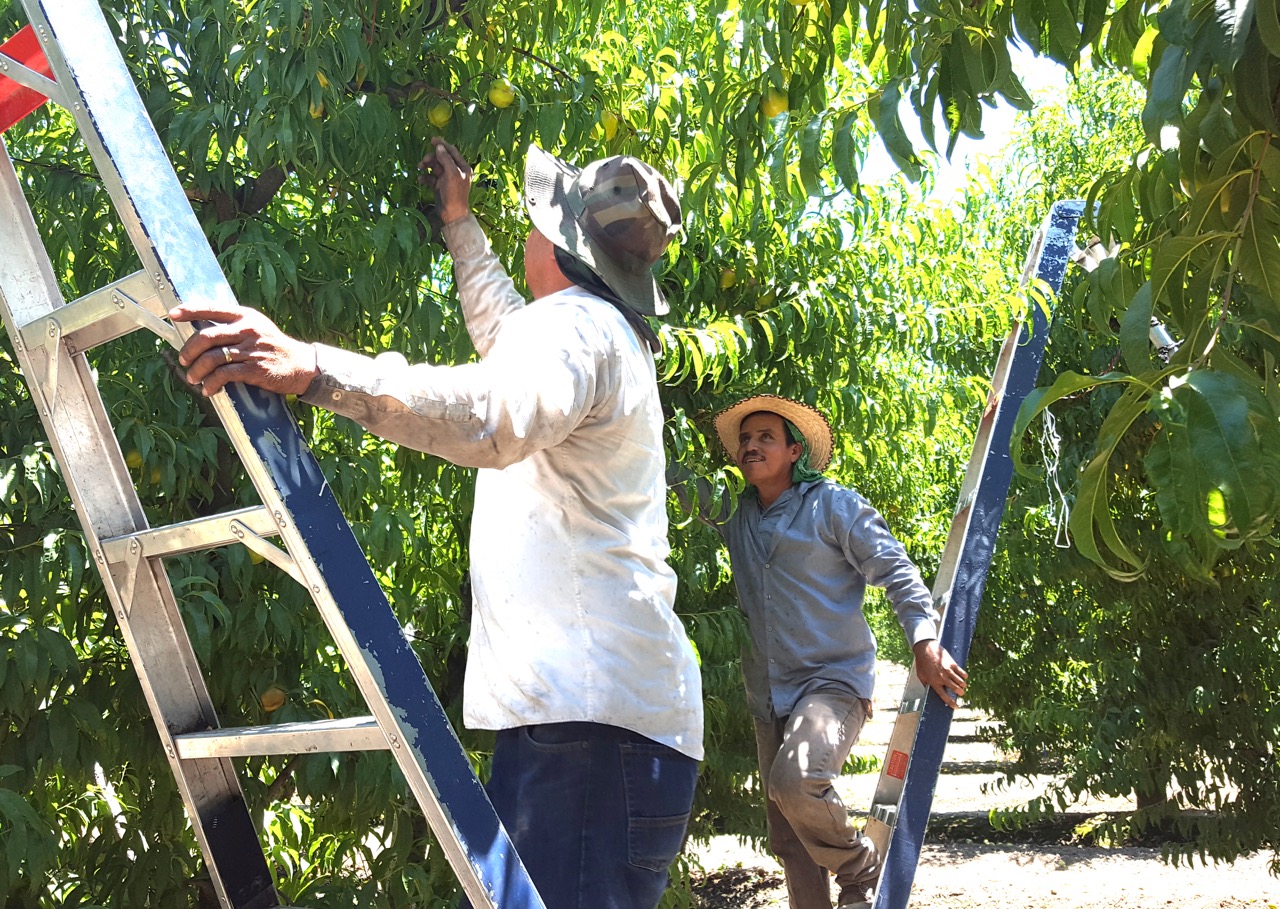
Sutter County grows between 300 and 800 acres of fresh-market honeydew, mixed melon, and cantaloupe each year. The fields vary between furrow and drip irrigation, with many fields in the Sutter Basin only receiving a pre-irrigation.

Because of the rapid growth of melons, they are competitive with weeds and one cultivation may be sufficient to control weed issues. The growing habits of melons reduce the need for herbicides, which is fortunate since the availability of registered and effective herbicides is limited.

Generally, in Sutter County, the field is tilled, pre-irrigated, worked again, and melons are planted into moisture. When weed pressure is high, a hand-hoeing crew comes in and cultivates. Since many of the conventional fields in the northern region receive little water, herbicides may not be as effective since they do not work well without water. If water is available, herbicides like Prefar and Curbit may be used.

Bensulide (Prefar) can be applied before planting and incorporated shallowly or as a preemergent herbicide under sprinkler irrigation. It is used to control small-seeded annual grasses, pigweed and purslane. Remember to always check the label and consider plantback restrictions, especially if following with corn or sorghum. A layby application of ethalfuralin (Curbit) may also be used after thinning when melon plants are young (4-5 leaf stage) to control late germinating weeds.

In 2017, I received a farm call about a grassy weed in a honeydew field that the pest control adviser had never seen in a melon field during his long career. He applied sethoxydim (Poast) twice and the grass (johnsongrass) kept coming back. When grasses are moisture stressed, sethoxydim can be less effective, which makes sense in a melon field receiving little irrigation.

2021-06-16T18:25:11-07:00June 16th, 2021|

CaDairy2Go Competition Celebrates Innovations

California Milk Advisory Board Selects 12 Creative Chefs  For Inaugural Culinary Event


The California Milk Advisory Board (CMAB) this week announced the launch of an inaugural foodservice competition challenging professional chefs to create innovative “to-go” dishes using California dairy products. The “CADairy2Go” competition is inspired by chefs and foodservice operators who made quick, creative pivots to adjust their menus for the takeout and delivery model during the disruption caused by the pandemic.

The Real California Milk Foodservice Team hand-selected twelve culinary professionals to participate in the first-of-its-kind event, representing a variety of foodservice backgrounds, including experience in major restaurant chains, broadline distributors, independent restaurants, ghost kitchens, and food trucks.

Each chef will submit one dish in either the Cal-Mex or Cheese+Mac category, as well as a second dish under Innovate-To-Go, which allows for creativity beyond their assigned category. All dishes must be optimized for the takeout or “to-go” experience and incorporate sustainability sourced California cheese and other dairy ingredients.


The 2021 CADairy2Go participants are:


Carrie Baird – Rose’s Classic Americana – Boulder, CO

Victoria Elizondo –Cocina Local – Houston, TX

Gina Galvan – Mood for Food – San Juan Capistrano, CA

Gina Genschlea – Revolution Winery & Kitchen – Sacramento, CA

Nelson German – alaMar Kitchen & Bar, Sobre Mesa – Oakland, CA

Heidi Gibson – The American Grilled Cheese Kitchen – San Francisco, CA

Marti Lieberman – Mac Mart – Philadelphia, PA

Brian Mullins – Ms. Cheezious® – Miami, FL

Tamra Scroggins – Grill Concepts – Los Angeles, CA

Alex Sadowsky – Twin Peaks – Dallas, TX

Manish Tyagi – August 1 Five – San Francisco, CA

Mary Grace Viado – Village Tavern – Birmingham, AL


Participating chefs will win cash prizes from $500 to $5,000. Two finalists from each category will earn a trip to Napa, where they will compete in a live cook-off event July 28th at the Culinary Institute of America’s Copia location. The final cook-off will be captured in a live broadcast that will be streamed in celebration of the chefs and their creations. Additional details on the competition and the chef competitors is available at CADairy2Go.

“The past year has challenged chefs to be strategic in creating dishes that are not only comforting but can also hold up for an off-premise dining experience. This competition leverages the off-premise dining trends that emerged during this time and celebrates chefs who worked to respond quickly to consumer needs,” said Nancy Campbell, Business Development consultant for CMAB Foodservice. “Dairy is an essential ingredient for bringing to-go menu innovations to life and provides the flavor and flexibility to any style of cooking – from plant-forward to comfort and everything in between.”

As the nation’s largest dairy state, California boasts a long list of cheesemakers and dairy processors, that are further driving to-go dining innovation California leads the nation in milk production and is responsible for producing more butter, ice cream and nonfat dry milk than any other state. The state is the second-largest producer of cheese and yogurt. California milk and dairy foods can be identified by the Real California Milk seal, which certifies they are made exclusively with sustainably sourced milk from the state’s dairy farm families.

California is a reliable, consistent source of sustainable dairy products used by chefs throughout the world. Check out our REAL Makers chefs who rely on California dairy for their dishes.


2021-06-15T15:58:03-07:00June 15th, 2021|

Prop 12 Problems

Prop 12 a ‘Tough Situation’ for the Pork Industry

By Tim Hammerich with the Ag Information Network

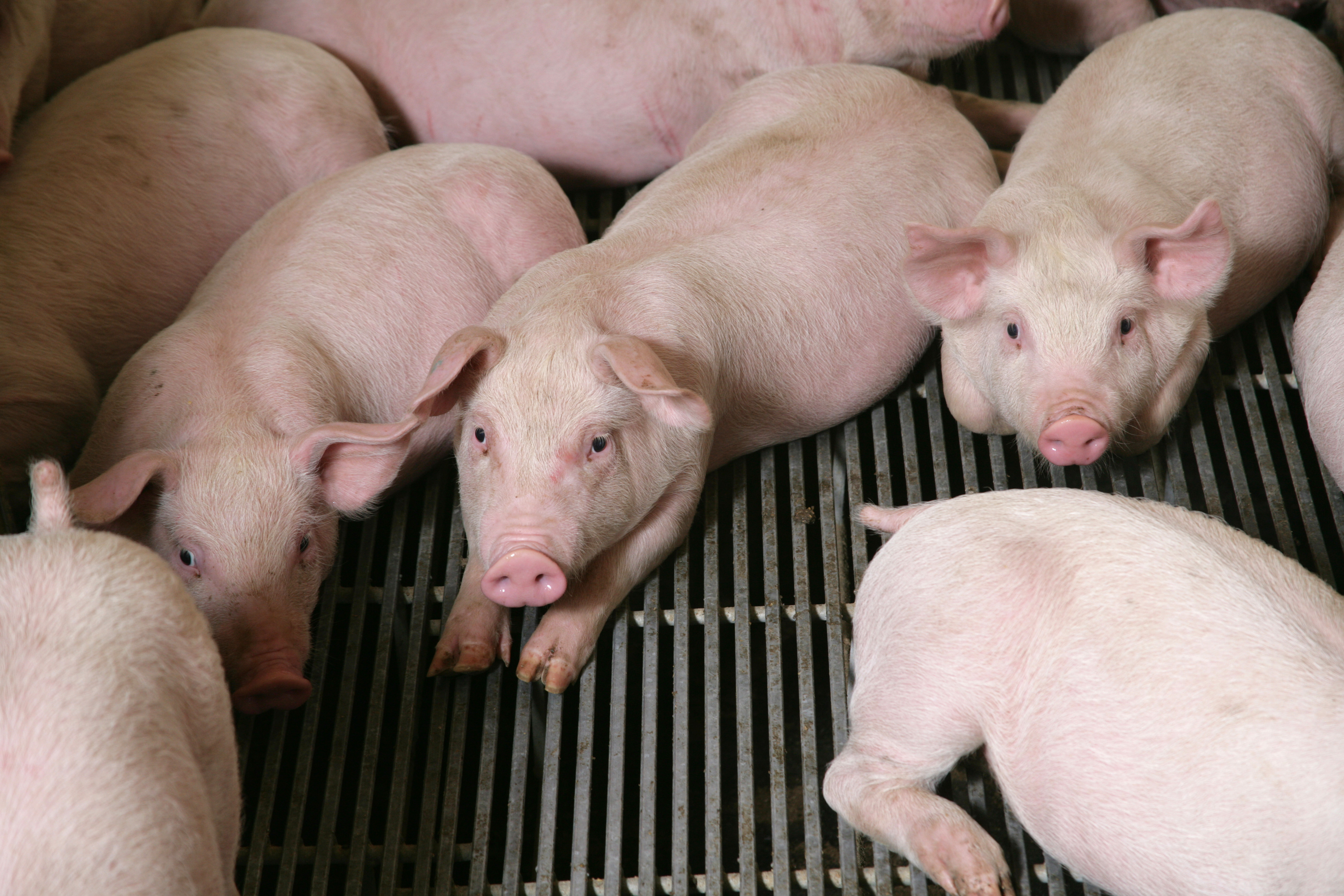
Proposition 12 was passed by referendum back in 2018 and is scheduled to come into effect in 2022. There’s still a lot of uncertainty about how the law, which establishes new standards for confinement of specified farm animals, will be executed. Christine McCracken is executive director and protein analyst at Rabobank.

“The industry is kind of put into, you know, this difficult position of being faced with a rule that will make a lot of the pork that we raise here in the U.S. ineligible for sale in California without some pretty major legal consequences and financial consequences,” said McCracken.

The controversy is surrounding the fact that the law requiring certain growing conditions applies to all pork sold in California, regardless of where it is raised.

“It’s a tough position to be in for everyone: the retailer obviously, and not knowing whether or not they’ll have a lot of pork to sell. It’s tough for the processor, you know, with the potential of not having the visibility to encourage those changes and not knowing whether or not they’ll have enough pigs to process for California,” said McCracken.

“And for the producer, you know, they obviously have the added risk of not having markets for their pigs. So it’s, it’s a tough kind of industry situation at the moment,” noted McCracken.

Industry groups have filed lawsuits challenging the constitutionality of the measure.

2021-06-14T18:07:00-07:00June 14th, 2021|

Register For The 2021 Citrus Webinars

2021 Citrus Webinar Series Coming Up

The Citrus Research Board (CRB), in coordination with the University of California Statewide Integrated Pest Management Program (UC IPM), is rolling out a new CRB Webinar Series geared toward citrus growers and industry professionals.

The series will kick-off on Tuesday, June 1, 2021, with Dr. Greg Douhan, Area Citrus Advisor for Cooperative Extension Tulare County, providing an update to the industry. He will be followed by Mandy Zito, Deputy Agricultural Commissioner/Sealer for Fresno County Department of Agriculture, who will cover laws and regulations pertaining to pesticides, pest control operations, and worker safety that have gone into effect since 2017.

This webinar is currently pending approval for 1-hour of “Laws and Regulations” continuing education units from the California Department of Pesticide Regulation (CDPR) and Certified Crop Advisors (CCA).

On Tuesday, June 8, 2021, Sonia Rios, Area Subtropical Horticulture Advisor for Cooperative Extension Riverside County, will provide an update to the industry. She will be followed by Monique Rivera, Extension Specialist from UC Riverside, who will cover various topics in citrus IPM. She will cover basic California red scale biology and information about selecting insecticides for organic and conventional treatment for Asian citrus psyllid as well as ants and thrips.

This webinar is currently pending approval for 1-hour of “Other” continuing education units from the California Department of Pesticide Regulation (CDPR) and Certified Crop Advisors (CCA).

To qualify for continuing education units, please use the following list of instructions:

  1. Register and login separately with your own email address
  2. Participate in the entire hour webinar session
  3. Respond to the polls/knowledge checks as they come up
    (If the polls do not work properly on your device, use chat to submit your answers.)
  4. Respond to the final survey at the end of the webinar session – please include your name, license number and email address
2021-05-27T18:59:47-07:00May 27th, 2021|

Westlands Praises Gov. Newsom on Drought Declaration

Westlands Water District Applauds Governor Newsom’s Drought Declaration, Investment in Water Infrastructure Repairs

Urges Collaborative Approach to Mitigate Drought Impacts

In response to California Governor Gavin Newsom’s expansion of the drought emergency to include the Central Valley, Tom Birmingham, Westlands Water District general manager, today issued the following statement:

“The realities of a changing climate mean California must prepare for longer, hotter droughts that can only be effectively mitigated through collaborative approaches that focus equally on our state’s economic and environmental sustainability. We applaud Governor Newsom’s action to mitigate the impacts of a second year of drought in the Central Valley, which has already manifested itself in fallowed fields and lost jobs due to lack of water.

In particular, his move to streamline water transfers and provide $200 million in funding for critical water infrastructure repairs as outlined in Senator Hurtado’s Senate Bill 559 will both help local communities manage drought impacts in the short term and improve drought resiliency by maximizing the beneficial use of every drop of water in the long term. Westlands appreciates the leadership of both Governor Newsom and Senator Hurtado in championing these critical water infrastructure repair investments, and we look forward to continuing to work with local, state and federal leaders to develop collaborative, holistic solutions to more effectively address the impacts of drought on our most vulnerable communities.”


Subsidence has caused the Central Valley Project canals, which carry water to Westlands and other water agencies, to lose up to 30% of their conveyance capacity over time. This lost conveyance capacity results in less water available at higher costs for farms, communities, and wildlife. Westlands is among a broad coalition of water agencies supporting Senate Bill 559 (Hurtado), S. 1179 (Feinstein), and H.R. 2552 (Costa) companion state and federal legislation designed to address this issue. Governor Newsom’s commitment of $200 million represents approximately one-quarter of the state funding outlined in SB 559.

The immediate challenge facing State agencies that are responsible for ensuring competing demands are met is achieving a reasonable balance among all competing beneficial uses. The State agencies must consider all demands being made on the limited water supplies available and the values involved with the beneficial uses of water – including economic and social values. Governor Newsom’s drought emergency declaration will provide State agencies with the tools needed to achieve that balance, and it is Westlands’ hope that the water needs of people and the economy will not be made subordinate to the needs of the environment.

Past studies indicate that statewide economic losses as a result of California’s 2014-2016 drought totaled $3.8 billion, with thousands of jobs lost in the Central Valley alone and many rural drinking water wells running dry. Earlier this year, Westlands urged Governor Newsom to help mitigate the impacts of a 5% water allocation from the Central Valley Project, which is currently not available for delivery. Over the last 10 years, Westlands and other South-of-Delta agricultural service and water repayments contractors have received a 100% allocation of water only once and have received a 0% allocation two times.

2021-05-24T17:59:33-07:00May 24th, 2021|

Get Vaccinated to Have More Freedom

CDPH Recommendations for Fully Vaccinated Individuals

This week, the California Department of Public Health (CDPH) updated its recommendations for individuals who are fully vaccinated. A few key points from this guidance are below.

Fully vaccinated people can do the following:

• Spend time with other fully vaccinated people, including indoors, without wearing masks or physical distancing (outside a workplace setting).
• Spend time with unvaccinated people from a single household who are at low risk for severe COVID-19 disease indoors without wearing masks or physical distancing.
• Refrain from wearing face coverings outdoors except when attending crowded outdoor events, such as live performances, parades, fairs, festivals, sports events, or other similar settings.

  • Refrain from quarantine and testing following a known exposure if asymptomatic.
  • Following a known exposure at work, fully vaccinated
    workers do not need to quarantine if asymptomatic.
  • In the workplace, employers subject to the Cal/OSHA
    COVID-19 Prevention Emergency Temporary Standards
    (ETS) must ensure that employees are following the
    current ETS face covering and testing requirements.

Fully vaccinated people should continue to take precautions in public including wearing a well-fitted mask indoors, and when attending crowded outdoor events, as described above. Get tested if experiencing COVID-19 symptoms. If fully vaccinated people test positive for SARS-CoV-2, they should follow CDPH and local health department guidelines regarding isolation and/or exclusion from high-risk settings. For workplace settings, employers should follow the exclusion provisions of the Cal/OSHA COVID-19 Emergency Temporary Standards.

Individuals are considered fully vaccinated when it has been two weeks or more after they have received either their second dose in a 2-dose series (Pfizer or Moderna) or their single-dose vaccine (J&J/Janssen).

As reported by Kahn, Soares & Conway (KSC), for workplace settings, employers should follow the exclusion provisions of the Cal/OSHA COVID-19 Emergency Temporary Standards. The Cal/OSHA COVID-19 Prevention Emergency Temporary Standards (ETS) applies to all employers, employees, and to all places of employment with three exceptions:

• Workplaces where there is only one employee who does not have contact with other people.
• Employees who are working from home.
• Employees who are covered by the Aerosol Transmissible Diseases regulation.

KSC as reported, in correspondence with this week’s CDPH recommendations, and per Executive Order N-84-2020, the Cal/OSHA ETS now stipulates that fully vaccinated individuals who have had a COVID-19 exposure and are asymptomatic no longer need to be excluded under the COVID-19 Emergency Temporary Standards. More information is available in the COVID-19 Emergency Temporary Standards FAQs.

2021-06-08T17:11:54-07:00May 23rd, 2021|
Go to Top