Associations, Organizations, Educational and Research Institutions
Bio-Control for Strawberry Growers

Strawberry Growers Lean on Biologicals to Manage Pest

By Jessica Theisman, Associate Editor

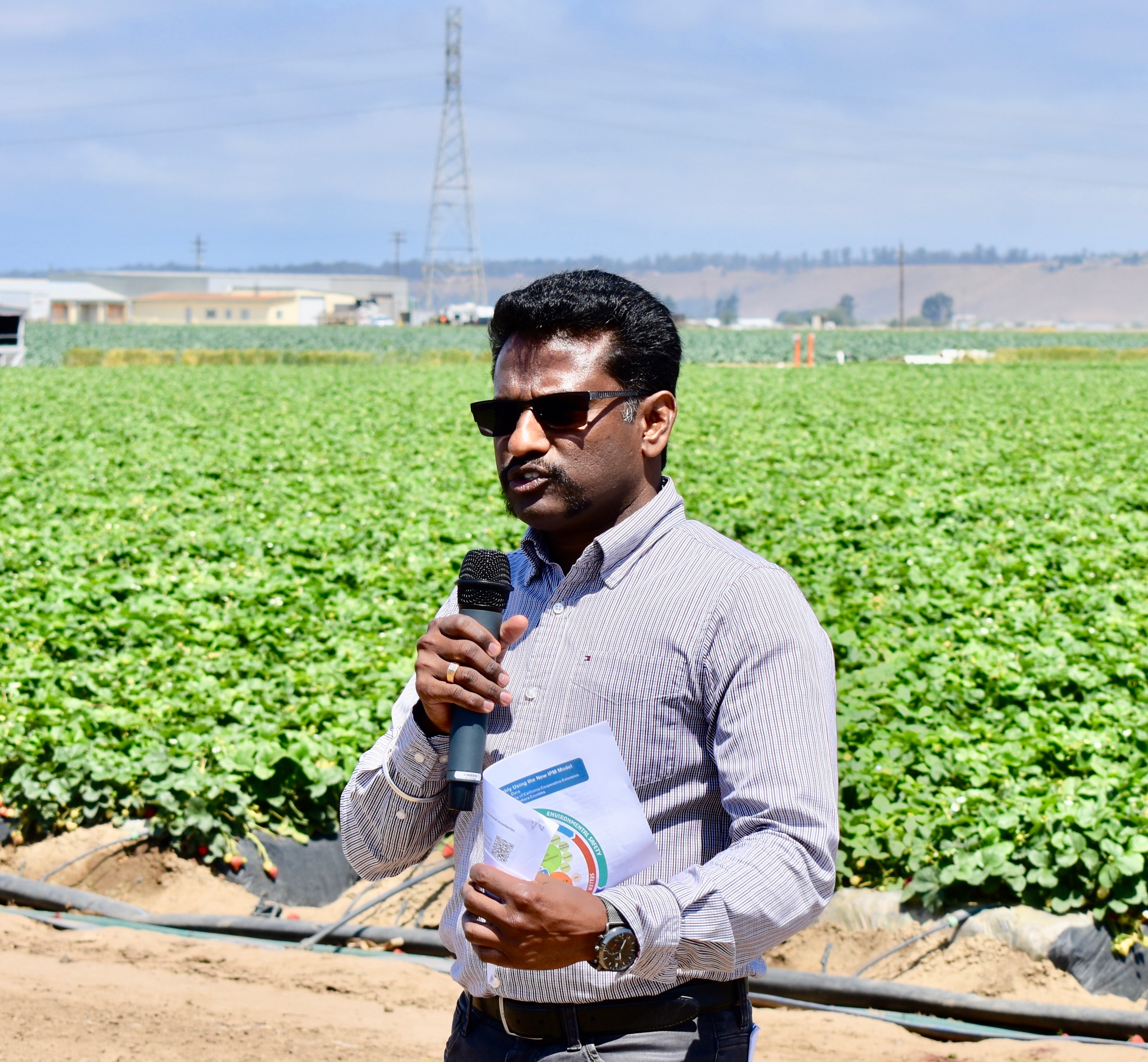
California Ag Today recently met with Surendra Dara, a UC Cooperative Extension entomologist based in San Luis Obispo County. According to Dara, California strawberry growers follow many sustainable options.

“Growers are well-educated and have a support system that provides information to them very regularly,” Dara said.

Growers try to apply as much of the IPMs as possible, but there is always a lot more scope in terms of using non-chemical alternatives. That is an area that has room to grow.Strawberries

“The more we know about the options and their potential, they can be more adopted,” Dara said.

He explained that the strawberry growers often lean on biological insects such as beneficial mites that treat those damaging insects. It’s all part of IPM.

The insects are used outdoors along with in greenhouses.

“A bio-control is very well done in strawberries for mite control, but we do not have similar natural enemies for other pests,” Dara said.

There are botanical and microbial options for pest and disease management, and a lot of work is being done about understanding how they work and placing them in the right strategy.

“So, there is definitely plenty of options for us,” Dara said.
2021-05-12T11:01:47-07:00June 28th, 2019|

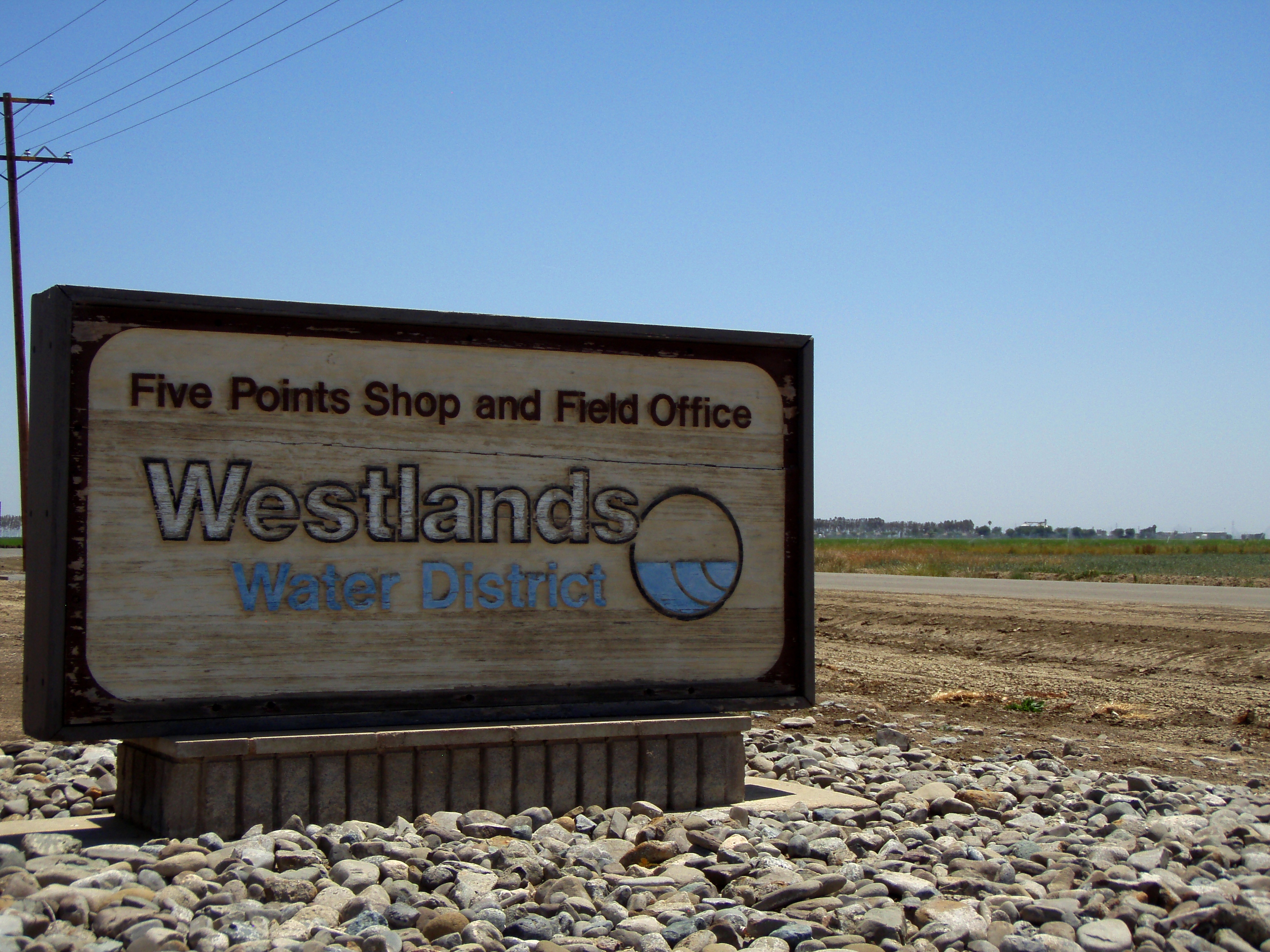
Westlands Water District Announces Scholarship Winners

Westlands Water District Announces Recipients of the Six West Side Scholarships

News Release

Westlands Water District awarded scholarships to six high school seniors in recognition of the students’ exceptional academic achievement. Each recipient, all of whom are from west side communities, will receive $1,000 towards their community college or university expenses. Applicants were judged on their academic performance, school activities, and community leadership, and each applicant submitted an essay on an agricultural-related topic.

The District congratulates the following 2019 scholarships winners:

Joe Cardiel III, a senior at Firebaugh High School. Cardiel plans to attend Fresno State, where he will major in Agriculture Education, with plans to pursue a career as an agricultural educator.

Cardiel is a varsity basketball and varsity baseball player and FFA chapter secretary. As a Firebaugh high school student, Cardiel was honored with the Eagle Baseball award, FFA State Degree, and FFA Outstanding senior.

Marvin Cornejo, a senior at Mendota High School. Cornejo is an honors student who plans to attend Fresno State to pursue a degree in Chemistry. Following college, Cornejo aspires to pursue a career as a pharmacist.

Cornejo is a Mendota School Board student representative; a West Side Youth volunteer; an avid athlete involved in track &field, cross country wrestling and soccer; and an FFA Greenhand and Chapter degree holder.

Myriam Castro, a senior at Tranquility High School. Castro will graduate in the top five of her class. Castro plans to attend Fresno State, where she will major in Criminology.

During her time at Tranquility High School, Castro was involved in the Honor Guard and the California Student Opportunity and Access Program (Cal-SOAP) and obtained the ROP Criminal Justice certificate of completion and the State Seal of Biliteracy.

Peter Hawken, a senior at Lemoore High School. Hawken was honored as the Chemistry Student of the Year. Following graduation, Hawken will attend the University of California, Santa Cruz, where he will major in Environmental Science. With his degree, Hawken aims to pursue a career as an environmental and agricultural irrigation specialist.

Hawken is the Varsity Soccer team captain, both the soccer and tennis club president and is involved in Jesus Club and a California Scholarship Federation life member.

Jazmin A. Murillo, a senior at Coalinga High School. Murillo plans to attend West Hills College Coalinga, where she will major in Political Science and film. Following college, Murillo plans to pursue a career as a paralegal and as a film director.

Murillo is the editor-in-chief of the Coalinga High School Magazine, President of the After School Program Leadership Club and VIDA club, and was on the Principal’s Honor Roll from 2015 to 2019. Murillo has also been honored with the Bausch + Lomb Honorary Science Award, first place in the Chevron Robotics Challenge and as a National Hispanic Scholar.

Emma Andrade, a senior at Riverdale High School. Andrade is an honor roll student who plans to attend Fresno State, where she will major in Physics and plans to pursue a career as an experimental physicist.

Andrade plays varsity basketball and tennis and has been involved with Rural Route 4-H since 2010, continually holding leadership positions, such as Corresponding Secretary and Camp Director. Andrade has been honored with the Academic All-League Team and Letter, County Heartbeat Artistry Award and All-League First Team Varsity Tennis.

Westlands is honored to recognize and assist these outstanding students; as reiterated by Tom Birmingham, general manager of Westlands, “these scholarships represent a small gesture of thanks and support to the communities on the west side of the San Joaquin Valley that make our region productive and vibrant. Our hope is that these students will continue to contribute to their communities and make them even better for future generations.”

2019-06-27T17:27:38-07:00June 27th, 2019|

FruitsAndVeggies.org Highlights How to Boost Health

FruitsAndVeggies.org Has Been Updated

By Jessica Theisman, Associate Editor

Eating more fruits and vegetables is important. California Ag Today recently spoke with Teresa Thorne executive director of the Alliance for Food and Farming, based in Watsonville She expressed the need to eat more fruits and vegetables and discussed how the website FruitsAndVeggies.org has been updated.

“Whether you choose organic or conventional, choose either with confidence,” Thorne said.

Both organic and conventional fruits and vegetables are safe.

“Experts everywhere agree that we should buy even more,” Thorne said.

Teresa Thorne

“Our website was getting a little bit old and rickety,” she explained.

The website, FruitsAndVeggies.org, was launched back in 2010. New sections on the website help readers understand the necessity of eating more fruits and vegetables.

“These new sections are kind of a fun take on our more traditional nutrition information,” Thorne said.

They also have fun facts such as how eating a lot of strawberries can help whiten teeth. And eating leafy Greens like spinach can lead to healthier hair.

“Things along those lines are just kind of fun little tidbits,” Thorne said.

“It is proven that consuming more foods and vegetables improve your mood, they’re great for you and you can be happier too if you eat more,” Thorne said.

The facts section also clarifies safety and prevention information.

“We also have another section about produce safety,” she said.

This was based on a popular blog that was published approximately one year ago. The information was consolidated it into one quick and easy section for viewers to easily read some interesting facts.

“One being that if we increased our serving by one serving of a fruit and vegetable in a day, 20,000 cancer cases could be prevented annually,” Thorne said.

2019-06-06T15:34:47-07:00June 6th, 2019|

Almond Growers Helped In Trade Dispute

Almond Grower and Board Chair Holly King Attends White House Briefing with President

News Release

U.S. Secretary of Agriculture Sonny Perdue announced almonds will be included in the administration’s new trade mitigation package. This package aims to continue the support of farmers and ranchers impacted by delayed negotiations and trade disruption with China.

Almond Board Chair Holly A. King attended a briefing at the White House recently with President Donald J. Trump and representatives from other major farm groups to discuss the trade mitigation package.trade

“It is an honor to represent the California almond industry at the White House briefing with President Trump and express appreciation for his efforts to ease the burden of the trade tariffs on California almond growers,” King said. “We have invested heavily in developing the market for California almonds in China for more than 20 years and hope the Administration is successful in negotiating a new trade deal soon so we can get back to business as usual.”

The $16 billion package includes $14.5 billion for the Market Facilitation Program, $1.4 billion in surplus commodity purchases through the Food Purchase and Distribution Program and $100 million in Agricultural Trade Promotion funding. Almonds will be included in the Marketing Facilitation Program. According to the USDA release, “Tree nut producers, fresh sweet cherry producers, cranberry producers and fresh grape producers will receive a payment based on 2019 acres of production.”

The Almond Board has worked closely with the Almond Alliance of California throughout the developing tariff situation to ensure the voice of the California almond industry is heard.

“The Almond Board and Almond Alliance have been actively engaged with USDA, the US Trade Representative and Congress regarding the impact of this trade disruption on almonds. The Alliance has led efforts ensuring almonds are included in the second mitigation package,” said Julie Adams, Vice President of Global, Technical and Regulatory Affairs at the Almond Board. “We look forward to working with USDA in leveraging these funds to best benefit the entire almond industry and our grower communities.”

Overall, trade disputes have underscored the importance of having diverse, healthy export markets, a position of strength that the California almond industry has long enjoyed. For decades, ABC has supported the industry by making significant investments in foreign market development and expansion. Recently, the Almond Board started marketing programs in Italy, Mexico, Germany and re-entered Japan. ABC also ramped up marketing activity in Germany and India. 

“While we appreciate almonds’ inclusion in the second package, almonds continue to be impacted by the increase in tariffs, and we’ve seen a significant decline in shipments to China, our third-largest export market,” said Adams. “Getting back to normal trade is critical.”

2019-06-03T16:53:20-07:00June 3rd, 2019|

Delta Smelt Are Poor Swimmers, Unlikely to Reach Pumps

How Many Smelt Are Actually At the Pumps?

By Kristi Diener, Fourth Generation San Joaquin Valley Farmer

Delta smelt are poor swimmers. When they have to swim against voluminous outflows, they struggle. They also lack endurance for distance and swimming against currents. This was the result of the taxpayer-funded swim performance test conducted more than 20 years ago. Why is this important?

Delta smelt live in the freshwater/saltwater mixing zone made up of outflow from the fresh waters of the Sacramento and San Joaquin Rivers, and the inflow of saltwater pushed towards that freshwater from the ocean tides. Smelt leave this mixing zone in search of freshwater to spawn, in the late winter to early spring. It is the same time of year when the outflows from the Sacramento and San Joaquin Rivers are at their peak. Recently, water surging out from the rivers was equal to 104,900 basketballs per second!

If the smelt are able to swim against these powerful outflows, they don’t go too far, and generally spawn pretty close to the nearest region of freshwater they can find in the delta. However, most smelt being surveyed during spawning are not in the delta at all, rather, in the much smaller waterways to the north where there is a fraction of the freshwater outflow. Twenty-one years ago, UC Davis acknowledged outflows from the Sacramento and San Joaquin rivers are actually too high for the endangered smelt!

Delta smelt by metric ruler Photo: USFWS

Delta smelt by metric ruler
Photo: USFWS

Let’s jump to the “pumps.” They are about 60 miles away from where smelt live in the mixing zone of the Suisun and San Pablo Bays. The pumps capture water at the south end of the delta, where it later flows into storage at San Luis Reservoir. Eventually, it is conveyed south to 2/3 of the state.

Water that is not captured by pumping surges out from the Sacramento and San Joaquin Rivers into that mixing zone. These pumps are routinely throttled back because, according to the Smelt Biological Opinion, smelt are in danger of getting sucked-in and killed. The result of not pumping is huge losses of water for human use and huge increases of outflow from these two rivers into the ocean.

So how many smelt, who lack endurance for long swims according to the swim performance test, are actually surveyed near the pumps and at risk of being liquidated? Every month, a trawl survey is conducted to count smelt and find out where they’re hanging out. I pulled up the fish distribution maps for every monthly trawl over a 10-year period. The closest a smelt has been surveyed near the pumps is about 30 miles away from them, seven years ago.

Still, in spite of their own swim performance tests, the opinion is that smelt swim about a 60 mile, squiggly endurance course, destined for the pumps. Remember, they spawn in freshwater, but actually, live back in the mixing zone where they must return. Nonetheless, this opinion is the very hypothesis that ratchets back pumping at full capacity and prevents the securing of water for humans. There are many other facets of the opinion that are questionable as well. Incidentally, just two smelt have been surveyed anywhere in the last 10 months.

Here’s the good news. President Trump signed an executive memo in October, requiring the Biological Opinions to be reviewed and updated. The science is well over a decade old. Please notice it is called an “opinion”, not a fact. Trump set a timeline and a deadline to get it done too. The assessment phase had to be completed by January 31, and it was. The deadline for the new Opinions to be issued is 135 days after the assessment, which I calculate to be around June 15th. I’m counting.

In the next couple of months, we’ll likely be hearing a whole bunch of malarkey coming from the folks favoring water for the sea in the name of fish, instead of for humans and the earth. There will be an uproar when the Biological Opinions are revised to actually help endangered fish, instead of being used as a vehicle to implement an agenda of man-made water shortages, more regulations, increased fees, and new taxes. You will hear misinformation, but you will know the truth.

Delta Smelt Performance Test can be found here.

2021-05-12T11:05:03-07:00May 29th, 2019|

CDFA To Hold Good Ag Neighbors Workshops

Workshop Designed for Produce Growers and Livestock Areas to Promote Food Safety

News Release

In order to facilitate dialogue between different sectors of California agriculture about cooperation to prevent future foodborne illness outbreaks, the California Department of Food and Agriculture (CDFA) is partnering with the University of California and the U.S. Food and Drug Administration (FDA) to bring the livestock and produce communities together for a series of workshops.

The workshops, titled Good Ag Neighbors, are designed for fruit and vegetable growers, livestock owners, and others interested in learning about how produce safety and livestock management practices can work jointly to promote food safety.

The workshops will be held in two California locations, with the first scheduled for June 11 from 9 a.m. to 4 p.m. at the Desert Research and Extension Center in Holtville. The second workshop is scheduled for June 13 from 9 a.m. to 4 p.m. at the Robert J Cabral Ag Center in Stockton.

“Agriculture is complex,” said CDFA Secretary Karen Ross. “This is particularly true in California, where diverse agricultural operations often exist side-by-side, with each of them required to comply with a myriad of regulations designed to protect the public, the environment, and the food supply.”

Karen Ross, CDFA Secretary

Karen Ross, CDFA Secretary

Diversity is extremely important to the fabric of California agriculture. Also important is open communication channels between diverse partners. This has become more apparent with the CDFA’s newly created Produce Safety Program, which is working on behalf of the U.S. FDA to enforce produce safety regulations under the Food Safety Modernization Act.

The workshops will address lessons learned from recent investigations of produce-related foodborne illness outbreaks, examine key research findings, and consider future research needs.

The workshops are being conducted by the UC Davis Western Institute for Food Safety and Security and will include presentations by researchers and industry representatives. The day-long agenda will focus in the morning on reviewing regulations, laws, and practices already in place to protect food and environmental safety, while the afternoon will be spent in various breakout groups examining how these practices can be leveraged.

Participants should come prepared to share their experiences as well as their produce safety questions.

The workshops are offered free of charge. For more information and to register, please visit http://www.wifss.ucdavis.edu/good-ag-neighbors/.

2021-05-12T11:01:47-07:00May 24th, 2019|

Western Growers Statement on California DPR Ban on Chlorpyrifos

Tom Nassif: CA Farmers Face the Most Stringent Regulations in the World

By Cory Lunde, Western Growers

In response to the recent announcement that the California Department of Pesticide Residue (DPR) is acting to ban the use of the insecticide chlorpyrifos, Western Growers President and CEO Tom Nassif issued the following statement:

“California farmers are universally committed to the safety of their food, the health of their workers and communities, and the sustainability of their land. At every turn, they strive to achieve efficiencies in their use of resources like water, fertilizer, and pesticides and seek to minimize both the human and environmental impacts of these inputs.

immigration reform

Tom Nassif

“California farmers also face the most stringent regulatory environment in the world, one that often limits their access to many of the tools still available to farmers elsewhere in the U.S. and in foreign countries, including certain types of pesticides. Indeed, over the last 20 years, California regulatory actions have removed several of the most important crop protection tools farmers rely on to fight pests and diseases.

“With … [the] announcement that DPR will initiate the cancellation of chlorpyrifos, one of the most widely studied and globally approved insecticides, California farmers now stand to lose yet another arrow in their quiver—without effective and ready replacement tools—making their quest to grow the safest, healthiest and most abundant food supply in the world even more difficult.

“California farmers are resilient, but the long-term viability of our farms in California depends on proper support from the Administration and renewed cooperation of the state’s regulatory agencies, especially in light of the many other unique and expensive regulations that place California farmers at a growing competitive disadvantage.”

2021-05-12T11:05:03-07:00May 22nd, 2019|

UC DroneCamp Coming June 18-20

UC Offers Drone Workshop for Mapping, Research, and Land Management

By Pam Kan-Rice, UC Ag & Natural Resources

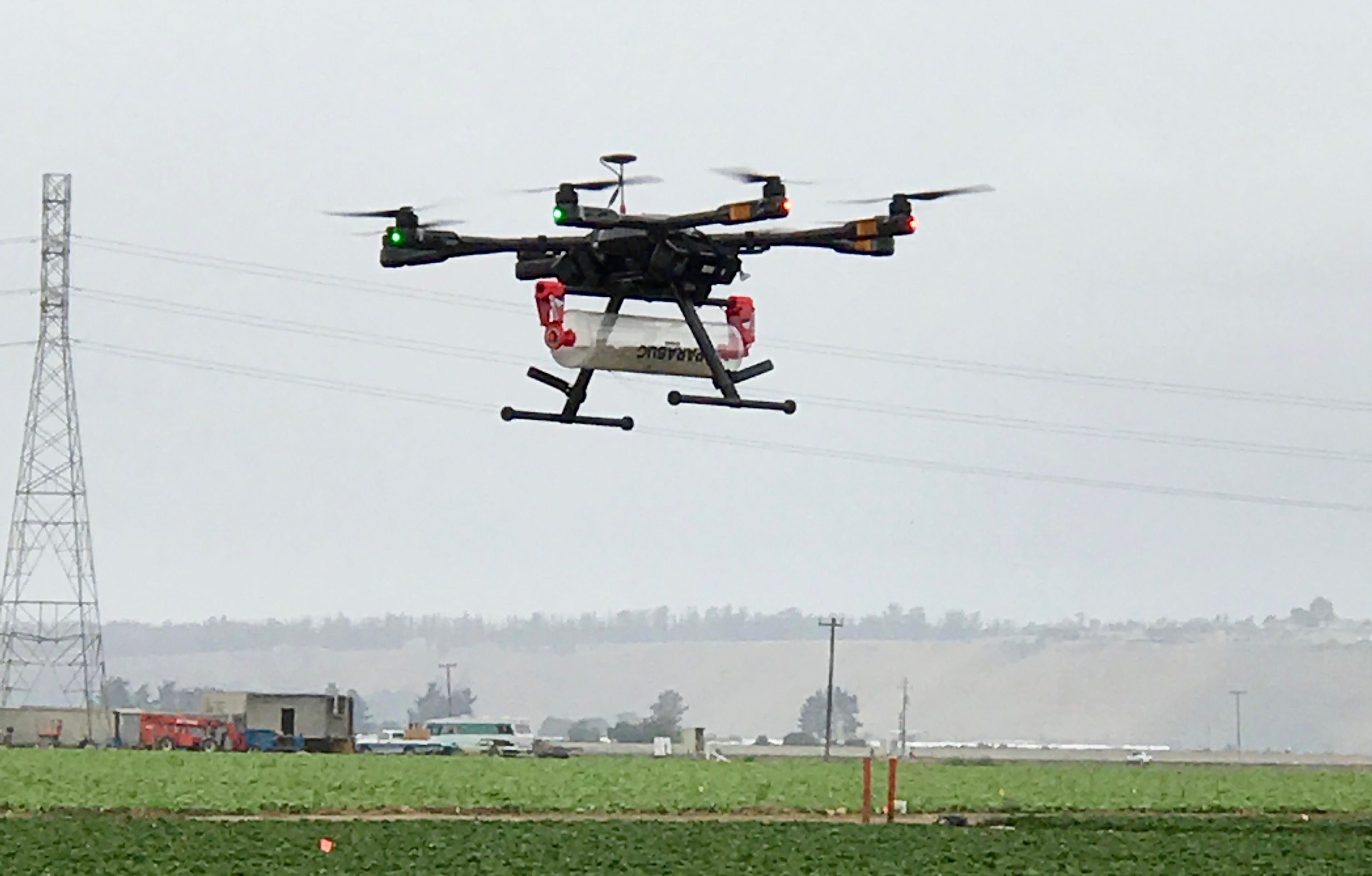
People who are interested in using drones for real-world mapping are invited to attend a three-day intensive drone workshop in the Monterey Bay area. The third annual DroneCamp will be offered from June 18 to 20 by UC Agriculture and Natural Resources’ Informatics and GIS Program. No experience with drone technology is needed to participate.

Drone mapping involves taking high-resolution photos with drones and stitching them together with software to make extremely accurate, orthorectified maps. More difficult than videography, it is widely used in agriculture, construction, archeology, surveying, facilities management, and other fields. DroneCamp will cover all the topics someone needs to make maps with drones, including:

  • Technology—the different types of drone and sensor hardware, costs and applications
  • Drone science—principles of photogrammetry and remote sensing
  • Safety and regulations—learn to fly safely and legally, including tips on getting your FAA Part 107 Remote Pilot Certificate
  • Mission planning—flight planning tools and principles for specific mission objectives
  • Flight operations—hands-on practice with both manual and programmed flights
  • Data processing—processing drone data into orthomosaics and 3D digital surface models; assessing quality control
  • Data analysis—techniques for analyzing drone data in GIS and remote sensing software
  • Visualization—create 3D models of your data
  • Latest trends—hear about new and upcoming developments in drone technology, data processing, and regulations

On the first day, DroneCamp instructors will discuss drone platforms, sensor technologies, and regulations. On the following two days, participants will receive hands-on instruction on flying safely, using automated flight software, emergency procedures, managing data, and turning images into maps using Pix4D mapper and ArcGIS Pro.

Registration is $900 for the general public and $500 for University of California students and employees. Registration includes instruction, materials, flight practice and lunches. Scholarships are available.

This year, DroneCamp is being held in conjunction with the Monterey Bay DART (Drones Automation & Robotics Technology), which is holding an industry symposium on Friday, June 21. DroneCamp participants get a $50 discount to attend the symposium.

For more information and to register for DroneCamp, please complete the registration form at http://igis.ucanr.edu/dronecamp. Registration fees are due by June 1, 2019.

2021-05-12T11:05:03-07:00May 21st, 2019|

Ian LeMay is New President of California Fresh Fruit Association

Former President George Radanovich Goes Back to Washington 

 News Release

This week, Randy Giumarra, the Chairman of the California Fresh Fruit Association (CFFA) Board of Directors, announced that Ian LeMay will serve as the new president of CFFA. LeMay will succeed George Radanovich, who has held the position since 2016 and will be leaving CFFA to promote sound ag labor policy in Washington, D.C.

Ian LeMay

Giumarra said, “Ian’s appointment is a reflection of our Board’s commitment to establishing long-term leadership for our industry.”

He continued, “Our board and I have worked closely with Ian over the past four years. We are confident in his abilities and look forward to his leadership. I’d also like to take this opportunity to thank George for his time, leadership, and impact that he has made over the last three years. George’s service is greatly appreciated by our entire membership.”

LeMay has dedicated his career to supporting and advocating for the continued success of California agriculture. Since 2015, LeMay has served as CFFA’s Director of Member Relations and Communications.

From 2011 to 2015, LeMay served as the District Director for Congressman Jim Costa, who represents California’s 16th Congressional District. As District Director, LeMay managed the Congressman’s district staff and advised the Congressman on a number of issues, including agriculture, water, and transportation. Prior to working for Congressman Costa, LeMay worked as a California Market Specialist for the Lindsay Corporation. LeMay is a recent graduate of the California Agricultural Leadership Program (Class 48).

California Fresh Fruit Assocation“I am humbled and appreciate the opportunity to continue to serve the members of the California Fresh Fruit Association in a new capacity,” LeMa said. “I came to the Association four years ago because I believe in its mission, deeply respect its history and see infinite potential in advocating for the permanent fresh fruit growers and shippers of California. I consider myself fortunate to have had the opportunity to observe two great Association leaders in Barry Bedwell and George Radanovich, and thank them for their commitment to bettering our industry. The challenges that face us are many. These have not been easy years for our industry, but I remain confident in the future of California agriculture and our opportunity to advocate for meaningful policy with a unified voice.”

LeMay will begin his tenure as CFFA President on June 1st. Ian and his wife, Molly, reside in Fresno with their two children, Emery Rose and Ellison James, and will welcome their third child this August.

ABOUT THE ASSOCIATION

For more than eighty (80) years the California Fresh Fruit Association has been the primary government relations organization serving the fresh fruit industry. It is a voluntary public policy organization that works on behalf of our members—growers, shippers, marketers, and associates—on issues that specifically affect member commodities: fresh grapes, kiwis, pomegranates, cherries, blueberries, peaches, pears, apricots, nectarines, interspecific varieties, plums, apples and persimmons. It is the Association’s responsibility to serve as a liaison between regulatory and legislative authorities by acting as the unified voice of our members. The challenges are countless for growers, shippers, and marketers as they strive to remain viable in an ever-changing market. Increasing regulatory requirements make it difficult to flourish, regardless of the size of the operation.

The Association’s dedicated staff advocates daily in the best interest of our members to ensure that regulators and legislators are using sound science and accurate information when considering laws or rules that will be imposed on industry members. However, aside from the variety of issues the Association works on, there is an important networking component. As each company has its own business interest, the membership as a whole shares a common, vested interest in the long-term health of tree fruit, fresh grape and berry communities in California.

2019-05-15T14:55:48-07:00May 15th, 2019|

CCM Statement on Chlorpyrifos Ban

Flawed Data Forcing Cancellation

News Release From California Citrus Mutual

Recently, the California Environmental Protection Agency (CalEPA) and the California Department of Pesticide Regulation (DPR) announced that they are going to begin the cancellation process of chlorpyrifos. The statement cites scientific findings that chlorpyrifos poses serious public health and environmental risks to vulnerable communities.SaveOurCitrus Logo

“The decision to ban chlorpyrifos is not surprising given the significant pressure from anti-pesticide groups, active legislative proposals, regulatory proceedings, and ongoing court battles,” said CCM President Casey Creamer. “However, this decision relies heavily on an evaluation that was significantly flawed and based upon unrealistic modeling scenarios that are not verifiable by actual results in DPR’s own air monitoring network.”

“California Citrus Mutual and our member growers stand by science that is sound, that properly evaluates risks and puts forward appropriate safeguards to protect ourselves, our employees, and our surrounding communities. We are committed to safe and effective use of chlorpyrifos and other crop protection tools.”

“The process for which this chemical was evaluated was purposely exaggerated to achieve the desired outcome and jeopardizes the scientific credibility of the Department of Pesticide Regulation. This decision sets a terrible precedent for future evaluations and creates a chilling effect on companies planning on making significant investments to bring new products to the market in California.”

“The citrus industry is fighting feverishly to protect itself from the deadly citrus disease, Huanglongbing,” Creamer continued. “In order to do so, we must have the necessary tools in the toolbox for an effective Integrated Pest Management program.”

“The once mighty citrus-producing state of Florida has lost 70% of its production due to this disease, which is expanding exponentially in residential citrus trees in Southern California at this very moment. While our commercial growers will remain vigilant, it is vital that our policymakers recognize the seriousness of the threat and ensure sound scientific procedures are followed.”

“California Citrus Mutual will continue to be actively engaged in the regulatory processes around the cancellation decision and will continue to explore all potential remedies to allow the safe and effective use of chlorpyrifos.”

2021-05-12T11:05:03-07:00May 14th, 2019|
Go to Top