Associations, Organizations, Educational and Research Institutions
Any New Biological Opinions Will Get Review by CA Congress Reps

California Members Release Statement on Updated Biological Opinions for Central Valley Project

WASHINGTON, DC – Representatives Josh Harder (CA-10), John Garamendi (CA-03), Jim Costa (CA-16), and TJ Cox (CA-21) and U.S. Senator Dianne Feinstein (D-CA) released the following statement on the updated biological opinions for federally protected fish species and coordinated operations of the Central Valley Project and State Water Project:

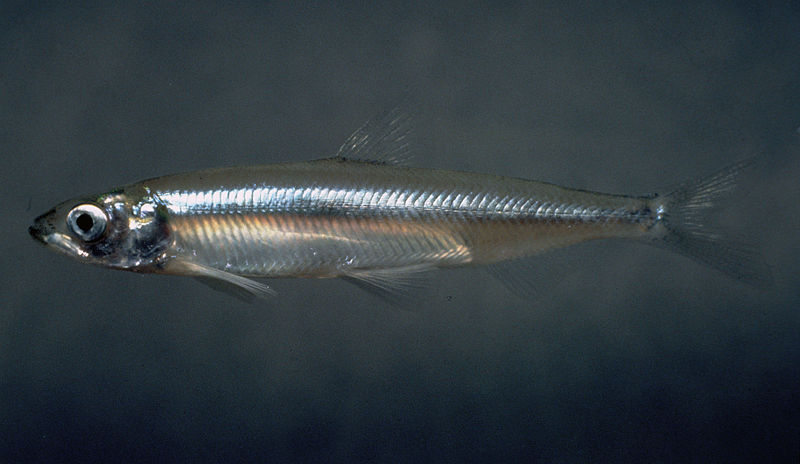
“The Endangered Species Act requires periodic reviews to determine the best available science. The federal government’s science for Chinook salmon and Delta smelt was more than a decade old and needed to be updated, especially given climate change.

“We are examining the new biological opinions to ensure they incorporate the adaptive management and real-time monitoring needed to properly manage the Central Valley Project for the benefit of all Californians. The new biological opinions must also provide the scientific basis needed to finalize the voluntary settlement agreements between the State Water Resources Control Board and water users.

“We look forward to the State of California’s thoughtful analysis of the biological opinions. In Congress, we continue working to secure federal investment in the Central Valley Project to meet California’s future water needs and support habitat restoration efforts called for in the updated biological opinions.”
 

2021-05-12T11:05:01-07:00October 24th, 2019|

UC Offers Almond Production Short Course Nov. 5–7

Almond Short Course For Growers To Learn More

By Pam Kan-Rice UCANR News and Information Outreach

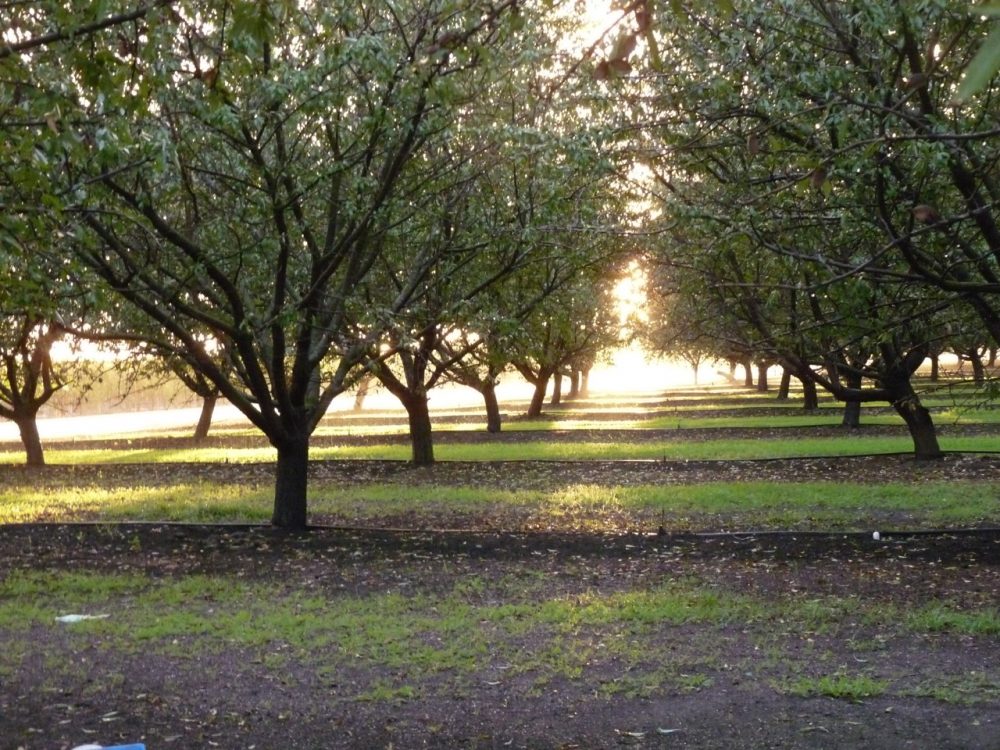
UC Agriculture and Natural Resources will host the UC Almond Short Course Nov. 5-7, 2019, at the Visalia Convention Center.

UC faculty, UC Cooperative Extension specialists and farm advisors and USDA researchers who will provide in-depth, comprehensive presentations of all phases of almond culture and production. An optional field tour will be offered on Nov. 8 in Parlier.

The program is based on the latest information and research and will cover the fundamental principles that form the basis for practical decisions. Each session will include Q&A, quality time with instructors and networking opportunities. The full agenda is at https://ucanr.edu/sites/almondshortcourse/2019_Agenda.

This year’s short course offers an in-depth field tour at the Kearney Agricultural Research and Extension Center on Friday, Nov. 8. For an additional fee, participants can learn firsthand about topics ranging from orchard establishment and management to integrated pest management. See the tour agenda at https://ucanr.edu/sites/almondshortcourse/2019_Field_Tour.

Registration is $900, discounts are available until Oct. 21. On-site registration will be $1,000.

Registration includes:

  • Three full days of instruction with more than 35 presentations
  • Binders containing presentations
  • Three lunches and two receptions
  • DPR (PCA) & CCA continuing education credits (pending approval)
  • Option to add Field Tour for $65
2021-05-12T11:01:46-07:00October 15th, 2019|

New Water Year Brings Surplus!

Surplus for New Water Year Will Help Farmers in 2020

By Patrick Cavanaugh, Editor

The Oct. 1 new water year, has brought the state a surplus— with statewide reservoir storage 128% of average.

“The wet 2017 was needed for our reservoirs to refill after an extended drought, and we’re hopeful that the upcoming water year will be generous,” said Mike Wade, Executive Director of the California Farm Water Coalition based in Sacramento.

The coalition educates consumers and others in the state about the importance of water for farms

“One of the things that we’re concerned about is allocations that have not seemed to keep up with the water supply, but we do understand there’s some question about environmental practices and enough water held over for stream flows, and those questions are something that we’ll have to contend with in the future,” said Wade.

With the carryover water that we have, we know that we’ll be in better shape going into this coming year than we have in some years in the past. But one of the things that are going to be helpful is if the Governor’s voluntary agreements get implemented regarding the State Water Resources Control Board’s Bay-Delta Plan on the Tuolumne River. “We have more reliability and understanding about how water is going to be used from year to year and how much will be available for water supply reliability, as well as the important environmental projects that are going on around the state,” he said.

“In December 2018, when the state Water Board adopted their Unimpaired Flow Plan, there was a lot of concern that that was going to take a lot of water. It would have taken a million or 2 million acre-feet of water potentially out of the available water that we have from year to year,” said Wade.

“The voluntary agreements represent a generational change in how we manage water and environmental projects in the state. I will provide more local control, more input from water users, and the ability to build the kinds of projects and do the kinds of stream restoration that not only help restore our ecosystem, but it makes water supply more reliable for farms, homes, and businesses around the state,” he said.


2019-10-10T19:42:02-07:00October 14th, 2019|

How to Read a Groundwater Sustainability Plan (GSP)

GSP Are Important to Understand

By Don A. Wright
www.WaterWrights.net

The following will have a lot of abbreviations so buckle up. The California Department of Water Resources – DWR – had divided the southern San Joaquin Valley into nine hydrologic sub-basins. Under the Sustainable Groundwater Management Act – SGMA – each sub-basin must have one or more Groundwater Sustainability Agency – GSA. These GSAs are required to submit a Groundwater Sustainability Plan – GSP – to DWR for review no later than January 2020.

DWR will only accept one GSP per sub-basin and most sub-basins have multiple GSAs. Most GSAs overlie an irrigation or water district, municipality or county line.

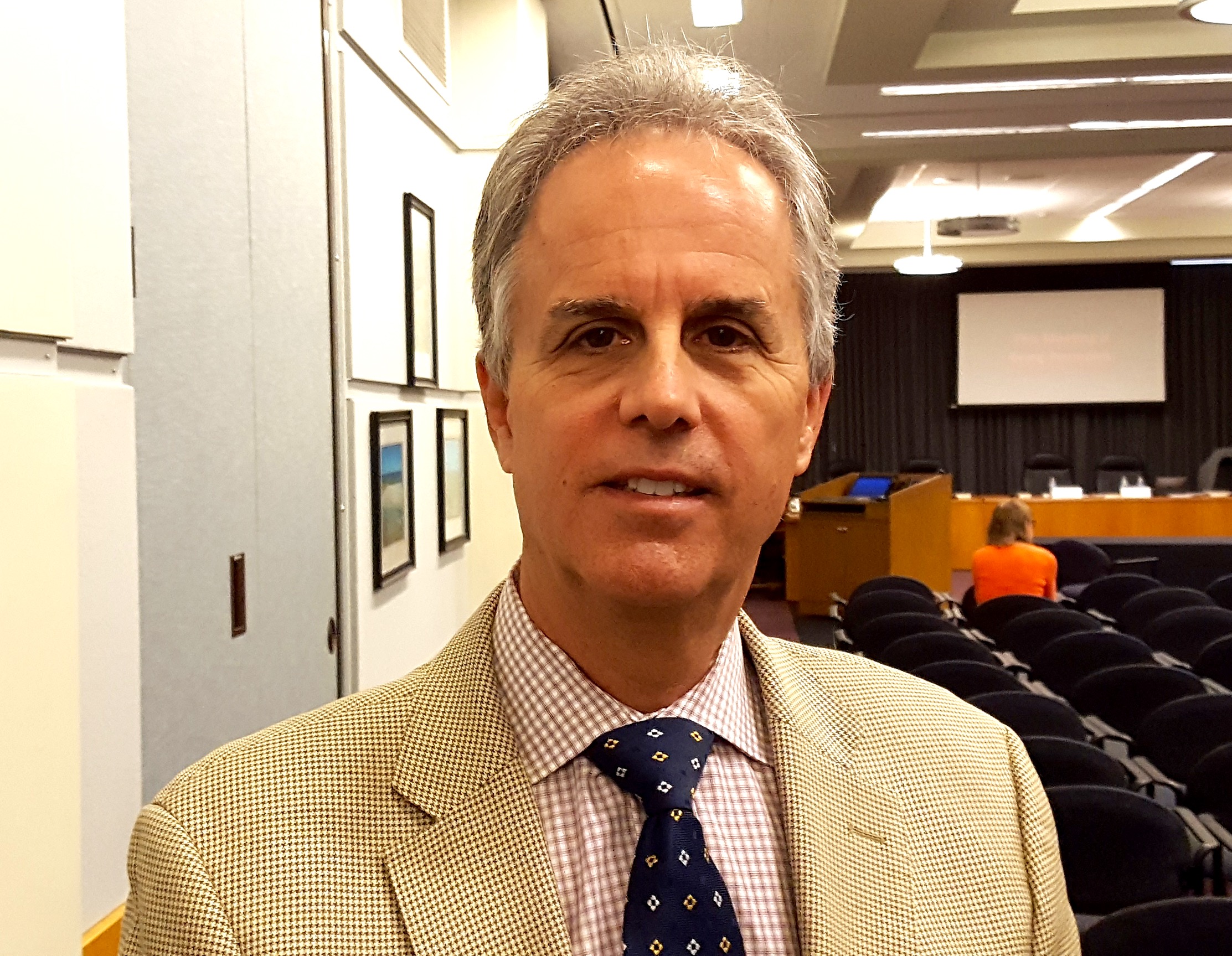
Don Wright

In order to ensure the expert knowledge and interests of the area are well represented most GSAs have opted to write their own GSP. These individual GSPs will be combined as chapters for the overarching sub-basin GSP; so DWR will only have to review the one plan per sub-basin. For instance, the Kings River sub-basin has seven GSAs. The North Kings GSA’s GSP would be more than a foot thick if printed on paper. Stacked on top of one another all seven GSP chapters of the Kings River Sub Basin would be about five feet high.

The taxpayers of California pay the state to hire trained employees at DWR to read these plans. Most folks don’t have the luxury to hire someone to read the plans or the time and patience to do so themselves.

However, there is good news. Much of each chapter is redundant to the other chapter. For example; within the same sub-basin each GSA is required to use the same methodology to arrive at its GSP findings. This helps with uniformity in style – one chapter won’t be in acre-feet while another uses liters. In other words, you read one methodology you’ve read them all. To further refine your reading task each GSP has an executive summary. This passage sums up most of the information in the overall GSP and will save a lot of time, eyestrain and stifled yawns.

Under SGMA GSAs are required to release drafts of the GSPs for review to only counties and cities. However, most if not all of the GSAs in the San Joaquin Valley have opted to release public drafts of their GSP for comment. Not all GSPs have yet to be released but most have and the remainder will soon follow. They are available online.

In the Southern San Joaquin Valley from north to south the sub-basins are:

Delta Mendota –  http://deltamendota.org/,

Chowchilla – https://www.maderacountywater.com/subbasins/,

Madera – https://www.maderacountywater.com/subbasins/

Westside – https://www.countyofkings.com/departments/administration/county-counsel/waterfaq,

Kings River – http://kingsgroundwater.info/sgma-legislation/groundwater-sustainability-agencies/,

Tulare Lake – https://www.countyofkings.com/departments/administration/county-counsel/waterfaq

Kaweah River – https://tularelakebasin.com/alliance/index.cfm/sustainable-groundwater-management-act-sgma/kaweah-sub-basin/,

Tule River – https://tulesgma.com/,

Kern – http://www.kerngwa.com/

2019-10-04T21:27:43-07:00October 10th, 2019|

Summer Annual Weeds Need Control Now

Avoid Allowing Summer Annual Weeds Going to Seed

By Chris McDonald UCANR Inland and Desert Natural Resources Advisor, San Bernardino County

As the summer heat is finally nearing its end, and its officially fall on the calendar, there unfortunately is a new crop of weeds flowering right now. Some of our summer annuls have started to go to seed, others are just about ready, and others are already starting to senesce. In order to manage these weeds, managers must stop the plants from reproducing. With our summer annuals that means stopping the plants from producing seeds, right about now, (or maybe three weeks ago).

However, treating a giant tumbleweed right now isn’t really my favorite activity. I’d rather spend my time treating small tumbleweeds and working more effectively and also using less labor and/or herbicides to do it in the process. (Well I’d rather not have any tumbleweed in the first place.)

If treating the weeds when they are small is more efficient and uses less pesticides, when can we treat them at the smallest? To answer this, we need to know when our summer annuals germinate. When do our summer annuals germinate? There are several different germination periods for ‘summer’ annuals. Some of our summer annuals actually germinate in the winter to early spring from January to March, others germinate in the spring from March through May.

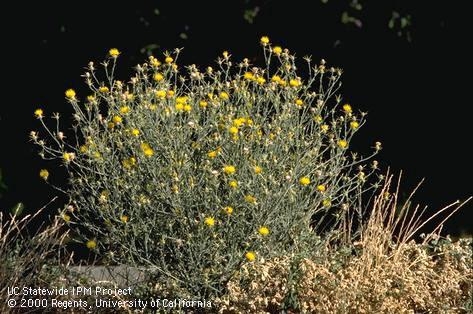
Weeds like yellow star thistle and stinkwort germinate in the winter from January to March. Tumbleweed and goat’s head germinate in the spring (March to May). Despite their different starting times, they will all grow during the late spring and summer as small plants hiding under a crop of larger weeds or in open areas, until they get large enough in the mid-summer to grow tall and more noticeable than our long dead winter weeds.

Other summer annual weeds, like spurges (such as spotted spurge,Euphorbia maculata, and also some other spurges), can germinate throughout the spring and summer as long as the soil is moist and warm. This summer annual can be much shorter lived than the other summer annuals mentioned above. In the desert, spurges might germinate after a monsoon, in other locations they might germinate in areas that have been irrigated or receive a little extra moisture or where the soil is moist.

The summer annuals on your property might be growing right now because of insufficient weed management in the winter and the spring! Other summer annuals might have germinated with the onset of high temperatures and need to be controlled in the early summer.

This pattern does not hold true for all species and all conditions, especially if irrigation continues throughout the spring and summer, or if there is a late spring storm or if summer monsoons deliver rains early. Sometimes even some of our winter annuals which should have flowered in February to April, germinate late in the season, and flower in June. It’s unusual and it does also happen.

If you can figure out what species of summer annual weed you have, then you may be able to figure out when it germinated and prioritize your weed treatments for that time period, in the winter and spring for some species and in the heat of summer for other species. Hopefully you will save yourself some time instead of letting them all grow into bigger and harder to treat summer annuals.

2021-05-12T11:01:46-07:00October 8th, 2019|

New HLB Research Lab Opening For Citrus

Citrus industry, UC Riverside Celebrate Opening of New Research Lab 

 By Alyssa Houtby, CA Citrus Mutual Director of Government Relations
Recently, leaders from the California citrus industry and the University of California, Riverside gathered to celebrate the grand opening of a Biosafety Level-3 Lab that will be used by researchers to identify a cure for the devastating citrus plant disease Huanglongbing, or HLB.
The state-of-the-art lab is the product of a partnership between the State’s citrus growers and UC Riverside aimed to protect California citrus trees from the deadly citrus plant disease Huanglongbing, or HLB.
“HLB is the single greatest threat to the future of the California citrus industry,” says CCRF Board Chairman and General Manager Booth Ranches LLC, Dave Smith. “The Biosafety Level-3 Lab is a testament to the industry’s proactive and optimistic spirit. In a matter of months, the citrus industry raised over $8 million to fund the construction of this facility and now, together with our partners at UC Riverside, we are one step closer to finding a cure for HLB.”

Located just 2-miles off campus on Marlborough Avenue, the lab will allow researchers to conduct work with plant pathogens that previously couldn’t be done in Southern California.

ACP UC IPM

ACP (Source: ACP UC IPM)

Construction of the $8 million lab began in 2016 and was entirely funded by the California Citrus Research Foundation through donations by citrus growers and packers.
The grand opening was marked by a ribbon-cutting ceremony and Citrus Industry Appreciation Luncheon at which several university, government, and citrus industry leaders spoke about the significance of the lab to the future of the California citrus industry.
The disease, spread by an invasive insect called Asian citrus psyllid, has been detected in over 1,500 backyard citrus trees in Los Angeles, Orange, and Riverside Counties. Citrus growers are proactively working to keep the disease out of commercial citrus groves until research finds a cure.
Casey Creamer, President of the non-profit grower advocacy group, California Citrus Mutual outlined the scope of the challenge and the extensive effort by citrus growers, federal, state, and local governments, and homeowners to protect all citrus trees.
“California is the largest citrus-producing region in the world that has not been ravaged by HLB. For over a decade, growers have worked proactively to protect the state’s $3.3 billion citrus industry and the millions of citrus trees in backyards. The construction of this lab and the partnership with UC Riverside is a significant milestone in the fight to save California citrus,” said Creamer.
Also represented at the event was the industry-funded Citrus Research Board (CRB). “The industry has invested millions of dollars over the past 10 years into research on Asian citrus psyllid and HLB,” said CRB Chairman Dan Dreyer. “However, research is useless without partners. I’m confident that the partnership between the Citrus Research Foundation, UC Riverside, California Citrus Mutual, and the Citrus Research Board will deliver actual solutions to the industry’s greatest challenge.”
UC Riverside has a long history of collaboration with the citrus industry and is home to the Citrus Variety Collection, the Citrus Clonal Protection Program, and the Citrus Experiment Station which was founded in 1907. 
“We are proud to continue the tradition of collaboration and partnership with the citrus industry as we work together to find solutions to HLB,” said UCR Chancellor Kim Wilcox. “Citrus is an iconic part of California’s history, and the Biosafety Level-3 Lab is a natural extension of the mission of UC Riverside to enrich the state’s economic, social, cultural, and environmental future.”
 
The event was emceed by the Citrus Research Foundation Executive Director Joel Nelsen who praised the industry for its foresight and investment in research. “For over 10 years, citrus growers have partnered with government, homeowners, and the University to prevent HLB from taking hold. The construction of the Biosafety Level-3 Lab and our partnership with UC Riverside is an investment in the future of California citrus. I’m confident now more than ever that our future is bright.”
The collaboration between citrus growers and UCR drew praise by a number of local elected officials as well as State and Federal representatives in attendance.
“Not only does this lab pay homage to Riverside’s rich history in citrus cultivation and research dating back to the establishment of the Citrus Experiment Station in 1907, it builds upon that history to push us to the forefront of research critical to the survival and success of citrus cultivation in the state and nation,” stated Senator Richard D. Roth. “Thank you to UC Riverside, the California Citrus Research Foundation, and others in the industry for your partnership in this critical investment!”
Congressman Ken Calvert, unable to attend the event in person, said in a prepared statement, “The threat Huanglongbing poses to California’s commercial citrus industry cannot be overstated. The opening of the Biosafety Level-3 Laboratory for Huanglongbing Research at UC Riverside is welcome news and a critical step towards protecting our citrus from this devastating disease. All of our citrus stakeholders, including the federal government, must continue to provide the research resources necessary to end this existential threat.”
Four researchers have been approved to begin work in the Biosafety Level-3 Lab. The Citrus Research Foundation and UC Riverside will oversee the current projects as well as the selection of future projects.
2021-05-12T11:05:01-07:00October 3rd, 2019|

The Wonderment Elderberries

Elderberies Have Rich Benefits for Farms and Diets

By Jeannette Warnert, UCANR Communications Specialist

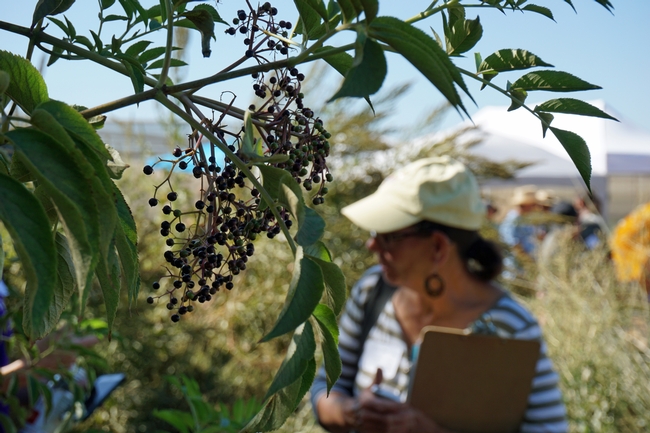
Native California elderberries can be found at the intersection of sustainable farming, super nutrition and economic viability. Naturally drought tolerant, flavorful and packed with nutrients, they are capturing the interest of farmers, health-conscious consumers and scientists.

Elderberries were the focus of a field day offered by UC Agriculture and Natural Resources Sustainable Agriculture Research and Education Program (SAREP) in September at Cloverleaf Farm, an organic berry and tree fruit operation in Dixon.

Elderberries occur naturally around the world. In California, Native Americans used the tree’s stems for making flutes, berries for food and purple dye, and bark, leaves and flowers for their purported anti-inflammatory, diuretic and laxative properties.

“They had a relationship with the plant for food, medicine and music,” said SAREP academic coordinator Sonja Brodt. “We wish to honor the elderberry’s history here and thousands of years of management by California native tribes.”

UCCE Farm Advisor Rachael Long said elderberries can be used in a hedgerow designed to attract beneficial insects.

UC Cooperative Extension advisor Rachael Long said elderberries are her favorite native plant.

“They’re pretty in the spring and summer. The flowers smell like cloves. It’s a wonderful fragrance,” she said.

But perhaps the best attribute of elderberries for Long, a proponent of planting hedgerows on the edges of farmland, is the tree’s ecological benefits. Elderberries can be among the rows of trees, shrubs, grasses and sedges in hedgerows that attract beneficial insects and pollinators to farms to help with biocontrol of pests and pollination of plants in adjacent crops.

“Flowering native plants like elderberries, toyon, Christmas berry, coffee berry, manzanita and coyote brush provide nectar and pollen for native bees, honey bees and other insects,” Long said. “I see a lot of green lace wings (predators of aphids, spider mites and other pests) in elderberry.”

Long reported that a tomato farm didn’t have to spray as much for aphids because of the beneficial insects attracted by the hedgerow. “They saved $300 per acre each year,” she said.

Hedgerows require long-term planning and care, including weed control. Establishing a hedgerow costs about $4,000 for a 1,000-foot-long planting with a single row of shrubs and trees bordered by native perennial grasses. At that rate, Long has calculated that a return on investment in pest control takes about 15 years. For pollination, the return on investment is about 7 years.

Installation of hedgerows can be eligible for cost sharing with USDA’s Natural Resources Conservation Service Environmental Quality Incentives Program. Costs can also be offset by harvesting the elderflowers and elderberries in the hedgerow and making value-added products – such as syrups and jams – or selling the flowers or berries to a processor.

Processing the mature elderberries with sugar allows small-scale producers to make deep purple elderberry syrup.

Farmer Katie Fyhrie shared how Cloverleaf Farm is managing elderberries in a hedgerow, harvesting flowers in the spring to make and bottle elderflower cordial, and harvesting berries in the fall to produce and bottle deep purple sweet-tart syrup. Sixteen ounce bottles of cordial and syrup sell for $12 each. The cordial and syrup are ideal for serving with seltzer and ice for a fruity and uniquely wild-tasting drink.

Elderberry Farmer Katie Fyhrie.

Fyhrie is also working with Brodt of SAREP to gather data for research on best production practices, farm and processing labor costs, and yield comparison between native plants and named varieties from the Midwest. The study includes data from three California farms.

The project is a collaboration among the UC Sustainable Agriculture Research and Education Program (a program of the Agricultural Sustainability Institute at UC Davis), the UC Agricultural Issues Center, the UC Davis Department of Food Science and Technology and four farmers to assess the farm management practices, cost, nutritional content, and market potential of California elderberries.

While laboratory research comparing the nutritional characteristics of the California blue elderberry with the North American black and the European black is continuing at UC Davis, food science professor Alyson Mitchell and her graduate student Katie Uhl were able to share what is already known about the nutritional benefits of the fruit.

They said elderberries are high in vitamin C, dietary fiber, phenolic acids and anthocyanins. Elderberries contain antibacterial, antioxidant and anti-inflammatory agents. While they have a strong history as a treatment for colds and flu, more studies are needed to understand their medicinal use, Mitchell said.

The field day in Dixon was among the first outcomes of the two-year project. A growers’ production guide, cost of production study, an assessment of market demand and nutritional analyses are also planned. The information will be made available, along with other resources on elderberry cultivation and processing, on the ASI website.

2019-10-01T10:34:05-07:00October 1st, 2019|

Raising Shasta Dam Hit’s Snag

Termination of Shasta Dam Raise CEQA Analysis

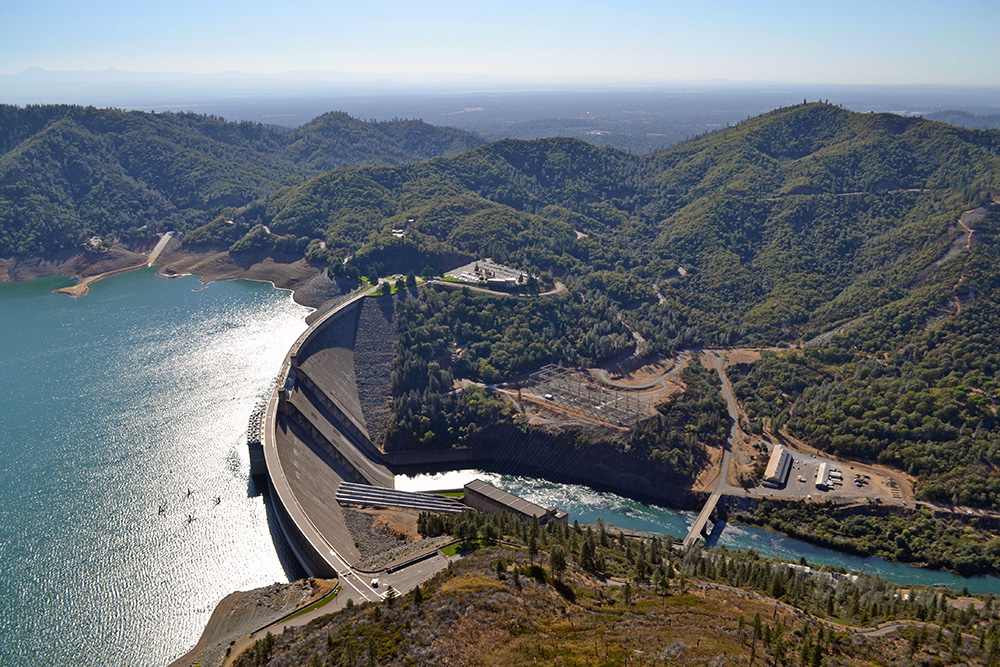
Westlands Water District terminated its preparation of an environmental impact report pursuant to the California Environmental Quality Act (CEQA). The District was preparing the environmental impact report to assess the effects of raising Shasta Dam, as proposed by the Bureau of Reclamation, including whether the Dam raise would adversely affect the free-flowing conditions of the McCloud River or its wild trout fishery.

Under federal law, if Reclamation determines to raise the Dam, local cost share partners would be responsible for at least half of the costs. The environmental impact report being prepared by the District would have provided the information necessary for the District to determine whether it could or would become a cost share partner. The District terminated the CEQA process because the Superior Court issued, at the request of the California Attorney General, a preliminary injunction that stopped the District from preparing the environmental review document until after the Court conducts a trial and issues a final decision in the case. The practical effect of the injunction is that the District would not likely be able to complete CEQA within the schedule Reclamation has for the project.

Tom Birmingham, the District’s general manager expressed his disappointment in this outcome: “no agency of the State has conducted a project-specific analysis of Reclamation’s proposal, to determine if enlargement of Shasta Dam would adversely affect aquatic resources – particularly those in the lower McCloud River. Westlands took the initiative to do that assessment, through the public process established by CEQA. It is unfortunate that, as a result of the actions of the Attorney General, Westlands was enjoined from completing that analysis.”  

2019-10-01T10:35:33-07:00October 1st, 2019|

Produce Passes All Residue Testing in 2017

FDA Produce Residue Sampling “Once Again” Verifies Safety

Last week the Federal Food and Drug Administration (FDA) released its 2017 pesticide residue sampling data results. FDA concluded: “The latest set of results demonstrate once again that the majority of the foods we test are well below the federal limits set by the Environmental Protection Agency.”

Note the term “once again” in FDA’s statement. They used it because government residue sampling data year after year reaffirms the safety of our food and the exceptionally high level of compliance among farmers with laws and regulations covering the use of organic and conventional pesticides.

Let’s get a little technical for a moment and focus on how FDA residue sampling is protective of consumers. FDA employs a three-fold strategy to enforce the Environmental Protection Agency’s (EPA) tolerances or safety standards for pesticide residues.
If you haven’t heard – September is National Fruit and Vegetable month. Yes, it is time to celebrate the only food group health experts and nutritionists agree we should all eat more of every day for better health and a longer life.
While decades of studies have shown the nutritional benefits of fruits and vegetables are overwhelming and significant, the safety of both organic and conventional produce is also impressive. Government sampling data shows an over 99% compliance rate among farmers with the laws and regulations required for pesticide applications on organic and conventional fruit and vegetable crops. This led the United States Department of Agriculture to state that: “The U.S. food supply is among the safest in the world.”

Many health organizations are promoting National Fruit and Vegetable month to remind consumers about the importance of increasing consumption – only one in 10 of us eat enough of these nutrient-packed foods each day.

However, studies show a growing barrier to consumption is fear-based messaging which inaccurately calls into question the safety of the more affordable and accessible fruits and veggies. This messaging is predominantly carried by the same activist groups year after year despite studies which show that “prescriptions” for fruits and veggies could reduce health care costs by $40 billion annually. Or that 20,000 cancer cases could be prevented each year.

2019-09-23T15:06:22-07:00September 23rd, 2019|

Many Join the UC ANR Ranks

Eight academics joined the ranks of UC Cooperative Extension advisors, specialists and an academic coordinator over the last few months.


By Jeannette Warnert, Communications Specialist, UCANR

The new academics are:

Top Row from Left: Kamyar Aram, Marisa Coyne, Amer Fayad, and Joy Hollingsworth. Bottom row from left: Susana Matias, Joji Muramoto, Mohamed Nouri, and Kosana Suvocarev.


Kamyar Aram
UCCE specialty crops advisor
Contra Costa County

Kamyar Aram joined UC ANR in August 2019 as UCCE advisor in specialty crops. He serves Contra Costa and Alameda counties. Previously, Aram was a post-doctoral scholar at UC Davis working on research and outreach for management of vectored grapevine diseases. He has bachelor’s degrees in plant biology and Latin from Ohio State University, a master’s degree in horticulture from Cornell University and a doctorate degree in plant pathology from UC Davis. His doctoral research focused on the life cycle of the Sudden Oak Death pathogen in aquatic environments. For his master’s thesis, Aram studied the use of compost as a source of nitrogen and to suppress soilborne diseases in vegetable production.

Aram can be reached at (925) 608-6692, kamaram@ucanr.edu.

Marisa Coyne
Academic Coordinator for Volunteer Engagement
Master Gardener statewide program

Marisa Coyne was named academic coordinator of volunteer engagement in the UC Master Gardener Statewide Program in April 2019. Previously, Coyne was a community education specialist at the UCCE office in Marin County, where she managed the 4-H Youth Development Program. Originally from Philadelphia, Coyne has worked in rural and urban communities and in food, agriculture and wilderness spaces, providing interdisciplinary, inquiry-based educational opportunities for learners of all ages. Coyne holds a bachelor’s degree in communications at Temple University and a master’s degree in community development at UC Davis.

Coyne can be reached at (530) 750-1394, macoyne@ucanr.edu.

Amer Fayad
Director, Western IPM Center
UC ANR headquarters

Amer Fayad joined UC ANR as director of the Western Integrated Pest Management Center in July 2019. He is a plant pathologist with research experience on the identification, epidemiology, biological and molecular diversity of viruses. Prior to joining UC ANR, Fayad served in several capacities at Virginia Tech, most recently as associate director and Africa program manager of the Feed the Future Innovation Lab for IPM. Fayad has a bachelor’s degree in agriculture and a master’s degree in crop production from the American University of Beirut. He earned a doctorate degree in plant pathology, physiology and weed science from Virginia Tech.

Fayad can be reached at (530) 750-1271, afayad@ucanr.edu.

Joy Hollingsworth
UCCE nutrient management and soil quality advisor
Fresno County

Joy Hollingsworth was appointed nutrient management and soil quality advisor, serving Fresno, Kings, Madera and Tulare counties, in April 2019. Before taking her new position, she served as a staff research associate at the UC Kearney Agricultural Research and Extension Center in Parlier. Previous to that, Hollingsworth was a junior specialist in the UC Davis Department of Plant Sciences, where she designed and implemented agronomic field trials for canola, camelina, sugar beets and castor. Hollingsworth has a bachelor’s degree in communications and a master’s degree in plant science from Fresno State.

Hollingsworth can be reached at (559) 241-7527, joyhollingsworth@ucanr.edu.

Susana Matias
UCCE nutrition specialist
Statewide position, based at UC Davis

Susan Matias joined UC ANR in July 2019 as a UCCE specialist in the Department of Nutritional Sciences and Toxicology at UC Davis. Before coming to UCANR, Matias was a research scientist with the California Department of Public Health and a specialist at UC San Francisco. From 2013-18, she was an assistant project scientist in the Department of Nutrition at UC Davis. Matias has a bachelor’s degree in psychology and a master’s degree in educational psychology from Pontificia Universidad Católica del Perú. She earned a doctorate degree in epidemiology from UC Davis, with an emphasis in international and community nutrition. Her research interests include maternal and child nutrition, immigrant health, food security, obesity and diabetes prevention.

Matias can be reached at (510) 642-0980, slmatias@berkeley.edu.

Joji Muramoto
UCCE organic production specialist
Statewide position, based at UC Santa Cruz

Joji Muramoto became UC ANR’s first organic production specialist in May 2019. He has a joint affiliation with UCCE and the Center for Agroecology and Sustainable Food Systems at UC Santa Cruz. In his new role, Muramoto will coordinate a statewide program focused on fertility and pest management in organic production systems across the state. Muramoto has bachelor’s, master’s and doctorate degrees in soil chemistry from Tokyo University of Agriculture. He has conducted research and extension on fertility and soil-borne disease management in organic and conventional strawberry and vegetable production since 1996.

Muramoto can be reached at (831) 459-2178, jmuramoto@ucanr.edu.

Mohamed Nouri
Area UCCE orchard systems advisor
San Joaquin County

Mohamed Nouri joined UC ANR in April 2019 as an area orchard systems advisor serving San Joaquin County. He will conduct a research and extension program to address high-priority production and pest management issues in walnuts, sweet cherries, apples, oil olives and other crops. Because San Joaquin County is the statewide leader in cherry and walnut production, Nouri will be a regional and statewide leader, facilitating interaction among campus-based academics, UCCE advisors and community stakeholders. Previously, Nouri worked at the UC Kearney Agricultural Research and Extension Center as a graduate student and post-doctoral researcher. He performed research on fungal diseases of major fruit and nut crops. Nouri has a bachelor’s degree in life and earth sciences, a masters in microbiology and plant pathology and a doctorate degree in plant pathology, all from Tunis ElManar University.

Nouri can be reached at (209) 953-6115, mnouri@ucanr.edu.

Kosana Suvocarev
UCCE biometeorology specialist
Department of Land, Air and Water Resources, UC Davis

Kosana Suvocarev joined UC ANR as a UCCE biometeorology specialist in March 2019. Before taking this position, she was a postdoctoral fellow at the University of Arkansas, where she was part of a team effort focused on rice farming, water conservation and greenhouse gas emission reduction practices in the area of the Mississippi Alluvial Aquifer. Suvocarev earned bachelor’s and master’s degrees at the University of Novi Sad in Serbia, and a doctorate degree at the University of Zaragoza, Spain.

2021-05-12T11:05:01-07:00September 20th, 2019|
Go to Top