About California Ag Today

This author has not yet filled in any details.
So far California Ag Today has created 2014 blog entries.

Heat Illness Prevention During These Hot Summer Days

By Markie Hageman Co-Editor

It’s extremely important for farm employees to know how to prevent heat illness. Larry Williams is the CEO of the EE Hall Company among the largest ag labor contractors in the state. Williams is also the executive risk and safety manager for the company and they take worker’s safety in the field very seriously.

“Heat illness is a big thing for us because we employ over 25,000 employees throughout the state of California. And we’re in the ag industry and we’re in all commodities. So heat is a big thing, especially coming up in the summertime for us.”
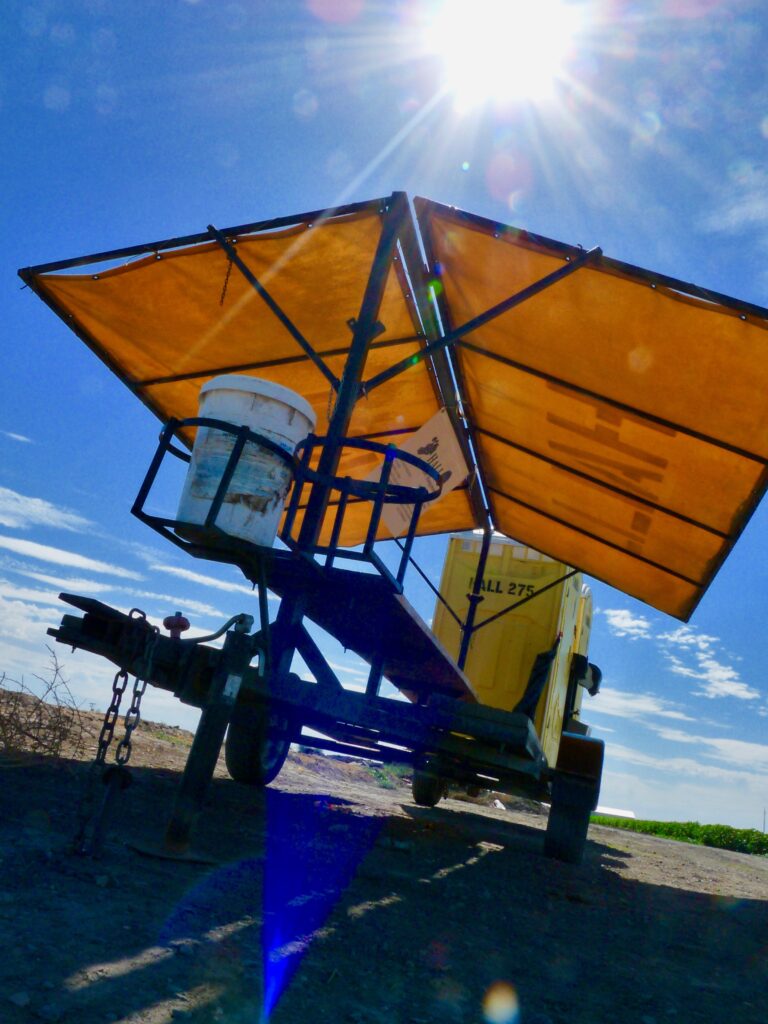
An EE Hall Company Shade Trailer

Williams describes how they get it done across the state, and the first thing they provide is shade trailers for 100% of their employees.


“In addition to the shade trailers, if needed, we have canopy umbrellas where needed for our individual irrigators, and we try to make sure we’re ahead of the game”


State regulations say that shade must be available to all workers. When temperatures reach 80 degrees,


“Yes, we have to have shade available but every site that we pull up to, we automatically bring shape whether it’s 60 degrees, a hundred degrees shades already there and available.”


And of course, plenty of water must be available for all field employees. Additionally, when temperatures reach 95 degrees or above, the employer shall ensure that employees take a minimum 10 minute preventative cooldown rest period, every two hours.

2020-07-17T09:03:12-07:00July 17th, 2020|

“Dirty Dozen” List Coverage Drops to All-Time Low

From: SafefruitsandVeggies.com

The authors of the so-called “Dirty Dozen” list made a serious miscalculation with the release of this list during the pandemic. If the authors thought they could capitalize on escalating food safety fears among consumers as a means to gain increased attention and coverage for their list, they were seriously wrong.

Upon learning of the pending release, the Alliance for Food and Farming (AFF) used its consumer-facing outreach tools to communicate that this list is not only scientifically unsupportable, but hurts consumers because it’s fear-based messaging may be discouraging the purchase of any produce – organic or conventionally grown. We also posted an open letter asking the list authors to put the needs of consumers first and cancel the list release. While we always aggressively defend the safety of all produce, this year the AFF was even more strident because it was so important to reassure consumers about produce safety under these unprecedented circumstances.


And we had some crucial help. Among the AFF’s biggest advantages in recent years has been our involvement with the dietitian/nutrition community. We alerted this audience immediately upon learning about the list release, shared our messaging and reminded them about the safety information and resources available at safefruitsandveggies.com.

Their reaction to the list release was not just frustration, but outrage that a group would promote unwarranted safety fears of these healthy, immune-boosting foods during this pandemic. They took over social media conversations, advanced AFF messaging, linked to our website information, wrote blogs and articles and conducted media interviews effectively chasing and shaming the list authors from their own dialogue and promotion.

The result of all outreach efforts was that mainstream media coverage declined by a staggering 70% from the previous year. This drop is even more significant when you consider that we had already seen a consistent downward trend of coverage over time. And, for the first time, total media coverage carrying AFF messaging exclusively outpaced stories featuring one-sided content from the list authors.

But despite the results from AFF campaign efforts, our work must continue. In an AFF survey of dietitians and nutritionists, 94% agreed that fear based messaging, like the “dirty dozen” list, is having a negative impact on their ability to increase produce consumption among their clients and consumers.

This “fear barrier” could go away quickly if groups and organizations would stop disparaging the more affordable and accessible forms of produce to advance one production method over another. And if we join together to support consumer choice whether they prefer to purchase organic and/or conventionally grown fruits and vegetables since both forms are healthy and safe. This change would be a win for consumers and a win for public health.

2020-07-15T11:39:27-07:00July 15th, 2020|

Additional Commodities Eligible for Coronavirus Food Assistance Program

Good For California Producers of Many Specialty Crops!

On Tuesday, U.S. Secretary of Agriculture Sonny Perdue announced an initiallist of additional commodities that have been added to the Coronavirus Food Assistance Program (CFAP), and that the U.S. Department of Agriculture (USDA) made other adjustments to the program based on comments received from agricultural producers and organizations and review of market data.

Producers will be able to submit applications that include these commodities on Monday, July 13, 2020. USDA’s Farm Service Agency (FSA) is accepting through Aug. 28, 2020, applications for CFAP, which helps offset price declines and additional marketing costs because of the coronavirus pandemic. USDA expects additional eligible commodities to be announced in the coming weeks.

“During this time of national crisis, President Trump and USDA have stood with our farmers, ranchers, and all citizens to make sure they are taken care of,” said Secretary Perdue. “When we announced this program earlier this year, we asked for public input and received a good response. After reviewing the comments received and analyzing our USDA Market News data, we are adding new commodities, as well as making updates to the program for existing eligible commodities. This is an example of government working for the people – we asked for input and we updated the program based on the comments we received.”

USDA collected comments and supporting data for consideration of additional commodities through June 22, 2020.

Changes to CFAP include:

  • Adding the following commodities: alfalfa sprouts, anise, arugula, basil, bean sprouts, beets, blackberries, Brussels sprouts, celeriac (celery root), chives, cilantro, coconuts, collard greens, dandelion greens, greens (others not listed separately), guava, kale greens, lettuce – including Boston, green leaf, Lolla Rossa, oak leaf green, oak leaf red and red leaf – marjoram, mint, mustard, okra, oregano, parsnips, passion fruit, peas (green), pineapple, pistachios, radicchio, rosemary, sage, savory, sorrel, fresh sugarcane, Swiss chard, thyme and turnip top greens.
  • Expanding for seven currently eligible commodities – apples, blueberries, garlic, potatoes, raspberries, tangerines and taro – CARES Act funding for sales losses because USDA found these commodities had a 5 percent or greater price decline between mid-January and mid-April as a result of the COVID-19 pandemic. Originally, these commodities were only eligible for marketing adjustments.
  • Determining that peaches and rhubarb no longer qualify for payment under the CARES Act sales loss category.
  • Correcting payment rates for apples, artichokes, asparagus, blueberries, cantaloupes, cucumbers, garlic, kiwifruit, mushrooms, papaya, peaches, potatoes, raspberries, rhubarb, tangerines and taro.

Additional details can be found in the Federal Register in the Notice of Funding Availability (NOFA) and Final Rule Correction and at www.farmers.gov/cfap.

Producers have several options for applying to the CFAP program:

  • Using an online portal, accessible at farmers.gov/cfap, allows producers with secure USDA login credentials—known as eAuthentication—to certify eligible commodities online, digitally sign applications and submit directly to the local USDA Service Center. New commodities will be available in the system on July 13, 2020.
  • Completing the application form using our CFAP Application Generator and Payment Calculator found at farmers.gov/cfap. This Excel workbook allows customers to input information specific to their operation to determine estimated payments and populate the application form, which can be printed, then signed and submitted to their local USDA Service Center. An updated version with the new commodities will be available on the website on July 13, 2020.
  • •       Downloading the AD-3114 application form from farmers.gov/cfap and manually completing the form to submit to the local USDA Service Center by mail, electronically or by hand delivery to an office drop box. In some limited cases, the office may be open for in-person business by appointment. Visit farmers.gov/coronavirus/service-center-status to check the status of your local office.

USDA Service Centers can also work with producers to complete and securely transmit digitally signed applications through two commercially available tools: Box and OneSpan. Producers who are interested in digitally signing their applications should notify their local service centers when calling to discuss the CFAP application process. You can learn more about these solutions at farmers.gov/mydocs.

Getting Help from FSA

New customers seeking one-on-one support with the CFAP application process can call 877-508-8364 to speak directly with a USDA employee ready to offer general assistance. This is a recommended first step before a producer engages the team at the FSA county office at their local USDA Service Center.

All other eligibility forms, such as those related to adjusted gross income and payment information, can be downloaded from farmers.gov/cfap. For existing FSA customers, these documents are likely already on file.

All USDA Service Centers are open for business, including some that are open to visitors to conduct business in person by appointment only. All Service Center visitors wishing to conduct business with FSA, Natural Resources Conservation Service or any other Service Center agency should call ahead and schedule an appointment. Service Centers that are open for appointments will pre-screen visitors based on health concerns or recent travel, and visitors must adhere to social distancing guidelines. Visitors may also be required to wear a face covering during their appointment. Field work will continue with appropriate social distancing. Our program delivery staff will be in the office, and they will be working with our producers in office, by phone and using online tools. More information can be found at farmers.gov/coronavirus.

2020-07-16T08:50:08-07:00July 14th, 2020|

Center For Land-Based Learning Receives $15,000 From CLA Foundation

Donation to support general operations for the Center for Land-Based Learning

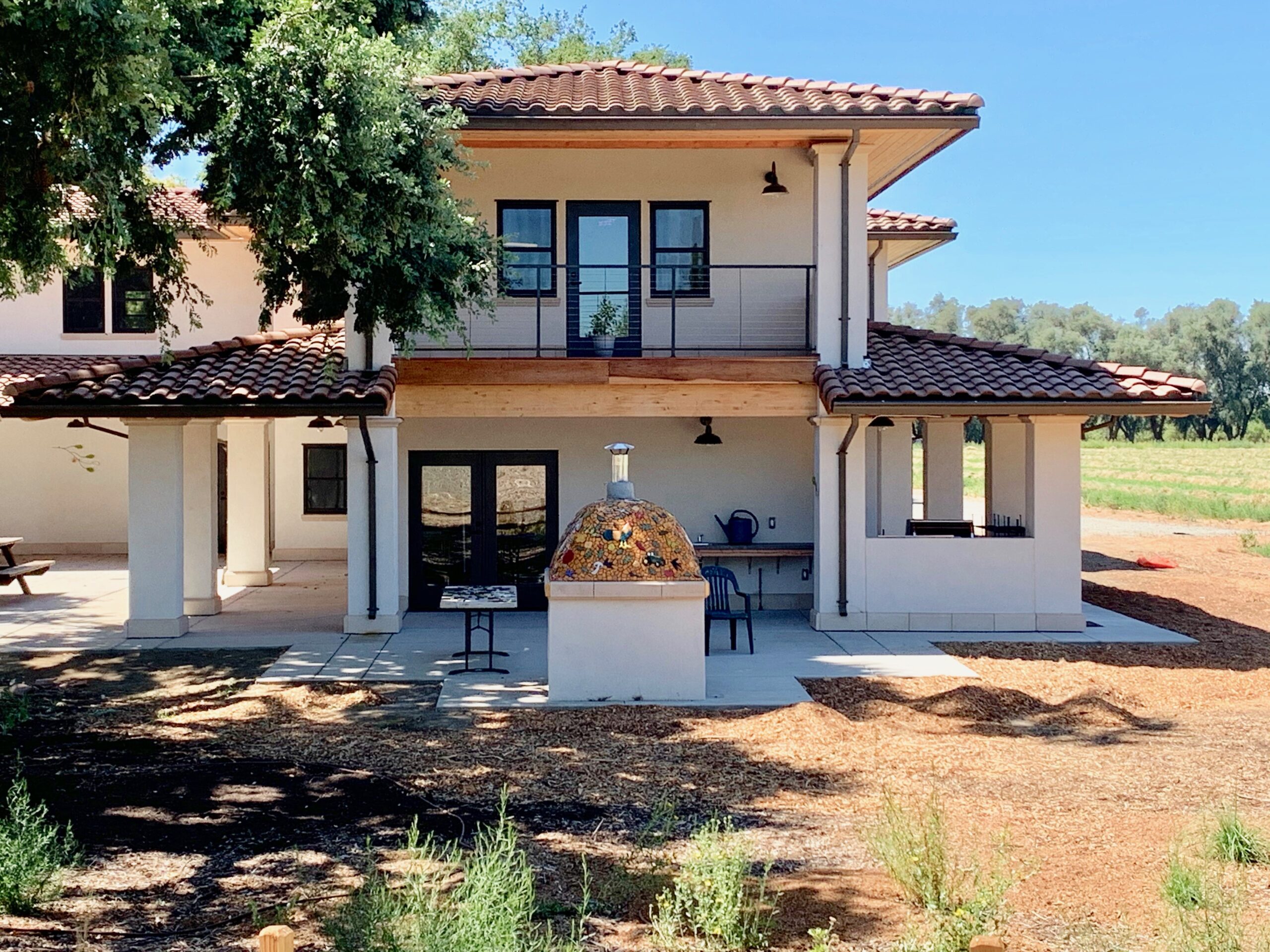
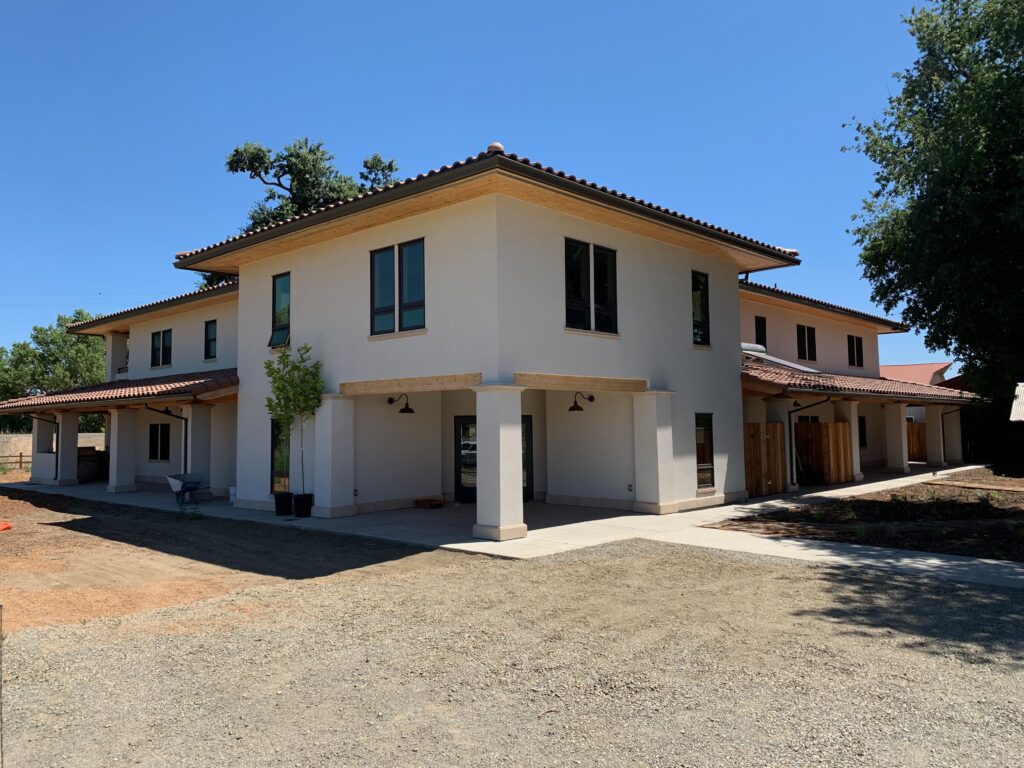
The Center for Land-Based Learning was awarded a $15,000 grant by the CLA Foundation to support its general operations as the organization continues to settle into its new headquarters in Woodland, CA. The new headquarters is located on thirty acres of prime farmland with a 5,400 square-foot administration building, 2 barns and additional outbuildings, and 9 acres of riparian habitat on the banks of Cache Creek.

Center for Land-Based Learning
A view of part of the new Center For Land-Based Learning Campus in Woodland CA

“Any organization that receives a CLA Foundation grant must be nominated for consideration by a CLA employee. It is great to see our CLA employees engaging in this way. Center for Land-Based Learning fits so well with the CLA Foundation mission, and we’re thrilled to be supporting this important work,” Reed Matthews, Managing Principal of the CLA Sacramento office.

The Center for Land-Based Learning has experienced significant growth and change in the year 2020. In May, the organization moved from their previous location of 19 years in Winters, CA to a state-of-the-art, newly constructed Statewide Headquarters and new farm infrastructure. The new headquarters will be crucial to the organization’s ability to expand its programs and serve more people.

“We are so grateful to the CLA Foundation for their generous support,” notes Mary Kimball, Executive Director for the Center for Land-Based Learning. “This is a pivotal time for agriculture and natural resource management. As we move forward in the next chapter of the Center’s history in our new headquarters, the need for general operating support will become even more imperative. This generous grant makes a big difference in our ability to provide our critically important programs.”

The Center for Land-Based Learning’s move to its new headquarters has been made possible by its very successful Growing our Future Capital Campaign. To date, the Campaign has raised over $5.5 million and recruited over 100 donors. The organization is thankful for all of its generous donors who have made the new headquarters a reality.

###

2020-07-14T08:53:37-07:00July 14th, 2020|

Sacramento Ag Policy Update

By Tim Hammerich with the Ag Information Network

2020 has been an unexpected year for all of us. Now that we have started the last half of the year, what do we need to be watching from a policy perspective. That’s the question we asked Emily Rooney, the President of the Agricultural Council of California.

“When you look at the shift that the pandemic caused on the state legislature, there are two sort of surprises, I would say. One is on the climate front, the state passed a statewide cap-and-trade program,” said Rooney. “And now there is a state Senator that is trying to get a cap-and-tax program passed instead of the cap-and-trade program. And essentially that would be a double tax,”

“And so there would be a cap on emissions plus a tax on all of us for carbon. It would be a carbon tax of some sort. So that was a surprise. This gentleman thinks that there might be increased revenues, and that plays well for the state when it’s in a budget crisis. So that was a surprise,” she said

“And then the other issue that’s always been an issue for us are some of these labor issues. Right now, given the issue of the pandemic, the depth and number of those bills has drastically increased. So I would say those are probably the two big surprises,” she said.

Important issues to monitor closely in the last half of this year.

2020-07-13T10:38:39-07:00July 13th, 2020|

Genomic Testing for Healthier Dairy Herds

By Tim Hammerich with the Ag Information Network

Dairy health is of the utmost importance to the long term profitability of producers like Simon Vander Woude of Vander Woude Dairy in Merced.

Vander Woude… “I’m a huge believer in DWP, I mean, we were one of the early adopters of that.”

The Dairy Wellness Profit Index® (DWP) is based on traits that affect health, performance and profit in both cows and calves to achieve more of their full potential. Vander Woude uses genomic testing to ensure the healthiest herd possible.

Vander Woude… “It makes a big difference in the bottom line. We’re not producing for trophies. I’m not producing to have the highest producing herd. The overall health of the herd is what really feeds into bottom line profitability when the day is over. A healthier herd is going to be more profitable. A low that low somatics, it goes through the entire value of that cow from breeding to conversions to her milking longevity and all those sorts of things. They all kind of tie together.”

Vander Woude and other dairy producers are excited about the future of producing more milk with healthier cows through genomic testing.

2021-05-12T11:17:07-07:00July 10th, 2020|

Promising Research on the Battle Against Huanglongbing in Citrus

From Marcy Martin, President of Citrus Board

We would like to share with you the status of promising preliminary research that possibly could have important ramifications for California citrus growers. Dr. Hailing Jin, a geneticist at the University of California, Riverside (UCR), has conducted greenhouse trials on young citrus plants to investigate the role of citrus-derived peptides in the battle against the deadly disease huanglongbing (HLB).

     Some of Dr. Jin’s research in this area was funded in 2018-19 as Citrus Research Board (CRB) project #5200-195, Develop effective therapies to cure HLB using a novel class of citrus-derived antimicrobial peptides. The study was conducted within the University of California, Davis Contained Research Facility on year-old Madam Vinous, Washington Navel and Lisbon lemon plants that were treated through either foliar sprays or pneumatic injections.

     The initial $100,000 investment by you, the growers, then served as a launching pad for a nearly $4 million grant from the U.S. Department of Agriculture-National Institute of Food and Agriculture (USDA-NIFA) to continue study on the project now titled Develop therapies using a novel class of citrus-derived dual-functional antimicrobial peptides to cure HLB trees and to protect healthy trees from infection. USDA-NIFA funding for this phase went into effect in February of last year and is scheduled to continue through January 2023.

     While the long-term effectiveness of this research has not yet been confirmed or published in a scientific journal and the project is still in its early stages, Dr. Jin’s promising findings have resulted in a commercial licensing agreement between UCR and Invaio Sciences. It is not uncommon for researchers to team with commercial licensing partners during the early phases of their studies. In this case, more work still needs to be done to confirm the robustness and viability of this treatment. Additional greenhouse trials are being initiated by Dr. Jin and her team at the citrus-specific Bio-Safety Level-3 Laboratory in Riverside, California. It also is expected that field trials will be conducted to show the effectiveness of the treatment under commercial grove conditions.

     Earlier this week, UCR issued a news release entitled UCR Discovers First Effective Treatment for Citrus-destroying Diseasewhich shares the news of a licensing agreement being reached with Invaio Sciences. While the release was understandably enthusiastic about potentially promising research and we are heartened by the commercial interest in this peptide, we are looking forward to reviewing complete studies on the effectiveness of this therapy in greenhouse and field studies.

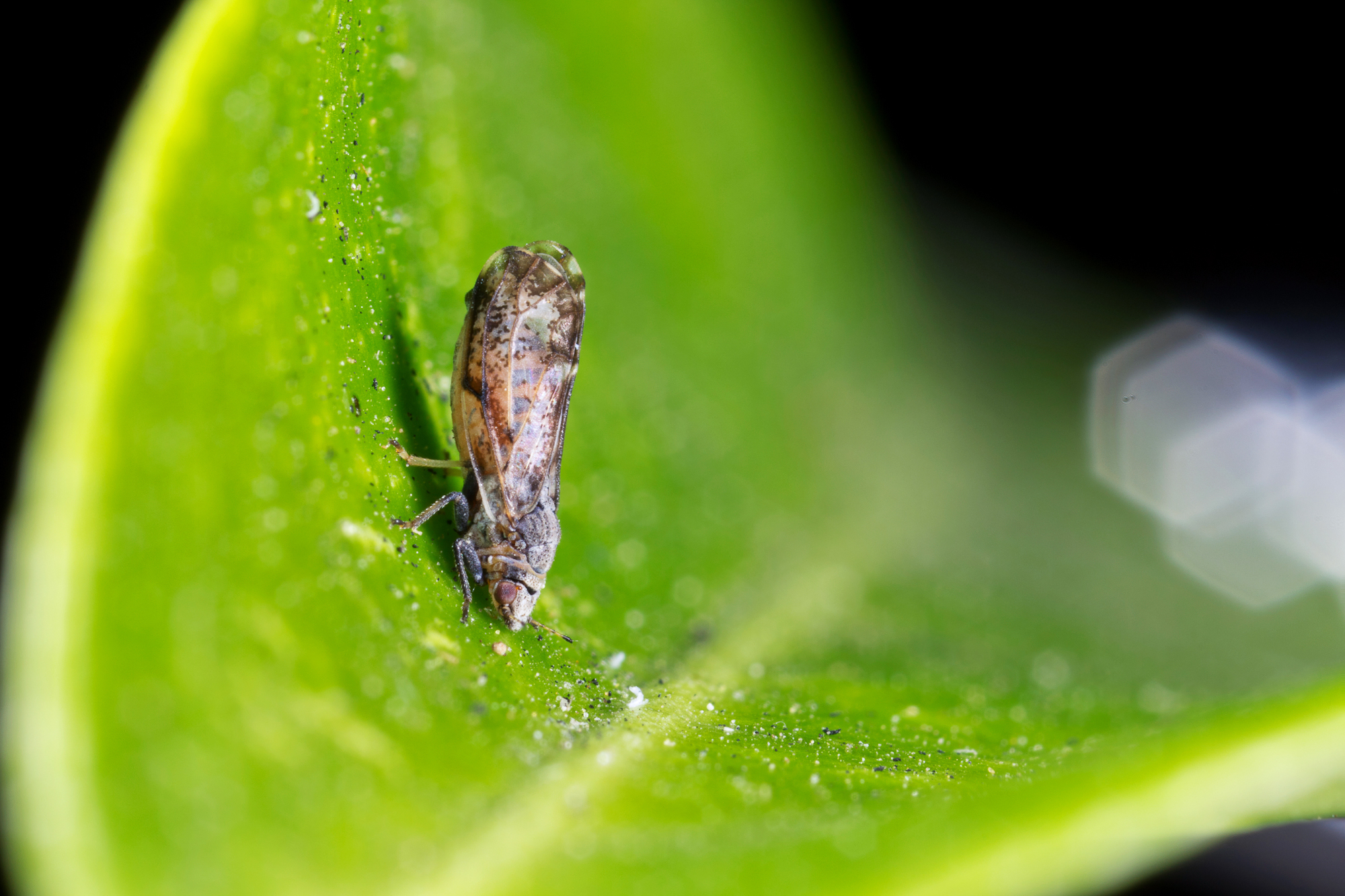
     Importantly, this is not the time to let down our guard.  It continues to be critical for all citrus growers in the state to remain extremely vigilant in protecting their groves against the Asian citrus psyllid and HLB. The psyllid arrived from Mexico in 2008 and is now firmly established in southern California. The first HLB-positive tree was found in residential Los Angeles County in 2012. As of July 3, 2020, 1,926 HLB-affected trees have been identified and removed to slow the spread of the disease in residential areas of Los Angeles, Orange, Riverside and San Bernardino counties. Unlike Florida, where HLB has decimated commercial citrus groves, California growers invested in research early through the CRB and have been diligent in applying best-management practices; therefore, the disease has not yet been detected in any commercial groves. The CRB will continue to focus intensive efforts on a variety of promising research to find a solution to HLB.

     Moving forward, we at the CRB are proud to work on behalf of the 3,300-plus California citrus growers to invest in key studies to find a solution to HLB. Citrus growers always have been resilient and resourceful. Together, we will look toward the horizon for a solution to HLB.

     In the meantime, we continue to monitor and review progress in potential therapies, new HLB-resistant varieties, better psyllid control strategies and more. We are enthusiastic about the commercial interest in HLB therapies and look forward to being able to share a range of potential approaches for California citrus growers as research progresses and matures. If you have any questions or would like additional information about the status of this research, please contact CRB President Marcy Martin at 559.708.3791 or marcy@citrusresearch.org.

2021-05-12T11:01:44-07:00July 10th, 2020|

California Table Grape Growers Award Scholarships


California’s table grape growers recently awarded scholarships to nine students in grape growing regions of the state. All recipients will be attending California universities or community colleges.

Six field worker scholarships were awarded: three for $25,000 for four years of university study and three for $14,500 for study at a combination of community college and university. Recipients may study any field. Three agricultural scholarships were awarded as well: each for $25,000 for four years of university study in an agriculturally related field.

For 35 years California table grape growers have funded college scholarships through the California Table Grape Commission. More than 160 students have received scholarships to attend college.


$25,000 Four-Year Field Worker Scholarships

Mr. Jared Bautista is a graduate of South High School in
Bakersfield. Jared graduated with a 4.5 weighted grade point
average (GPA) and his SAT score of 1,300 placed him in the 91st
percentile nationally. Jared was a member of the school cross
country and track teams. Jared will attend University of California,
Berkeley in the fall where he will major in civil engineering with a
goal of becoming a civil engineer.

Jared Bautista

Ms. Nerin Delgado is a graduate of McFarland High School in
McFarland. Nerin graduated with 4.4 weighted GPA and her SAT
score of 1,350 placed her in the 94th percentile nationally. Nerin
was a member of the associated student body board and was the
varsity golf captain. Nerin will attend University of California, Los
Angeles, where she will major in human biology with a career goal
of becoming a radiologist.

Nerin Delgado

Ms. Georgina Rodriguez Mendez is a graduate of Robert F.
Kennedy High School in Delano. Georgina graduated with a 4.53
weighted GPA and her ACT score of 31 placed her in the 95st
percentile nationally. Georgina was the senior class vice president
and a co-captain of the girls’ varsity soccer team. Georgina will
attend University of California, Los Angeles, where she will major in
mathematics with a career goal of becoming a math teacher.
California Table Grape Growers Award Scholarships

Georgina Rodriguez Mendez

$14,500 Bridge Field Worker Scholarships

Ms. Glarisa Perales is a graduate of Cesar E. Chavez High School in
Delano. Glarisa graduated with a 3.51 weighted GPA and participated
in the national organization “Family, Career, and Community Leaders
of America.” Glarisa will attend Bakersfield College and will pursue a
career as an elementary school teacher.

Glarisa Perales

Ms. Diana Robledo is a graduate of Bakersfield High School. Diana
graduated with a weighted GPA of 3.83. Diana was the vice president
of the Advancement Via Individual Determination club, a three year
member of Future Farmers of America (FFA), and volunteers at the
Bakersfield Homeless Shelter, preparing and serving meals. Diana will
attend Bakersfield College and has a career goal of becoming a
veterinarian.

Diana Robledo

Ms. Rebecca Santoyo is a graduate of Porterville High School. Rebecca
graduated with a 4.11 weighted GPA. Rebecca is a member of the
school concert choir and volunteers many hours in the community for
various groups. Rebecca will attend Porterville College and has a
career goal of becoming a pediatrician or pediatric nurse.

Rebecca Santoyo

$25,000 Agricultural Scholarships

Ms. Alissa Amaral is a graduate of Tulare Union High School. Alissa
graduated with a 4.18 weighted GPA. Alissa was a member of FFA, where
she won numerous awards. Alissa was also the president and a lifetime
member of the California Scholastic Federation and volunteered many
hours in the community including the American Cancer Society and Toys
for Tots. Alissa will attend Fresno State University where she will major in
agricultural business with a career goal of becoming an agricultural
marketing specialist.

Alissa Amaral

Mr. Dale Fransen is a graduate of Selma High School. Dale graduated
with a 4.19 weighted GPA. Dale scored a 1,490 on the SAT, placing him
in the 99th percentile nationally. Dale is a member of the local, state, and
national FFA and is an Eagle Scout. Dale will attend Fresno State
University where he will major in agricultural education with a goal of
becoming an agriculture teacher.

Dale Fransen

Ms. Amy Swall is a graduate of Mission Oak High School in Tulare. Amy
graduated with a 3.83 weighted GPA. Amy is the regional president of
FFA where she has won multiple awards, a member of the Mission Oak
varsity tennis team that won the 2019 California Interscholastic
Federation Divisional title, and a member of the varsity soccer team as
well. Amy will attend Fresno State University where she will major in
agricultural communications with a goal of working in agricultural
advocacy.

Amy Swall
2020-07-09T15:56:42-07:00July 9th, 2020|

Almond Conference Will be Virtual this December Due to Pandemic!

More People Will Be Able to Access It From Around the World


The Almond Board of California (ABC) will host The Almond Conference 2020 in a virtual conference setting during the week of December 7, 2020, with events for growers, handlers, and industry partners running throughout the week. The agenda will include educational sessions, social gatherings, an exhibit hall, and poster sessions, as in the past. The virtual setting also will present new opportunities for attendees, exhibitors and sponsors, including the flexibility to participate in an educational session in the morning, work in the orchard in the afternoon, and attend networking events throughout the day.

Given current restrictions on large gatherings in California and ongoing uncertainty around when such gatherings will be permitted, the Almond Board decided to halt plans to return to Cal Expo for a second year to avoid making financial commitments that could not be recouped if cancelled at a later date. Making the decision now also helps exhibitors and sponsors plan their involvement, which is critical to the success of the Conference. ABC plans to return to Sacramento in December 2021 at the new Sacramento Convention Center, set to open early next year.

“Shifting to a virtual conference was the only viable option at this time given the current uncertainty caused by the global pandemic,” said Richard Waycott, president and CEO of the Almond Board. “Going virtual will ensure we are able to gather with our friends and colleagues from around the world in a truly global event.”

The virtual setting also will allow ABC to bring in top notch speakers from any location without the time commitment required to travel and speak in person. Educational sessions will be recorded, allowing attendees from around the world to participate from any time zone on their own schedule.

Mark your calendars now for the week of December 7, with most of the content and conference offerings to be held
Tuesday-Thursday, December 8-10.

More details will be made available as they are
finalized over the next two months.

2020-07-09T14:45:11-07:00July 9th, 2020|

Virulent Newcastle Disease Eradication

By Tim Hammerich, with the Ag Information Network of The West

Some good news on the topic of viruses, this time Virulent Newcastle Disease. State Veterinarian Dr. Annette Jones says the latest outbreak was successfully eradicated last month.

“Newcastle disease is caused by a virus that’s highly contagious. The bad news is that it’s fairly lethal to poultry. The good news is that it really only affects birds, so it’s not a human health concern, it’s a bird and poultry health concern,” said Jones. “The greater Los Angeles area. So Los Angeles, Riverside, San Bernardino, that basin has actually had three major outbreaks of this virus in the past. One in the seventies, one in the early 2000s, and then the most recent one. Which we just successfully eradicated, just declared eradication and freedom on June 1st of 2020.”

Dr. Jones says the key to eradication was stopping the movement of birds. The exact source of the outbreak is still not known.

“In the previous two outbreaks, most of the evidence pointed to smuggled psittacines, which are parrots and parakeets, hook billed birds. They can be asymptomatic carriers.

Jones says education is key to preventing the next outbreak.

2021-05-12T11:01:44-07:00July 9th, 2020|
Go to Top