About California Ag Today

This author has not yet filled in any details.
So far California Ag Today has created 2014 blog entries.

Goodness Matters with California Table Grapes!

Campaign Encourages Consumption of Table Grapes


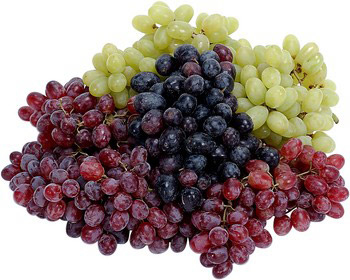
The heart of the California Table Grape Commission’s multi-faceted outreach effort, California Goodness Matters, asks consumers to buy California table grapes. The program promotes the importance of supporting California’s table grape farming communities that grow and harvest 99% of the nation’s fresh table grapes.

Currently underway and continuing into the fall, the Goodness Matters campaign features radio commercials, social media outreach supported by advertising, and a series of messages delivered to retailers.

Kathleen Nave

Kathleen Nave, President of the California Table Grape Commission

“Goodness in all forms matters now more than ever,” said Kathleen Nave, president of the California Table Grape Commission. The California Goodness Matters campaign, according to Nave, is about “recognizing that the decisions we make as consumers make a difference in the livelihood of others. It also aids in the economic survival of small rural communities. It is  about the goodness that is California table grapes.”

The campaign reaches consumers in California markets over radio in English and Spanish.  Award – winning chef and restaurateur, Aarón Sánchez, is featured in a 15 second Spanish-language spot. It focuses on his belief in the importance of supporting those who grow and harvest our food.

California Table Grapes

California Table Grape Commission’s “Goodness Matters” Campaign

The campaign’s next phase  will include two more radio commercials, focusing on healthy eating. Sánchez will voice the first spot. Amy Brown, co-host of The Bobby Bones Show that is syndicated to more than 150 country stations throughout the nation, will voice the second spot.


In addition, both Sánchez and Brown will share their thoughts on California table grapes and the ways in which California Goodness Matters through social media.

According to Nave, when consumers make a conscious decision to buy California table grapes rather than imports and packaged snacks, they are supporting California farmers and workers during this challenging time.

Science reveals what we’ve perceived intuitively for centuries: Grapes are very good for us. Research shows that grapes of all colors—red, green and black—are a natural source of beneficial components called polyphenols. Polyphenols help promote antioxidant activity and influence cell communications that affect important biological processes.
2020-07-27T19:07:40-07:00July 27th, 2020|

House Makes California Eligible for Nutria Eradication

It’s the First Time Ever After Congressman Harder’s Bipartisan Push Nutria Eradication Funding

 After Representative Josh Harder (CA-10) led an effort to make California eligible to receive federal funding to eradicate invasive nutria, the House of Representatives passed legislation that allows the state to apply for millions of dollars in federal funding to combat the pest. The bill also increases the total amount allocated to three programs through the Fish and Wildlife Service which help states and local residents combat invasive species, including the nutria. The legislation must now be passed through the Senate or be included in the final “Conference Report” which irons out the differences between the two chambers’ versions of the bill and then signed into law.

“This is a huge win for farmers and environmentalists in the Valley,” said Rep. Harder. “Both groups are concerned about the swamp rat invasion and rightly so – if we don’t get these things under control in the next couple years, they will overrun our farms and wetlands. We brought together Democrats and Republicans to actually get something done in this area. Turns out working together on a commonsense problem can actually yield results.”

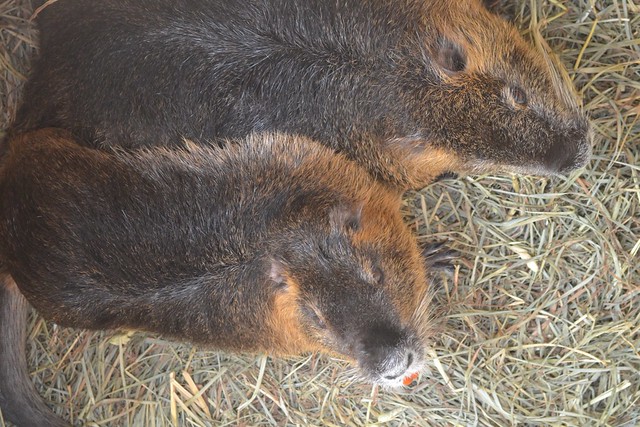
Nutria were originally introduced to the United States as part of the fur trade in the late 1800s but were eradicated from California in the 1970s. The invasive giant rat made a sudden reappearance in 2017. Over 1,500 have been taken from the wild since then. Nutria can devour up to 25 percent of their body weight daily and one female can lead to 200 offspring per year. These invaders threaten water infrastructure, certain crops, and indigenous wildlife. The state has funded efforts to combat the invaders, but experts note that federal assistance will be necessary to fully eradicate them.


In 2003, Congress passed The Nutria Eradication and Control Act, which established a fund to help states combat the invasive species. However, until now, the law only allowed Maryland and Louisiana to access it. Thanks to Rep. Harder’s efforts, California will be able to access this program and two others for the purpose of combatting the nutria once a House bill, which passed today, is signed into law. Today’s House Appropriations bill, H.R. 7608, the State, Foreign Operations, Agriculture, Rural Development, Interior, Environment, Military Construction, and Veterans Affairs Appropriations Act, includes an additional $1.2 Million in funding for the Nutria Eradication program, and accompanying language allows more states impacted by nutria to access these dollars. In addition to the Nutria Eradication and Control program, California will be able to apply to the Partners for Fish and Wildlife program and Wildlife Habitat and Management program.

Earlier this year, Rep. Harder worked to pass a separate bill he authored through the House of Representatives with broad bipartisan support, which would add even more funding to the Nutria Eradication and Control program and formally expand eligibility to include all nutria-impacted states. It has not yet passed the Senate.

Representative Harder has repeatedly pushed to pass his bill. In September, he brought a life-size taxidermy nutria to a Congressional hearing to illustrate the threat posed by the invader for his colleagues. In a separate hearing, he brought a graphic example of the invasion curve (colloquially referred to as a “#RatChart”) to demonstrate the need to act urgently.

2020-07-24T16:20:44-07:00July 27th, 2020|

Results of Statewide Farm Employee Survey Announced at Press Conference July 28th

Increased Risks and Fewer Jobs: Evidence of California Farm Employee Vulnerability During the COVID-19 Pandemic

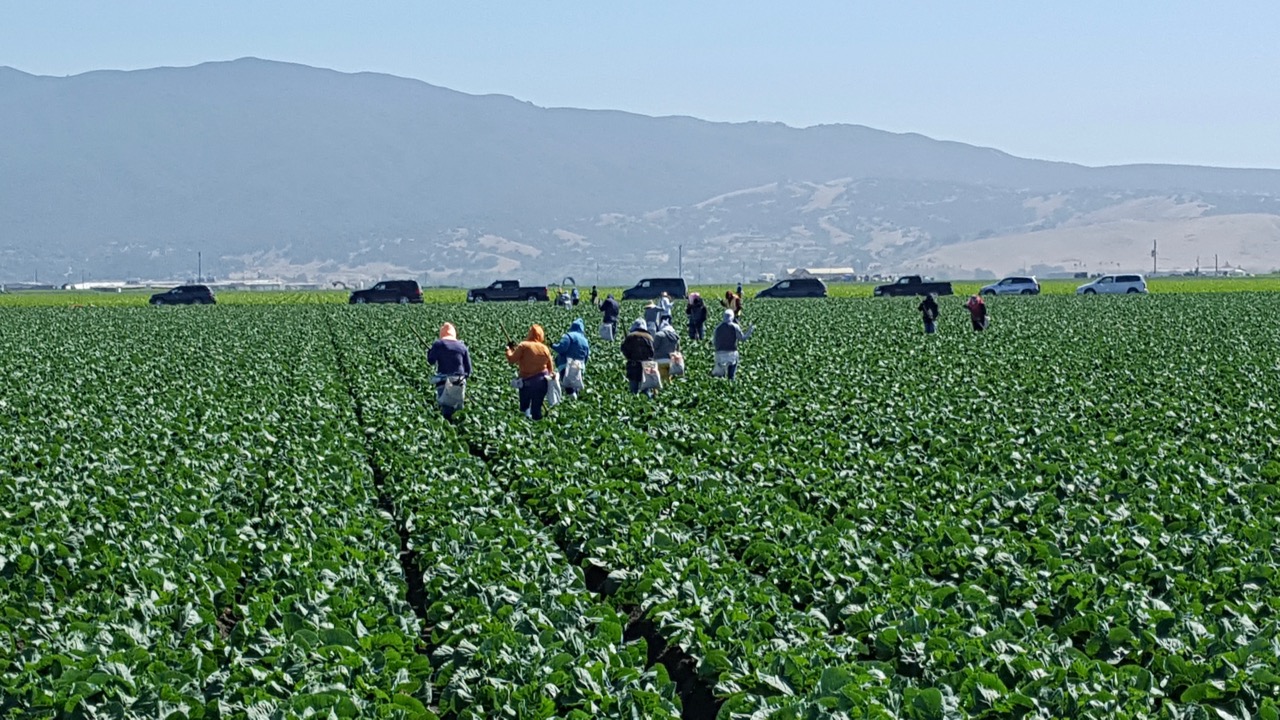
Today, the COVID-19 Farmworker Study Team announces the completion of statewide survey of more than 900 farmworkers in California, which provides unique insights into the experience of these essential workers during the pandemic.

Preliminary results from this unique study–the only statewide survey that gathered data directly from farmworkers currently working–will be released at a virtual press conference on July 28th, 2020 at 10 am PST. The results provide critical missing information on work site conditions and farmworkers’ abilities to protect themselves while continuing to work in California’s fields.

The COVID-19 Farmworker Study (COFS) coincides with new evidence indicating that agricultural workers have elevated vulnerability for contracting COVID-19 infection. Data compiled by the California Institute for Rural Studies show that as of June 30, 2020, California’s Monterey County agricultural workers were three times more likely to become infected by the virus than persons employed in the county’s non-agricultural industries.

Agricultural workers in California now face a double threat: the COVID-19 virus and loss of employment owing to the collapse of foodservice demand. New agricultural employment findings reveal a steep 39% decline from a 3-year average (2017-2019) in Monterey County agricultural employment during April, May and June 2020. Statewide, the decline was about 20% during April and May, accounting for nearly 100,000 jobs lost.1

COFS results add important detail to these data points, clarifying questions about how employers are protecting their workers, the barriers they face to accessing adequate healthcare and the precautions that concerned workers are taking to protect their families. The survey also revealed the workplace health and safety changes that workers would like to see implemented. One farmworker interviewed told us,

I have concerns about where I work because I don’t know if someone is sick and I feel insecure. If they were checking people before going to work that would help me feel more safe and could work without worry.”

1 Don Villarejo, July 2020

The COFS results were collected through phone interviews with more than 900 agricultural workers across 21 counties by 6 farmworker-serving organizations: Líderes Campesinas, Central California Environmental Justice Network, Alianza Ecologista, Farmworker Care Coalition/Vista Community Clinic, Comite Cívico del Valle and the Centro Binacional para el Desarollo Indígena. The phone interviews asked about workplace conditions related to COVID-19 prevention, transportation to/from work, housing conditions, access to medical care, and income issues.

Preliminary data is drawn from an initial analysis of a partial data set and will be presented in more detail at a virtual press release on Tuesday, July 28th at 10 am (see registration info below). Full data briefs on Workplace Conditions, Transportation, Housing, Healthcare Access and Economic Issues will be released throughout the summer.

To register for the Zoom webinar go to:

https://us02web.zoom.us/webinar/register/WN_2RPz-9ENR9K20FaRW95cKg

Registered participants will receive a press kit including the full Preliminary Data Brief and a CIRS Research Brief that describes the job loss and infection rate data in advance of the conference (available July 27 at 12pm).

Presentations by Ildi Carlisle-Cummins (California Institute for Rural Studies), Don Villarejo (Founder of CIRS), Nayamin Martinez (Central CA Environmental Justice Network), Fernando Serrano (Alianza Ecologista), Paola Illescas (Farmworker Care Coalition) and Oralia Maceda (Centro Binacional para el Desarrollo Indígena).


2020-07-24T12:30:02-07:00July 24th, 2020|

Research on Citrus Greening Disease Control

Progress is Being Made on Controlling Citrus Greening

By Tim Hammerich with the Ag Information Network 

Citrus Greening Disease, also know as Huanglongbing, has devastated farms in places like Florida, and poses a serious threat in California. Researchers at the University of California Riverside are making progress on potential control. Dr. Hailing Jin describes what makes this pathogen so difficult.

“First, this is a very special bacteria, which cannot be cultured in vitro. So it’s very hard to study. Second, they are phloem limited. They only stay in the phloem, the vasculature tissue of the whole tree. So it’s not very easy to detect on. Another important thing is that they are transmitted by flying insects called Asian Citrus Psyllid, so can be spread very quickly,” explained Jin.

Dr. Jin and colleagues have been researching plants that are tolerant to the disease to identify genes that may lead to natural defense. They plan to publish their research in the coming months.

2020-07-24T10:22:23-07:00July 24th, 2020|

UC Davis Doctoral Student Alexandria Igwe Lands Postdoctoral Fellowship


Alexadria Igwe Will Work on Soil Microbial Communities

UC Davis doctoral student Alexandria “Allie” Igwe, advised by community ecologist and assistant professor Rachel Vannette of the UC Davis Department of Entomology and Nematology, has received a prestigious $138,000 National Science Foundation Postdoctoral Fellowship to work on soil microbial communities and develop novel online tools to increase interest in ecology.

Igwe who joined the UC Davis doctoral program in 2015, anticipates receiving her PhD in microbiology in September 2020.  Her thesis: “Microbial Community Contribution to Plant Abiotic Stress Tolerance: A Case Study in Serpentine Soils.”  Igwe focuses her research on plant-microbe associations, microbial ecology, environmental microbiology and bioinformatics.

“Plant-microbe associations impact plant phenotype, distribution and biodiversity and range in their effects on a continuum from costly parasitic to beneficial mutualistic interactions,” she wrote in her successful proposal. “These mutualistic relationships also range from loose and facultative to endosymbiotic and obligate. The relationship between nitrogen-fixing bacteria and plants is especially important ecologically. Research into these associations have traditionally focused on endosymbiotic relationships within the nodules of legumes. I propose to explore the impact of strong selective soil pressures on microbial local adaptation and mutualism using free-living nitrogen-fixers and non-legumes.“

“My study,” she wrote, “will utilize serpentine ecosystems because serpentine soils are naturally high in heavy metals and deficient in plant nutrients which contributes to low plant productivity and presents strong selective pressures. The system also includes a free-living nitrogen-fixer, Microvirga spp., and plants that can grow on both serpentine and nonserpentine soils (serpentine-indifferent), allowing tractable manipulations across stress environments. Research with this system can be useful for disentangling the relative influence of soil and plant type on the establishment of mutualistic relationships and its impact on plant performance.”

gwe plans to use “culture-based isolation techniques, qPCR, whole-genome sequencing, and manipulative greenhouse and field surveys to: (1) Quantify the abundance of Microvirga spp. in serpentine and nonserpentine soils and explore the relative influence of edaphic factors, elevation, and climate on bacterial abundance. (2) Identify the presence of ecotypic variation in serpentine- and non-serpentine-isolated Microvirga spp. using functional assays and genome-wide sequencing, and (3) Determine the effect of Microvirga spp. on non-leguminous plant survival and development.”

She seeks a career as an environmental microbiologist to “scientifically and commercially address problems related to environmental degradation and food security.”

 “Allie has initiated exciting research directions during her time in the lab: examining how rhizosphere microbes influence plant survival and growth on serpentine soils,” said Vannette, a UC Davis Hellman Fellow.   “She has funded this work through several successful grant applications during her graduate career at UC Davis. Her creative research suggests previously unrecognized ways that plants are able to successfully establish and grow on harsh soils. She has also found that the composition of soil microbes can affect seedling establishment and also change when plants flower!”

“Her findings are novel and they are already making an impact on the field,” Vannette pointed out. “Allie has published a first-author paper and co-authored two additional papers on how soil microbial communities are shaped by soil characteristics and plant species Allie has taken an active role in mentoring students in our lab. She has worked closely with and trained at least five undergraduate students in techniques ranging from DNA extraction and library prep, isolating and identifying soil bacteria, bioinformatics analysis and root imaging analysis. She has accompanied students to national meetings and supported their career goals even after they had left the lab.“

Vannette, who joined the UC Davis Department of Entomology and Nematology in 2015 after serving as a postdoctoral fellow at Stanford University’s biology department, also praised Allie for “taking an active role in mentoring students in our lab. She has worked closely with and trained at least five undergraduate students in techniques ranging from DNA extraction and library prep, isolating and identifying soil bacteria, bioinformatics analysis and root imaging analysis. She has accompanied students to national meetings and supported their career goals even after they had left the lab.”

“Allie has not only strong academic achievements, excellent leadership ability and but also the ability to translate these skills into meaningful research, impactful mentoring, and effective recruitment and retention of underrepresented students,” Vannette said. “Allie has accomplished a lot here at Davis and I am excited to watch her career unfold. Her achievements have been recognized with a prestigious NSF Postdoctoral fellowship.”

Born in Stockton but raised in Houston, Allie remembers how her mother, a registered nurse, “imparted on me the importance of education from a young age and did a lot to make sure I had access to the best public educational opportunities Houston had to offer.

“I am the first to go to graduate school and will be the first doctor in the family, although not the type they likely expected,” she quipped. “I’ve always been interested in the natural world and participated in science fairs growing up. My first project was a survey of all the bugs in my front yard. My mom and I collected, identified, and mounted them. She told me that she could always find me in some mud or looking under a rock or collecting snails. I always had an interest in the environmental field–it just took a little nudge from amazing mentors for me to pursue it.”

Allie received her bachelor’s degree in biology in 2013 from Howard University, Washington, D.C., where she submitted her honors thesis: “Elemental Defense in Alyssum murale: Effects on Plant-Herbivore Interactions.” She holds a master of science degree in soil science in December 2015 from Texas A&M (TAMU), where she presented her thesis on “Phytoremediation of Hydrocarbon-Contaminated Soil Using Phenolic-Exuding Horticultural Plants.”

At TAMU, Allie designed greenhouse experiment to identify rhizosphere microbial composition of horticulture plants growing in soil contaminated with polycyclic aromatic hydrocarbons.

The UC Davis doctoral student co-authored “Organic Management Promotes Natural Pest Control through Altered Plant Resistance to Insects,” published May 15 in the journal Nature Plants, with Vannette and several other co-authors.

Igwe served as the lead author of the Igwe-Vannette research, “Bacterial Communities Differ Between Plant Species and Soil Type, and Differentially Influence Seedling Establishment on Serpentine Soils,” published June 26, 2010 in the journal Plant and Soil.

At UC Davis, Igwe has helped other students succeed. She served as a teaching assistant from September 2016 to- December 2019 in the UC Davis Career Discovery Group. She mentored a group of 10-20 freshmen in career exploration activities and professional communication. In addition, she recruited industry professionals to participate in student networking events, and coordinated on-site visits with working professionals for career exploration trips. Igwe also was a success coach in the UC Davis Success Coaching and Learning Strategies for a year.

2020-07-23T10:52:09-07:00July 23rd, 2020|

The 2020 Almond Crop Set to Be 3 Billion Meat Pounds


By Patrick Cavanaugh with the Ag Information Network

Three billion pounds! That’s the California almond objective measurement report done by the USDA and the National Agricultural Statistic Service. It’s up 18% from the 2019 crop.

Holly King is a Kern County almond grower and chair of the Almond Board of California. “I’ve always thought, boy, when the stars line up, we are going to blow the doors off the barn with production,” she said. “And this is the year with the acres we’ve got planted, it’s not a surprise that we could get to 3 billion. We just certainly got there a little sooner than we thought, an it’s a big jump from last year, for sure,” said King.

King noted that the crops were down in the last few years when there were pollination problems because of weather. “So this year we did not. It just was picture perfect and the trees are performing and you can sure see it in the numbers. I know the North got hit harder by moisture last year and the trees had a little bit of arrest and boy, you start looking at the nut, count on the trees in northern California, and it’s huge,” said King.

And, globally consumers love almonds. “We are fortunate that they aren’t a very perishable crop, not like growing produce,” King said. And they are heart healthy. They’re nutrient dense. They’re portable, and they’re affordable. So we’re very fortunate that our product has that many attributes that are certainly more in demand. On top of that, people are asking not only is it good for them, but is it good for the planet? And we have a good story to tell,” noted King.

2020-07-22T11:42:53-07:00July 22nd, 2020|

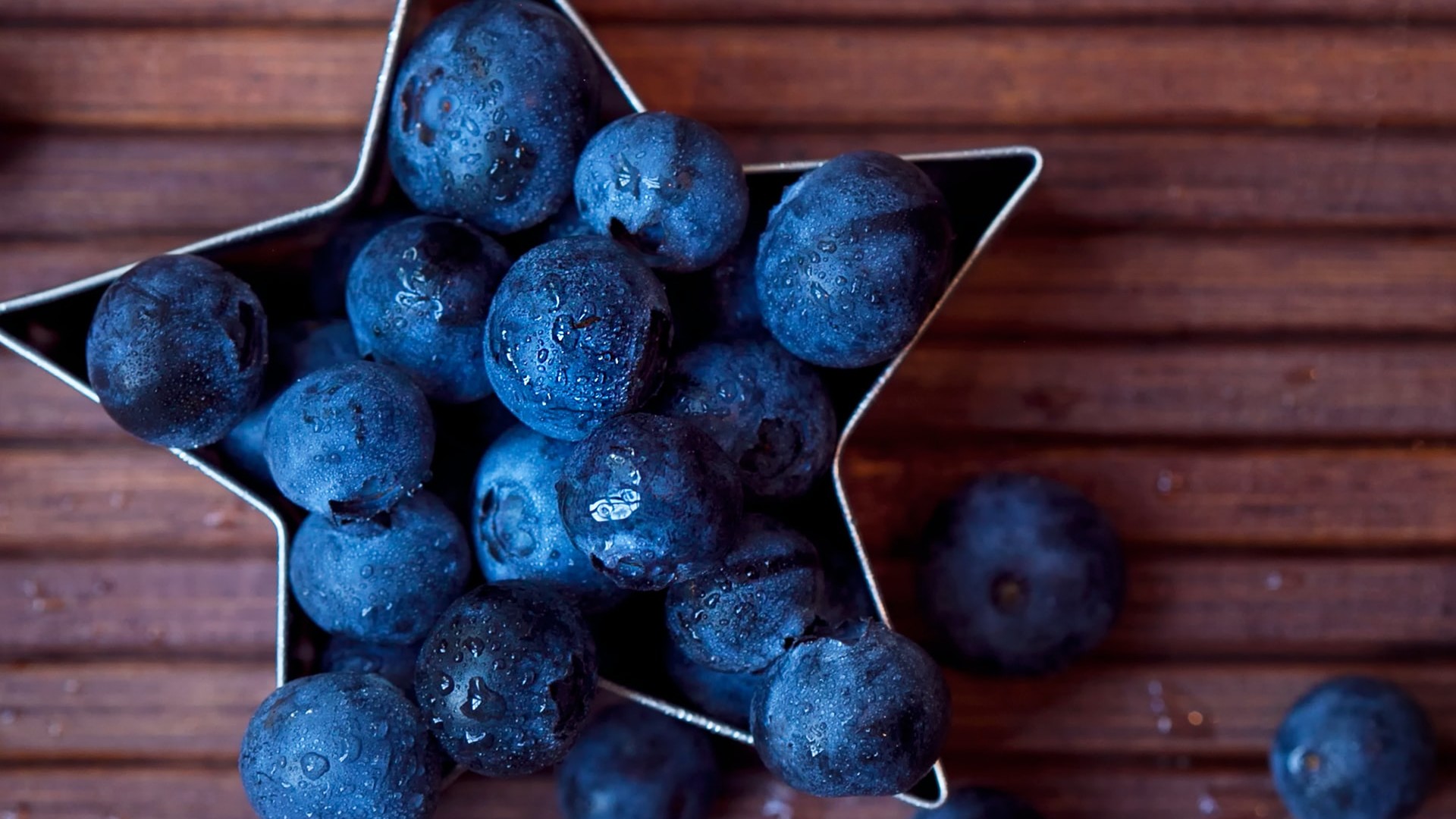
Blueberry Harvest Wraps Up

By Tim Hammerich with the Ag Information Network 

California has wrapped up blueberry harvest in the state. Growers were expecting a record crop but COVID-19 and weather issues created some challenges. Here’s the California Blueberry Commission’s Todd Sanders.

“Overall, we were expecting a record crop of over 77 million pounds due to COVID and weather related issues and stuff like that, I don’t think we’re going to come in nearly that high. But we’re going to come in pretty close. I think it will be probably around 65 to 68 million pounds, will be our final number,” said Sanders.

“That’s fresh and processed. But this season was difficult. Our season was right in the middle of the pandemic as we’re still kind of going through it as we speak. But we were right in the middle of the lockdown, there was trouble moving fruit, especially when it comes to exports. That’s 20% of our product is export and it was difficult to export anything. So it was a difficult season, but the growers I think did pretty well. But we’ll have to see when the final numbers come back,” said Sanders.

Sanders said the majority of the blueberry harvest has moved north up to Oregon and Washington. He provided that report as part of the blueberry industry’s new weekly podcast called “The Business of Blueberries”.

2020-07-21T18:39:13-07:00July 21st, 2020|

Tomato Harvest To Start Soon

By Tim Hammerich, with the Ag Information Network

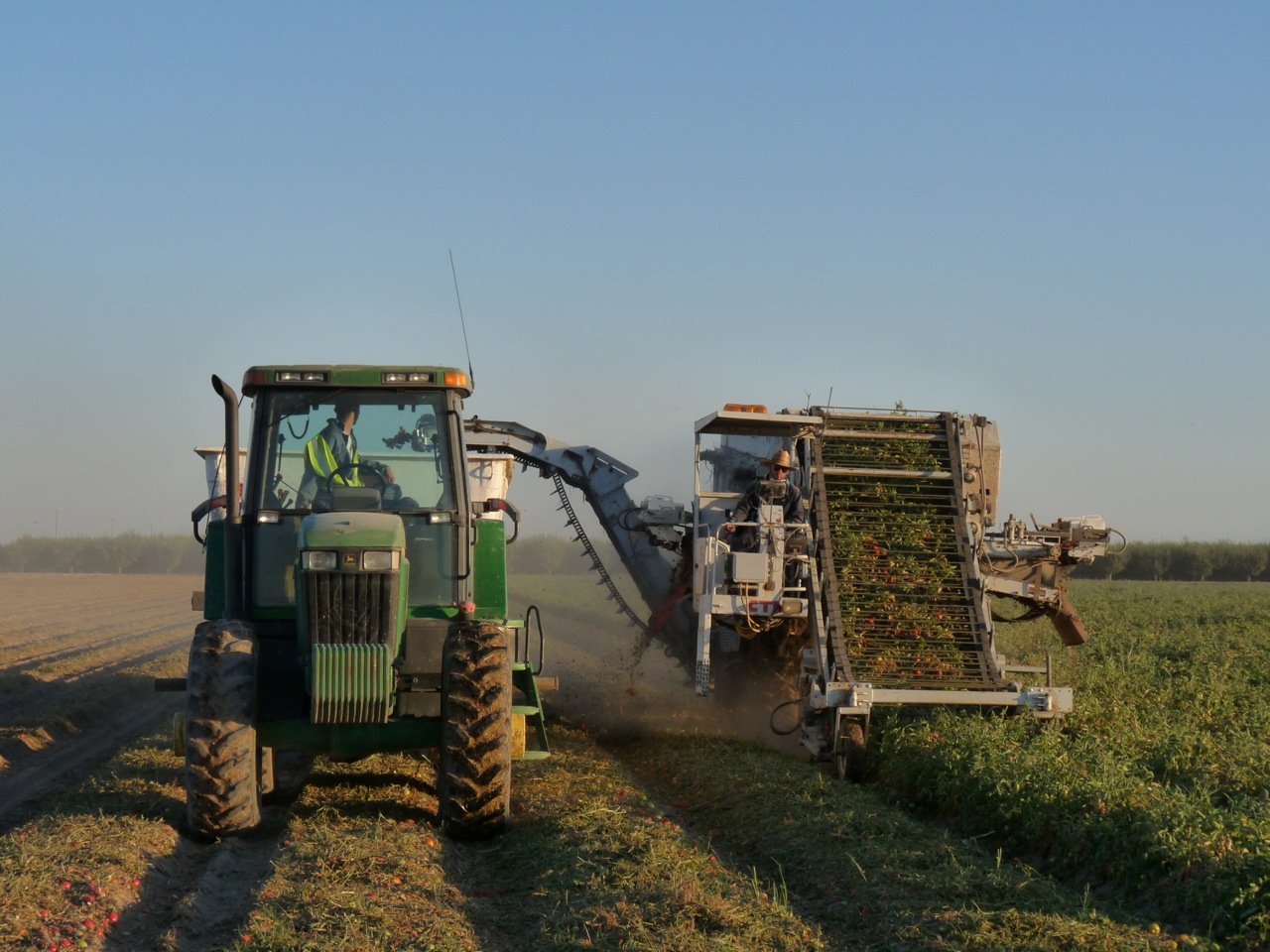
We’re now in mid-July which means for many California farmers tomato harvest will soon be in full swing. Winters-based farmer Bruce Rominger recently shared through Tomato Wellness how intense the process is to make sure our tomatoes are as fresh as possible.

“In three weeks when these tomatoes are ripe, our crews are going to be out here and our machines are going to be out here, and we’re going to run 24 hours a day. Just like the cannery runs 24 hours a day. And we’re going to harvest these at peak ripeness,” said Rominger. “They will be in that processing facility, probably within two to three hours of when I pick them right here. They will process them right away and put them in cans and then they’ll be ready to go to grocery stores.

So some of them are immediately put in cans, some are put in bigger containers and then they’re made into a pasta sauce or mix with different ingredients a little bit later. “But they are put away and preserved at absolutely peak ripeness. We pick them a hundred percent red ripe and they’re in that cannery right away and immediately processed and ready for consumption,” noted Rominger.

California produces more than 90 percent of the nation’s processed tomatoes and nearly half the world’s total processed tomato tonnage.

2020-07-21T08:35:58-07:00July 21st, 2020|

Tulare County Farm Bureau announces 2020 Scholarship Awards

Congrats to All The Great Scholarships Winners

Tulare County Farm Bureau’s Educational and Scholarship charitable trust released in July their 2020 student recipients, this year’s Selection Committee reviewed all applications online, and made their selections increasing the amount of funds awarded in many categories.  Photos of the students are available in the TCFB July 2020 Newspaper edition. 

The TCFB’s education and scholarship trust fund has been awarding scholarships since the trust’s inception in 1990, the scholarship and educational programs of the trust are funded annually through the Spring Gala held in March.  Fortunately this year’s awards were funded by proceeds of the 2019 event, and the COVID pandemic did not impact the award budget for this year.    The 2020 gala was cancelled due to the shelter-in-place orders, but donors have been thoughtful in contributing funds this year, and many have rolled their donations over to the 2021 event in anticipation of it being set for next March. 

Most awards were increased to a $2,000 award, and others increased from $500 to $1,000 awards.   There are also renewable awards offered by the Scott Shannon Memorial fund, and those students may renew the same amount for four years total.  Awards listed below are all awarded by the Tulare County Farm Bureau’s charitable trust.  Certain awards are contributed to by families in memoriam, while others are part of the trust’s permanent endowment. 

Awards are paid after the student provides verification of their college enrollment, and those verifications are due to the Farm Bureau by September 15 or sooner, as available. 

We congratulate all the outstanding students that applied for the awards.  

First NameLast NameAward NameAmountSchool
MariaAguileraScott Shannon Memorial$1,000Mt. Whitney High School
AlissaAmaralFrank Ribeiro Memorial$2,000Tulare Union High School
DaltonBaird2-Year College$1,000Mt. Whitney High School
BryanBerczynskiScott Shannon Memorial$1,000VTEC High School
BryanBerczynskiYoung Farmers & Ranchers$1,000VTEC High School
LaurenDavisMerit Award$500CSU Fresno
RebeccaDuranMerit Award$500CSU Fresno
MadelynFernandesMary Rankin Memorial$2,000Mission Oak High School
ChastineGistTCFB Ag Career$2,000Tulare Western High School
TyceGriswoldScott Shannon Memorial$1,000Central Valley Christian School
GraceGuthrieMerit Award$500Cal Poly, SLO
PaigeKroesMerit Award$500Central Valley Christian School
SelinaLopez CurielStudent of Farm Employee$1,000Woodlake Union High School
RyanMajarianCOS RRS Endowment$1,500Mt. Whitney High School
PiaMartinezMerit Award$500CSU Fresno
JavierMonje Jr.Student of Farm Employee$1,000Tulare Western High School
JavierMonje Jr.Merit Award$500Tulare Western High School
BethanieNegreteYoung Farmers & Ranchers$500Mt. Whitney High School
DafnePamplona QuirozTCFB Ag Career$2,000Dinuba High School
MayalinaPuernerTCFB Ag Career$2,000Exeter Union High School
HunterSeymore2019 Youth Outstanding Participant award$1,000El Diamante High School
AmySwallFred & Marilyn Collison Memorial$2,000Mission Oak High School
KatherineWalkerYoung Farmers & Ranchers$1,000Reedley College
KalinaWeaverKen and Cindy Williams Scholarship$2,500Monache High School
2020-07-20T09:38:11-07:00July 20th, 2020|

USDA, USTR Name New Agricultural Trade Advisors

U.S. Secretary of Agriculture Sonny Perdue and U.S. Trade Representative Robert Lighthizer today announced the appointment of 25 new members to serve on seven agricultural trade advisory committees.

The Agricultural Policy Advisory Committee is comprised of senior representatives from across the U.S. agricultural community who provide advice to the U.S. Department of Agriculture and the Office of the U.S. Trade Representative on trade policy matters including the operation of existing trade agreements and the negotiation of new agreements. Members of the six Agricultural Technical Advisory Committees (ATACs) provide technical advice and guidance from the perspective of their specific product sectors.

The newly appointed advisors will serve until 2024. Each committee will be supplemented by additional appointments over the next four years. Applications are encouraged at any time. A complete list of committee members and application information is available at www.fas.usda.gov/topics/trade-advisory-committees.

Following is a list of the new advisors, by committee:

Agricultural Policy Advisory Committee
Constance Cullman, American Feed Industry Association
David Puglia, Western Growers
David Salmonsen, American Farm Bureau Federation

ATAC for Trade in Animals and Animal Products
Robert DeHaan, National Fisheries Institute
Mallory Gaines, American Feed Industry Association
David Herring, Hog Slat Inc./TDM Farms
James Parnell, Alabama Farmers Federation
Maria Zieba, National Pork Producers Council

ATAC for Trade in Fruits and Vegetables
William Callis, U.S. Apple Export Council
Casey Creamer, California Citrus Mutual
Jodi Devaurs, California Table Grape Commission
Jonathan Maberry, Washington Red Raspberry Commission
Caroline Stringer, California Fresh Fruit Association

ATAC for Trade in Grains, Feed, Oilseeds and Planting Seeds
Peter Bachmann, USA Rice Federation
William Gordon, American Soybean Association
Derek Haigwood, D.I.D. Farms
Patrick Hayden, North American Export Grain Association
Dalton Henry, U.S. Wheat Associates
Edward Hubbard, Renewable Fuels Association
Tina Lyons, Double River Forwarding, LLC

ATAC for Trade in Processed Foods
Kevin Latner, National Industrial Hemp Council
Richard (Denton) McLane, McLane Global Trading
Max Moncaster, National Association of State Departments of Agriculture
Bernadette Wiltz, Southern United States Trade Association

ATAC for Trade in Sweeteners and Sweetener Products
(No new members.)

ATAC for Trade in Tobacco, Cotton and Peanuts
Karl Zimmer, Premium Peanut

2020-07-17T12:24:02-07:00July 17th, 2020|
Go to Top