About California Ag Today

This author has not yet filled in any details.
So far California Ag Today has created 2014 blog entries.

Many Options for Melon Weed Control


Conventional Melon Weed Management in the Sacramento Valley


By Amber Vinchesi-Vahl, UCANR Cooperative Extension Colusa County

Sutter County grows between 300 and 800 acres of fresh-market honeydew, mixed melon, and cantaloupe each year. The fields vary between furrow and drip irrigation, with many fields in the Sutter Basin only receiving a pre-irrigation.

Because of the rapid growth of melons, they are competitive with weeds and one cultivation may be sufficient to control weed issues. The growing habits of melons reduce the need for herbicides, which is fortunate since the availability of registered and effective herbicides is limited.

Generally, in Sutter County, the field is tilled, pre-irrigated, worked again, and melons are planted into moisture. When weed pressure is high, a hand-hoeing crew comes in and cultivates. Since many of the conventional fields in the northern region receive little water, herbicides may not be as effective since they do not work well without water. If water is available, herbicides like Prefar and Curbit may be used.

Bensulide (Prefar) can be applied before planting and incorporated shallowly or as a preemergent herbicide under sprinkler irrigation. It is used to control small-seeded annual grasses, pigweed and purslane. Remember to always check the label and consider plantback restrictions, especially if following with corn or sorghum. A layby application of ethalfuralin (Curbit) may also be used after thinning when melon plants are young (4-5 leaf stage) to control late germinating weeds.

In 2017, I received a farm call about a grassy weed in a honeydew field that the pest control adviser had never seen in a melon field during his long career. He applied sethoxydim (Poast) twice and the grass (johnsongrass) kept coming back. When grasses are moisture stressed, sethoxydim can be less effective, which makes sense in a melon field receiving little irrigation.
2021-06-16T18:25:11-07:00June 16th, 2021|

CaDairy2Go Competition Celebrates Innovations

California Milk Advisory Board Selects 12 Creative Chefs  For Inaugural Culinary Event


The California Milk Advisory Board (CMAB) this week announced the launch of an inaugural foodservice competition challenging professional chefs to create innovative “to-go” dishes using California dairy products. The “CADairy2Go” competition is inspired by chefs and foodservice operators who made quick, creative pivots to adjust their menus for the takeout and delivery model during the disruption caused by the pandemic.

The Real California Milk Foodservice Team hand-selected twelve culinary professionals to participate in the first-of-its-kind event, representing a variety of foodservice backgrounds, including experience in major restaurant chains, broadline distributors, independent restaurants, ghost kitchens, and food trucks.

Each chef will submit one dish in either the Cal-Mex or Cheese+Mac category, as well as a second dish under Innovate-To-Go, which allows for creativity beyond their assigned category. All dishes must be optimized for the takeout or “to-go” experience and incorporate sustainability sourced California cheese and other dairy ingredients.


The 2021 CADairy2Go participants are:


Carrie Baird – Rose’s Classic Americana – Boulder, CO

Victoria Elizondo –Cocina Local – Houston, TX

Gina Galvan – Mood for Food – San Juan Capistrano, CA

Gina Genschlea – Revolution Winery & Kitchen – Sacramento, CA

Nelson German – alaMar Kitchen & Bar, Sobre Mesa – Oakland, CA

Heidi Gibson – The American Grilled Cheese Kitchen – San Francisco, CA

Marti Lieberman – Mac Mart – Philadelphia, PA

Brian Mullins – Ms. Cheezious® – Miami, FL

Tamra Scroggins – Grill Concepts – Los Angeles, CA

Alex Sadowsky – Twin Peaks – Dallas, TX

Manish Tyagi – August 1 Five – San Francisco, CA

Mary Grace Viado – Village Tavern – Birmingham, AL


Participating chefs will win cash prizes from $500 to $5,000. Two finalists from each category will earn a trip to Napa, where they will compete in a live cook-off event July 28th at the Culinary Institute of America’s Copia location. The final cook-off will be captured in a live broadcast that will be streamed in celebration of the chefs and their creations. Additional details on the competition and the chef competitors is available at CADairy2Go.

“The past year has challenged chefs to be strategic in creating dishes that are not only comforting but can also hold up for an off-premise dining experience. This competition leverages the off-premise dining trends that emerged during this time and celebrates chefs who worked to respond quickly to consumer needs,” said Nancy Campbell, Business Development consultant for CMAB Foodservice. “Dairy is an essential ingredient for bringing to-go menu innovations to life and provides the flavor and flexibility to any style of cooking – from plant-forward to comfort and everything in between.”

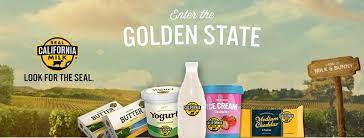
As the nation’s largest dairy state, California boasts a long list of cheesemakers and dairy processors, that are further driving to-go dining innovation California leads the nation in milk production and is responsible for producing more butter, ice cream and nonfat dry milk than any other state. The state is the second-largest producer of cheese and yogurt. California milk and dairy foods can be identified by the Real California Milk seal, which certifies they are made exclusively with sustainably sourced milk from the state’s dairy farm families.

California is a reliable, consistent source of sustainable dairy products used by chefs throughout the world. Check out our REAL Makers chefs who rely on California dairy for their dishes.


2021-06-15T15:58:03-07:00June 15th, 2021|

Prop 12 Problems

Prop 12 a ‘Tough Situation’ for the Pork Industry

By Tim Hammerich with the Ag Information Network

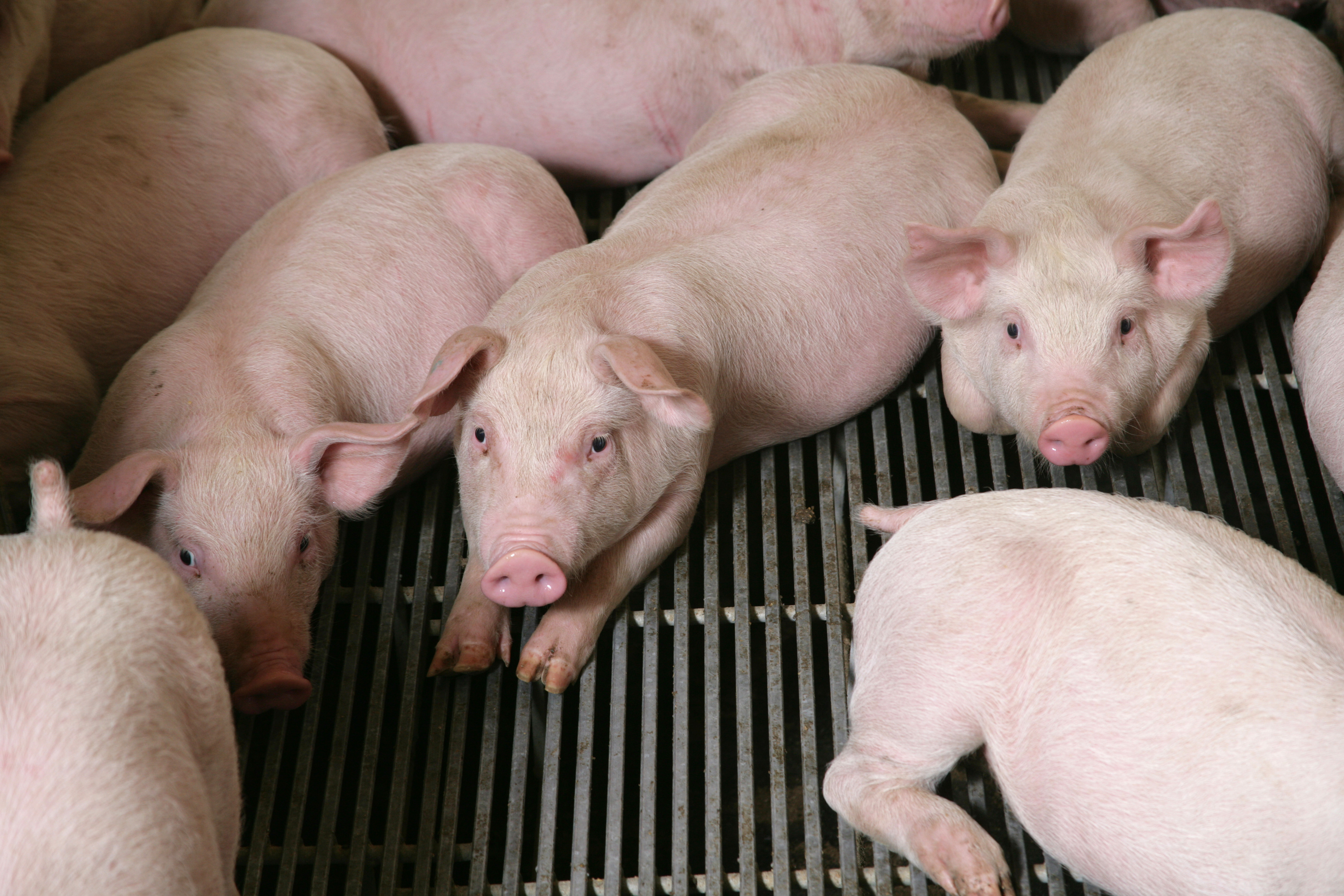
Proposition 12 was passed by referendum back in 2018 and is scheduled to come into effect in 2022. There’s still a lot of uncertainty about how the law, which establishes new standards for confinement of specified farm animals, will be executed. Christine McCracken is executive director and protein analyst at Rabobank.

“The industry is kind of put into, you know, this difficult position of being faced with a rule that will make a lot of the pork that we raise here in the U.S. ineligible for sale in California without some pretty major legal consequences and financial consequences,” said McCracken.

The controversy is surrounding the fact that the law requiring certain growing conditions applies to all pork sold in California, regardless of where it is raised.

“It’s a tough position to be in for everyone: the retailer obviously, and not knowing whether or not they’ll have a lot of pork to sell. It’s tough for the processor, you know, with the potential of not having the visibility to encourage those changes and not knowing whether or not they’ll have enough pigs to process for California,” said McCracken.

“And for the producer, you know, they obviously have the added risk of not having markets for their pigs. So it’s, it’s a tough kind of industry situation at the moment,” noted McCracken.

Industry groups have filed lawsuits challenging the constitutionality of the measure.

2021-06-14T18:07:00-07:00June 14th, 2021|

Newsom Gets Letter Regarding Drought

David G. Valadao and  State Senator Melissa Hurtado Contact Governor Newsom

This week, Congressman David G. Valadao and California State Senator Melissa Hurtado (D-Sanger) sent Governor Newsom a letter to ensure that Fresno, Kings, Kern, and Tulare counties, whose jobs depend directly on farms, are given full consideration when contemplating actions to mitigate the negative impacts of a second year of a critically severe and dangerous drought. President Biden’s Interagency Working Group was copied on the letter.

“Central Valley farmers are doing everything they can to mitigate this crisis, and we need you to do everything you can to help them,” said Congressman Valadao. “Senator Hurtado and I understand the challenges both state and federal officials currently face in allocating extremely limited water supplies to meet all the demands of the state. There is no doubt that the agriculture industry can, should, and currently is playing a role in reducing water use during these difficult times. Not only have many farmers in our districts implemented more modern technology and irrigation practices to efficiently use water, but farmers across our districts have already fallowed fields and prematurely ripped out permanent crops in an effort to reduce water use further. We strongly urge you to think about our Central Valley farmers when making critical decisions on drought mitigation.”

“California is one state of many, including countries around the world, that is experiencing a drought unlike any other,” said Senator Hurtado. “Farmers of the Central Valley are world leaders and have been at the forefront of the fight against climate change. Support for our farmers equals support for our food—we may not be able to avoid this water crisis, but we can work to avoid a food crisis. There is no room for partisan politics in addressing this enormous challenge. Congressman Valadao, myself, and the Valley Delegation have been working tirelessly to address the needs of our constituents, farmers and farmworkers. We will continue to do so.”

2021-06-17T10:44:30-07:00June 14th, 2021|

CFLCA To Host Feeding the Future June 26

California Farm Labor Contractor Association Event Will Support Scholars While Celebrating 33 Years of Service

The California Farm Labor Contractor Association (CFLCA) will host, “Feeding the Future: Supporting Scholars & Celebrating 33 Years of Service,” at the California Agriculture Museum in Woodland on Saturday, June 26.

The event combines fundraising activities for CFLCA’s Farm Worker Scholarship fund along with an opportunity to bid a fond farewell to CFLCA’s Executive Director and organization co-founder Guadalupe (Lupe) Sandoval, who is retiring from the non-profit FLC association.

When incorporated in 2009, Lupe’s vision for CFLCA was to help farm labor contractors provide safe, respectful, and compliant places of work for essential workers. He leaves a legacy of progressive influence in the agricultural arena. According to CFLCA’s president, Blanca Wright, “Lupe has dedicated over 33 years to consulting with and educating farmworkers, supervisors, their employers, and others on safety, management, and compliance issues. We will certainly miss his tenacity on behalf of the farm labor contractor and farmworker communities. The CFLCA Board of Directors is committed to building on Lupe’s vision which includes the development of programs to promote gender equity and best practices along with growing participation by our members in the legislative arena.”

The CFLCA scholarship fund was established in 2016 and has provided over $200,000 in financial assistance to the children of FLC-employed farmworkers since that time. “Feeding the Future: Supporting Scholars & Celebrating 33 Years of Service,” includes dinner and drinks, a silent auction to fund scholarships, admission to the museum, and an opportunity to visit with old and new industry colleagues. 

Limited tickets are available for $60. For admission information or to learn about CFLCA’s scholarships and fundraising efforts, visit www.calflca.org/scholarships or call 916-389-1246. Scholarship applications must be submitted by June 12th

About CFLCA

Established in 2009, California Farm Labor Contractor Association (CFLCA) represents members who employ over 250,000 farm workers engaged in agricultural production throughout California. For over a decade, CFLCA has served a vital role in helping members to navigate complex labor laws. We promote educational opportunities and best management practices to help our members provide safe, respectful, and compliant work environments benefiting employees and grower clients.

2021-06-14T15:11:28-07:00June 14th, 2021|

Almond Shipments Set New Record

Increased Demand Helps Almonds Overcome Port Issues, Tariffs, and COVID-19 Limitations


California almond shipments to consumer markets in the U.S. and across the globe hit a new record this year, despite port and trade issues and COVID-19 complications.


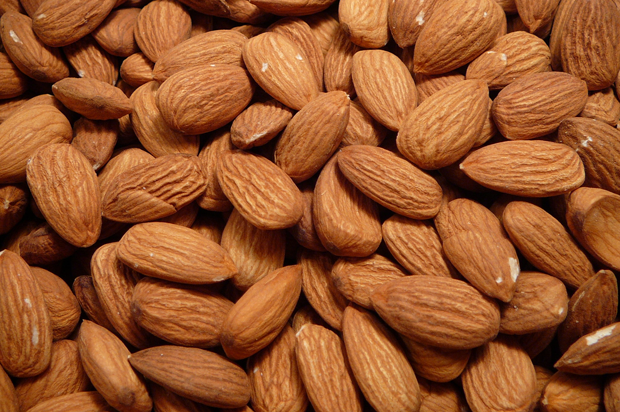
The May 2021 Position Report from the Almond Board of California (ABC) shows that the California industry shipped 219 million pounds in May – a record for the month – bringing the total this crop year to 2.45 billion pounds, setting a new record in just 10 months. The crop year for almonds runs from Aug. 1 to July 31.

“This shows continuing high demand for California almonds among consumers around the world,” said ABC President and CEO Richard Waycott. “People love almonds because they’re a remarkably sustainable plant protein, they’re versatile in a range of cuisines, they have outstanding health and beauty benefits, and they’re delicious.”


Record shipments across the globe


California almonds ship to more than 100 countries, and export growth has been impressive with a 30% overall increase over last year to date and record shipments in a number of markets.


tradeA month ago, India made history for California almonds. For the first time ever, a single market exceeded 300 million pounds of imports in one crop year. The current May report shows that India has now received 322 million pounds and is up 54% over the previous year to date.


The entire Asia-Pacific region continues its strong growth with a 46% increase overall. In that region, the China/Hong Kong market is up 72% year-to-year despite tariffs, South Korea increased by 42% and Vietnam is up an astounding 132% from last year.


Almost all European markets, east and west, continued their impressive growth in response to the high demand. Germany and Spain posted strong gains as did the Netherlands and Italy. Overall, European imports are up 18% from 2019-20.


The Middle East and North Africa are also regions with strong growing markets. Countries of note include the United Arab Emirates, which grew 31%, Egypt with 20% growth, and Morocco, which has a year-to-date increase of 148% over last year.


Growth in the U.S. continues to be strong, especially considering that the domestic market is large and well established. The year-to-year increase stands at 4% for the crop year.


“The world-wide appetite for almonds and our range of products continues to grow,” Waycott said. “Almonds outpaced all other nuts in new product introductions ranging from dairy alternatives and snacks to confectionery, bakery and bars. Our industry members have done a terrific job of moving the current crop and meeting the demand from consumers here in the U.S. and around the world.”

2021-06-14T13:53:28-07:00June 14th, 2021|

This Growing Season Could Be Similar to 2015

Low Water Allocations Remind Growers of 2015


By Tim Hammerich with the Ag Information Network

The year 2015 is not a year most farmers remember fondly. The severe drought-affected California agriculture in profound ways and alarmingly 2021 is looking very similar.

Mike Wade is the executive director of the California Farm Water Coalition, which is a non-profit educational organization to help inform the public about agricultural water use.

“We’ve got quite a situation in California this year, similar to what we saw in 2015. And if we use that as kind of an example of what we might expect this year, we had over 540,000 acres of fallowed farmland back in 2015,” said Wade.

“And we’re expecting probably as much, or maybe more this year. Most of the state in agriculture has had significant water supply cuts. Probably one in four acres is facing a 5% water allocation this year. And huge other swaths have had 25% cuts – or they’re getting about 75%. But it’s affecting every corner of California agriculture and in a way that we’re starting to see impacts on our food supply this summer and into the fall through acreage reductions,” noted Wade.


2021-06-13T20:47:16-07:00June 13th, 2021|

Blueberries and Walnuts Combine for Brain Health

Blueberries & Walnuts Partner to Give Brain Health Month a Boost at Retail 

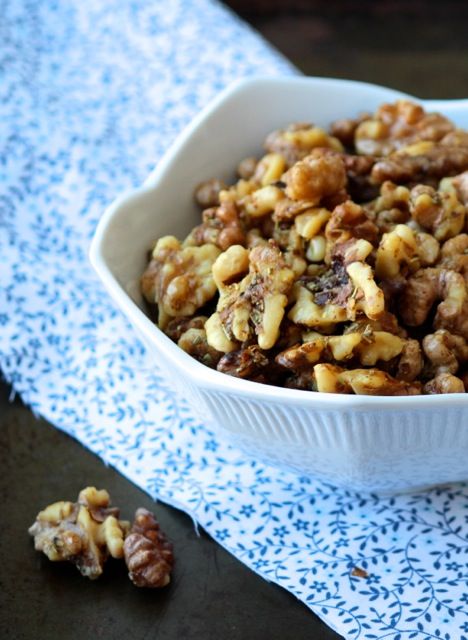
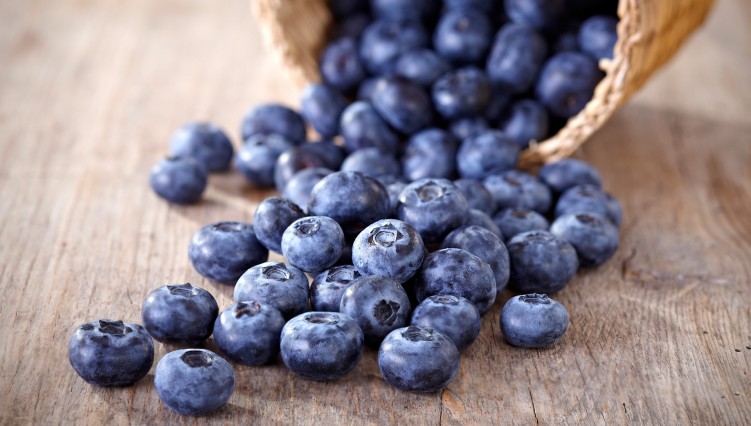
 June is Alzheimer’s and Brain Awareness Month, and the California Walnut Board (CWB) and U.S. Highbush Blueberry Council (USHBC) are collaborating with a select group of retailers, including Coborn’s, Rouses Markets and Weis Markets, to encourage consumers to “grab a boost of blue and walnuts, too!” Activations will include unique opportunities such as local TV segments, e-newsletter features, Facebook Lives, and more, led by retail registered dietitians. There’s no better time to consider brain benefits through snack food choices.

“Power periods like Brain Health Month are timely opportunities to get consumers thinking in new and different ways about the products they love,” said Jennifer Sparks, V.P., Marketing and Communications at USHBC. “This strategic collaboration helps both the walnut and blueberry industries reach new audiences and increase demand. It’s a win-win.”

“While the health benefits of blueberries and walnuts are compelling, this campaign clearly demonstrates how agricultural groups can come together through combined thought leadership and resources, to bring exceptional value and benefit to retailers, consumers and their growers,” said Jennifer Olmstead, Senior Director of U.S. Marketing & Communications at the California Walnut Board. “By working together, we can educate consumers about the benefits of consuming walnuts and blueberries while providing simple snacking solutions that they can implement in their daily lives.”

Just about all Americans snack daily (97%), and 22% of snackers (53 million people) are looking for snacks that promote cognitive health, according to a new snacking survey conducted by California Walnuts in partnership with Kelton Global.  Diet may have a role to play in bolstering brain health and mitigating potential risks. A growing field of research is looking at the connection between certain foods like walnuts and blueberries and cognitive function. Snacking on walnuts provides important nutrients, like ALA omega-3 fatty acid (2.5 g/oz), that have been studied in connection with brain health. A growing body of scientific evidence is examining how blueberries can be part of eating patterns to support brain health, especially as part of an overall healthy lifestyle.1-4

Perfect as on-the-go snacks to enjoy all month long, blueberries and walnuts are easy to add into any routine and are sure to become a family favorite. For recipe inspiration, the CWB and USHBC created a new blueberry & walnut recipe collection.

“Grab a Boost of Blue and Walnuts Too!” is designed to inspire and motivate consumers to enjoy more of the blueberries and walnuts they love, in more ways and more often – ultimately driving demand and increasing sales. Retailers are encouraged to participate and inspire their audiences to think about brain health using engaging, easy-to-use content developed by USHBC and the CWB, including recipes, social media images, digital ads and other resources.

California walnuts and blueberries are also teaming up for joint displays at two regional retailers.  In June, Giant Eagle will prominently integrate walnuts into their month-long “blueberry harvest” event and support the effort with a display contest awarding the stores achieving the largest sales increases.  In August, Jewel Osco will feature both California walnuts and blueberries in their circular ad and showcase both items with adjacent displays in-store.

2021-06-10T18:10:46-07:00June 10th, 2021|

Water Infrastructure Bill Passes Senate

Senate Passes Critical Infrastructure Bill


Recently, Federico Barajas, Executive Director of the San Luis & Delta-Mendota Water Authority, issued the following statement after the California Senate passed SB 559 – The State Water Resiliency Act – authored by Senator Melissa Hurtado (D-Sanger) by a 34-1 vote:
“This year’s very real drought conditions reinforce the need for an all of government approach to drought response, both in the short and long-term. Today’s overwhelming vote, led by Senator Hurtado and the Valley delegation, puts the California Senate firmly in support of a strong state role in repairing California’s water conveyance infrastructure and increasing California’s drought resilience.
“The San Joaquin, San Benito, and Santa Clara Valleys need long-term water supply solutions if they are to remain global leaders in food production, high tech, and environmental stewardship. SB 559 offers a holistic, statewide approach to restore the conveyance capacity of California’s most critical water delivery infrastructure.
“We applaud Senator Hurtado for her leadership and support for increasing water infrastructure investments that better prepare us for future droughts by enabling the movement of water when Mother Nature provides it and look forward to working with the broad coalition of supporters urging passage of this bill in the Assembly.”
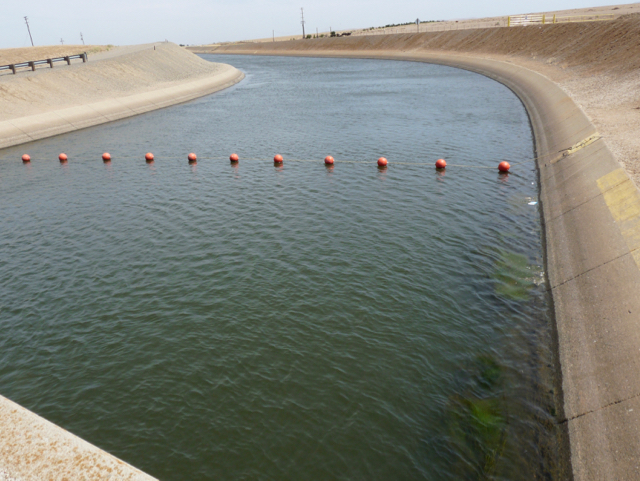
The State Water Resiliency Act of 2021 will allocate $785 million to repairing vital water delivery systems that provide drinking water to communities throughout California, water to sustain the state’s leading agricultural and technology economies, and wetlands of international importance. The funds would go to fixing the Delta-Mendota Canal, the Friant-Kern Canal, and major portions of the California Aqueduct, all of which have degraded and are losing water as a result of subsidence.
Key facilities of the Central Valley Project that convey water to member agencies of the San Luis & Delta-Mendota Water Authority have lost conveyance capacity over time due to subsidence. This lost capacity, combined with higher operational and power costs, results in millions of dollars of increased ratepayer expenses to convey less water through the system and reduces long-term climate resilience. The San Luis & Delta-Mendota Water Authority is a lead sponsor of a broad coalition supporting Senate Bill 559 (Hurtado) and S. 1179 (Feinstein) / H.R. 2552 (Costa), companion state and federal legislation designed to address this issue.
2021-06-06T20:51:31-07:00June 6th, 2021|

California Pear Crop Coming Soon

California Pear Growers Committed to Growing Flavorful Pears that Ripen Naturally


As the California pear industry gears up for the coming harvest set to begin in early July, farmers are focusing on one thing – giving consumers a good eating experience.

The California Pear Advisory Board (CPAB) is predicting 2021 will be a great year for marketing pears. Inventories from last year’s Northwest pear crop are down from previous years with over 90 percent of the 2020 crop already sold.  Volume and quality of California pears are expected to be good, and timing should be earlier than in the last couple of seasons.

So far, imports of pears from South American are also down, but California pear growers are preparing for the possibility that imported pears could show up in U.S. markets as it gets closer to California’s harvest season. Often these pears are treated with anti-ripening agents that allow them to be stored for a year or longer.

“This season it will be extremely important for us to let consumers and retailers know fresh, new-crop pears that have not been treated with anti-ripening agents will be available from California in July,” said Chris Zanobini, CPAB’s Executive Director.

“Pears are often treated with anti-ripening agents, like 1-MCP, to keep them from ripening in storage. This allows shippers, particularly importers, to hold pears longer and ship them later in the season,” said Pat Scully of Scully Packing, a California pear producer.

“California pear farmers have pledged never to use anti-ripening agents,” says Scully. “We don’t believe this treatment results in a good eating experience for consumers.  Research by the University of California has found that when consumers buy pears that have been treated with anti-ripening agents, the pears may never ripen. This is not good for repeat sales.”

The California pear industry is working to get this message out to retailers and remind them that providing consumers with a good eating experience is the key to more sales and movement within the pear category.

“We’re hoping to convince retailers to support California pear farmers because we’re extremely focused on delivering high quality, ripe pears that consumers will enjoy and return to buy again and again,” said Kyle Persky, Sales Manager for Rivermaid Trading Company in Lodi, CA.

Persky noted California pear farmers expect to have an excellent crop that is more plentiful than the last two years. As a result, farmers have been focusing on pruning and thinning to improve fruit size.  The industry will also be waiting until pears are at optimum maturity before they begin harvest.

“These measures coupled with the California pear farmers pledge not to use anti ripening agents will surely result in an excellent year for fruit quality and flavor,” said Matt Hemly of Greene and Hemly, who grows pears in the River growing district of California.

The California Pear Advisory Board uses a robust social media program to deliver messaging about California pears to consumers. The group also works with influencers to educate consumers on how to ripen and use pears.

This year, the Board is partnering with the Produce for Better Health Foundation (PBH) to hold a special webinar for registered dietitians, retail marketing teams and consumer influencers. The session will focus on maximizing taste while also addressing the issue of reducing waste, which is an important objective of many retailers.

“California pear farmers are supportive of efforts at retail to reduce waste,” says Richard Elliot of Stillwater Orchards.  “But we won’t reduce waste if consumers buy pears, take them home and then throw them away because they never soften or ripen.”

As part of its presentation to PBH’s Influencer audience, California pears will be talking about delivering flavor to consumers. This message is in line with the focus of PBH’s Have a Plant movement designed to encourage greater consumption of produce.

“We’ll be telling this audience about the best ways to select, ripen and store pears so they get the most out of them and reduce waste at the same time,” said Zanobini.

“Bartlett pears ripen much like a banana with a color change from green to yellow and at the same time getting softer, sweeter, more aromatic and flavorful.  But, unlike bananas, ripened pears can be put in the refrigerator where they will last from several days to a week,” he explained. “This allows consumers more time to eat them and reduces waste. And the eating experience is fantastic.

2022-02-15T19:40:58-08:00June 4th, 2021|
Go to Top