Ross Supports Desalination

CDFA’s Karen Ross Supports Desalination Plants

By Brian German, Associate Editor


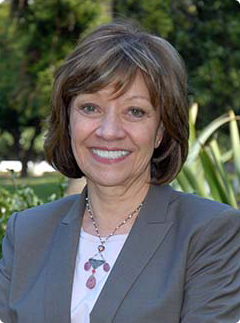
Following the opening of the Carlsbad Desalination Plant near San Diego, the largest seawater desalination plant in the Western Hemisphere, CalAgToday asked CDFA Secretary Karen Ross if she views desalination as a possible solution to the drought-induced water reductions in California.

“Desalination is an important part of the solution,” answered Ross. “Israel has really advanced this technology and there is much for us to learn about its use from Israel.”

Israel has had great success in battling drought by building many desalination plants along the Mediterranean Sea. The plants provide fresh desal water to the cities, which is used, cleaned and recycled for use on the country’s farms.

Ross continued, “I am especially optimistic about the use of practical smaller-scale desal projects to reuse our brackish water—the more inland saline water. Our researchers can use this technology to help us solve the ‘brine waste’ problem; it will absolutely be part of our new water picture. There is no single solution to our water picture, and I think we need to look to Israel to learn from their experiences as well.”

“’There is, no doubt, a cost to this new technology, but by figuring out the technology and foçusing on smaller scale projects, we should be able to scale this up to a point that will make it cost-effective,” said Ross. “Let’s face it, the value of the water it brings back for reuse is potentially going to change the price we all pay for it. But we really need to focus on improving this technology and getting those costs down as much as we possibly can.”

“The Carlsbad plant is a billion dollar investment, which is overwhelming and intimidating,” said Ross. “But when we amortize the cost and calculate what it means per household, this investment represents a very important source of supplemental water that also gives us some flexibility and resiliency for the next drought, and the one after that. Our circumstances are different than ten or twenty years ago, so the costs pencil out in a different way.”

________________________________

The Claude “Bud” Lewis Carlsbad Desalination Plant is a 50 million gallon per day (56,000 acre-feet per year (AFY)) seawater desalination plant located adjacent to the Encina Power Station in Carlsbad, California. Desalination has evolved into a desirable water supply alternative by tapping the largest reservoir in the world – the Pacific Ocean. The technology, available for decades, is at work in many arid areas of the world including the Middle East, the Mediterranean and the Caribbean. A 30-year Water Purchase Agreement is in place between the San Diego County Water Authority and Poseidon Water for the entire output of the plant. The plant has been delivering water to the businesses and residents of San Diego County since December 2015.

________________________________

Poseidon Water, the developer and owner of the Claude “Bud” Lewis Carlsbad Desalination Plant, is a privately held company that develops and invests in water projects throughout North America. Poseidon offers customized solutions to meet the water needs of municipal governments, businesses and industrial clients.

________________________________

The Huntington Beach Desalination Project is also a 50-million gallon per day facility currently in late-stage development, also by Poseidon Water. Located adjacent to the AES Huntington Beach Power Station, the plant is scheduled to be operational by 2018.
2021-05-12T11:06:00-07:00December 23rd, 2015|

Avian Influenza

Waterfowl  Migration Flyways Have Poultry Industry on Guard

By Brian German, Associate Editor

We are at the peak of migrating bird traffic flying north to south, and poultry operations throughout California and the rest of the country are looking skyward with dread. The industry aims to detect all flyways as migrating birds are suspected of spreading Asian Highly Pathogenic Avian Influenza (HPAI) A (H5N1) virus that devastated the poultry business last year throughout the Midwest with some lesser problems in California. In fact, more than 48 million birds, primarily turkeys and laying hens, were infected and had to be depopulated last year throughout the Midwest.

“These global flyways waterfowl use to move north and south and back again every year are basically like freeways,” said Maurice Pitesky, a Veterinarian and UC Cooperative Extension assistant specialist and UC Davis School of Veterinary Medicine lecturer in Population Health & Reproduction. “And in those freeway lanes,” he continued, “different birds interface with each other. We have a Pacific flyway that covers California, which can interface with the East Asia and Australian flyways. If you look at the genetics found in North America, especially in California, the genetics match some of the HPAI found in South Korea.”

Locating birds in flyways can alert poultry operations to implement immediate measures to prevent potential HPAI spreading on anything on the outside or inside of the poultry house.

_______________________________

Feral Swine Also a Problem

Pitesky noted a great abundance of feral swine in California, and the geographical extent is poorly understood. “But what we do know with respect to influenza is that although feral swine, and swine in general, are unique species, influenza viruses from humans and influenza viruses from birds can infect swine. That represents one of the ways we get new strains of Avian Influenza that could adversely affect all animals, including birds and potentially humans,” he noted.

Of course, poultry HPAI is not a problem for humans. Pitesky noted, “When people say ‘highly pathogenic,’ it has nothing to do with whether humans get it or not. The ‘highly pathogenic’ label is specifically for birds in that it makes birds sick. There is no evidence any of those strains we found in North America are zoonotic, meaning able to infect humans, at this point,” he said.

_______________________________

_________________

Biosecurity Explained – 6 Simple Steps

The USDA Animal and Plant Health Inspection Service (APHIS) wants to help poultry owners keep their birds healthy by practicing biosecurity to reduce the chances exposure to animal diseases such as avian influenza (AI) or exotic Newcastle disease (END).

APHIS advises the following consistent daily biosecurity practices:

_________________

The USDA’s Fall 2015 HPAI Preparedness and Response Plan to preventing and responding to future HPAI cases, in collaboration with industry and State partners, includes:

 Promoting improved on-farm biosecurity practices in order to prevent future HPAI cases to the greatest extent possible

 Improving HPAI surveillance in wild birds as a means to provide “early warning” risk information to States and industry

 Expanding Federal, State and industry response capabilities, including availability of personnel, equipment, and depopulation, disposal and recovery options

 Improving USDA’s capabilities to rapidly detect HPAI in domestic poultry and to depopulate affected flocks within 24 hours to reduce the environmental load of HPAI viruses and their subsequent spread

 Streamlining the processes for payment of indemnity and the cost of eliminating viruses so that producers receive a fair amount quickly, to assist them in returning to production

 Enhancing our ability to communicate in a timely and effective way with producers, consumers, legislators, media, and others regarding outbreaks and other information

 Making preparations to identify and deploy effective AI vaccines should they be a cost beneficial addition to the eradication efforts in a future HPAI outbreak.

_________________

Resources:

UC Davis School of Veterinary Medicine 

2015 Avian Influenza News (Bird Flu)

California Animal Health and Food Safety (CAHFS) Laboratory System

_________________

CDFA

Poultry Facility Biosecurity Risk Assessment Guide: “We will always be one step ahead.”

Highly Pathogenic Avian Influenza (HPAI) outbreak in the United States

Avian Entry Requirements into California Update

_________________

USDA

Animal and Plant Health Inspection Service

2015 Avian Influenza News 

Avian Influenza Disease

_________________

2021-05-12T11:17:15-07:00December 22nd, 2015|

Almond Conference Announces AIM Strategy

Annual Almond Conference Announces AIM Strategy and Improved Leadership

By Patrick Cavanaugh, Deputy Editor

Leadership was the recurring theme for the 3,000+ attendees over the three-day 43rd Annual Almond Conference, hosted by the Almond Board of California last week in Sacramento. “We are focused on the fact that the almond industry is accepting its responsibility to provide leadership for California agriculture and to use our treasure and talent to work on solutions for a lot of the problems that are very daunting,” said Richard Waycott, president and CEO of the Almond Board. “We have talked a lot about what is expected by consumers and by consumer product goods companies, which is our customer base,” Waycott noted.

At the conference, the Almond Board launched Accelerated Innovation Management (AIM), a major strategic effort designed to further increase the almond industry’s efficiency and sustainability, that features four major initiatives described by Waycott:

Water Management and Efficiency – A focus on accelerating almond farmer transition to more efficient irrigation scheduling and management practices to maximize the most crop per drop of water.  This initiative, which builds on the 33 percent reduction in water used per pound of almonds achieved by the industry over the last 20 years, includes working with farmers to fine tune irrigation techniques and adopting more advanced water management technologies.

Sustainable Water Resources – First, an exploration of how to best leverage a unique strength of the California Almond industry—its acreage—to accelerate natural flood-year groundwater recharge of aquifers. Collectively, California’s aquifers are the state’s largest water storage system; water recharged through this program would benefit all Californians, not just farmers. Second, an investigation of opportunities to recycle water from multiple sources, such as municipal wastewater, as a way of increasing overall water availability for farmers and all Californians.

Air Quality – Investigation of various methods the almond industry can help meet the Central Valley’s exacting air quality standards. This initiative will scrutinize all components of almond farming that impact air quality and evaluate opportunities to decrease emissions. This initiative will identify alternatives, such as decreased fossil fuel use, that will result in cleaner air for all those who live in California’s Central Valley—farmers, their families, and surrounding communities.

22nd Century Agronomics  A recognition that we need to better understand and then adopt the technologies that will lead California farming into the 22nd century. The Almond Board of California will lead a comprehensive exploration of almond farming techniques, bringing an exploratory mindset to consider all options as to what innovations and technical “leap frogs” will be needed to sustainably farm in the future. Each component of almond farming will be considered, from land preparation and varietal development, to equipment and processing.

Link: Almond Board of California

2016-05-31T19:27:01-07:00December 14th, 2015|

Positive Outlook for Table Grapes

Barry Bedwell: Positive Outlook for Table Grapes

By Charmayne Hefley, Associate Editor

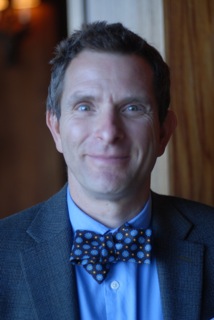
At the November 17 Grape, Nut & Tree Fruit Expo in Fresno, Barry Bedwell, president of the California Fresh Fruit Association, reported a positive outlook for table grapes this year. “Production continues to expand,” said Bedwell, “and consumer acceptance of table grapes continues to expand, particularly for exported California table grapes. That’s a real positive. We’re also seeing the development of newer varieties—more proprietary brands that are very consumer friendly.”

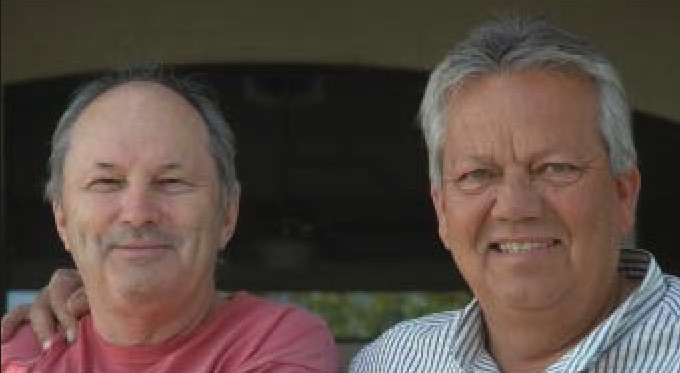
Barry Bedwell, president, California Fresh Fruit Association

Barry Bedwell, president, California Fresh Fruit Association

Bedwell said topping this year’s California Fresh Fruit Association annual Board of Directors Top 10 Issues survey are water concerns, followed by food safety and labor. “These are relatively consistent,” Bedwell said, “but we have seen some changes. Since last year, water, of course, has gone to the top of the list. Our members expressed concerns beyond the drought that encompass what future water system will allow proper conjunctive use of water—both surface water and groundwater.”

“We’ve also seen increased concern over food safety. And even though grapes are permanent crops with, I think, a low risk profile, we always have to be very concerned about food safety.

Then we have to look at the labor situation—not only the cost of labor—but also the availability. So, even though it has been stalled, the need for immigration reform is critically important. We will probably be in a defensive position in the next couple of years, compounded by increasing labor costs due to some well-intended, but I think misguided, efforts to increase wages around the state unnecessarily.”

_____________________

In 2015, the California Fresh Fruit Association survey identified the following issues as top priorities: 

  1. Water Supply/Drought Related Issues (#3 in 2014)
  2. Food Safety (#9 in 2014)
  3. Immigration reform (#1 in 2014)
  4. Health Care Mandates/Affordable Care Act (#4 in 2014)
  5. Labor Laws and Regulations (#2 in 2014)
  6. Labor Costs/Minimum Wage Increase Impacts (#5 in 2014)
  7. Groundwater Management Requirements (N/L in 2014)
  8. Water Quality Regulations (Nitrogen, Salts, etc.) (#7 in 2014)
  9. Invasive Pest Issues (#6 in 2014)
  10. Workers Compensation Issues (#8 in 2014)

(Source: California Fresh Fruit Association)

____________________

Links

Grape, Nut & Tree Fruit Expo

California Fresh Fruit Association

2016-05-31T19:27:02-07:00December 9th, 2015|

Technology Advances Agriculture

Mike Wade: Technology Advances Agriculture

By Charmayne Hefley, Associate Editor

As it improves, technology advances agriculture; growers find ways to incorporate new advances. Mike Wade, executive director of the California Farm Water Coalition, said, “Agriculture has always adopted new available technology once it becomes affordable. Farmers are willing adopters to become more efficient, whether it’s drip irrigation, soil management or reducing evapotranspiration.”

Wade said farmers are using drones on their farms to further advance their agricultural efficiency. “Drone technology isn’t something magical,” he said, “it’s simply a way to fly sensors over a field to gauge water use, evapotranspiration, plant stress, disease pressure and any number of different sensors a drone can carry to gather information for farmers to make better crop production decisions.”

Wade said, “California agriculture leads the world in food production and food quality. We have a direct partnership with consumers around the world. It’s important for agriculture to tell its story, for farmers to talk about the great improvements made with the new technology they adopt and to enhance the relationship we have with the consumers who buy our food.”

_________________

The California Farm Water Coalition was formed in 1989 in the midst of a six-year drought. CFWC was formed to increase public awareness of agriculture’s efficient use of water and promote the industry’s environmental sensitivity regarding water.

2016-05-31T19:27:02-07:00December 7th, 2015|

More Rain, More Fungi, More Use for Multiuse Fungicides

With More Rain, More Fungi, More Use for Multiuse Fungicides

By Patrick Cavanaugh, Deputy Editor

With spring rains, many vegetables, tree fruits, grapes and nuts succumb to fungi pressure. However, during the past few years, only trivial amounts of spring rain have moistened California’s soil and lulled farmers to abandon their vigilant watch for fungi proliferation. But now, the strong likelihood of El niño-driven wet weather this spring could catch growers off-guard.

“We have an El niño coming that has already been tagged, ‘Too big to fail,’ which will bring a lot of rain. So it’s really important for folks to think about switching gears this year on their pest management mindset. With more rain, comes more fungi disease. We always see really high pressure disease years with rain,” said Kate Walker a technical services representative with BASF Corporation on the Central Coast, who advises use of a multiuse fungicide product already on hand.

Anthracnose in Strawberries, UC Statewide IPM Project

Anthracnose in Strawberries (Source: UC Statewide IPM Project

Strawberries, in particular, are vulverable to fungi. “We have heard from our strawberry growers,” said Walker, “that these fungal diseases are always present in California, but they vary significantly in their severity year-to-year depending on the weather,” noted Walker.

“One major disease that accompanies higher moisture, Anthracnose, often called leaf, shoot, or twig blight,” Walker explained, “results from infection caused by the fungus Colletotrichum. I’ve heard some growers have not experienced Anthracnose issues in 10 years,” said Walker. “As it emerges and becomes more problematic in strawberries, farmers really need to know which types of fungicides to use to manage this and other diseases.”

“It is very important for farmers and PCAs to walk through and scout their fields for disease,” Walker said, “and when they identify one, to become very aggressive with their fungicide management program. So, as representatives for BASF, we are lucky to have multiuse fungicide products available to control these diseases, such as Merivon Fungicide.”

Walker noted Merivon has two modes of action, “so it is very broad-spectrum. Typically we position Merivon in California for use on powdery mildew and Botrytis, but what we seldom talk to growers about is its utility for Anthracnose. We see a lot more  Anthracnose in Florida and on the East Coast due to the increased rains; whereas, it usually doesn’t come through every year in California. So it is good to for farmers and PCSs to know that the product with which they are familiar for use in Botrytis, is also very effective with other issues, like Anthracnose.”

Walker offered, “Another very common disease that flourishes with increased rain, Rhizopus, occurs post-harvest, after the berries are picked up from the field. Again, Merivon has utility for Rhizopus as well, so growers don’t have to change or reinvent their program to manage these diseases.”

Walker said, “Rhizopus is an airborne bread mold. It is very common in the air and in the soil, so anytime a fruit or a nut is exposed to the spores blowing in the wind, it is vulnerable to infection with this disease.”

2016-05-31T19:27:02-07:00December 4th, 2015|

“The Other Drought”

“The Other Drought” in America’s #1 Agricultural State

By Charmayne Hefley, Associate Editor

California’s agriculture industry is experiencing a severe drought in terms of water shortage; however, this is not the only devastating drought in the state. Harold McClarty, owner of HMC Farms, told California Ag Today a secondary drought—“The Other Drought”—is plaguing California:  the loss of the family farmer.

McClarty explained, “I’ve taken a very liberal definition of the word ‘drought’ and tried to talk about the loss of the small farmer and the culture and values that are instilled in you when you grow up on a small farm. We’re going to lose the next generation [of family farmers] because of the consolidation of these farms.”

HMC Farms,1887 (Source: HMC Farms)

HMC Farms,1887 (Source: HMC Farms)

McClarty, whose company, HMC Farms, a grower, packer, and shipper of tree fruit and table grapes in the San Joaquin Valley, began in 1887 as a small 40-acre family farm, said his farm’s growth is representative of the progressive loss of the family farmer. When HMC Farms officially became an established company in 1987, 100 years after its establishment, he cofounder Mike Jensen began to purchase the property of family farmers who chose to leave the business when their children rejected farming to pursue careers in law, medicine and other fields.

McClarty admitted, “I’m obviously part of the problem, but this is the environment that I live and work in—that enables me to exist.” McClarty said in agriculture you’ve got to be able to do and keep up with all of the factors that go into farming. Unfortunately, the increasing work, pressures and regulations facing small family farms are overwhelming.

McClarty concluded, “the risks are so great, small farmers can’t do it anymore. They can’t keep up, and it’s just not worth it with today’s farm values.”

Of note, HMC Farms was named by the National Restaurant Association (NRA) as one of 18 Food and Beverage Product Innovation Award winners in 2012 for Grape Escape, the company’s washed and ready-to-eat de-stemmed grapes packed in single-serve two-ounce or three-ounce bags. Featuring an 18-day shelf life with no preservatives or additives, Grape Escape “meets the challenge of profitably serving healthy fresh fruit snacks year round,” according to a 2012 NRA news release.

2016-05-31T19:27:03-07:00November 19th, 2015|

Prather Ranch Receives 2015 California Leopold Conservation Award

Prather Ranch Named 2015 California Leopold Conservation Award® Recipient


SACRAMENTO, Calif. – (November 18, 2015) Sand County Foundation, the California Farm Bureau Federation and Sustainable Conservation are proud to announce Prather Ranch as the recipient of the prestigious 2015 California Leopold Conservation Award®. The award honors private landowner achievement in the voluntary stewardship and management of natural resources.

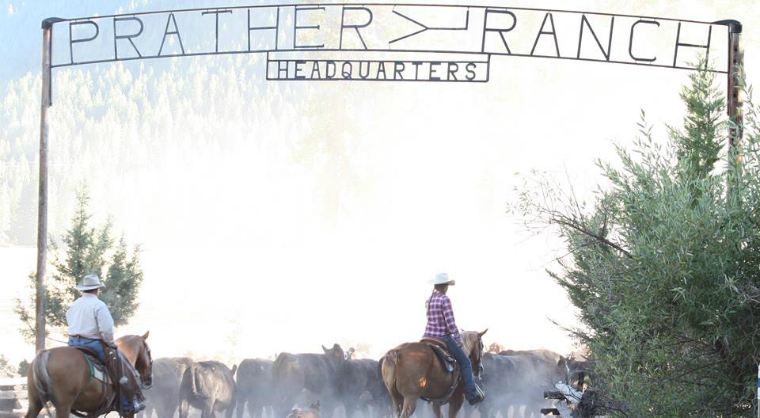
Prather Ranch, owned and managed by Jim and Mary Rickert, is a working cattle ranch headquartered in Macdoel, and stretches across five counties. Under the Rickerts’ management, Prather Ranch has grown in size, implemented conservation enhancements and established several permanent conservation easements. Over the last 35 years, Prather Ranch has continually collaborated with diverse partners to enhance the land and promote land stewardship in the community.

One of the ranch’s first efforts to promote biodiversity was taking an unusual approach to managing the wild rice fields on their land near Mt. Shasta. After rice harvest, they began tilling the stubble into the soil and keeping their fields covered in water year-round. The practice not only benefited common species of waterfowl such as Canada Geese and Snow Geese, but it also attracted shore birds like plovers and terns, previously found only on the coast.

Through conservation easements in cooperation with the Shasta Land Trust, the Rickerts have preserved some of the state’s most spectacular wildflowers and protected sensitive vernal pools and riparian areas. Prather Ranch has also planted several miles of riparian habitat along streams and irrigation canals to benefit a wide range of animals such as the California Quail and the endangered Shasta crayfish.

Jim and Mary Rickert provide community leadership, working with 4-H, Future Farmers of America, and local schools for ranch field trips and other activities.

Given in honor of renowned conservationist Aldo Leopold, the Leopold Conservation Award recognizes extraordinary achievement in voluntary conservation. In his influential 1949 book, A Sand County Almanac, Leopold called for an ethical relationship between people and the land they own and manage, which he called “an evolutionary possibility and an ecological necessity.”

“Because more than half of all land in California is privately owned, how landowners manage their properties has a dramatic and lasting effect on the environment and quality of life for all Californians,” said Ashley Boren, executive director of Sustainable Conservation. “Since the 70s, Jim and Mary have demonstrated an above-and-beyond commitment to enhancing the land, water and wildlife across a large swath of the state. And, they’ve done it in true Leopold fashion, regarding their land not simply as a commodity that belongs to them, but rather seeing their land as a community to which they belong.”

“The Leopold Conservation Award recognizes unique yet replicable strategies a farmer or rancher has developed in managing their land, to be the best steward of the natural resources,” said Paul Wenger, California Farm Bureau President. “We are honored to join Sand County Foundation and Sustainable Conservation to recognize the extraordinary efforts of California farmers and ranchers who go above and beyond in managing and enhancing our natural resources.”

The Leopold Conservation Award program inspires other landowners through these examples and provides a visible forum where farmers, ranchers and other private landowners are recognized as conservation leaders.

The 2015 California Leopold Conservation Award will be presented December 7 at the California Farm Bureau Federation’s Annual Meeting in Reno, NV. Each finalist will be recognized at the event, and Prather Ranch will be presented with a crystal depicting Aldo Leopold and $10,000.

The award sponsors also wish to congratulate the 2015 finalists for their outstanding contributions to agriculture and conservation: Bruce and Sylvia Hafenfeld, who own Hafenfeld Ranch and manage public lands in eastern Kern County, and Ken and Matt Altman, who own and manage Altman Specialty Plants in Riverside and San Diego Counties.

The California Leopold Conservation Award is made possible thanks to generous contributions from American Ag Credit, The Harvey L. & Maud S. Sorenson Foundation, The Nature Conservancy, Environmental Defense Fund, The Mosaic Company, DuPont Pioneer, and The Lynde and Harry Bradley Foundation.


ABOUT THE LEOPOLD CONSERVATION AWARD®
The Leopold Conservation Award is a competitive award that recognizes landowner achievement in voluntary conservation. The award consists of $10,000 and a crystal depicting Aldo Leopold. Sand County Foundation presents Leopold Conservation Awards in California, Colorado, Kansas, Kentucky, Nebraska, South Dakota, Texas, Utah, Wisconsin and Wyoming.

ABOUT SAND COUNTY FOUNDATION
Sand County Foundation is a non-profit conservation organization dedicated to working with private landowners across North America to advance ethical and scientifically sound land management practices that benefit the environment.

ABOUT SUSTAINABLE CONSERVATION

Sustainable Conservation helps California thrive by uniting people to solve the toughest challenges facing our land, air and water. Since 1993, it has brought together business, landowners and government to steward the resources that we all depend on in ways that make economic sense. Sustainable Conservation believes common ground is California’s most important resource. 


ABOUT CALIFORNIA FARM BUREAU FEDERATION

The California Farm Bureau Federation works to protect family farms and ranches on behalf of over 53,000 members statewide and as part of a nationwide network of more than 6.2 million Farm Bureau members. 

2016-05-31T19:27:03-07:00November 18th, 2015|

Avian Influenza Mapping Plan to Prevent CA Outbreaks

High Pathogenic Avian Influenza Mapping Plan (HPAI) to Prevent Outbreaks in California

By Patrick Cavanaugh, Deputy Editor

In 2014 and 2015, the outbreak of High Pathogenic Avian Influenza (HPAI) caused unprecedented damage to the mid-western commercial poultry industry, requiring the depopulation of 48 million birds, particularly turkeys and laying hens. There were isolated cases in last autumn in California as well. Migrating birds, generally considered to be the source of HPAI, move throughout the state in their flyways this time of year.

USDA Pacific Flyway Map

USDA Pacific Flyway Map

Maurice Pitesky, a UC Cooperative Extension population health & reproduction assistant specialist with an appointment in poultry health and food safety, emphasized the importance of the flyways, “These global flyways that waterfowl use to move north and south and back again every single year are like freeways. And in those freeway lanes, different birds interface with each other.  So, we might have a Pacific flyway that covers California, but that Pacific flyway can interface with the East Asian and Australian flyway in the Northern Arctic. If you look at the genetics of the strains that were found in North America, especially in California, the genetics match some of the HPAI found in South Korea for example,” Pitesky said.

The Avian Influenza Mapping Plan is like overlaying maps of birds’ flying patterns for an early warning system for commercial operations. Pitesky observed, “We’re really just scratching the surface in how we can utilize maps with respect to surveillance and risk-mapping. For example, if I can locate on a map, where waterfowl, flooded rice fields, or wet fields are, and I can also determine where commercial poultry operations are, then I can start understanding which operations are at highest risk.”

I can triage my focus, outreach, and biosecurity efforts to those farms that are most closely located.

“New techniques are available so our national network of weather radar can actually be leveraged, and that data can be utilized remotely to understand in real time where waterfowl are hanging out. Eventually we can use that information to warn farmers in real time if there are migrating waterfowl near their farm,” he said.

2016-05-31T19:27:03-07:00November 18th, 2015|

Bridging the Farm-City Gap

Stanislaus Outreach Bridges Farm-City Gap  

By Patrick Cavanaugh, Deputy Editor


Wayne Zipser, executive director of the Stanislaus County Farm Bureau, noted that he, his staff and farm bureau members are working hard to bridge the farm-city gap. “We certainly do a lot of outreach,” Zipser said. “We mainly try to reach out to our young people and change their attitudes towards production agriculture.”

“We teach them where their food actually comes from,” he explained, “so when they grow older, they have a different opinion and know exactly where their food comes from—not just from the grocery store off the grocery shelf. It takes a lot of people to make that happen so consumers can appreciate the nutritious food they are consuming.”

”We have several Ag Days in the County. We visit schools individually and do presentations,” said Zipser. “One of the big presentations is something we call ‘Ag Adventure.’ We bring third graders because we’ve been told that third grade is when they absorb the most information into their minds.”

“We bring classes out to the fairgrounds and introduce every child to our industry, to where their milk and eggs come from. We also talk about how rain and snow filter down into reservoirs for storage. The teachers are also become immersed; they take the lessons back to the classroom and apply them to their own curriculum.”

Zipser explained the staff is big on social media now, “Social media benefits our industry; almonds being the number one commodity—but we’ve all heard it takes one gallon of water to produce one almond. We want to go back and say, “Look, it may take that, but look at the benefits coming back to the community.”

“One of our biggest outreaches is letting people know that our farmers and ranchers are suffering through this drought too,” Zipser said. “We, as producers, are suffering, and we have made tremendous strides in conserving water. We see many of the irrigation districts in our county now have extra water that they didn’t know they were going to have because the farmers did such a good job conserving,” Zipser clarified.

2016-05-31T19:27:04-07:00November 16th, 2015|
Go to Top