Historic Temperance Flat MOU Signing

Assemblymember Bigelow on Historic July 1 MOU Signing

By Patrick Cavanaugh, Farm News Director

East of Fresno at Friant Dam last Friday, July 1, the San Joaquin Valley Water Infrastructure Authority (SJVWIA) and the United States Department of the Interior, Bureau of Reclamation signed an historic Memorandum of Understanding to coordinate and complete feasibility studies of the proposed Temperance Flat Dam. 

Historic July 1, 2016 MOU Signing for Temperance Flat Dam

Historic July 1, 2016 MOU Signing for Temperance Flat Dam

State Assemblymember Frank Bigelow, 5th Assembly District (serving a large portion of Madera County, along with all the foothill and mountain communities north of Madera to the Sacramento area) noted the critical importance of getting Temperance Flat Dam built to store freshwater for the citizens and farmers of California.

Bigelow, a Madera rancher and farmer of pistachios, figs, and persimmons, said, “This is a huge event to enable us to have additional [water] storage. I just am so thankful to the people who put the water bond forward. Without the money that the people have made possible by voting to support the water bond, none of this would be possible; that’s a clear message.”

Friant Dam and Millerton Lake State Recreation Area

Friant Dam and Millerton Lake State Recreation Area (Source: U.S. Bureau of Reclamation)

“Without water,” Bigelow explained, “none of our communities would continue to survive in the way they have for years and years. Much of the water we see is being used in different ways; it is not all going to agriculture, and it is not all going to residential. It is going to the environment. So we’ve got to divide that up by the law now, and in equal proportional value.”

“Right now,” he detailed, “Millerton Lake captures 526,000 acre-feet of [fresh] water, but we have millions of lost acre-feet that flow past every year into the Delta, then ultimately to the ocean.” Upon completion, the Temperance Flat Dam would hold more than twice the amount of water that Friant Dam holds—”especially important for capturing freshwater during heavy rain and snow years,” noted Bigelow.
 

2016-07-07T10:05:08-07:00July 7th, 2016|

Brexit Affects U.S. Agricultural Trade

Joel Nelsen’s Commentary on Washington D.C. Meetings, Brexit and U.S. Agricultural Trade

By Lauren Dutra, Associate Editor

Joel Nelsen, president of California Citrus Mutual based in Exeter, Calif., spoke about his advocacy for growers and the impact Brexit has on U.S. agricultural trade as he arrived at the Fresno Yosemite International Airport from Washington, D.C. last week. Brexit is an abbreviation of “British exit,” which refers to the June 23, 2016 referendum by British voters to exit the European Union (EU), according to Investopedia.

Nelsen explained, “There were two missions I was on while I was in Washington. One had to do with a proposal to allow lemon imports from Argentina. We’re definitely opposed to it because of pests and diseases, and a lack of transparency in that country over the last one to two decades.”

“We have a comment period,” Nelsen continued, “but we have asked for an extension on that comment period because of the scope of the rule and the economic impact, and we haven’t heard a word on that,” he said. “We met with our colleagues and friends in Washington, D.C.  Senator Feinstein, Senator Boxer and a couple of House Office Committees have agreed to make a phone call to the Secretary of Agriculture and get a determination on that,” he said.

SaveOurCitrus

@SaveOurCitrus is a free USDA iPhone app to report and identify the four leading citrus diseases: citrus greening, citrus canker, citrus black spot and sweet orange scab. Report your symptoms to SaveOurCitrus.org and upload a photo, and citrus experts will respond.

The second purpose of Nelson’s trip was to discuss trade and the impact on the U.S. economy due to the recent Brexit, as Nelsen is chairman of the Fresh Fruit and Vegetable Agricultural Technical Advisory Committee (ATAC), a national trade committee that offers information and advice about agricultural products and trade issues to the USDA Secretary of Agriculture and the U.S. Trade Representative. “People from across the country came, and we talked about trade subjects, such as the Trans-Pacific Partnership (TPP) agreement and Britain’s separating itself from the EU,” said Nelsen. “It’s obvious that this upset everybody; Ambassador Michael Froman, United States Trade Representative (USTR) who advises the president on international trade and investment issues, said, “I know what I don’t know, and I don’t know a lot right now.”

Nelson explained, “We think [Brexit] will slow down the fresh fruit and vegetable sector, as well as the passage of the Transatlantic Trade and Investment Partnership (T-TIP). According to the USDA Foreign Agricultural Service, since the U.S. market share of agricultural products and food imported by the EU—the world’s largest importer in the category—is shrinking despite continued growth of the EU market, T-TIP negotiations offer a major opportunity to address unjustified tariff and non-tariff trade barriers to U.S. exports.

“Quite frankly,” Nelsen summarized, “we’re less than excited about [T-TIP] because it didn’t address the inherent problem that we have from competition: fresh fruit and vegetable producers in the EU get a direct subsidy and growers in the United States do not.”

___________________________

Some additional members of the ATAC for Trade in Fruits and Vegetables include:

  • Julie Adams, Almond Board of California
  • James R. Cranney, Jr., California Citrus Quality Council
  • Robert Guenther, United Fresh Produce Association
  • Richard Hudgins,
    California Canning Peach Association
  • Randy Hudson, National Pecan Growers Council
  • Marcy L. Martin, California Fresh Fruit Association
  • Matthew McInerney, Western Growers
  • Ken Melban, California Avocado Commission
  • Mike Montna, California Tomato Growers Association
  • Jim A. Zion,
    Meridian Growers, LLC
2021-05-12T11:03:00-07:00July 6th, 2016|

Sparked Cultural Interest in Gardening and Locally Grown Produce

Locally Grown Food Inspires Consumers to Learn More, Garden at Home 

By Laurie Greene, Editor

Cultural changes in eating habits are sparking an added interest in locally grown produce. Scott Steinmaus, professor in the Biological Sciences Department at California Polytechnic State University, San Luis Obispo (Cal Poly SLO), outlined the surge in local produce purchasing and how it is igniting consumer interest in growing their own gardens.
“The food craze is a real big movement right now,” Steinmaus stated, “especially with urban folks. Some of the biggest scenes are the foodie craze—that farm-to-table idea of buying locally, organically-produced food.”

Scott Steinmaus, professor of Biological Sciences Department at Cal Poly San Luis Obispo.

Scott Steinmaus, professor of Biological Sciences Department at Cal Poly San Luis Obispo.

Continuing, “And the cooking shows are out of control-popular, right? Where does the food come from? It comes from here; this is what it’s all about,” he said, with pride.

The growing trends are also reinvigorating students to become more involved, according to Steinmaus. “Students are asking where their food comes from,” he commented, “and who the farmers are that produce such healthy fruits and vegetables. That is an exciting part of our discipline as well—this foodie craze, and I think our students want to become a part of that,” he reflected.

The push for local produce is also inspring more people to grow their own home gardens. “When they garden, they get it,” Steinmaus explained. “And as soon as people get their hands dirty and as soon as they produce their first tomato; there’s nothing more empowering than producing your own food,” he said, “even if it’s a little bit.”

With this renewed interest in home gardening, Steinmaus observed, many are discovering their preconceived notions of farming were not quite accurate. “We’re working with the American Horticultural Society, putting together the videos that show people farming isn’t what you might think it is; it is actually completely different.” Steinmaus said.

“Farming involves a lot more than a green thumb,” he elaborated. “It requires the understanding of growing cycles and identifying various deficiencies. It utilizes very high technology. It is producing food; there is nothing more empowering than putting food on your kitchen table that you grew in your garden, or was grown by a farmer you know just down the street, and you know his [or her] name,” said Steinmaus.

2016-07-06T17:44:22-07:00July 6th, 2016|

Joel Nelsen on Departure of UK from the EU

Joel Nelsen Comments on EU and Impact on Ag from Recent Washington D.C Trip

Yesterday, we were fortunate enough to meet up with Joel Nelsen of California Citrus Mutual at Fresno-Yosemite Airport. He filled us in about his recent trip to Washington, D.C.

Nelsen told us about the discussion he and his colleagues had with foreign trade leaders regarding imports into the United States, as well as how California Ag will be impacted by the United Kingdom exiting from the European Union.

Click below to check it out!

2016-08-03T21:10:59-07:00June 30th, 2016|

Valley Fig Growers Have Rich History

Valley Fig Growers Foresees Bright Future

By Patrick Cavanaugh, Farm News Director

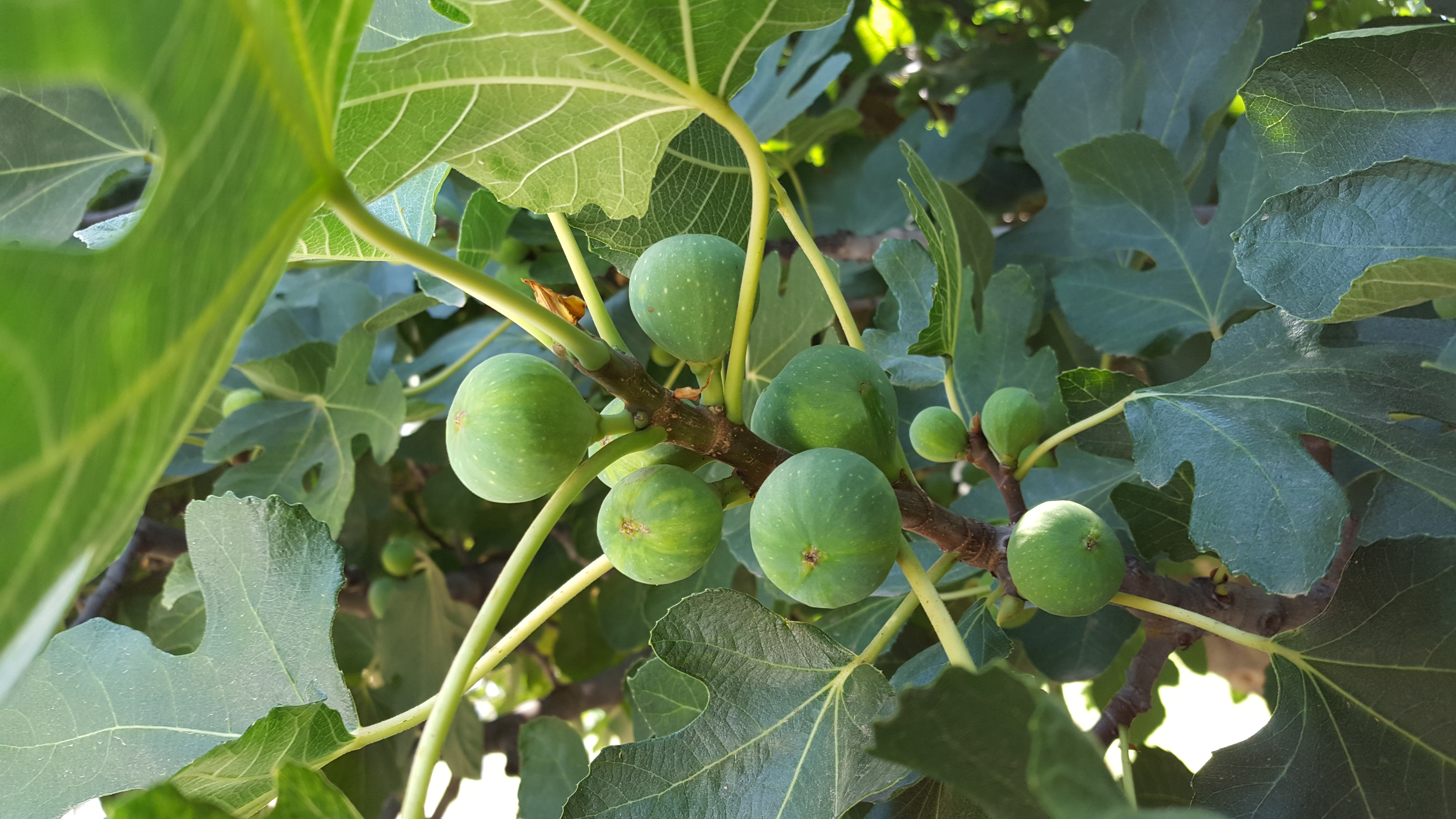
As the 2016 fig crop continues to ripen in Madera County orchards, the fig industry is finding a good balance between supply and demand. Gary Jue, president of Fresno-based Valley Fig Growers, said the association is last fig growers cooperative in the world. “Our growers, who are mainly in Madera County, produce only dried figs,”said Jue. “We do not handle any fresh figs.”

“Formed in 1959 by a group of growers,” explained Jue, “Valley Fig grower-members are our owners, and individuals like myself work at the pleasure of the board of directors and our owners. We are a very diversified dried fig company. We probably produce the largest quantity of dried fig products offered by any processor/packer.”

“Our goal is to provide innovative products to our customers,” Jue explained, “our industrial customers—food manufacturers, in particularas a way to enable them to use our products in their products. We want to be as user-friendly as we can, so we listen to consumer needs to get our product in their hands and make it easy for them to use. The more we can do that, the more successful we’ll be at with providing figs to the consumer,” he said.

Gary Jue

Gary Jue, president of Valley Fig Growers.

Fig popularity has grown over the last five to seven years, Jue said, including fresh figs in season. “That’s been very popular especially at the high-end restaurants,” noted Jue. “We’re starting to see more and more dried fig products used in entrees in high-end restaurants, and even in mid-sized-priced restaurants.”

“If you go to the renowned coffee supplier that you see in every port and city in the U.S. and abroad,” Jue said, “you’ll see our figs in a product they provide. It is great to see products like that on the shelf! Confectioners are also on the wagon, as we’re starting to see more confectionery products now made with dried figs that we had not seen in the past.”

Jue mentioned during the holiday season last year, one of the Valley Fig accounts provided a whole chocolate covered fig product that was great. “Now,” he said, “we’re looking to determine if this is going to be a seasonal item or a year-round item. That large wholesale supplier really did a great job of introducing this confectionery fig into the mainstream public marketplace. It’s not a high-end specialty item, but something that anybody can go to the retail shop everyday to buy and enjoy. That has been a great, great upshot,” Jue affirmed.

This is all good news for the fig industry because Americans tend not to be big fig consumers as the fig is not indigenous to the United States. More typically, figs are enjoyed with greater consumption throughout the Mediterranean region as they have been produced there since pre-biblical times. During Roman times, figs were given as prizes. “Through carbon dating studies,” Jue elaborated, “we have determined figs were the first cultivated food known to humankind.”

“Because the crop has been around for so long, figs are very well known in Europe. Europeans grow up eating figs, but Americans are starting to develop a palate for dried figs and fresh figs as well,” said Jue. “And for us in the fig industry, it’s great to see that occurring.”

2016-06-29T21:06:21-07:00June 29th, 2016|

Patience: How Homeowners Can Help ACP Detection

Authorities Need to Monitor ACP Detection, Confronted With Impatient Homeowners

by Patrick Cavanaugh, Farm Director

44111-CCM-Web_Headshot_Joel-Nelsen

Joel Nelsen, President of California Citrus Mutual

Joel Nelsen, the president of the Exeter-based California Citrus Mutual noted that most homeowners do not realize how intensive it is for authorities to monitor traps for the Asian Citrus psyllid (ACP) at their homes.

“Most people don’t realize how intrusive this process is,” said Nelsen. “You’ve got a member of the County Ag Commissioner’s office driving down a street. He sees a citrus tree in a front yard, or he can see it’s tall enough in the back. He knocks on the door. The homeowner’s not home, so he has to come back.”

“Later, he comes back to the home and again, knocks on the door and finds that the homeowner is home. He says, ‘Can I put a trap out here to find out if you’ve got the Asian citrus psyllid?’ The homeowner hopefully says, ‘Yes.’ He comes back in two weeks. He looks at the trap. There’s no ACP. He comes back two weeks later, and if the homeowner is home, he looks at the trap,” Nelsen explained.

“It’s a constant bother to that homeowner,” Nelsen said. “Eventually, they find more than one ACP. Then the inspector says: ‘Can I spray a crop protection material on your tree and kill the Asian citrus psyllid?’”

“Hopefully the homeowner says, ‘Yes,’” said Nelsen.

CCMLogoNelsen noted that the inspector visited five times already within a two month period, and now he needs to do inspect elsewhere, so having that homeowner be amenable to that much intrusiveness is a significant goal.

Nelsen noted, “The consumer education program that forms the partnership between us and them, from our perspective, is vitally important so the consumers understand what Huanglongbing (HLB)—the fatal citrus disease carried by ACP—is”.

“Then when you find Huanglongbing (HLB),” said Nelsen, “and hopefully it’s very minimal, that homeowner is more likely to agree that the tree must be removed. Fortunately, everybody has said: ‘Yes.’”


2021-05-12T11:03:01-07:00June 17th, 2016|

Dried Plum Prices and Production

Not on the Same Page: California Dried Plum Prices and Production

by Laurie Greene, Editor


Gary Obenauf, agricultural research coordinator for the California Dried Plums Board, confirmed, “We had a normal crop last year. Prices are still up—have been up for the last several yearsand we are anticipating pretty good prices over the next several years for dried plum production.

Obenauf attributed good prices to crop shortage. “We went through several years of depressed prices, so we adjusted by taking out a number of acres a year ago,” he elaborated. “We’ve had acreage reductions in other parts of the world as well.”

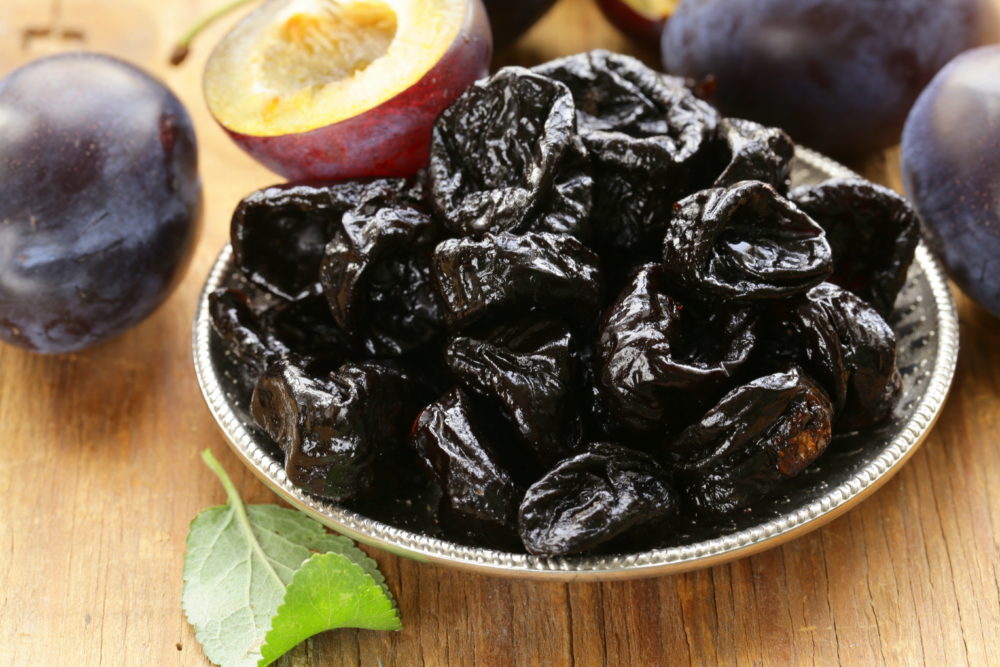
Plums UCCE prunes

Plums (Source: UCCE)

So, while production is currently adequate for the current global market, Obenauf stated, “We’re now in the planning process again, trying to increase production. It’s not an easy thing to do.”

California is the world leader in dried plum production, according to the 2015 Prune Research Reports published in January, 2016 by the California Dried Plums Board, but is almost entirely dependent on the use of a single cultivar, the Improved French prune. “This monoclonal [cells or cell products derived from a single biological clone] situation lends itself to vulnerability to widespread disease, pest outbreaks and annual, statewide variations in yield caused by variable weather conditions that can negatively or positively affect fruit set and/or fruit retention.”

CA Dried Plum BoardSo despite enduring high prices, Obenauf explained, “we actually had real good chilling this year and a real heavy bloom during the bloom time, but we got over eight inches of rain in most of the plum production arearight in the middle of full bloom. We just didn’t have the bee activity to set a good crop. We’re estimating about half a crop this year.”

“As a grower,” Obenauf said, “you don’t have the production to make ends meet well when you have a short crop. And buyers like a more secure volume level. These up and down levels don’t help anybody.”

________________________

CURRENT RESEARCH

California Dried Plum Board has directed the development of new, acceptable or superior, dried plum cultivars to increase the efficiency of California dried plum production and give some protection against the risks involved with a monoculture. To stay globally competitive, current research goals include:

  1. Reduce production cost

a.  Develop new dried plum cultivars with cost-saving characteristics such as improved tree structure that would require less pruning

b. Improve fruit dry matter content to decrease drying costs

c. Increase plant tolerance to pests and diseases.

  1. Promote a broadening of the consumer base

a. Introduce new dried plums that differ in flavor or color

b. Improve dried fruit characteristics

  1. Adapt to California’s dry, hot climate

a. Introduce greater diversity of bloom timing in seedlings so the entire Californian crop will not be dependent on the same set of weather conditions during periods critical for fruit set and retention.

Featured Photo: Plums (Source: UC ANR Cooperative Extension)

2021-05-12T11:00:53-07:00June 13th, 2016|

BREAKING NEWS: First ACP Found In Monterey County

First ACP Found In Monterey County

By Patrick Cavanaugh, Farm News Director

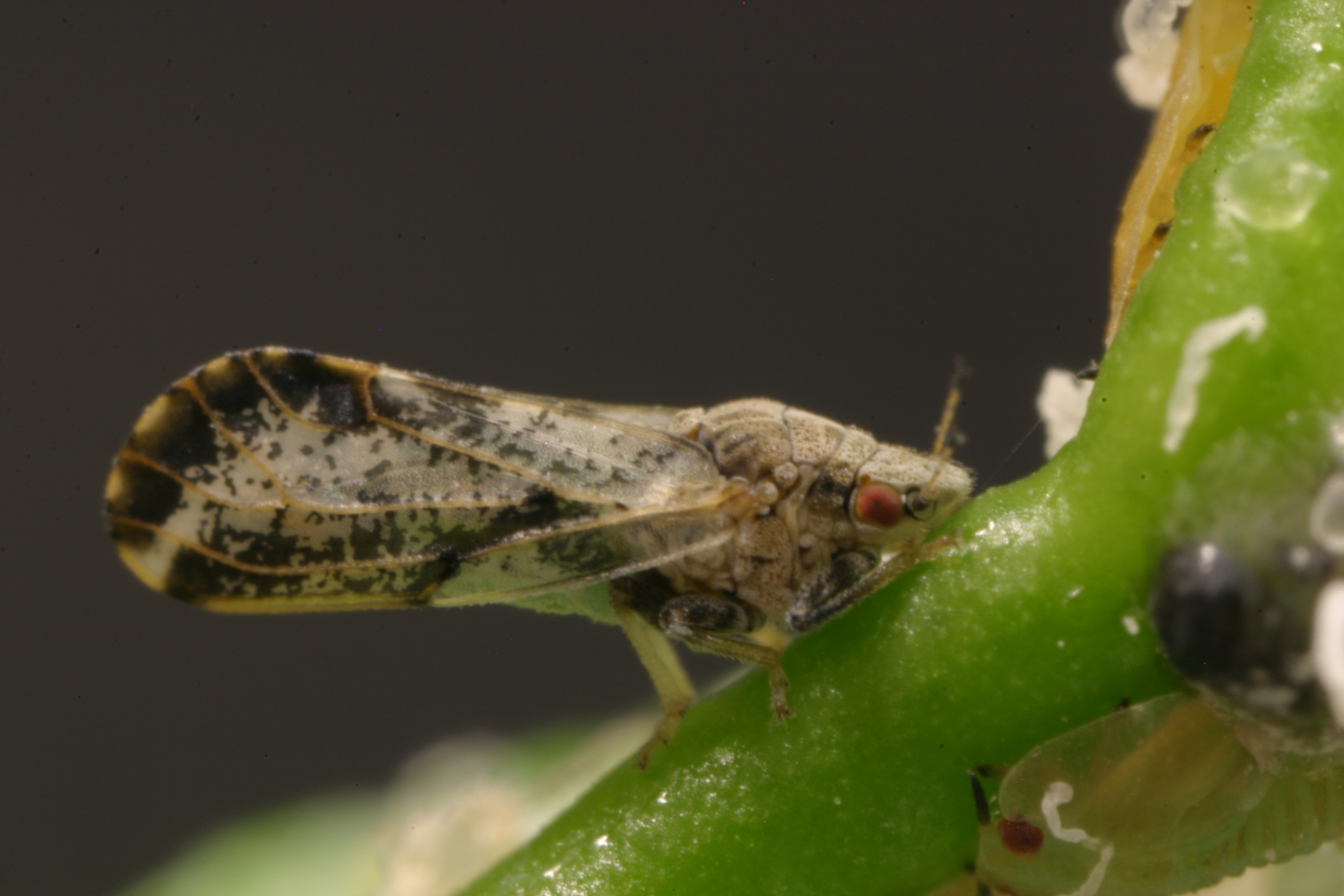
An Asian Citrus Psyllid (ACP) has been found in Monterey County, thus expanding the ACP Quarantine in the state. This is breaking news as the ACP vectors or has the ability to carry a fatal citrus bacterial disease known as Huanlongbing (HLB) or citrus greening.

Save our citrus from citrus greening

Save our citrus

“It was in a residential area of northeast Salinas,” said Bob Roach, assistant ag commissioner for Monterey County, “and it’s not really unexpected because, with the exception of Santa Cruz County, we are surrounded by other counties where ACP have been identified on the sticky traps.”

This ACP find was in a residential yard, just north of Salinas. “The most likely cause,” said Roach commented, “When you find it in a residential area, the likely source of the introduction is when people move plants around” from other regions where the psyllid is present.

The California Department of Food and Agriculture (CDFA) will begin the trapping next week,” Roach explained. “They flood the area with traps and then take care of the treatments.” CDFA will coordinate spray programs within 800 meters from the find. “They’re all set up for that,” said Roach.

Featured Image: Adult ACP (Source:  The Citrus Pest & Disease Prevention Program)

2021-05-12T11:03:01-07:00June 9th, 2016|

The Fight Against the Asian Citrus Psyllid

California Citrus Mutual on the Fight Against the Asian Citrus Psyllid and HLB

By Laurie Greene, Editor

On Saturday, June 4, 2016, Patrick Cavanaugh, California Ag Today’s farm news director, hosted iHeart Media’s Ag Life Weekend show on “Power Talk 96.7 FM Fresno and 1400 AM Visalia stations, sitting in for broadcaster Rich Rodriguez. Cavanaugh’s invited guests included Alyssa Houtby, director of public affairs, and Chris Stambach, director of industry relations for the Exeter-based California Citrus Mutual, to discuss the status of the state’s citrus industry amidst the ACP and HLB Infestation.Ag Life Weekend

The Asian Citrus Psyllid (ACP), certainly the number one pest for California citrus, can spread a bacterium known as Huanglongbing (HLB) that is fatal to citrus trees. As of 2016, 22 trees in the state have been infected with the fatal disease and had to be destroyed. The entire citrus industry of California has been and continues to be concerned that the ACP could take down the citrus industry, as it has in Florida.

Alyssa Houtby explained that the fight against ACP in California “is going well, we hope. The Florida citrus industry has been completely decimated by HLB; an estimated 90 percent of their acreage is infested with this disease.”

Asian Citrus Psyllid Evidence on New Growth (Source: California Ag Today

Asian Citrus Psyllid Evidence on New Growth (Source: California Ag Today)

“Here in California,” Houtby continued, “we saw it crop up in residential citrus before we saw it in commercial citrus. All of the HLB finds, to date, have been in the Los Angeles Basin.” Houtby said they are working diligently to keep the psyllid population down to decrease the exposure of trees to HLB.

The California citrus industry spends approximately $15 million annually on an ACP assessment program, which includes extensive public outreach. Part of the research entails trapping the pest, conducting survey work in the regions in question, applying treatments in residential areas, and managing a delimitation survey around the area of Los Angeles where the disease has populated.

“That means that we’re scouting very consistently,” explained Houtby, “looking for other trees with the disease and pulling those trees out as soon as we find them. We are doing everything we can here in California to keep the pest and disease from spreading—now that we have it,” she noted.

Alyssa Houtby, director of public affairs, California Citrus Mutual

Alyssa Houtby, director of public affairs, California Citrus Mutual

“The California industry has always been one to use a proactive approach,” Houtby elaborated. “We saw what happened in Florida, and we realized really early on that we couldn’t stand by and wait for this disease to find us. We had to actively go look for it and find it—before it found commercial citrus—and we’ve done that.” Regarding the 22 trees in the state that have been destroyed thus far, Houtby said, “It could be a lot worse if we weren’t as proactive as we are.”

When locating a positive ACP find in a residential area, Houtby noted, generally speaking, homeowners have mostly been compliant. “There are pockets in this state where folks don’t like government coming in, knocking on their door and asking to spray their trees with pesticides. We understand that. It’s an opt-in/opt-out scenario here. We’re not forcing homeowners in most cases to treat their trees.”

Chris Stambach

Chris Stambach, director of industry relations for California Citrus Mutual

“But that’s a different situation if HLB is present,” she emphasized. “Then we do. We get a warrant, and we go in and treat the surrounding trees. If we’re treating in response to an ACP find, homeowners can opt out, but overwhelmingly, they don’t. They support our program. They understand that citrus is a part of the California heritage, they like their citrus trees, and they want to keep them in their yards. They understand that the alternative to not treating is that tree will eventually die if it becomes infected. We’ve worked really hard to communicate to the general public about the seriousness of this issue. We’re pleased with the results.” Houtby said.

Chris Stambach discussed the importance of homeowners having a general understanding of the ACP, so if they find something unusual in their citrus tree, they know to call the local ag commissioner.

Stambach detailed ACP and HLB specifications to increase homeowners’ understanding about their beloved citrus trees. “HLB is symptomatic, but it takes a long time for those symptoms to show up in the tree,” said Stambach. “You really have to know what you’re looking for because some fertilizer deficiency issues in the tree will mimic what HLB looks like.”

“Though the ACP is a really tiny little bug, there are some key signs the public can look for,” explained Stambach. “You want to look for that psyllid and the little tubules it excretes on the new flush of growth—pretty much right there at the end of the terminals where all that new growth comes in the springtime and in the fall. That’s key to California, because there are only certain times of the year when that ACP is actively feeding on the citrus tree.”

California has a real benefit over the Sunshine State, where they have to spray 12 times a year to keep the psyllids at bay. “It hasn’t been effective for [Florida],” noted Stambach. “We had a couple of growers out this last winter to our Citrus Showcase. They planted new trees, 4 years old, and although they spray 12 times a year, their orchards are 100% infected with HLB. That’s the devastation that this insidious disease can bring. It’s really difficult to get your hands around it because it takes so long to be able to detect it.”

Another benefit for California citrus, according to Houtby, is, “We have a lot of areas in the state where we don’t have to spray at all because we can use beneficial insects. That’s just the great part about farming in California.”

Asian Citrus Psyllic Yellow Trap 2 (Source: Citrus Pest & Disease Prevention Program)

Asian Citrus Psyllic Yellow Trap (Source: Citrus Pest & Disease Prevention Program)

Houtby and her team often look to Florida for ideas and recommendations on what has worked for them, what hasn’t and what citrus growers here can do to prevent the disease from taking hold of their citrus. She clarified that 90 percent of the Florida citrus market is used for juice production; whereas, California is a “fresh-oriented industry, meaning that over 90 percent of our product goes into the fresh market.”

Although California citrus looks for recommendations from Florida, “here in California, there are a lot of things that we can’t afford to do because of the [fresh] market that we’re serving,” said Houtby.”  That is what we’re fighting so hard to maintain because we cannot sustain as long as Florida has; we don’t have the luxury of sending a bad-looking piece of fruit into the marketplace like Florida can, because they just juice it. Knowing that, we’re working really hard to never get to the point that Florida has reached.”

As if the dire situation in Florida couldn’t be any worse, they battled with “another deadly bacterial-based citrus disease, citrus canker, brought in from the far reaches of the world,” Stambach said. “That’s a concern we always have with importing citrus. When we import Argentine lemons, for example, we risk our domestic plant health by exposing orchards to a lot of plant diseases they have that we don’t. We want to keep those out of our country,” noted Stambach.

Abandoned citrus trees also pose problems for the industry; they can be sanctuaries for ACP. “If those trees are dead, that’s not a problem. They may look bad, but if they are not living, that’s not a problem. It’s when those trees aren’t cared for, aren’t sprayed in a normal routine, and there is a flush of new growth, the trees provide a sanctuary for the psyllids,” he said.

Abandoned Citrus

Abandoned Citrus

“And ACP are very good at finding citrus. They’ll target the perimeters of new growth on the very first citrus they find. Boom, they’re right on it,” he noted.

“Those abandoned groves create a real problem, particularly when they’re in close proximity to other commercial acreage or even homeowners,” he said. Neglected neighborhood citrus trees can become ACP sanctuaries. “ACPs will feed on them and move on to another tree, and feed there,” Stambach explained. “All that time, if an ACP is infected with the HLB bacteria, it will spread that disease, with a latency period of 2 to 5 years.”

Stambach and his team are working on a critical program in Southern California to remove abandoned citrus trees. “Sometimes it’s just getting a hold of the landowner and making them aware of the situation,” he said. “Our county ag commissioners are really key in contacting those people. We’ve had growers go in and spray their neighbor’s orchard to help them out. There are a lot of different ways to attack that problem.”

Compared to counties in the San Joaquin Valley, Riverside and Ventura Counties typically have a big-ag urban interface, which means there is a lot of acreage intermixed with home sites—small homes with citrus trees. Stambach said, “It’s not really commercial production, but it’s a significant amount of acreage with a number of trees that don’t get treated.”

“We’ve gotten some support from some of our partners in the chemical industry. Bayer CropScience has stepped up and worked with us to put together a program. We’re really happy. We’re working hard to take [ACP and HLB] out.” Stambach said.

“Fresno has even found ACPs in residential areas,” commented Houtby on the Central Valley situation. “ACPs are endemic in Southern California, but we’re still at a point in the Central Valley at which we can control these populations and knock them down really quickly when they arrive here.”CA Citrus Mutual

Houtby points to the Central Valley’s vulnerability when citrus plant material is moved over the grapevine or from the Central Coast. “We ask that homeowners, and the citrus industry as well, not move plant material out of Southern California into the Central Valley,” she stated. “The psyllid lives on that plant material and not on the fruit. If you’re going to buy a citrus tree, buy it at a local plant nursery or a local Home Depot or Lowe’s. Don’t buy it in Southern California and drive it to the Central San Joaquin Valley,” she urged.

“Our biggest task for homeowners is that they cooperate when the California Department of Food and Agriculture knocks on the door and wants to look at their trees,” Stambach said. “That is the best way you can help us win this battle against the ACP.”

Homeowners can learn how to protect their citrus trees at:

CaliforniaCitrusThreat.org

U.S. Department of Agriculture

California Department of Food and Agriculture

University of California Cooperative Extension

Contributors to this report include Patrick Cavanaugh and Emily McKay Johnson.

2021-05-12T11:05:56-07:00June 6th, 2016|

ALRB Discharges Farmworker Vote, Part 2 Exclusive Interview with Attorney Raimondo

Anthony Raimondo, “Let the People Vote!”


In an exclusive interview with Fresno attorney Anthony Raimondo, California Ag Today’s Patrick Cavanaugh discussed the significance to farmworkers of yesterday’s Agricultural Labor Relations Board (ALRB) decision to “set aside” Gerawan farmworker votes from the ALRB-sanctioned November 2013 election to decertify the UFW. Raimondo is the attorney for the UFW union decertification petitioner, Silvia Lopez, an employee of Gerawan Farming, a Fresno County diversified tree fruit operation.

California Ag Today: The central California agricultural industry is flabbergasted this week following the California Agricultural Labor Relations Board’s decision to set asideand not countthe ballots of 2,600 Gerawan farmworkers cast in 2013. What is your take on this decision?

Anthony Raimondo, Fresno County-based attorney

Anthony Raimondo, Fresno County-based attorney

Raimondo: It is unfair because from the outset, we have argued all along that this entire process has been unfair and has denied the workers their “day in court” and their due process. From the first day that Silvia Lopez walked into the ALRB office in Visalia, the greatest opposition to her filing for an election has been the ALRB itself.

We had a judge who couldn’t stay awake for the hearing. We have board members who are—shall we say at the least—biased. In the case of ALRB board member, Genevieve Shiroma, we have a person whose entire career is intertwined with the UFW’s primary paid lobbyist. There’s no way these folks can be objective in a case that has this kind of stakes in the UFW.

And this case is all about money. If they can get a contract with Gerawan, the UFW will essentially double its revenue and double its membership overnight.

California Ag Today: What is at stake for the UFW?

Raimondo: There is a clear reason why the State would end up spending $10 million on this case: They want to silence these workers and save the UFW. There is no union organizing in the field; the UFW has abandoned organizing. They’re not out there getting the workers to support and join the union.

They’re in the courtroom and in the back halls of Sacramento, making deals to take control of these workers’ future, whether the workers want it or not.

Ag LawCalifornia Ag Today: In denying the ballot votes to be counted, the ALRB said it was unfair that the employer—Gerawan in this case—gave the workers a pay raise without permission of the state government or the UFW.

Raimondo: But even with this illegitimate process, the only thing that the Board actually found was that the employer violated the law—not the workers.

So the Board is going to punish the employees by destroying their ballots, like some sort of third-world dictator. What control does the farmworker have over what the company does? What can the workers do to protect their right to vote if their right to vote can be thwarted by what a third party—the company—does?

The workers’ right to vote shouldn’t be in the hands of the company, or of the union, or of anybody else. The California Constitution says that when people cast votes in our state, those votes must be counted. That’s apparently true, unless you’re a farmworker.

California Ag Today: And the agricultural industry is asking, “How can the State of California and the state ALRB get away with this?”

Raimondo: It’s appalling what they’ve done here. It really is appalling. They’ve decided that the best way to control the behavior of an employer is to punish the workers who have no control over that employer.

You know there’s no reason that, if they believe that that election was tainted, they can’t run another election. I’ve spoken to Silvia, and Silvia’s not afraid of letting the people vote. I wonder if the UFW is as brave.

Let the people vote.

California Ag Today: Is the ALRB and the UFW requesting a new vote?

Raimondo: No, they want the farmworkers to stand off to the side and be quiet while the UFW makes the deal through political moves to take their money.

California Ag Today: What’s next?

Raimondo: We are planning, on Silvia’s behalf, to file briefs in the ongoing mandatory arbitration case that is sitting before the California Supreme Court. The UFW has a brief due and the Court has not yet set a hearing date.

We’re hoping that the Supreme Court will be kind enough to give us the opportunity to speak in that case, as the Court of Appeal did. So that case still provides us with a very real chance to vindicate the workers’ rights.

In the election case that was just decided, we are planning on filing a petition for reconsideration with the Board. We think that they need to think twice before they destroy people’s ballots.

California Ag Today: The ballots have not been destroyed at this point, right?

Raimondo: We don’t know. That’s a question only the ALRB can answer.

From my view, I would hope that they were not rushing to have a bonfire today.

I would think that because these votes are precious and irreplaceable, the Board would show the restraint to withhold taking any action on the ballots until the parties have had the opportunity to pursue the various legal options that we have to challenge this decision and make sure they are doing the right thing.

_______________

Resources:

ALRB Decision and Order Case No. 2013-RD-003-VIS, 39 ALRB No. 20, April 15, 2016)

Agricultural Labor Relations Act Employee Questions & Answers ELECTIONS

Petitioner Silvia Lopez’s Petition to Disqualify Board Member Shiroma, ALRB Case No. 2013-RD-003-VIS (39 ALRB No. 20)

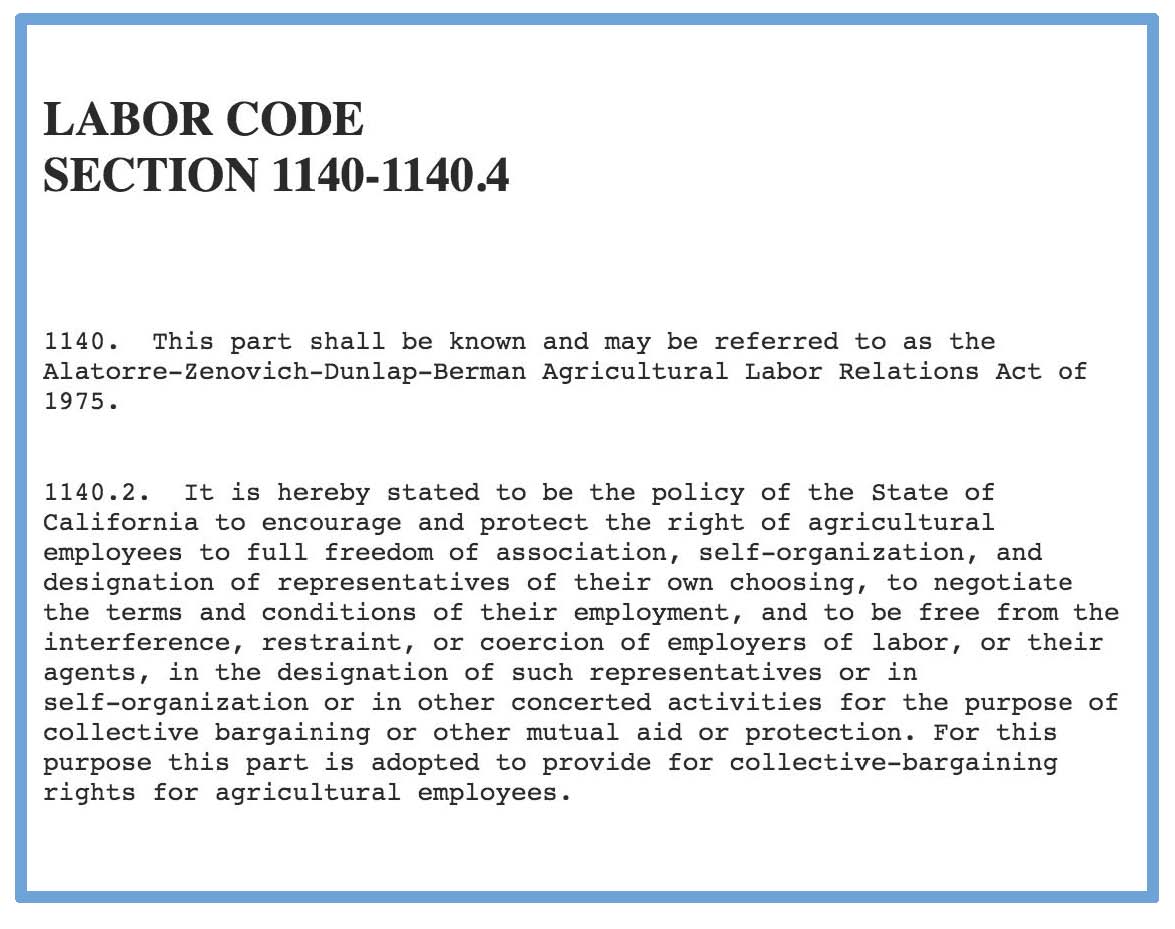
California LABOR CODE SECTION 1140-1140.4

Pick Justice

2016-05-31T19:24:06-07:00April 19th, 2016|
Go to Top