Organization is the Missing Link to Supply Chains

Grower Distribution Difficult

By Mikenzi Meyers, Contributing Editor

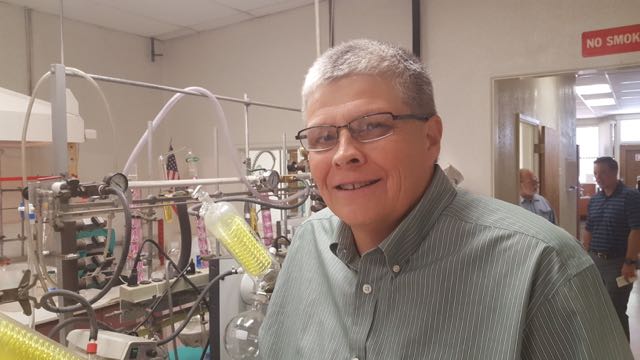
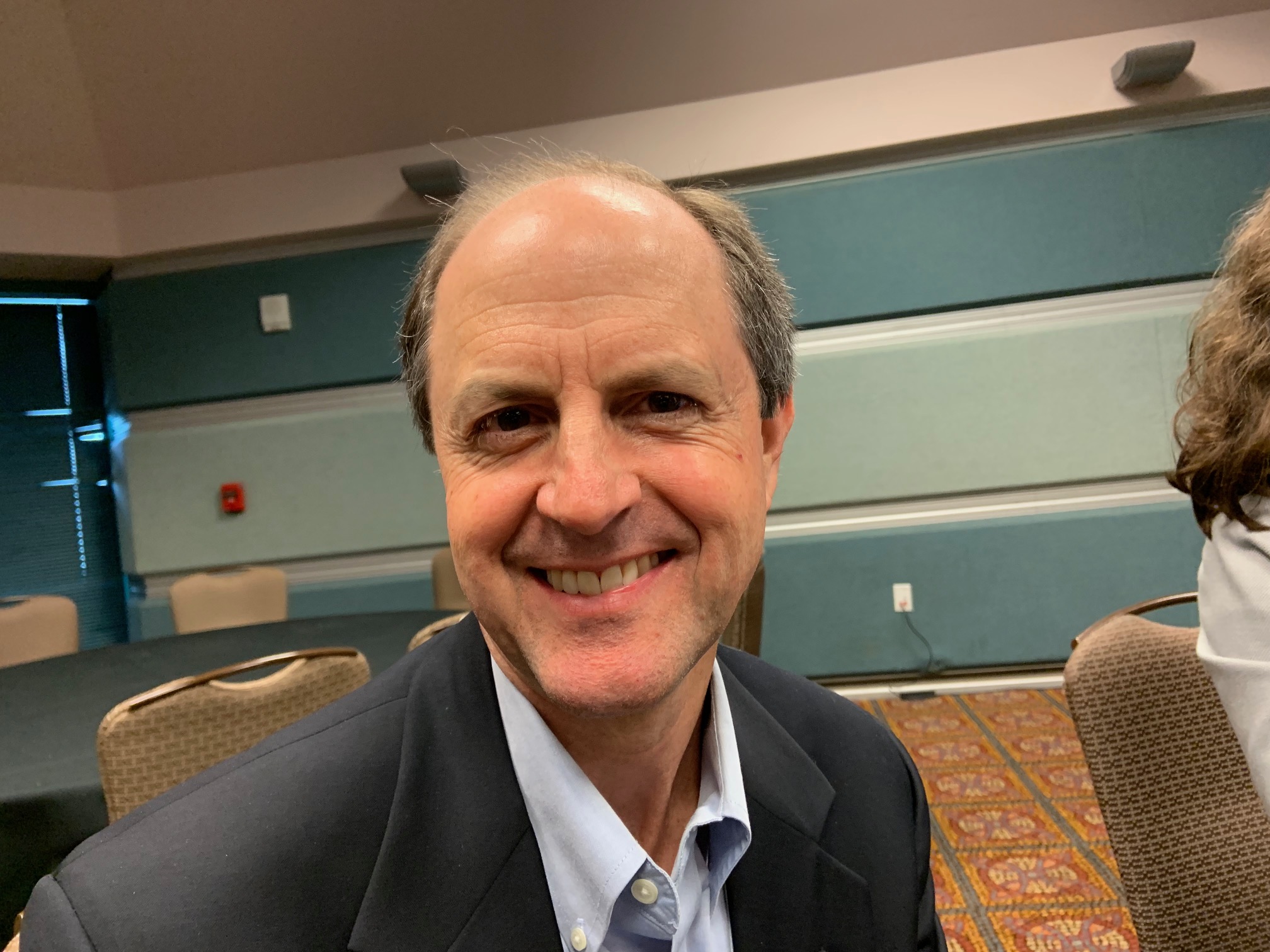
Creating a link between growers and the distributions of their commodities is becoming increasingly difficult. Aaron Magenheim with AgTech Insight based out of Salinas is helping to create a more efficient communication system to bring supply chains together.

Magenheim described a situation last year where Walmart required IBM technology in order to sell leafy greens, but when growers asked how to implement the technology, they could not get a clear answer. “We need to help move this industry forward and have the right people that work together and understand the right direction,” he said.

Another issue Magenheim has seen is the lack of data on failed trials. This is especially a problem in California, where there is a constant push to test new products. Whether it be hiring an analytics team or making sure growers record their ROI (return on investment), Magenheim said organization is the key to moving forward.
2021-05-12T11:05:03-07:00June 18th, 2019|

California Shows Decreased Use of Most-Hazardous Pesticides

There Was a Big Decline of Hazardous Material Used in 2017

News Release

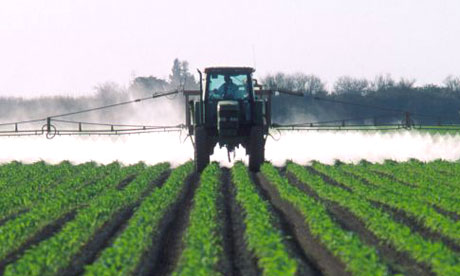
The amount of pesticides used statewide declined in 2017 according to new data from the California Department of Pesticide Regulation.  This includes a drop in many of the most hazardous chemicals, including pesticides that are carcinogens, and those with the potential to contaminate groundwater and air.

According to the 2017 Pesticide Use Report, the overall amount of pesticides used in California dropped to about 205 million pounds in 2017. That was a decrease of 2 percent from the previous year.  Agriculture use, which accounts for the greatest pesticide use in California, dropped by 3.7 million pounds (1.9 percent) from 2016. Pesticide use in other applications, including landscaping and structural pest control, also decreased in 2017. 

“This report demonstrates that California’s farmers continue to lead the way when it comes to using more sustainable pest management tools and techniques,”said Val Dolcini, Acting Director of DPR. “DPR looks forward to continuing its collaboration with growers, community groups, and other interested citizens to ensure that these pesticides are used in the safest manner possible. “

California produces nearly half of American grown fruits and vegetables, and the amount of pesticides used varies annually depending upon pest problems, weather and other factors.

You can see a short video at https://youtu.be/QKgExqdRpNM

Other highlights of the 2017 Pesticide Use Report data include:

  • The use of carcinogenic pesticides decreased by 5.6 percent to 41.7 million pounds, compared to 44.2 million pounds in 2016.
  • The use of fumigant pesticides decreased by 5.8 percent to 39.5 million pounds, compared to 41.9 million pounds the previous year.
  • The use of pesticides that are toxic air contaminants decreased by 6.4 percent to 43 million pounds, compared to 45.9 million pounds in 2016.
  • The use of pesticides with the potential to contaminate ground water decreased by 25.3 percent to 0.4 million pounds compared to 0.5 million pounds in 2016.
  • The use of pesticides identified as cholinesterase inhibitors, which can affect the nervous system, decreased by 2.6 percent to 4.2 million pounds compared to 4.3 million pounds in 2016. The pesticide chlorpyrifos is included in this category. In 2017, the use of chlorpyrifos increased by 5 percent to 946,000 pounds, compared to 903,000 pounds in 2016. However, overall use of chlorpyrifos has been decreasing for the last decade, and last month, DPR announced plans to  cancel the registration of this pesticide.
  • The use of biopesticides, which have been identified as likely to be low risk to human health and the environment, increased to approximately 8.1 million pounds. This is a 5.5 percent increase from 7.7 million pounds used in 2016.

The pesticide-use data, which has become more comprehensive in the decades since such information started being collected in the 1950s, helps support DPR in its regulatory and enforcement mission.  It can be viewed online: http://www.cdpr.ca.gov/docs/pur/purmain.htm.

2021-05-12T11:01:47-07:00June 18th, 2019|

Ag Start Provides a Place to Start for Agriculture Innovations

California Ag Start Helps Startup Companies

By Mikenzi Meyers, Associate Editor

With the help of corporate sponsors, new agriculture technology companies are making strides to improve efficiency for growers. California Ag Start, a nonprofit incubator for startup companies in the food and agricultural technology sector, is helping to process these sponsors and support innovations throughout the industry.

“We have access to our corporate sponsors who are also in the Ag Technology space, and we can access some of their science and other professionals as mentors to these startup companies,” said John Selep, President of AgTech Innovation Alliance—the 501(c)3 non-profit behind Ag Start.

One of the ways Ag Start is helping to improve efficiency in the field comes from a company using hyperspectral imagery to check nutrients in soils. “They can actually do almost a continuous scan as a plow is going through the field and develop a continuous map of the nutrient profile within that soil,” Selep explained.

Typically, when a grower tests their soil, they pick two to three spots to sample from and will not receive data on it for a couple of days. According to Selep, hyperspectral scanning will not only help eliminate that wait time, but will provide a much more detailed analysis of the entire field.

“You’d be much more precise about where you put nutrients. Just enough in the places it’s needed as opposed to blanketing the field and pouring on gallons of fertilizer,” Selep said.

2021-05-12T11:05:03-07:00June 14th, 2019|

More People Interested in Ag at Food Safety of California Convention

Agriculture Is Noble Work

By Mikenzi Meyers, Contributing Editor

A panel at the recent Food Safety of California Convention gave viewers a glimpse of hope for a brighter future in the industry. The moderator of the panel was Tom Jones, senior director of analytic sciences with the Safe Food Alliance.

Although important topics like food safety and processing were discussed by the panel, Jones found himself most impressed by the audience.

“The number of young people that are interested in agriculture and the food industry really gives you hope for the future,” he said.

Jones also said he was also pleasantly surprised by the implied support from Capitol Hill in Washington. “They are actually quite excited to be involved with agriculture. They think it’s an important or noble thing to be doing that job for their representative in Congress, which is a real shift from even a few years ago,” he explained.

The Safe Food Alliance was founded in 2016 as a sister organization to the DFA of California, a nonprofit trade association that has expanded beyond quality inspections to servicing new commodities. To find out more about the Safe Food Alliance and their services, you can visit their website here.

2019-06-13T15:45:23-07:00June 13th, 2019|

Valley Water Management Ordered To Improve Facility

Valley Water Management May Be Putting Groundwater at Risk

News Release

The Central Valley Water Regional Quality Control Board has issued a Cease and Desist Order requiring Valley Water Management Co. (VWMC), an oil field wastewater disposal center, to either bring its McKittrick 1 and 1-3 Facility into compliance with water quality regulations or stop discharging wastewater at the facility.

“Valley Water provides a valuable service to the oil industry in Kern County, but discharges from the McKittrick facility must not put groundwater beneficial uses at risk,” said Patrick Pulupa, Executive Officer of the Central Valley Water Board.  “With this Cease and Desist Order (CDO), the Board has said that if this facility cannot be brought into compliance with current regulations, discharges at the facility must cease.”

In California, water and oil are co-mingled in underground oil-bearing geologic formations, and both oil and water are brought to the surface during production. That water is called “produced water,” which is known to have naturally occurring contaminants like salinity, chloride, and boron that make the water unsuitable for human consumption or to irrigate agricultural crops.

VWMC disposes of poor-quality produced water from the South Belridge, Cymric, and McKittrick oil fields at the Facility. The Facility has 163 acres of unlined disposal ponds where, according to the company’s recent reporting, 2.8 million gallons of produced water are discharged each day.

In issuing the CDO, the Board found that the cumulative effect of disposing produced water at the facility over many decades has created a highly saline wastewater plume that is migrating to the northeast, where it threatens higher-quality groundwater designated as supporting municipal and agricultural uses.

The CDO requires VWMC to complete a full characterization of the nature and extent of wastewater impacts, an important step toward protecting the beneficial uses of groundwater. If VWMC cannot demonstrate that its discharges at the facility are not causing pollution, the CDO requires VWMC to either upgrade the facility or cease discharging produced water.

For more details, visit the Central Valley Water Board’s agenda item.

The Central Valley Water Board is a state agency responsible for the preservation and enhancement of the quality of California’s water resources. For more information, visit the Board’s website, https://www.waterboards.ca.gov/centralvalley.

2019-06-12T17:03:37-07:00June 12th, 2019|

AgTech Insight Improving Business

Customer Satisfaction is Key in AgTech

By Jessica Theisman, Associate Editor

Working in the agricultural industry demands integrity and honesty. California Ag Today recently spoke with Aaron Magenheim with AgTech Insight, a global, full-spectrum agricultural and tech consulting firm based in Salinas.  They are currently tracking 3,000 digital ag companies around the globe, allowing them to work with real companies to make a huge impact on the world’s food supply.

Magenheim started by selling weather stations 10 years ago when people started asking if he could help aid in soil moisture, imagery, and tracking equipment.

“I got to the point that I wasn’t going to a farmer saying, ‘I’m selling you something.’ I’m going to them saying, ‘Let’s see how we can improve processes and where you’re going,’” he said.

Magenheim’s focus is to help positively impact business for farmers.

Customer satisfaction is the main focus for AgTech Insight.

“If proper customer support is not achieved, then that piece of equipment is in the trash, and you are classified as a company that did not follow through,” Magenheim said. “This would result in an area where you cannot do business anymore.”

2019-06-11T16:58:11-07:00June 11th, 2019|

Food Safety in the Field and Post Harvest

Farmers See Food Safety As Critical

By Jessica Theisman, Associate Editor

There was a recent panel discussion at the Safe Food of California Convention on how to keep food safe in the field and post-harvest. Tom Jones, senior director of analytic services with the Safe Food Alliance, stated that microbial food safety is being looked at to see what the key factors are.

The morning session was focused on getting the essential points of microbial food safety, such as what to worry about, key parameters to minimize the chance of contamination, and chemical contaminants.

“California agriculture is involved in growing crops for around the world, and so there are other concerns that we have to think about, such as pesticides or mycotoxins, where regulations might be different in different countries,” Jones said.

The Safe Food Alliance has to think about what products the consumer, customers, and buyers are looking for.

Innovative ideas like Blockchain are being used to keep food safe by tracking information.

“There are alternative treatments to traditional thermal processes that maintain the freshness of the food and its nutritional quantity, but [are] also able to destroy the pathogens,” Jones said.

Experts in Sacramento are advocating for food safety every day. They also advocate for agriculture and the challenges faced both domestically and internationally.

“We talked about everything from the challenges of Immigration and Labor to proposition 65 toxins regulations, the current trade disputes internationally, and how those are impacting California agriculture,” Jones said.

2021-05-12T11:05:03-07:00June 7th, 2019|

FruitsAndVeggies.org Highlights How to Boost Health

FruitsAndVeggies.org Has Been Updated

By Jessica Theisman, Associate Editor

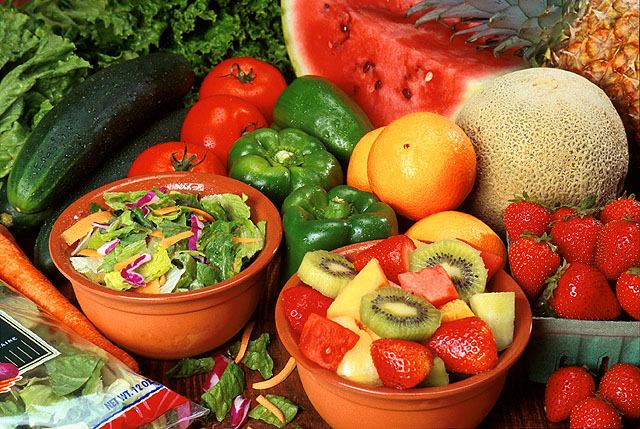
Eating more fruits and vegetables is important. California Ag Today recently spoke with Teresa Thorne executive director of the Alliance for Food and Farming, based in Watsonville She expressed the need to eat more fruits and vegetables and discussed how the website FruitsAndVeggies.org has been updated.

“Whether you choose organic or conventional, choose either with confidence,” Thorne said.

Both organic and conventional fruits and vegetables are safe.

“Experts everywhere agree that we should buy even more,” Thorne said.

Teresa Thorne

“Our website was getting a little bit old and rickety,” she explained.

The website, FruitsAndVeggies.org, was launched back in 2010. New sections on the website help readers understand the necessity of eating more fruits and vegetables.

“These new sections are kind of a fun take on our more traditional nutrition information,” Thorne said.

They also have fun facts such as how eating a lot of strawberries can help whiten teeth. And eating leafy Greens like spinach can lead to healthier hair.

“Things along those lines are just kind of fun little tidbits,” Thorne said.

“It is proven that consuming more foods and vegetables improve your mood, they’re great for you and you can be happier too if you eat more,” Thorne said.

The facts section also clarifies safety and prevention information.

“We also have another section about produce safety,” she said.

This was based on a popular blog that was published approximately one year ago. The information was consolidated it into one quick and easy section for viewers to easily read some interesting facts.

“One being that if we increased our serving by one serving of a fruit and vegetable in a day, 20,000 cancer cases could be prevented annually,” Thorne said.

2019-06-06T15:34:47-07:00June 6th, 2019|

The Key to Healthy Living

Eat Your Fruits and Vegetables with Dr. Joan Salge Blake

By Mikenzi Meyers, Associate Editor

“Eat your fruits and vegetables!” is a phrase all too often heard by children as their parents’ attempt to instill healthy living and the importance of a balanced diet from a young age. However, as they mature, it becomes just as important to make sure they stay true to the mantra. Dr. Joan Salge Blake—clinical associate professor at Boston University’s Department of Health Sciences program, registered dietitian, published author, and host of the health and wellness podcast “Spot On!”—is continuing to advocate for this message in an era surrounded by food trends and alternatives.

Joan Salge Blake

“The recommendation is to have a minimum of two-and-a-half cups of vegetables a day and two cups of fruit a day for a combination of four-and-a-half cups … and [people] are not meeting those minimum requirements,” Blake said.

The biggest reason that most miss their opportunity to complete their daily balanced diet is due to their meal group priorities throughout the day. According to Blake, “The issue is that a lot of people wait until nighttime, and if you do that, it’s going to be really hard for you to have two and a half cups of vegetables at dinner … so I think that people just forget that we need to incorporate these throughout the day.”

Aside from vegetables, she stresses the importance of incorporating all five food groups throughout your day. “What we want to do is make sure that the diet is balanced,” Blake explained. “What you don’t want to do is just eat fruits and vegetables all day long, because then you don’t have a balanced diet. Ensuring that you receive protein or calcium from dairy products is key to maintaining a diet that is balanced and proportional.”

For more science-based, useful information about health and wellness, join the already 9,000 listeners of Blake’s podcast “Spot On!”

2019-05-31T16:34:45-07:00May 31st, 2019|

Digital Technology in Agriculture Will Grow Faster

Digital Technology is Making Huge Leaps in Ag

By Jessica Theisman, Associate Editor

Digital technology is making huge leaps in agriculture. California Ag Today recently spoke with Kirk Haney, CEO of Radicle Growth, a venture capitalist fund concentrated on developing new, innovative companies focused on food, agriculture, health, and sustainability. Agriculture and construction are considered the least digitized industries in the world.

“Everything is digital, everything is being managed, measured, and it is going to happen in agriculture in the same way not only as digital is coming but it brings competition with data sharing,” Haney said.

According to him, if you do not start capturing your data and then sharing it in a way that is going to make you more competitive, your business is going to struggle.

“In terms of the incredible entrepreneurship that we are seeing, the speed at which technology is changing, processing power, chips, the power of iPhones—we are talking about the power of cloud computing and [in] another two years, the power of cloud computing will be in the palm of your hand … on the 5G network,” he said.

The cloud computing will change the way that farmers run their operations. The data stored on these devices will only help farmers increase their precision and improve their farming practices.

Truly, ag is the last frontier, and Haney believes that satellites will soon be used to detect bugs in fields.

“New camera vision technologies can actually, through thermal infrared, spot early pest detection to check out and treat whatever you need to do,” Haney said.

2021-05-12T11:00:36-07:00May 30th, 2019|
Go to Top