California Grown Branding Becomes Available to Farm Bureau Members

Through a new strategic partnership between the California Farm Bureau Federation and the Buy California Marketing Agreement, Farm Bureau members in California now have access to a 50 percent discount on California Grown branding and licensing for their agricultural commodities.

CFBF, a member of the marketing agreement, will help to promote and strengthen its California Grown brand, popularized through use of a blue-and-gold “CA Grown” license plate logo affixed to agricultural products. The joint venture provides a discounted channel for Farm Bureau members to connect with shoppers who enjoy and seek out California-grown foods and farm products.

“Farm Bureau and California Grown each recognize that people are eager to learn more about where their food comes from and how it is produced,” CFBF President Paul Wenger said. “California Grown is a powerful brand that resonates with shoppers, and we look forward to helping widen its reach.”

The purpose of the California Grown brand is to increase awareness and consumption of the state’s agricultural products among California consumers. Established 12 years ago, the California Grown program has been successful in maintaining the integrity behind the California Grown brand.

The California Grown service mark is designed to be used in advertisements, collateral materials, in-store materials and other places to indicate support of the California Grown campaign. Farm Bureau members interested in the program and seeking more information about California Grown branding may visit the California Grown website at www.californiagrown.org or phone 916-441-5302.


The California Farm Bureau Federation works to protect family farms and ranches on behalf of nearly 78,000 members statewide and as part of a nationwide network of more than 6.2 million Farm Bureau members.

2016-10-24T16:51:09-07:00April 4th, 2014|

USDA Provides Farm Bill Funding for Pest and Disease Management Programs

U.S. Department of Agriculture (USDA) Secretary Tom Vilsack announced today the allocation of $48.1 million, provided by the Agricultural Act of 2014 (the 2014 Farm Bill), to projects across the country that will help to prevent the introduction or spread of plant pests and diseases that threaten America’s agriculture economy and the environment.

The economic stakes for stopping invasive species are high, with scientists estimating the total economic cost of all invasive species to be approximately $120 billion annually.

“Invasive pests cause billions of dollars in damage each year and endanger our nation’s food security,” said Vilsack. “The funds USDA is making available today will help partners and stakeholders develop strategies, products and treatments to safeguard our farms and natural resources from invasive threats.”

USDA’s Animal and Plant Health Inspection Service (APHIS) sought project suggestions from states and U.S. territories, universities, federal agencies, nongovernmental organizations, private companies and tribal organizations that would provide a direct impact in managing pests and diseases, as well as disaster prevention.

A list of selected projects and the FY 2014 funding plan are posted at http://www.aphis.usda.gov/newsroom/2014/04/pdf/fy14_farm_bill_spending_plan.pdf

Funded initiatives include $2 million for protection against exotic fruit flies in California.

Prospective projects were evaluated by teams comprised of USDA experts and industry representatives and were selected based on criteria that supported six goals:

  • enhancing plant pest/disease analysis and survey
  • targeting domestic inspection activities at vulnerable points in the safeguarding continuum
  • enhancing and strengthening pest identification and technology
  • safeguarding nursery production; enhancing mitigation capabilities
  • conducting outreach and education about these issues.

The teams also evaluated submissions based on expected impacts of the project, the technical approach, and how submissions would complement ongoing USDA programs and other previously funded projects funded under the 2008 Farm Bill (Section 10201).

The 2008 Farm Bill has provided funding for more than 1500 projects over the last five years and has played a significant role in protecting American agriculture and educating the public about the threat of invasive species.

Visit www.Hungrypests.com during April, which APHIS has proclaimed Invasive Plant Pest and Disease Awareness Month, to learn more about invasive plant pest and diseases impacting your area and how you can help. And, join the discussion about invasive plant pests via the HungryPests Facebook page.

2016-05-31T19:38:04-07:00April 3rd, 2014|

Study Shows No Increased Cancer Incidence from Consumption of Conventional Foods

A peer reviewed study conducted by Oxford University and published in the British Journal of Cancer found that there was no difference in cancer rates of middle aged women who consumed organic foods compared to women who ate conventionally grown foods.

This research, released this week, was sponsored by a cancer research charity in the United Kingdom.  According to the charity’s health information manager, Dr. Claire Knight:

“This study adds to the evidence that eating organically grown food doesn’t lower your overall cancer risk.  Scientists have estimated that over 9% of cancer cases in the U.K. may be linked to dietary factors, of which almost 5% are linked to not eating enough fruits and vegetables.  So eating a balanced diet which is high in fruit and vegetables – whether conventionally grown or not – can help reduce cancer.”

While this study reinforces the safety of organically and conventionally grown foods, the study the Alliance for Food and Farming sent in yesterday’s update shows the clear health benefits of eating a diet rich in fruits and vegetables.  That peer reviewed study from the University College of London found that people who consume 7 or more servings of fruits and veggies a day reduces their risk of premature death by 42%.

Both studies underscore that the best advice for consumers is also the simplest:  eat more organic and conventional produce for better health and a longer life.  Both are safe and the right choice is to always eat more.

2016-05-31T19:38:05-07:00April 3rd, 2014|

Strategic Plan for the Future of Integrated Regional Water Management

DWR is developing a strategic plan for the future of Integrated Regional Water Management (IRWM) in California.

This plan will help shape the desired future for IRWM and identify measures needed for that future to be achieved.

The IRWM strategic plan will describe DWR’s future role and guide its actions for improving its support of IRWM. In addition, the plan will identify options, tools, and recommendations for others to support the practice of IRWM.

California Water Conveyance or irrigation, water managementThe Strategic Plan for water management is needed to:

  • build on the current and past successes of IRWM
  • further enable, empower, and support regional water management groups
  • better align state and federal programs to support IRWM
  • develop a shared vision for funding priorities and financing mechanisms
  • inform and influence future water management policies and investments for California

“The Strategic Plan for the Future of IRWM in California is critical for ensuring the continued advancement of sustainable water resources management.”             – Mark Cowin; Director, DWR

Today, DWR protects, conserves, develops, and manages much of California’s water supply including the State Water Project which provides water for 25 million residents, farms, and businesses.

2016-10-18T16:17:33-07:00March 27th, 2014|

Change in Policy on Fumigant Puts Farmers in Bind

Source: California Farm Bureau Federation 

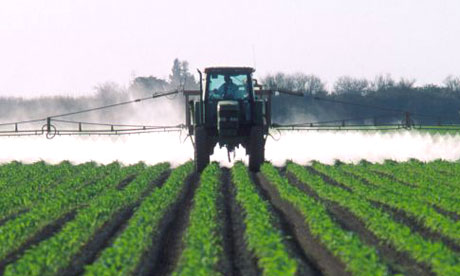
New restrictions have been placed on an important crop protection tool used on more than 40 different California fruit, vegetable, tree and vine crops.

The California Department of Pesticide Regulation has ended a policy that allows growers in certain areas—also known as townships—to acquire necessary quantities of the soil fumigant 1,3-dichloropropene—sold under the trade name Telone—above an annual allocation cap.

The amount of Telone allowed to be used annually is based on potential exposure averaged over a 70-year span. DPR had allowed more to be used when requested, with the understanding that lesser amounts would subsequently be used so as not to exceed the averaged, 70-year limit.

The affected areas are largely in Fresno, Tulare, Merced, Monterey, Ventura and Santa Barbara counties. These areas have used more than the yearly limit of 90,250 pounds set for each township, which is 36 square miles. Some 450 townships in 42 counties use 1,3-D, with about 10 townships likely to be affected by the new policy, according to DPR.

Growers of crops such as sweet potatoes, almonds, walnuts, grapes and strawberries use 1,3-D as a preplant soil fumigant to give their ground a clean start and protect their crops against nematodes and diseases that result in lower yields and quality.

Fumigants continue to face tighter regulatory restrictions, leaving growers with fewer pest management options and less-effective materials. With the international phase-out of methyl bromide, growers have increasingly turned to alternatives such as 1,3-D, and they say the latest limits on the product erode their ability to produce their crops.

“Food costs are going to go up,” said David P. Souza, a sweet potato grower in Merced County, “because the less we produce, the more it’s going to cost. Hopefully, people are ready to adjust to that.”

DPR officials said they understand that no longer granting the exemptions will present challenges for farmers. But DPR Director Brian Leahy said the department “believes in being very protective when it comes to fumigants.”

“We continuously evaluate their use,” Leahy said, noting that DPR has been reviewing 1,3-D since 2009 to assess its toxicity and risk. The department said it expects to complete the study in 18 months.

David Doll, a University of California pomology farm advisor in Merced County, said the change in DPR policy has created a real bind for almond growers who had made planting decisions based on the belief that they would be able to fumigate with Telone.

“I think it caught a lot of people by surprise,” he said. “There were a lot of farmers who were expecting (the cap) to be raised and more Telone to be released, and when it wasn’t, I was getting one call after another from farmers who said they weren’t getting any Telone and they didn’t know what to do with regard to planting their almond orchard.”

He said he’s been advising almond farmers to treat what they can with the limited Telone, if they can get it, and then consider applying chloropicrin, which he said is less effective in managing nematodes but works well against Prunus replant disease. Doll said after seeing his own trial work, he consistently recommends fumigating before replanting.

“I’ve seen the stuff work. I’ve watched orchards developed with and without fumigants,” he said, noting that fumigated trees not only produce a crop earlier, but they have higher yields and also use water and nutrients more efficiently.

“If we have an efficient-running operation, we then can trim back our nitrogen, our water and maintain same or greater production,” Doll added.

Merced County farmer Bob Weimer, who grows sweet potatoes, almonds, walnuts and peaches, said the new policy on Telone comes at an especially difficult time when growers are already struggling with dwindling water supplies due to drought.

“If we’re hindered with disease issues underground attacking the roots, then the problems become exacerbated with a shortage of water,” he said.

He said growers’ inability to control pests and diseases wastes critical resources such as water, fertilizer and labor, and undermines the sustainability of the land.

2016-05-31T19:38:06-07:00March 26th, 2014|

Salmonella Data Now at Your Fingertips

Forty years of Salmonella data, a major cause of food poisoning, is now available to the public, the food industry, and researchers in a new report from the Centers for Disease Control and Prevention (CDC).

The data, collected by state and federal health officials, provides a wealth of information on Salmonella, the top foodborne cause of hospitalizations and deaths in the United States.

Available for hands-on web access for the first time, the Atlas of Salmonella in the United States, 1968-2011 summarizes surveillance data on 32 types of Salmonella isolates from people, animals, and other sources. The information is organized by demographic, geographic and other categories.

“Salmonella causes a huge amount of illness and suffering each year in the United States. We hope these data allow researchers and others to assess what has happened and think more about how we can reduce Salmonella infections in the future,” said Robert Tauxe, M.D., deputy director of CDC’s Division of Foodborne, Waterborne and Environmental Diseases. “The more we understand Salmonella, the more we can make progress in fighting this threat all along the farm to table chain.”

CDC estimates that Salmonella bacteria cause more than 1.2 million illnesses each year in the United States, resulting in more than 23,000 hospitalizations and 450 deaths.

Salmonella infections most often cause vomiting or diarrhea, sometimes severe. In rare cases, Salmonella illness can lead to severe and life-threatening bloodstream infections.

By providing data by age, sex, geography, and season of the year in a downloadable format, the Atlas allows users to view national trends in reported cases of human Salmonella infection over time, problems in specific geographic areas, sources of Salmonella, and the connection between animal and human health.

Serotyping has been the core of public health monitoring of Salmonella infections for over 50 years. Now, scientists use DNA testing to further divide each serotype into more subtypes and to detect more outbreaks.

With the next generation of sequencing technology, advancements continue as the laboratory can find information about the bacteria in just one test.

The data presented likely represent just the tip of the iceberg since many cases of human salmonellosis are not diagnosed and reported to the health department. This underreporting may occur because the ill person does not seek medical care, the health care provider does not obtain a stool culture for testing, or the culture results are not reported to public health officials.

The Salmonella group of bacteria has more than 2,500 different serotypes, but fewer than 100 cause the vast majority of infections in people. Older adults, people with weakened immune systems, and children under five years old have a higher risk for Salmonella infection. Infections in these groups can be more severe, resulting in long-term health consequences or death.

To access the Atlas, please visit http://www.cdc.gov/salmonella/reportspubs/salmonella-atlas/index.html.

For more information on Salmonella, please visit: http://www.cdc.gov/salmonella/.

For more information on food safety, please visit: www.foodsafety.gov.

For more information about preventing Salmonella infections, please visit: http://www.cdc.gov/salmonella/general/prevention.html.

If you have any questions, please contact:  CDC Media Relations at (404) 639-3286.

2017-09-03T01:26:27-07:00March 26th, 2014|

2014 AG Trends

 2014 Ag Trends and Land Values


By Patrick Cavanaugh, Editor

At the Outlook 2014 California Agriculture Thriving Through Change meeting about ag trends and land values, this week in Fresno, the crowd was upbeat despite the drought and regulations facing the farming industry.

Nat Dibuduo

Nat DiBuduo

Nat DiBuduo, President of the Allied Grape Growers is also an Accredited Farm Manager and President of the California chapter of American Society of Farm Managers and Rural Appraisers (ASFMRA), which hosted the conference.

“We talked about a lot of different commodities today starting out with citrus and ending with the dairy industry. And I am really happy to say that everyone, including the dairy industry are on a high,” DiBuduo said. “We do have our challenges; we have the drought issues and how that it is affecting things, but I would still say that California agriculture is positioned for a good future.”

“Granted, we have regulatory issues, drought issues, immigration issues to deal with, but the messages of the day’s meetings were positive,” noted DiBuduo.

It was also announced that ag land prices in all areas of the state and nearly all commodity prices are up.


2016-05-31T19:38:07-07:00March 22nd, 2014|

PLF On 9th Circuit Biological Opinion

PLF statement on 9th Circuit Upholding Delta Smelt Biological Opinion

Last Week, a panel of the Ninth Circuit largely upheld the federal government’s 2008 “biological opinion” for the delta smelt, a regulation under the Endangered Species Act has that triggered draconian restrictions on water deliveries from the federal and state water projects to the San Joaquin Valley and Southern California.

Pacific Legal Foundation (PLF) attorneys represent some of the farmers in the case who are challenging the biological opinion as an abuse of federal power based on questionable science and shoddy regulatory procedures.

Damien Schiff, a principal attorney with PLF who represents farmers in the case, issued this statement today, in response to the Ninth Circuit’s ruling:

“The Ninth Circuit has done a reverse rain dance for California, practically guaranteeing that the impacts of our current drought will be more devastating,” said PLF Principal Attorney Damien Schiff.   

“The ruling gives judicial blessing to regulations that impose real punishment on people with only speculative benefits for a declining fish species.   Under these draconian regulations, water is withheld from farms, businesses and communities from the Central Valley to San Diego based on sloppy science and ideological agendas.    

“There’s a drought of common sense in the bureaucracies that impose these regulations – and in the perverse legal precedents that lead courts to uphold them.  In one notorious precedent, TVA v. Hill, the U.S. Supreme Court said the Endangered Species Act gives absolute priority to species over everything else, including the general welfare of the human community.    

We must all hope that California’s water crisis – made worse today by the Ninth Circuit – can prod the U.S. Supreme Court to reconsider its past decisions that are leaving us so parched.    

Indeed, the one hopeful aspect of today’s ruling is there’s a possibility the smelt case could get to the Supreme Court.  There, it might result in a decision that turns the tide of environmental law away from imbalance and zealotry, and back toward sanity.”

2021-05-12T11:06:02-07:00March 17th, 2014|

March 31st deadline for enrollment in Nutrients-on-Demand (NOD) management program

Nutrients-on-Demand (NOD) is an educational program developed by Western United Dairymen, California Dairy Quality Assurance Program (CDQAP) and Sustainable Conservation.

NOD aims to help dairy producers improve the accuracy of applying liquid manure to fields to increase the efficiency of nutrients while maintaining yields.

The program provides easy-to-use diagnostic tools that help you track your nutrient application rates based on crop demand and identify manure infrastructure needs and funding opportunities.

NOD consists of three meetings that provide training on field nutrient balance. The program will work with you to develop a plan for a trial field, review your results in the diagnostic tool and identify areas for improvement.

NOD runs from March 2014 through November 2014. The program requires the dairy producer and/or irrigator to attend meetings.

Benefits of NOD include improved nutrient application amounts and timing, covered cost of lagoon samples for 2014, covered cost of time spent with your own consultant, provision of 24-hour lagoon sample results, and identification of programs that may assist with infrastructure improvements.

The application deadline is March 31st, 2014. Please contact John Cardoza, Project Manager at (209) 576-7731.

2016-05-31T19:38:53-07:00March 5th, 2014|

California Milk Production in 2013

Sources: CDFA Dairy Marketing and Milk Pooling Branches

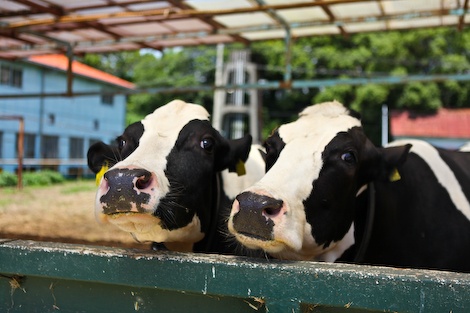
In 2013, 33 California counties recorded milk production, indicating that a total of 41.2 billion pounds were produced.

IMG_2709

This statistic represents a 1.3 percent decrease in overall milk production compared to that of 2012.

The top 10 milk producing counties were responsible for 94.9 percent of total California milk production; among the top three counties were Tulare, Merced and Stanislaus counties.

They alone were responsible for 52.9 percent of all the milk produced in California.

Fresno County showed the largest increase in milk production with a 2.02 percent increase, whereas, Southern California counties San Bernardino and Riverside showed the largest decrease.

Compared to 2012, milk production in San Bernardino went down 21.36 percent and decreased by 9.28 percent in Riverside, respectively.

2017-09-03T00:40:07-07:00March 5th, 2014|
Go to Top