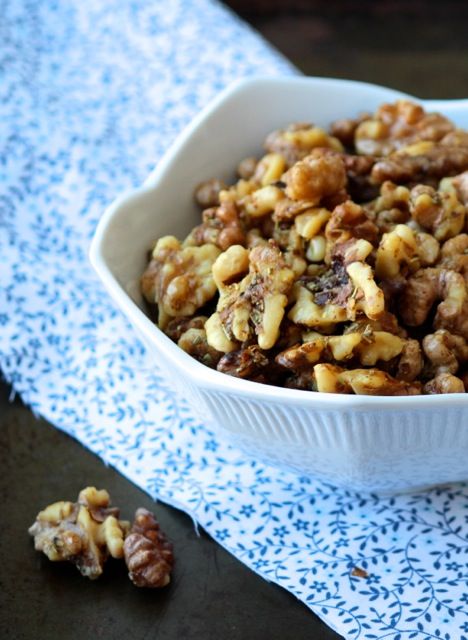
A Cross Sectional Study of the Association between Walnut Consumption and Cognitive Function among Adult US Populations

Objective: To examine the association between walnut consumption and measures of cognitive function in the US population.

Design: Nationally representative cross sectional study using 24 hour dietary recalls of intakes to assess walnut and other nut consumption as compared to the group reporting no nut consumption.

Method: Setting: 1988-1994 and 1999-2002 rounds of the National Health and Nutrition Examination Survey (NHANES). Population: Representative weighted sample of US adults 20 to 90 years of age. The Neurobehavioral Evaluation System 2 (NES2), consisting of simple reaction time (SRTT), symbol digit substitution (SDST), the single digit learning (SDLT), Story Recall (SRT) and digit-symbol substitution (DSST) tests.

Results: Adults 20-59 years old reporting walnut consumption of an average of 10.3 g/d required 16.4ms less time to respond on the SRTT, P=0.03, and 0.39s less for the SDST, P=0.01. SDLT scores were also significantly lower by 2.38s (P=0.05). Similar results were obtained when tertiles of walnut consumption were examined in trend analyses. Significantly better outcomes were noted in all cognitive test scores among those with higher walnut consumption (P < 0.01). Among adults 60 years and older, walnut consumers averaged 13.1 g/d, scored 7.1 percentile points higher, P=0.03 on the SRT and 7.3 percentile points higher on the DSST, P=0.05. Here also trend analyses indicate significant improvements in all cognitive test scores (P < 0.01) except for SRTT (P = 0.06) in the fully adjusted models.

Conclusion: These significant, positive associations between walnut consumption and cognitive functions among all adults, regardless of age, gender or ethnicity suggest that daily walnut intake may be a simple beneficial dietary behavior.

2016-05-31T19:30:29-07:00February 24th, 2015|

USDA announces $9 million to support Community Food Projects program

The U.S. Department of Agriculture’s (USDA) National Institute of Food and Agriculture (NIFA) announced the availability of $9 million in funding to assist low-income individuals and communities in developing local and independent food systems. NIFA is funding the grants through the Community Food Projects program (CFP), authorized by the Agricultural Act of 2014 (Farm Bill).

“Community Foods Projects provide the opportunity for low-income communities to become more self-reliant and take control of their own food systems,” said Sonny Ramaswamy, NIFA director. “These projects create food systems that are economically equitable and socially and environmentally sustainable, providing real solutions for communities most in need.”

Community Food Projects involve the entire food system. Projects assess strengths and establish connections among existing food systems, resulting in improved food systems that support self-reliance.

Grants are intended to help eligible, private, nonprofit entities in need of a one-time installment of federal assistance to establish and carry out multipurpose community food projects. Projects are funded from $10,000 to $300,000 and up to 36 months. All grants require a dollar-for-dollar match in resources.

Applications are due March 17, 2015. Please see the request for applications for specific program requirements.

CFP is an important part of USDA’s Know Your Farmer, Know Your Food initiative, which works to strengthen and support local and regional food systems. More information on the initiative, including an interactive map of CFP and other federally-supported local food projects, can be found at: www.usda.gov/knowyourfarmer.

The primary goals of the Community Food Projects program are to (1) meet the food needs of low-income individuals; (2) increase the food self-reliance of low-income communities; (3) promote comprehensive responses to local food, farm and nutrition issues; and (4) meet specific state, local or neighborhood food and agricultural needs, including needs relating to infrastructure improvement and development, planning for long-term solutions and the creation of innovative marketing activities that mutually benefit agricultural producers and low-income consumers.

Since 2009, NIFA has provided more than $28 million to 154 Community Food Project awards in 48 states to help communities improve access to healthy, local food. Past projects include Philadelphia Green, which supports small-scale growers in their efforts to bring fresh, locally grown produce to the Philadelphia metro area, and RootDown LA, which is engaging Los Angeles-area youth in community gardens.

Funding for the CFP program is authorized by the 2014 Farm Bill. The Farm Bill builds on historic economic gains in rural America over the past six years, while achieving meaningful reform and billions of dollars in savings for taxpayers. Since enactment, USDA has made significant progress to implement each provision of this critical legislation, including providing disaster relief to farmers and ranchers; strengthening risk management tools; expanding access to rural credit; funding critical research; establishing innovative public-private conservation partnerships; developing new markets for rural-made products; and investing in infrastructure, housing and community facilities to help improve quality of life in rural America. For more information, visit www.usda.gov/farmbill.

2016-05-31T19:30:29-07:00February 23rd, 2015|

USDA Approves Apples Genetically Engineered to Resist Browning

Source: Food Safety News 

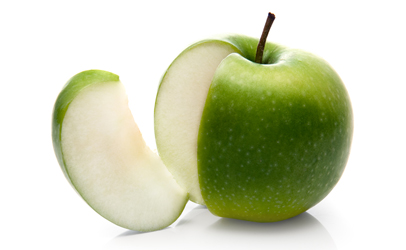
The U.S. Department of Agriculture has decided to approve new types of apples that have been genetically engineered not to brown as quickly after being cut.

Okanagan Specialty Fruits Inc., the company that developed the Arctic Granny and Arctic Golden varieties is currently engaging in a voluntary food safety assessment consultation with the Food and Drug Administration regarding the varieties.

USDA’s Animal and Plant Health Inspection Service (APHIS) said it made the decision to deregulate the apples and allow them to be commercially planted after assessments showed that “the GE apples are unlikely to pose a plant pest risk to agriculture and other plants in the United States” and that “deregulation is not likely to have a significant impact on the human environment.”

Over time, Arctic apples will age, turn brown and rot like any other fruit, but they’ve been genetically engineered to produce less of the substance that causes browning. When the apples are sliced or bruised, the fruit’s flesh retains its original color longer instead of turning brown.

Consumer groups opposed to genetically modified foods have indicated their disapproval of USDA’s decision.

“The USDA has neglected to look at the full range of risks from these apples,” said Wenonah Hauter, executive director of Food & Water Watch. “In its environmental assessment, the USDA glossed over the possibility of unintentional effects associated with the technology used to engineer these apples, potential economic impacts on the U.S. and international apple market, effects of potential contamination for non-GMO and organic apple growers and the impact of the non-browning gene silencing which also can weaken plant defenses and plant health.”

“Pre-sliced apples are a frequently recalled food product,” noted the Center for Food Safety. “Once the whole fruit is sliced, it has an increased risk of exposure to pathogens. Since browning is a sign that apples are no longer fresh, ‘masking’ this natural signal could lead people to consume contaminated apples.”

APHIS said that of the many comments it received on its draft analyses of Arctic apples, some addressed safety concerns and how Arctic apple production might impact exports of U.S. apples abroad. The agency pointed out that under its regulations and the Plant Protection Act, it can’t base its final decision on these factors, but only on the analysis of plant pest risk to agriculture or other plants in the U.S.

If there is enough consumer demand for Arctic apples, it would be several years before producers could grow the fruit. If the apples turn up in grocery stores, they’ll be recognizable by their name, but there are concerns that if the fruit is cut up and used in other foods, consumers won’t necessarily know that the apples were genetically engineered.

The Environmental Working Groups said that the approval of Arctic apples “underscores the need for a transparent and consistent national labeling standard.”

USDA’s announcement came the day after Sens. Barbara Boxer (D-CA) and Richard Blumenthal (D-CT) and Rep. Peter DeFazio (D-OR) reintroduced legislation to label genetically engineered food.

2016-05-31T19:30:30-07:00February 19th, 2015|

Bayer CropScience Gives $100,000 to Sponsor Project Apis m.’s Honey Bee Forage Program

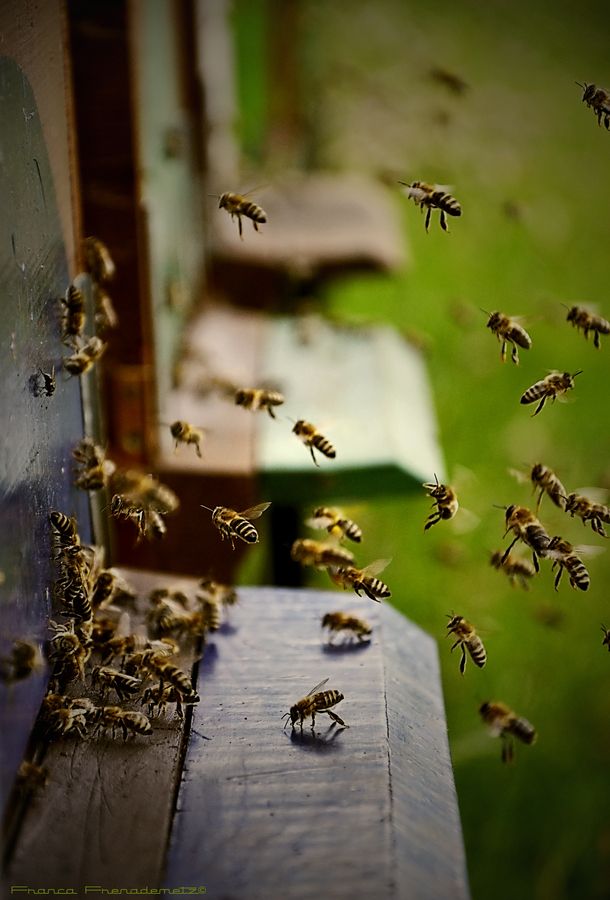
Every year, more than 1.7 million honey bee colonies are brought to California’s Central Valley to pollinate the vast expanses of almond orchards. Many bees arrive in the fall when little is in bloom to escape their native cold temperatures in anticipation of the world’s largest pollination event.

Prior to and after the almond orchard’s bloom in late winter and spring, there is a shortage of food to help the bees survive. Bees’ food consists of nectar and pollen gathered from blooming plants.

To help address the pre- and post-bloom food challenge, Bayer CropScience is giving $100,000 to Project Apis m., a nonprofit organization dedicated to better bee health through its work with growers. Project Apis m. will use the funds to provide seed mixes to growers in California and Washington who have agreed to plant cover crops for honey bees before and after almond bloom and other key seasons. The project will help build a healthier bee population to support crop pollination nationwide as bee colonies are transported to other states for other growing seasons.

“This initiative is a direct response to the lack of adequate forage needed to keep honey bees healthy and thriving,” said Jim Blome, president and CEO of Bayer CropScience LP North America. “In 2015, Bayer CropScience is committed to research and partnerships that will make a positive impact on honey bees.”

Bayer’s expanded partnership with Project Apis m. will complement its joint field research projects conducted on fence rows near almond orchards at Bayer’s Western Bee Care Technology Station in Fresno, California. Findings from Bayer’s research with Project Apis m. show that forage plantings also can have benefits for growers.

If growers allow forage plantings adjacent to fields, rather than planting from fence row to fence row, they can reduce the loss of irrigation water, better manage soil quality and weeds, and help support wildlife, including pollinators. Local growers and landowners will plant the provided seeds on land with crops and on nearby plots to help ensure direct benefit to them and nearby bee colonies.

“With funding from Bayer, Project Apis m. will be able to work with growers to plant more acres of honey bee habitat right where it can be accessed by honey bees before the almond crop’s first bloom around Valentine’s Day,” said Christi Heintz, executive director of Project Apis m. and liaison to the Almond Board of California’s Bee Task Force. “Additionally, with Bayer’s help from its Fresno Research Station, we know the best plant species and mixes to use to feed bees and save them from starving.”

Project Apis m. will work with almond and other growers to get commitments for cover crops that will be planted in Fall 2015.


2016-05-31T19:30:30-07:00February 17th, 2015|

Nuts May Prevent Cancer

Nut Consumption May Prevent Cancer

The review, carried out by Marco Falasca, Ilaria Casari and Dr. Tania Maffucci at The London School of Medicine and Dentistry, Queen Mary University, found evidence suggesting eating nuts may prevent cancer by providing a protective effect—chemoprevention—in cancers including colorectal, pancreatic and endometrial cancer in women and prostate cancers in men.

It is already well established that increased nut consumption is associated with a reduced risk of major chronic diseases, such as cardiovascular disease and type 2 diabetes mellitus, but the team also identified research showing a significant inverse association between nut consumption and death from cancer. Based on their findings, the authors suggest that nut consumption should be considered as a tool of intervention to reduce the burden of cancer.

The review highlighted a range of components that nuts contain that may contribute to their anticancer properties, including antioxidant and anti-inflammatory components as well as a range of phytochemicals, vitamins and micronutrients, plus dietary fiber, of which nuts are a rich source.

Professor Falasca commented, “Although there is strong evidence that nut consumption is related to the prevention of several diseases including cancer, more support is needed to research the mechanism of action and to find a direct correlation. We’re also a step in the right direction to support the claim that we should have nuts as one of our five-a-day portions of fruit and vegetables in order to prevent diseases.”

Globally, cancer is on the rise; the World Health Organization (WHO) reports there were more than 14 million cases of cancer diagnosed and 8.2 million deaths in 2012, up from 12.7 million cases and 7.6 million deaths in 2008. By 2025, more than 19 million cancer diagnoses are predicted. Up to 40% of cancer cases are estimated to be linked to unhealthy lifestyle habits such as smoking, being overweight, alcohol consumption, low fruit and vegetable intake, occupational hazards, and exposure to sun and sunbeds.

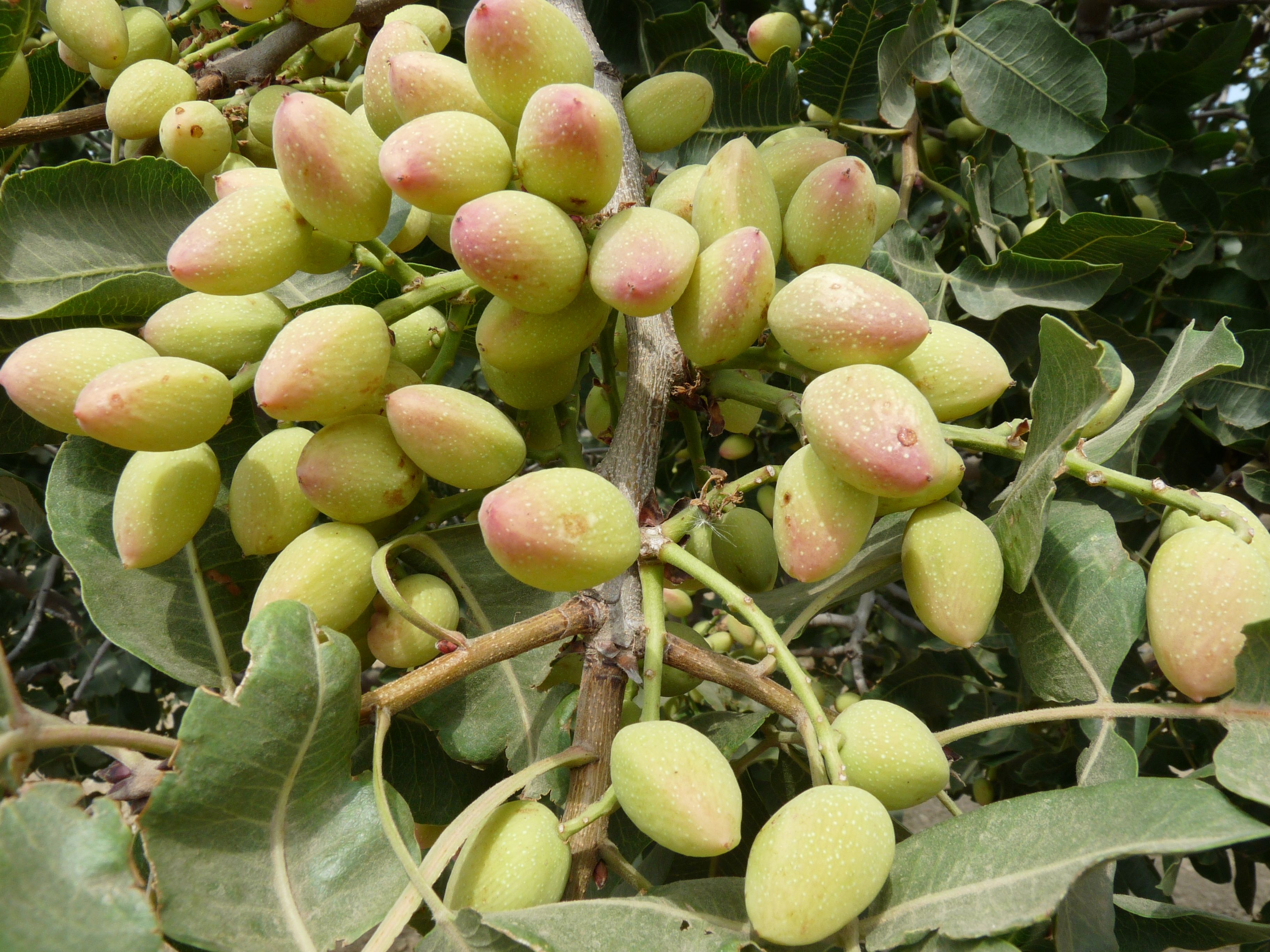
power of pistachios for cancer prevention

Power of pistachios for cancer prevention

Arianna Carughi, PhD, Nutrition Research Science Advisor for American Pistachio Growers, said: “Pistachios are a nutrient and fiber-rich wholefood and contain a number of bioactive compounds that may be useful at the cellular level. This review highlights the potential of nuts, such as pistachios, as a tool in the fight against cancer and further adds to our understanding of the important contribution that nuts can make to health and wellbeing.”

At 160 calories, one ounce of pistachios contains less than two grams of saturated fat and six grams of protein per serving. Pistachios make the perfect snack and can be included as part of a healthy diet.

Sources: Falasca M, Casari I& Maffucci T. Cancer Chemoprevention With Nuts. J Natl Cancer Inst 2014: 106(9), American Pistachio Growers

2016-05-31T19:30:31-07:00February 16th, 2015|

Fresno County 4-H Hosts Color Me Green 5K Run

On March 14, 2015, Fresno County 4-H members will host Color Me Green 5K Runs at California State University, Fresno. Fresno County 4-H is partnering with the Fresno State’s Jordan College of Agriculture and Science Technology for the Color Me Green 5K Run.

The Color Me Green 5K Runs are five kilometer runs designed to encourage youths and community members to increase their physical activity while also having fun! During each run, participants are showered with colored dye as they pass through each marker point. This run, hosted by 4-H youth members and Fresno State students, will be great opportunity for communities to come together and celebrate healthy living and being physically active.

 Through the Color Me Green 5K Runs, 4-H youth members and Fresno State students will encourage the health of Fresno County. In addition to planning, organizing, and leading the run, 4-H clubs and youth members will host interactive 4-H booths highlighting various project areas.

Online registration opened on February 1, 2015. Here is the link for the registration: http://ucanr.edu/colormegreenfresno4h


2016-05-31T19:30:31-07:00February 10th, 2015|

Zoldoske honored as state’s Irrigation Person of the Year

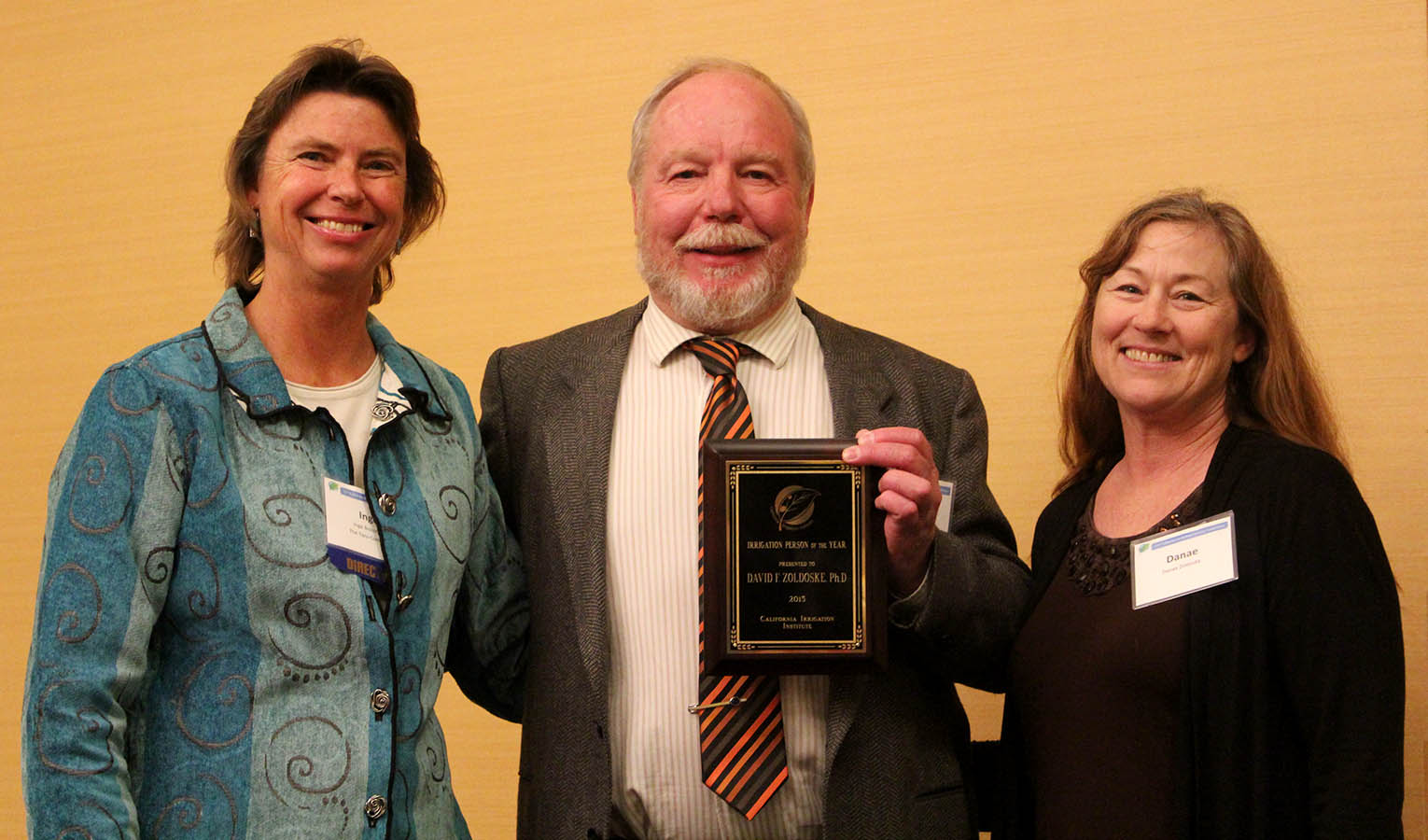
The California Irrigation Institute recognized Dr. David F. Zoldoske as its Person of the Year at its 53rd annual conference on Feb. 2-3 in Sacramento.

Zoldoske, director for the Center for Irrigation Technology at Fresno State, is the 36th recipient of the award sponsored by the state’s oldest independent forum on irrigation and water.

“On behalf of the board of directors, it is a pleasure and honor to bestow this award upon our friend and colleague, Dr. Zoldoske,” said Inge Bisconer, California Irrigation Institute board member and past president. “He has worked tirelessly for decades to promote water and resource use efficiency in agricultural and urban applications in California and beyond. We are fortunate that he chose to apply his passion, energy, skill and expertise to help address one of the most important topics of our generation: water.”

Zoldoske is the third recipient with Fresno State ties. Winston Strong, former plant science and mechanized agriculture professor was recognized in 1985 for his pioneering work in sprinkler testing, and former Center for Irrigation Technology director Kenneth Solomon was honored in 2004.

The annual conference brings together water experts, government agency representatives, water district managers, innovative farmers, urban water managers and commercial interests to focus on pressing water issues, explore innovative solutions, and discuss results of research and practical experience in the field.

Zoldoske was recognized with a similar national award in November 2013 as the Irrigation Association’s Person of the Year.

Fresno State has been involved in irrigation testing and research for more than 60 years, and Zoldoske has played a key role for four decades. He started his irrigation career as a graduate student research assistant before beginning work as a full-time research technician in 1983.

In 1994, he was named director of the center that is internationally-recognized as an independent testing laboratory, applied research facility and educational resource.

“It’s an honor to be recognized by a group representing all of California’s irrigation partners,” Zoldoske said. “The award is more of a recognition of our talented staff and all their successful and hard work. We have been tied closely with the California Irrigation Institute since the 1980s, and look forward to working with them for many years to come.”

2016-05-31T19:30:31-07:00February 5th, 2015|

CDFA Announces Dates for PD/GWSS Winegrape Grower Referendum

The California Department of Food and Agriculture (CDFA) has announced important dates for this year’s vote on the continuation of the statewide Pierce’s Disease and Glassy-Winged Sharpshooter (PD/GWSS) winegrape assessment.

Current plans call for the ballots to be mailed to California’s winegrape growers on or about March 30, 2015. The ballots will be due back 30 days after mailing, although this date can be extended. The results of the vote will be announced about two weeks after the voting period concludes.

Since 2001, the PD/GWSS assessment has been one of the primary sources of funding for research on PD and its primary vector, the glassy-winged sharpshooter. In 2010 winegrape growers voted to not only continue the assessment but authorized the PD/GWSS Board to spend assessment funds for research and outreach on other pests and diseases that are serious threats to California winegrapes. Since then, the Board has designated the European grapevine moth, red blotch, vine mealybug, and brown marmorated stink bug as serious threats to winegrapes.

Growers (whether individuals or companies) who paid the assessment on grapes grown in 2014 are eligible to vote. Accordingly, growers will receive a ballot for each of the separate legal entities they represent.  Growers are urged to verify that the number of ballots they receive is correct and report any discrepancies to CDFA. Winegrape growers with any questions about the assessment can contact the CDFA Pierce’s Disease Control Program at (916) 900-5024. Questions about the referendum (including the number of ballots you received) should be directed to the CDFA Marketing Branch at (916) 900-5018.

The PD/GWSS winegrape assessment was established in July 2001 to support scientific research to find solutions to Pierce’s disease. The PD/GWSS Board, composed of winegrape growers, advises CDFA on the use of the assessment.

Pierce’s disease has no known cure and, left unchecked, could be devastating to the winegrape industry. A study released in 2009 by the Wine Institute and the California Association of Winegrape Growers estimated the total annual economic impact of California’s winegrape industry at $62 billion within the state and $122 billion nationally.

2016-05-31T19:30:32-07:00February 3rd, 2015|

NASA satellite mission to help farmers and water managers

By Edward Ortiz; The Sacramento Bee

A NASA satellite being launched into space will measure moisture in the top layer of soil, including soil on California farm fields far below.

The Soil Moisture Active Passive project is expected to provide crucial information to Central Valley farmers and water resource managers dealing with the multiyear drought. The mission, which was due to launch Thursday but scrubbed by NASA because of a weather pattern, will begin a three-year mission after liftoff from Vandenberg Air Force Base aboard a Delta II rocket.

The soil moisture information gleaned from the mission can be used by farmers to decide when to plant and harvest crops, said Narendra Das, project leader at NASA’s Jet Propulsion Laboratory, which is running the SMAP mission.

“This information will be a great tool for agriculture,” said rice farmer Charley Mathews Jr. Mathews owns a 700-acre rice farm in Marysville. He is an avid believer that more data can help his farming operation.

“For rice growing, it may help is preparing our rice fields,” he said of SMAP. “There are time periods when we prepare the soil or when we have rainfall events, and that is when we want to get our timing right.”

The 128-pound SMAP satellite will map soil moisture globally every two to three days. The SMAP data will be gleaned from space, using radar, with the use of a 19-foot antenna – the largest rotating antenna of its kind ever deployed by NASA.

It will take measurements 1 inch deep. The soil moisture it estimates will be matched to other data to provide accurate information on how much water is in the soil.

Only a tiny percentage of Earth’s total water is lodged in the top layer of soil. However, the water within that tiny layer plays an important role in moving water, carbon and heat between land and atmosphere.

The mission is the latest Earth-looking satellite effort at NASA, an effort that began in 1972 with the launch of the Landsat I.

The mission is the final of a recent slate of five Earth satellite missions to be launched by NASA within the past 11 months that began with the launch of the Global Precipitation Measurement Core Observatory satellite. Each mission is culling data at never-before-attempted resolutions.

NASA said it has partnered with a large California grower, Paramount Farms, on sampling studies and airborne experiments on the run-up to the launch.

Paramount Farms, based in Kern County, is one of the world’s largest growers and processors of almonds and pistachios. Paramount Farms declined to comment on its work with NASA.

Predicting floods and suggesting improved water usage may ultimately be another benefit of the SMAP mission, said Robert Hartman, acting director with the National Oceanic and Atmospheric Administration’s California Nevada River Forecast Center.

That entity runs climate models for California, Nevada and Southern Oregon. “Once we understand what the data represents and what they mean, it may help us with runoff models,” Hartman said.

Hartman said it remains to be seen how accurate the data from SMAP will be – especially from heavily forested environments. In other areas it may help assess how much moisture exists in a given watershed, especially prior to the onset of winter storms.

“In the fall we’re sensitive to how ready the watershed is to respond to the season’s first rain,” Hartman said. “It can also help us in the period between winter storms when there has been a substantial dry period.”

NASA has also been working with the California Department of Water Resources and expects the department will use the SMAP data to run its water use models.

The DWP is allowing the use of 40 soil sensor stations throughout the state for the SMAP mission. The sensors will help NASA calibrate the SMAP satellite measurements, said Jeanine Jones, DWP interstate resources manager.

Jones said it remains to be seen how useful the data will be to the department’s water management aims.

“Currently in the water supply and flood control business, most agencies do not use soil moisture information,” Jones said. “There are no applications for that kind of data yet. We’ll see if this mission will be the impetus to develop applications for it.”

2016-05-31T19:30:32-07:00February 2nd, 2015|

Farmers protect citrus crop from freezing weather

By Steve Adler; Ag Alert

San Joaquin Valley citrus, which last year suffered multimillion-dollar losses due to freeze, escaped a similar fate at the turn of the new year, even though temperatures dropped to well below freezing.

The entire state felt the impact of a cold front that moved through California from Canada, and it was a particular concern in the citrus belt that extends north from Kern County to Madera County.

Cold temperatures prevailed throughout citrus-growing areas for six nights, prompting growers to activate their frost-protection measures. California Citrus Mutual said groves in Riverside, Kern, Tulare, Fresno and Madera counties all experienced temperatures dropping to 26-29 degrees for short durations.

CCM President Joel Nelsen said there could be “isolated areas of damage” to mandarin groves, particularly to trees and fruit farthest from wind machines, but he said any losses “should not affect volume or price significantly.”

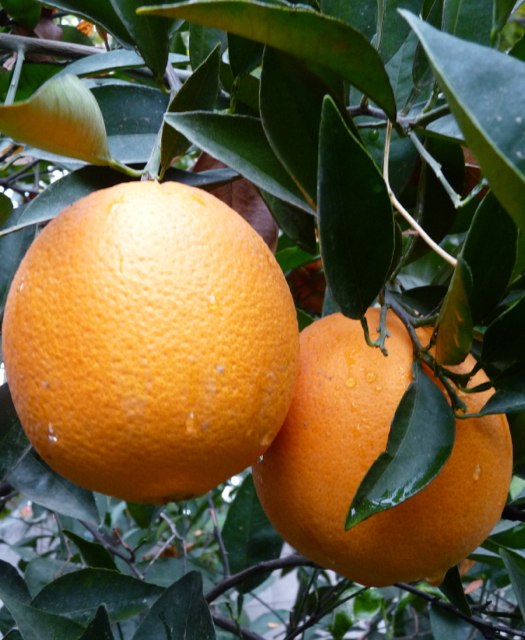
The two primary citrus crops grown in the citrus belt are navel oranges and mandarins. Of the two, navels are more cold-tolerant and typically become vulnerable to frost only when temperatures drop below 28 degrees for several hours or for several nights in a row. Mandarins, on the other hand, can suffer freeze damage once temperatures dip below 32 degrees.

Any damaged fruit that won’t pass quality standards to go into the fresh market would go to processing, said Bob Blakely, CCM vice president.

The current citrus harvest began a few weeks ago, and an estimated 75 percent of the fruit remained on the trees when the cold weather began. Growers use wind machines or irrigation systems, or a combination of both, as frost-protection measures. By irrigating, growers can elevate the ground temperature slightly. Wind machines help to keep the air moving, breaking up pockets of cold air that can create problems.

Citrus Mutual estimated there are more than 22,000 wind machines throughout the citrus belt, most of which operate on propane. The organization estimated Monday that farmers had spent more than $16.5 million on frost-protection measures during the six-night freeze operation.

Given the drought situation, Nelsen said, most growers remained “very judicious” in using groundwater for frost protection.

“Our information is that pumping groundwater has been minimal,” he said.

One of the most water-starved areas is Terra Bella in Tulare County, where many farmers bought emergency water at high prices last summer to keep citrus trees from dying in the drought. Many of those growers have a little bit of that water left, and said they were using it to protect their groves from frost.

“On our farm, we bought some emergency water last summer and we still have some of that available to us until February,” said Roger Everett, a citrus grower in Terra Bella, “so we are using that water that we have left for frost protection. Growers who didn’t buy any of that water probably don’t have any water available for frost protection.”

Everett said it has been his experience that citrus trees are able to tolerate the cold fairly well, but the fruit can be vulnerable. Blakely of CCM agreed with that assessment.

“In California, it is typically a case of lost fruit rather than a killing of the trees,” he said. “Our conditions here in this state are such that in the wintertime we have enough cold temperatures where the trees can go into a quasi-dormancy, where they can withstand quite low temperatures before we have any damage to the fruiting wood.”

The freezing temperatures came just over a year from a December 2013 freeze that caused an estimated $441 million in citrus losses.

Consumer demand for navels has been quite good, bringing “decent” prices to farmers, Blakely said.

“Prices were higher a few weeks ago, but we are starting to see them come off a little bit. Consumer acceptance of the fruit has been very good and demand has remained steady. Movement in the domestic market last year was actually higher than it was in the previous year. In the wintertime, there really aren’t any other producing areas that are providing navel oranges to the United States. However, if there is an event that causes a reduction in the California crop, some of that market could possibly be taken up by some of the European mandarins,” he said.

San Joaquin Valley citrus wasn’t the only crop or region that faced potential crop losses due to the freezing weather. Temperatures of below 32 degrees were recorded in the Coachella Valley as well as the desert areas of the Imperial Valley and Yuma, Ariz. The cold temperatures caused some reported production losses to all varieties of lettuce as well as to spinach. As a result, customers might see some short-term shortages in the next couple weeks, farmers and shippers said.

The Coachella and Imperial valleys and the Yuma area produce about 90 percent of the nation’s winter vegetables. Cold weather slows plant growth and delays the daily harvest activity until the plants begin to thaw in late morning or early afternoon.

2016-05-31T19:30:34-07:00January 12th, 2015|
Go to Top