Sparked Cultural Interest in Gardening and Locally Grown Produce

Locally Grown Food Inspires Consumers to Learn More, Garden at Home 

By Laurie Greene, Editor

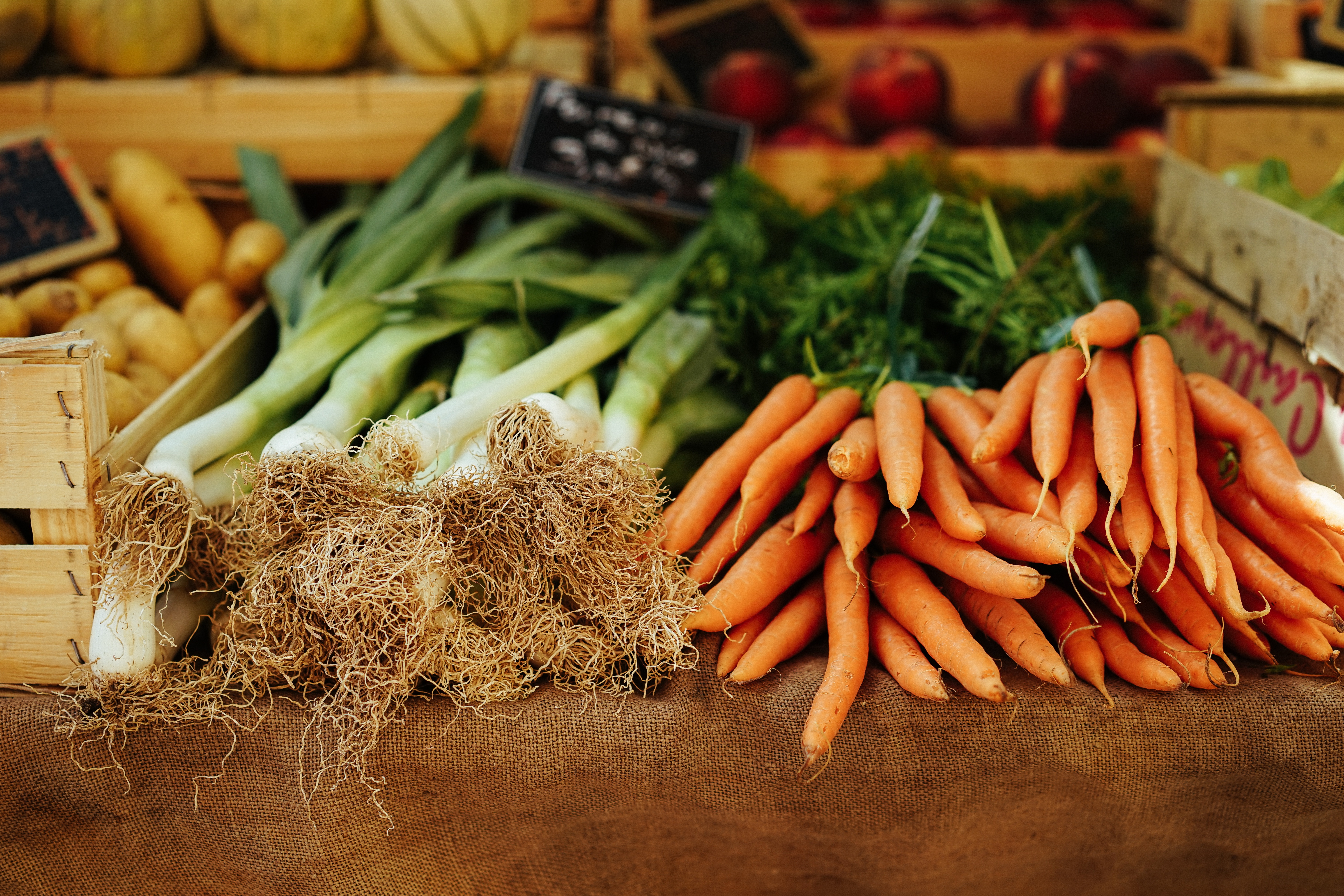
Cultural changes in eating habits are sparking an added interest in locally grown produce. Scott Steinmaus, professor in the Biological Sciences Department at California Polytechnic State University, San Luis Obispo (Cal Poly SLO), outlined the surge in local produce purchasing and how it is igniting consumer interest in growing their own gardens.

“The food craze is a real big movement right now,” Steinmaus stated, “especially with urban folks. Some of the biggest scenes are the foodie craze—that farm-to-table idea of buying locally, organically-produced food.”

Scott Steinmaus, professor of Biological Sciences Department at Cal Poly San Luis Obispo.

Scott Steinmaus, professor of Biological Sciences Department at Cal Poly San Luis Obispo.

Continuing, “And the cooking shows are out of control-popular, right? Where does the food come from? It comes from here; this is what it’s all about,” he said, with pride.

The growing trends are also reinvigorating students to become more involved, according to Steinmaus. “Students are asking where their food comes from,” he commented, “and who the farmers are that produce such healthy fruits and vegetables. That is an exciting part of our discipline as well—this foodie craze, and I think our students want to become a part of that,” he reflected.

The push for local produce is also inspring more people to grow their own home gardens. “When they garden, they get it,” Steinmaus explained. “And as soon as people get their hands dirty and as soon as they produce their first tomato; there’s nothing more empowering than producing your own food,” he said, “even if it’s a little bit.”

With this renewed interest in home gardening, Steinmaus observed, many are discovering their preconceived notions of farming were not quite accurate. “We’re working with the American Horticultural Society, putting together the videos that show people farming isn’t what you might think it is; it is actually completely different.” Steinmaus said.

“Farming involves a lot more than a green thumb,” he elaborated. “It requires the understanding of growing cycles and identifying various deficiencies. It utilizes very high technology. It is producing food; there is nothing more empowering than putting food on your kitchen table that you grew in your garden, or was grown by a farmer you know just down the street, and you know his [or her] name,” said Steinmaus.
2016-07-06T17:44:22-07:00July 6th, 2016|

Red, White and California Blueberries

Celebrate Independence Day with Native Blueberries

By Emily McKay Johnson, Associate Editor

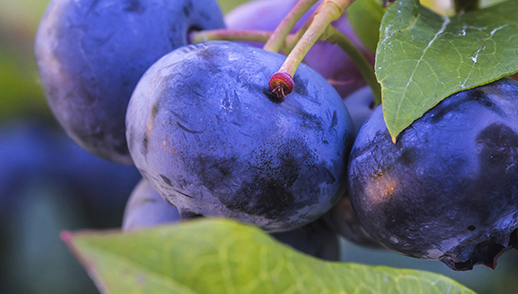
As we celebrate 240 years of America’s independence, we look forward to indulging in festive red, white and blue foods. One of the best ways to incorporate blue in our holiday spread is to serve plenty of California blueberries.

Mark Villata, executive director, U.S. Highbush Blueberry Council.

Mark Villata, executive director, U.S. Highbush Blueberry Council.

Mark Villata, executive director of Folsom, California-based U.S. Highbush Blueberry Council, explained California is an important blueberry production state as, “It is among the top five producers, nationally. We produce [blueberries] in about 38 states nationally, but nine states account for about 98 percent of our total production, and California is in that top five,” he said.

“Last year, California produced about 62 million pounds of blueberries,” Villata said; “this year’s crop looks like it could be close to 70 million pounds. Total yield has been increasing each year as new plantings come into maturity and start to produce blueberries.”

California is an important player in the berry market, and blueberries are one of the healthiest fruits consumers can eat. “Of course we’re lucky here in California to have a crop that is so readily available that is also incredibly healthy for us all,” Villata noted.

And blueberries are almost the perfect crop for celebrating the Fourth of July because they are native to the region. “Blueberries play well into any Fourth of July barbecue,” said Villata. “Blueberries are so diverse, they can be incorporated in salads, smoothies, breakfasts, desserts, and more. “We bring blue to the red, white and blue festivities,” he declared.

______________________________

Blueberry Infographic on Nutrition, U.S. Highbush Blueberry Council

2016-08-03T20:48:52-07:00July 4th, 2016|

Timorex Gold, Broad-spectrum Biofungicide

Biofungicide Timorex Gold to Help Western Vegetable Growers Fight Disease Pressure

By Patrick Cavanaugh, Farm News Director

The U.S. EPA has approved Timorex Gold, a new broad-spectrum reduced-risk biopesticide that is already a leading biofungicide in Latin America to control black sigatoka, a leaf-spot fungal disease on bananas, for various domestic crops such as tomatoes, strawberries, as well as other berries, cucurbits, grapes, tree nuts, and lettuce.

Stockton photo Strawberries & Blueberries beautiful!Timorex Gold is well positioned for American crops because it is known to be effective on powdery mildew and Botrytis on strawberries and tomatoes, plus bacterial blight on tomatoes.

Sarah Reiter, country manager of STK Stockton, an innovative Israeli company that opened its U.S. headquarters in Davis, CA. “We are very excited about the products performance we are seeing in areas where it is registered,” said Reiter. “We are happy with the label the EPA granted us. We still await registration in California and anticipate it next year or possibly late this season.”

Reiter noted the highly effective active ingredient in Timorex Gold, the plant extract Meluleuca alternifolia, or tea tree oil, gives growers a powerful new tool to control both bacteria and fungi diseases. “We know growers do not have a lot of choices for bacterial control,” said Reiter, “so any new active ingredient is a good thing. This product has the added bonus of being a fungicide too.”

“Timorex Gold has been established as a primary control product for sigatoka because it performs so well,” Reiter commented. “Growers use it because of its profile, and it’s easy to use. And while the product is a biopesticide, once the growers get it in their hands, they tend to forget it’s a biopesticide because it performs as if it is a synthetic material.”

timorexgold STK Stockton Group“As an industry we have been looking for this for quite a long time,” Reiter reflected. “While biologics have been around for a century, historically, growers would have to give up some levels of control in order to implement them into a conventional program. We do not see that loss when using Timorex Gold against sigatoka disease.”

“Our expectation in the U.S. is that growers will see that same high level of performance when they use the product here,” Reiter said. “And since Timorex Gold is a biological, there is no concern for Maximum Residue Level (MRL) data because there is no residue on the crop. The product will have very short re-entry intervals (REIs) and preharvest intervals (PHIs), as well as flexible application intervals, a strength that growers like because it gives them a lot of flexibility to implement the product into their program when they need to instead of having to manage REIs and PHIs.”

In addition, Timorex Gold has a very low designation of FRAC 7¹, which means the product has a unique mode of action that can be used in alternate succession with other fungicide modes of action to prevent the development of resistance.

Concurrently, STK Stockton continues to invest heavily in its new technology pipeline with the intention of bringing more innovative biopesticides into different markets. As part of these efforts, the company has recently announced the appointment of Shay Shaanan as the new vice president R&D, leading the company’s activities. The former global development manager of the fungicides division at ADAMA (formerly Makhteshim Agan), Shaanan has over 15 years of experience in research and commercialization of crop protection products.

“Having Shay join our team marks another significant milestone in our growth strategy. It reflects our commitment to advance our technologies and provide the agriculture industry with new solutions for sustainable agriculture.” explained Guy Elitzur, CEO of STK Stockton. “Shay will lead our R&D and will be of enormous value in moving our company forward. Additionally, we will be looking for in-licensing partners, including bio companies in the U.S. to broaden our product offerings.” said Elitzur.

The products of Stockton will be sold under the Syngenta brand for Botrytis and Powdery Mildew in ornamentals globally. The biofungicide technology complements the comprehensive fungicide portfolio of Syngenta and will help to provide its customers with innovative sustainable tools for disease resistance management.

“We are very excited about this agreement,” Elitzur commented, “as Syngenta is the perfect partner for our new products in ornamentals.”

________________________________

¹FRAC is a Specialist Technical Group of CropLife International (CLI) that provides fungicide resistance management guidelines to prolong the effectiveness of “at risk” fungicides and to limit crop losses should resistance occur.

The main aims of FRAC are to:

  1. Identify existing and potential resistance problems.
  2. Identify existing and potential resistance problems.
  3. Collate information and distribute it to those involved with
    fungicide research, distribution, registration and use.
  4. Provide guidelines and advice on the use of fungicides to reduce the risk of resistance developing, and to manage it should it occur
  5. Recommend procedures for use in fungicide resistance studies.
  6. Stimulate open liaison and collaboration with universities, government agencies, advisors, extension workers, distributors and farmers.
2021-05-12T11:05:54-07:00June 28th, 2016|

Postharvest Short Course Focused on Taste and Quality

UC Davis Postharvest Course Covers Food Loss, Produce Handling

By Lauren Dutra, Associate Editor

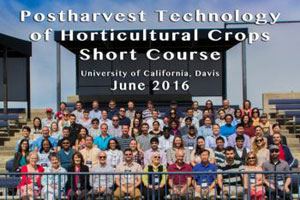
The 38th annual Postharvest Technology of Horticultural Crops Short Course concluded TODAY, June 24 at UC Davis. Presented by Beth Mitcham, director of the Postharvest Technology Center, the course focused on postharvest produce quality and safety.

Beth Mitcham, Director of the Postharvest Technology Center at UC Davis.

Beth Mitcham, Director of the Postharvest Technology Center at UC Davis.

“This class provided a really broad overview of all the topics that are relevant for postharvest handling of produce, including fruits, vegetables, nuts, and also ornamentals,” said Mitcham. “We cover the crops that are grown in California, but because our audience includes a lot of people from around the world who want to learn the basics about postharvest handling, we also cover a few crops that aren’t grown in California for commercial purposes. Furthermore,”she noted, “we also address some of the latest technologies that are available for maintaining excellent quality,”

Maintaining a good cold chain throughout the entire shipping line is critical, according to Mitcham. “We talk a lot about temperature,” she elaborated. “In fact, we tell students the three most important things about postharvest biology and technology are: temperature, temperature and temperature. We discussed many other technologies during the week, but they are secondary to good temperature management,” she noted.

Mitcham also mentioned food waste and how to control it. “So much effort goes into growing the crop, which includes harvesting at the prime of ripeness and getting it in the pre-cooler, on the trucks and to the market. But, people buy it, put it in their refrigerator and then don’t eat it. It goes bad and they waste it. It does happen,” said Mitcham. “Our goal is to try to make the product as hearty as possible while retaining really good flavor so it can last in your refrigerator as long as possible but also so people want to eat it, so hopefully it doesn’t sit in there and degrade.”
UCD Postharvest Technology Center

In reducing postharvest losses, Mitcham commented on the dissonance between addressing postharvest flavor and consumer satisfaction, “In some ways they are two opposite ends of the spectrum; some of the things we do to reduce losses are counter to delivering good flavor to consumers,” she said. “We really need to do both, and that was a big part of our message this week.”

Also at the event, the California Leafy Green Marketing Agreement (LGMA) discussed food safety principles, and Trevor Suslow, a UC Davis Plant Pathologist with the Postharvest Technology Center, discussed good agricultural practices (GAP) for food safety.

2021-05-12T11:05:54-07:00June 24th, 2016|

Vegetables Are the Key to Great Nutrition

How to Increase Fruit and Vegetable Consumption

By Laurie Greene, Editor

In honor of National Eat Your Veggies Day, we spoke with Francene Steinberg, department chair and professor of nutrition at UC Davis, and director of the UC Davis Dietetics Education Program for undergrads. She encouraged the importance of leaning on vegetables for optimum nutrition and health benefits.

Francene Steinberg, department chair and professor of nutrition at UC Davis

Francene Steinberg, department chair and professor of nutrition at UC Davis

“A varied diet of fruits and vegetables, along with grains and some protein sources is extremely valuable to give everybody the best energy for them to grow,” Steinberg said. “It really is so important to get the full spectrum of all the nutrients in these foods, particularly the vegetables.”

“In addition to all the required nutrients,” she explained, “we know the required vitamins and minerals—those that we know about and for which we have the Recommended Dietary Allowance (RDA), the “average daily level of intake sufficient to meet the nutrient requirements of nearly all (97%-98%) healthy people.” (Source: National Academies of Sciences, Engineering, and Medicine)

Continuing, Steinberg said, “There are also quite a few other nutrients and compounds in those foods that are good for usthat have biologic effects. Not only just fibers, but also phytochemicals, phytonutrients, they are really part of what helps to promote overall health. It’s not just the vitamins and minerals in a vitamin pill. You really need to eat the whole fruits and vegetables and grains, and so forth, to get the full effects,” noted Steinberg.

There is a new approach to how much produce people should eat on a daily basis. Steinberg noted the importance of eating the rainbow; fruits and vegetables of every color. Previous nutrition campaigns used to stress the importance of consuming five servings of fruits and vegetables each day.

“Most people don’t even come near to eating the amount of vegetables they need. Rather than focusing on a specific number, an easier goal is just eat more than you currently do, in terms of vegetables. Eat one more serving each day. Try a new vegetable each week. See if you like them,” said Steinberg.

Eat The Rainbow

In particular, Steinberg recommended red beets which are a wonderful vegetable to add to your eating list. “Beets are delicious. These deeply colored fruits and vegetableswhether they’re red, or green, or orangethat really denotes they have more nutrients in them. There are all these colored compounds that are often bioactive in the body. They really are good for you. You can, as you say, eat the rainbow by choosing these brightly colored fruits and vegetables.” noted Steinberg.

Steinberg encourages consumers to 'eat the rainbow'.

Steinberg encourages consumers to ‘”eat the rainbow.”

By consuming more vegetables, consumers can more avoid many chronic diseases. “I think that certainly most of the chronic diseases we suffer from today stem from obesity, diabetes, heart disease, that sort of thing,” Steinberg commented. “They’re often a combination of overconsumption of overall calories and empty nutrients, and not enough consumption of some of these fruits and vegetables that hold such valuable nutrients for us,” said Steinberg.

“It really is a matter of trying to make your diet as nutrient-rich as possible, and really avoiding those empty calories that seem to provide us lots of extra calories without any added benefit,” she stated. “If folks can cut down on some of the sugary and highly fatty snacks, chips and that sort of thing, and eat a piece of fruit or an extra vegetable serving per day they’re really much better off.”

Steinberg suggested one way to stimulate the desire to eat more vegetables is by making them readily available. “I think sometimes when people buy some of the produce, then they put it away in the refrigerator, it’s not visible. It’s hidden and they go to the cupboard and look and there’s a bag of chips that’s very easy to grab.”

She also recommended ways to make sure produce is not left behind. Consumers can purchase “fruits and vegetables that are already pre-washed and cut up, and put them in a little baggie or bowl on the counter, if they’re not perishable, or just a baggie in the refrigerator. It’s a quick grab and go. You can take it and have it as a quick snack. Things that are appealing to children are small bites that are easily consumed, bright and colorful.”

Steinberg recommended consumers “try to find those fruits and vegetables that are very fresh. Sometimes the ones we find in the grocery stores are not as flavorful as [backyard-grown], from the farmer’s market, or even just knowing which vegetables are in season. At the grocery store, the best things that are in season are usually going to be the freshest and tastiest. ” said Steinberg.

Fresh is not the only way consumers can enjoy the benefits of produce since frozen varieties are easy to come by. “Some of the frozen whole vegetables and fruits are highly nutritious,” said Steinberg. “They’re very affordable and available year round.”

Steinberg also mentioned the availability of low calorie dips such as hummus can easily be found in grocery and convenience stores which encourages more fresh vegetable consumption. In fact, hummus is primarily chickpeas, another great vegetable. “Dipping fresh vegetables in hummus. That’s delicious,” she said.

2016-10-24T15:54:25-07:00June 17th, 2016|

Tomato Distributor Works With Large, Small Scale CA Farms

Morning Star Company Supplies Tomatoes to Large Distributors 

By Emily McKay Johnson, Associate Editor

Renee_Rianda

Renee Rianda with Morning Star Packing discussing the California tomato processing company

The state of California has an ample supply of tomato processors and growers. Renee Rianda, a representative with Morning Star Company, talked about the Woodland, Calif. packing industry that mainly supplies to large distributors. “Morning Star company is the overall umbrella. Morning Star is a big player.” she said, “We are unique in the fact that we are owned by one person.”

The majority of California tomatoes are used as an ingredient in other brands. Morning Star is a name that is familiar with companies such as Domino’s Pizza and Heinz Ketchup. They are not branded like companies such as Del Monte or Campbell’s, but they are used in prepared foods for grocery stores.

“Where I fit into this whole massive situation is I deal with the growers.” she said about her role with the company, “I use roughly a couple hundred growers which is not quite everybody in the state but most of them.”

The fluctuation in supply and demand for tomatoes can vary from year to year. Rianda said that is why they work with a variety of farms in California, “We have everybody from a small individual grower of everything to larger family farms that do a variety of commodities.”

Though there is not a panel or board of directors, the Morning Star Company base is efficient. “We’re very flat as far as an organization goes.” Rianda said, “Everybody has their expertise in the areas that they are best versed in.”

Rianda likes to keep herself updated at conferences around the state. In turn, she can help growers have a commodity to sell. Using the right products is key to Rianda, “That way everybody can still have ample tomatoes to eat.”

2016-06-19T21:36:22-07:00June 16th, 2016|

RAIN Damages Alfalfa; Benefits Wheat

Above-Average California Rain Affects Larry Hunn’s Crops

by Emily McKay Johnson, Associate Editor

For fourth-generation farmer Larry Hunn of Hunn & Merwin & Merwin, Inc., based out of Clarksburg, Calif., the price of alfalfa is low this year due to water damage from late rains. Nevertheless, cannery tomatoes, cucumbers, safflower and wheat are looking pretty hopeful.

Larry Hunn

Larry Hunn

Mold from rainfall is a big issue in growing alfalfa; it not only reduces the quality of the perennial grass, but it reduces the nutritional value as well. Dairy farmers won’t buy it. “It has really depressed our alfalfa prices.” said Hunn.

On the bright side, rainfall has been beneficial for Hunn’s above-average winter wheat and safflower crops this year. “We had nice rainfall spread out through the whole winter,” he said. “It didn’t come all at one time and flood us out, so that was good.”

Hunn’s hard red winter wheat is drying down in the field, and will be harvested mid-June and sent mainly to flour mills for bread making. The safflower is still growing and looking healthy on a few hundred acres—acres that have been in his family for four generations—and won’t “come off” until late August or September.

Beginning in South Sacramento on 47th Avenue, Larry Hunn’s great-grandfather started farming in the late 1800s, and his grandfather moved to the Delta in the early 1920s, where they’ve been farming ever since. Hunn & Merwin & Merwin Inc. now operates on close to 3,000 acres in Yolo and Sacramento Counties.

Hunn’s other crops have already been contracted with a buyer. “All the cannery tomatoes are in the ground growing, and they look pretty good. We’re in the process of planting cucumbers, that’s just a continuous until the first of August,” mentioned Hunn.

The only disadvantage are the cool breezes from snow atop the Sierra Mountain range that is keeping temperatures low on the cucumbers and tomatoes. Hunn remarked, “I wish it would warm up a little bit. We’re only in the mid-seventies, low eighties, and it would be nice to be up in the mid-eighties or low nineties.”

Overall it’s been a decent year for the veteran Clarksburg grower.

(Featured photo: Alfalfa on edge of field of Larry Hunn, Hunn & Merwin & Merwin, California Ag Today)

2021-05-12T11:03:02-07:00June 6th, 2016|

It’s Avocado Month!

Celebrate the Magic of California Avocados.

By Emily McKay Johnson, Associate Editor


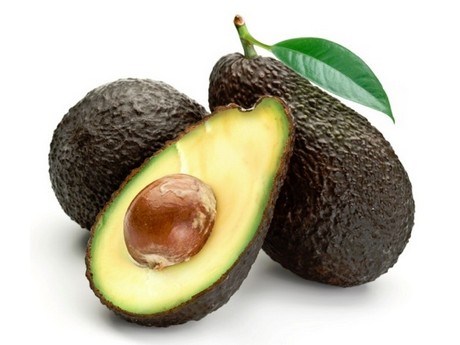
Chefs and foodies alike, get ready for California Avocado Month which begins TODAY, June 1st. Menus across California are celebrating this magical fruit, not only for its postive health benefits as a source of Omega-3 and Vitamin E, but also for its resiliency to thrive in spite of the prolonged drought.

california-avocados-logo


“Avocados are at their peak of the season,” said Jan DeLyser, vice president of marketing for the California Avocado Commission (CAC), “so we’re in very good supply and their eating quality is just second to none.”


Avocados are so diverse, they can be incorporated into daily menus for breakfast, lunch, dinner, snacks, beverages and even desserts. Consider celebrating summer gatherings with chocolate avocado pudding, avocado ice cream or, perhaps, even an avocado cake. Links to recipes are included at the end of the article.


Would you believe California avocados can be used as a butter alternative—with 300 fewer calories per quarter cup serving?


Despite entering year five of the drought, California and its farming industry received enough rain in the northern part of the state this year to replenish reservoirs and actually increase this year’s avocado harvest. Roughly 4,000 growers on approximately 53,000 acres have harvested 392 million pounds of avocados.


“We actually have more fruit this year than we had last year,” acknowledged DeLyser. “Our growers are continuing to be good stewards of the resources that are available to them and able to produce avocados for us all to enjoy throughout the summer months.”


The CAC’s collaboration with chefs around the country to feature California avocado items, helps support growers of the tree-bearing fruit in the state. Approximately 90 percent of the nation’s avocado crop comes from fertile, California soil, mostly on small family farms, which can ensure the avocados are carefully handled and inspected.


Recipes incorporating delectable avocados:  Chocolate Avocado CakeAvocado Ice Cream

2021-05-12T11:05:56-07:00June 2nd, 2016|

The Fight Against Food Misinformation

Kavin Senapathy: Correcting Food Misinformation and Alarmism

By Patrick Cavanaugh, Deputy Editor

Kavin Senapathy, science communicator/advocate and contributor to Forbes Magazine, among others, is tightly focused on her goal to debunk miscommunication about human health, as well as genomic, food, and genetic engineering. Senapathy stated, “There is this culture of alarmism,” about food safety and food misinformation versus the science-based reality of our food safety management. “The alarmism and fear is so amplified, people don’t realize how very safe we are right now.”

Senapathy gets her facts from the source, “I speak to as many scientists as possible, and I know how to read and dissect a scientific paper. I know there is a very important difference between cherry picking from one study to support a bias, and looking at the weight of scientific evidence,” she said.FDA, FSMA Food Safety

“I also talk to farmers and I’m learning more about the hands-on practices,” Senapathy said. “California farmers produce a wide variety of fruits and vegetables,” she said, “and we all should be eating more of them.”

“I think a lot of the fear and misinformation take away from the message of eating the right things,” continued Senapathy. “Thinking, ‘I should avoid MSG, I should avoid GMOs or xyz additive,’ really detracts from the most important message—that we should be eating less unhealthy things like sodium and saturated fat, and not too many calories,” noted Senapathy. “We should be eating lots of fruits and vegetables and whole grains.”

And though she lives in Wisconsin, Senapathy says she is amazed by how many fruits and vegetables are available, even in the wintertime. “I can go to the grocery store in February and come home with grapes, strawberries, bananas, and all kinds of fruits and vegetables,” Senapathy said. “You know, we should marvel at the bounty of this more often.”

She’s quick to thank farmers for feeding her family and those of everyone, everywhere. “We forgetwith all the fear and misinformation in social mediathat our food supply is more abundant and safer than it has ever been,” she noted. “We should all be appreciative and thankful for that.”

2021-05-12T11:00:54-07:00May 12th, 2016|

PCA Training At UC Davis

UC Davis Offers Pathway to PCA Training

By Laurie Greene, Editor


Frank Zalom, distinguished professor of entomology, agricultural experiment station entomologist, and extension specialist at UC Davis, teaches a class for students that forms a pathway to becoming a Pest Control Advisor (PCA). “It is the only class that a lot of them had ever taken in entomology,” said Zalom, “so we try to structure it to give them a good, solid background in entomology. Then we lead them through all the different pest management options. We even bring in someone from the California Association of Pest Control Advisors (CAPCA) Pathway to PCA program for the very last lecture.”

Zalom, whose research interests include integrated pest management (IPM), tree crops, small fruits and vegetable crop entomology, wants to provide a valuable education to his students. “Most of the kids taking my classes are interested in taking the PCA exams and there is a huge opportunity for those students out in the future.”

“We teach them about integrated pest management (IPM) and the pests,” Zalom noted. “Then we show them some of the many career opportunities for PCAs,”  he said, adding. “There will always be a big need for professional PCAs to help protect our crops from pests and diseases. They assist growers all over the state.”

________________________

Links:

California Association of Pest Control Advisors (CAPCA)

CAPCA Pathway to PCA

2021-05-12T11:03:03-07:00February 24th, 2016|
Go to Top