CALIF. DAIRY AMONG EPA 2013 ENVIRONMENTAL CHAMPIONS

EPA Recognizes Tulare Dairy for Agricultural Renewable Energy
The U.S. Environmental Protection Agency’s Pacific Southwest Region TODAY announced the eight winners of its 2013 annual environmental awards, acknowledging significant contributions winning organizations have made in the past year to protect the environment and support communities.

Groups and individuals were selected from nominees received this year from businesses, government officials, tribes, academia, and environmental organizations. Of this year’s winners from Arizona, California, Hawaii and Nevada, five recipients are from California, one being a dairy.

Curtimade Dairyis a leader in California’s agricultural renewable energy sector. The dairy, located in Tulare, has embraced renewable energy production in a big way, while most other dairies have been slow to adopt the technology. Looking to reduce their overall energy use and related costs, Curtimade used underutilized land that could not be used for feed production or to house animals.
On three and a half acres of this land, they installed a 719 kW, $2.9 million system, among the biggest of just a handful of dairy solar units in the U.S. The solar installation produces enough electricity to power 130 average American homes per year and reduces greenhouse gas emissions by 27,000 tons over the 25 year warranted life of the solar panels, which is the equivalent to removing 192 cars from the road yearly. 
In addition to offsetting fossil fuel use and reducing greenhouse gas emissions, the dairy also sees a savings of approximately $18,000 per month in energy costs.
“Award winners are leaders who are going above and beyond to make big moves to protect the environment and support local communities,” said Jared Blumenfeld, EPA’s Regional Administrator for the Pacific Southwest. “Work by these groups will leave a positive, lasting impact on us all for years to come.”
          
Each year, the Pacific Southwest EPA office encourages citizens in California, Arizona, Nevada, Hawai’i and the Pacific Territories to nominate individuals, non-profits, businesses, local governments and other groups for environmental awards. This program offers a great opportunity to recognize individuals and groups outside of the EPA who are working to protect public health and the environment. Awards are granted to scientists, teachers, journalists, citizen activists, young people, organizations, business representatives, tribal leaders, public officials, and others committed to protecting public health and preserving our natural surroundings.

2016-05-31T19:42:30-07:00December 11th, 2013|

CITRUS DAMAGE ESTIMATED TO BE OVER A BILLION

Cold Continues to Damage California’s Citrus–Mandarins More Than Navels

California Citrus Mutual reported TODAY that another cold night materialized as forecast last night, with temperatures dipping into the low 20s for long duration throughout citrus producing areas in the San Joaquin Valley.  After a week of chill, citrus growers evaluate potential crop damage to be $1.5 billion. 

Growers started wind machines around 8 p.m. last night in preparation for below freezing conditions.  A strong inversion layer coupled with frost protection measures helped raise temperatures in the grove as high as 4-5 degrees in some cases.  However, the cumulative impact of this freeze episode and the long duration of critical temperatures will result in some damage for both Mandarins and Navels.

Preliminary assessments by the County Agriculture Commissioners show damage; however the extent of damage cannot be determined until the freeze event concludes.  

Mandarins are expected to incur a greater degree of damage in comparison to the cold-tolerant Navel crop.  Early fruit maturity and high sugar content will provide some internal protection from frost damage, but the cumulative impact of cold temperatures over several nights is a concern.

Because of advanced weather forecasting systems, the industry has on hand sufficient amount of harvested fruit to supply the market through the holiday season without impacting consumer prices. 

Industry representatives and government officials are currently developing inspection protocols to ensure that damaged fruit does not enter the market place.   

Another cold night is in the forecast for tonight, Tuesday, December 10th, after which temperatures are expected to increase above critical temperatures.

California Citrus Mutual estimates that the industry has spent a total of $28.8 million since last Tuesday in frost protection measures.  At this point in the season, 12-15% of the Navel crop and 20% of the Mandarin crop have been harvested, leaving a significant percentage of the crop at risk of damage.  

2016-05-31T19:42:30-07:00December 11th, 2013|

CITRUS FREEZE DAMAGE ASSESSMENT DELAYED IN KERN COUNTY

Kern County Ag Commissioner Requests Voluntary 48-Hour Hold for Citrus Freeze Damage Assessment


Kern County Agricultural Commissioner Ruben J. Arroyo, issued a letter TODAY to Kern County citrus handlers requesting that all citrus fruit sent to packinghouses on or after December 11, 2013 be placed under a voluntary 48-hour hold to allow his staff time to assess freeze damage prior to packing.


Arroyo writes the following in the body of the letter:


As you are aware, citrus growers of Kern County have experienced several days of freezing weather. Temperatures have been low enough and of sufficient duration to cause fruit damage. After consultation with Agricultural Commissioners in other citrus producing counties, the following has been agreed upon:


·We request that packers voluntarily wait 48 hours before packing fruit harvested on or after December 11, 2013 to allow our staff an opportunity to make assessments on your fruit.

· You may do your own sampling prior to asking for an official sample by our staff. This additional step may provide you with options and an opportunity to fully assess the level of freeze damage.

· Every effort will be made to accommodate packing schedules.

· If fruit is packed and shipped prior to having an official sample taken at the time of packing, a Notice of Violation will be issued. Further action may be taken.

· All fruit harvested and packed prior to December 11, 2013 is not subject to this notice.


Our concern, like yours, is to protect the industry and integrity of your labels by keeping freeze-damaged fruit out of wholesale and retail market channels. These steps are considered necessary to maintain consumer confidence. Thank you for your cooperation during this difficult time. Do not hesitate to contact me or my staff if you have questions or concerns regarding inspection uniformity.

2016-05-31T19:42:30-07:00December 11th, 2013|

COTTON GROWERS URGED TO COMPLETE PLOWDOWN

Fresno County Ag Commissioner Urges Cotton Growers To Complete Plowdown 

 
Fresno County Agricultural Commissioner/Sealer Les Wright TODAY urged all cotton growers to complete their plowdown activities as soon as possible to maintenance a host-free period for pink bollworm. For the 2013 growing season, there were no native pink bollworm moths captured in Fresno County for 62,215 acres of cotton.
Cotton Plowdown Requirements:
Plowdown Dates for this growing season are:
December 20, 2013 – South Of Shields Avenue
December 31, 2013 – North Of Shields Avenue
Stalks must be shredded by a power-driven shredder that will effectively reduce stalks to a particle size, permitting burial and rapid decomposition.
Following shredding, tillage must be completed in such a manner that all stubs are loose from the soil around the roots and will prevent re-growth.
At this point, there are two options for cotton growers:
Conventional plowdown is done by discing all roots, plant stubs, shredded debris and trash remaining from harvesting or clean-up operations and soils around roots to the point that they are turned over and thoroughly mixed with surface soil. This method of plowdown is required in sections where pinkie has been found last growing season or this season until September 1, 2013.
Reduced tillage does NOT require the incorporation of all roots, plant stubs, shredded debris and trash remaining from harvesting or clean-up operations. If growers choose this option, they must submit a notification 10 days prior to tillage of their intention to reduce tillage on their acreage eligible for the program. Call the Department to find out which sections are not eligible for this program if you are not sure.
Once plowdown is completed by either method, any volunteer cotton must be destroyed that may appear during the host-free period, even if it is on ground that was not planted to cotton this season. If re-growth does occur during the host-free period in 2014, the grower/landowner will be cited for a violation of cotton plowdown regulations. Be sure to check fallow fields for isolated plants growing in the field and in easement areas.
Do your part to keep pinkie out of the San Joaquin Valley and finish your plowdown early to avoid the following penalties for noncompliance:
Violation Of Plowdown Date – Base fine of $500 + $5 per acre not in compliance
Repeat/Subsequent Violations – Base fine of $1,000 + $10 per acre not in compliance
In California, pink bollworm overwinters as a late stage larva in trash, at the base of cotton stalks, in soil cracks, and rarely in seeds in the unopened boll. Conventional plowdown, when done properly, kills pink bollworms in these overwintering sites. Conventional plowdown and March planting dates are designed to disrupt the life cycle of pink bollworm. It is not known whether reduced tillage practices give pink bollworm a foothold for next season. Fields using reduced tillage will be scrutinized during the host free period and next trapping season.
The late planting dates for cotton create the opportunity for “suicide emergences.” If pink bollworm emerges before the plants have begun to square, the female will lay her eggs on sheltered parts of the plant, but the larvae will die. Cotton planted too early or re-growth cotton will provide feeding and egg laying sites for pinkie.
Questions concerning proper plowdown procedure may be directed to any district office locations listed below:
Fresno                  600-7510     8:00 a.m.-5:00 p.m.
Firebaugh             600-7322     1:00 p.m.-2:00 p.m.
Huron                   600-7325     1:00 p.m.-2:00 p.m.
Kerman                600-7326     1:00 p.m.-2:00 p.m.
Reedley                600-7329     1:00 p.m.-2:00 p.m.
Sanger                  600-7331     1:00 p.m.-2:00 p.m.
Selma                   600-7327     1:00 p.m.-2:00 p.m.
The Fresno County Agricultural Commissioner’s offices will be closed on December 25, 2013 and January 1, 2014.

2021-05-12T11:06:02-07:00December 11th, 2013|

CALIFORNIA EMERGENCY FOODLINK, LARGEST FOOD BANK IN U.S.

Farm to Food Bank Month – Secretary Ross and State Board of Food and Agriculture Visit Food Bank

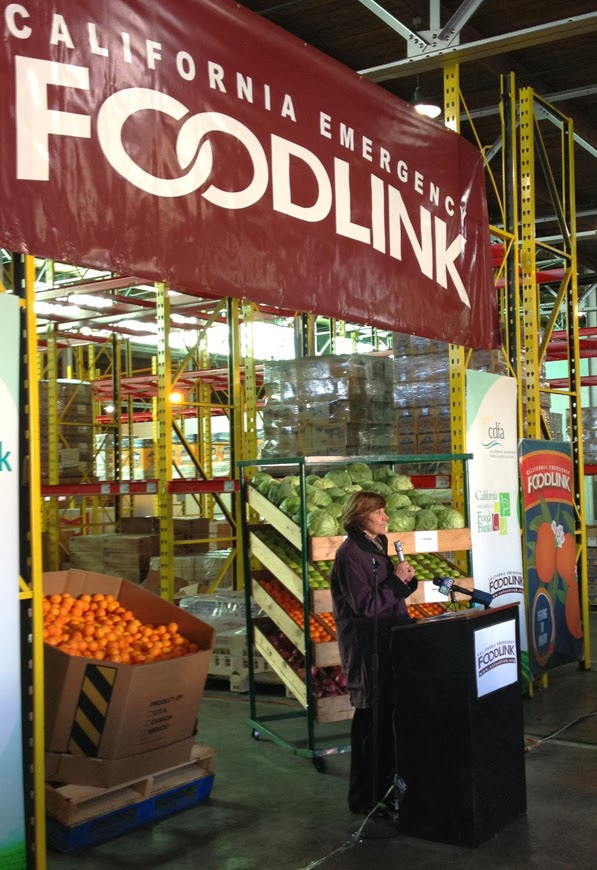
CDFA Secretary Karen Ross at a Farm to Food Bank today
In recognition of December as Farm to Food Bank Month, CDFA Secretary Karen Ross TODAY joined the California State Board of Food and Agriculture at California Emergency Foodlink, the nation’s largest food bank. 


The event highlighted food donation by farmers and ranchers and reiterated the need for food donations statewide.


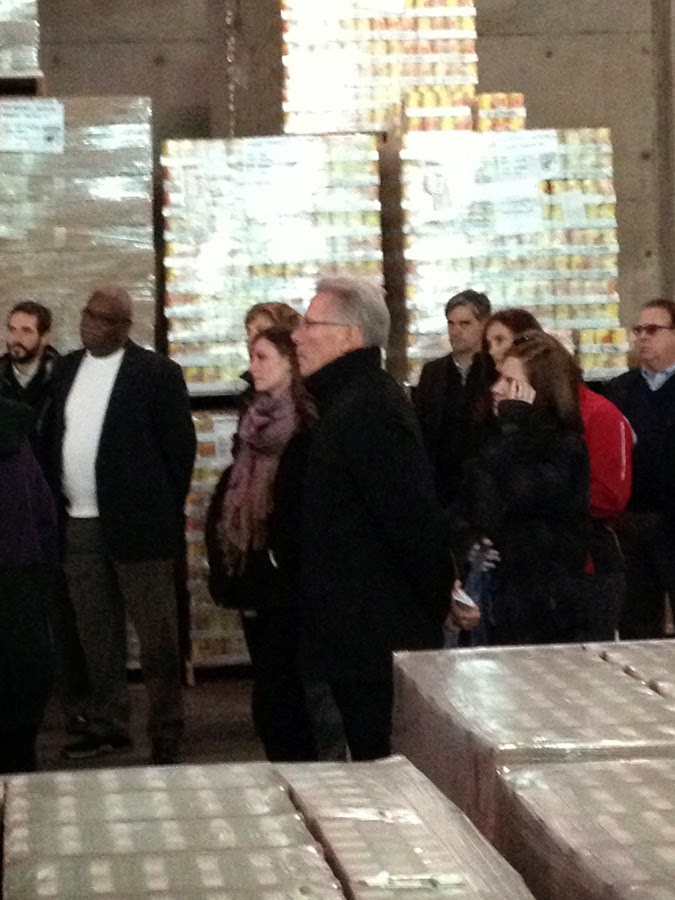
CDFA Board President Craig McNamara (center) and group
 
More than 49 million people are believed to be food-insecure in our nation – one in every six Americans. In California, almost 4 million people are food-insecure, which means they cannot afford enough food at least once in the previous year. So far this year, California farmers and ranchers have donated more than 127 million pounds of food to food banks. 

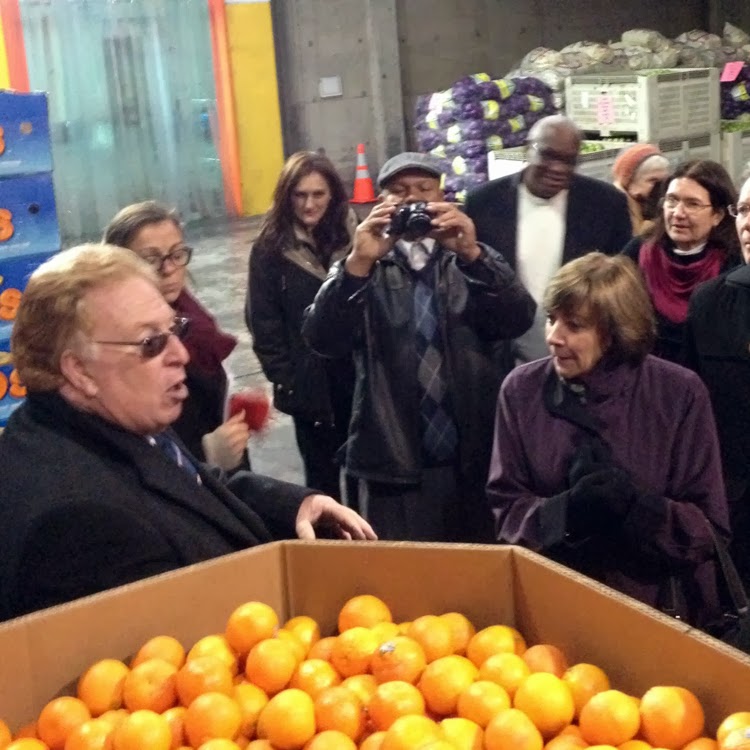
Foodlink President/CEO John Healeywith Secretary Ross
2016-05-31T19:42:30-07:00December 10th, 2013|

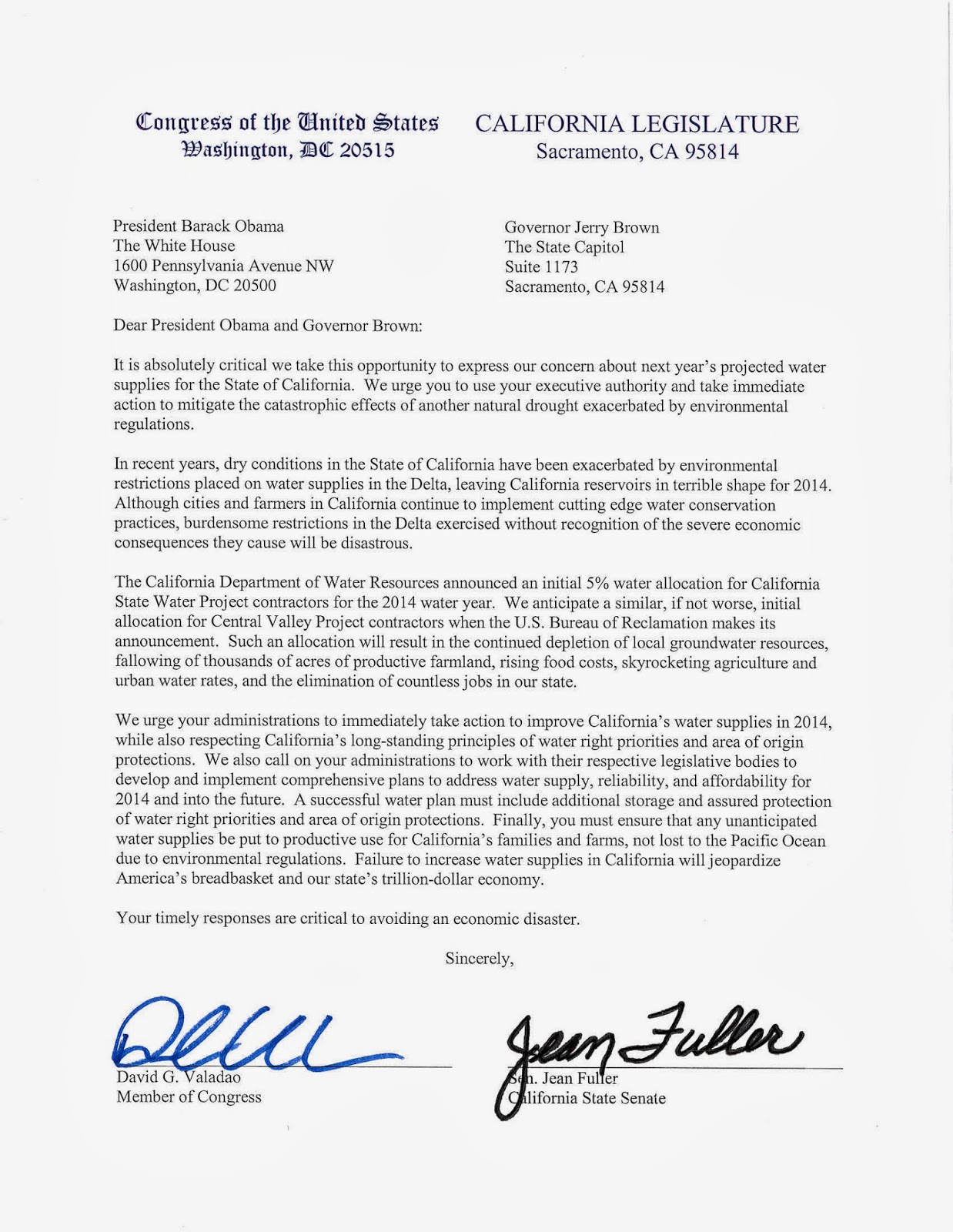
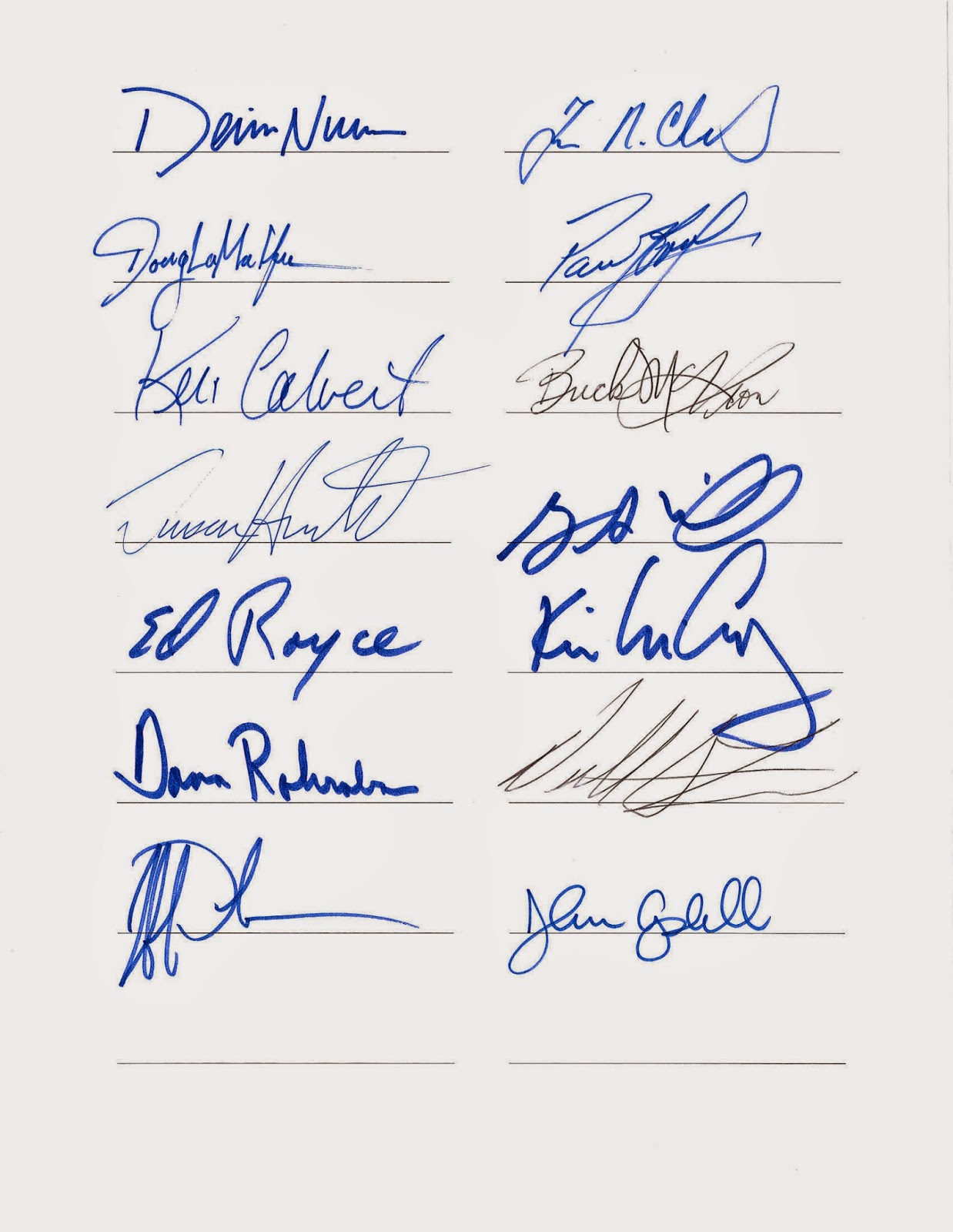
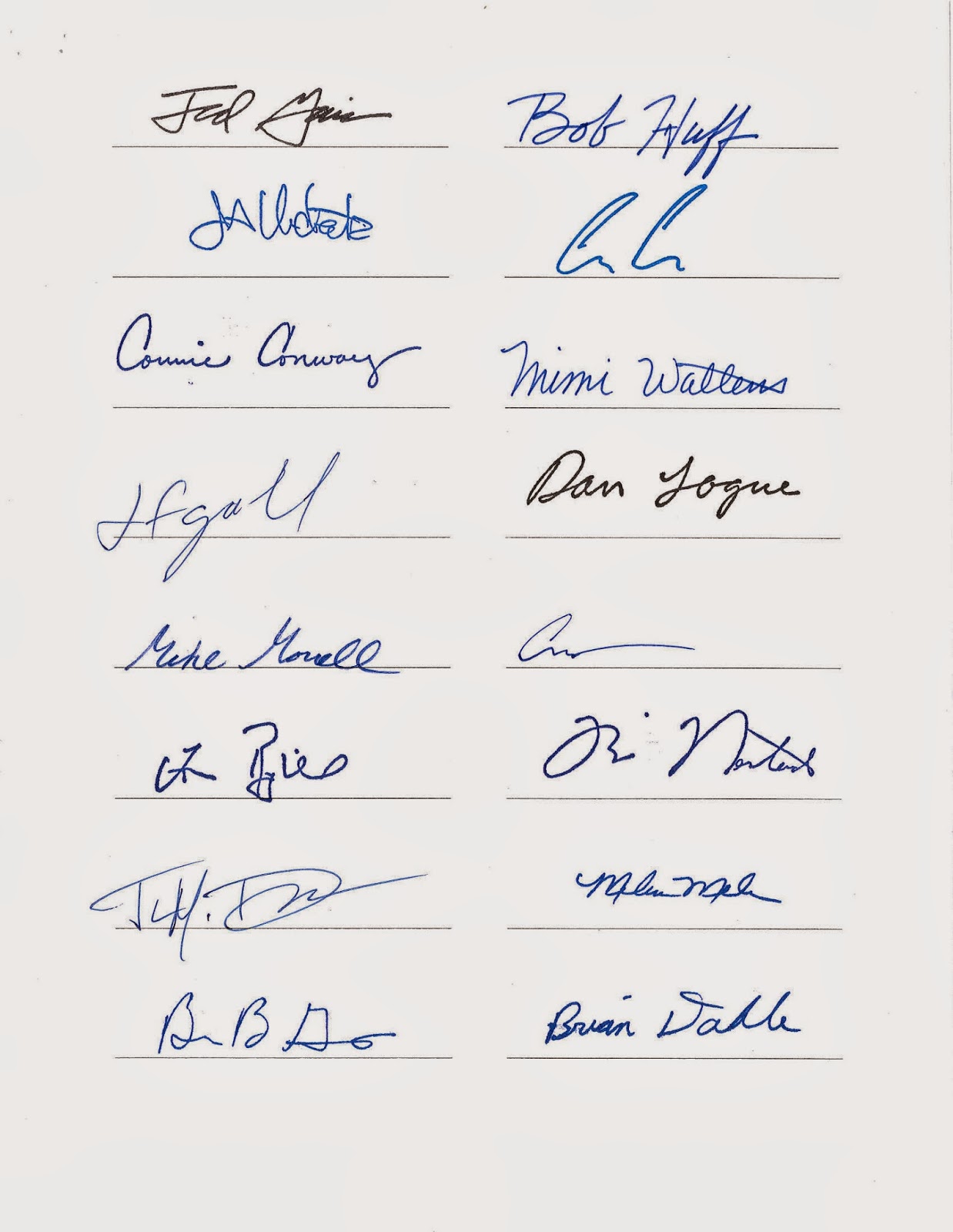
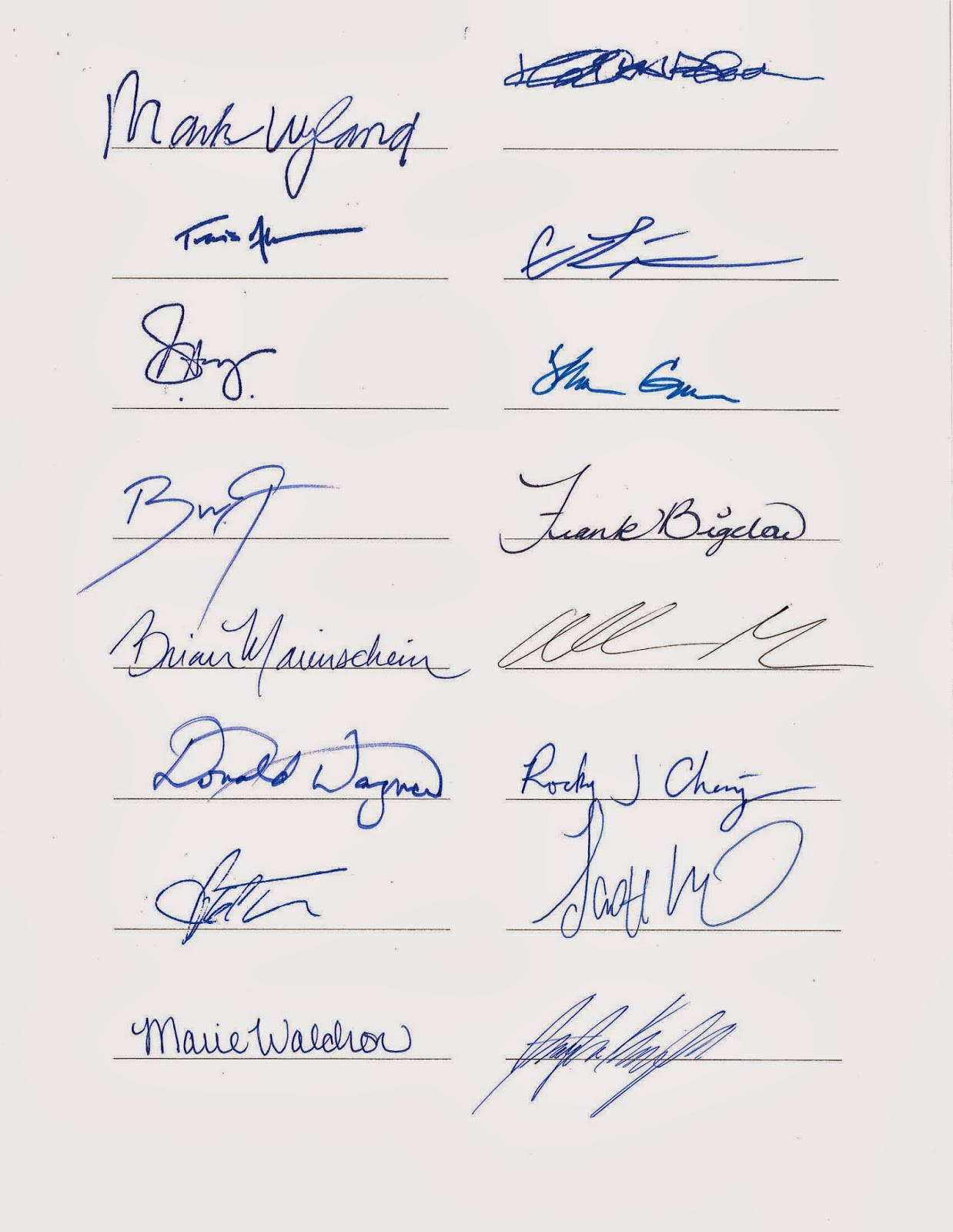
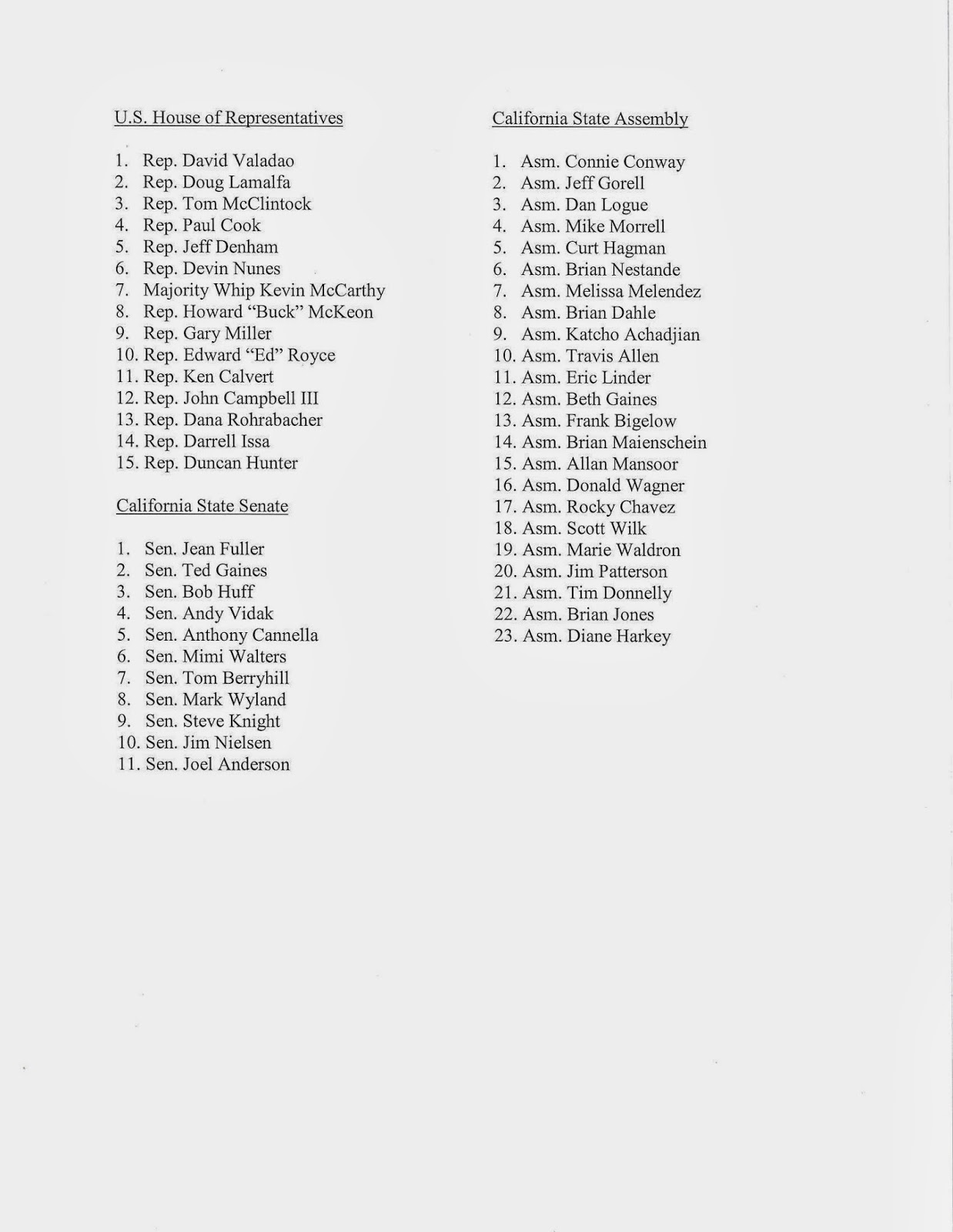
CRITICAL DROUGHT CONCERN EXPRESSED TO PRESIDENT AND GOVERNOR

Urgent Letter Signed by 50 Calif. Members of U.S. Congress and State Legislature to Avoid Economic Disaster

California members of the U.S. Congress and California State Legislature issued a letter to President Obama and Governor Brown yesterday. They are urging immediate use of executive authority to mitigate the catastrophic effects of another natural drought exacerbated by environmental regulations to avoid jeopardizing our state’s trillion-dollar economy.

The letter calls for immediate action to improve California’s water supplies in 2014, to work with respective legislatures to develop and implement comprehensive water plans that include additional storage and water rights, and to allocate any unanticipated water supplies to California’s families and farms and not to the Pacific. 

2016-05-31T19:42:31-07:00December 10th, 2013|

JUDGE ISSUES DECISION IN TRI-FANUCCHI FARMS, INC.

Tri-Fanucchi Farms to Accommodate UFW Requests
Administrative Law Judge (ALJ) Thomas Sobel, issued his 23-page decision TODAY in the Tri-Fanucchi Farms, Inc., Case heard in Visalia on October 21, 2013.
After a long hiatus in bargaining, the United Farm Workers of America, AFL-CIO requested information from and a meeting with Tri-Fanucchi, a farm near Bakersfield.
Tri-Fanucchi refused to provide information to the Union, to recognize the Union as the collective bargaining representative of its employees, and to bargain with the Union on the grounds that UFW had abandoned the farmworkers for 24 years.
ALJ Sobel ruled that the Tri-Fanucchi’s claim of Union abandonment is not available under the Agricultural Labor Relations Act (ALRA) and that, in view of the company’s admissions, the allegations in the Union’s Complaint must be taken as true.
Tri-Fanucchi was ordered, among other things, to provide information to, and to recognize and meet and bargain with the Union as the collective bargaining representative of its employees.
Tri-Fanucchi was also mandated to post the following:
NOTICE TO AGRICULTURAL EMPLOYEES
After investigating charges that were filed by the United Farm Workers of America, in the Visalia Office of the Agricultural Labor Relations Board (ALRB), the General Counsel of the ALRB issued a complaint that we had violated the law. After a hearing at which all parties had an opportunity to present evidence, the ALRB found that we had violated the Agricultural Labor Relations Act (Act) by failing to supply the Union with information to which it was entitled under the Act.
The ALRB has told us to post and publish this Notice.
The Agricultural Labor Relations Act is a law that gives you and all other farm workers in California these rights:
1. To organize yourselves;
2. To form, join or help a labor organization or bargaining representative;
3. To vote in a secret ballot election to decide whether you want a union to represent you;
4. To bargain with your employer about your wages and working conditions through a union chosen by a majority of the employees and certified by the Board;
5. To act together with other workers to help and protect one another; and
6. To decide not to do any of these things.
Because you have these rights, we promise that:
WE WILL NOT refuse to provide the Union with information necessary to foster informed collective bargaining.
WE WILL NOT refuse to meet and to bargain collectively and in good faith with the Union as the representative of our employees for the purpose of collective bargaining.
WE WILL NOT in any like or related manner, refuse to bargain with the Union over wages, hours or conditions of employment, or interfere with, restrain or coerce employees from exercising their right under the Act
DATED:
If you have any questions about your rights as farm workers or about this Notice, you may contact any office of the Agricultural Labor Relations Board.
2016-05-31T19:43:11-07:00November 6th, 2013|

Blue Prune Drop

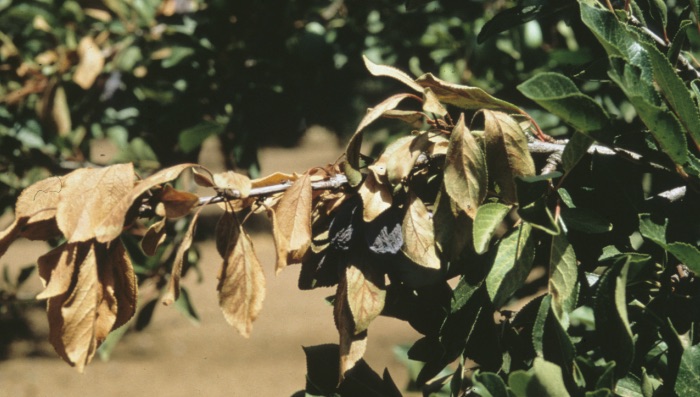
Blue Prune Drop and Leaf Scorch in Glenn and Tehama Counties

According to Bill Krueger UC farm advisor emeritus, Glenn County and Richard Buchner UC farm advisor, Tehama County, overheated prunes are succumbing to pressure due to high temperatures over the last few weeks. Blue prune drop and, in some cases, an associated leaf scorch, often develops following the rapid onset of high temperatures as occurred in June of this year.
Damaged prunes color prematurely (turn blue) and usually drop from the tree. The sun-exposed fruits on the top or south side of the tree are more likely to be affected by becoming sunken or flattened. Leaf scorch and dieback may develop in leaves and twigs near the damaged fruit. When damaged leaves dry, the veins may be a darker brown than the rest of the leaf.
Blue prune  drop is associated with heat stress. Excessive heat results in damage to the fruit that is thought to produce a toxin which is transported to spurs, leaves and shoots resulting in the leaf scorch symptoms. Leaf scorch symptoms are always associated with damaged prunes. They do not occur in areas of the tree with no fruit or on young trees without a crop. Anything affecting fruit temperature can have an effect. This would include:
1. Irrigation – Drop and particularly scorch are generally more severe on shallow soils with limited water holding capacity or in orchards toward the end of their irrigation cycle at the onset of heat. Adequate soil moisture insures maximum evapotranspiration and cooling of the plant.
2. Tree Position or Fruit Location – Leaf scorch is usually worse on overheated border trees, or on the south side of individual trees with greater sun exposure.
3. Cultural Practices – Blue prune appears to be less severe in orchards with cover crops than in clean tilled or drip irrigated orchards. Transpiration from an adequately irrigated cover crop should contribute to orchard cooling. In addition, a vegetated orchard floor reflects less sunlight than dead vegetation or bare ground.
4. Nutrition – While blue prune and leaf scorch does not appear to be directly related to potassium deficiency, anything adversely affecting tree health and condition could contribute to higher fruit temperatures. Adequate tree nitrogen levels promote vegetative growth that shades fruit from direct sunlight.
Krueger and Buchner report they have no sure ways of preventing blue prune drop and the associated leaf scorch. However, you can reduce the risk by making sure trees are healthy, vigorous and well supplied with water. Because the damage is caused by heat and not a disease, it should not continue to expand in the tree. Damaged wood should be pruned out during the dormant season.
Source: University of California Division of Agriculture and Natural Resources Cooperative Extension 

2016-05-31T19:47:14-07:00July 4th, 2013|
Go to Top